

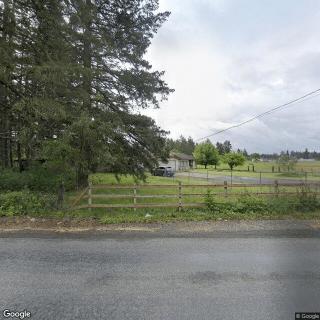
4606- 208th Street Ct E, Spanaway, WA 98387
To contact a resident: (253) 846-5711
For more information about senior living options: (866) 208-4318
Fairway Living AFH Costs & Pricing
Fairway Living AFH offers competitive pricing for its private rooms, ranging from $3,000 to $7,100 per month. When compared to the average costs in Pierce County and the broader state of Washington, Fairway Living stands out as an attractive option. The county's average monthly rate is approximately $4,623, while the state average hovers around $4,772. This indicates that residents at Fairway Living AFH may benefit from more flexible pricing options while enjoying a personalized living experience tailored to their needs. Overall, choosing Fairway Living AFH could represent a cost-effective solution without compromising quality care and comfort.
| Floor plans | Fairway Living AFH | Pierce County | Washington |
|---|---|---|---|
| Private | $3,000 to $7,100 | $4,623 | $4,774 |
Senior living communities with a similar price nearby
-
About the same

Hummingbird Homecare
$3,000 / month14.0 miles away -
About the same
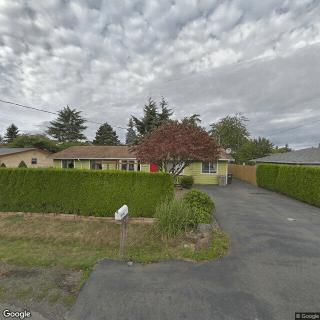
Home Care in Kent Inc.
$3,000 to $3,500 / month22.9 miles away -
from +$500 / mo

Twin Lakes Haven Adult Family Home
$3,500 to $8,000 / month17.4 miles away -
from +$300 / mo
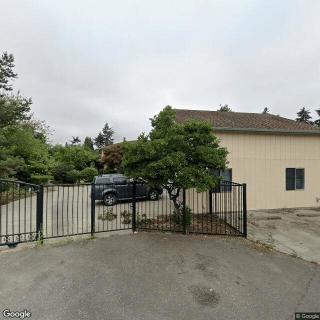
Magic Hands Adult Family Home
$3,300 / month3.8 miles away -
About the same
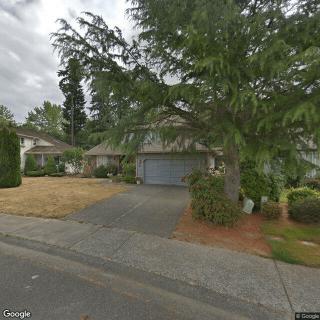
Ridgewood Adult Family Home
$3,000 / month16.5 miles away
Overall Review of Fairway Living AFH
Pros
 Grace and her team are kind, adaptable, and empathetic, guiding residents through new life stages.
- The home has been life-saving for families, helping residents become mobile and active.
- Aspire Care AFH is described as loving, caring, warm, and supportive, with staff who treat residents with dignity.
- Grace carefully selects compatible housemates, fostering a family-like environment where residents can make new friends.
- The staff are welcoming, keep the home clean and safe, and truly care about their clients.
- Families feel grateful for the care and describe the home as a place that feels like home.
Cons
 Alicia appeared to be overly focused on money, repeatedly discussing licensing costs.
- The house, while clean, seemed cluttered.
- For one reviewer, it did not work out for their mother to live there.
Review
Fairway Living AFH in Spanaway is best suited for families seeking a warm, home-like environment where a loved one can stay socially connected, cared for with real compassion, and supported to remain as independent as possible. The community thrives on intimate, patient-centered care delivered by Grace and her team, who treat residents with genuine warmth and respect. This setting shines for seniors who respond positively to daily companionship, familiar routines, and a sense of belonging among a small group of housemates. It is especially well-suited for those who benefit from a dignified, less clinical atmosphere, often including residents with dementia or those nearing end-of-life who value comfort, continuity, and personal attention over institutional formality.
That said, not every situation will be a fit. Families should consider alternatives if a loved one requires constant medical oversight or highly structured memory-care programming that a small adult-family home cannot reliably provide. The intimate AFH model has limited staff and a compact footprint, which can be challenged by high-acuity needs, complex medical tasks, or behavior patterns that demand around-the-clock nursing support. A few reviewers also noted potential mismatches in environment or expectations, underscoring the importance of a precise care plan, a practical tour, and a candid discussion about what the home can and cannot manage.
The strongest advantages are tangible and meaningful. The warmth and genuine care from Grace and her caregivers create a pressure-tested sense of safety and belonging that many families find transformative. Grace’s method of carefully pairing residents with compatible housemates fosters real community and reduces friction, so daily life feels harmonious rather than transactional. Cleanliness and safety come up consistently, contributing to a calm, livable atmosphere. In several accounts, residents appeared more engaged and even mobile after joining the home, suggesting that the environment can nurture wellbeing and a sense of vitality when the care plan supports activity and social connection.
Yet the model does carry meaningful trade-offs. The small, home-based setting typically cannot match the medical depth or the formal, programmatic structure of larger assisted-living campuses or dedicated memory-care facilities. For families prioritizing intensive clinical oversight, constant on-site nursing, or highly specialized dementia protocols, alternatives will likely serve better. Additionally, when money matters are not fully transparent or when a house feels cluttered, it can erode confidence in the arrangement. These are legitimate considerations that warrant upfront clarity, pricing, included services, and space organization should be reviewed in detail before committing.
Practical steps for families moving forward are straightforward and essential. Schedule a hands-on visit to observe whether Grace’s team truly matches residents with compatible peers and whether the daily rhythm aligns with the loved one’s preferences. Request a written care plan that outlines medical supports, activities, and emergency procedures, along with a clear, itemized cost structure. Inquire about staff-to-resident ratios, on-call medical support, and how memory-care or end-of-life needs would be integrated if those arise. The home’s strongest selling points, genuine care, a family-like culture, and a clean, safe setting, are amplified when there is transparent pricing and well-understood expectations.
Bottom line: Fairway Living AFH is a compelling choice for families who want a truly homey, compassionate setting where a loved one can thrive on connection, dignity, and daily encouragement. It excels at creating a nurturing, village-like atmosphere that many residents come to rely on for happiness, engagement, and a sense of belonging. For those needing intensive medical supervision, highly specialized memory care, or a more clinical routine, however, alternatives in larger assisted-living or memory-care communities will likely serve better. A disciplined evaluation, visits, care plans, and a frank pricing conversation, will determine whether this intimate AFH balances warmth with the care level required.
 Board and Care Home
 Private
 Diabetic care
 High acuity care


 Exploring Nonmedical Home Care: Understanding Services, Costs, and Financial Approaches
 Engaging Brain Games and Innovative Apps to Keep Senior Minds Active
 Effective Strategies for Keeping Seniors' Minds Active: A Deep Dive into Brain Games and Apps