
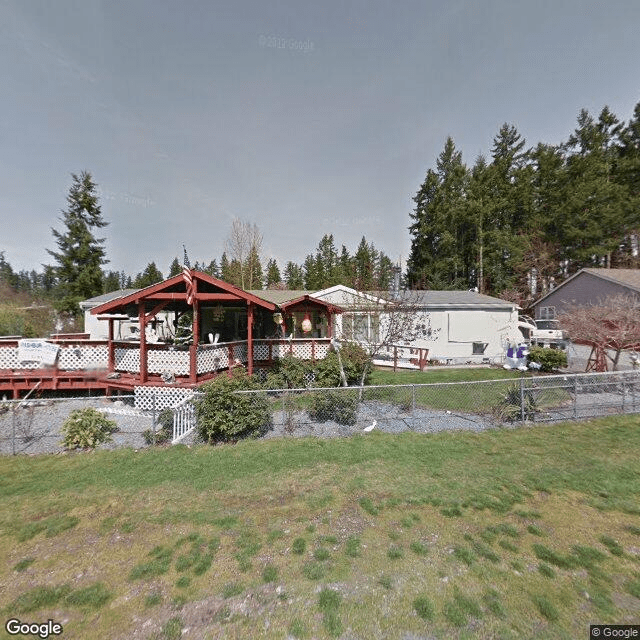
5915 258th St Ct E, Graham, WA 98338
To contact a resident: (253) 846-1951
For more information about senior living options: (866) 208-4318
Mashburn AFH LLC Costs & Pricing
Mashburn AFH LLC offers competitive pricing for its residential care options, with both private and semi-private rooms available at $3,000 per month. This cost stands in stark contrast to the average expenses in Pierce County and across Washington State, where similar accommodations range significantly higher - private rooms averaging around $4,623 and semi-private rooms about $4,264. By providing quality care at such accessible rates, Mashburn AFH LLC not only alleviates the financial burden on families but also positions itself as an attractive option in a challenging marketplace.
| Floor plans | Mashburn AFH LLC | Pierce County | Washington |
|---|---|---|---|
| Private | $3,000 | $4,623 | $4,774 |
| Semi-Private | $3,000 | $4,264 | $4,272 |
Memory care communities with a similar price nearby
-
About the same
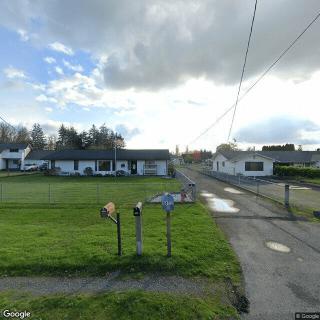
Hummingbird Homecare
$3,000 / month17.4 miles away -
from +$500 / mo

Twin Lakes Haven Adult Family Home
$3,500 to $8,000 / month20.5 miles away -
from +$500 / mo
Ahadi Care Adult Family Home
$3,500 to $4,000 / month9.3 miles away -
About the same
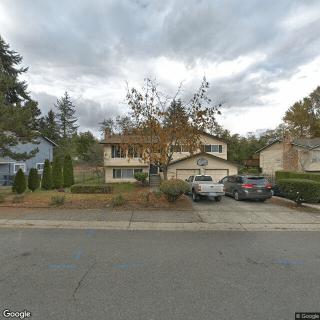
Meridian AFH II
$3,000 to $3,500 / month20.1 miles away -
from +$95 / mo

The Young House
$3,095 to $6,000 / month13.9 miles away
Overall Review of Mashburn AFH LLC
Pros
 Mashburn AFH LLC has warmth and a caring atmosphere.
- The residents are out and about, happy, and content.
- The aunt blossomed under care and was kept cleaner.
- The facility is consistently clean and the staff are friendly.
- The aunt showed improved engagement during visits.
- The overall experience was very pleasing.
Review
Mashburn AFH LLC is best suited for families seeking a small, home-like assisted living that prioritizes warmth, personal attention, and ongoing social engagement. The setting shines for residents who respond to a friendly, neighborly environment where staff know names, routines, and preferences. In the reviewed experiences, residents were described as out and about, happy, and content, which signals a level of daily liveliness that supports emotional well-being and dignity. The contrast with larger memory-care campuses is telling: the intimate atmosphere appeared to help a relative stay engaged, stay cleaner, and regain a spark that had dimmed in a bigger, more institutional setting. For families prioritizing warmth, cleanliness, and meaningful daily interaction, Mashburn stands out as a compelling option.
That said, there are clear reasons some families may want to consider alternatives. For residents who require intensive medical oversight, complex nursing procedures, or a broad spectrum of on-site therapies and amenities, a larger community with more extensive staffing and programs may be a better fit. While Mashburn’s size cultivates engagement and personal attention, it may not match the scale of services offered by bigger campuses. Families should assess the level of medical support, transportation options, and activity breadth they need, and compare these against Mashburn’s intimate, person-centered strengths before deciding.
The core strengths of Mashburn AFH LLC, its warmth, clean environment, and friendly staff, address most of what families worry about when selecting care: isolation, neglect, and impersonal care. A consistently clean facility communicates dignity and reduces health risks, while staff who are approachable and attentive translate into quicker response to needs and a steadier sense of security for both residents and families. The lived experience described in the reviews emphasizes active residents, not passive ones, reinforcing the sense that this is a place where everyday life remains social and purposeful rather than routine and dull. The anecdote about the aunt blossoming after moving there, being more engaged, even asking questions during visits, speaks to meaningful cognitive and emotional engagement that is often missing in more impersonal environments.
Another vital offset is the potential for personalized attention to translate into better everyday functioning. In a smaller setting, staff members can form consistent routines with individual residents, monitor subtle changes, and tailor activities to interests and abilities. The observed outcome, a previously withdrawn memory-care resident blossoming, signals that Mashburn can deliver a level of personal supervision and activity customization that families seek when a loved one needs stimulation and reassurance. This kind of intimate care often reduces the angst families experience during transitions and supports smoother daily living, meals, and social interaction.
For families evaluating options, practical steps matter. Start with a visit to observe how staff interact with residents, how residents respond to each other, and whether the environment truly feels clean and welcoming. Ask pointed questions about daily schedules, the range of activities, and how memory-related needs are managed within this smaller framework. Clarify what medical oversight looks like on an ongoing basis, how medications are handled, and what transportation and accessibility support exist. Request references from other families, and compare these insights with experiences shared about larger facilities visited during the decision process. The goal is to confirm that Mashburn’s strengths align with the specific care goals and day-to-day expectations of the loved one.
In the end, Mashburn AFH LLC presents a decisive option for families prioritizing a warm, engaged, and clean home-like environment in Graham, Washington. It’s a strong recommendation for residents who thrive on social contact, personalized attention, and the reassurance that staff know their preferences and routines. Those seeking a facility with expansive medical programs, large-scale amenities, or aggressive security and specialized memory-care infrastructure may want to widen the search. A focused tour, clear discussion of care planning, and direct conversations with current residents and their families will crystallize whether Mashburn’s intimate setting is the best fit, or if another community better aligns with the care trajectory and lifestyle goals.
 Board and Care Home
 Memory Care
 Cats allowed
 Dogs allowed
 Activities off-site
 Bath tubs
 Beautician on-site
 Indoor common areas
 Outdoor common areas
 Private
 Respite or short term stays offered
 Wheelchair accessible showers
 Ambulatory care
 Diabetic care
 High acuity care
 Incontinence care
 Medication management
 Kosher

 When to Transition from Assisted Living to Memory Care: Key Indicators, Steps, and Finding the Right Community
 Understanding the Distinctions: Assisted Living and Memory Care Explained
 How to Communicate with a Loved One Living with Dementia: 10 Supportive Strategies