
27204 76th Ave, Graham, WA 98338
To contact a resident: (253) 846-5425
For more information about senior living options: (866) 208-4318
Heavenly Acres III Costs & Pricing
Heavenly Acres III presents a compelling value in the context of long-term care facilities. With semi-private rooms available at $3,000 per month and private rooms at $3,300, it offers cost-effective options that significantly undercut both Pierce County and state averages. In comparison, the average monthly cost for a semi-private room in Pierce County is $4,264, while private rooms command an even higher price at $4,623. Similarly, state averages reflect this trend with semi-private and private room costs standing at $4,267 and $4,772 respectively. These figures highlight Heavenly Acres III as not only an economically attractive choice but also one that maintains quality care within a more affordable framework.
| Floor plans | Heavenly Acres III | Pierce County | Washington |
|---|---|---|---|
| Semi-Private | $3,000 | $4,264 | $4,272 |
| Private | $3,300 | $4,623 | $4,774 |
Senior living communities with a similar price nearby
-
About the same

Hummingbird Homecare
$3,000 / month17.9 miles away -
from +$500 / mo

Twin Lakes Haven Adult Family Home
$3,500 to $8,000 / month21.3 miles away -
from +$300 / mo
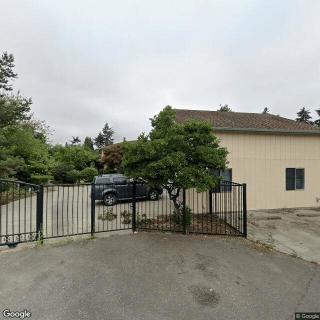
Magic Hands Adult Family Home
$3,300 / month7.5 miles away -
About the same
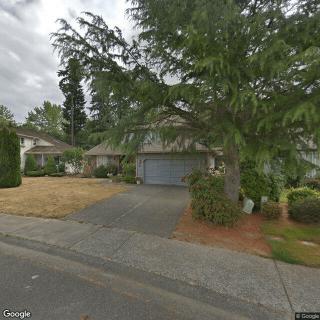
Ridgewood Adult Family Home
$3,000 / month20.5 miles away -
from +$500 / mo
Ahadi Care Adult Family Home
$3,500 to $4,000 / month9.7 miles away
Overall Review of Heavenly Acres III
Pros
 Heavenly Acres is loved by reviewers.
- The facility feels like home and residents are treated like family.
- The staff are very caring and personable, and they truly care about the residents.
Review
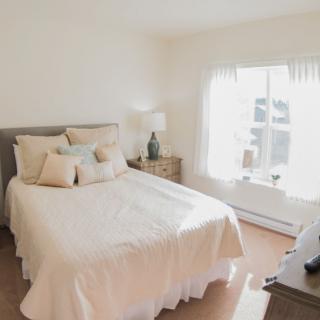
Heavenly Acres III in Graham, Washington, is best suited for families seeking a warm, home-like living environment where residents are treated like family and daily life carries a sense of familiar comfort. In the single glowing report, a family describes choosing the facility because it felt like home and because residents were treated with genuine warmth. The care philosophy shines through in the words: very caring and personable staff who truly care about the mom and the others. For families prioritizing personal connection and an intimate atmosphere, this community delivers on those expectations with noticeable sincerity.
That staff culture is the core asset. The caregivers are described as caring and personable, not transactional, which translates into more meaningful interactions, quieter days, and better companionship for the residents. In a setting that emphasizes family-like treatment, everyday routines, meals, conversations, and assistance with activities of daily living, feel more collaborative than procedural. The effect is a home away from home where residents are more likely to be known by name, where staff can anticipate needs, and where family members can participate in care decisions with a sense of trust rather than apprehension.
Yet a decision like this benefits from clearly understanding when alternatives are worth considering. If a family needs robust 24/7 skilled nursing supervision, frequent clinical oversight, or a broader menu of specialized therapies, other communities with larger footprints or stronger clinical infrastructure may be a better fit. The single positive review cannot fill the picture on amenities, activity variety, or the scale of programming that some families require. Those who value a bustling social calendar or access to nap-sized rehab options might find that Heavenly Acres III leans toward intimate routines over breadth of services.
With the pros laid out, the question becomes whether these strengths outweigh potential trade-offs. The home-like atmosphere, paired with consistently caring staff, can offset the absence of aggressive programming by creating a reliable daily rhythm: predictable meals, regular assistance, and meaningful opportunities to connect with peers. The risk, if any, is that some residents may crave more variety or more formal medical oversight than what a small, family-centered setting typically emphasizes. In practical terms, families should weigh the value of warmth and continuity against the comfort of more structured services elsewhere.
To translate this into a solid choice, investigations should focus on firsthand observations and verifications. Visitors should watch how staff interact with residents during routine tasks and meals, noting responsiveness, respect, and whether residents appear engaged rather than passive. Inquiries about staff-to-resident ratios, call-back times, and the availability of on-site medical coordination are essential. Meals, safety measures, housekeeping, and transportation options matter as much as the emotional tenor of daily life. Family members ought to request trial visits or short stays to gauge whether the environment truly aligns with the resident's personality, habits, and care needs.
In practical terms, Heavenly Acres III represents a strong option for those who prize a homey, family-like vibe and deep personal attention. It stands out as a place where residents are known, welcomed, and cared for as individuals rather than numbers. For families prioritizing warmth and close relationships over breadth of services, the value proposition is compelling. Those who require more intensive clinical resources or a busier activity lineup should consider alternatives with larger teams and broader programming. The decision hinges on matching the resident’s daily reality with the facility’s core strengths: genuine care, a home atmosphere, and a depth of personal connection.
 Board and Care Home
 Cats allowed
 Dogs allowed
 Private
 Diabetic care


 Financing Long-Term Nursing Home Care Through Social Security: A Thorough Exploration
 Essential Knowledge on Pneumonia in Older Adults
 Exploring Palliative Care in the Home: A Comprehensive Overview