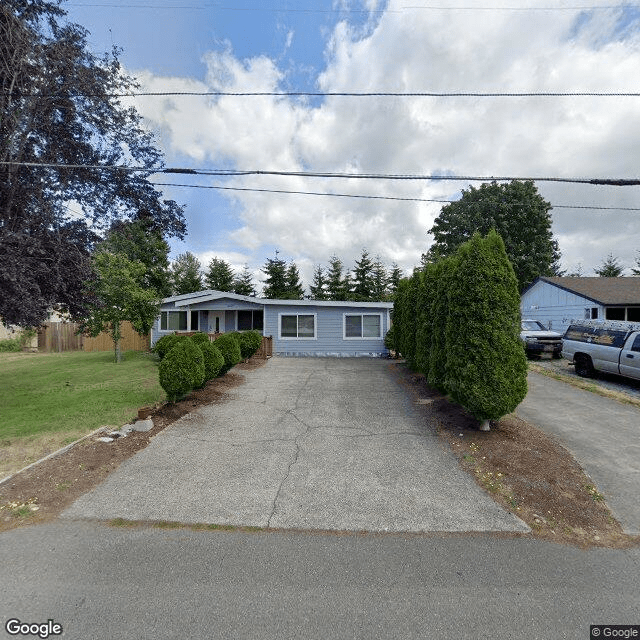
Esther AFH II in Federal Way, WA

Save
Esther AFH II

Esther AFH II in Federal Way, WA

31604 13th Ave S., Federal Way, WA 98003

For more information about senior living options: (844) 490-3973

2 from 1 review
Board and Care Home Memory Care

Esther AFH II Costs & Pricing

Esther AFH II offers competitive pricing for its accommodations compared to the broader market in King County and the state of Washington. For semi-private rooms, Esther AFH II's rate of $3,500 is significantly lower than the county average of $4,430 and the state average of $4,267. When it comes to private rooms and one-bedroom options, both priced at $6,000, Esther AFH II still stands out against the county's averages of $5,034 and $5,127 respectively. Overall, Esther AFH II provides residents with an attractive combination of affordability and quality care in a region where assisted living costs can be quite high.

Floor plansEsther AFH IIKing CountyWashington
Semi-Private$3,500$4,430$4,272
Private$6,000$5,034$4,774
1 Bedroom$6,000$5,127$4,634

Overall Review of Esther AFH II

Pros

  • pro Matthew was nice and answered all my questions.

Cons

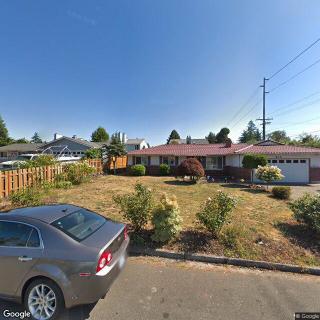
  • pro The house was a little run down.
  • pro There was no activity going on.
  • pro She was very cold.

Review

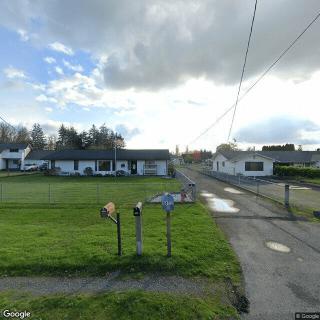
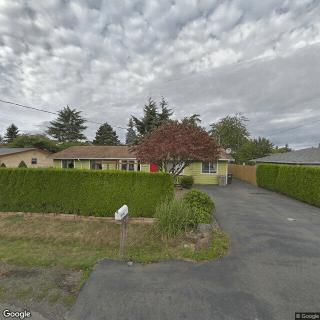
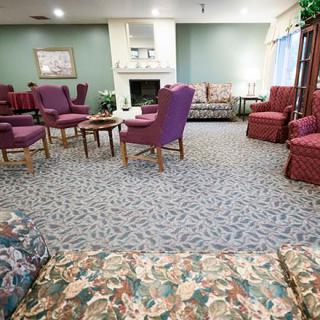
Esther AFH II is best suited for seniors who want a small, home-like environment in Federal Way and who value close, personal access to a caregiver over the bells-and-whistles of larger facilities. This setting reads as a private home with a principal point of contact, which can translate into straightforward communication and a sense of being cared for rather than managed. Residents who are relatively independent but appreciate daily assistance - help with meds, mobility, or meals - will likely appreciate the simple, low-ceremony rhythm. Because the dynamic is intimate, couples who want to stay together under one roof may find this option appealing. Prospective families should understand that the environment emphasizes relationships and simplicity more than formal programming or resort-style amenities.

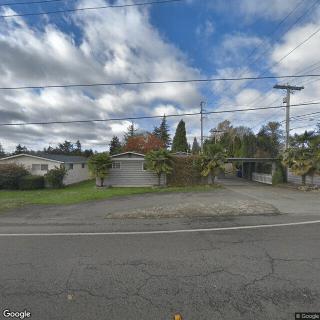
Alternatives should be considered for residents who require structured social programming, frequent organized activities, or a facility with modern finishes and higher maintenance standards. The one review notes the house felt a bit run down, which raises concerns about upkeep and safety in the eyes of families prioritizing polish and predictable routines. For a resident who relies on a steady calendar of activities, on-site engagement, or robust monitoring, a larger assisted living community or a center with memory-care offerings will likely deliver more consistent engagement. Those who value a bright, well-maintained environment with professional, consistently warm staff across shifts may find this option lacking.

On the plus side, the documented warmth of the named administrator, Matthew, and the fact that there is an adult presence on site are meaningful anchors. Easy access to a direct caregiver relationship can foster trust and quick problem-solving, which matters when daily tasks become challenging. The personal touch may translate into flexibility around routines and responsiveness to specific needs. Yet the apparent inconsistency in staff warmth - one helper described as cold - signals potential fluctuations in day-to-day interactions. The absence of documented daily activities or group engagement further erodes the quality of life for more social residents. Overall, the core benefit is proximity and personal attention; the core risk is limited stimulation and variable staff warmth.

Families weighing this option should foreground questions about maintenance, safety, and programming. The run-down condition of the house is not inconsequential; it can affect both comfort and perceived safety. In practice, this means verifying timelines for any repairs, cleanliness standards, and the overall habitability of common spaces. The lack of on-site activities could be buttressed by clear plans to incorporate resident-led or family-coordinated events, transportation to community activities, or partnerships with nearby groups. Before choosing Esther AFH II, request a written activity calendar, staffing schedules, and a tour that includes a meal or sample day to observe how routines unfold and how quickly staff respond during a typical day.

From a decision-making standpoint, risk tolerance plays a central role. If a resident values consistency, safety, and predictable daily routines, this setting can work provided maintenance concerns are addressed and engagement opportunities exist. The small size, privacy, and direct caregiver model are significant advantages for families who want close oversight and easy communication channels. However, the absence of regular programming and the house's aging condition should be nonnegotiables to verify in advance. If these elements cannot be bolstered quickly, moving toward a more structured, better-maintained community with trained staff and planned activities becomes the prudent course. The evaluation should hinge on a concrete plan for improvements and a clear commitment to resident engagement.

Bottom line: Esther AFH II is a viable option for a resident who prizes intimate care and flexible, one-on-one attention over formal programming, provided maintenance issues are promptly addressed and a realistic plan for activities is in place. Families considering this choice should visit with specific questions about upkeep, safety features, and staff coverage across shifts, and should insist on seeing a current activity plan or a trial day that demonstrates how residents interact and stay engaged. If those assurances cannot be secured, or if a resident requires ongoing social programming, alternative communities with steadier programming and more polished facilities are the responsible recommendation. In the right set of circumstances, this home can be a fit; in most others, a more robust option is advisable.

Features

Types of Care

  • Board and Care Home Board and Care HomeBoard and care homes provide a smaller, more intimate setting for seniors who require assistance with daily tasks but do not need the level of care offered by a nursing home. They offer personalized care, meals, and social activities in a homelike environment, ensuring that seniors receive individualized attention and support in their golden years.
  • Memory Care Memory CareMemory care is crucial for seniors as it provides specialized support and services for individuals with dementia or Alzheimer's disease. These programs offer a safe and secure environment where residents receive personalized care, cognitive stimulation, and help with daily activities. Memory care helps seniors maintain their independence, quality of life, and dignity while also providing peace of mind for their families.

Amenities

  • Activities off-site Activities off-siteEngaging in off-site activities is crucial for seniors to maintain social connections, stay active, and stimulate their minds. It promotes overall well-being and helps combat feelings of isolation and loneliness.
  • Activities on-site Activities on-siteActivities on-site are important for seniors because they provide opportunities for socialization, mental stimulation, physical activity, and overall well-being. Engaging in activities can help seniors stay active, maintain their independence, and improve their quality of life.
  • Devotional services off-site Devotional services off-siteDevotional services off-site are important for seniors as they provide spiritual nourishment, social engagement, and a sense of community outside of the senior living facility. This can enhance overall well-being and help combat feelings of isolation and loneliness often experienced by older adults.
  • Indoor common areas Indoor common areasIndoor common areas are crucial for seniors as they provide a space for socialization, recreation, and community engagement, promoting overall well-being and reducing feelings of isolation and loneliness.
  • Outdoor common areas Outdoor common areasOutdoor common areas are important for seniors as they provide a space for socialization, physical activity, and relaxation. Being outside in nature can improve mood and overall well-being, while also encouraging movement and engagement with others. These spaces can help combat feelings of isolation and promote a sense of community among residents.
  • Private PrivatePrivacy is important for seniors as it allows them to maintain their independence, dignity, and sense of control over their own lives. It also gives them the space and freedom to relax, reflect, and engage in activities that bring them joy and fulfillment. Creating private spaces within senior living facilities is crucial for promoting overall well-being and quality of life.
  • Respite or short term stays offered Respite or short term stays offeredRespite or short term stays provide seniors with a temporary solution when their regular caregiver is unavailable, offering them the opportunity to receive additional care and support during times of need, while also giving caregivers a chance to rest and recharge.
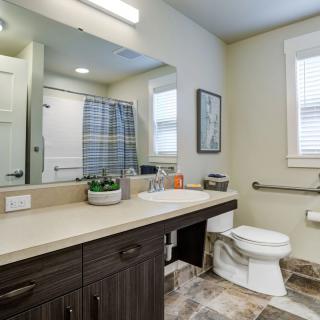
  • Wheelchair accessible showers Wheelchair accessible showersWheelchair accessible showers are crucial for seniors as they provide a safe and independent bathing option for those with mobility challenges. These showers help prevent falls and allow seniors to maintain their dignity and autonomy while ensuring they can bathe comfortably.

Transportation

  • Seattle-Tacoma International (9 miles away) Seattle-Tacoma International (9 miles away)

Care Services

  • Diabetic care Diabetic careDiabetic care is crucial for seniors as they are more susceptible to developing diabetes due to aging and other health conditions. Proper management of diabetes can help prevent complications such as heart disease, vision loss, and nerve damage, improving the overall quality of life for seniors in senior living communities.
  • High acuity care High acuity careHigh acuity care is important for seniors because it provides specialized medical attention and support for individuals with complex medical needs. This level of care ensures that seniors receive the appropriate treatment and assistance to maintain their health and quality of life as they age.
  • Incontinence care Incontinence careIncontinence care is essential for seniors to maintain their dignity, hygiene, and overall quality of life. By addressing incontinence issues promptly and effectively, seniors can enjoy a sense of independence and comfort in their daily activities.
  • Medication management Medication managementMedication management is crucial for seniors to ensure they are taking the right medications at the correct dosages and times. This helps prevent adverse drug interactions, reduces the risk of medication errors, and promotes overall health and well-being. Proactive management also allows for adjustments as needed based on changing health conditions or new prescriptions.

Dining

  • Meals provided Meals provided"Meals provided" are crucial for seniors in assisted living communities as it ensures they have access to nutritious, balanced meals without the stress of meal planning and preparation. This can help promote overall health and well-being for seniors who may have limited mobility or cognitive abilities.
  • Vegetarian VegetarianA vegetarian diet is important for seniors because it can help lower the risk of chronic diseases, maintain a healthy weight, and provide essential nutrients needed for aging bodies. Additionally, plant-based diets are often easier on digestive systems and can contribute to overall well-being in older adults.

Activities

  • Activities off-site Activities off-siteEngaging in off-site activities is crucial for seniors to maintain social connections, stay active, and stimulate their minds. It promotes overall well-being and helps combat feelings of isolation and loneliness.
  • Activities on-site Activities on-siteActivities on-site are important for seniors because they provide opportunities for socialization, mental stimulation, physical activity, and overall well-being. Engaging in activities can help seniors stay active, maintain their independence, and improve their quality of life.
  • Devotional activities offsite Devotional activities offsiteDevotional activities offsite are important for seniors because they provide social engagement, spiritual growth, and a sense of community outside of their living environment. This can improve overall well-being, mental health, and combat feelings of isolation or loneliness.

Description

Esther AFH II is a memory care assisted living community located in Federal Way, WA. Our dedicated team provides high acuity care for individuals with memory impairments, ensuring their safety and well-being at all times. We offer specialized services such as incontinence care and medication management to meet the unique needs of our residents.

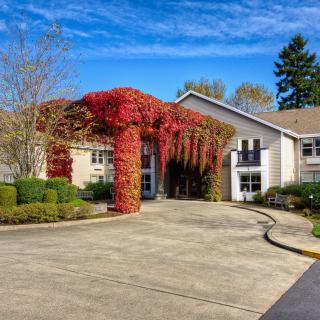
At Esther AFH II, we prioritize creating a comfortable and enjoyable environment for our residents. Our indoor and outdoor common areas provide spaces for socialization and relaxation. Residents can engage in various activities on-site or participate in devotional services off-site to nurture their spiritual well-being.

We understand the importance of maintaining a healthy lifestyle, which is why we offer a vegetarian dining option to cater to different dietary preferences. Our meals are carefully prepared to ensure they are both nutritious and flavorful.

Our community is conveniently located near numerous amenities and services. With three cafes and eight restaurants nearby, residents have plenty of options to dine out or enjoy a cup of coffee with friends. There are also four parks nearby for those who enjoy outdoor activities. In addition, seven pharmacies and seven physicians are easily accessible for any medical needs.

We strive to provide a holistic approach to senior care by promoting engagement within the local community as well. With one transportation service available, residents can explore nearby places of worship, theaters, and hospitals.

At Esther AFH II, our mission is to enhance the lives of our residents by providing personalized care in a warm and supportive environment.

Nearby Places of Interest

This area of Federal Way, Washington offers a convenient and diverse range of amenities for seniors considering the area for living. With various restaurants nearby such as Traditional Korean Beef Soup, Chick-Fil-A, and McDonald's, there are plenty of dining options to choose from. Additionally, pharmacies like Rite Aid and Angel Pharmacy are easily accessible for medication needs. There are also several reputable physicians and hospitals in close proximity, including Federal Way Dental and St Francis Hospital, ensuring quality healthcare services. For recreational activities, seniors can enjoy parks like Steel Lake Park and French Lake Off-Leash Dog Park. Furthermore, cafes like Starbucks provide opportunities for socializing and enjoying a cup of coffee. Overall, this part of Federal Way offers a well-rounded community with convenient amenities for seniors to enjoy a comfortable lifestyle.

Restaurants

  • Traditional Korean Beef Soup (0.3 miles)
  • Chick-Fil-A (0.3 miles)
  • McDonald's (0.6 miles)
  • Wendy's (1.8 miles)
  • Del Taco (1.8 miles)
  • Jack In The Box (1.9 miles)
  • McDonald's (3.5 miles)

Pharmacies

  • Rite Aid (0.3 miles)
  • Angel Pharmacy (0.3 miles)
  • Walgreens (1.8 miles)
  • CVS Pharmacy (2.4 miles)
  • Rite Aid (2.5 miles)
  • Walgreens (3.4 miles)
  • Walgreens (4.5 miles)

Physicians

  • Federal Way Dental (0.4 miles)
  • Lateef J Harper MD | Kaiser Permanente (0.8 miles)
  • Wyman Carl MD (1.4 miles)
  • Digestive Health Specialists (1.6 miles)
  • Pediatrics NW (1.8 miles)
  • UW Medicine - Valley Women’s Health (4.1 miles)
  • Molen Oral & Facial Surgery (4.7 miles)

Parks

  • Steel Lake Park (0.8 miles)
  • French Lake Off-Leash Dog Park (0.9 miles)
  • Saltwater State Park (4 miles)
  • Dash Point State Park (4.2 miles)
  • Johnson Pit #30, Earthworks Park (6.4 miles)
  • Lea Hill Park (6.5 miles)
  • Lakeland Hills Park (6.5 miles)

Hospitals

  • St Francis Sleep Disorders Clinic (1.8 miles)
  • St. Francis Hospital (1.8 miles)
  • St Francis Hospital (1.9 miles)
  • Federal Way Community Dialysis (2 miles)
  • Group Health Cooperative (7.5 miles)
  • MultiCare Regional Cancer Center - Tacoma (7.6 miles)

Cafes

  • Starbucks (2 miles)
  • Starbucks (2.1 miles)
  • Auburn Way Big Foot Java (4.3 miles)
  • Starbucks (5.1 miles)
  • Dutch Bros Coffee (5.6 miles)
  • Starbucks (5.7 miles)
  • South Auburn Bigfoot Java (6.6 miles)

Places of Worship

  • St Theresa's Church (3.3 miles)
  • Church Of The Nazarene Auburn (5.4 miles)
  • Holy Spirit Parish (5.7 miles)
  • Christ Episcopal Church (7.6 miles)

Theaters

  • Regal Auburn (3.8 miles)
  • AMC Kent Station 14 (6 miles)
  • Grand Cinema (7.3 miles)

Transportation

  • U-Haul Moving & Storage (4.6 miles)
  • Angle Lake Station (7.3 miles)

Frequently Asked Questions

How much does it cost to live at Esther AFH II in Federal Way, WA?
Where is Esther AFH II?
Does Esther AFH II provide care for residents with dementia or Alzheimer's disease?

Nearby Communities

  • Angels Touch

    Angels Touch

    Federal Way, WA

     
    $3,000 / month

    pro Affordable private room with abundant nearby amenities (cafes, parks, pharmacies, restaurants, theaters, hospitals).

  • Brookdale Federal Way

    Brookdale Federal Way

    Federal Way, WA

    3.8 from 80 reviews
    $3,580 to $4,325 / month

    pro Friendly staff, clean, and an active community with well-maintained facilities.

  • Federal Way Quality Care

    Federal Way Quality Care

    Federal Way, WA

    4.3 from 6 reviews
    $4,500 to $5,000 / month

    pro Attentive staff, very clean facility, high-quality, dignified care.

  • DMC Everlasting Home Care

    DMC Everlasting Home Care

    Federal Way, WA

    3.3 from 3 reviews
    $3,500 to $4,000 / month

    pro Competitive pricing relative to county/state averages; on-site devotional services and vegetarian dining.

  • Luxury Living

    Luxury Living

    Federal Way, WA

    4 from 5 reviews
    $5,000 / month

    pro Exceptional, compassionate care with engaging activities.

  • Maggie's Adult Family Home

    Maggie's Adult Family Home

    Federal Way, WA

     
    $3,500 to $3,800 / month

    pro Competitive, affordable pricing for semi-private and private rooms.

  • GenCare Lifestyle

    GenCare Lifestyle

    Federal Way, WA

    4.5 from 83 reviews
    $3,200 to $4,700 / month

    pro Friendly, attentive staff; engaging activities; clean, inviting atmosphere.

  • Hallmark Manor

    Hallmark Manor

    Federal Way, WA

    4.6 from 113 reviews
     

    pro Professional staff and engaging social programs.

  • Mirror Lake Village Senior Living Community

    Mirror Lake Village Senior Living Community

    Federal Way, WA

    3.7 from 22 reviews
    $3,450 to $3,750 / month

    pro Caring, capable staff in a clean, well-maintained, conveniently located community.

Related Resources

  • does medicaid pay for assisted livingHow and When Medicaid May Cover Assisted Living Costs

    Medicaid coverage for assisted living varies by state and is primarily available to low-income individuals, with eligibility dependent on strict income and asset limits. Some states offer HCBS waivers for specific services in assisted living, but families must generally cover room and board costs, and should verify facility acceptance of Medicaid while considering potential waiting lists.

  • assisted living waiver programA Detailed Exploration of Assisted Living Medicaid Waivers Across the United States

    Medicaid waivers for assisted living services provide vital support for seniors and individuals with disabilities in need of long-term care, with varying state-specific eligibility criteria and benefits. These waivers cover personal care and case management but often do not fully cover room and board, leading to waiting lists for many applicants.

  • assisted living vs skilled nursingExploring the Contrasts Between Assisted Living and Skilled Nursing

    The article compares assisted living and skilled nursing facilities, detailing their differing levels of assistance, medical support, cost structures, and day-to-day experiences. It emphasizes that assisted living is for those needing help with daily activities while maintaining independence, whereas skilled nursing facilities provide intensive medical care with 24-hour staff supervision.