Home Place Special Care at Burlington Costs & Pricing
Home Place Special Care at Burlington offers competitive pricing for its specialized care services, with studio and semi-private rooms both priced at $5,380 per month. Compared to the broader Skagit County landscape, where studio accommodations average around $4,135 and semi-private options are approximately $4,543, Home Place positions itself slightly above the local market rates. Similarly, the state of Washington reflects modestly lower averages for similar room types - $4,126 for studios and $4,267 for semi-private rooms. This suggests that while Home Place may be priced higher than both county and state averages, it likely provides unique benefits or specialized care that could justify the additional cost for residents seeking premium services in a supportive environment.
Floor plans
Home Place Special Care at Burlington
Skagit County
Washington
Studio
$5,380
$4,135
$4,128
Semi-Private
$5,380
$4,543
$4,272
Memory care communities with a similar price nearby
Overall Review of Home Place Special Care at Burlington
common31 reviews mention this
Caregivers are consistently praised
Care teams are described as friendly, attentive, and compassionate.
Across many reviews, residents and families describe caregivers who are kind, patient, and proactive about day-to-day needs. Several mention administration and nursing staff watching over them with comfort and support, along with clear communication when updates are needed. A number of reviewers also highlight warm interactions and staff who treat residents like they matter.
differentiator4 reviews mention this
Dementia-focused layout stands out
Residents benefit from a dementia-focused setting and layout.
Multiple reviews point to a memory-care environment that’s designed for dementia, including a community layout that works well for residents. Families also mention good visibility for staff to notice needs and concerns, and comfortable community sizing. Reviews consistently connect this setup to making residents feel safer and happier.
common6 reviews mention this
Activities help residents stay engaged
Daily engagement is a regular part of life here.
Residents and families describe frequent activities that keep people busy, active, and social. Reviews mention programs like field trips and music, as well as art and other planned outings and group events. Several also describe caregivers doing extra work to engage residents and support meaningful time together.
common3 reviews mention this
Dining is good, with mixed feelings
Dining receives mostly positive comments, though not everyone loves it.
Some families say the food is better than what they were seeing elsewhere, and a few describe dining as satisfying for their loved one. One review describes dining logistics for residents who can’t get to the main dining area. Another mentions the food is good but not exceptional, suggesting variation in expectations.
caveat7 reviews mention this
Cleanliness is a strength, with odor issues
Most reviewers mention strong cleanliness, but odors can occur.
Many reviews describe the facility as very clean and well maintained, with upkeep that stands out. However, at least one reviewer reports strong odor at times and another describes periods when the smell of urine is noticeable. Overall, cleanliness is frequently praised, but odor appears to be an intermittent concern.
caveat2 reviews mention this
Cost is a recurring concern
Pricing is described as difficult for families to manage.
Some families say the community is extremely high priced, and one review notes the challenge of covering costs for a multi-year period. Another reviewer also calls the services expensive compared with similar options. While a separate review describes value as consistent with other facilities, overall affordability comes up as a concern in multiple reviews.
How we summarize
Counts show how many written reviews mention each theme; a review can touch several themes, and only frequently mentioned themes are displayed.
Features
Housing
46 resident community capacity
Studio apartments
Types of Care
Assisted Living
Memory Care
Pets
Cats allowed
Dogs allowed
Amenities
Activities off-site
Activities on-site
Bath tubs
Beautician on-site
Beauty salon
Cable or satellite TV
Devotional services on-site
Dining room
Fully furnished
Garden
Ground floor units
Handicap accessible
Housekeeping services
Indoor common areas
Kitchenette
Move-in coordination
Outdoor common areas
Outdoor space
Respite or short term stays offered
Restaurant-style dining
Small library
Spa
Telephone
Wheelchair accessible showers
Wi-Fi/high-speed internet available
Transportation
Bellingham International (24 miles away)
Care Services
24-hour call system
24-hour supervision
Activities of daily living assistance
Assistance with bathing
Assistance with dressing
Assistance with transfers
Coordination with health care providers
Dementia waiver
Diabetes diet
Diabetic care
High acuity care
Hospice waiver
Incontinence care
Meal preparation and service
Medication management
Mental wellness program
Mild cognitive impairment
Special dietary restrictions
Specialized memory care programming
Transportation arrangement (medical)
Transportation to doctors appointments
Dining
Diabetes diet
Gluten-free
Guest meals
International cuisine
Kosher
Low / no sodium
Meals provided
No Sugar
Professional chef
Room service
Special dietary restrictions
Special dining programs
Vegan
Vegetarian
Activities
Art classes
Bible study group
Community-sponsored activities
Cooking classes
Day trips and outings
Devotional activities on-site
Educational speakers / life long learning
Happy hour
Karaoke
Live musical performances
Other religious services
Resident-run activities
Scheduled daily activities
Visiting chaplain or priest
Wine tasting
Nearby Places of Interest
This part of Burlington, Washington, offers a wide range of amenities and services that would be beneficial for senior living. With several physicians' offices nearby, including Burlington Family Practice and Pulmonary Rehabilitation Program, medical care is easily accessible. Places of worship such as First Baptist Church and Jehovah's Witnesses provide spiritual support, while pharmacies like Pye-Barker Fire & Safety and Walgreens ensure convenient access to medications. Restaurants such as Train Wreck Bar & Grill and cafes like Billy's Cafe offer opportunities for dining out or socializing with friends. Transportation options like Burlington Airport Shuttle and Yellow Cab make getting around the area simple. Nearby parks such as Skagit River Park provide opportunities for outdoor recreation and relaxation. Additionally, amenities like AMC Cascade Mall 14 theater and PeaceHealth United General Hospital offer entertainment and healthcare options within close proximity.
Physicians
Burlington Family Practice (0.2 miles)
Quick Care Clinic (0.9 miles)
RejuvenationMD - Dr Tianna Tsitsis (1.8 miles)
Vitreoretinal Associates (1.8 miles)
North Cascade Eye Associates (2.3 miles)
Pulmonary Rehabilitation Program (2.3 miles)
Physicians Care Family Medicine (2.4 miles)
Places of Worship
First Baptist Church (0.3 miles)
Jehovah's Witnesses (0.7 miles)
Second Mile Mount Vernon (3.7 miles)
Sedro Woolley Community Fellowship (4.1 miles)
Pharmacies
Pye-Barker Fire & Safety (0.3 miles)
Walgreens (0.9 miles)
Makers Compounding Pharmacy (0.9 miles)
Haggen Pharmacy (1.1 miles)
Schaffner Pharmacy (2.4 miles)
Rite Aid (3.1 miles)
Haggen Pharmacy (3.8 miles)
Restaurants
Train Wreck Bar & Grill (0.5 miles)
My Cup of Tea (0.7 miles)
The Fairhaven (0.8 miles)
Tacos Tecalitlan (0.8 miles)
MOD Pizza (0.9 miles)
Taste Of Thai By Wipa (1.1 miles)
Popeyes Louisiana Kitchen (1.2 miles)
Cafes
Billy's Cafe (0.6 miles)
Starbucks (0.9 miles)
Starbucks (1 miles)
Valley Grind Espresso (1.2 miles)
Whidbey Coffee (1.4 miles)
Bigfoot Java (1.7 miles)
Panera Bread (1.8 miles)
Transportation
Burlington Airport Shuttle (0.9 miles)
Yellow Cab (2.8 miles)
Parks
Skagit River Park (1.1 miles)
Skagit Valley Playing Fields (2.6 miles)
Bakerview Park (3.3 miles)
Lions Park (3.7 miles)
Bingham City Park (4 miles)
Theaters
AMC Cascade Mall 14 (1.3 miles)
Hospitals
PeaceHealth United General Hospital (2.4 miles)
Care Center (4 miles)
Public Hospital District 1 Skagit County (4.1 miles)
Home Place Special Care at Burlington offers competitive pricing for its specialized care services, with studio and semi-private rooms both priced at $5,380 per month. Compared to the broader Skagit County landscape, where studio accommodations average around $4,135 and semi-private options are approximately $4,543, Home Place positions itself slightly above the local market rates. Similarly, the state of Washington reflects modestly lower averages for similar room types - $4,126 for studios and $4,267 for semi-private rooms. This suggests that while Home Place may be priced higher than both county and state averages, it likely provides unique benefits or specialized care that could justify the additional cost for residents seeking premium services in a supportive environment.
The array of services offered at Home Place Special Care in Burlington is designed to enhance the quality of life for residents facing dementia or Alzheimer's disease. The 24-hour supervision ensures that residents receive constant support, promoting safety and comfort. Assistance with activities of daily living, such as bathing, dressing, and transfers, helps maintain dignity while accommodating individual needs. Coordination with healthcare providers and medication management are crucial for monitoring health and ensuring appropriate treatments are administered. Meal preparation tailored to nutritional requirements supports both physical health and cognitive function. Incontinence care further safeguards resident dignity, while specialized memory care programming and a mental wellness program provide cognitive stimulation and emotional support. Additionally, transportation arrangements facilitate access to medical appointments, ensuring holistic care that addresses both physical and mental well-being. Together, these features create a nurturing environment conducive to fostering connection and enhancing the overall experience for individuals with varying stages of cognitive decline.
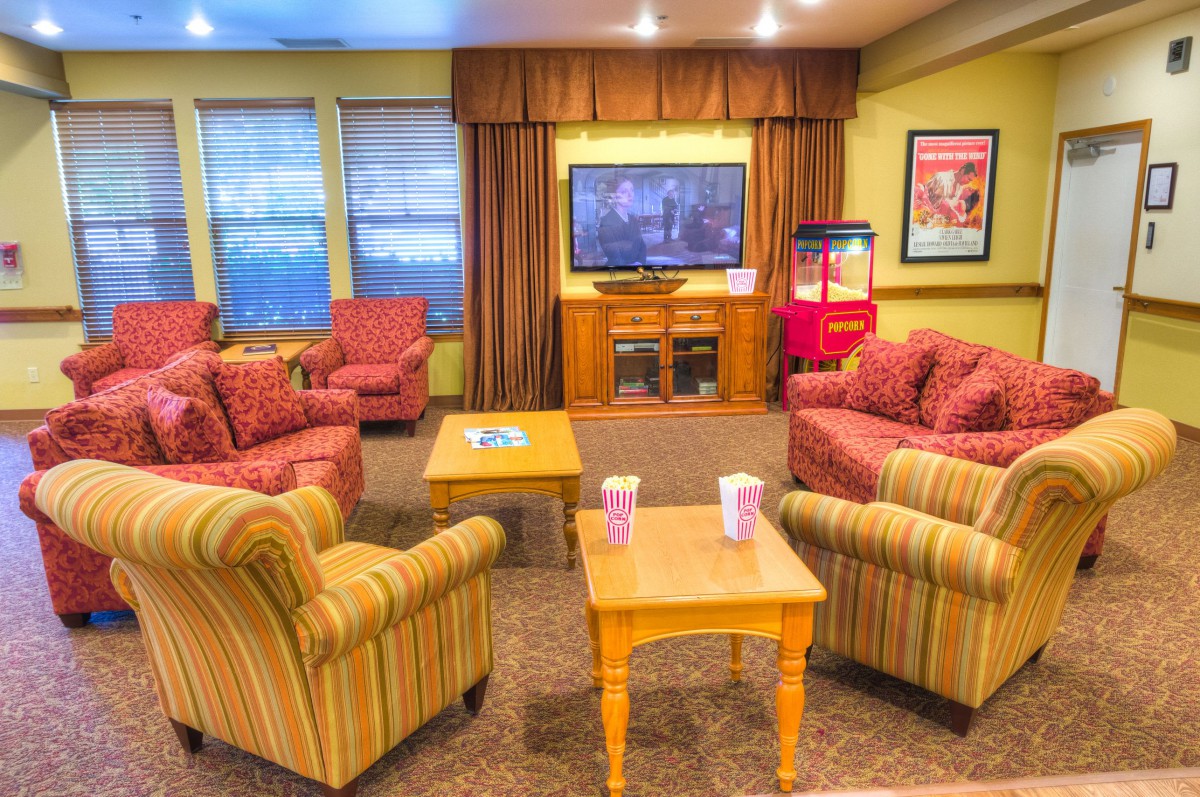
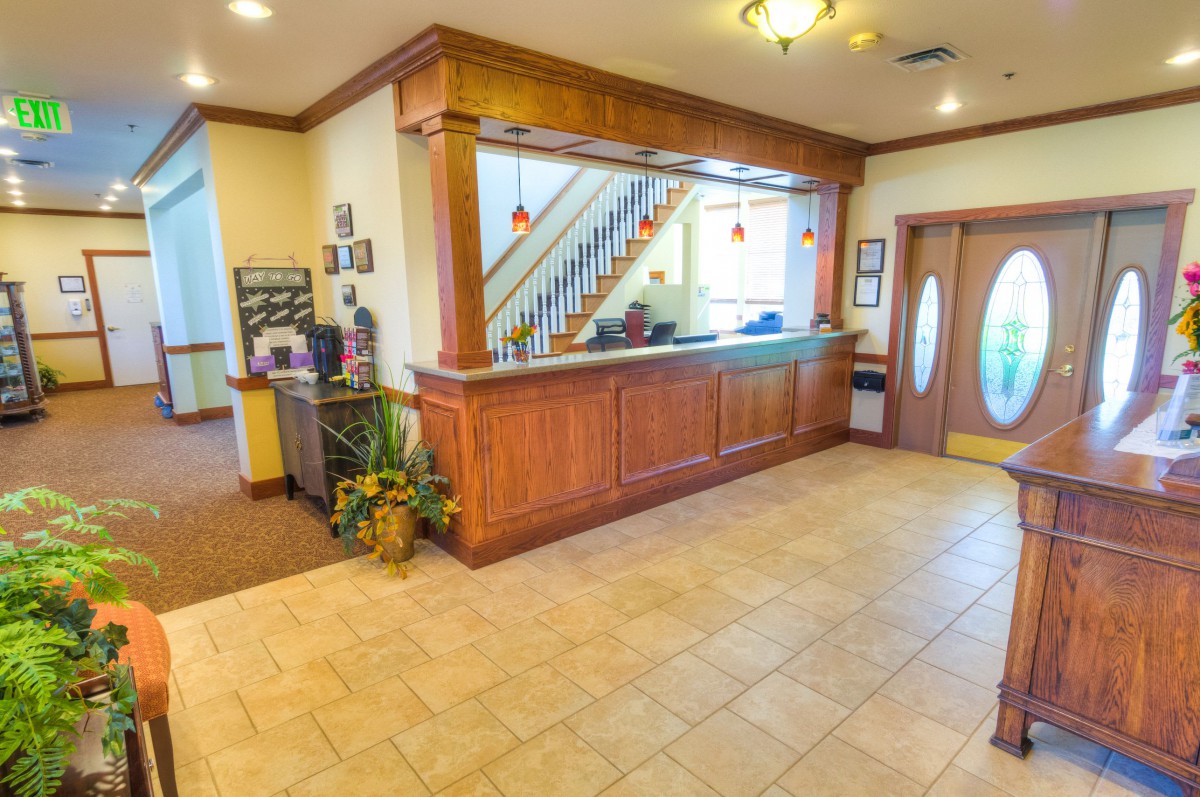
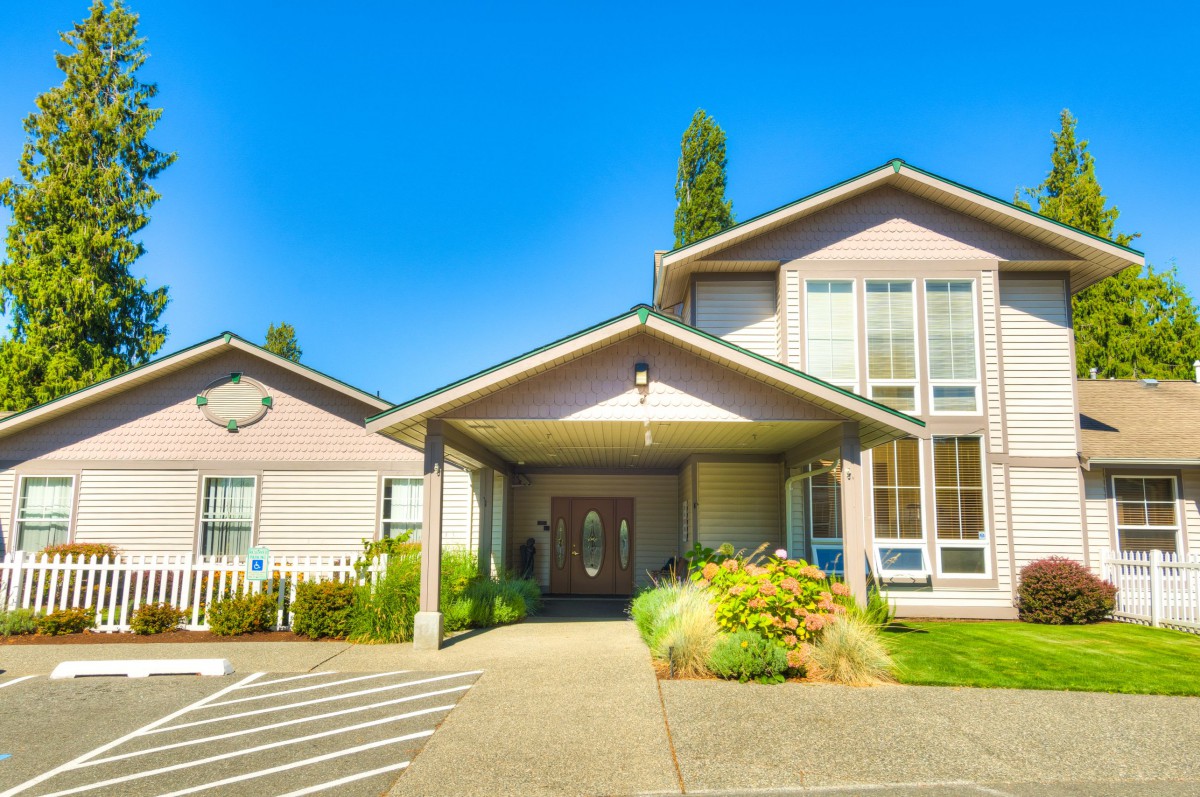
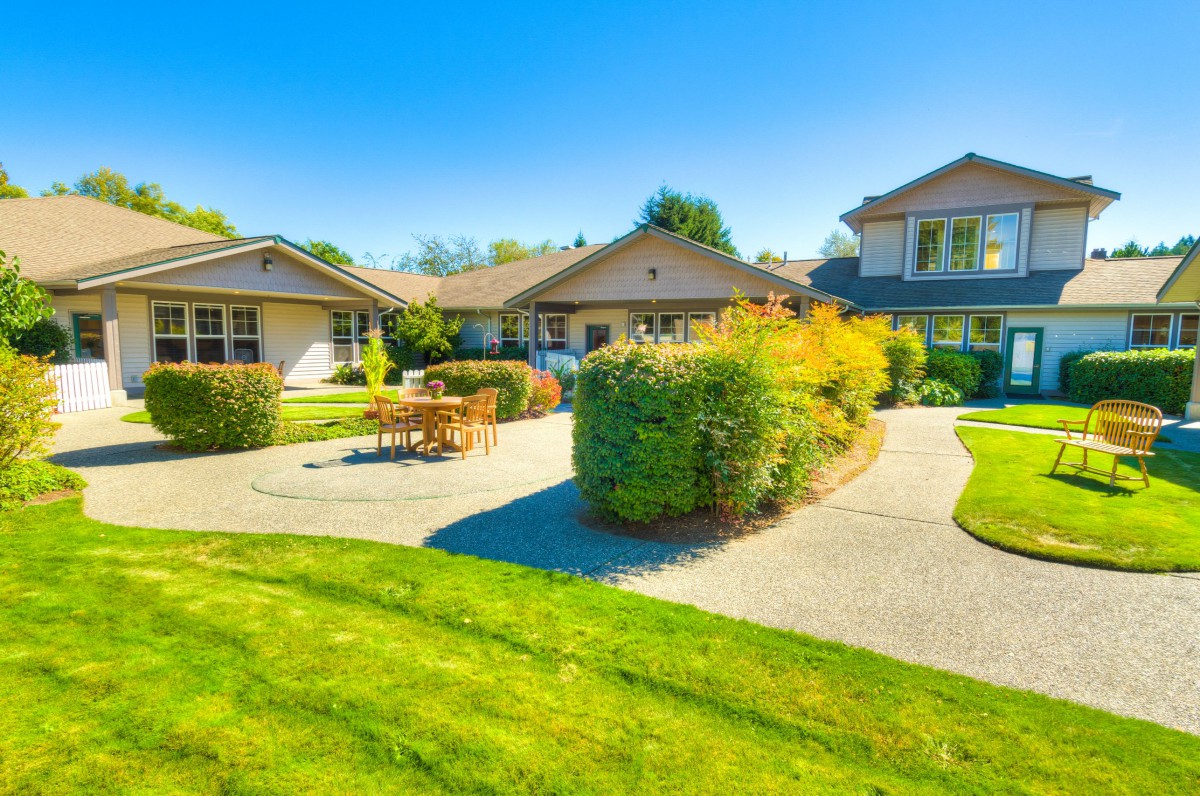
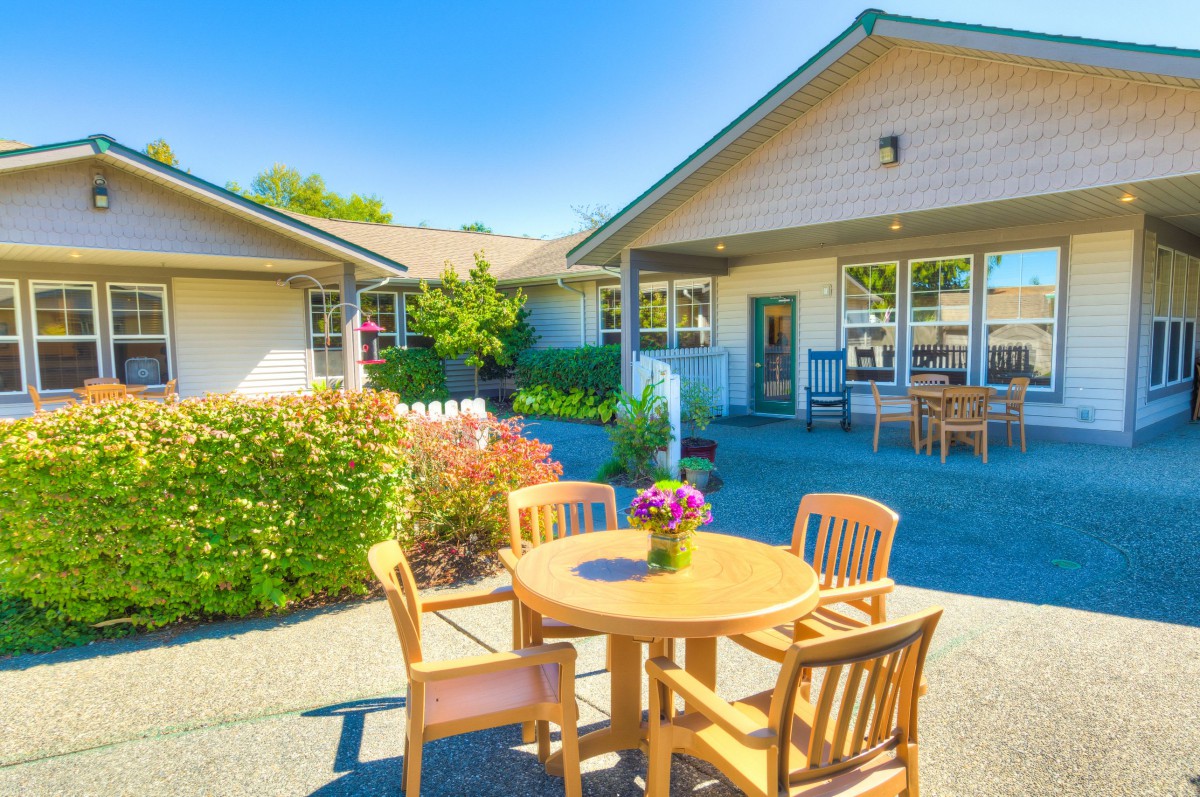
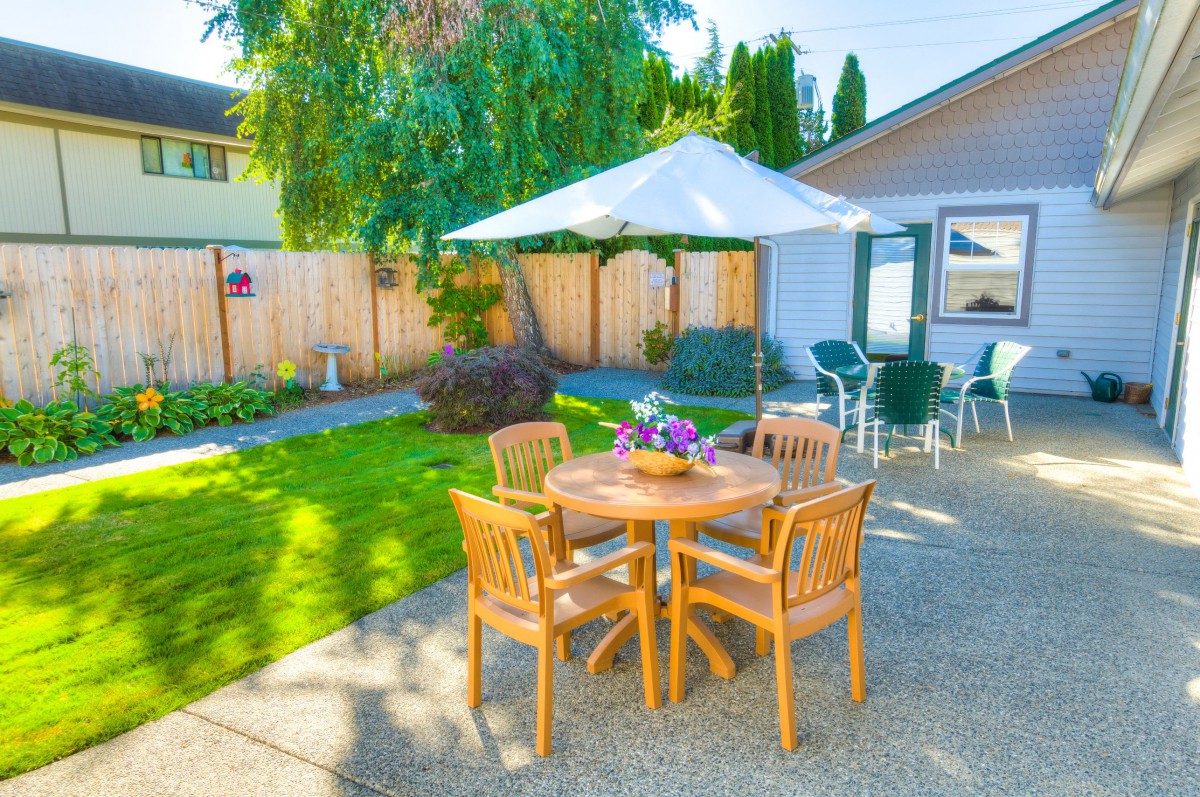
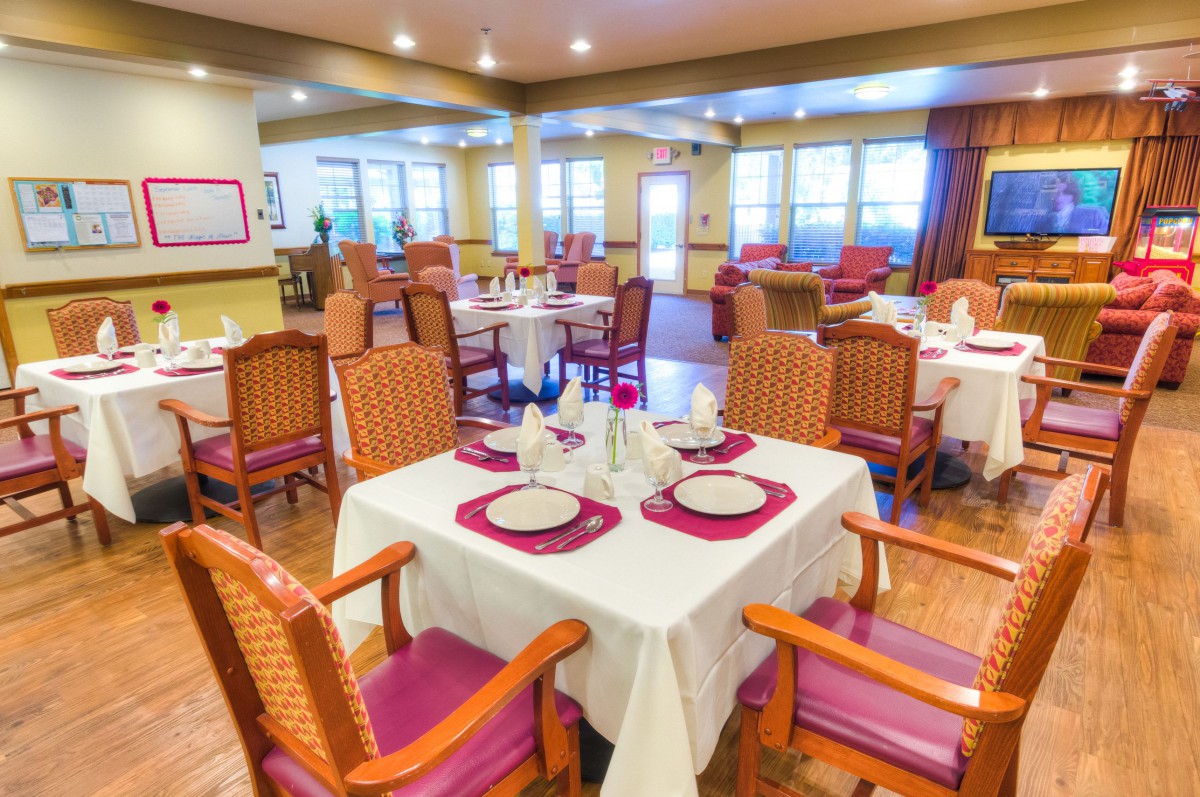
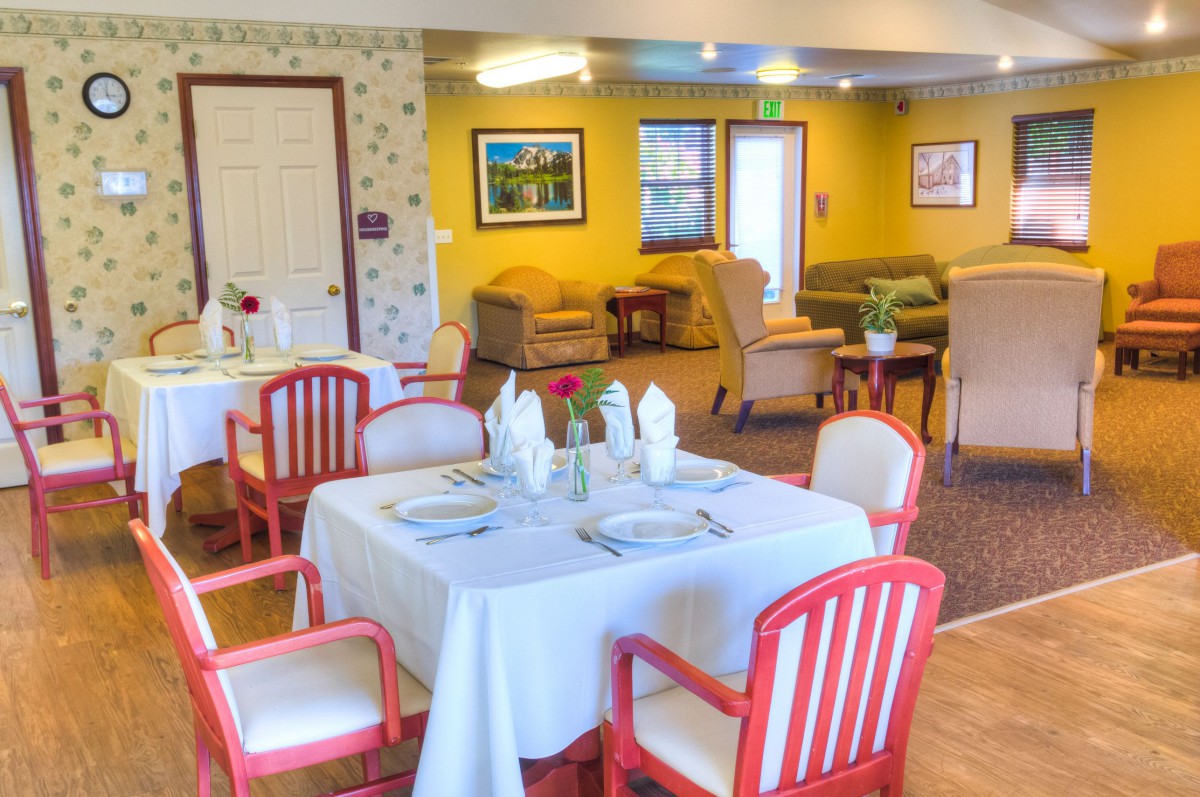
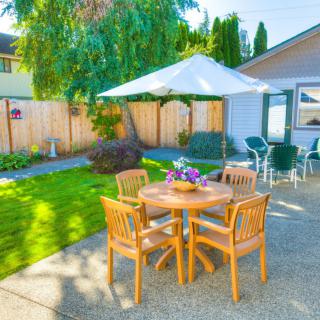
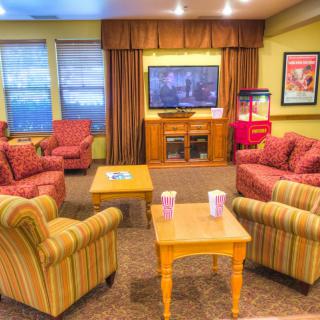
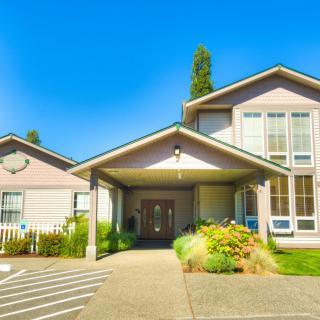
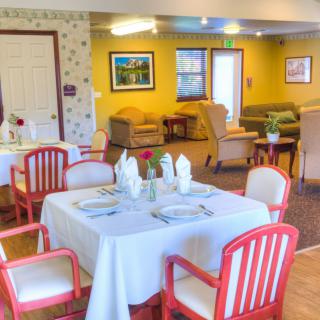
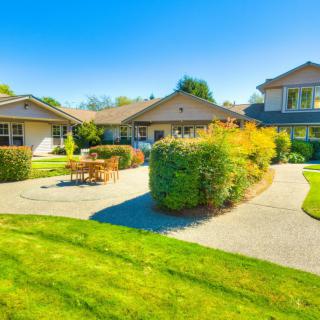
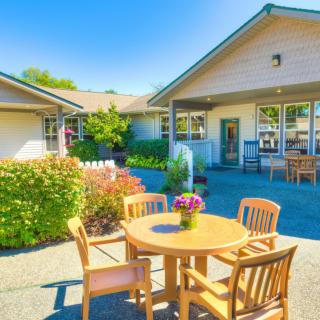
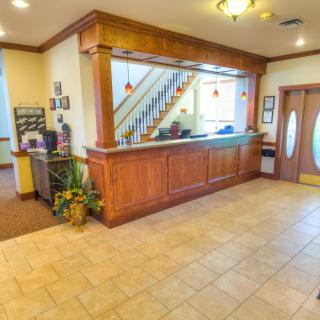
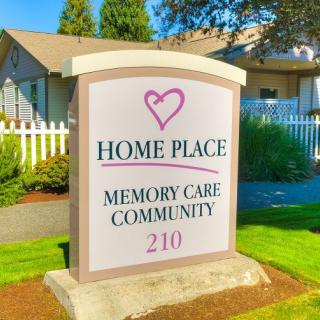
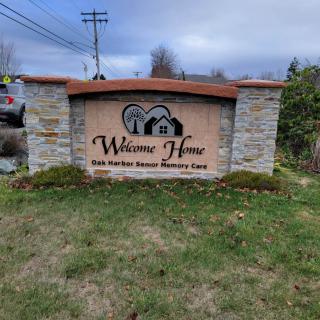
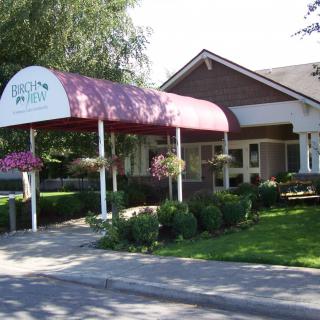
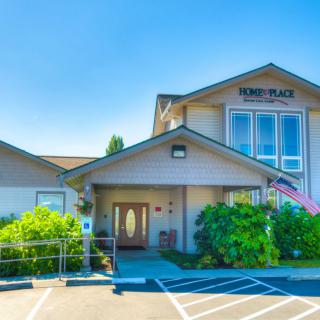
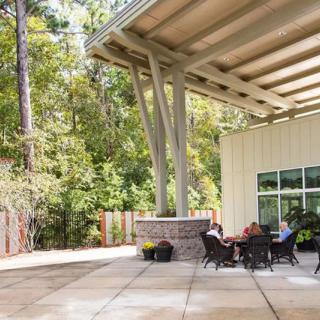
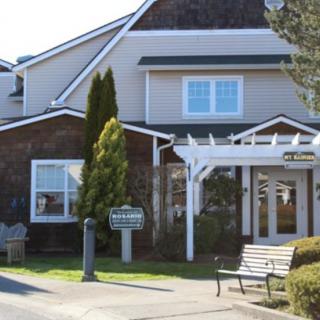
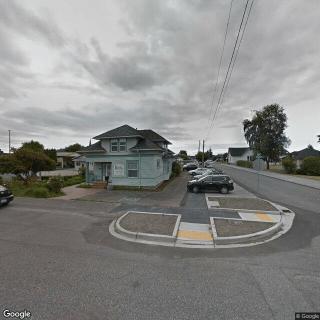
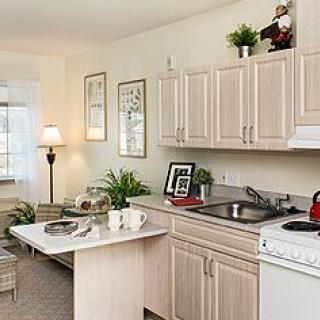
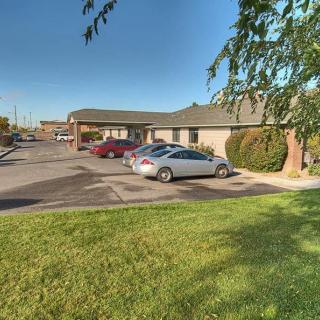
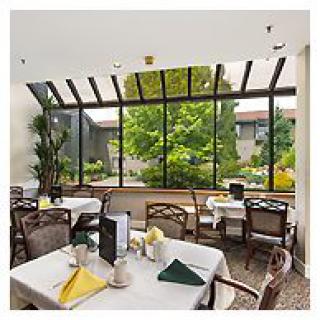
Home Place Special Care at Burlington on seniors.fyi includes 12 photos including images showing landscaping, dining, interior, outdoor, garden, patio, entrance, building, and more.
Nearby Communities
Skagit Adult Day Care
Burlington, WA
4.9 from 12 reviews
Vibrant social environment with convenient access to healthcare and nearby amenities.
Home Place Bungalo
Burlington, WA
4.8 from 77 reviews
Peaceful Burlington setting with abundant nearby amenities (cafes, parks, pharmacies, physicians, restaurants, transportation, worship, entertainment, and hospitals).
Homeplace Respite
Burlington, WA
4.8 from 65 reviews
Comprehensive AL/board & care/memory care with 24/7 supervision and memory-focused programming.
Cedar Grove AFH
Burlington, WA
$3,000 / month
Affordable private-room care with convenient access to healthcare and amenities.
Ovenell Home - ALF
Burlington, WA
4.2 from 5 reviews
Fully furnished apartments with 24/7 supervision and comprehensive care.
Secret Harbor
Burlington, WA
Excellent access to dining, healthcare, and transportation nearby.
Creekside Continuing Care Community
Burlington, WA
4.2 from 110 reviews
$2,835 to $4,705 / month
Friendly, attentive staff in a clean, engaging environment.
Logan Creek Retirement
Mount Vernon, WA
3.9 from 14 reviews
$2,050 to $3,265 / month
Friendly staff, homey atmosphere, and strong on-site amenities and safety.
Mountain Glen Retirement Community
Mount Vernon, WA
4.6 from 97 reviews
Friendly staff, varied meals, and a well-maintained, activity-rich environment.
Sundown syndrome, or sundowning, is a phenomenon in dementia patients characterized by increased confusion and agitation during late afternoon and evening, influenced by factors like disrupted circadian rhythms and fatigue. Effective caregiver strategies include establishing routines and managing environmental light while addressing caregiver stress through support services.
Delirium is a rapidly onset, reversible cognitive disturbance often caused by acute medical issues, while dementia is a gradual and irreversible decline due to chronic neurodegenerative diseases. Accurate differentiation between the two is essential for appropriate treatment and management in older adults.
Dementia, including Alzheimer’s disease, is often mischaracterized in terms of lethality as it leads to complications that can be fatal rather than being a direct cause of death; it causes a progressive decline in cognitive and physical health, making patients vulnerable to infections and other health crises. Effective management of nutrition, hydration, and communication is crucial in patient care, with palliative care becoming vital in advanced stages to enhance comfort and quality of life while caregivers play a key role amidst the challenges posed by the disease.
Get PricingAsk A QuestionSchedule A TourContact Senior Advisor
By clicking submit, you agree to our Partner's Terms of Use. You
also consent to receive calls and texts, which may be autodialed, from our Partner. Your consent is not a condition to
using our Partner's service. Please visit our Partner's Privacy Policy for information about their privacy practices.




 46 resident community capacity
 Studio apartments
 Assisted Living
 Memory Care
 Cats allowed
 Dogs allowed
 Activities off-site
 Bath tubs
 Beautician on-site
 Cable or satellite TV
 Devotional services on-site
 Dining room
 Fully furnished
 Garden
 Ground floor units
 Handicap accessible
 Housekeeping services
 Indoor common areas
 Kitchenette
 Move-in coordination
 Outdoor common areas
 Respite or short term stays offered
 Restaurant-style dining
 Small library
 Spa
Spa Telephone
 Wheelchair accessible showers
 Wi-Fi/high-speed internet available
 Bellingham International (24 miles away)
 24-hour call system
 Assistance with bathing
 Assistance with dressing
 Assistance with transfers
 Diabetes diet
 Diabetic care
 High acuity care
 Hospice waiver
 Incontinence care
 Medication management
 Mental wellness program
 Special dietary restrictions
 Transportation arrangement (medical)
 Transportation to doctors appointments
 Art classes
 Bible study group
 Cooking classes
 Day trips and outings
 Educational speakers / life long learning
 Happy hour
 Karaoke
 Live musical performances
 Wine tasting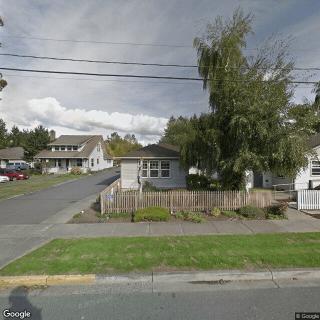
 Vibrant social environment with convenient access to healthcare and nearby amenities.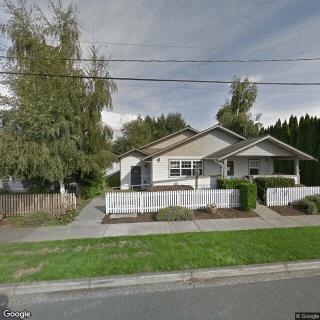

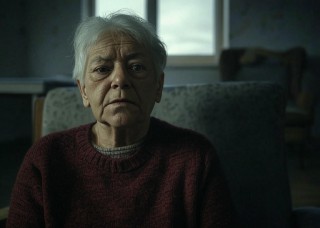 Comprehending Evening Confusion in Dementia: Causes, Manifestations, and Support
 Delirium and Dementia: Unraveling the Key Differences
 Are Dementia and Alzheimer's Disease Lethal? A Comprehensive Exploration