Some reviewers say staffing coverage can fall short for heavier care needs.
One reviewer described a lack of staffing coverage when residents needed more help, connecting that to concerns about cleanliness and care being delayed. Another reviewer reported difficulty getting through to management and said communication by phone attempts was frustrating, which can make it harder to address problems quickly. While many other reviews praise care, these comments point to inconsistency when care needs are higher or issues require prompt follow-up.
common30 reviews mention this
Staff kindness and responsiveness
Many reviewers describe consistently kind, attentive staff.
Across reviews, families and visitors repeatedly describe the staff as friendly, welcoming, and caring, and say interactions feel supportive. Multiple reviewers also mention staff keeping families informed about changes and problems, including during periods when families couldn’t be there in person. Several residents are described as comfortable and cared for by the people working with them.
common6 reviews mention this
Clean, well maintained community
Residents and visitors often call out the community’s cleanliness.
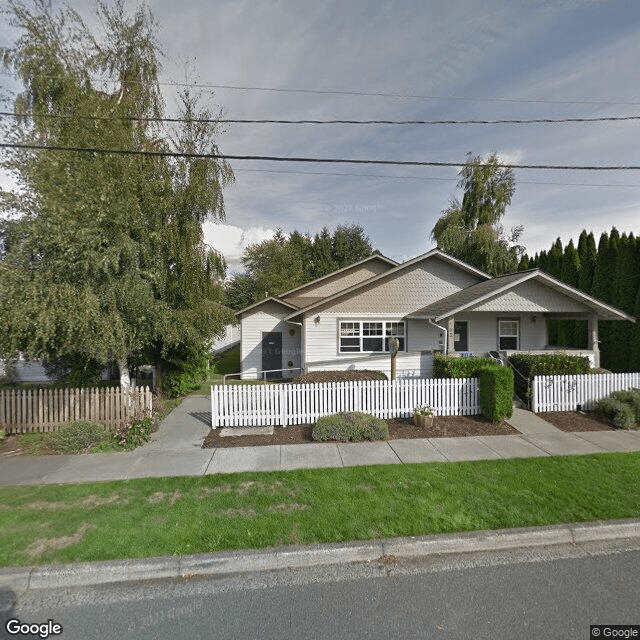
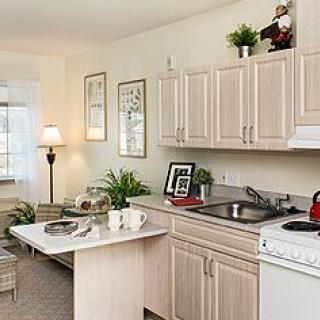
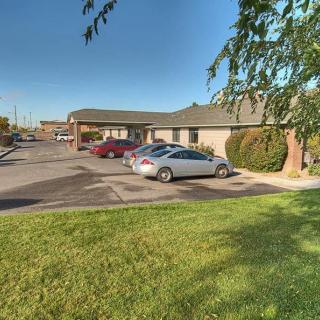
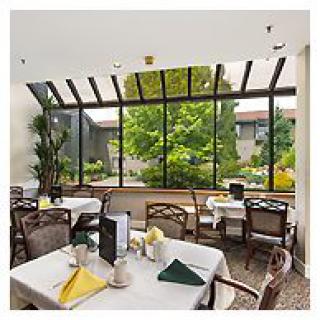
Several reviewers say the building is clean, well maintained, and comfortable to visit. Others mention arriving to a welcoming environment and observing that residents appeared clean and well cared for. This aligns with the amenities the community offers, like housekeeping services and indoor common areas.
differentiator4 reviews mention this
Memory care expertise and programming
Reviews highlight staff knowledge of memory care.
Some reviewers specifically mention memory care, including saying the staff are knowledgeable about memory care and that the community offers memory-care programming. One reviewer also references decision-making around which memory care option to choose after touring. Alongside the community’s listed memory care offerings, this matches how reviewers talk about support for residents dealing with cognitive changes.
common5 reviews mention this
Activities keep residents engaged
Reviewers frequently point to engaging activities and events.
Many reviews mention an active activity program that helps residents stay involved, with examples like field trips and music. Others describe specific engagement supports such as an activity coordinator keeping families updated and residents participating in events. The community also offers scheduled daily activities, devotional activities, and outdoor space that can support day-to-day engagement.
How we summarize
Counts show how many written reviews mention each theme; a review can touch several themes, and only frequently mentioned themes are displayed.
Features
Housing
16 resident community capacity
Types of Care
Assisted Living
Board and Care Home
Memory Care
Amenities
Activities on-site
Cable or satellite TV
Devotional services off-site
Dining room
Fully furnished
Garden
Housekeeping services
Indoor common areas
Move-in coordination
Outdoor space
Telephone
Wi-Fi/high-speed internet available
Transportation
Bellingham International (24 miles away)
Care Services
24-hour supervision
Activities of daily living assistance
Ambulatory care
Assistance with bathing
Assistance with dressing
Assistance with transfers
Coordination with health care providers
Dementia waiver
Diabetes diet
Diabetic care
Hospice waiver
Meal preparation and service
Medication management
Mental wellness program
Mild cognitive impairment
Special dietary restrictions
Specialized memory care programming
Transportation arrangement (medical)
Transportation to doctors appointments
Dining
Diabetes diet
Meals provided
Special dietary restrictions
Activities
Activities on-site
Community-sponsored activities
Devotional activities offsite
Scheduled daily activities
Nearby Places of Interest
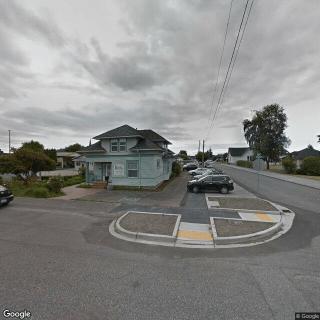
This part of Burlington, Washington, offers a variety of amenities and services that may appeal to seniors looking for a peaceful and convenient place to live. With several physicians' offices nearby including Burlington Family Practice and RejuvenationMD, as well as pharmacies like Walgreens and Haggen Pharmacy, medical care is easily accessible. There are also numerous places of worship for spiritual support and guidance, such as First Baptist Church and Jehovah's Witnesses. Restaurants like Train Wreck Bar & Grill and cafes like Billy's Cafe provide opportunities for socializing and dining out. Transportation services like Burlington Airport Shuttle offer convenience for getting around town, while parks such as Skagit River Park provide opportunities for outdoor activities and relaxation. Additionally, the presence of AMC Cascade Mall 14 theater ensures entertainment options are readily available. For more serious medical needs, PeaceHealth United General Hospital is located just a short distance away. Overall, this area of Burlington offers a mix of healthcare options, recreational facilities, dining establishments, and community resources that cater to the needs of seniors seeking a comfortable living environment in the area.
Physicians
Burlington Family Practice (0.2 miles)
Quick Care Clinic (0.9 miles)
RejuvenationMD - Dr Tianna Tsitsis (1.7 miles)
Vitreoretinal Associates (1.8 miles)
North Cascade Eye Associates (2.3 miles)
Pulmonary Rehabilitation Program (2.4 miles)
Physicians Care Family Medicine (2.5 miles)
Places of Worship
First Baptist Church (0.2 miles)
Jehovah's Witnesses (0.7 miles)
Second Mile Mount Vernon (3.7 miles)
Pharmacies
Pye-Barker Fire & Safety (0.3 miles)
Walgreens (0.9 miles)
Makers Compounding Pharmacy (0.9 miles)
Haggen Pharmacy (1 miles)
Schaffner Pharmacy (2.5 miles)
Rite Aid (3 miles)
Haggen Pharmacy (3.8 miles)
Restaurants
Train Wreck Bar & Grill (0.5 miles)
My Cup of Tea (0.7 miles)
The Fairhaven (0.8 miles)
Tacos Tecalitlan (0.8 miles)
MOD Pizza (0.9 miles)
Taste Of Thai By Wipa (1.1 miles)
Popeyes Louisiana Kitchen (1.2 miles)
Cafes
Billy's Cafe (0.6 miles)
Starbucks (0.9 miles)
Starbucks (1 miles)
Valley Grind Espresso (1.1 miles)
Whidbey Coffee (1.3 miles)
Bigfoot Java (1.7 miles)
Panera Bread (1.8 miles)
Transportation
Burlington Airport Shuttle (0.8 miles)
Yellow Cab (2.8 miles)
Skagit Station (4.1 miles)
Parks
Skagit River Park (1 miles)
Skagit Valley Playing Fields (2.5 miles)
Bakerview Park (3.3 miles)
Lions Park (3.6 miles)
Bingham City Park (4.1 miles)
Theaters
AMC Cascade Mall 14 (1.3 miles)
Hospitals
PeaceHealth United General Hospital (2.4 miles)
Care Center (4 miles)
Public Hospital District 1 Skagit County (4 miles)
Homeplace Respite's comprehensive features are designed to address the unique needs of residents with dementia or Alzheimer's disease, ensuring their safety and well-being. Assistance with dressing, bathing, and transfers supports residents in maintaining their dignity and comfort while promoting independence in daily routines. Medication management ensures adherence to treatment plans, reducing risks associated with missed doses or confusion about medications. Meal preparation and service focus on nutritional needs tailored for individuals experiencing cognitive decline, while transportation arrangements facilitate access to medical appointments, enhancing continuity of care. Coordination with health care providers enables seamless communication regarding each resident's health status and changes in condition. The 24-hour supervision offers peace of mind for families, knowing that trained staff are always available to ensure safety. Specialized memory care programming, along with a mental wellness program, encourages engagement and socialization, which are critical for emotional health. Furthermore, the dementia waiver provides flexibility within care plans to adapt to changing needs over time, all contributing to a supportive environment where residents can thrive despite their cognitive challenges.
Nearby Communities
Home Place Bungalo
Burlington, WA
4.8 from 77 reviews
Peaceful Burlington setting with abundant nearby amenities (cafes, parks, pharmacies, physicians, restaurants, transportation, worship, entertainment, and hospitals).
Skagit Adult Day Care
Burlington, WA
4.9 from 12 reviews
Vibrant social environment with convenient access to healthcare and nearby amenities.
Home Place Special Care at Burlington
Burlington, WA
4.7 from 39 reviews
$5,380 / month
Caring, attentive staff in a small, homelike community with engaging activities.
Cedar Grove AFH
Burlington, WA
$3,000 / month
Affordable private-room care with convenient access to healthcare and amenities.
Ovenell Home - ALF
Burlington, WA
4.2 from 5 reviews
Fully furnished apartments with 24/7 supervision and comprehensive care.
Secret Harbor
Burlington, WA
Excellent access to dining, healthcare, and transportation nearby.
Creekside Continuing Care Community
Burlington, WA
4.2 from 110 reviews
$2,835 to $4,705 / month
Friendly, attentive staff in a clean, engaging environment.
Logan Creek Retirement
Mount Vernon, WA
3.9 from 14 reviews
$2,050 to $3,265 / month
Friendly staff, homey atmosphere, and strong on-site amenities and safety.
Mountain Glen Retirement Community
Mount Vernon, WA
4.6 from 97 reviews
Friendly staff, varied meals, and a well-maintained, activity-rich environment.
Memory care activities are essential for improving the quality of life of seniors with cognitive impairments, as they stimulate cognitive function, promote well-being, and encourage social interaction through tailored strategies. These activities combine structured exercises with spontaneous tasks, sensory engagement, physical workouts, creative pursuits, and intergenerational interactions to enhance emotional connection and a sense of purpose.
Transitioning from assisted living to memory care is driven by an individual's cognitive decline and specific needs, requiring careful evaluation of indicators like increased confusion and wandering. The process involves consulting medical professionals, researching suitable communities, considering financial and legal aspects, and ensuring effective communication for personalized care plans.
The article differentiates between assisted living and memory care, explaining that assisted living supports seniors with daily activities while promoting independence, whereas memory care provides specialized services for individuals with dementia, focusing on secure environments and cognitive support. It also addresses staff training, safety considerations, costs, family involvement, and transition strategies for families navigating these care options.
Get PricingAsk A QuestionSchedule A TourContact Senior Advisor
By clicking submit, you agree to our Partner's Terms of Use. You
also consent to receive calls and texts, which may be autodialed, from our Partner. Your consent is not a condition to
using our Partner's service. Please visit our Partner's Privacy Policy for information about their privacy practices.




 16 resident community capacity
 Assisted Living
 Board and Care Home
 Memory Care
 Activities on-site
 Cable or satellite TV
 Devotional services off-site
 Dining room
 Fully furnished
 Garden
 Housekeeping services
 Indoor common areas
 Move-in coordination
 Outdoor space
 Telephone
 Wi-Fi/high-speed internet available
 Bellingham International (24 miles away)
 24-hour supervision
 Ambulatory care
 Assistance with bathing
 Assistance with dressing
 Assistance with transfers
 Diabetes diet
 Diabetic care
 Hospice waiver
 Meal preparation and service
 Medication management
 Mental wellness program
 Special dietary restrictions
 Transportation arrangement (medical)
 Transportation to doctors appointments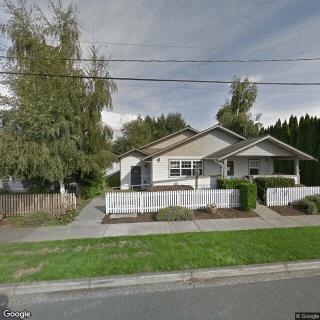
 Peaceful Burlington setting with abundant nearby amenities (cafes, parks, pharmacies, physicians, restaurants, transportation, worship, entertainment, and hospitals).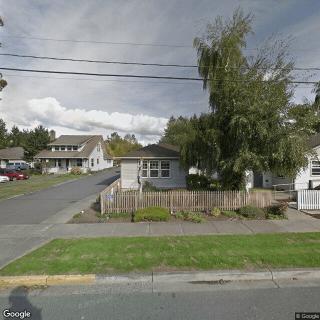

 Engaging Memory Care Activities That Enhance Quality of Life
 When to Transition from Assisted Living to Memory Care: Key Indicators, Steps, and Finding the Right Community
 Understanding the Distinctions: Assisted Living and Memory Care Explained