
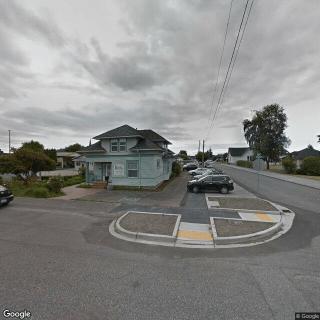
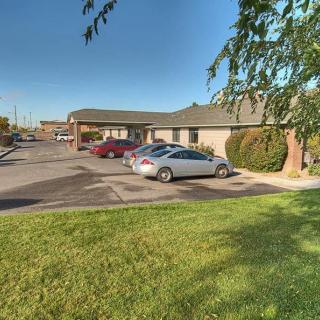
625 Washington Avenue, Burlington, WA 98233
For more information about senior living options: (866) 208-4318
Overall Review of Ovenell Home - ALF
Pros
 The staff is great and the place is nice.
- The staff here are incredible and all the residents are very kind.
- The place is awesome.
- Everyone treats residents well.
- It feels like a home, not just an assisted living facility.
Cons
 The place is described as the worst place to go.
- The food is awful.
- Rooms smell bad.
- There is no nurse on staff.
- Caregivers with no training give out medications and cook.
- The manager is a bully and doesn't care about residents' needs.
- There are no activities whatsoever.
- People stay stoned to get through the day there.
- The state should shut this place down.
Review
This community is best suited for seniors who want a warm, home-like atmosphere and place a premium on dialed-in, personable staff over formal medical structure. Residents who prize daily kindness, social warmth, and a genuinely neighborly feel will likely thrive here. The setting is notably pet-friendly, with dogs allowed in rooms, which can be a meaningful comfort for animal-loving families. It is important to note, however, that this is not a facility built around on-site nursing or constant clinical oversight. Families with clear medical needs or a requirement for licensed medication management should size Ovenell up against facilities that provide more robust nursing coverage.
Those who should consider alternatives are residents who require regular nursing on-site, licensed medication administration, or structured programming and activities tied to memory or physical therapy goals. The absence of an on-site nurse and the implication that caregivers may handle medications raise real questions for families managing chronic conditions, complex dosing, or monitoring needs. Additionally, concerns about odor, dining quality, and the level of daily programming surfaced in the feedback, suggesting that a more regulated environment with active activity coordinators may be a better fit for some. Prospective residents with high care expectations should compare this against facilities with stronger clinical staffing and more diversified activity calendars.
The strongest positives are unmistakable: staff members described as incredible and residents as kind, creating a social fabric that can feel like a true home. The day-to-day interactions are intimate and attentive, and the welcoming, neighborly vibe can ease transitions for seniors who prioritize companionship and emotional comfort. The downside risks sit squarely with clinical and operational gaps: no licensed nurse on site, caregivers potentially handling medications without formal training, a perception of heavy-handed management, and no meaningful activity framework. When the warmth and personal attention align with family tolerance for less clinical oversight, Ovenell’s strengths can substantially offset some loneliness or isolation that bigger, more clinical settings may miss.
That said, the gap between heart and oversight is real. The presence of a strong, affectionate staff can only carry so far if medical needs escalate or if residents require predictable, professionally supervised programming. The lack of regular activities and the reported management concerns can compound the risk of disengagement or unmet needs for daily living routines. For families, this means a careful tally: warmth, social connection, and pet-friendly living versus the potential for insufficient medical monitoring and limited structured enrichment. If the balance tilts toward medical reliability and structured engagement, alternatives become much more compelling.
In practical terms, a decision to proceed should center on the resident’s current and anticipated care trajectory. If the priority is a homey, people-first environment with caregivers who make residents feel seen, Ovenell can be a compelling match. If, however, on-site nursing, meticulous medication protocols, or a robust activities calendar are non-negotiables, it is prudent to widen the search. Tour the community, meet the administrator and direct care staff, request to observe a medication administration scenario, and review the activities schedule in detail. Speak with current residents about daily routines, dining experiences, and any odor or cleanliness concerns. Gather a transparent comparison of licensing, citations, and staffing ratios to inform a decisive choice.
 31 resident community capacity
 Assisted Living
 Respite Care
 Beauty salon
 Cable or satellite TV
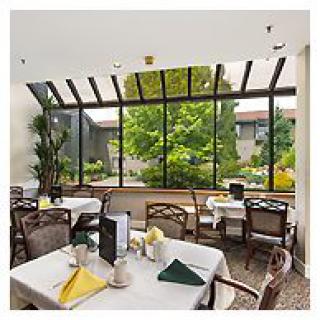
 Dining room
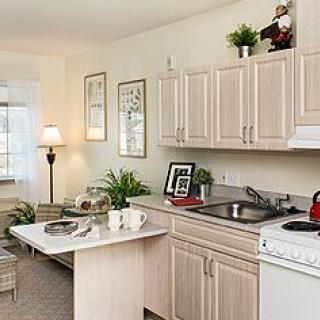
 Fully furnished
 Garden
 Housekeeping services
 Kitchenette
 Move-in coordination
 Outdoor space
 Restaurant-style dining
 Small library
 Telephone
 Wi-Fi/high-speed internet available
 Bellingham International (24 miles away)
 24-hour call system
 Activities of daily living assistance
 Assistance with bathing
 Assistance with dressing
 Assistance with transfers
 Diabetes diet
 Medication management
 Mental wellness program
 Special dietary restrictions



 Medicare Coverage for Assisted Living: An In-Depth Exploration
 Choosing the Right Senior Care: A Detailed Exploration of Assisted Living and Nursing Homes
 Understanding the True Cost of Assisted Living in 2025: A Comprehensive Guide