
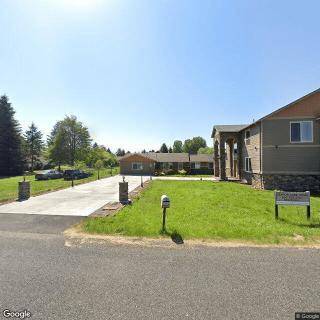
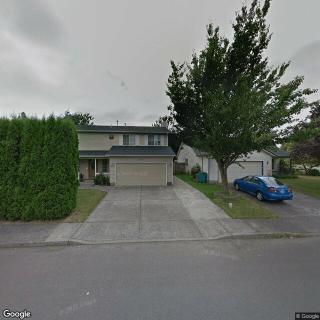
14604 NE 129th St, Brush Prairie, WA 98606
To contact a resident: (360) 597-3615
For more information about senior living options: (866) 208-4318

Advanced Senior Center Costs & Pricing
The Advanced Senior Center offers competitive pricing for private rooms at $2,950 per month, significantly lower than the average costs in Clark County, which stand at $3,992. Additionally, when compared to the broader state average of Washington, priced at $4,772 per month for similar accommodations, Advanced Senior Center provides a more economical option for families seeking quality care. This favorable pricing structure positions the center as an attractive choice for those desiring a supportive environment without the burdensome costs typically associated with senior living facilities.
| Floor plans | Advanced Senior Center | Clark County | Washington |
|---|---|---|---|
| Private | $2,950 | $3,992 | $4,774 |
Memory care communities with a similar price nearby
-
from -$450 / mo
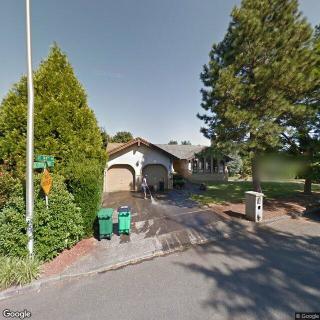
A Gentle Care Home
$2,500 / month17.4 miles away -
from +$550 / mo
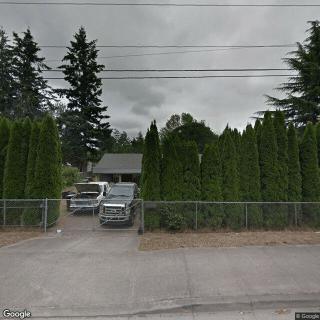
American Living Adult Family Home LLC
$3,500 / month3.5 miles away -
About the same
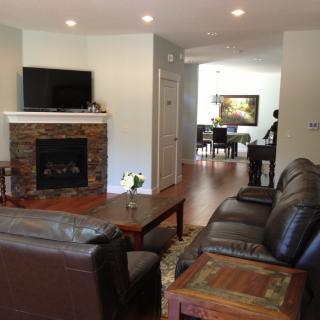
Elder Garden Care Home, LLC
$3,000 / month13.8 miles away -
from +$550 / mo
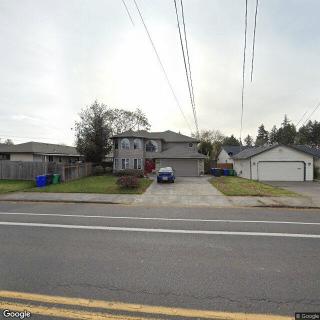
Northwest Home Health
$3,500 to $3,700 / month17.1 miles away -
from -$150 / mo
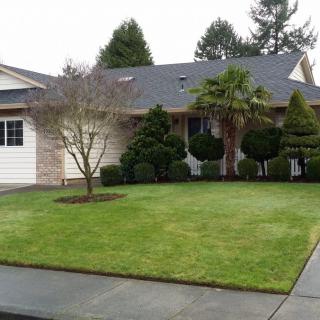
Aging Gracefully Family Home
$2,800 to $3,500 / month7.1 miles away
Overall Review of Advanced Senior Center
Pros
 The staff were welcoming, friendly, and attentive to residents.
- Cedars View is described as an oasis of comfort and genuine support.
- The facility offers a beautiful countryside setting with a duck pond, fruit trees, and a garden.
- They keep families informed and act as advocates for loved ones.
- The staff are incredibly kind, compassionate, and dedicated to residents.
- The home feels like a second family and provides love, care, and compassion.
- Daily life includes engaging activities like music, crafts, puzzles, and bingo.
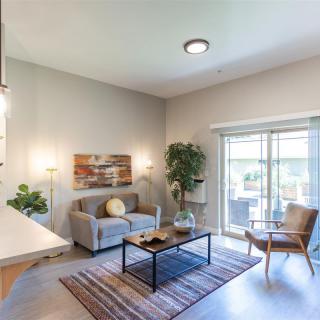
- The bedrooms are bright and cheery, and the environment is clean and warm.
- The place is highly recommended as a compassionate, family-oriented care home.
Cons
 The review alleges the facility let a resident’s dog out unsupervised in an open yard, resulting in the dog being run over in the road, implying poor treatment of residents or their pets.
- The review states staff handed the person a towel and instructed them to dispose of the dog in the facility’s trash can, suggesting a callous response.
Review
This community is best suited for families seeking a warm, home-like assisted living experience in a scenic rural setting. It works for seniors who want daily life shaped by close, responsive caregiving and steady, family-like communication rather than impersonal routines. Located in Brush Prairie, WA, the property brings countryside charm, ponds, fruit trees, gardens, and even farm touches, into the everyday. The atmosphere emphasizes comfort, privacy, and dignity, with staff frequently described as attentive and genuinely committed to residents’ wellbeing. For families who prize meaningful engagement, regular activities, and a sense of belonging, this setting delivers a compelling, livable alternative to a more institutional environment.
Those who may want to consider alternatives are primarily seniors with high medical acuity or those needing constant on-site nursing oversight. The reviews highlight a culture of personalized care and advocacy, but they also underscore the importance of evaluating whether a smaller, home-like home can meet rapid changes in health status or complex care needs. A single, troubling incident involving supervision of a residence pet reveals a potential blind spot in crisis moments and pet management. While outliers exist, this kind of event invites families to scrutinize pet policies, supervision protocols, and the facility’s emergency responsiveness. For residents who require formal, hospital-grade oversight, or for families prioritizing a broader continuum of on-site clinical services, larger communities or facilities with more extensive medical staffing may be more appropriate. An urban setting or a provider with a more explicit clinical pathway could also be a better fit for those seeking a high level of medical integration.
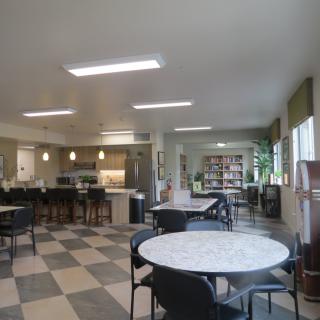
The strongest pros are the staff’s compassion and the sense of a family-like culture. Reviewers consistently praise caregivers for going above and beyond, with communication to families described as both thorough and timely. The atmosphere feels open, cheerful, and supportive, to the point that families describe the home as a genuine second family for their loved ones. Residents are described as engaged through a steady stream of activities, music, crafts, puzzles, outings, and social events, that keep daily life purposeful. The living spaces and common areas receive high marks for cleanliness, brightness, and comfort, while the surrounding grounds, a picturesque country setting, pond views, and a garden, enable residents to enjoy nature without leaving the premise. This combination of emotional warmth, active programming, and a welcoming physical environment is a powerful antidote to isolation and decline for many seniors.
On the con side, the most salient weakness is the potential risk highlighted by a negative, outlier experience. The incident involving a non-supervised pet and the staff’s handling of the situation raise legitimate questions about supervision, crisis response, and empathic restraint in moments of distress. Such episodes can unsettle families who value rigorous, consistent safety protocols and visible accountability. Beyond this singular issue, the inherent trade-off of a smaller, family-run home is the comparatively limited medical infrastructure. Prospective residents should assess whether this model can accommodate escalating needs, complex wound care, or frequent physician coordination without compromising timeliness or accuracy. Those with mobility challenges or risk factors requiring rapid, on-call nursing judgment may prefer a setting with a deeper clinical footprint.
Yet the pros do not vanish despite the cautions. The extraordinary level of caregiver dedication translates into reliable advocacy and a strong sense of being heard. Families repeatedly note that staff members act as active partners in care, coordinating with doctors, arranging transport, and translating medical information into plain language for relatives. The home’s aesthetic and sensory appeal, open, bright bedrooms; panoramic country views; a peaceful, garden-laced backdrop, fosters daily moments of joy, conversation, and reminiscence. The combination of genuine warmth with structured activities creates an environment where seniors can thrive socially and emotionally, which in many cases meaningfully offsets the absence of a large-scale medical department. In short, for families prioritizing care that feels personal, the balance tilts decisively in favor of choosing this community.
The practical takeaway centers on alignment of expectations and rigorous due diligence. For families convinced by a home-like model and a proven track record of compassionate engagement, this community represents a compelling option in Brush Prairie. Before deciding, prospective residents should request a candid, in-depth tour that includes a conversation with frontline caregivers, a review of sample care plans, and a discussion about how medical emergencies are managed on nights and weekends. Ask about pet policies, supervision standards, and the steps taken when a crisis occurs to gauge whether the culture and procedures support both safety and dignity. Finally, verify recent references from families with residents at similar care levels to confirm that the emotional warmth and advocacy described in reviews hold steady over time.
In sum, this community excels for families seeking a heartfelt, community-centered living experience in a serene country setting. The caregiving team’s dedication, the engaging routines, and the inviting physical space position it as a strong fit for seniors who want to feel at home while receiving attentive, personalized assistance. Alternatives are most compelling for those with greater medical needs or a preference for a larger, more clinically oriented operation. When evaluating options, focus on safety, medical readiness, and the resonance of daily life with personal goals, this home-like setting often delivers a meaningful, life-affirming senior experience that keeps residents connected, cherished, and thriving.
 Board and Care Home
 Memory Care
 Cats allowed
 Dogs allowed
 Activities on-site
 Beautician on-site
 Devotional services on-site
 Indoor common areas
 Outdoor common areas
 Private
 Private bathrooms
 Respite or short term stays offered
 Wheelchair accessible showers
 Portland International (10 miles away)
 Diabetic care
 High acuity care
 Incontinence care
 Medication management
 Kosher
 Adventist services


 A Thorough Discussion of Medications Potentially Linked to Dementia Risk
 Why Do Dementia Patients Sleep So Much? Understanding Oversleeping, Stages, and Care Approaches
 8 Key Indicators That Suggest It May Be Time to Transition from Assisted Living to Skilled Nursing Care