
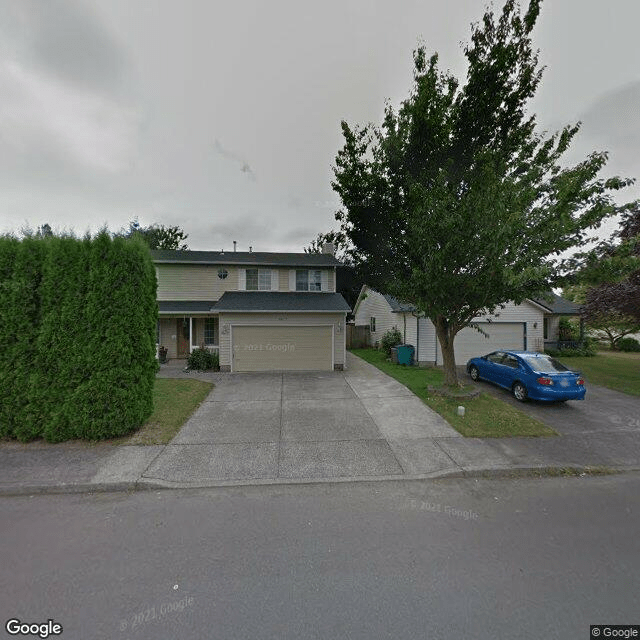
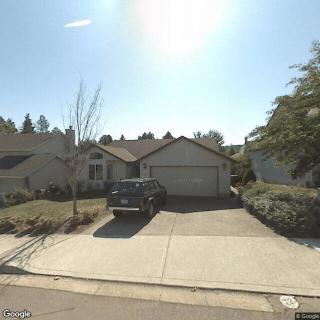
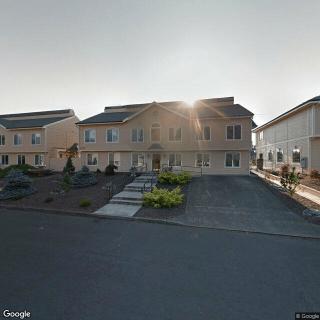
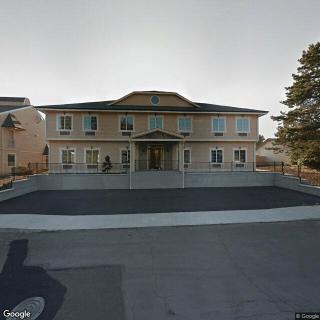
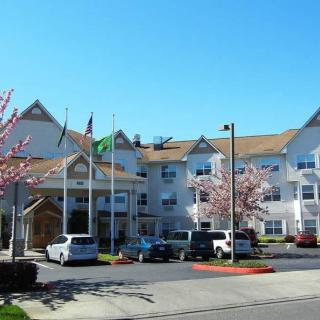
9617 NE 132nd Ave, Vancouver, WA 98682
To contact a resident: (360) 513-8981
For more information about senior living options: (866) 208-4318
Adult Comfort Care LLC Costs & Pricing
Adult Comfort Care LLC offers competitive pricing for its private rooms at $3,500 per month, which is notably lower than the average costs in both Clark County and the broader state of Washington. In Clark County, private room charges typically reach around $3,992, while the state average climbs even higher to approximately $4,772. This positioning not only highlights Adult Comfort Care LLC's commitment to providing high-quality care at an accessible price but also makes it an attractive option for individuals seeking comfortable and supportive living arrangements without compromising on their financial peace of mind.
| Floor plans | Adult Comfort Care LLC | Clark County | Washington |
|---|---|---|---|
| Private | $3,500 | $3,992 | $4,774 |
Senior living communities with a similar price nearby
-
from +$300 / mo

The Inn at University Village
$3,800 to $7,500 / month5.5 miles away -
from -$500 / mo
A Piece of Heaven
$3,000 / month18.6 miles away -
from -$500 / mo
Yamhill Senior Care Home
$3,000 / month12.3 miles away -
from -$500 / mo
Peaceful Lighthouse Adult Care Home
$3,000 / month11.6 miles away -
About the same
Fulga's ACH
$3,500 / month21.7 miles away
Overall Review of Adult Comfort Care LLC
Pros
 The home is an amazing adult family home with exceptionally clean, compassionate care, making residents feel part of the family.
- Dorina is incredibly capable and brings many years of experience to the care.
- The family is loving, kind, and creates a warm, inviting environment with delicious meals, including Romanian dishes.
- The meals helped restore the mother’s appetite, aided in weight gain, and clarified her mind.
- The care team is committed to vigilant, proactive care, preventing falls and infections, and staying on top of changes.
- They communicate quickly and effectively with families and coordinate with primary care physicians and pharmacies, advocating for the mother’s care.
- The reviewers feel reassured and able to enjoy time with their loved ones, and the family will always be in their hearts.
Review
Adult Comfort Care LLC in Vancouver, Washington is best suited for families seeking an intimate, home-like senior care environment where a dedicated family-run team delivers highly personalized attention. This small, residential setting shines for residents who thrive on close caregiver relationships, predictable daily rhythms, and meals that feel like a family kitchen. Dorina, the lead caregiver, brings years of hands-on experience and oversees a tight-knit group that treats residents as part of the family, fostering a sense of safety and belonging from the moment of entry.
Those needing formal, 24/7 nursing, complex medical oversight, or specialized memory care should look at alternatives. The home-style model here prioritizes warmth, vigilance, and daily responsiveness over a large clinical operation. Families that expect on-site clinicians, structured clinical programs, or a broader array of therapeutic services may find that a larger assisted living campus or a dedicated memory care community better matches those needs.
The strongest positives are concrete and consistently demonstrated. The residence is immaculate, with a level of cleanliness that supports peace of mind for families anxious about infections and safety. Caregivers are vigilant and proactive, noting changes quickly and advocating vigorously with primary care physicians and pharmacies to protect the resident’s health. Communication with families is fast and reliable, so transitions, medication changes, and new care plans arrive with clarity rather than confusion. Most importantly, the care feels compassionate and ongoing, not transactional, which translates into tangible benefits like steadier moods and a restored appetite.
These strengths offset the realities of a small home setting by delivering unusually personalized attention and strong family-like support. The intimate staff-to-resident dynamic means everyday needs are anticipated, falls are less likely to go unnoticed, and health concerns are escalated promptly. The home-cooked dishes, described as a highlight by families, aren’t mere comfort food; they restore appetite and can sharpen mental clarity, turning meals into meaningful moments of normalcy in a caregiver-driven environment. In short, the combination of cleanliness, proactive care, and familial warmth creates a protective, low-stress atmosphere that many families value deeply.
To make a well-informed decision, prospective residents and families should clarify how care plans are developed and updated, and who communicates changes and progress. Ask how the team coordinates with outside providers, how quickly responses are delivered after health changes, and what level of on-call availability exists. Inquire about meal planning and dietary accommodations, and consider the cultural or culinary preferences that contribute to the resident’s overall well-being. The Romanian-influenced cooking is a distinctive asset for those who value homestyle nutrition and a comforting, familiar menu as part of daily life.
Ultimately, this community stands out for seniors who prize warmth, steady advocacy, and a genuinely family-like atmosphere in a Vancouver setting. It is a pragmatic choice for families prioritizing personalized attention, meticulous cleanliness, and proactive health monitoring, delivered with a sense of belonging that reduces anxiety about daily life and health changes. For those whose needs include robust on-site medical oversight or a more expansive activity lineup, alternatives with larger clinical teams may offer a closer fit. This is a practical, credible option where the positives, careful vigilance, clear communication, and nourishing, home-style meals, clearly outweigh the likely trade-offs.
 Board and Care Home
 Cats allowed
 Activities off-site
 Beautician on-site
 Devotional services off-site
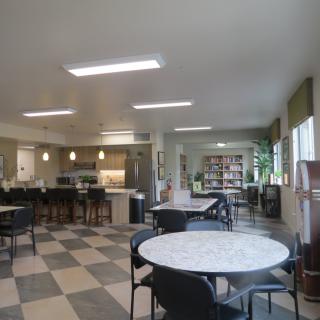
 Indoor common areas
 Outdoor common areas
 Private
 Private bathrooms
 Respite or short term stays offered
 Wheelchair accessible showers
 Portland International (8 miles away)
 Diabetic care
 High acuity care
 Incontinence care
 Medication management
 Kosher

 Comprehensive Approaches for Arthritis: A Detailed Guide to Symptoms, Causes, and Care
 Comprehensive Insights and Practical Strategies to Help Older Adults Avoid Falls
 6 Crucial Ways an Elder Law Attorney Assists Families