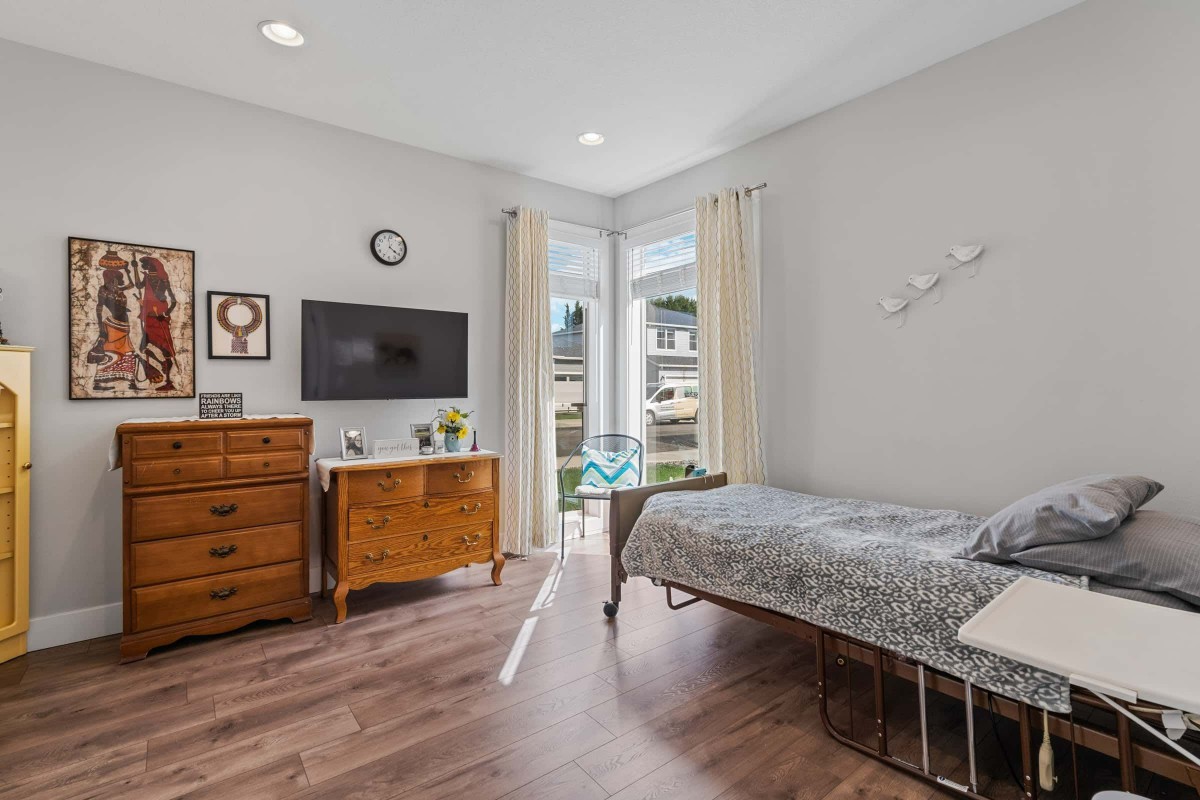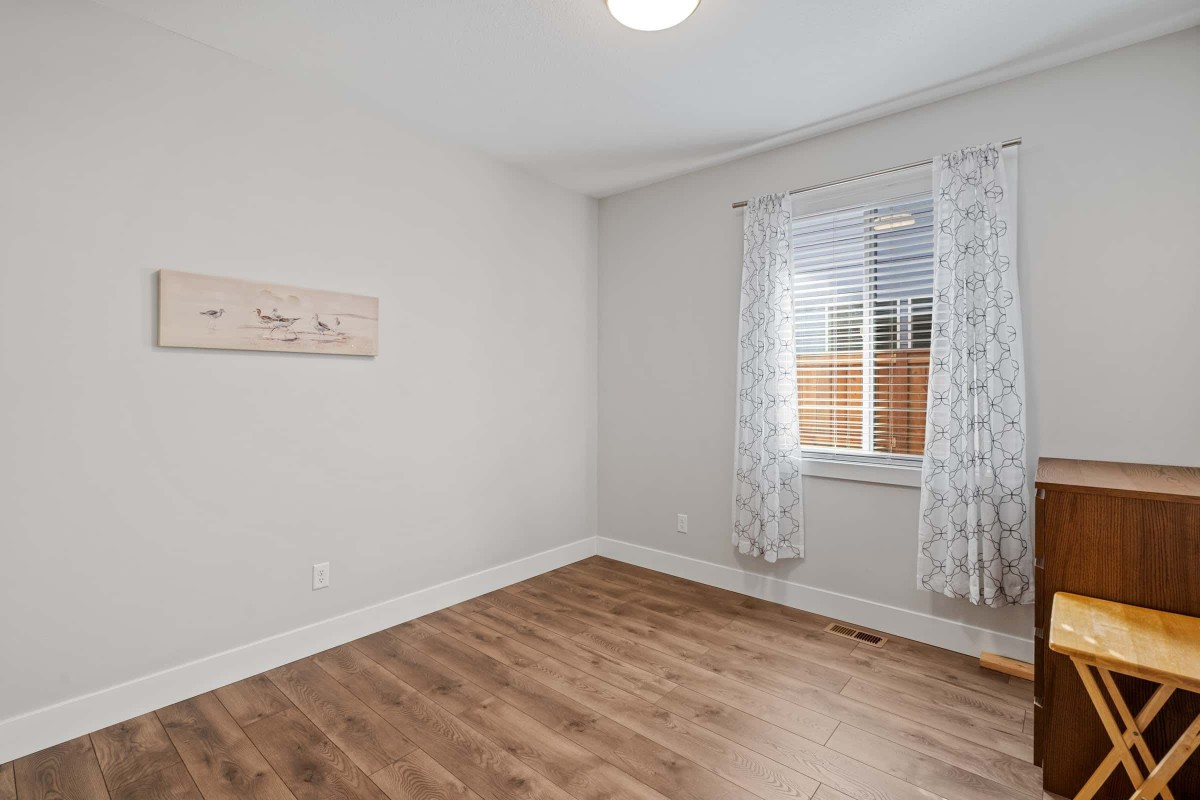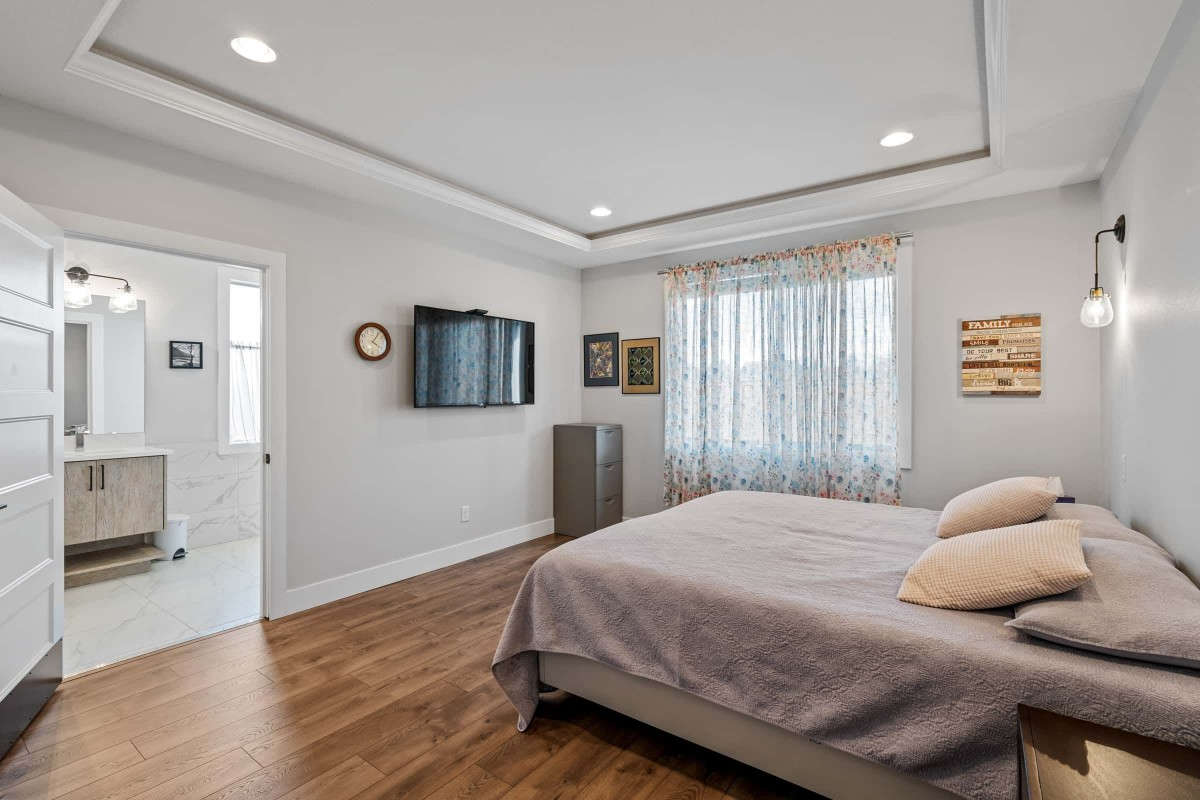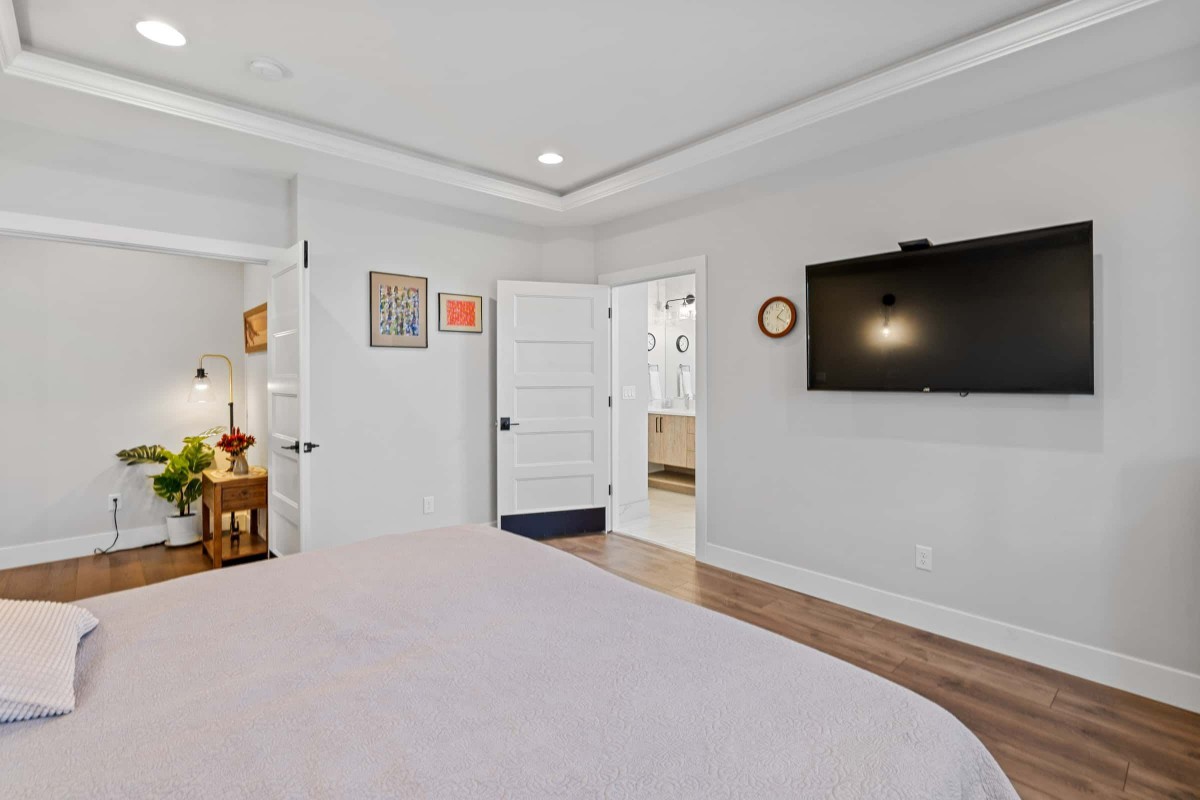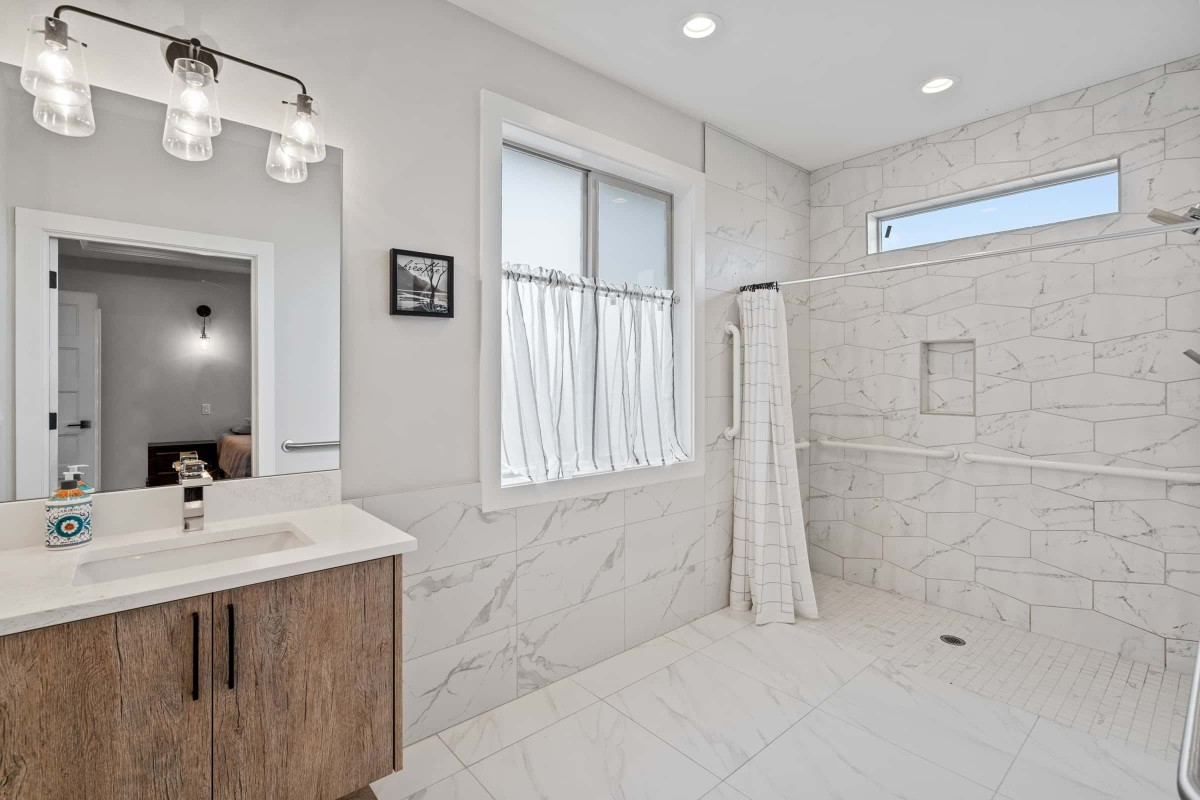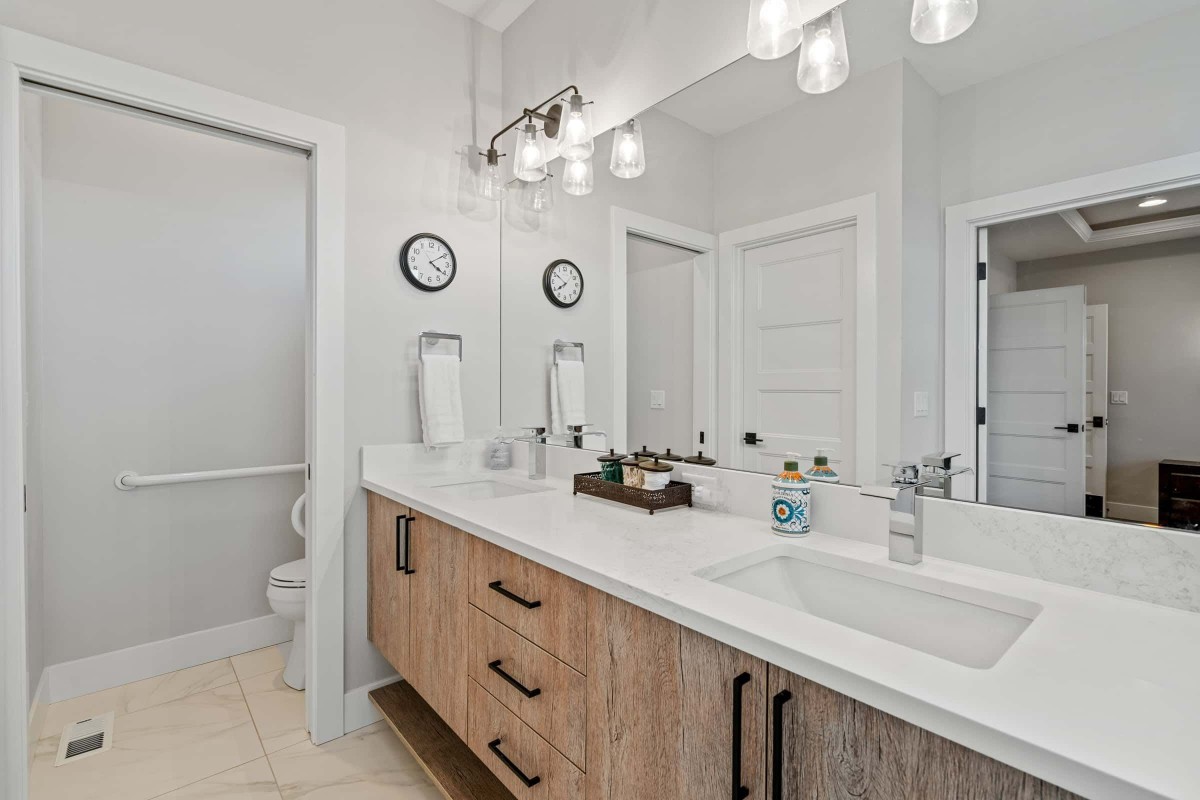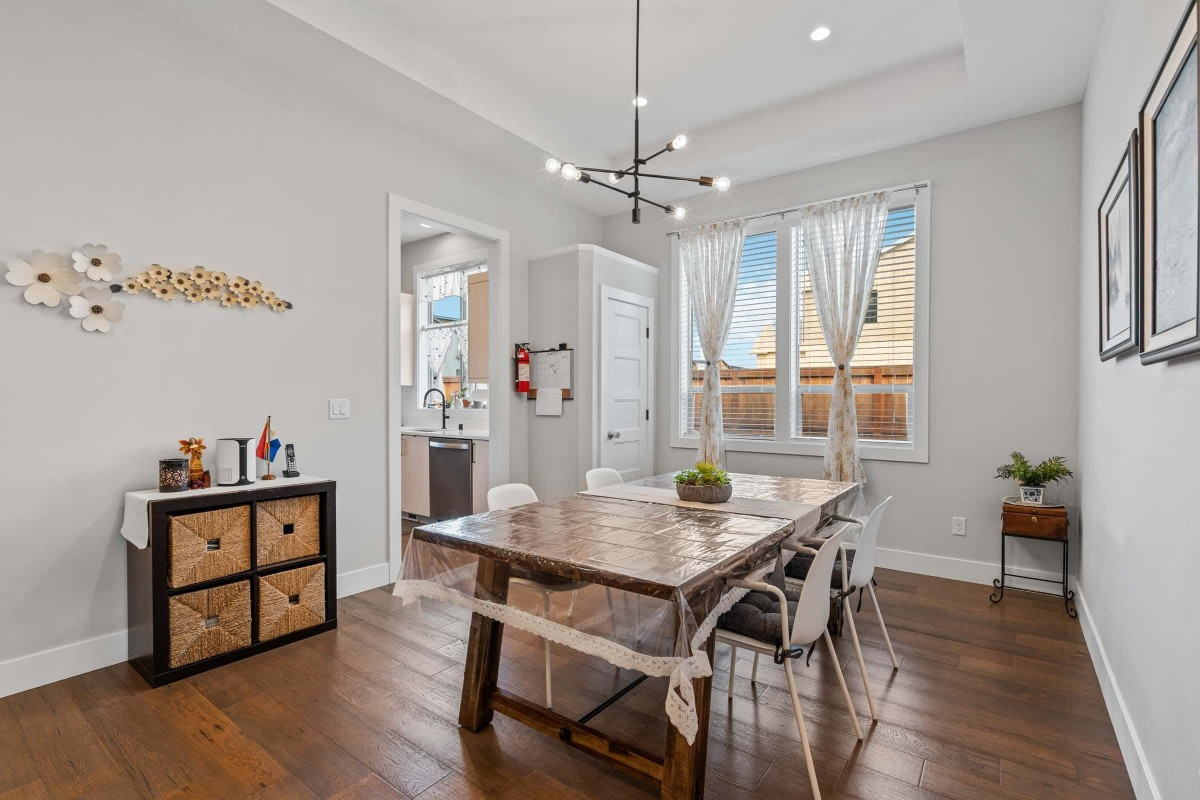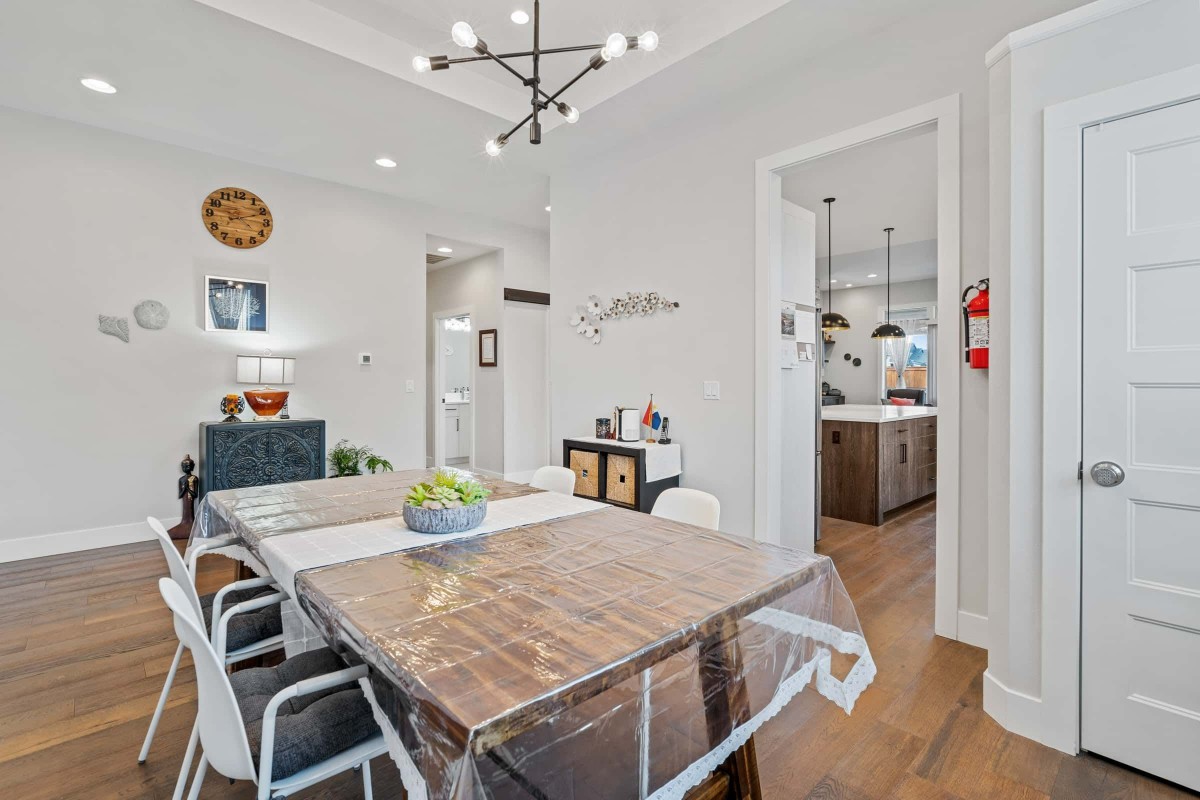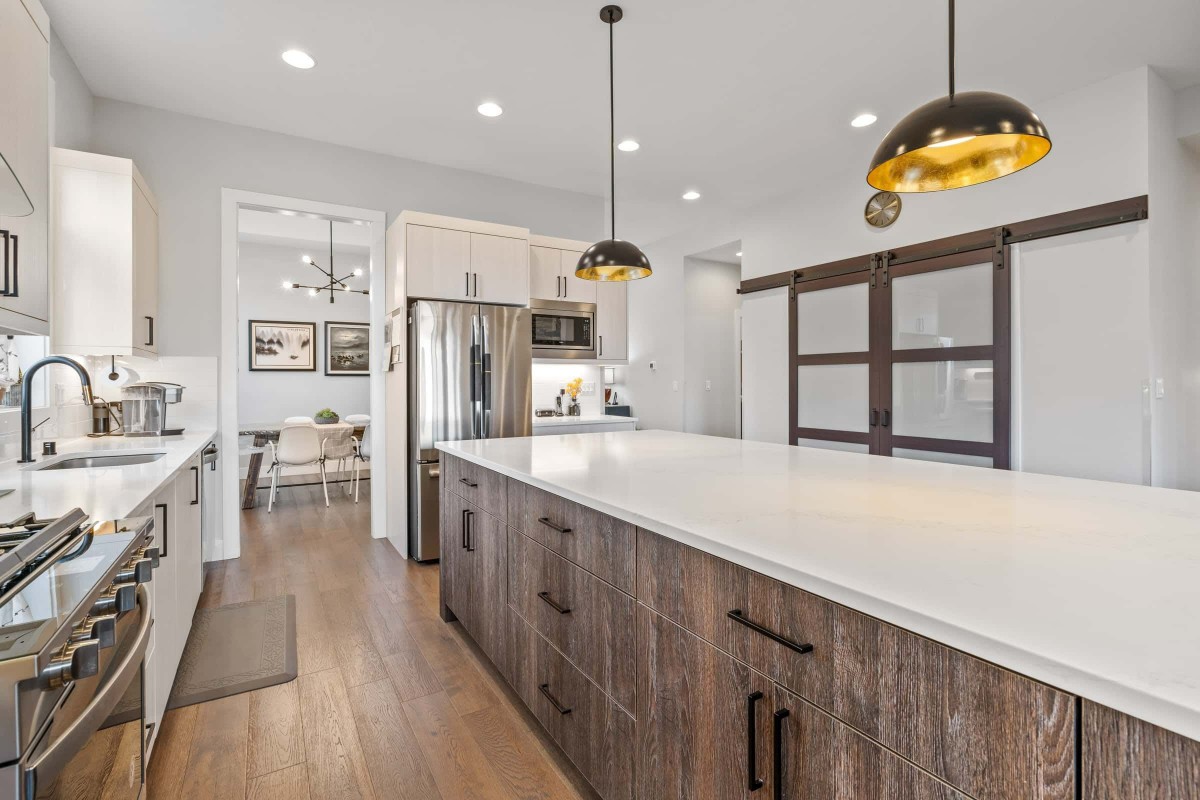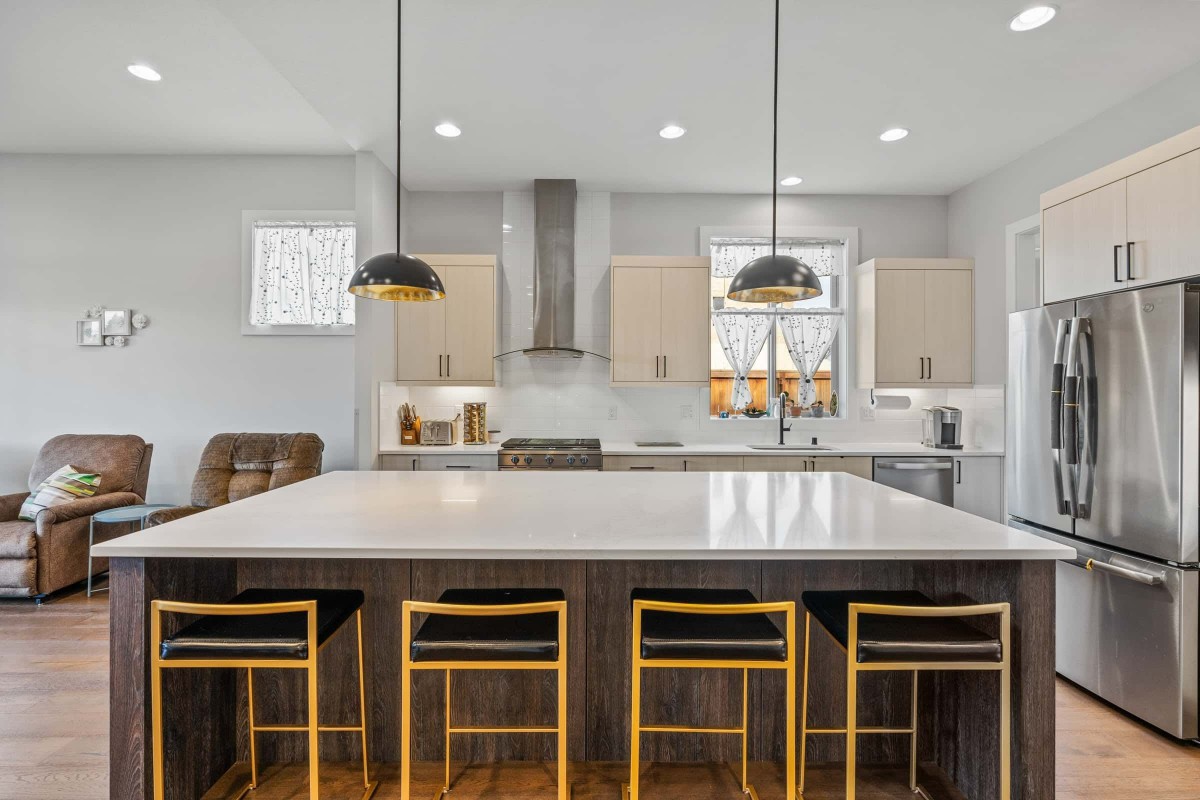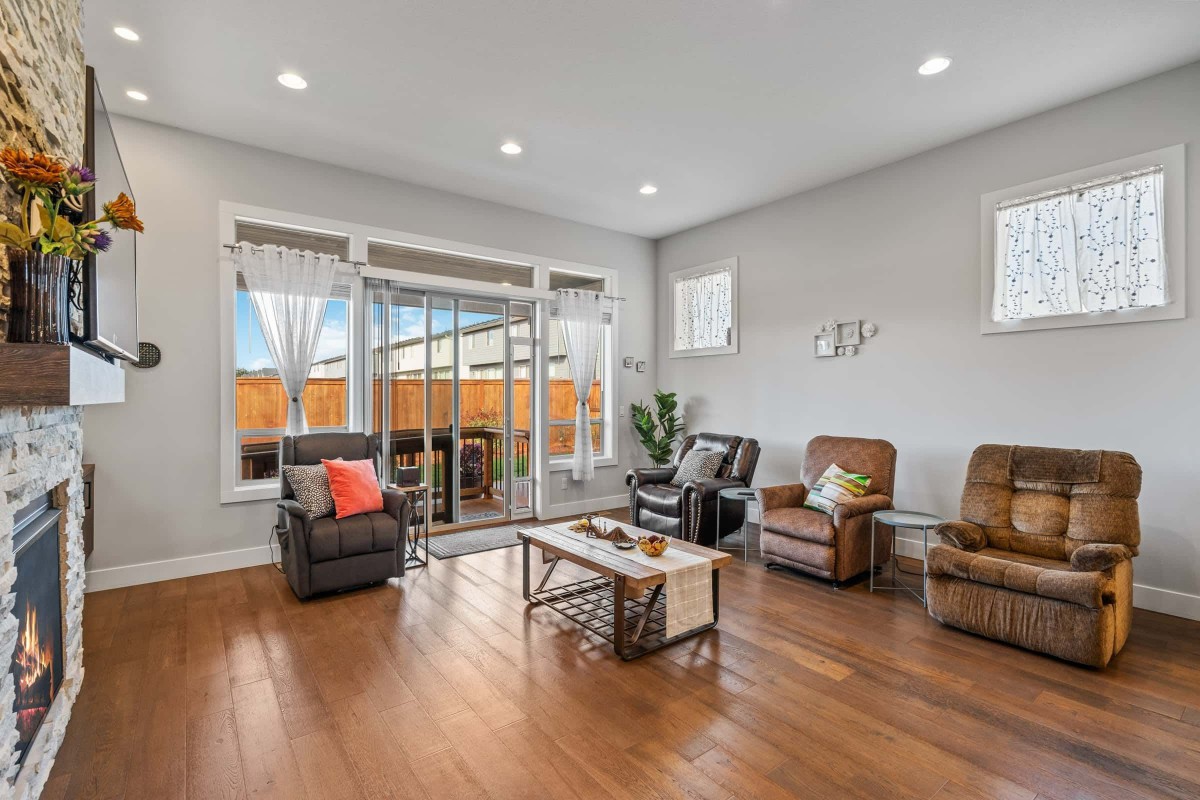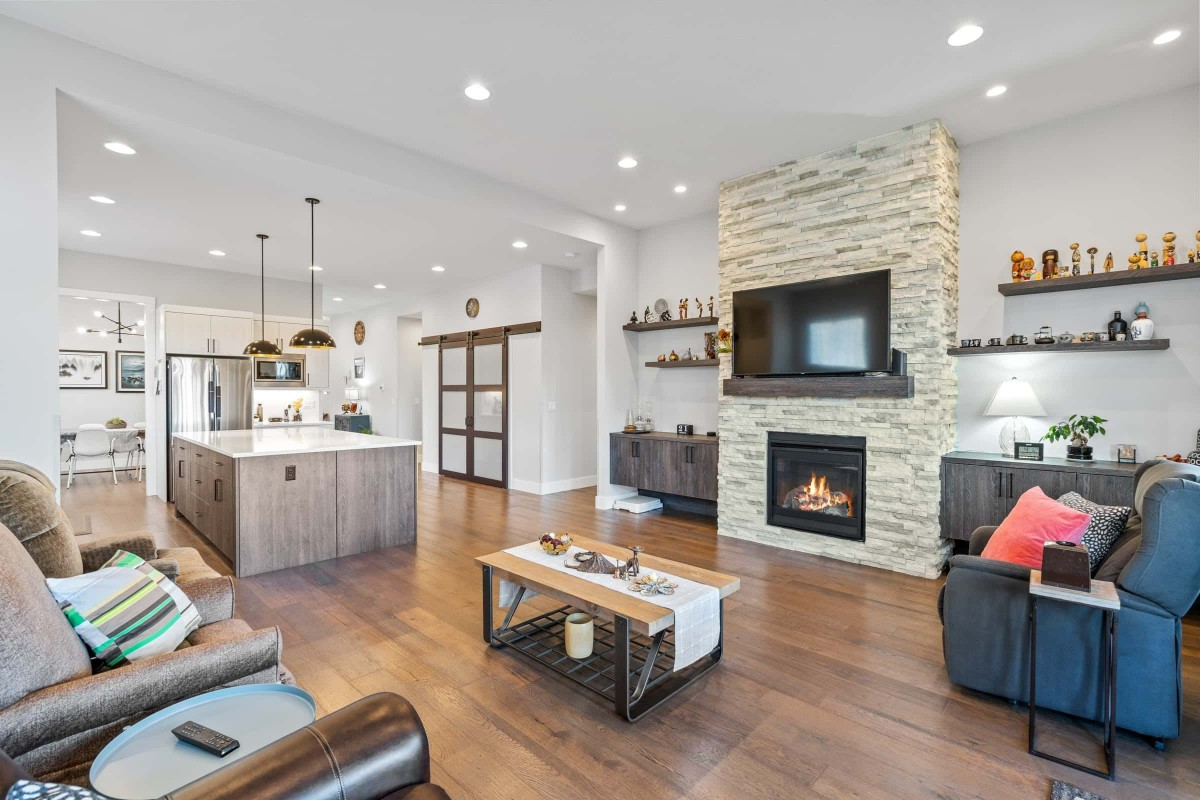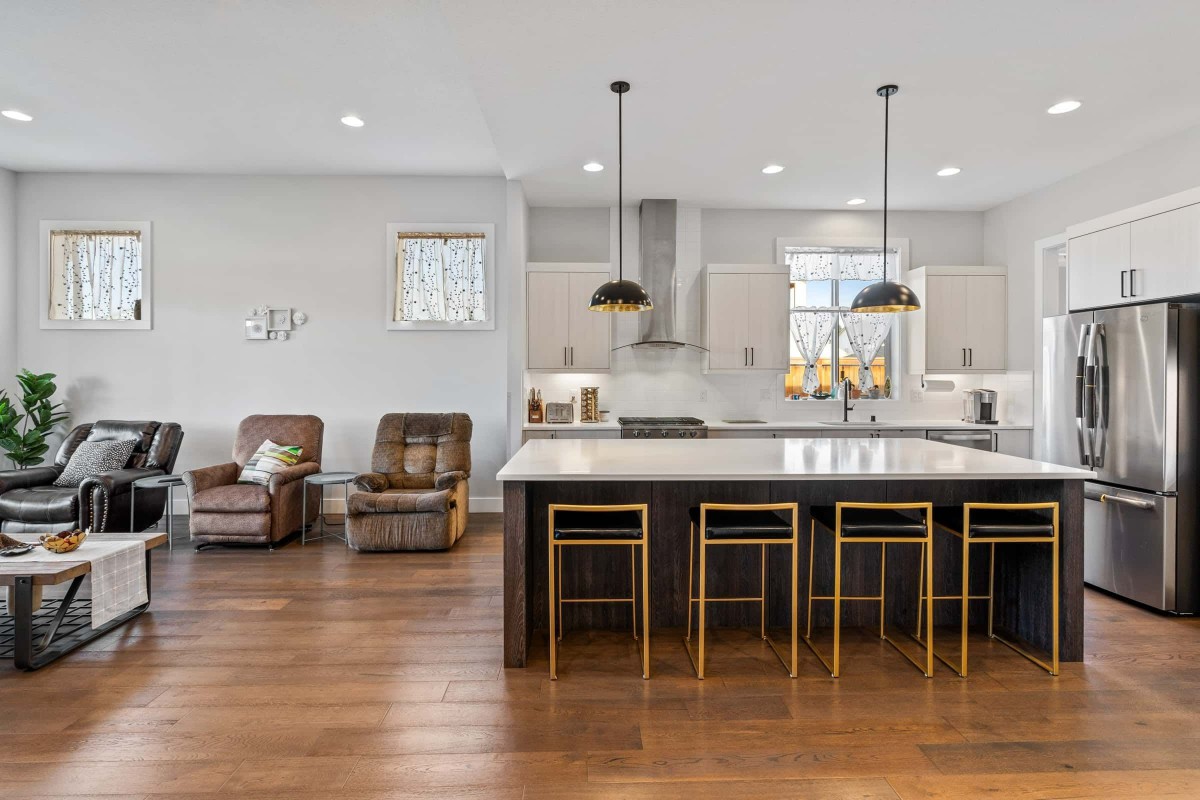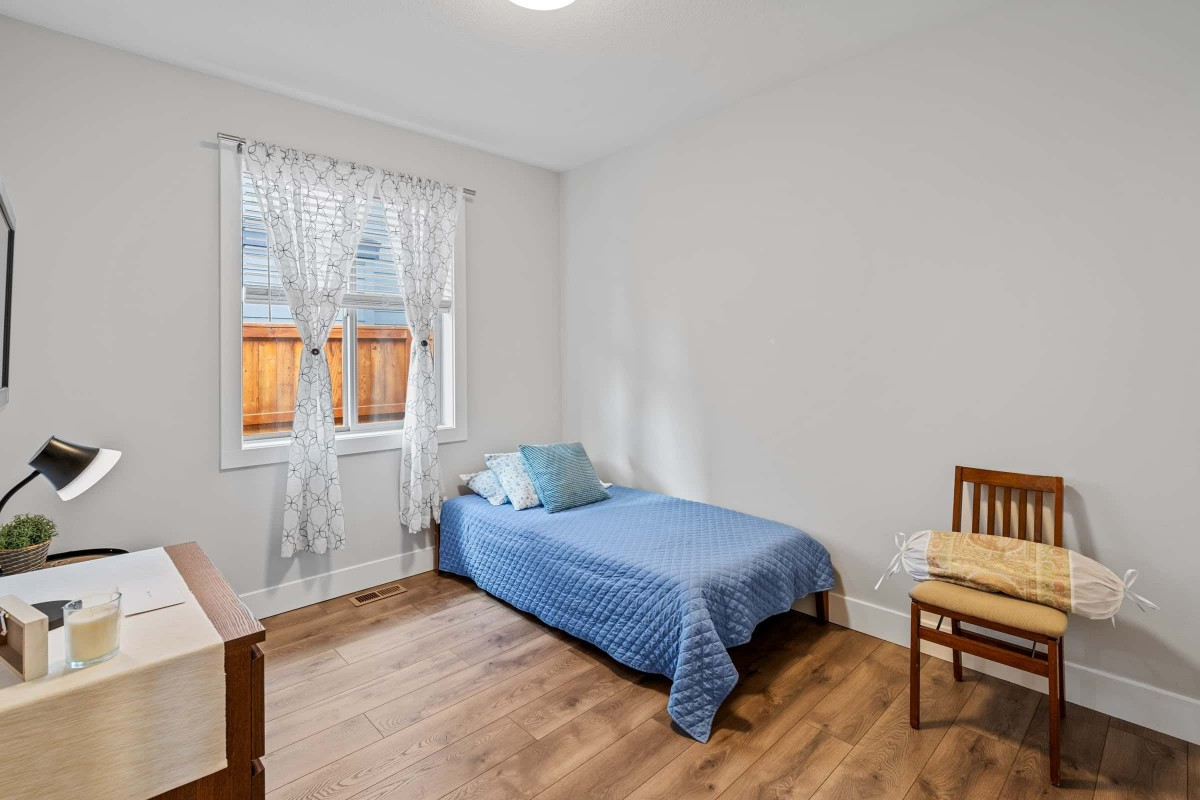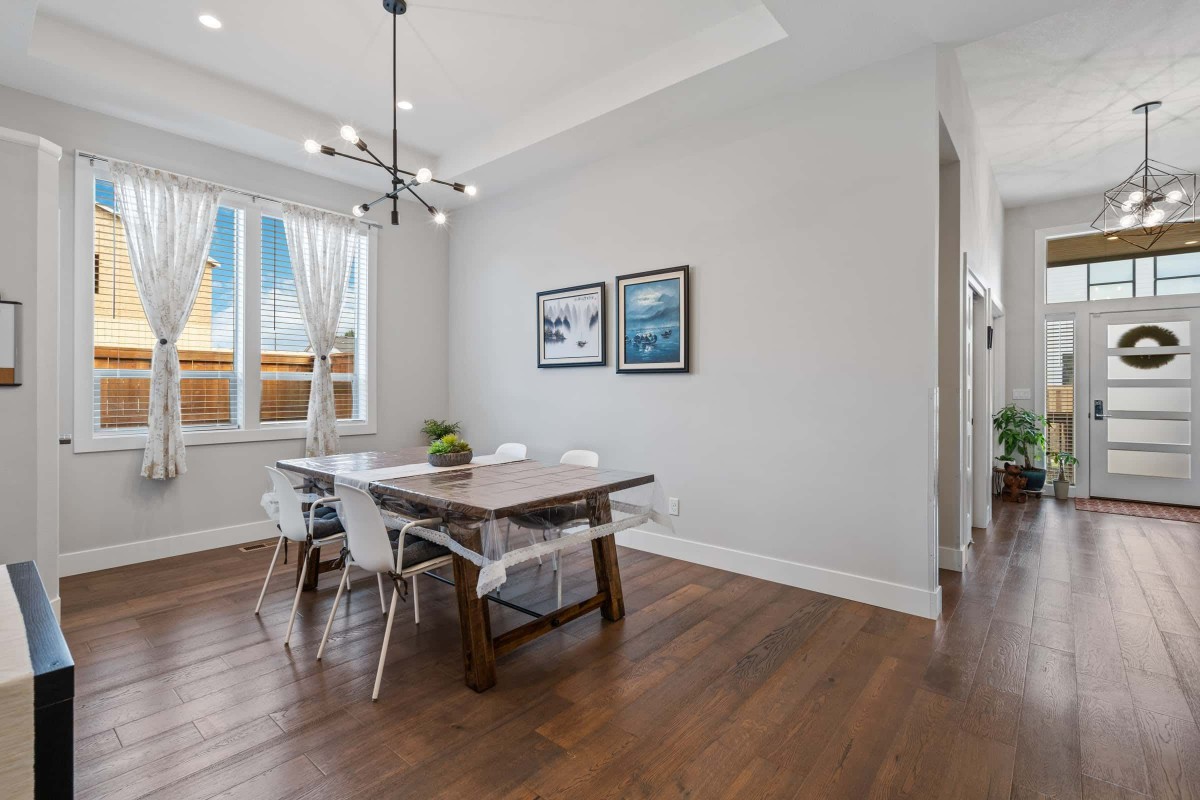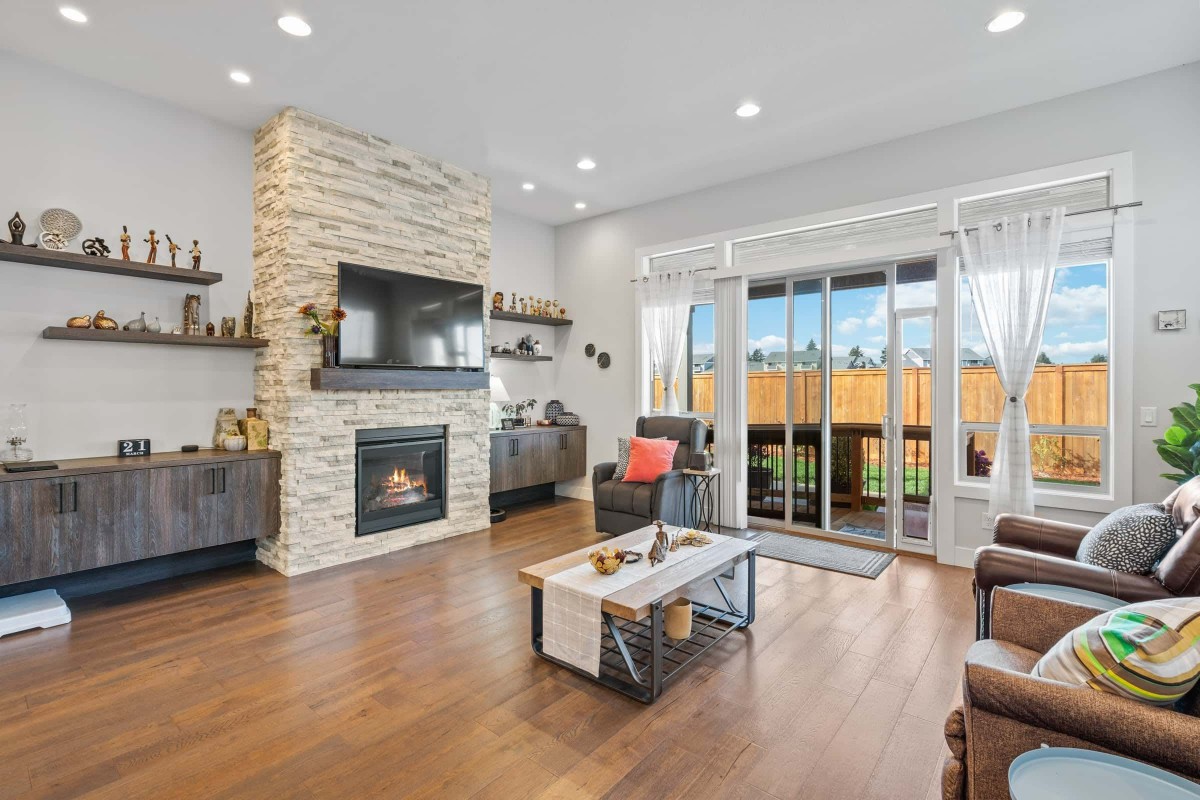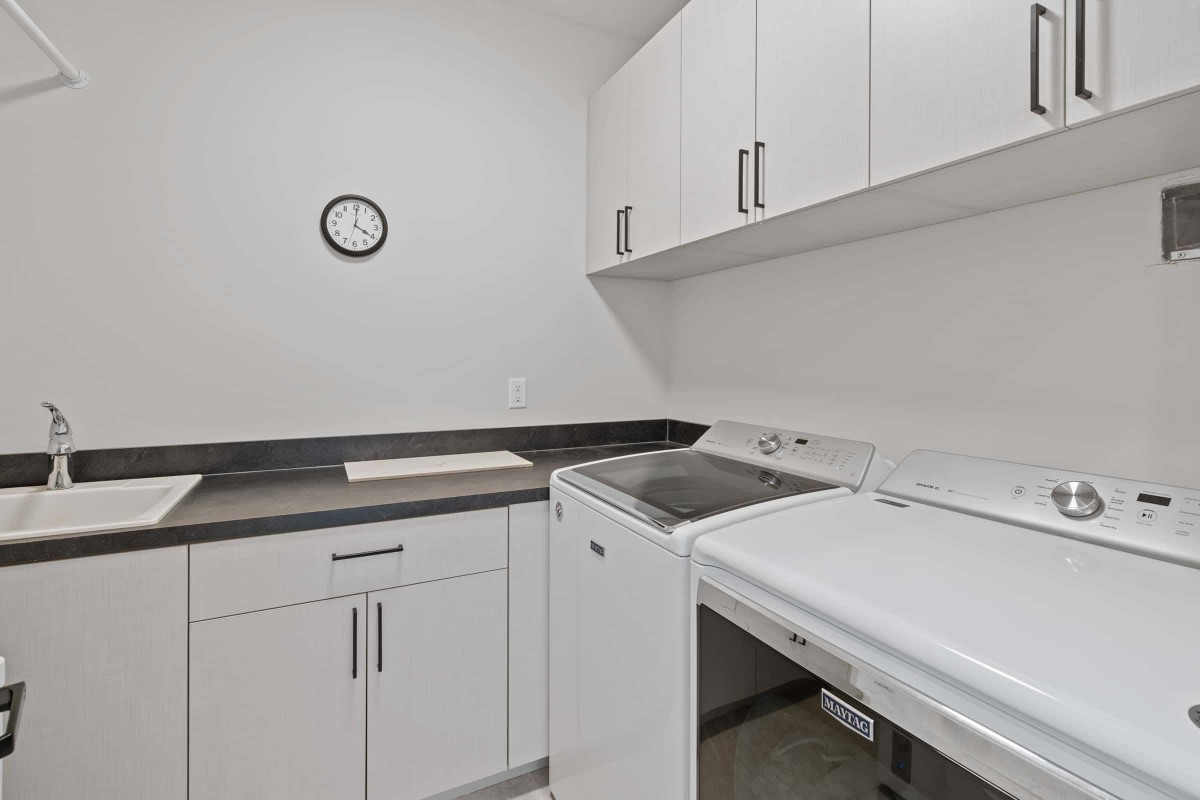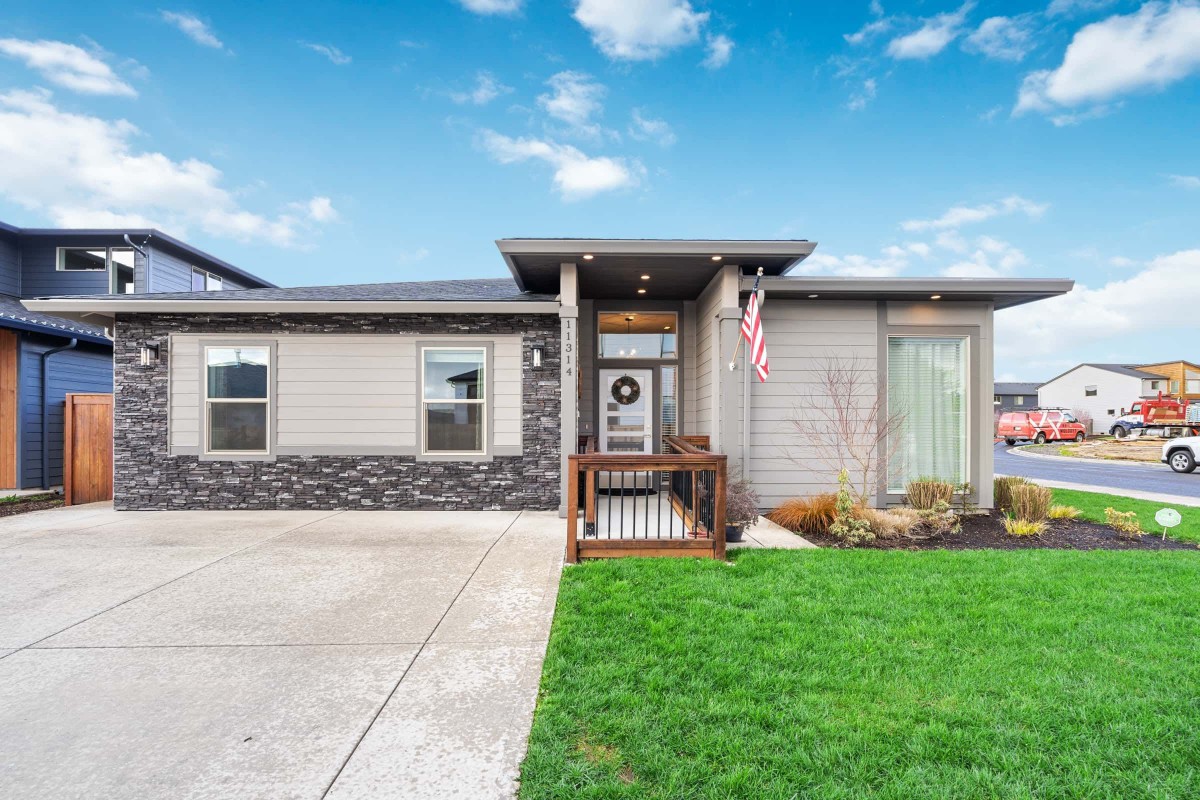
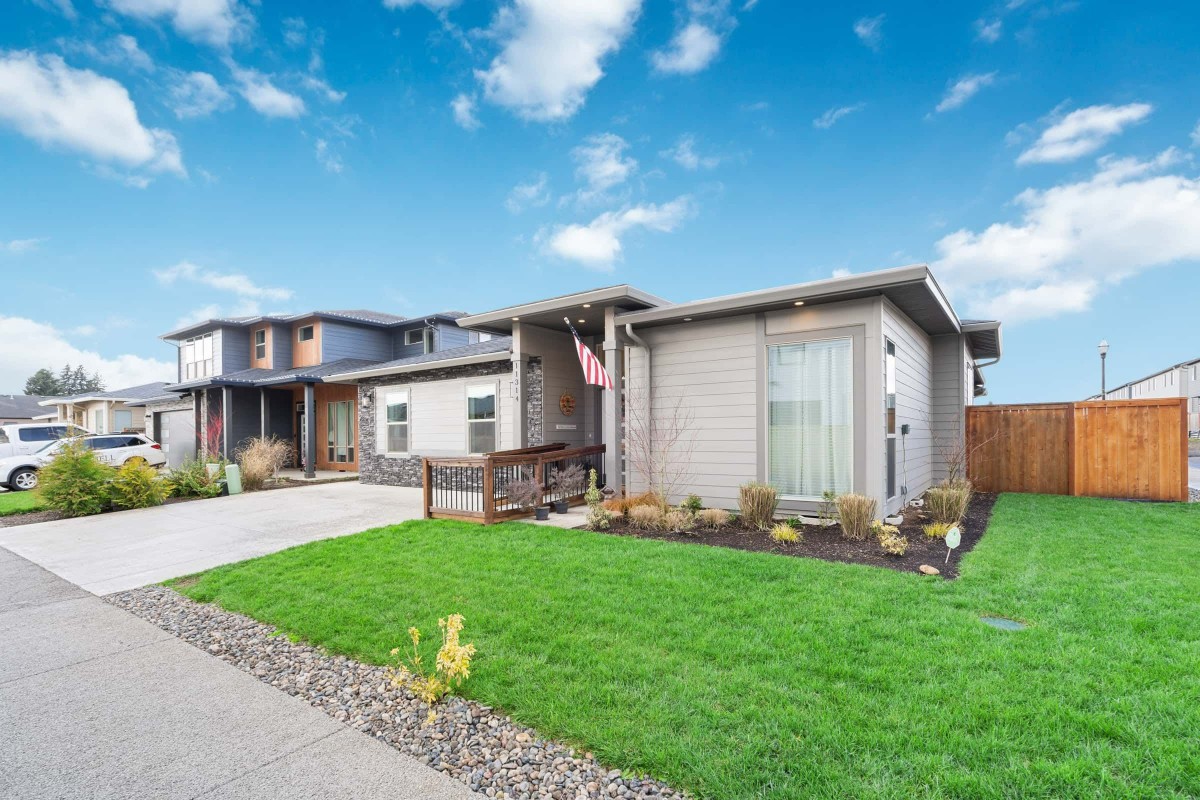
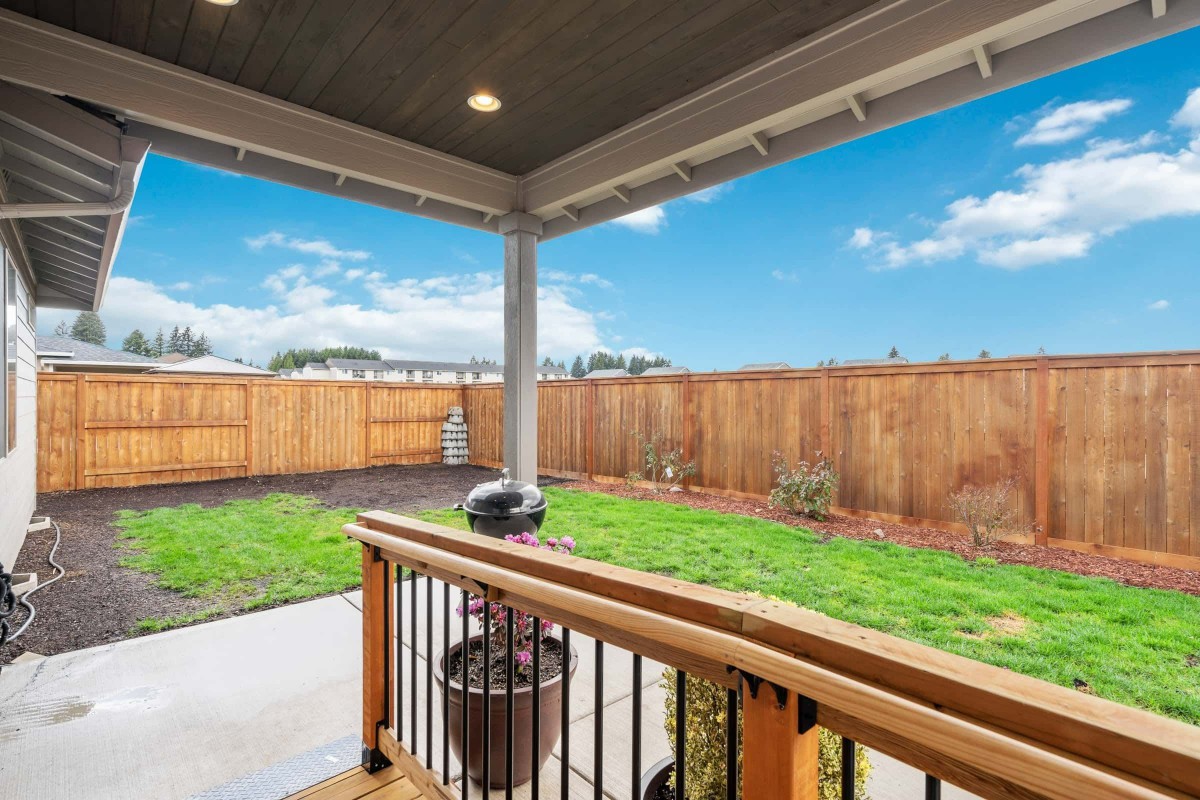
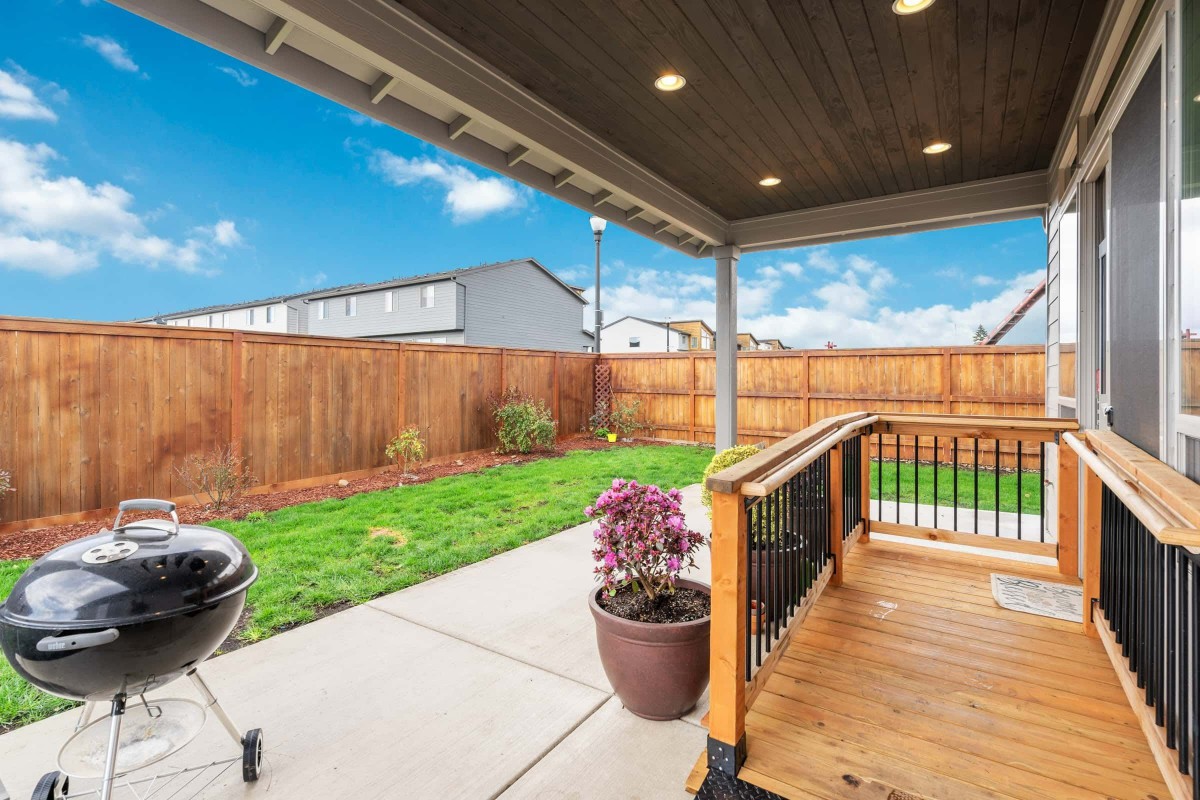
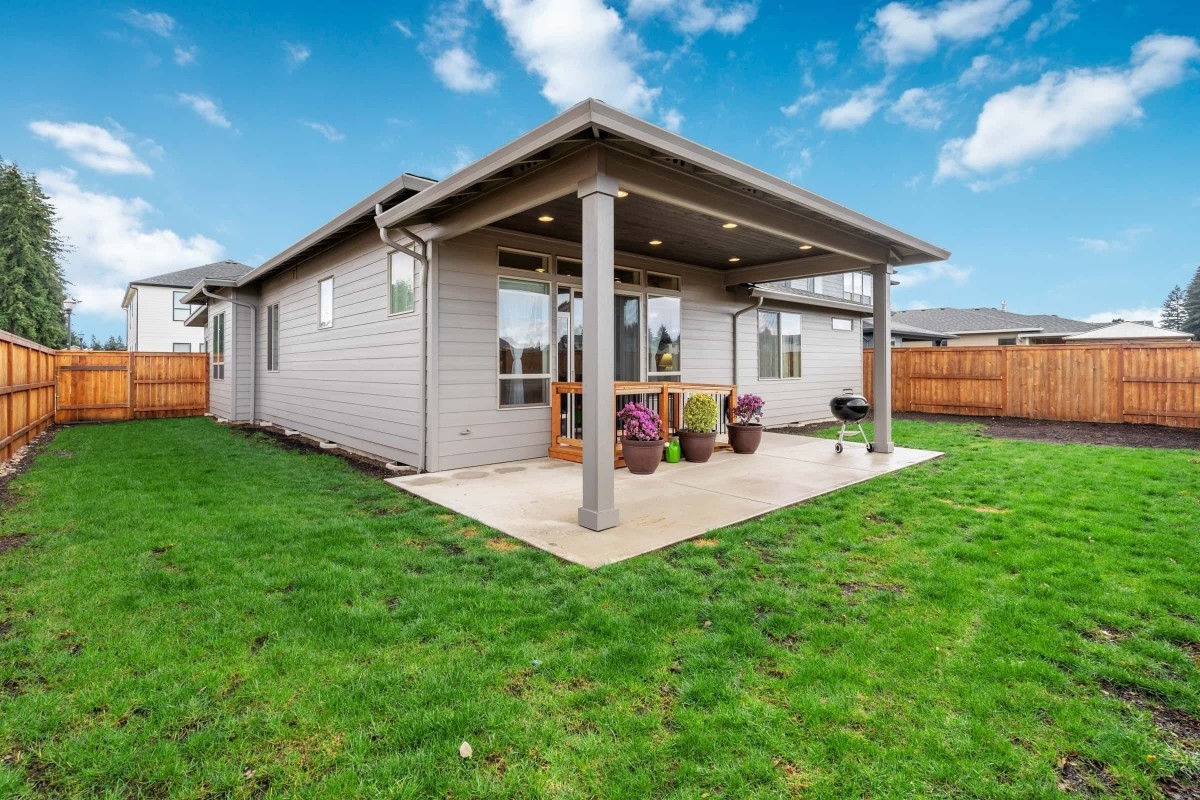
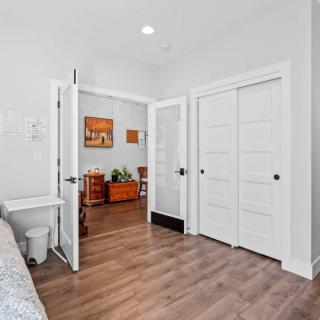
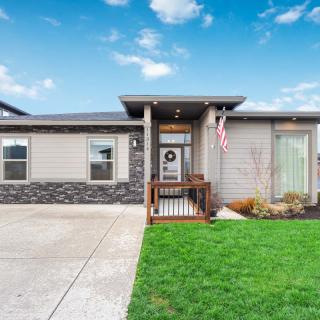
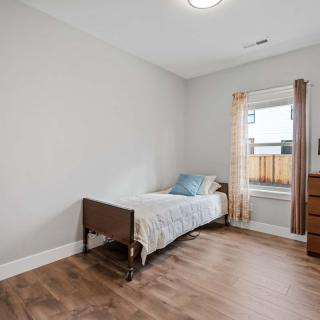
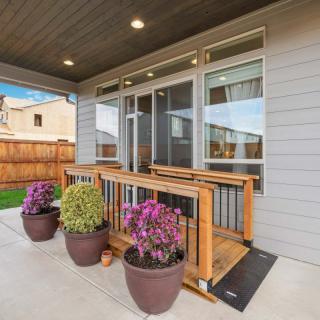
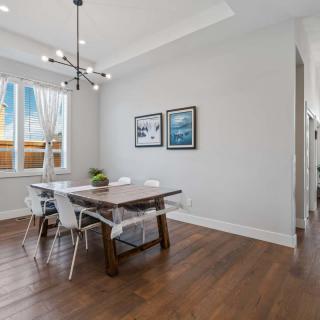
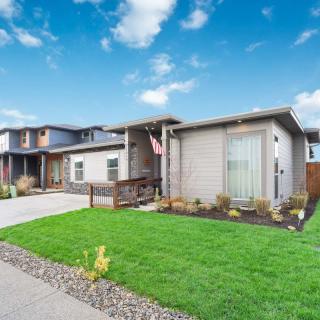
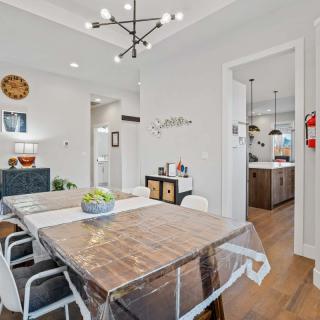

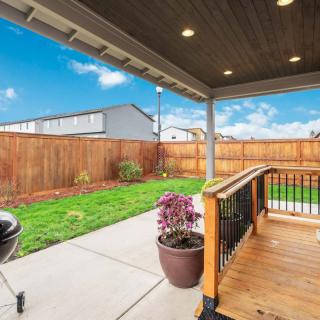
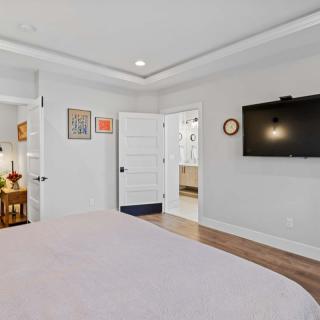
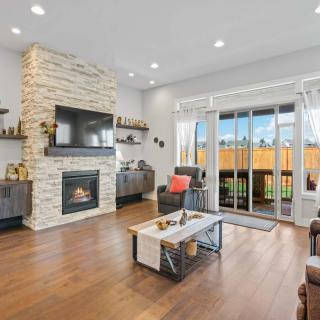
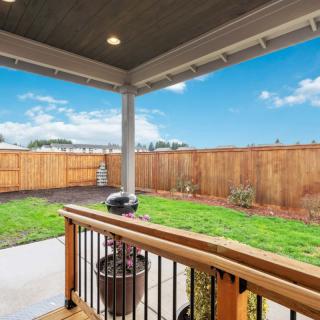
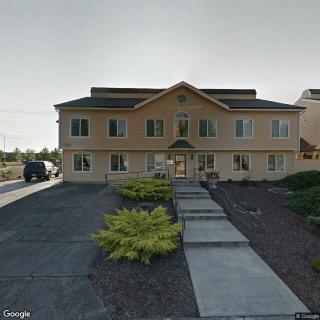
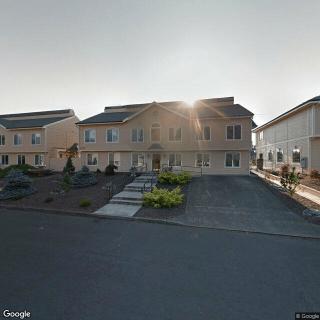
11314 NE 122nd Ave, Vancouver, WA 98682
To contact a resident: (360) 609-6399
For more information about senior living options: (866) 208-4318
The Family Care Adult Family Home LLC Aspen Costs & Pricing
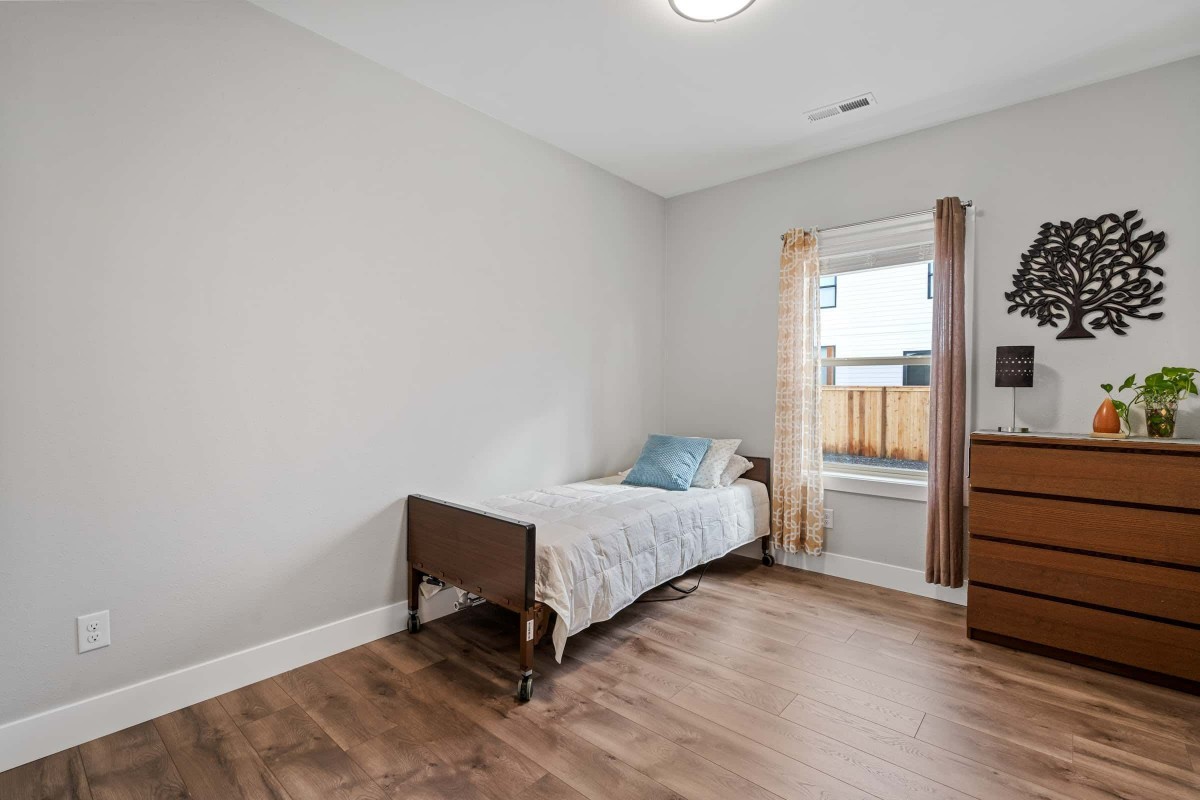
The Family Care Adult Family Home LLC Aspen offers private rooms at a monthly rate of $5,500, which is significantly higher than the average costs found in Clark County ($3,992) and across the state of Washington ($4,772). Similarly, for its one-bedroom accommodations, Aspen maintains the same pricing of $5,500 - again exceeding both local and state averages; with Clark County averaging $4,178 and Washington State as a whole reaching approximately $4,632. This pricing reflects not only the premium services and personalized care provided at Aspen but also indicates a strategic positioning in the market that may appeal to families prioritizing quality care over cost.
| Floor plans | The Family Care Adult Family Home LLC Aspen | Clark County | Washington |
|---|---|---|---|
| Private | $5,500 | $3,992 | $4,774 |
| 1 Bedroom | $5,500 | $4,178 | $4,634 |
Memory care communities with a similar price nearby
-
from +$500 / mo
Magnolia Gardens Senior Care Home
$6,000 / month4.8 miles away -
About the same
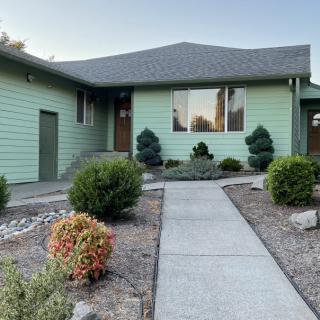
Evergreen Quality Home
$5,500 / month6.1 miles away -
from -$500 / mo
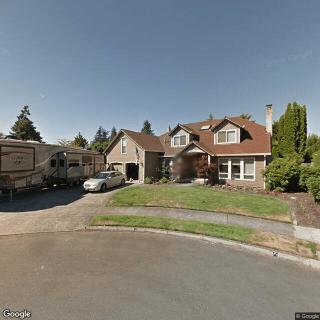
Windsor Gardens
$5,000 / month5.2 miles away -
from -$1000 / mo
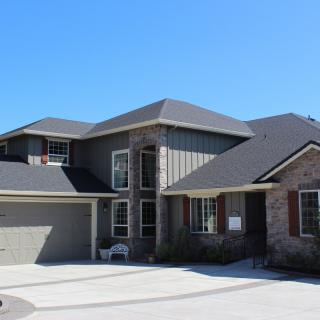
Camas Hills Care Home
$4,500 / month9.7 miles away -
from -$1000 / mo
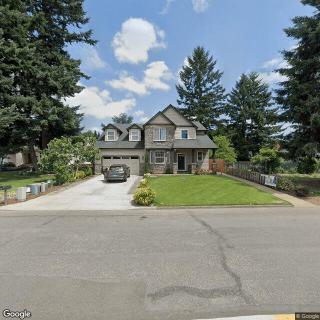
Martin Adult Foster Care
$4,500 / month4.9 miles away
Overall Review of The Family Care Adult Family Home LLC Aspen
Pros
 The facility is clean, comfortable, and well staffed.
- The staff are attentive and caring, providing residents with necessary attention.
- Families receive updates, including photos and videos, to stay informed.
- The care helps prevent falls and reduces emergency room visits.
- The owners, caregivers, and staff are conscientious and deliver loving, attentive care.
- Families feel reassured and grateful for the services provided.
Cons
 She needed more comprehensive care than was available at her assisted living facility.
Review
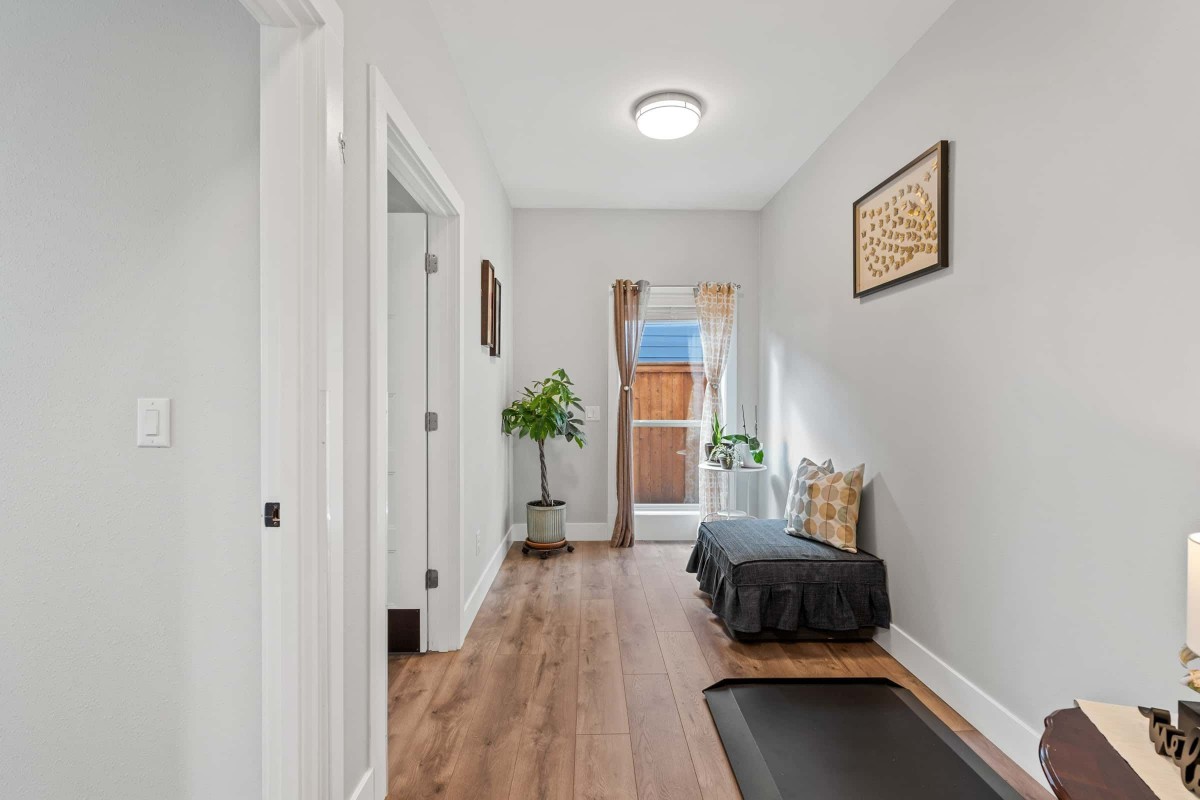
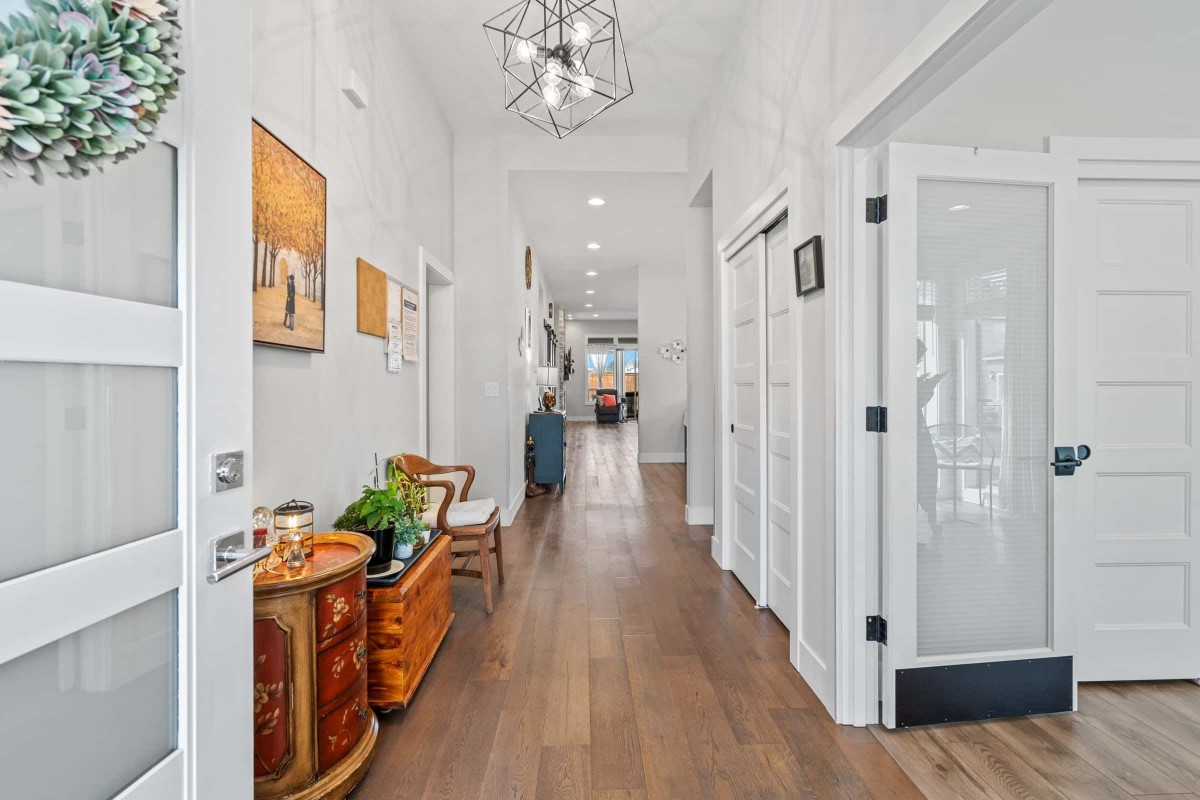
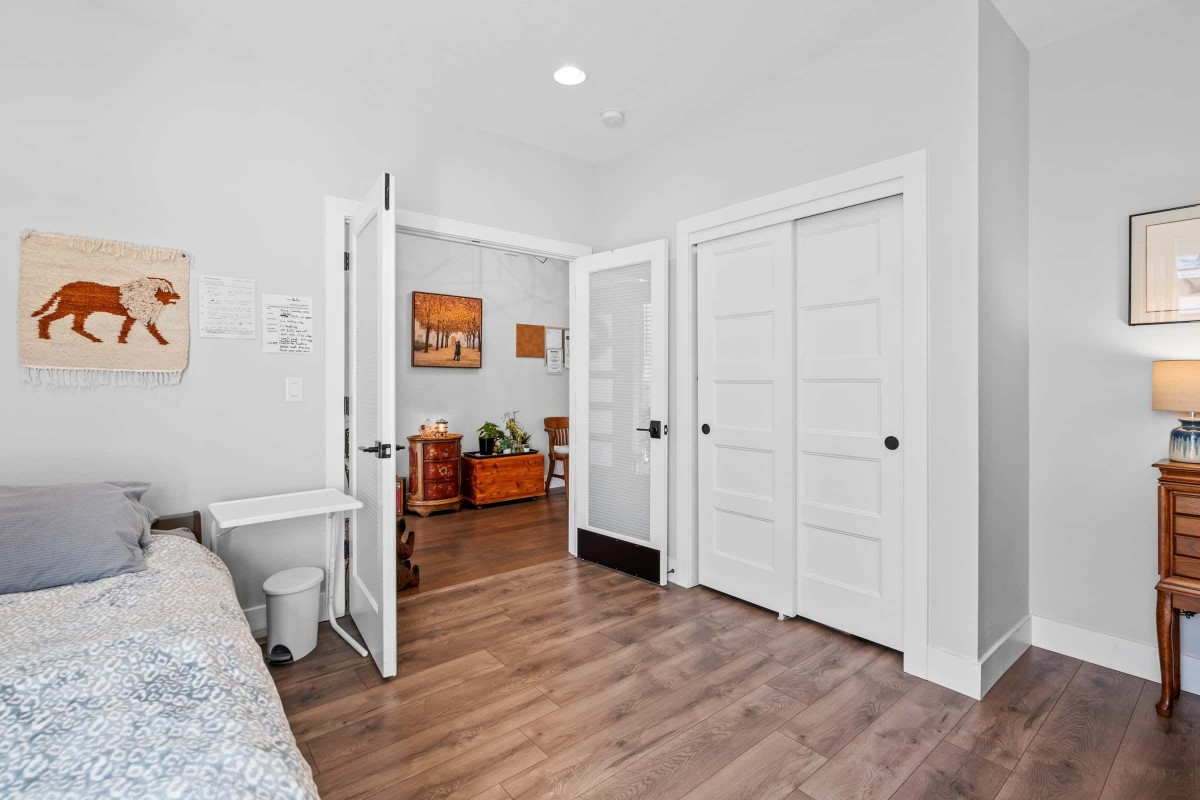
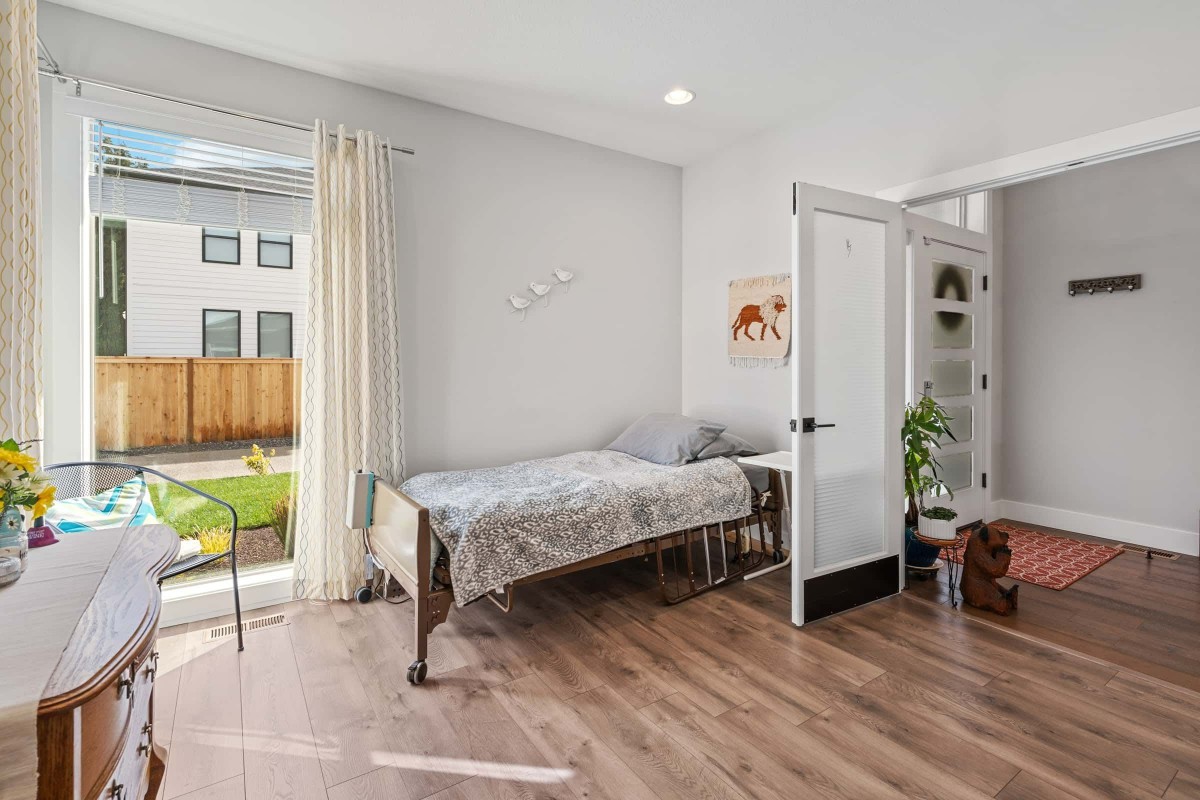
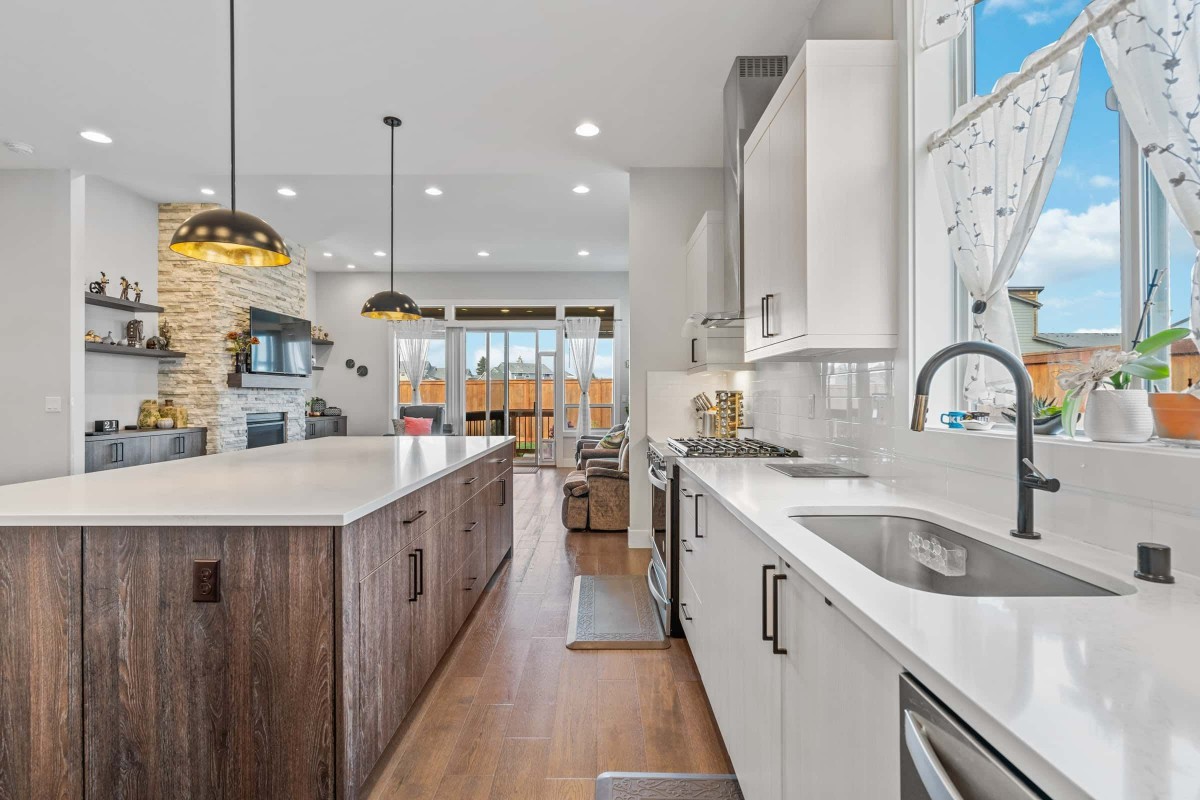
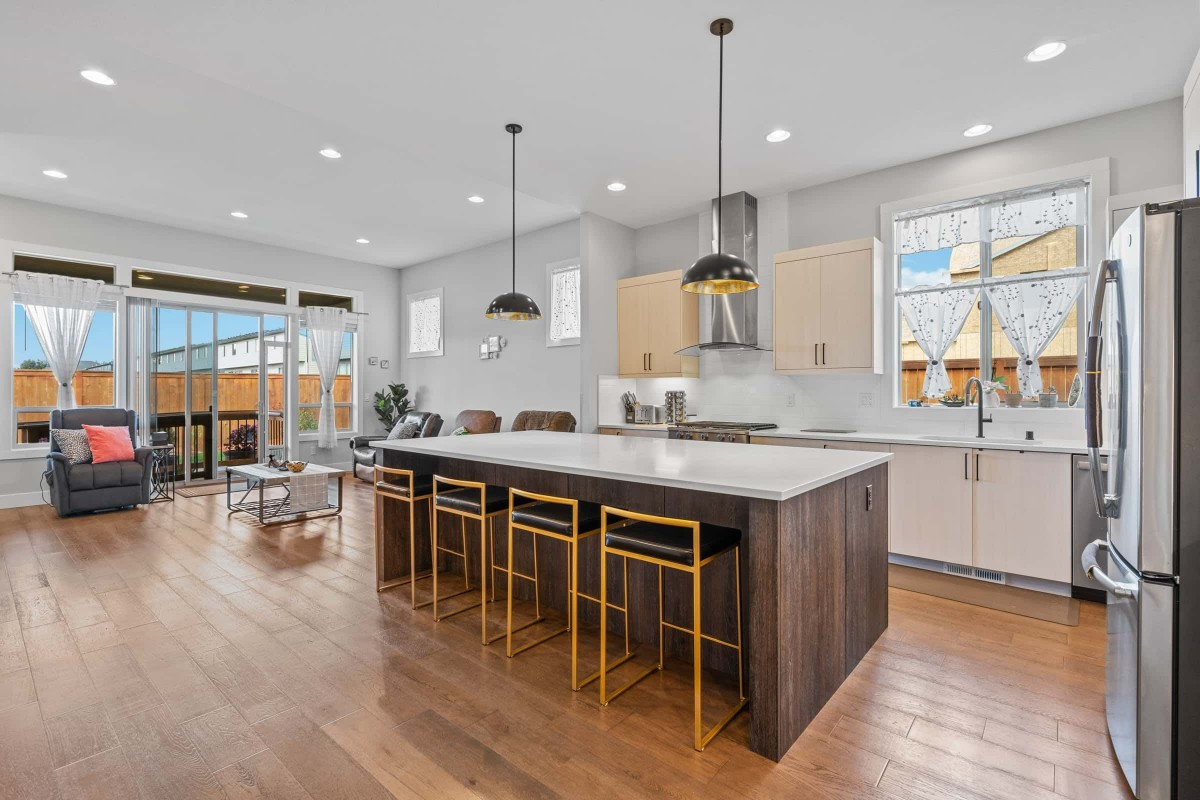
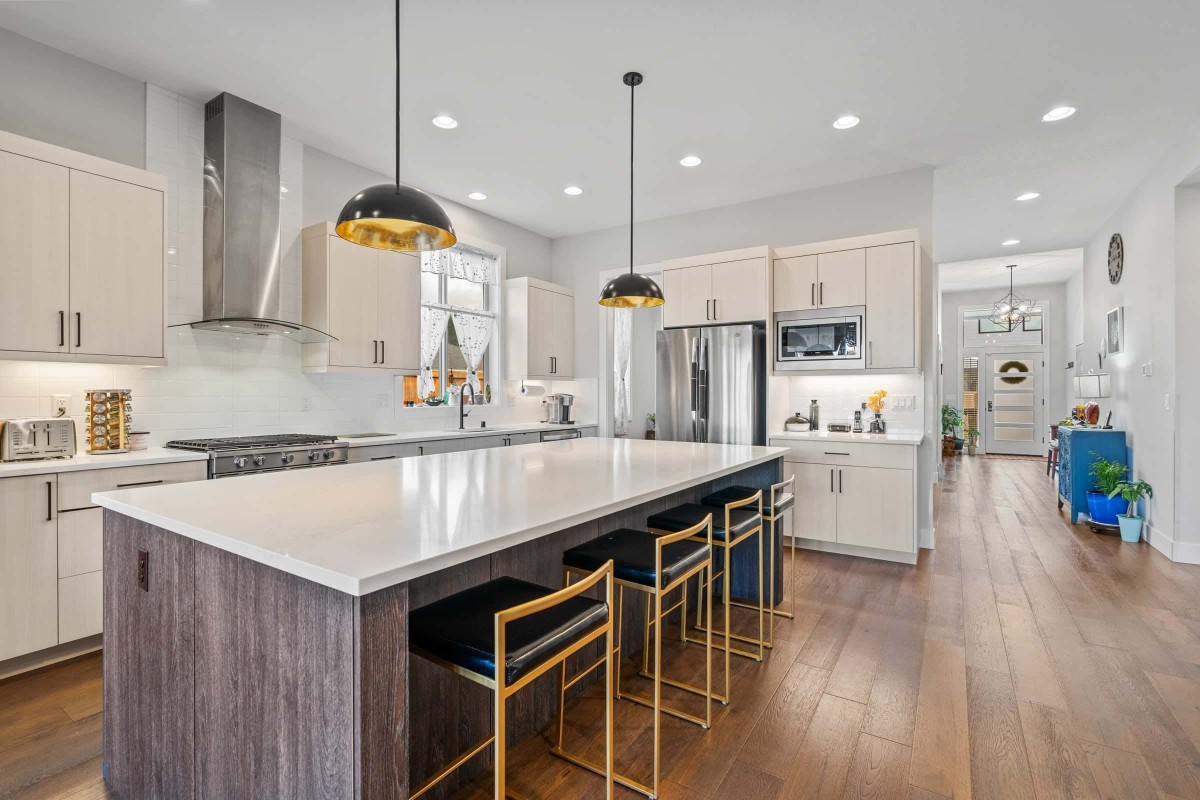
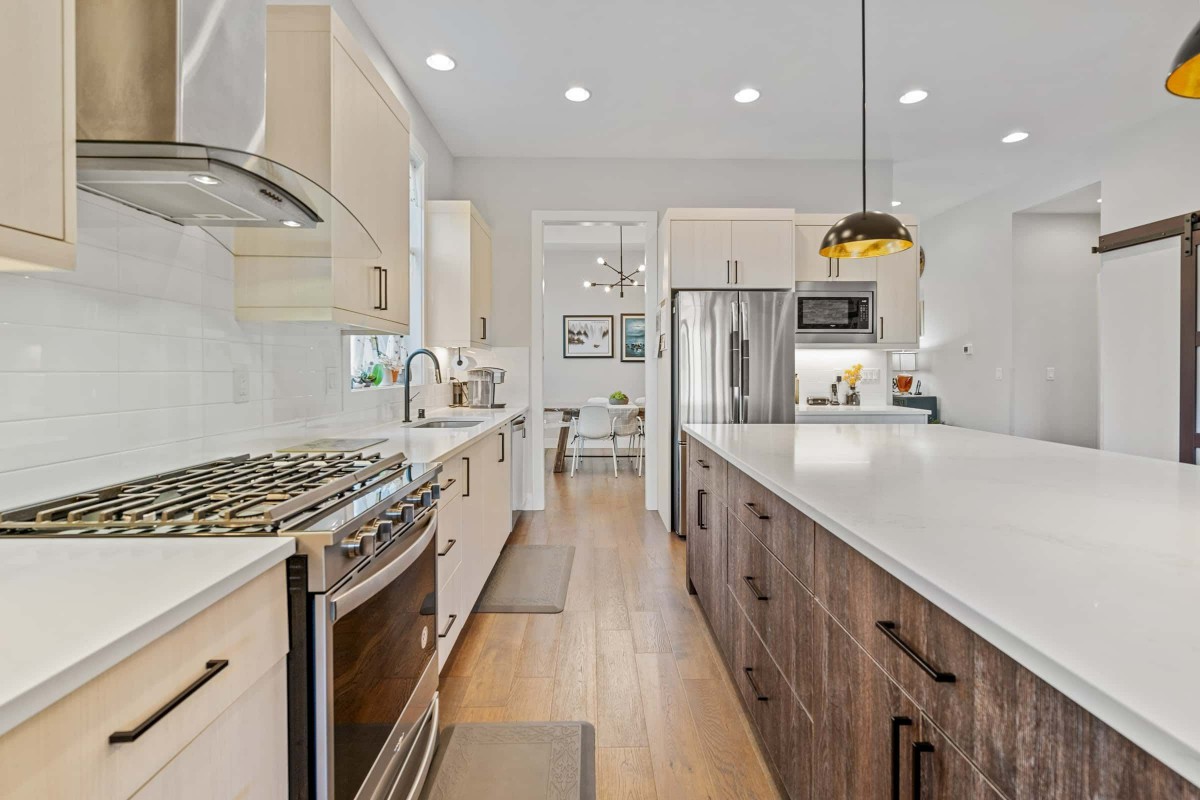
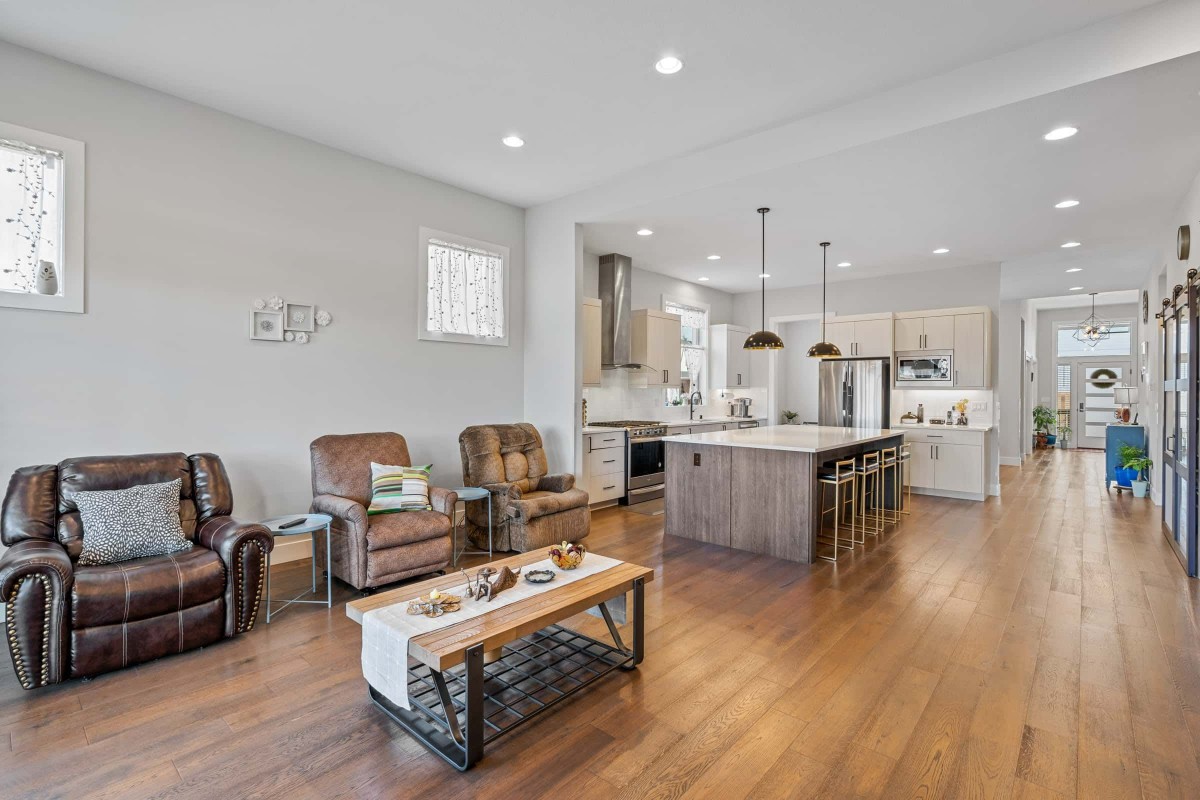
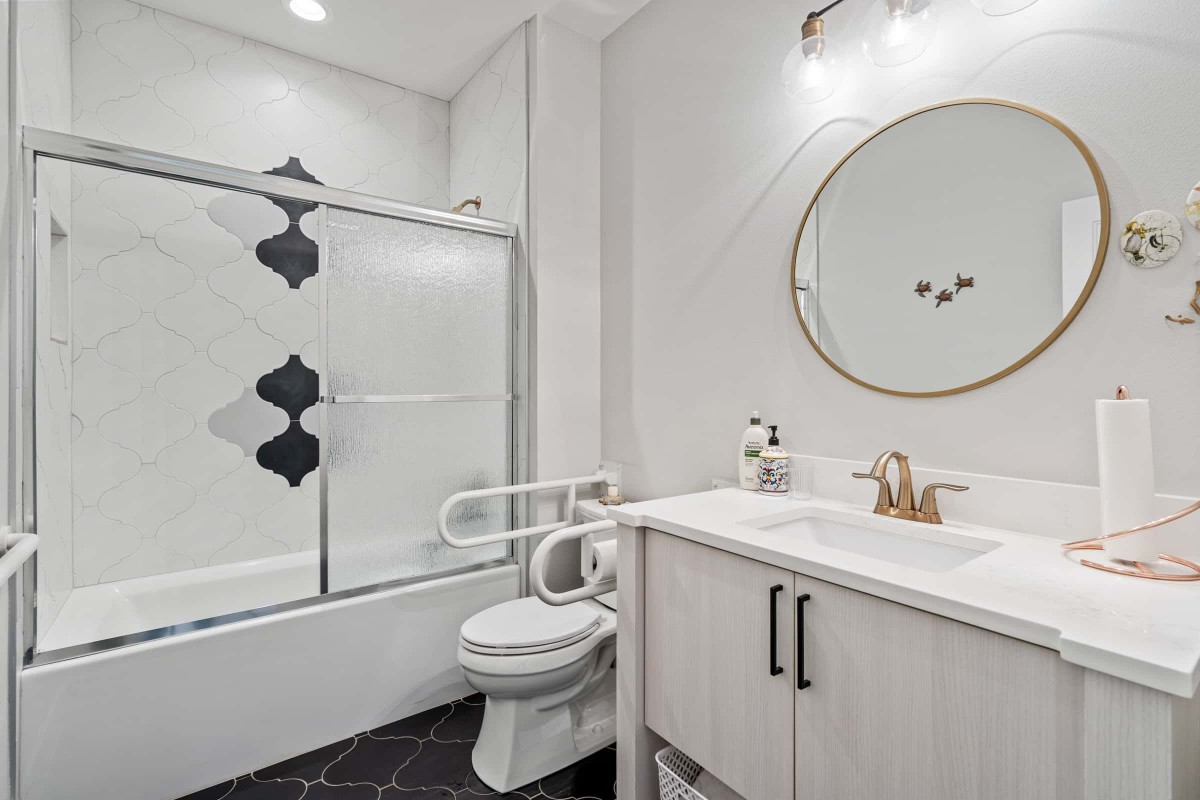
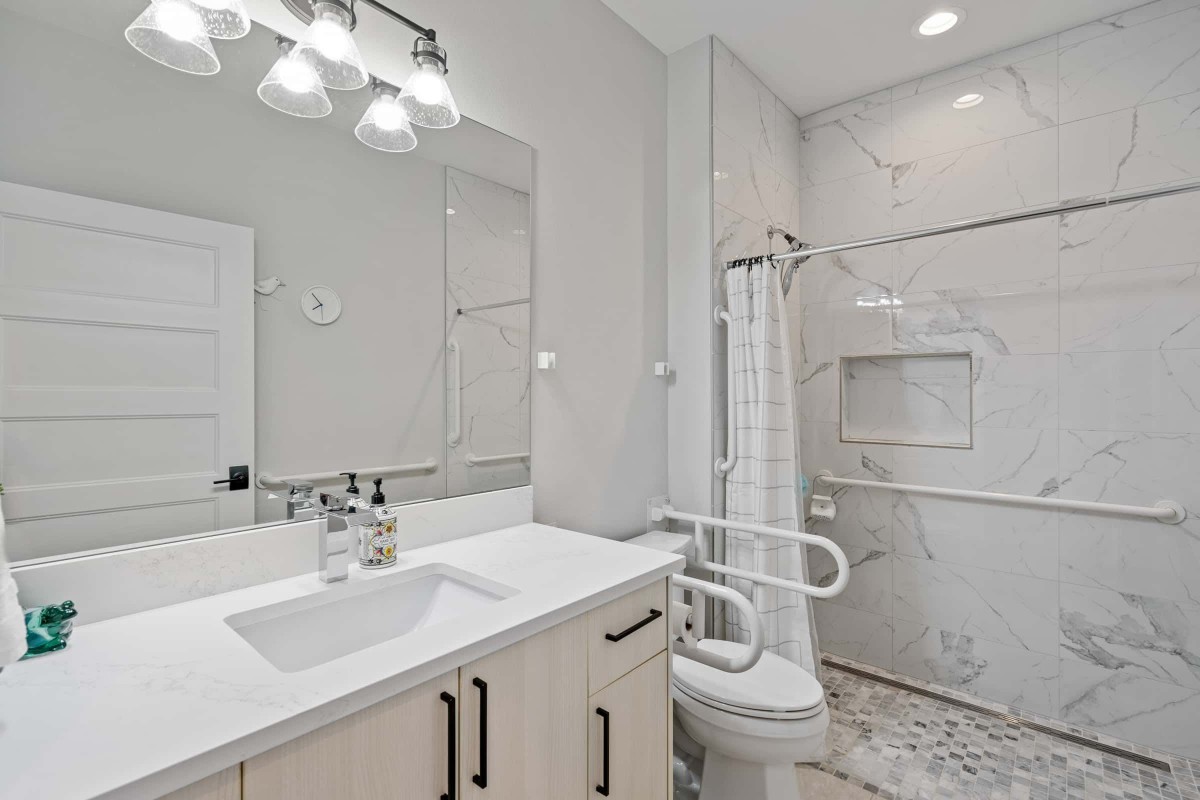
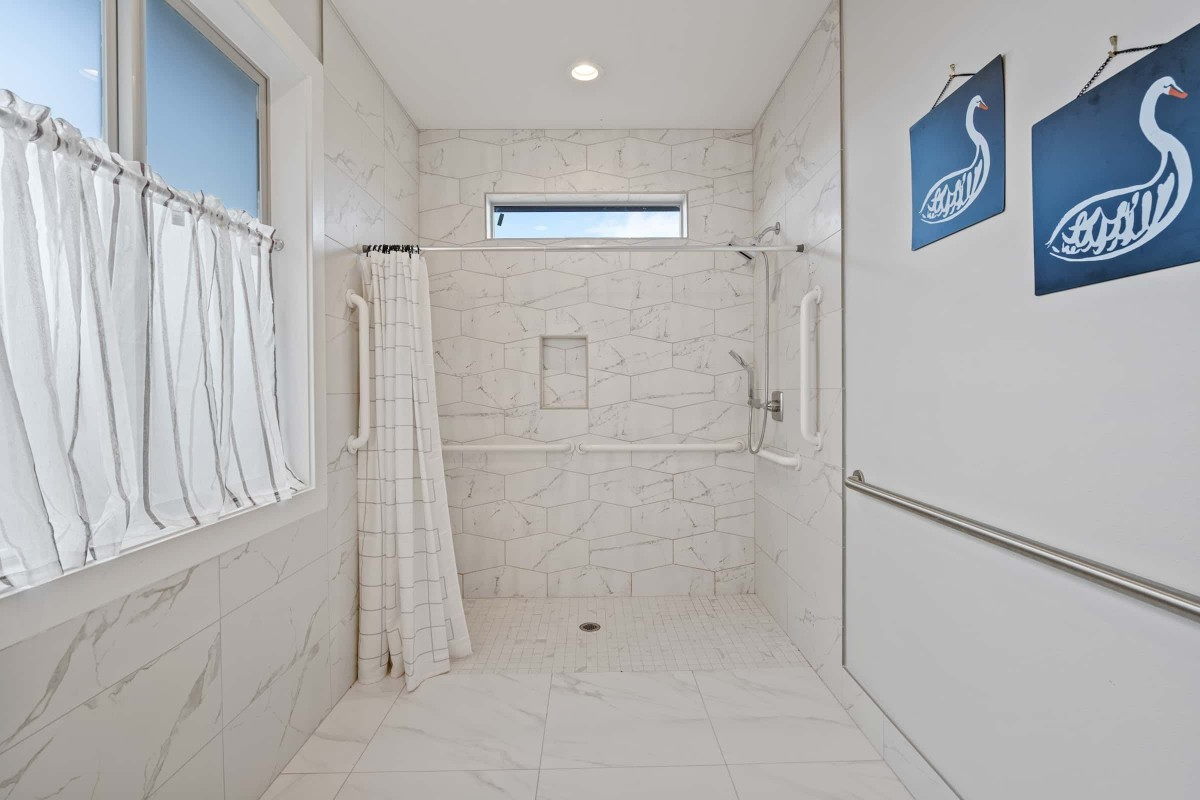
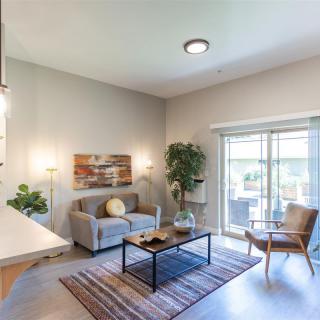
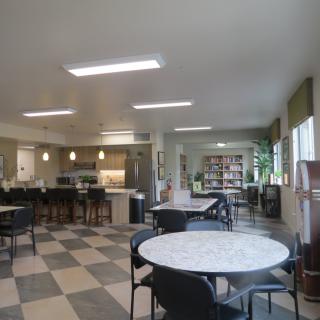
The Family Care Adult Family Home LLC Aspen in Vancouver, Washington is best suited for families seeking an intimate, home-like environment where a loved one receives steady, individualized attention. This community excels for seniors who need more supervision and structured support than independent living provides, but do not require the resources of a large facility. The small, clean house, consistently attentive caregivers, and hands-on involvement by the owner create a sense of security that translates into reliable daily care and predictable routines. Residents who benefit from close caregiver relationships, regular family communication, and a calm, low-noise environment will find this setting particularly reassuring. It also suits dementia care and falls-prevention needs where ongoing supervision makes a tangible difference.
Those who should consider alternatives include families prioritizing robust medical oversight, 24/7 on-site nursing, or expansive social programming. If the plan centers on complex medical devices, frequent wound care, or specialized memory programs housed in a larger campus, a bigger facility with dedicated clinical staff may be warranted. For residents whose health needs require rapid access to hospital-level emergency services or intensive therapy, the home setting may not provide sufficient on-site resources. In such cases, exploring options with more formal medical support and broader activity calendars reduces the risk of unmet needs.
Among the strongest positives are a clean, comfortable home atmosphere and a staff that feels genuinely devoted. The caregivers are described as attentive, kind, and consistently present, with owners who stay closely involved. Family members can count on prompt updates via phone, email, or even pictures and videos, which matters greatly to distant relatives. This degree of accessibility translates into less anxiety about a loved one’s day-to-day situation and creates a dependable line of communication during transitions. The small scale also means staff can observe subtle changes in mood or function quickly, supporting falls-prevention and timely adjustments to care plans.
Where potential downsides might appear is in the scope of medical capability and program breadth. The intimate home environment naturally centers on daily living support and individualized attention rather than hospital-style clinical care. While the reviews highlight proactive fall-prevention and responsive caregiving, the model relies on external providers for higher-level medical services; residents and families should confirm the availability of on-call clinicians, coordination with doctors, and clear pathways for escalation if health needs intensify. For those seeking a wide array of social activities or specialized dementia therapies, a larger campus with structured programming could offer more variety.
Nevertheless, the proven strengths largely offset these potential limits. Regular, direct communication builds trust, reduces the sense of distance for families, and allows for rapid tweaks to care plans. Long-tenured staff and the owner’s hands-on approach create continuity that is hard to match in bigger settings, sustaining stability over time. Reviews note successful long-term placement for a spouse with dementia, underscoring that warm, person-centered care can slow agitation, prevent crises, and avoid unnecessary ER visits. In short, the very elements that raise questions about medical breadth are the same elements that deliver everyday reliability and a home-like quality that supports dignity and comfort.
For families weighing options, this community is a strong recommendation when prioritizing individualized attention, transparent family updates, and a quiet, nurturing home for someone with moderate care needs or early-stage memory concerns. It is less suitable for residents demanding intensive medical oversight or a full spectrum of clinical services on-site. The prudent path includes an in-person visit to observe routines, meet caregivers, and confirm emergency coordination. Ask about memory-care strategies, staffing coverage, and the process for escalating medical issues. If those align with the loved one’s needs, this Vancouver home stands out as a trustworthy, practical choice that delivers peace of mind to distant families and a steady daily life for residents.
 Board and Care Home
 Memory Care
 Private
 Portland International (8 miles away)


 Delirium and Dementia: Unraveling the Key Differences
 Are Dementia and Alzheimer's Disease Lethal? A Comprehensive Exploration
 Exploring the Power of Reminiscence Therapy for Individuals With Dementia