
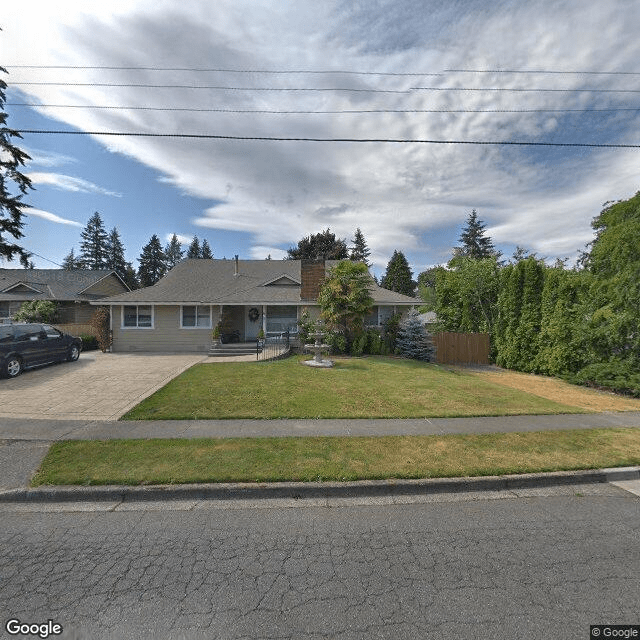
6701 123rd Ave SE, Bellevue, WA 98006
To contact a resident: (425) 679-6502
For more information about senior living options: (866) 208-4318
Sunset AFH Costs & Pricing
Sunset AFH offers competitive pricing for its services, with monthly costs reflecting the quality and amenities provided. For both private and studio room types, Sunset AFH charges $5,500 per month, which is notably higher than the average costs in King County and throughout Washington state. In comparison, King County's average cost for a private room stands at $5,034 and for a studio at $4,464. The broader state averages are even lower, with private rooms costing around $4,772 and studios at approximately $4,126. While Sunset AFH's pricing is on the higher end of the spectrum, it suggests an emphasis on enhanced care and possibly superior living conditions that may justify the investment for prospective residents seeking a high standard of support.
| Floor plans | Sunset AFH | King County | Washington |
|---|---|---|---|
| Private | $5,500 | $5,034 | $4,774 |
| Studio | $5,500 | $4,464 | $4,128 |
Memory care communities with a similar price nearby
-
from +$1000 / mo
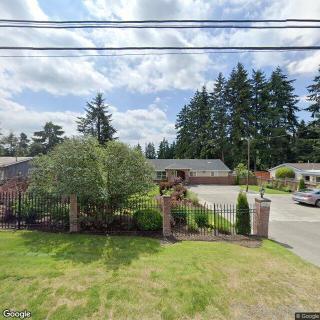
The Promised Land
$6,500 / month16.7 miles away -
from +$500 / mo
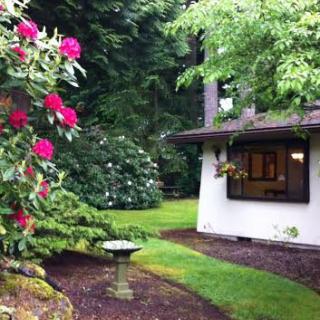
Home Away From Home LLC
$6,000 to $7,000 / month23.0 miles away -
from +$500 / mo
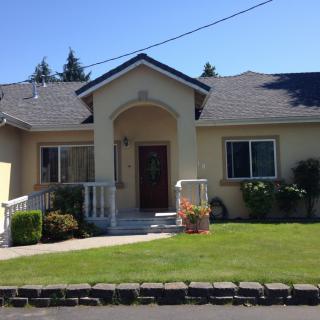
Elderly Home Care
$6,000 to $8,000 / month13.6 miles away -
from +$250 / mo
Fieldstone Rolling Bay and Fieldstone Memory Care
$5,750 to $8,895 / month17.3 miles away -
About the same

Twin Lake Adult Family Home
$5,500 to $6,500 / month18.8 miles away
Overall Review of Sunset AFH
Pros
 Mom is very happy living at Sunset Adult Family Home.
- She settled in nicely, and the staff have been incredibly attentive and helpful.
- Mom loves the food and the wonderful caretakers who make her feel at home.
- Sunset AFH works with a visiting doctor who comes once a month, and the family is impressed.
- The doctor is highly knowledgeable about geriatric care and manages Mom’s medications well.
- The care team supports Mom beautifully despite Alzheimer’s and mobility challenges.
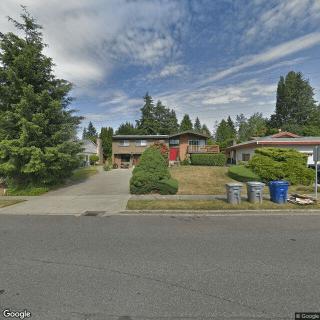
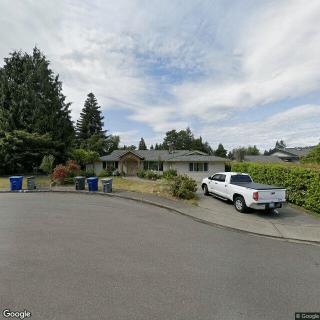
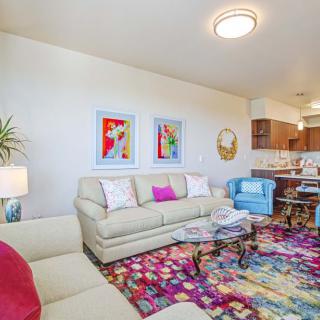
- The home is lovely, with a large covered deck where Mom enjoys sitting outside when the weather allows.
- Nadia is providing great care.
Review
Sunset AFH in Bellevue is best suited for a loved one who benefits from a warm, home-like setting where memory challenges and mobility needs are met with intensely personal attention. The community excels when families prioritize a smaller, family-style environment, strong daily caregiver presence, and open, ongoing communication about preferences and routines. It is particularly well-matched for seniors who respond to attentive caregivers, good meals, and a setting that feels like a welcoming home rather than an institution. For families seeking round-the-clock on-site medical staffing, a formal memory-care wing, or a larger campus with a broader activity slate, alternatives may deliver what those scenarios require.
The strongest advantages live in the caregiving relationships and daily atmosphere. The staff are consistently described as attentive, helpful, and professional, with a capability to tailor care to individual needs. Families note that the care team truly makes residents feel at home, especially for someone with Alzheimer’s and mobility issues who needs reliable assistance and a steady routine. Food quality is highlighted as a standout, contributing to overall well-being and mood. The facility itself feels welcoming, with amenities like a large covered deck that offers outdoor time when weather permits, which matters for mood, appetite, and engagement. Most importantly, communication stands out: input about preferences is welcomed, and flexibility with visits and scheduling reduces the friction families often experience when coordinating care.
On the medical front, Sunset AFH works with a visiting doctor who meets once a month, bringing geriatric expertise into the home and advancing medication management beyond what the resident’s prior PCP delivered. This arrangement grants families a measure of confidence that medical oversight remains present without the need for constant transport to a clinic. The reviews consistently point to clear, proactive care planning and responsive adjustment of medications as needed. In practice, Nadia and the caregiving team are singled out for reliable, compassionate service, and the overall management of the home is described as clean, well run, and family-friendly. These factors collectively help offset the realities of a small AFH, where intimacy and responsiveness can trump institutional density.
That said, realism requires acknowledging the implied trade-offs of a smaller, home-like setting. The main constraint is the absence of 24/7 on-site nursing and the broader structure that larger facilities provide. Families should be prepared for reliance on a visiting physician and highly responsive caregivers rather than constant on-site medical coverage. Yet this potential limitation is precisely what makes Sunset AFH so effective: the caregivers’ availability, the personalized attention, and the flexible scheduling compensate by delivering higher-quality daily interactions, easier accessibility for family input, and quicker adjustments to routines when needs shift. In short, the pros neatly offset the likely gaps for families who value intimacy, rapid caregiver responsiveness, and consistent, person-centered care.
Families weighing alternatives should consider Sunset AFH if the priority is a nurturing, home-like environment with outstanding caregiver engagement and straightforward access to medical oversight through a visiting doctor. However, options that offer broader medical staffing, larger activity programs, or specialized memory-care floor plans may be more suitable for residents requiring intensive clinical support, more formalized programming, or a campus atmosphere with extensive on-site amenities. Prospective residents who prize space, on-site rehabilitation services, or regimented daily schedules might find those attributes in larger facilities that complement, and sometimes surpass, what Sunset AFH can offer. The call will hinge on whether immediate medical coverage is non-negotiable or if responsive, intimate care in a compassionate home is the priority.
Bottom line: Sunset AFH stands out for families seeking exceptional, personalized care within a warm, home-like setting. It delivers an unusually strong combination of attentive staff, family-friendly communication, high-quality meals, and practical medical oversight through a visiting geriatric physician. For these values, the evidence is compelling: residents settle in, caregivers remember preferences, and families feel confident about daily life and medical coordination. The smart next step is to schedule a visit focused on meeting the caregiving team, reviewing a care plan, and confirming how medication management, physician visits, and safety considerations are coordinated day-to-day. This approach will reveal whether Sunset AFH aligns with the resident’s needs and the family’s expectations around independence, pace, and ongoing involvement.
 Board and Care Home
 Memory Care
 Cats allowed
 Dogs allowed
 Activities off-site
 Beautician on-site
 Devotional services off-site
 Indoor common areas
 Outdoor common areas
 Private
 Private bathrooms
 Respite or short term stays offered
 Wheelchair accessible showers
 Seattle-Tacoma International (9 miles away)
 Diabetic care
 High acuity care
 Incontinence care
 Medication management
 Meals provided
 5 Early Indicators of Dementia and What You Can Do
 8 Important Indicators That Memory Care May Be Necessary
 Delving into the Inner World of Dementia: Insights into Thoughts and Awareness