
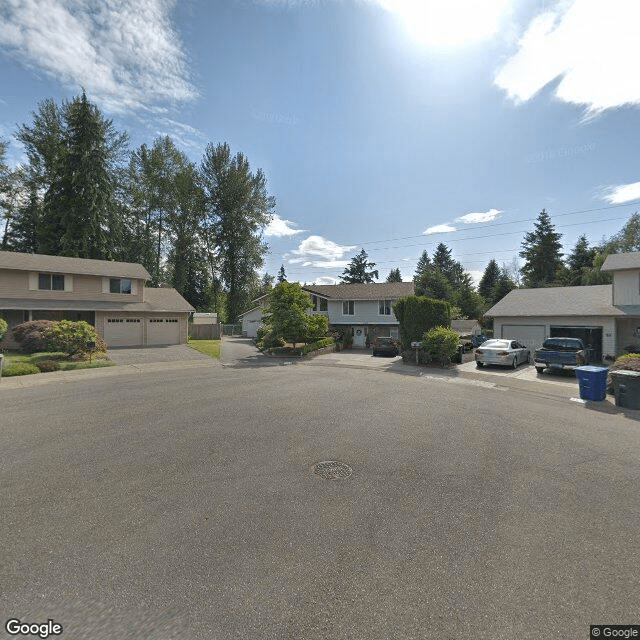
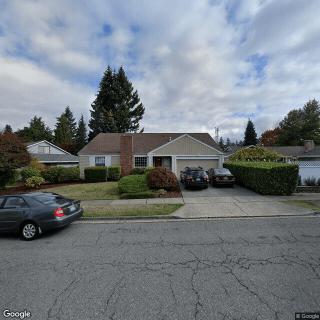
6583 125th SE, Bellevue, WA 98006
To contact a resident: (425) 957-7587
For more information about senior living options: (866) 208-4318
ETD Home Care Inc. Costs & Pricing
ETD Home Care Inc. offers competitive pricing in the realm of home care, with a monthly cost of $8,000 for both one-bedroom and private room accommodations. When compared to the averages in King County and across Washington State, ETD's rates are notably higher; King County's average for a one-bedroom is approximately $5,127, while the state average stands at around $4,632. Similarly, private rooms are priced comparably in the county at about $5,034 and statewide at roughly $4,772. This indicates that while ETD Home Care Inc. may position itself at a premium price point within these markets, it likely reflects a commitment to enhanced services or specialized care that can justify such costs to prospective clients seeking quality home care solutions.
| Floor plans | ETD Home Care Inc. | King County | Washington |
|---|---|---|---|
| 1 Bedroom | $8,000 | $5,127 | $4,634 |
| Private | $8,000 | $5,034 | $4,774 |
Memory care communities with a similar price nearby
-
from -$1500 / mo

The Promised Land
$6,500 / month16.7 miles away -
About the same

Caring Cabin Manager, LLC
$7,900 to $9,000 / month16.7 miles away -
from -$500 / mo
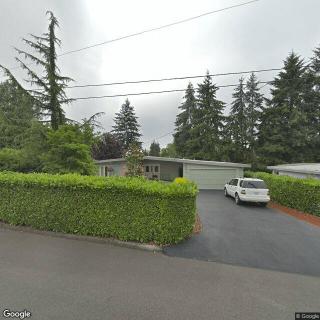
Lake Hills AFH, LLC
$7,500 / month5.0 miles away -
from -$1100 / mo

Legends Living Care
$6,900 to $7,500 / month21.5 miles away -
from -$1000 / mo

Victoria 1 Adult Family Home
$7,000 to $8,000 / month13.8 miles away
Overall Review of ETD Home Care Inc.
Pros
 The Home Care Company provided reassurance to the family about their mom's safety.
- The nighttime caregivers ensured that she was safely assisted getting in and out of bed.
- Paul communicated clearly and demonstrated flexibility.
- Paul’s passion for supporting seniors is evident, and he values his caregivers.
- The staff at the community tour were punctual and answered questions in detail.
- The community was clean and offered great amenities.
Cons
 The reviewer felt the community’s location was not the right fit for their mother in the end.
Review
ETD Home Care Inc. in Bellevue is best suited for families seeking a safety-forward, highly responsive in-home care program for a parent with dementia and fall risk. The reviews portray a team that prioritizes safe transfers, Bed-to-chair mobility, and vigilant night care, delivering tangible peace of mind to siblings coordinating care from afar. When a loved one has recently suffered a hip fracture or lives with ongoing dementia, ETD’s model offers dependable hands-on support, clear lines of communication, and a caregiver-centric culture that keeps safety at the forefront. For families who want hands-on, day-to-day management of responsive care in the home, this provider stands out as a practical, low-friction choice.
However, those weighing alternatives should consider whether a traditional residential or memory-care campus would better meet broader social, medical, and logistical needs. Some families may value the comprehensive on-site amenities and structured programming that a facility setting provides, along with 24/7 supervision by licensed staff. If the priority is a campus experience with built-in social opportunities, meals, and medical oversight in a single location, a facility-based option could be a better fit. Location can also be a deciding factor; one reviewer noted that the setting wasn’t the right fit geographically, which underscores that proximity and neighborhood context matter when choosing between at-home care and a campus.
The strongest pros emerge clearly in these accounts: a relentless focus on safety during transfers and nighttime routines, and a leadership ethic that treats both clients and caregivers with consideration. Nighttime caregivers are singled out for enabling safe in-and-out-of-bed routines, a critical benefit for dementia-related mobility and fall prevention. Leadership is described as passionate about supporting caregivers and ensuring their happiness, which translates into steadier, more reliable care for clients. The team’s reliability is reinforced by punctual, informative tours and responsive staff who take time to answer questions, demonstrating a level of transparency that families value when comparing options.
Notwithstanding the robust strengths, the most explicit con about location reveals a meaningful caveat: proximity and neighborhood fit can influence overall satisfaction, especially when a care plan centers on frequent, hands-on visits rather than a campus-based routine. The reviews do not reveal pervasive operational flaws, but they do suggest that if the family’s daily rhythms or preferred surroundings require a central, on-site community, a facility option might deserve serious consideration. Additionally, while the caregiver-oriented model minimizes some risk of turnover, families should still evaluate backups and continuity plans to ensure uninterrupted care during caregiver absences or scheduling gaps.
The pros and the care model’s demonstrated strengths offset most potential drawbacks by delivering consistent, measureable benefits: high safety standards, responsive communication, and a culture that values caregivers, which often results in steadier staffing and better day-to-day experiences for clients. ETD’s approach appears to convert leadership passion into concrete, dependable support for the person receiving care, rather than letting care drift when schedules shift. For families negotiating competing priorities, safety, reliability, caregiver morale, and ease of coordination, these elements create a compelling, practical advantage over options that rely more heavily on institutional programming than personal, in-home attention.
In practical terms, a decision for ETD Home Care Inc. should come with a clear checklist: confirm care plans tailored to dementia and fall risks, verify caregiver matching and ongoing oversight, request details on backup coverage and escalation paths, and ensure a robust communication rhythm with the care team. Prospective families should also test whether the in-home model can deliver the social stimulation they desire by asking about respite options, community resources, and how activities are coordinated around the home setting. If on-site meals, structured group activities, and 24/7 medical oversight are top priorities, a campus-based alternative deserves comparison. For families prioritizing safety, responsiveness, and caregiver welfare in a home environment, ETD presents a decisively strong option in Bellevue.
 Board and Care Home
 Memory Care
 Activities off-site
 Bath tubs
 Beautician on-site
 Devotional services off-site
 Indoor common areas
 Outdoor common areas
 Private
 Respite or short term stays offered
 Wheelchair accessible showers
 Seattle-Tacoma International (9 miles away)
 Diabetic care
 High acuity care
 Incontinence care
 Medication management
 Meals provided


 Why Do Dementia Patients Sleep So Much? Understanding Oversleeping, Stages, and Care Approaches
 8 Key Indicators That Suggest It May Be Time to Transition from Assisted Living to Skilled Nursing Care
 Nourishing the Mind: Essential Dietary Approaches for Dementia