
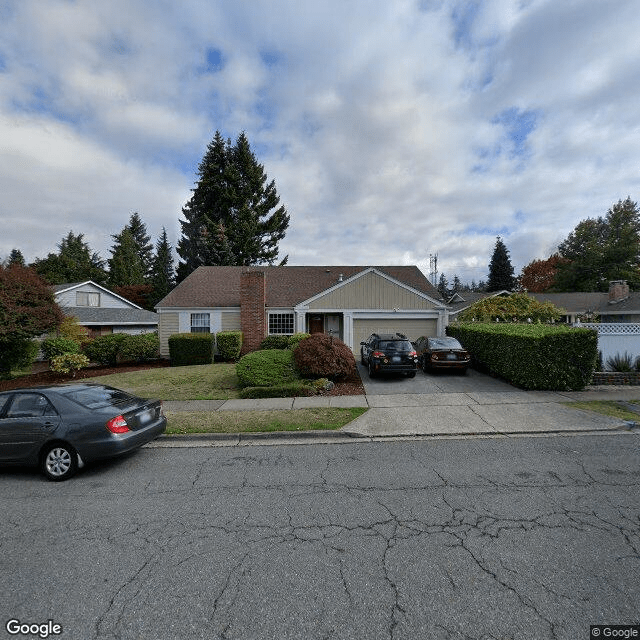
6760 123rd Ave SE, Bellevue, WA 98006
To contact a resident: (425) 643-0443
For more information about senior living options: (866) 208-4318
Maria AFH Care LLC II Costs & Pricing
Maria AFH Care LLC II offers competitive pricing for its room options compared to both King County and the broader state of Washington. The facility charges $4,000 per month for a semi-private room, which is notably lower than the county average of $4,430 and slightly less than the state average of $4,267. For those seeking more privacy, a private room at Maria AFH is priced at $4,500, again undercutting the typical costs seen in King County ($5,034) and aligning closely with the state average of $4,772. This positioning reflects Maria AFH Care LLC II's commitment to providing quality care at an accessible price point, making it a compelling choice for individuals and families in search of supportive living arrangements.
| Floor plans | Maria AFH Care LLC II | King County | Washington |
|---|---|---|---|
| Semi-Private | $4,000 | $4,430 | $4,272 |
| Private | $4,500 | $5,034 | $4,774 |
Memory care communities with a similar price nearby
-
from -$500 / mo
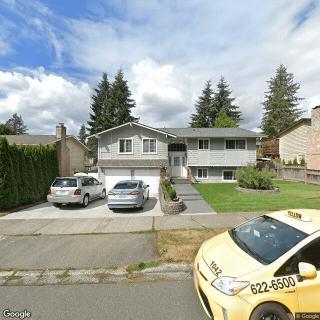
Dignity Life
$3,500 / month20.6 miles away -
from -$625 / mo
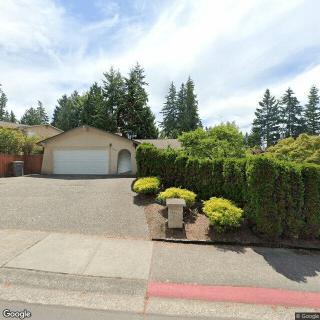
Evergreen Manor Senior Care Inc
$3,375 to $7,500 / month10.6 miles away -
About the same

Riverton Home Care
$4,000 to $5,000 / month7.0 miles away -
About the same
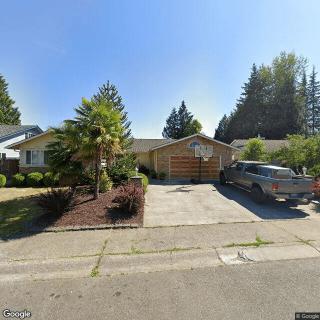
Gentle Care Home
$4,000 to $5,500 / month6.6 miles away -
from -$500 / mo

Twin Lakes Haven Adult Family Home
$3,500 to $8,000 / month17.8 miles away
Overall Review of Maria AFH Care LLC II
Pros
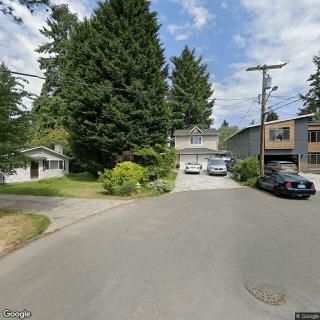
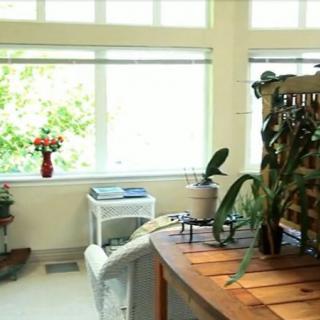
 Vicki's Adult Family Home is clean, bright, cheerful, and comforting.
- She treats everyone like family, with great care, respect, and kindness as the hallmarks of her character.
- Viktoria is a loving, attentive caregiver, offering dignified, high-quality care day in and day out.
- The best care for an aging loved one is with Viktoria's Adult Family Home.
- The care, communication, and positive energy at Viktoria's AFH are outstanding, described as a 10 out of 10.
- Vicki is thoughtful toward residents and quick to respond to any text or need.
- Her home is beautiful, perfectly clean, and exudes a sense of family.
Review
Maria AFH Care II in Bellevue is best suited for families seeking a deeply personal, hands-on care experience in a small, home-like setting. This community excels for an elderly loved one who thrives on consistent, one-on-one attention and a genuinely familial atmosphere. If a resident values dignity, warm daily interactions, and a caregiver who treats them like family, this is the environment to choose. The standout truth is Viktoria’s presence: a caregiver whose care, respect, and kindness become the defining routine, producing a sense of safety and comfort that larger facilities can’t easily replicate.
The strongest positives cluster around atmosphere, character, and communication. The home itself is described as clean, bright, and cheerful, with a comforting feel that reduces the clinical edge many aging adults dread. Residents are treated with respect, and the caregiver’s attentiveness is described as all-encompassing, loving, patient, and consistently focused on maintaining dignity. Family inclusion is not just a claim but an everyday experience: clients are welcomed into a warm “family” environment, and family members report clear, responsive communication. The care philosophy centers on personal attention, quick replies to texts or concerns, and a daily routine that feels supportive rather than transactional.
Yet the setting is best understood in the context of its limits. This is a single-family home operation, anchored by Viktoria’s ongoing presence. Such an arrangement naturally emphasizes intimate, individualized care, but it also means limited access to on-site professional medical staff, formal activity programming, or episodic care pathways that larger assisted livings provide. Families weighing alternatives should consider whether the resident will require more structured clinical oversight, memory care resources, or a wider network of trained professionals. For someone who benefits from a broader social calendar or needs regular, facility-wide programming, a bigger community could be a stronger fit.
The key pros offset many potential drawbacks by delivering unmatched consistency, trust, and emotional security. A single, devoted caregiver who has established years-long relationships with residents can prevent the confusion and distress that sometimes accompany staff turnover in bigger settings. The ability to coordinate care rapidly, reflected in the quick responsiveness noted by families, reduces anxiety and helps manage daily needs with precision. The home’s energy, bright, clean, and love-filled, often translates into less agitation and more cooperation from residents who respond well to familiar routines and the “family” feel. In short, the positives directly counterbalance the absence of a formal care campus with industrial-scale services.
This community clearly serves a particular archetype: an elder who wants to stay in a true home environment with a caregiver who can deliver deep, compassionate, day-to-day support. It’s ideal for someone who is largely independent but requires daily assistance, regular check-ins, and a respectful, person-centered approach. It’s less suitable for residents who need constant clinical monitoring, specialized therapies, or memory-care protocols, where a more structured staff model and dedicated programming are typically essential. Families should be frank about whether a loved one’s evolving medical needs could outpace what a single caregiver can safely and legally provide.
Ultimately, the choice comes down to values and practicalities. For families prioritizing warmth, continuity, and a dignified, home-forward lifestyle, Maria AFH Care II stands out as a premier option in Bellevue. For those who must balance medical complexity, broader social opportunities, or formalized care plans, it makes sense to compare with larger assisted living communities that offer 24/7 nursing, memory-care wings, and periodic care coordination. Prospective residents should schedule a visit with Viktoria, confirm backup coverage and continuity of care if she is unavailable, and review licensing, safety measures, and care planning processes. When alignment on these points exists, this intimate, family-driven setting delivers an extraordinary level of comfort and assurance that is difficult to match in bigger, more impersonal facilities.
 Board and Care Home
 Memory Care
 Cats allowed
 Activities on-site
 Beautician on-site
 Devotional services on-site
 Indoor common areas
 Outdoor common areas
 Private
 Respite or short term stays offered
 Wheelchair accessible showers
 Seattle-Tacoma International (9 miles away)
 Ambulatory care
 Diabetic care
 High acuity care
 Medication management
 Kosher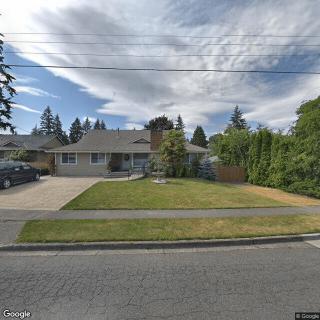
 Medications Associated with Dementia Risk: A Comprehensive Overview
 Guiding Your Journey: Understanding Power of Attorney for Elderly Parents
 22 Remarkable Caregiver Support Groups Available Online and In-Person