
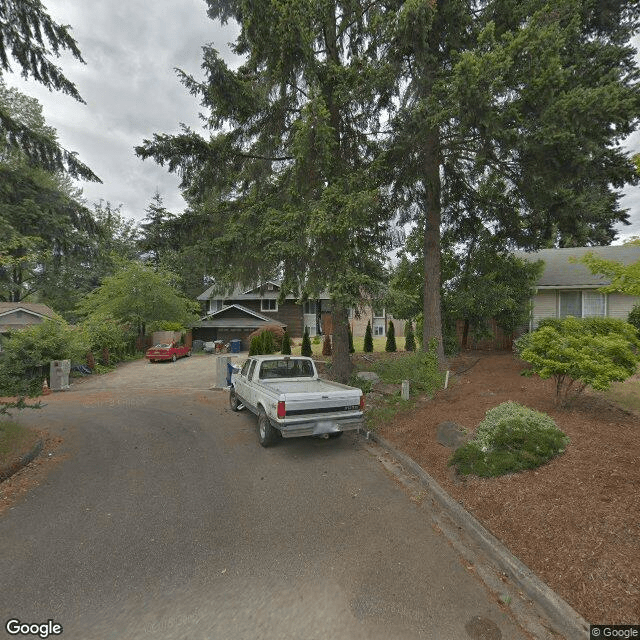
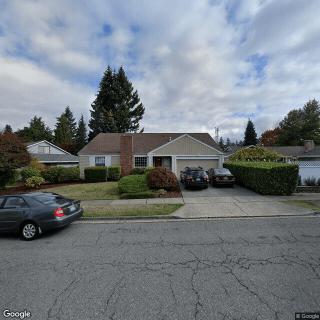
12632 SE 68th Pl, Bellevue, WA 98006
To contact a resident: (425) 747-9949
For more information about senior living options: (866) 208-4318
Karen Peter's AFH Costs & Pricing
At Karen Peter's Adult Family Home (AFH), residents benefit from competitive pricing compared to the broader market in King County and the state of Washington. With a monthly cost of $3,000 for both private rooms and studios, Karen Peter's AFH offers considerable savings, particularly when compared to the average costs in King County, which stand at $5,034 for private rooms and $4,464 for studios. Similarly, the rates are favorable against statewide averages of $4,772 for private accommodations and $4,126 for studio options. This positioning underscores Karen Peter's commitment to providing affordable yet high-quality care in a welcoming environment.
| Floor plans | Karen Peter's AFH | King County | Washington |
|---|---|---|---|
| Private | $3,000 | $5,034 | $4,774 |
| Studio | $3,000 | $4,464 | $4,128 |
Memory care communities with a similar price nearby
-
from +$500 / mo
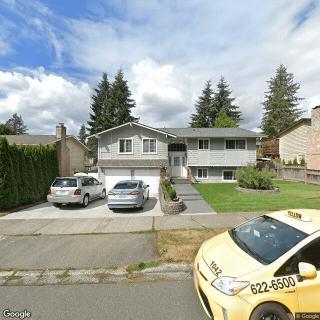
Dignity Life
$3,500 / month20.6 miles away -
from +$375 / mo
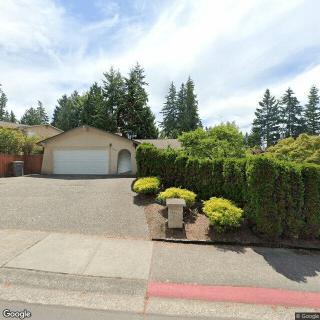
Evergreen Manor Senior Care Inc
$3,375 to $7,500 / month10.6 miles away -
About the same
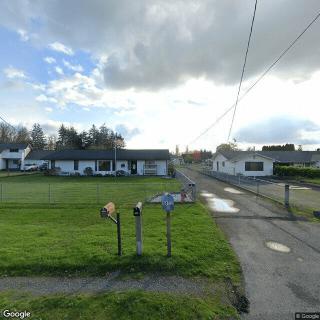
Hummingbird Homecare
$3,000 / month19.6 miles away -
About the same
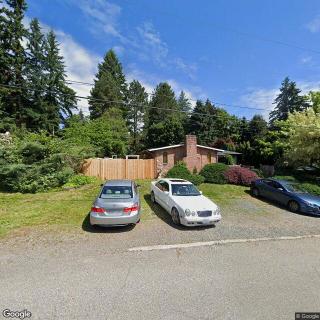
Caring Adult Family Home #1
$3,000 / month15.4 miles away -
About the same
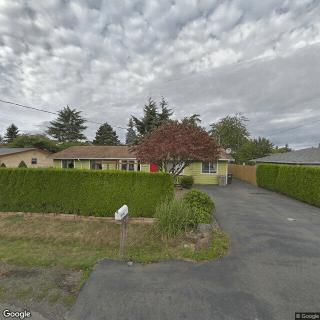
Home Care in Kent Inc.
$3,000 to $3,500 / month10.7 miles away
Overall Review of Karen Peter's AFH
Pros
 They are doing a wonderful job helping my family member.
- The home is immaculate.
- Everyone is exceptionally kind and thoughtful.
Cons
 Do not do business with these people.
- They are the new owners and they do not pay their workers.
- Stay clear!
Review
Karen Peter's AFH in Bellevue is best suited for families pursuing a small, home-like setting where care feels personal, attentive, and deeply hands-on. The reviews point to a place that emphasizes cleanliness, a calm daily rhythm, and caregivers who appear genuinely kind and thoughtful toward residents. This is not a large, institutional environment; it is a compact operation where relationships with residents and their families can be close and ongoing. It suits seniors who thrive on routine, value a warm, neighborly vibe, and are comfortable with a setting where care comes through a small team rather than a big staff.
What stands out here are the tangible, everyday strengths: an immaculate home environment and staff who show warmth in their interactions. When families say the home is pristine and that staff members are exceptionally kind and considerate, that translates into less daily stress over cleanliness and more confidence that a resident will be treated with dignity. The positive experiences cited by multiple families suggest a level of consistency in demeanor and responsiveness that many small AFHs struggle to sustain. For residents who prize personalized attention, these elements can translate into meaningful improvements in daily life, meals, safety checks, and companionship.
Yet the most consequential concern centers on ownership and payroll practices. The stark, cautionary note about new ownership and unpaid workers cannot be dismissed. This kind of complaint speaks to potential underlying instability: staffing turnover, inconsistent caregiver availability, and the possibility of abrupt changes in policy or service quality. For families with a resident who depends on steady, predictable caregiving, and for those who want clear assurances about how staff are compensated and retained, this red flag warrants rigorous digging before committing. It does not merely raise a question about ethics; it signals practical risk to daily consistency and long-term care continuity.
The critical task is weighing the positives against that core concern. The home’s cleanliness and the warmth of the staff can offset many anxieties when a plan is in place to monitor and safeguard staffing stability. If current caregivers are dedicated and long-tenured, and if ownership remains transparent with accessible, regular accountability, families may feel they’ve found a rare, intimate alternative to larger facilities. However, the magnitude of the payroll concern means this is not a risk worth taking lightly for residents who require dependable staffing, chronic conditions, or high frequency assistance. The decision hinges on how comfortable a family is with subjecting day-to-day care to potential ownership-related volatility.
Prospective residents should enter with a concrete checklist and clear conversation prompts. Ask who owns the home and how ownership has shifted over time, including any plans for long-term succession. Request copies of payroll policies, wage timelines, and the last twelve months of staffing levels and turnover rates. Inquire about caregiver qualifications, training, and communication channels for shifts and emergencies, as well as back-up staffing arrangements when a primary caregiver is unavailable. Demand a transparent, written outline of services included in the monthly rate, any additional fees, and the process for resolving disputes or addressing dissatisfaction. A tour should be paired with candid conversations with current staff when possible, plus a review of licensing and complaint history through the state.
In the end, Karen Peter's AFH may be the right choice for families prioritizing a warm, intimate setting with a clean, well-kept home and caregivers who come across as genuinely caring. That said, the decision cannot ignore the weight of the payroll accusation: it raises legitimate concerns about sustainability, staffing reliability, and the long-term ability to deliver consistent care. For families seeking ironclad transparency, demonstrable financial stability, and plans that reduce the risk of abrupt changes in staff or ownership, it is prudent to explore additional options in Bellevue, larger, more regulated affiliated facilities or other small AFHs with verifiable ownership structures and published staffing policies. The goal is to secure a setting where the strengths, personal attention, cleanliness, and kindness, are supported by stable, transparent operations that protect both residents and family peace of mind.
 Board and Care Home
 Memory Care
 Cats allowed
 Dogs allowed
 Activities off-site
 Indoor common areas
 Outdoor common areas
 Private
 Seattle-Tacoma International (9 miles away)
 Ambulatory care
 High acuity care
 Incontinence care
 Meals provided

 Engaging Memory Care Activities That Enhance Quality of Life
 When to Transition from Assisted Living to Memory Care: Key Indicators, Steps, and Finding the Right Community
 Understanding the Distinctions: Assisted Living and Memory Care Explained