
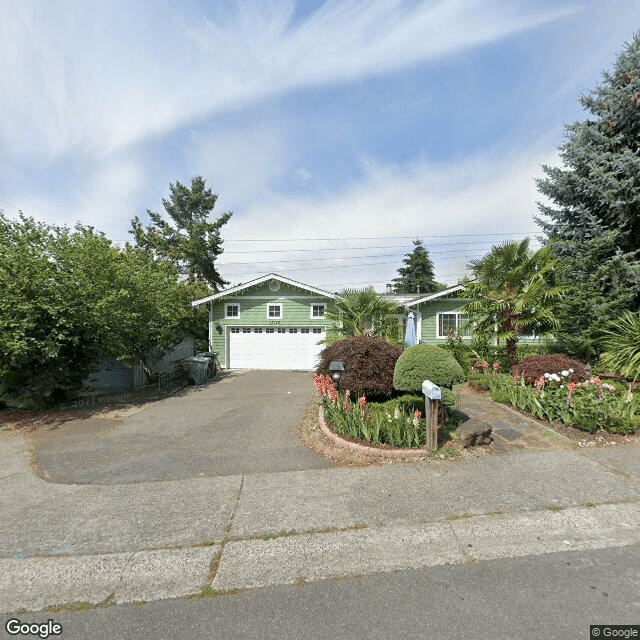
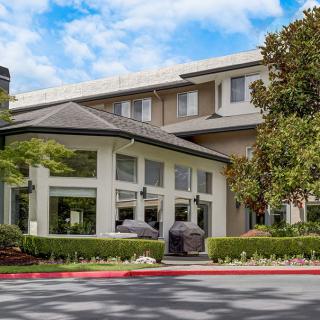
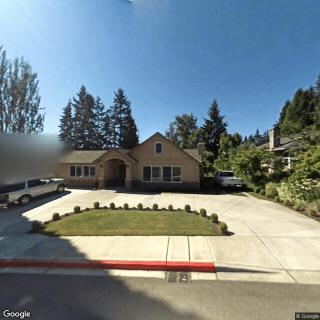
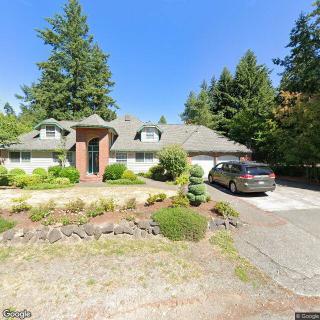
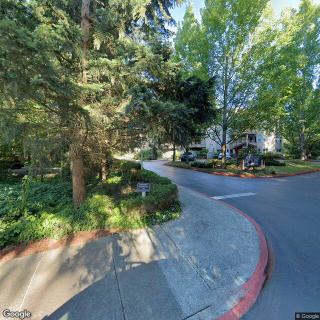
13726 SE 23rd Ln, Bellevue, WA 98005
To contact a resident: (206) 372-2563
For more information about senior living options: (866) 208-4318
NC Adult Family Home Costs & Pricing
In North Carolina, the monthly cost for a private room in an Adult Family Home is approximately $9,000, which significantly exceeds the average costs observed in King County and across Washington state. For context, residents in King County pay about $5,034 per month for similar accommodations, while the overall average in Washington stands at around $4,772. This stark contrast highlights the unique economic landscape of North Carolina's adult family homes, suggesting potential implications for families considering long-term care options. As such, individuals and families must carefully weigh their choices against these regional price variations when planning for elder care services.
| Floor plans | NC Adult Family Home | King County | Washington |
|---|---|---|---|
| Private | $9,000 | $5,034 | $4,774 |
Memory care communities with a similar price nearby
-
from -$1100 / mo

Caring Cabin Manager, LLC
$7,900 to $9,000 / month13.5 miles away -
from -$1500 / mo
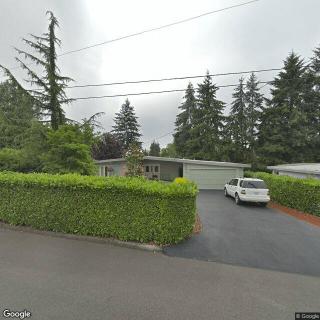
Lake Hills AFH, LLC
$7,500 / month2.0 miles away -
from -$500 / mo

Richmond Senior Care
$8,500 / month14.5 miles away -
from -$600 / mo
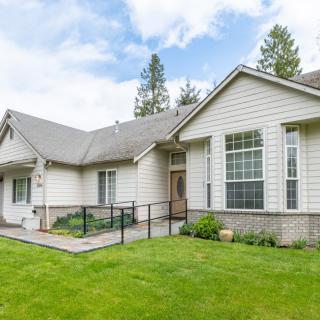
Lakota Hills Senior Care
$8,400 / month20.7 miles away -
from -$1000 / mo
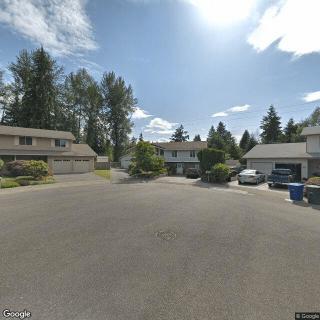
ETD Home Care Inc.
$8,000 / month3.4 miles away
Overall Review of NC Adult Family Home
Pros
 She absolutely loved Natty’s place.
- She received excellent 24/7 care at an affordable price.
- The staff is top-notch—professional, compassionate, and caring.
- Natty is a saint, and the home is run with warmth and love that embraces each resident as its own.
- The experience has been wonderful for the resident and her family.
- The husband is happy and healthier since being cared for there.
Review
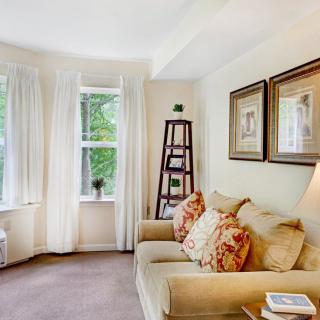
NC Adult Family Home in Bellevue is best suited for seniors who want an intimate, home-like care setting with constant, attentive support. This small, family-operated residence is ideal for residents who thrive on personal attention, steady caregivers, and routines that feel more like a private home than a medical facility. Families seeking affordability without sacrificing warmth will find the environment a strong match, particularly for those moving from a private home and needing consistent, around-the-clock help. In practice, the staff and the owner, Natty, create a steady, compassionate culture that makes residents feel seen and secure every day.
Those who should consider alternatives include families seeking more formal programming, advanced medical services, or memory-care specific supports. A larger community with a structured activity calendar, on-site therapy options, or transportation to appointments can be a better fit for someone who wants a broader social ecosystem or specialized clinical oversight. For residents requiring a higher nurse-to-resident ratio, rapid access to diverse therapies, or more expansive amenities, a bigger facility may provide the level of medical infrastructure and predictability that a smaller home cannot guarantee. In short, NC AFH delivers extraordinary personalization; when the plan calls for broader clinical resources or a wider range of services, look at other campuses.
The core pros, 24/7 on-site care, professional and compassionate staff, and a warm, neighborly home atmosphere, largely offset the natural limits of a small, intimate setting. Families repeatedly note that care is constant and attentive, with caregivers who know residents well and respond quickly to changing needs. The owner’s hands-on leadership imbues a sense of safety and continuity that is rare in larger operations. Affordability stands out as a concrete advantage, enabling families to secure high-quality daily care without draining resources. While the smaller footprint may mean fewer formal programs or fewer on-site amenities, the trade-off is more predictable routines, fewer impersonally scheduled activities, and a caregiving team that treats residents like family members.
Reviews anchor these strengths with powerful outcomes. A year-long experience caring for a great aunt demonstrates the ability of the home to sustain quality of life in the later years, with residents showing genuine affection for caregivers and caregivers delivering 24/7 support. Another resident’s family highlights the “top-notch” staff, the owner’s warmth, and a culture that embraces each resident as part of the family. The repeated sentiment is that the home is more than a place to reside; it becomes a supportive, loving environment that enhances wellbeing and emotional comfort. Even for spouses or partners, the impact manifests as improved mood and perceived health, reflecting the harmony between attentive care and daily life.
To evaluate suitability, families should focus on practical factors during visits. Confirm how care plans are developed and updated, and who leads them; inquire about the daily schedule, staffing coverage across all shifts, and how medication management is handled. Ask about room options, privacy levels, and how emergencies are managed, including hospital transfer protocols. Understand visitation policies, meal routines, and safety features that support independence while protecting residents. Though the warmth is undeniable, confirming these operational details helps ensure the home’s strengths align with the specific health needs and preferences of the prospective resident.
Overall, NC Adult Family Home stands out for families who prize intimate, consistent, and compassionate care in a homey setting at an affordable price. It is a compelling choice for seniors needing continuous assistance who value emotional warmth and strong family-like ties with caregivers and leadership. If those priorities align, this Bellevue residence offers a compelling blend of dignity, reliability, and heart, an arrangement where residents live with comfort, families sleep a little easier, and the daily experience of care feels personal and deeply human. For those whose needs demand broader clinical resources or more expansive programming, however, exploring alternatives with larger teams and richer amenities is prudent.
 Board and Care Home
 Memory Care
 Activities off-site
 Air-conditioning
 Bath tubs
 Beautician on-site
 Cable or satellite TV
 Devotional services off-site
 Garden view
 Ground floor units
 Handicap accessible
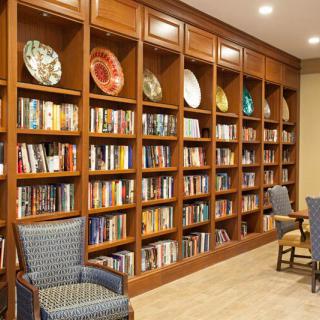
 Indoor common areas
 Outdoor common areas
 Private
 Private bathrooms
 Respite or short term stays offered
 Wheelchair accessible showers
 Wi-Fi/high-speed internet available
 Seattle-Tacoma International (12 miles away)
 Diabetic care
 High acuity care
 Incontinence care
 Medication management
 Anytime dining
 Bible study group
 Book club
 Cards / pinochle club
 Cooking club
 Karaoke
 Stretching classes
 Comprehending Evening Confusion in Dementia: Causes, Manifestations, and Support
 Delirium and Dementia: Unraveling the Key Differences
 Are Dementia and Alzheimer's Disease Lethal? A Comprehensive Exploration