For more information about senior living options: (866) 208-4318
4.1 from 30 reviews
5 stars
17
4 stars
6
3 stars
4
2 stars
0
1 stars
3
Overall Review of Garden Club
common15 reviews mention this
Staff support is often praised
Many residents describe staff as professional and responsive.
Across many reviews, residents and families highlight staff members as friendly, professional, and helpful—especially during move-in and day-to-day needs. Several also call out specific people for going above and beyond, including maintenance and staff who make transitions smoother. At the same time, a few reviews are sharply negative about how dining staff or leadership handled situations, including complaints about disrespectful behavior and low director pay.
caveat9 reviews mention this
Dining quality feels mixed
Dining receives conflicting feedback on quality and consistency.
Some residents say the food is wonderful, delicious, or consistently good, and they describe enjoying meals and lunch outings. Others report problems such as inconsistent dinner, running out of food, and receiving the wrong meal for dietary needs. There are also complaints about dining-room service and leadership interactions during meal service, alongside mentions that residents have to follow dining-room rules and policies closely.
common2 reviews mention this
Recent interior updates stand out
Residents notice the interior renovation and makeover.
Two reviews directly reference changes after a recent makeover, with one saying the new look feels fresher and more modern. Another review contrasts the updated interior with how the community felt before the makeover, describing it as more institutional than it used to be.
caveat4 reviews mention this
Costs can feel high
Several reviews mention pricing that feels expensive.
A few residents and families use phrases like sticker shock or spendy when describing cost, including concerns that the pricing may not fit independent senior housing expectations. One review also describes considering whether to stay based on budget-related cutbacks affecting food consistency. On the other hand, at least one family says the community worked with their budget during the decision process.
common5 reviews mention this
Activities and social life get notice
Residents often mention plenty to do.
Several reviews describe an active lifestyle with community-sponsored activities, scheduled daily options, and shared events that make it easier to participate. Some specifically mention shuttles, games and books, and social involvement connected to meals and resident gatherings. One review also links the community’s social opportunities to staying engaged rather than withdrawing.
How we summarize
Counts show how many written reviews mention each theme; a review can touch several themes, and only frequently mentioned themes are displayed.
Features
Housing
52 resident community capacity
Types of Care
Independent Living
Amenities
Air-conditioning
Beauty salon
Cable or satellite TV
Computer center
Dining room
Fitness room
Fully furnished
Gaming room
Garden
Housekeeping services
Kitchenette
Move-in coordination
Outdoor patio
Outdoor space
Pet friendly
Private bathrooms
Restaurant-style dining
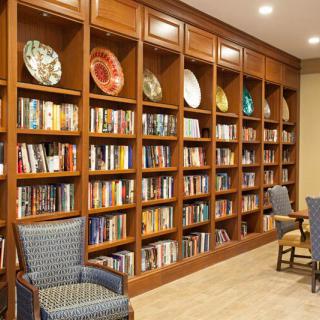
Small library
Telephone
Wellness center
Wi-Fi/high-speed internet available
Transportation
Seattle-Tacoma International (12 miles away)
Community operated transportation
Transportation arrangement
Care Services
24-hour call system
Meal preparation and service
Dining
Diabetes diet
Special dietary restrictions
Activities
Community-sponsored activities
Concierge services
Fitness programs
Planned day trips
Resident-run activities
Scheduled daily activities
Nearby Places of Interest
Theaters
AMC Factoria 8 (0.7 miles)
Physicians
Allegro Pediatrics (1.1 miles)
Medical Arts Associates (2.8 miles)
Evergreen Speech and Hearing Clinic (2.8 miles)
Advanced Family Medicine (3 miles)
Allegro Pediatrics (3.4 miles)
UW Medicine Sports Medicine Center at Eastside Specialty Center (3.7 miles)
Seattle Reproductive Medicine (3.8 miles)
Pharmacies
Rite Aid (1.5 miles)
Walgreens (2 miles)
Bartell Drugs (2.2 miles)
CVS Pharmacy (2.3 miles)
Safeway Pharmacy (2.5 miles)
Safeway Pharmacy (2.6 miles)
Bartell Drugs (2.9 miles)
Restaurants
Kura Revolving Sushi Bar (1.9 miles)
Uwajimaya (2.1 miles)
Chick-Fil-A (2.3 miles)
Din Tai Fung (2.7 miles)
McDonald's (2.8 miles)
Burgermaster (4.1 miles)
Marymoor Amphitheatre (5.4 miles)
Hospitals
Dengda Tang MD | Kaiser Permanente (2.4 miles)
Overlake Hospital Medical Center (2.5 miles)
Parks
Bellevue Downtown Park (2.6 miles)
Luther Burbank Park (2.9 miles)
Georgia Zumdieck Park (2.9 miles)
Lake Sammamish State Park (5 miles)
Lake Sammamish State Park (5 miles)
Seward Park (5.1 miles)
Lake Washington Boulevard Park (5.1 miles)
Cafes
Mercurys Coffee (2.8 miles)
Google (5.9 miles)
Starbucks (6.3 miles)
Starbucks (6.3 miles)
Starbucks (6.4 miles)
Starbucks (6.5 miles)
Starbucks (6.5 miles)
Transportation
Mount Baker Station (6.3 miles)
Columbia City Station (6.3 miles)
Renton Municipal Airport (RNT) (7.1 miles)
Link Light Rail - Rainier Beach Station (7.1 miles)
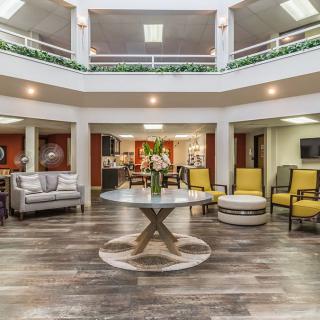
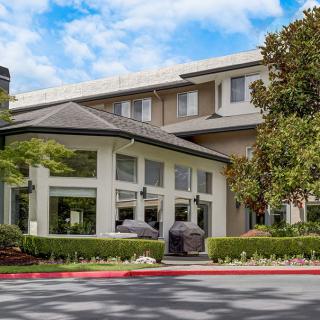
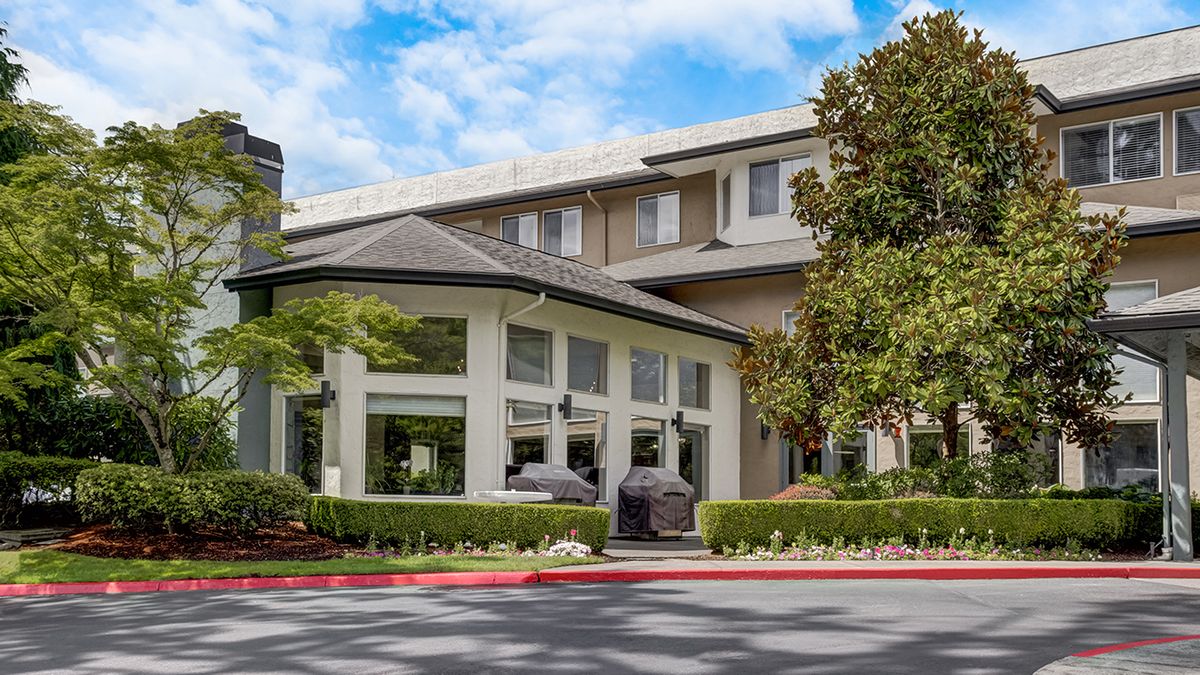
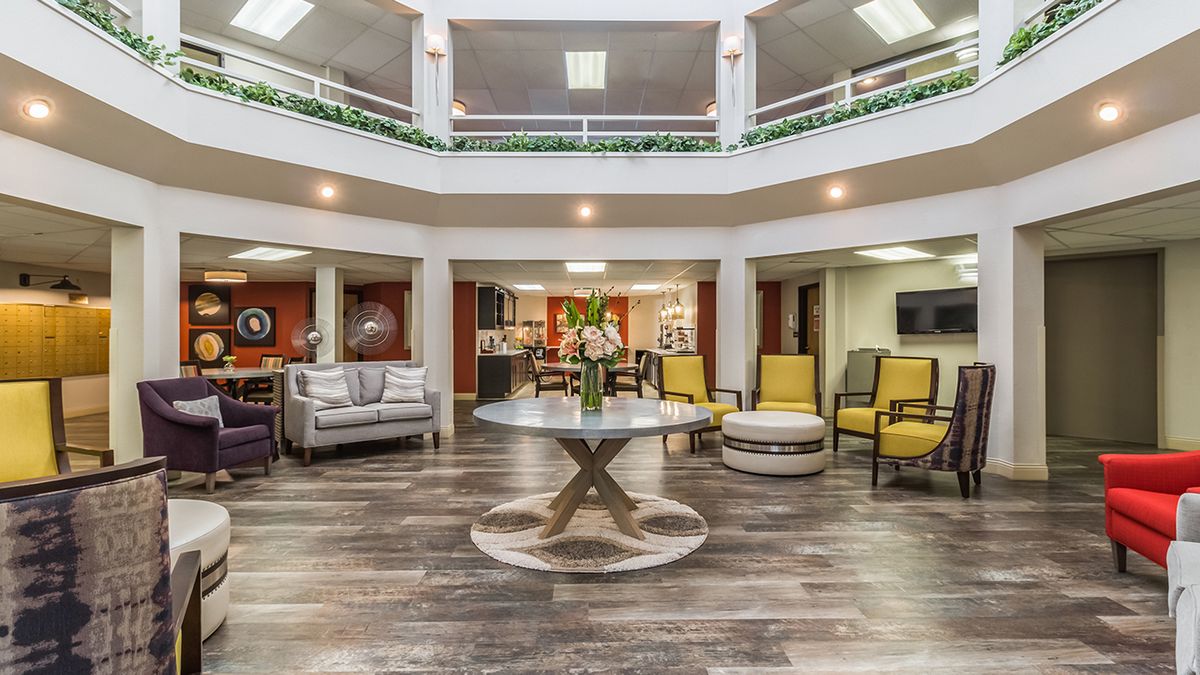
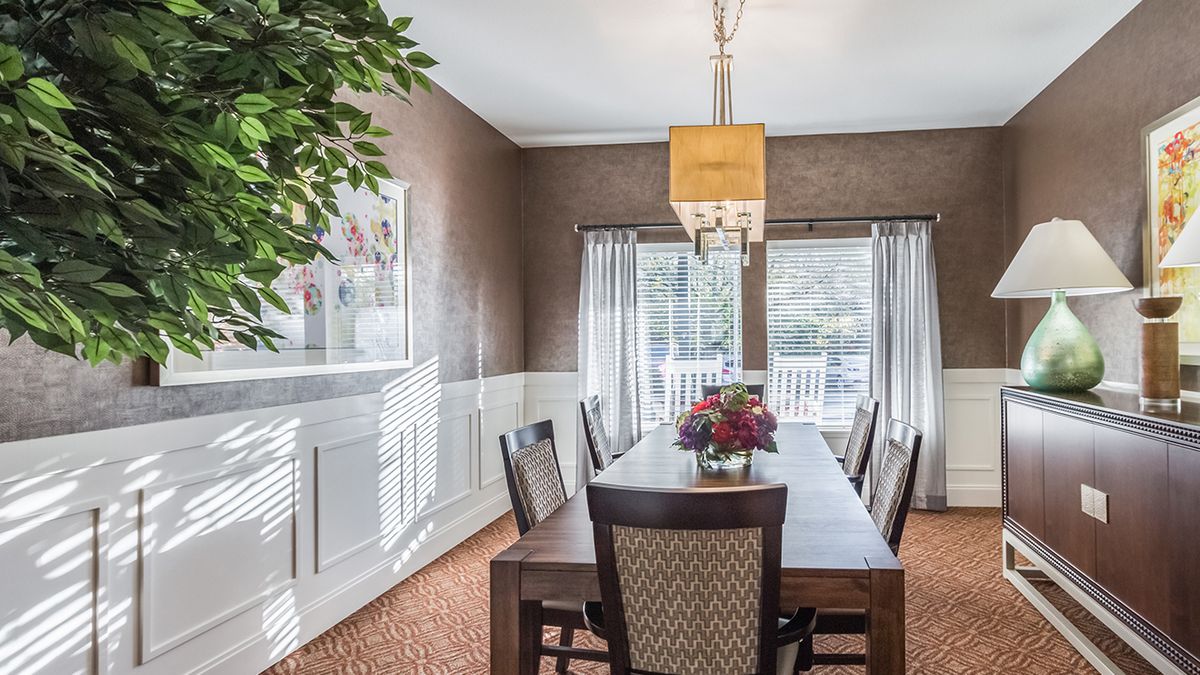
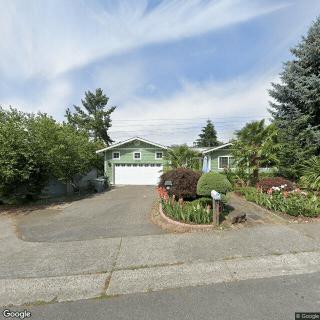
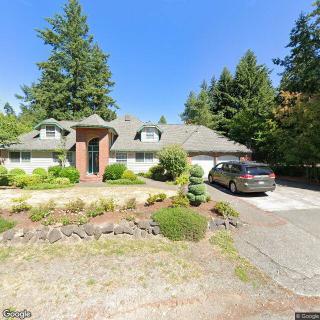
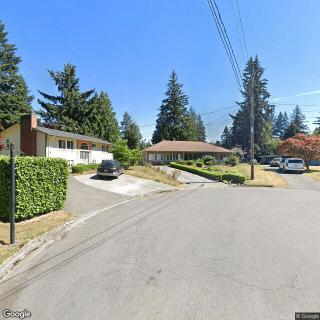
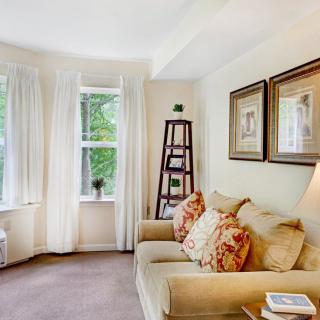
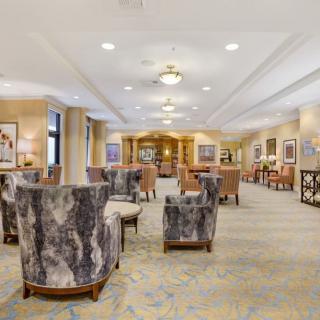
Garden Club on seniors.fyi includes 3 photos including images showing interior, natural light, architecture, trees, entrance, dining, windows, chandelier, and more.
Nearby Communities
Holiday The Garden Club
Bellevue, WA
4.2 from 88 reviews
$2,589 to $4,159 / month
Engaging staff, strong sense of community, and good value with well-kept living spaces.
Overlake Adult Family Home
Bellevue, WA
1 from 1 review
$3,550 / month
Affordable private rooms with high-acuity care and accessible features (private bathrooms, wheelchair showers).
NC Adult Family Home
Bellevue, WA
5 from 4 reviews
$9,000 / month
Genuine warmth and a family-like, compassionate environment.
Bellevue Haven
Bellevue, WA
5 from 1 review
$7,000 / month
Private rooms with private bathrooms, active on-site/off-site activities, and high-acuity/incontinence care.
Champion House
Bellevue, WA
5 from 1 review
Comprehensive, personalized care with convenient amenities.
Luv' N Care Adult Family Home
Bellevue, WA
5 from 1 review
$4,500 / month
Affordable memory care with private rooms (private baths) at $4,500 and on-site devotional services.
Pacific Regent Bellevue
Bellevue, WA
3.8 from 36 reviews
$2,350 to $2,800 / month
Beautiful building in a prime Bellevue location with good meals and an active community.
Sunrise of Bellevue
Bellevue, WA
4.6 from 66 reviews
$6,570 to $8,910 / month
Caring, attentive staff that builds personal relationships with residents in a warm, social, home-like setting.
The Bellettini
Bellevue, WA
4.8 from 115 reviews
$6,080 to $8,355 / month
Upscale, hotel-like setting with spacious 1- and 2-bedroom apartments, exceptional dining, and a vibrant activity program.
Palliative care focuses on alleviating distress at any stage of a serious illness and can accompany curative treatments, while hospice care is for those nearing the end of life with a prognosis of six months or less, emphasizing comfort over curative measures. Both prioritize holistic care for patients and families but differ in timing, goals, and scope.
Fecal incontinence, prevalent among older adults, arises from factors like weakened pelvic muscles and nerve damage, significantly affecting well-being and social interactions. Diagnosis involves clinical evaluation and tests to inform tailored treatments, while caregivers and preventive measures can aid in managing the condition effectively.
Anticipatory grief is an emotional response to the impending loss of a loved one, characterized by complex emotions such as sadness and anger, and involves navigating stages similar to those identified by Kübler-Ross. Coping strategies are vital for managing this process, emphasizing compassionate communication, self-care, and support groups while recognizing the cultural influences on grieving.
Get PricingAsk A QuestionSchedule A TourContact Senior Advisor
By clicking submit, you agree to our Partner's Terms of Use. You
also consent to receive calls and texts, which may be autodialed, from our Partner. Your consent is not a condition to
using our Partner's service. Please visit our Partner's Privacy Policy for information about their privacy practices.

 52 resident community capacity
 Independent Living
 Air-conditioning
 Beauty salon
 Cable or satellite TV
 Computer center
 Dining room
 Fitness room
 Fully furnished
 Gaming room
 Garden
 Housekeeping services
 Kitchenette
 Move-in coordination
 Outdoor patio
 Outdoor space
 Pet friendly
 Private bathrooms
 Restaurant-style dining
 Small library
 Telephone
 Wellness center
 Wi-Fi/high-speed internet available
 Seattle-Tacoma International (12 miles away)
 Community operated transportation
 24-hour call system
 Diabetes diet
 Special dietary restrictions
 Community-sponsored activities
 Concierge services
 Planned day trips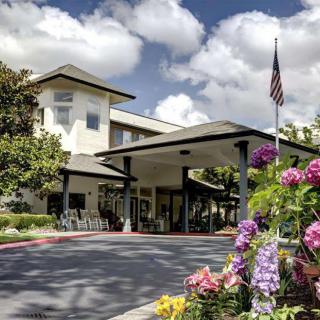
 Engaging staff, strong sense of community, and good value with well-kept living spaces.

 Understanding the Nuances of Palliative Care and Hospice: A Comprehensive Exploration
 Fecal Incontinence in Older Adults: A Comprehensive Guide
 Recognizing the Journey: Understanding and Navigating Anticipatory Grief