
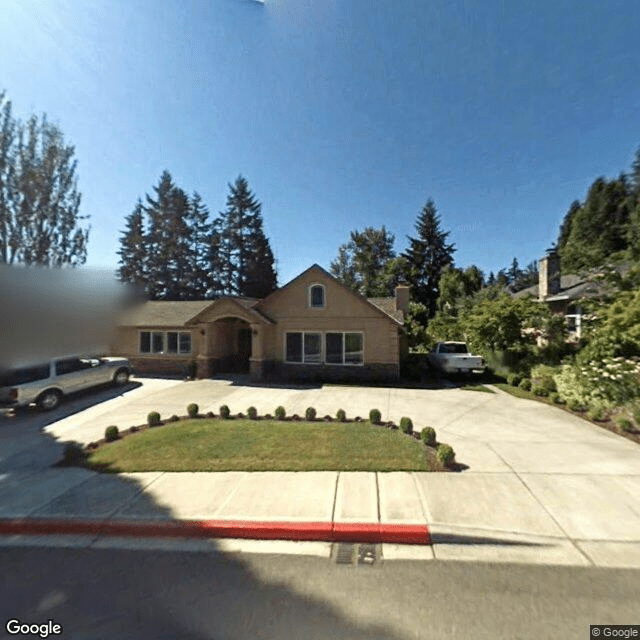
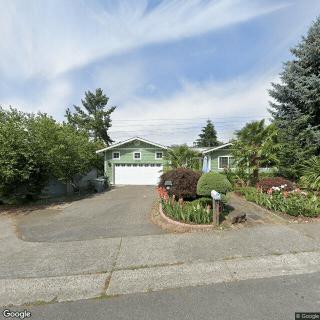
12971 SE 23rd St., Bellevue, WA 98005
To contact a resident: (425) 614-0517
For more information about senior living options: (866) 208-4318
Overlake Adult Family Home Costs & Pricing
Overlake Adult Family Home offers a competitive pricing structure for its private room accommodations, with a monthly cost of $3,550. This rate is significantly lower than the average costs in King County, which stands at $5,034, and also undercuts the statewide average of $4,772 in Washington. By providing quality care at a more affordable price point, Overlake Adult Family Home positions itself as an attractive option for individuals seeking personalized support within a welcoming environment. The affordability combined with high-quality services can greatly benefit families looking for reliable adult care solutions without compromising on comfort or care standards.
| Floor plans | Overlake Adult Family Home | King County | Washington |
|---|---|---|---|
| Private | $3,550 | $5,034 | $4,774 |
Senior living communities with a similar price nearby
-
About the same
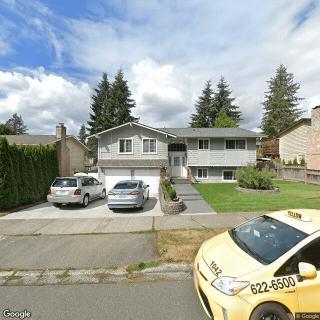
Dignity Life
$3,500 / month17.3 miles away -
from -$175 / mo
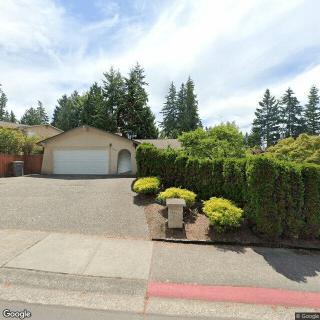
Evergreen Manor Senior Care Inc
$3,375 to $7,500 / month7.3 miles away -
from +$450 / mo
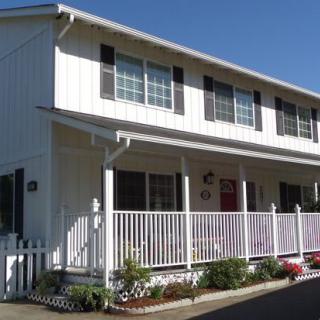
Meadow Crest Senior Home
$4,000 to $6,000 / month5.8 miles away -
from -$550 / mo
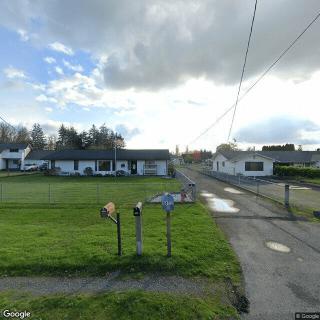
Hummingbird Homecare
$3,000 / month23.0 miles away -
from -$550 / mo
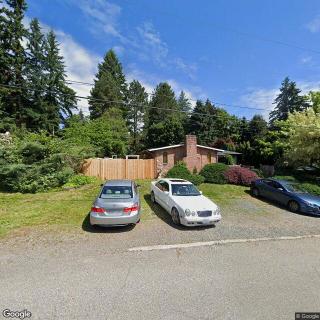
Caring Adult Family Home #1
$3,000 / month12.1 miles away
Overall Review of Overlake Adult Family Home
Cons
 The reviewers describe the owners as criminals who should be jailed.
- They accuse the owners of torturing the author’s mother, including placing pillows on her back and punching her to knock her breath out.
- They claim this abuse caused the mother to cry and seek help, even though no bruises were visible.
- They allege the owners believed the mother’s Alzheimer’s would prevent her from complaining.
- They state the owners strapped the mother to the bed all night (8 pm to 8 am) while they hosted parties with friends.
- They warn there are unregistered people living in the house who may be felons or illegal aliens and advise performing a criminal background check on the owners.
Review
Overlake Adult Family Home in Bellevue, Washington is not a good fit for families seeking safe, respectful, and properly supervised elder care. If one must identify a narrow audience from the lone review available, the only plausible readers would be budget-conscious families who are prepared to accept substantial safety risks and are ready to conduct aggressive, independent due-diligence to verify licensing, staffing, and resident welfare. In practical terms, there is virtually no compelling case for choosing this home for someone who requires reliable care, humane treatment, and transparent operation.
Those who should consider alternatives are families that prioritize resident safety, dignity, and regulatory compliance. Any household that cannot tolerate potential mistreatment, coercive practices, or questions about who is living in the home and under what authority should look elsewhere. Regulators, commissioners, and adult-family-home oversight typically demand a higher standard of care and accountability than what is implied by the review in question. For families with even modest concerns about abuse or unregistered residents, exploring other licensed options is prudent.
From a decision-making perspective, the perceived drawbacks overwhelm any possible perks. The review offers no credible, documented benefits that would justify the reported risks. In the absence of observed positives, the lack of robust oversight, and questions about who is permitted to reside on site, the potential for harm cannot be offset by any intangible advantages. Even if a smaller, home-like setting typically appeals to some families, the described environment erodes trust and undermines the core purpose of assisted living: safeguarding a vulnerable resident’s health, autonomy, and dignity.
The heart of the concern rests on serious allegations about how residents are treated and how the home is operated. The reviewer claims aggressive physical handling of a resident with Alzheimer’s, including actions that provoked distress and appear to be counterproductive to comfort and safety. The same account asserts that care often occurred in a boisterous, unsupported context, with residents left in vulnerable positions overnight while activities occurred elsewhere. Even more troubling, the reviewer raises red flags about ownership and staffing: accusations of criminal behavior, suggested unpredictability in leadership, and the presence of unregistered or potentially unsafe individuals living in the home. Taken together, these claims suggest a level of risk that is incompatible with responsible caregiving.
Practically, families evaluating options should insist on verifiable licenses, clear staffing patterns, and transparent policy enforcement. Before considering this facility, request current licensing status, recent state inspections, and any open or closed enforcement actions. Interview administrators about resident rights, restraint policies, fall-prevention practices, medication management, and incident reporting. Speak to a current or recent resident’s family to corroborate care quality, and check for any complaints filed with state authorities. If such documents or candid answers cannot be provided promptly, move to proven, licensed options with established safety records and regular regulatory oversight.
In sum, the substantial safety concerns and the alleged governance problems strongly indicate avoiding Overlake Adult Family Home. The evident risks, notably potential mistreatment, questions about who is living on the premises, and ownership accountability, far outweigh any speculative conveniences. For families that must choose, credible alternatives with licensed staff, transparent reporting, and consistent, compassionate care are the prudent course. The decision is clear: pursue other communities that demonstrate unwavering commitment to resident safety, dignity, and compliant operation.
 Board and Care Home
 Cats allowed
 Dogs allowed
 Outdoor common areas
 Private
 Private bathrooms
 Respite or short term stays offered
 Wheelchair accessible showers
 Seattle-Tacoma International (12 miles away)
 Diabetic care
 High acuity care
 Meals provided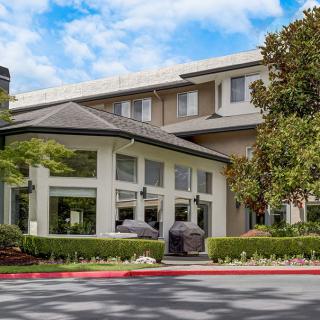
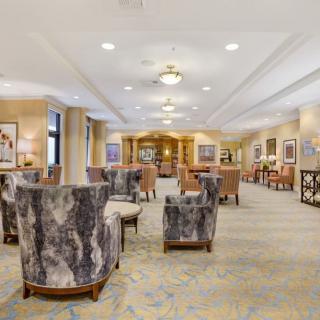
 Restaurant-style dining, fully furnished suites, and extensive amenities with engaging activities.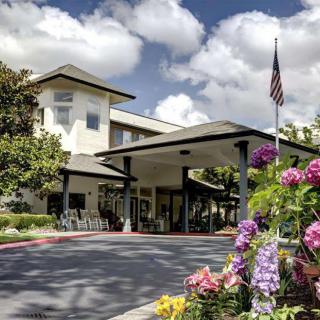

 Navigating the Tax Landscape of Caregiving: Credits, Deductions, and Beyond
 Highly Beneficial Low-Impact Exercises for Senior Living Residents
 Is In-Home Healthcare Tax Deductible? Your Comprehensive Guide