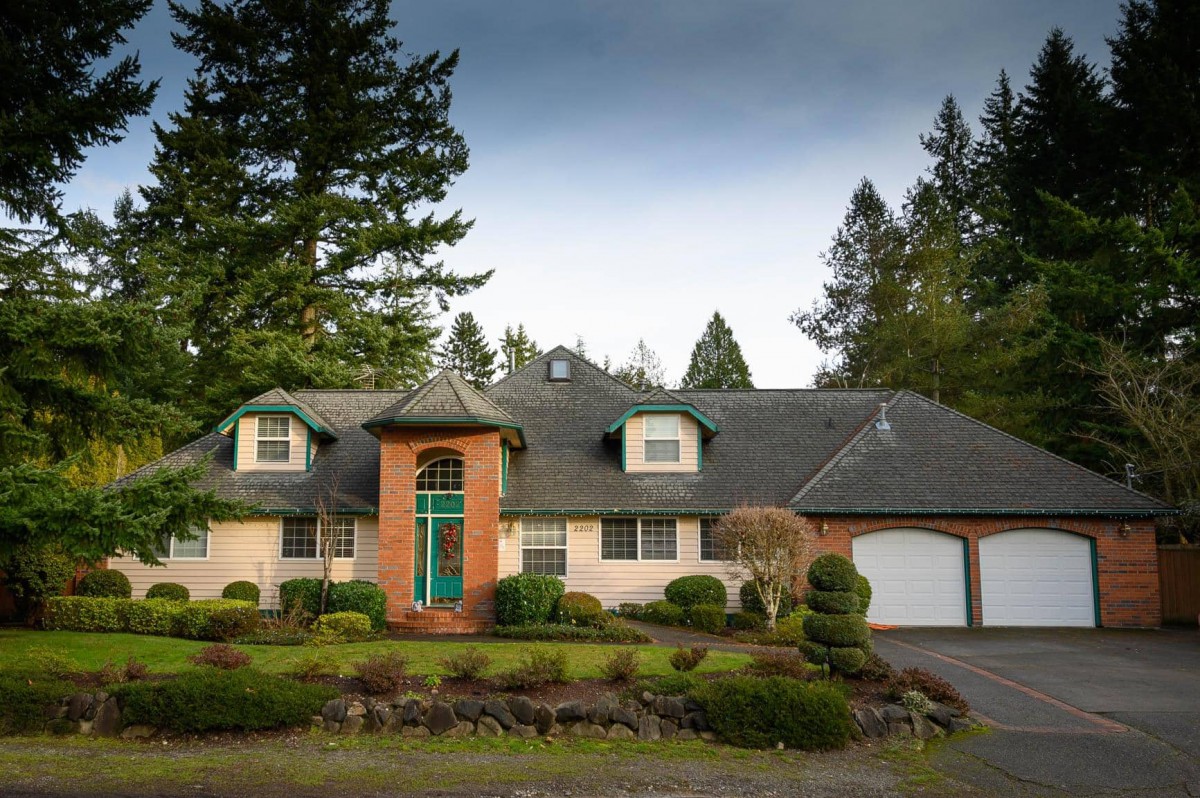
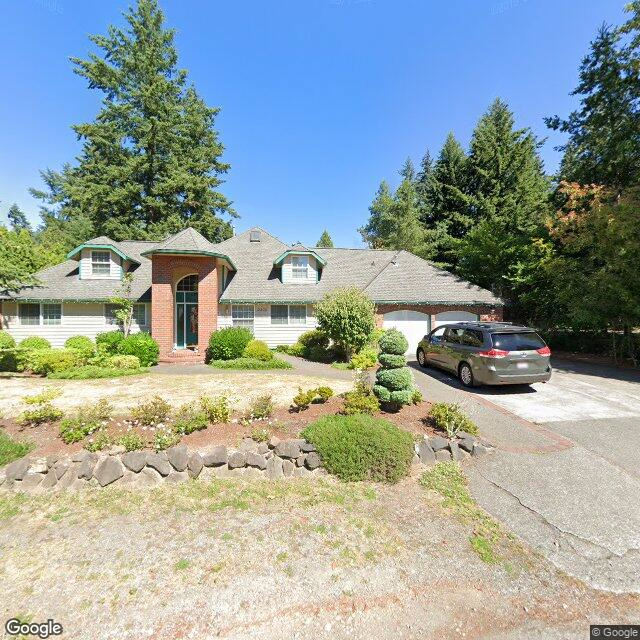
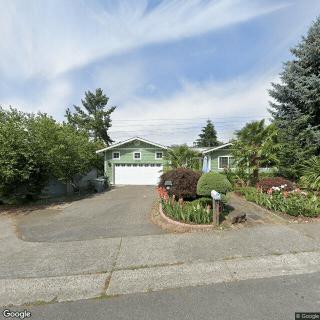
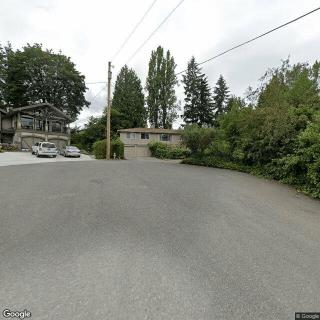
2202 144th Ave SE, Bellevue, WA 98007
To contact a resident: (206) 372-2563
For more information about senior living options: (866) 208-4318
Bellevue Haven Costs & Pricing
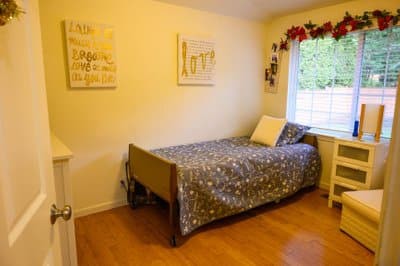
At Bellevue Haven, the monthly cost for a private room is $7,000, which reflects a premium relative to the broader market. When comparing this figure to King County's average of $5,034 and Washington state's average of $4,772, it becomes evident that Bellevue Haven positions itself at a higher price point. This pricing may suggest a focus on quality amenities or specialized services not commonly found in other facilities within the region. As prospective residents and their families evaluate their options, it's essential to consider not only the financial implications but also the value received in terms of care and community offered at Bellevue Haven.
| Floor plans | Bellevue Haven | King County | Washington |
|---|---|---|---|
| Private | $7,000 | $5,034 | $4,774 |
Senior living communities with a similar price nearby
-
from -$500 / mo
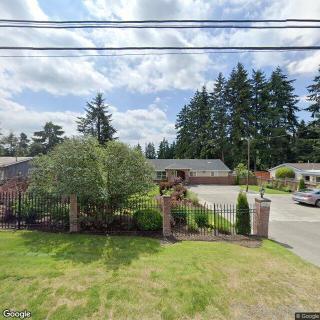
The Promised Land
$6,500 / month13.7 miles away -
from -$1000 / mo
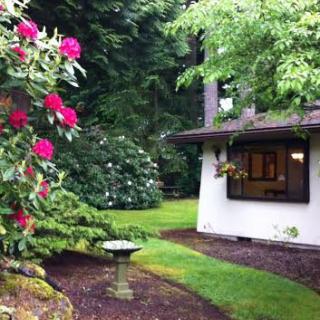
Home Away From Home LLC
$6,000 to $7,000 / month20.3 miles away -
from +$1000 / mo
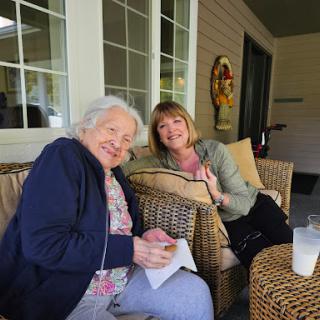
Grace Senior Care of Issaquah
$8,000 / month6.4 miles away -
from +$1000 / mo
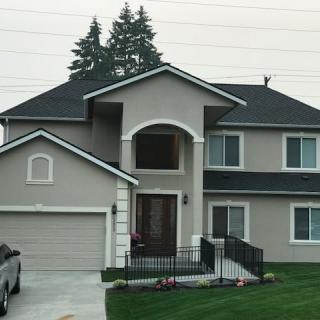
Golden Cottage AFH, Inc
$8,000 / month9.4 miles away -
from -$600 / mo

The Park at Belle Harbour
$6,400 to $15,500 / month3.2 miles away
Overall Review of Bellevue Haven
Pros
 She has been here for about 3 years and is very happy.
- The caregivers are great, nice, caring, and attentive.
- The facility has a warm family atmosphere.
- The staff celebrate birthdays and holidays with joy and fun.
Review
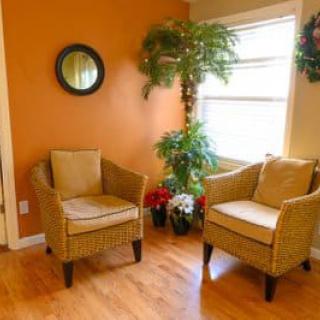
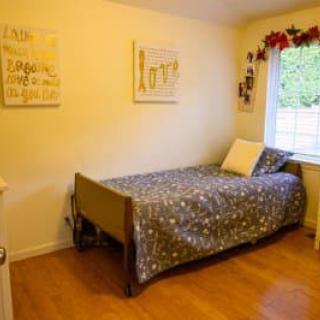
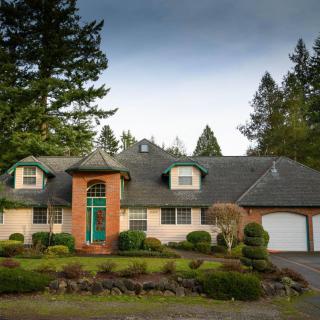
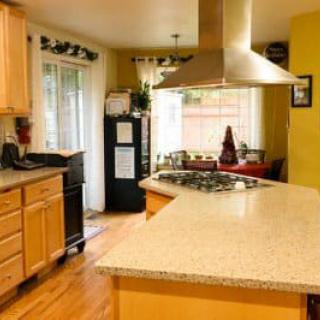
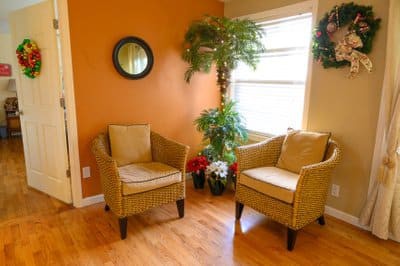
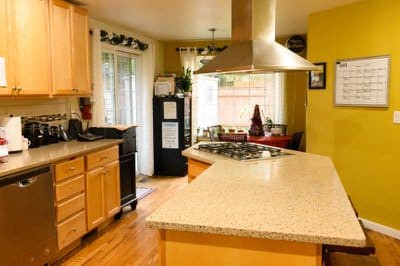
Bellevue Haven is best suited for families seeking a warm, home-like assisted living where a stable, attentive caregiving team builds meaningful relationships and daily life centers on social connection and celebratory moments. The narrative from a resident’s family highlights an ongoing, multi-year stay that has remained satisfying, with caregivers described as great, nice, caring, and attentive. The environment is clearly organized around a family atmosphere, and the community makes birthdays and holidays feel joyful and inclusive. For families prioritizing consistent human contact, familiar faces, and a living space that feels less clinical and more like an extended family, Bellevue Haven stands out as a strong option.
This community may lead families to consider alternatives if the senior requires more intensive medical oversight or specialized memory-care programming. Insights from a single positive account cannot rule in or out the need for structured nursing interventions, complex caregiving plans, or more formalized rehab services. If a loved one’s needs include frequent on-site nursing supervision, rapid access to medical specialists, or a programming framework built around dementia care with clearly defined cognitive-stimulation regimens, other communities with explicit memory-care certifications or hospital-like support may be more appropriate. Likewise, if cost transparency, broad activity menus, or a more modern, clinical ambience matter, comparative visits could be decisive.
The principal attractions, genuine caregiver engagement, a welcoming family vibe, and lively celebrations, are not mere fluff. They translate into tangible benefits: reduced anxiety for residents, easier adjustment for new arrivals, and stronger daily motivation to participate in activities. When staff members are described as attentive and caring, perceptions of safety and well-being rise, which in turn supports better mood, smaller isolation risk, and higher overall satisfaction. The presence of a warm, participatory culture also tends to smooth transitions within the home, encouraging residents to engage with peers, family visitors, and staff alike. In short, the social fabric itself becomes a form of care that complements routine assistance.
What remains less visible in the available information are potential gaps that families typically weigh. There is no explicit record of medical staffing levels, bedside nursing coverage at night, or the availability of on-site therapies beyond general assisted-living supports. Details about meal quality, transportation options, pets, or the breadth of daytime activities are not illuminated here either. While longevity of residence (about three years in one case) signals satisfaction and stability, the absence of broader disclosures leaves questions about how Bellevue Haven handles escalating needs, emergency response, and the nuance of individualized care plans. For families, these unknowns are precisely what should be clarified during a tour.
Nevertheless, the proven strengths directly address the core risks of senior living: loneliness, disengagement, and instability. A caregiver team that is consistently described as caring and attentive, paired with a true family atmosphere and regular, festive programming, can offset the potential drawbacks of a smaller or more intimate setting. For residents who prize continuity and a sense of belonging, these advantages often translate into higher daily engagement, better mood, and a smoother aging experience in place. When a loved one already loves the people providing care and feels part of a larger, celebratory circle, the likelihood of resident satisfaction climbs markedly, even when other services may be more variable across markets.
For families weighing Bellevue Haven against alternatives, the practical path is clear: schedule a firsthand visit to observe caregiver interactions, assess the tempo of daily life, and verify how care plans are managed in practice. Ask about staffing ratios, night coverage, and how personal preferences are incorporated into daily routines. Inquire about the scope of medical oversight, accessibility to on-site therapy, and the process for adjusting services as needs evolve. If the plan remains to keep a loved one engaged in a warm, community-driven setting with strong social ties, Bellevue Haven warrants serious consideration. If, instead, robust medical management, a more clinical environment, or a broader continuum of care is essential, it is wise to explore other options with explicit detail on those capabilities.
 Board and Care Home
 Activities off-site
 Bath tubs
 Beautician on-site
 Devotional services off-site
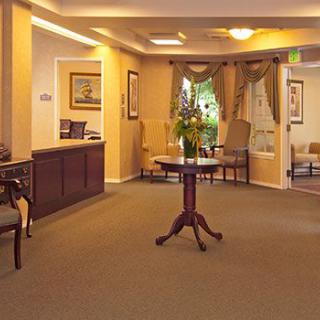
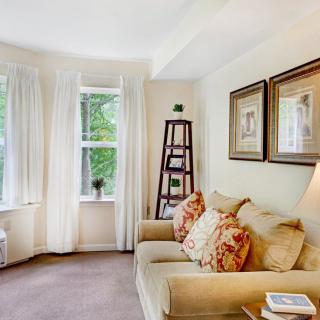
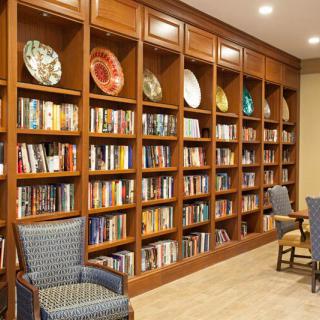
 Indoor common areas
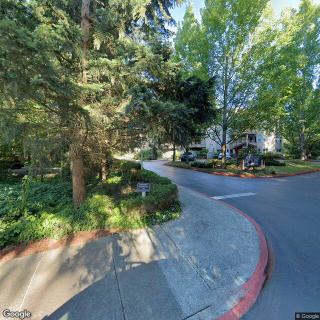
 Outdoor common areas
 Private
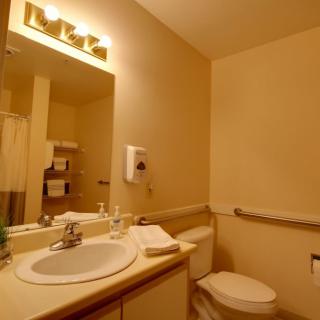
 Private bathrooms
 Wheelchair accessible showers
 Seattle-Tacoma International (12 miles away)
 Diabetic care
 High acuity care
 Incontinence care
 Medication management
 Kosher
 Understanding the Nuances of Palliative Care and Hospice: A Comprehensive Exploration
 Fecal Incontinence in Older Adults: A Comprehensive Guide
 Recognizing the Journey: Understanding and Navigating Anticipatory Grief