
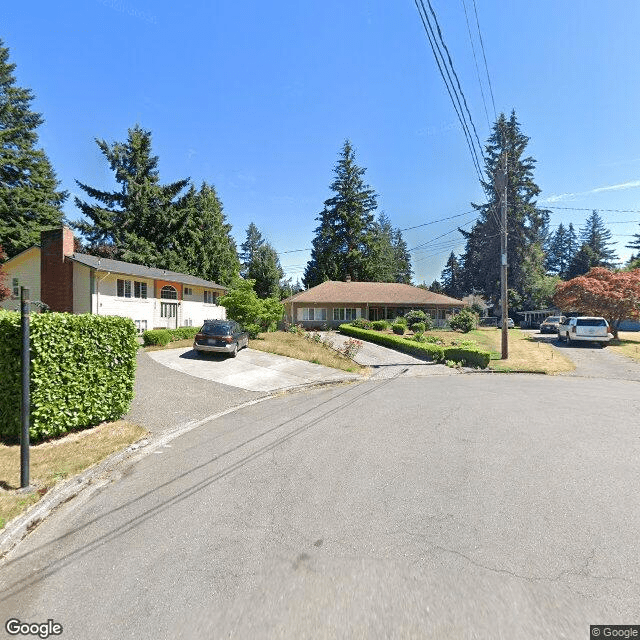
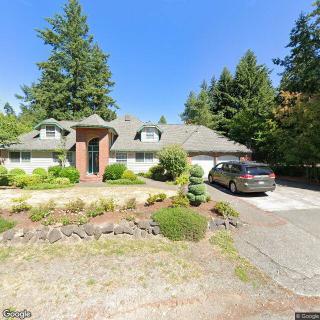
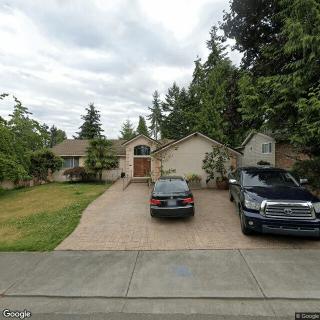
1834 147th Ave. SE 425-643-5190 fx, Bellevue, WA 98007
To contact a resident: (425) 260-7541
For more information about senior living options: (866) 208-4318
Luv' N Care Adult Family Home Costs & Pricing
Luv' N Care Adult Family Home offers competitive monthly rates that are notably lower than the average costs found in both King County and across Washington State. For a private room, residents can expect to pay $4,500, which is significantly less than the county's average of $5,034 and slightly below the state median of $4,772. Similarly, for a one-bedroom accommodation, Luv' N Care maintains its affordability at $4,500 compared to King County's average of $5,127 and Washington's average of $4,632. These pricing advantages position Luv' N Care as an attractive option for families seeking quality care without compromising on budget considerations.
| Floor plans | Luv' N Care Adult Family Home | King County | Washington |
|---|---|---|---|
| Private | $4,500 | $5,034 | $4,774 |
| 1 Bedroom | $4,500 | $5,127 | $4,634 |
Memory care communities with a similar price nearby
-
from -$500 / mo

Riverton Home Care
$4,000 to $5,000 / month10.7 miles away -
from -$500 / mo
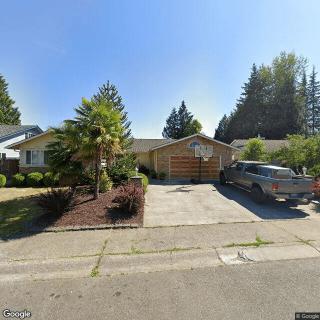
Gentle Care Home
$4,000 to $5,500 / month9.9 miles away -
About the same
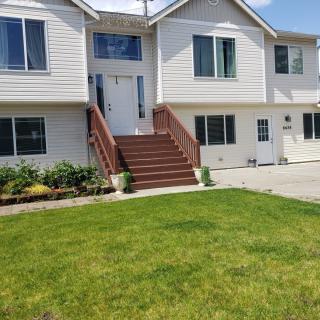
We Care Adult Family Home
$4,500 to $8,000 / month24.7 miles away -
from +$500 / mo

Peace and Pleasant Care Adult Family Home II
$5,000 to $6,000 / month14.9 miles away -
About the same
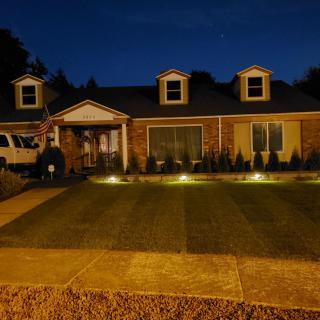
A Serenity AFH
$4,500 to $6,000 / month20.7 miles away
Overall Review of Luv' N Care Adult Family Home
Pros
 Luv 'n Care is a wonderful adult family home.
- The owners are on-site and treat residents with kindness and respect.
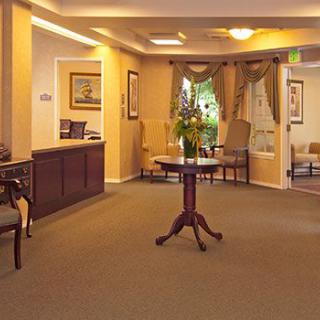
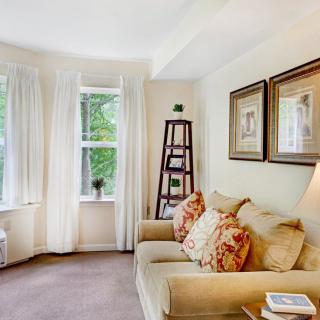
- The home is clean and bright.
- The atmosphere is calm.
- Luv 'n Care has been the ideal place for a loved one.
Review
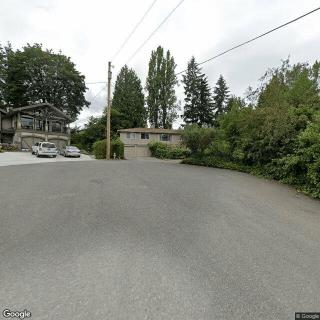
Luv 'n Care Adult Family Home in Bellevue, Washington is best suited for seniors who want a warm, intimate, home-like living arrangement where the owners are on-site, personally attend to residents, and maintain a calm, clean environment. This setting works especially well for individuals who require help with daily activities but do not need round-the-clock hospital-level care. It suits couples or single residents who value consistent routines, personalized attention, and the reassurance that caretakers know them by name. Families seeking a low-stress transition away from institutional atmospheres will find this model appealing, because decisions are made quickly, communication tends to be direct, and the environment feels predictable and humane.
The strongest pros lie in the on-site owners who treat residents with genuine kindness and respect. That presence translates into fast problem resolution, heightened accountability, and a genuine sense of trust between staff, residents, and families. The home’s cleanliness and brightness reinforce a calm, dignified atmosphere that many seniors associate with safety and comfort. In this setting, care feels individualized rather than procedural, with staff forming meaningful relationships that support both emotional well-being and daily functioning. The intimate scale means routines are tailored, meals, activities, and personal preferences can be accommodated with less red tape than larger facilities, which translates into less anxiety for residents and clearer, more regular updates for families.
Yet the smaller, family-run model carries limitations that must be weighed carefully. The most notable potential drawback is access to medical resources; a resident with significant medical complexity or the need for constant professional oversight may outstrip what a single home can provide. There may be fewer formal memory-care programs, rehab options, or structured group activities that rely on a larger staff and more elaborate programming. Social opportunities, while intimate and meaningful, can feel limited compared with larger communities that host multiple residents at all hours of the day. Additionally, the range of on-site amenities and specialized services tends to be narrower, and families may encounter heavier reliance on external providers for certain therapies or treatments.
These pros offset the cons in tangible, practical ways. The owners’ ongoing involvement means care plans evolve with the resident, not bureaucracy, and family input remains central to daily decisions. The calm, clean environment reduces sensory overload and agitation, which supports residents who thrive on predictability. Personalized attention makes safety a natural byproduct, staff remember individual routines, allergies, and preferences, minimizing mishaps and improving overall quality of life. In a setting where residents may otherwise feel like just another chart, this model delivers a palpable sense of belonging and dignity. For many families, that personal touch provides a form of reassurance that outweighs the limitations of a smaller program.
When considering alternatives, focus on the resident’s medical needs, social expectations, and caregiver bandwidth. If medical complexity or memory-care demands are prominent, look toward larger communities with on-site licensed nursing staff, dedicated memory-care wings, and robust activity calendars designed to engage multiple levels of ability. During evaluations, probe staffing ratios per shift, the availability of on-site clinicians, coordination with external physicians, and the ease of arranging transportation to appointments or outings. Tour experiences should assess not only cleanliness and safety features but also how freely residents collaborate with staff and how families are kept informed about daily happenings. A trial stay or short-term visit can reveal whether the pace and culture align with the loved one’s temperament and preferences.
Bottom line: Luv 'n Care offers a compelling option for Bellevue families prioritizing a warm, hands-on, family-run environment where owners are present, residents are treated with care and respect, and daily life unfolds in a clean, calm setting. This model excels at delivering individualized attention, meaningful routines, and a sense of belonging that very few larger facilities can replicate. It is a strong fit for seniors who do not require intensive medical supervision and who value personal connection over breadth of services. For cases involving significant medical complexity, specialized memory care, or a demand for broad, institution-like programming, alternatives should be pursued with clear criteria and confidence to ensure the chosen environment aligns with both health needs and lifestyle preferences.
 Board and Care Home
 Memory Care
 Activities off-site
 Devotional services on-site
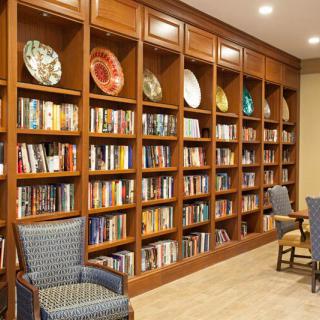
 Indoor common areas
 Outdoor common areas
 Private
 Private bathrooms
 Respite or short term stays offered
 Wheelchair accessible showers
 Seattle-Tacoma International (13 miles away)
 Diabetic care
 High acuity care
 Incontinence care
 Medication management
 Meals provided
 Adventist services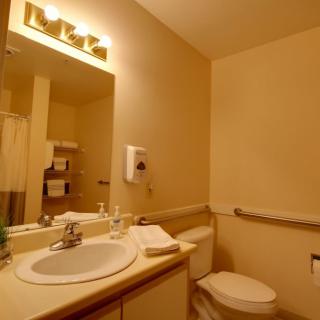
 Are Dementia and Alzheimer's Disease Lethal? A Comprehensive Exploration
 Exploring the Power of Reminiscence Therapy for Individuals With Dementia
 An In-Depth Look at Reminiscence Therapy in Dementia Care