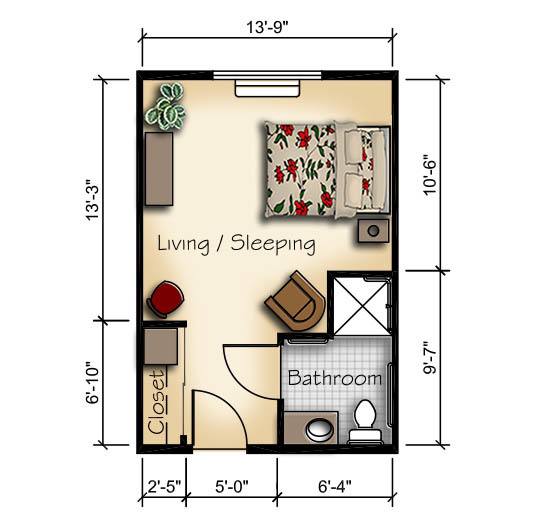
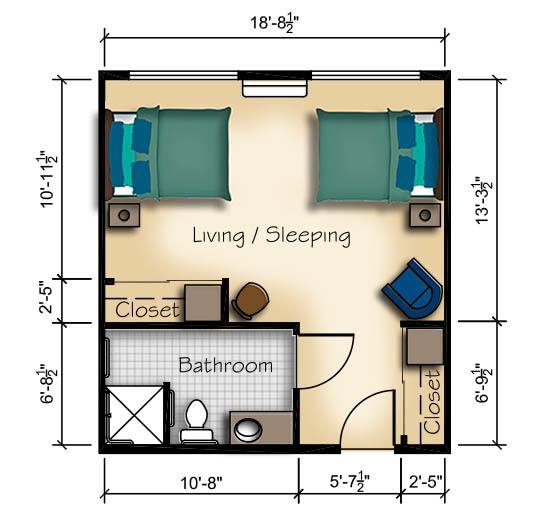
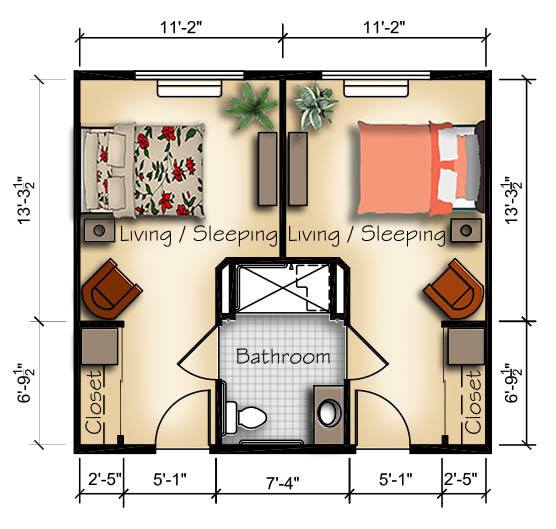
The Peaks at South Jordan offers a range of living options that reflect its commitment to providing an exceptional experience for residents. The costs for monthly accommodation are notably higher than the averages observed in both Salt Lake County and across Utah. For instance, a studio apartment at The Peaks is priced at $4,200, significantly above the county average of $3,331 and the state average of $3,206. Similarly, semi-private rooms are available for $5,450 compared to $3,970 in Salt Lake County and $3,596 statewide. Additionally, one-bedroom units command a monthly rate of $7,050, which is considerably higher than the county rate of $3,840 and the state rate of $3,556. This premium pricing reflects The Peaks' dedication to quality care and services that appeal to those seeking a vibrant community atmosphere combined with comprehensive support.
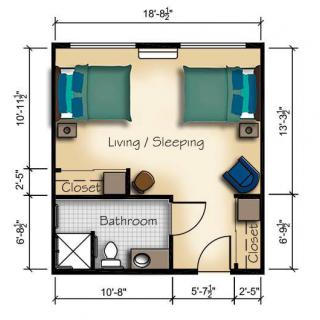
Floor plans
The Peaks at South Jordan
Salt Lake County
Utah
Studio
$4,200
$3,331
$3,206
Semi-Private
$5,450
$3,970
$3,596
1 Bedroom
$7,050
$3,840
$3,556
Memory care communities with a similar price nearby
Residents and families repeatedly describe staff as attentive, compassionate, and responsive.
Across many reviews, people describe a caregiving team that takes time to know residents and communicate with families. Several mention named leaders and direct nursing oversight, describing warmth, professionalism, and hands-on involvement. There are also a few negative reviews that raise concerns about safety and respect for visitors, which contrasts with the overwhelmingly positive staff feedback.
common
Activities keep residents engaged
Many reviewers say daily activities help residents stay engaged and included.
Reviews commonly mention a structured activities program, with examples like art classes and devotional or religious services offered on-site. Some reviewers specifically say activities are appropriate for different levels of cognitive function and participation. A separate set of reviews mention staffing strain at times, which is described as affecting coverage during the day or on weekends.
common
Dining draws frequent compliments
Residents and families repeatedly highlight food that feels fresh and fits dietary needs.
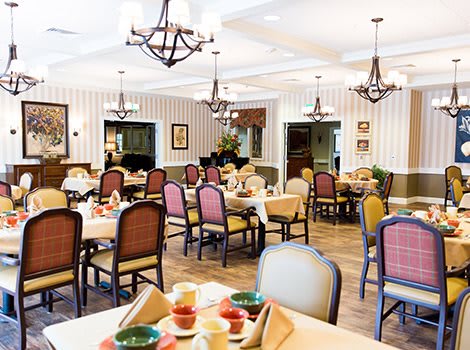
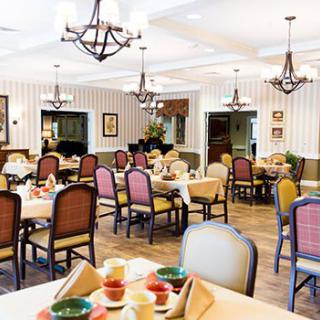
Multiple reviews praise the quality of meals and describe the dining experience as something residents look forward to. Several mention the kitchen and meal preparation taking residents’ preferences and dietary needs into account. The dining experience is also mentioned as improved during management changes in at least one review.
caveat
Staffing and care concerns appear
Some reviews report safety or care breakdowns, including staffing shortages and medication concerns.
A recurring concern in negative reviews is staffing being too low, described as making it hard to get the phone answered or get someone to let a visitor in. Other critical reviews describe serious problems related to medical decision-making and communication, including a claim about medication being administered inappropriately. These concerns stand in contrast to many positive reviews describing attentive care and prompt issue resolution.
differentiator
Memory care focus shapes the fit
Reviewers often choose this community specifically for memory care.
Reviews repeatedly frame the community as dedicated to dementia and Alzheimer’s support, including references to help through different stages of memory loss. Some also mention design elements and routines that they feel work for residents with memory impairment. At the same time, a small number of reviews say it may not have been the right environment for their loved one, suggesting fit can vary by individual needs.
How we summarize
We summarize when many written reviews mention each theme; a review can touch several themes, and only frequently mentioned themes are displayed.
Features
Types of Care
Memory Care
Amenities
Activities off-site
Activities on-site
Air-conditioning
Bath tubs
Beautician on-site
Cable or satellite TV
Devotional services on-site
Garden view
Ground floor units
Handicap accessible
Indoor common areas
Outdoor common areas
Respite or short term stays offered
Wheelchair accessible showers
Wi-Fi/high-speed internet available
Transportation
Salt Lake City International (17 miles away)
Care Services
Ambulatory care
Diabetic care
Incontinence care
Medication management
Dining
Gluten-free
Guest meals
International cuisine
Kosher
Low / no sodium
Meals provided
No Sugar
Professional chef
Room service
Special dining programs
Vegan
Vegetarian
Activities
Art classes
Catholic services
Cooking classes
Devotional activities on-site
Educational speakers / life long learning
Jewish services
Mormon/LDS services
Other religious services
Protestant services
Visiting Rabbi
Visiting chaplain or priest
Nearby Places of Interest
This part of South Jordan, Utah, offers a convenient and diverse range of amenities for senior living. With various dining options such as Warren’s, Raising Cane's Chicken Fingers, and Culver's within a short distance, residents can enjoy a variety of cuisines. There are also reputable healthcare facilities nearby, including Jordan Valley Dermatology Center and South Valley Eyecare. Additionally, the area boasts several places of worship for spiritual needs and pharmacies like Walgreens and CVS Pharmacy for medication requirements. For recreational activities, parks like River Front Park and Skye Park provide opportunities for outdoor enjoyment. Transportation options such as the Daybreak Parkway Trax Stop and Draper UTA Frontrunner Station offer easy access to public transportation. Overall, this part of South Jordan offers a well-rounded community for seniors looking to settle in a vibrant neighborhood with essential services nearby.
Restaurants
Warren’s South Jordan (1.2 miles)
Raising Cane's Chicken Fingers (1.3 miles)
McDonald's (1.3 miles)
Cubbys South Jordan (1.5 miles)
Culver's (1.5 miles)
Schmidt's Pastry Cottage (2.1 miles)
In-N-Out Burger (2.1 miles)
Physicians
Jordan Valley Dermatology Center (1.3 miles)
South Valley Eyecare (1.6 miles)
Riverton & Zenith Family Health Center (1.9 miles)
Clarity Vision (1.9 miles)
Riverton Family Health Center (1.9 miles)
Western Ob-Gyn (2 miles)
Copperview Medical Center (2.3 miles)
Theaters
ZAGG The District (1.3 miles)
Megaplex Theatres (4.4 miles)
Places of Worship
South Jordan Utah Stake Center (1.3 miles)
Church of Jesus Christ of Latter Day Saints (1.5 miles)
Church of Jesus Christ of Latter Day Saints (1.7 miles)
Utah Islamic Center (3.6 miles)
Church of Jesus Christ of Latter Day Saints (3.7 miles)
Church of Jesus Christ of Latter Day Saints (4.3 miles)
Church of Jesus Christ of Latter Day Saints (4.5 miles)
The Peaks at South Jordan offers a range of living options that reflect its commitment to providing an exceptional experience for residents. The costs for monthly accommodation are notably higher than the averages observed in both Salt Lake County and across Utah. For instance, a studio apartment at The Peaks is priced at $4,200, significantly above the county average of $3,331 and the state average of $3,206. Similarly, semi-private rooms are available for $5,450 compared to $3,970 in Salt Lake County and $3,596 statewide. Additionally, one-bedroom units command a monthly rate of $7,050, which is considerably higher than the county rate of $3,840 and the state rate of $3,556. This premium pricing reflects The Peaks' dedication to quality care and services that appeal to those seeking a vibrant community atmosphere combined with comprehensive support.
The Peaks at South Jordan's medication management ensures that residents receive their prescribed medications accurately and on time, which is crucial for maintaining cognitive function and overall health in individuals with dementia or Alzheimer's disease. This systematic approach helps prevent potential complications from missed doses or incorrect medications, thereby providing peace of mind for both residents and their families. Additionally, the facility's incontinence care offers dignity and comfort to residents facing this common challenge associated with cognitive decline. By addressing these needs promptly and compassionately, staff can reduce stress for individuals, allowing them to focus more on their well-being and engagement in daily activities, which ultimately contributes to a better quality of life.
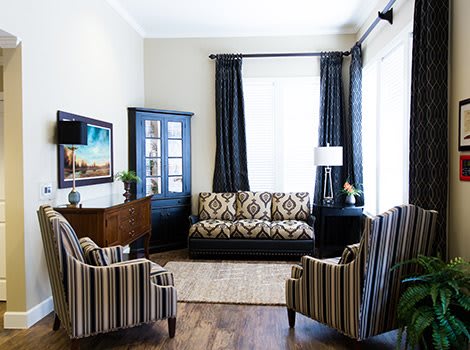
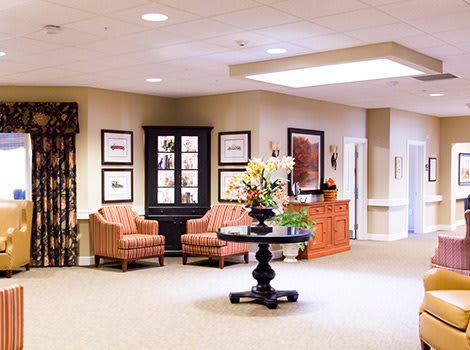
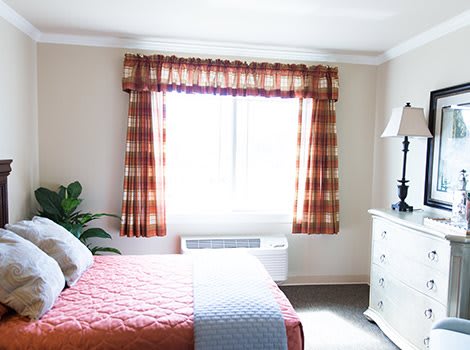
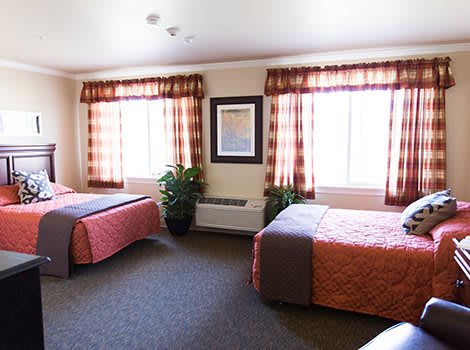
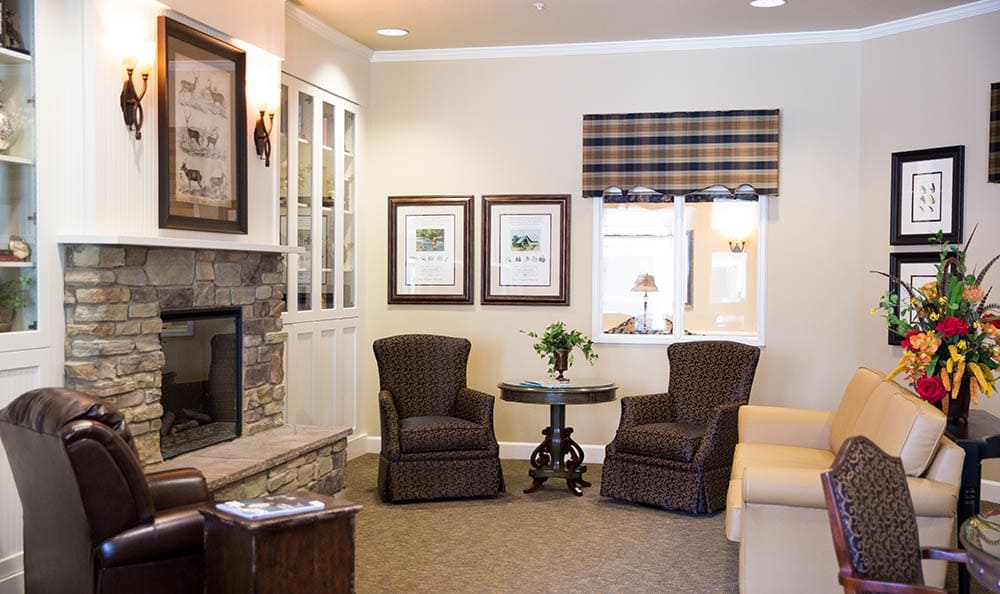
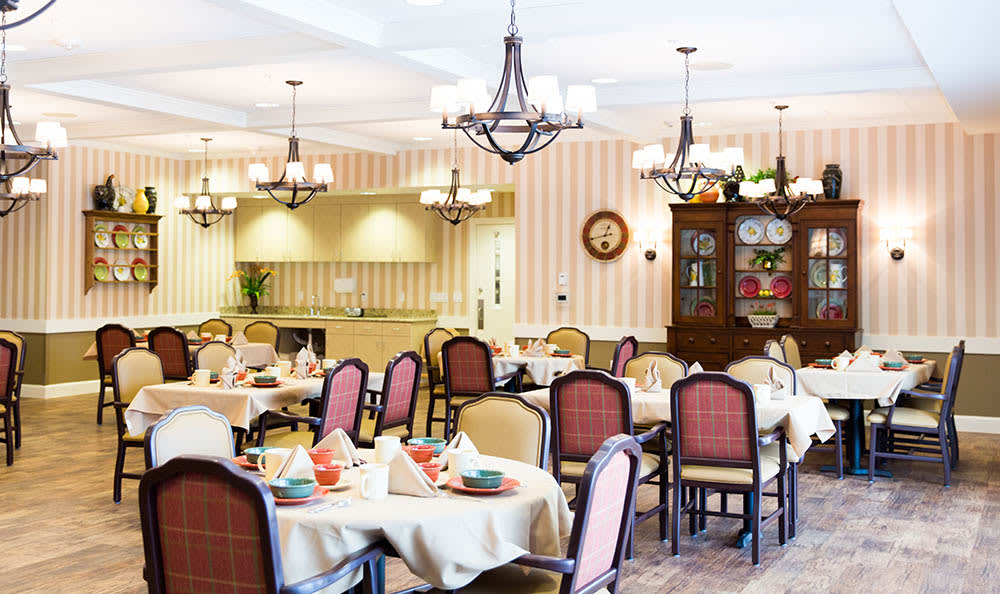
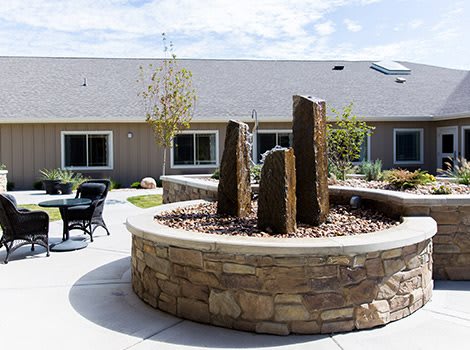
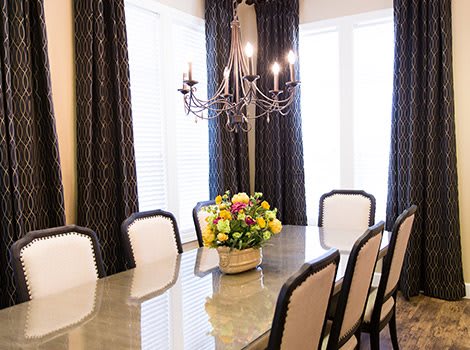
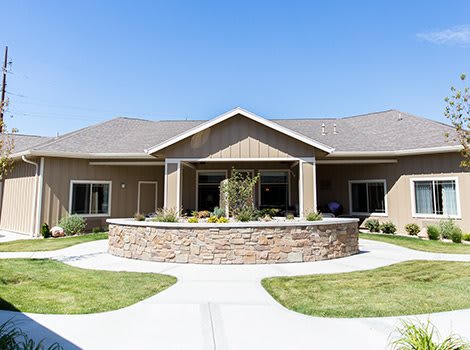
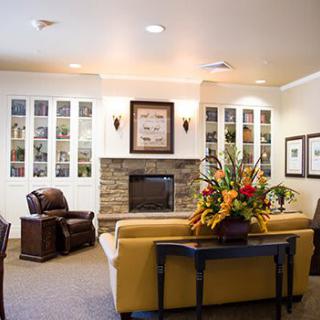
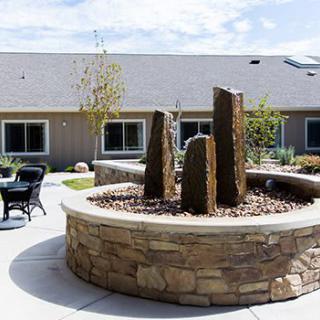
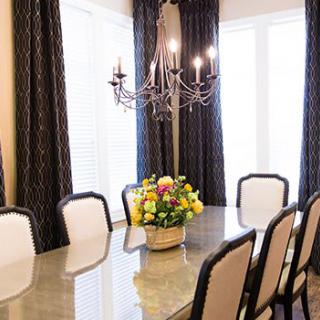
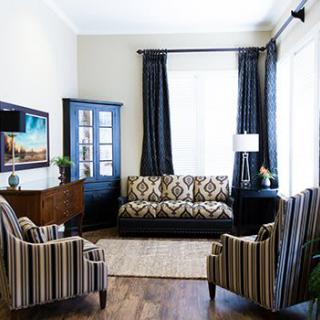
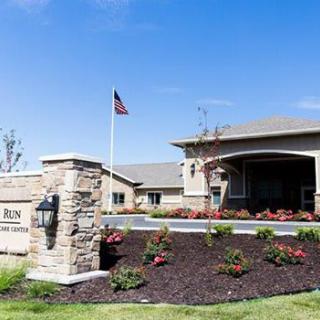
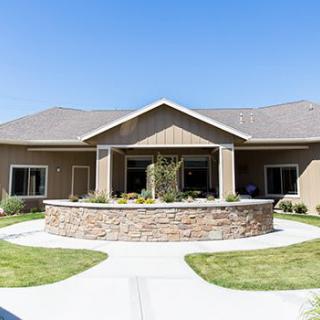
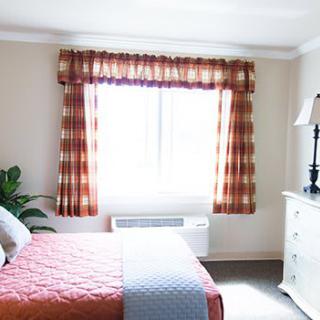
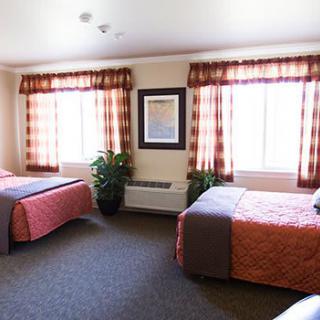
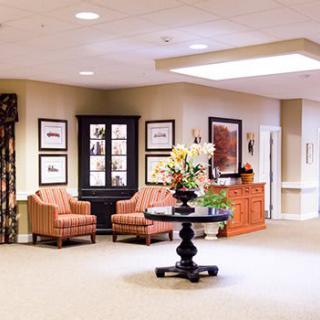
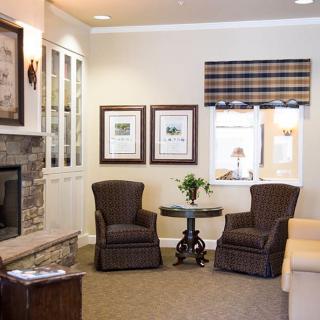
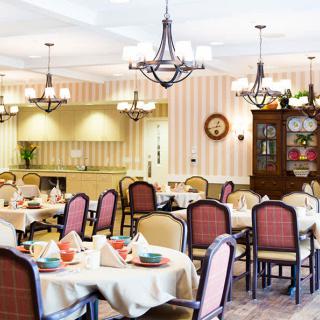
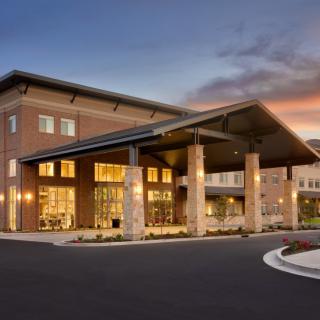
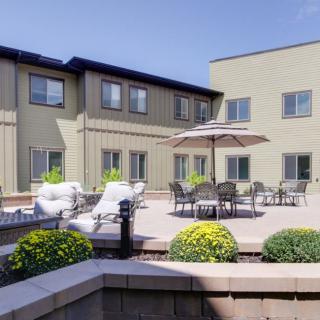
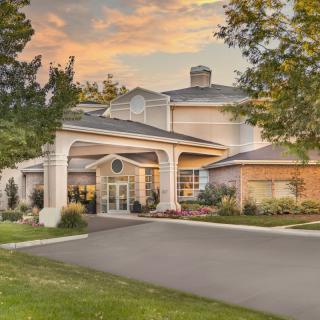
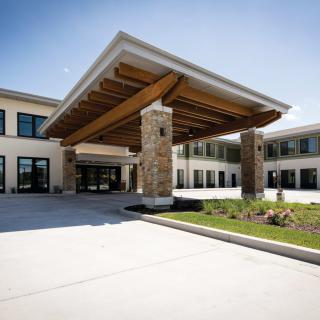
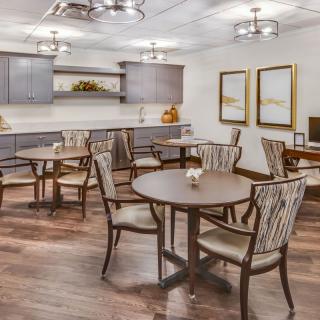
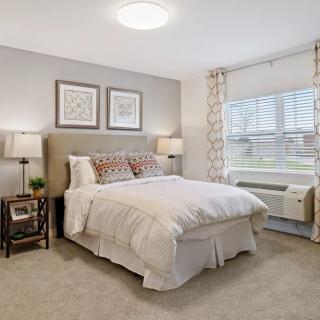
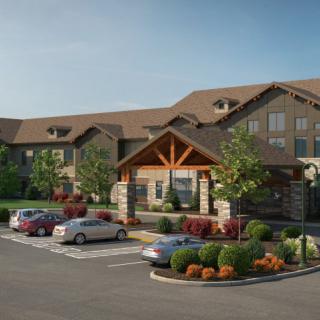
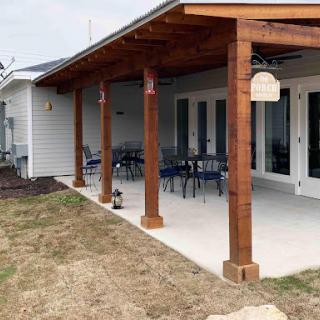
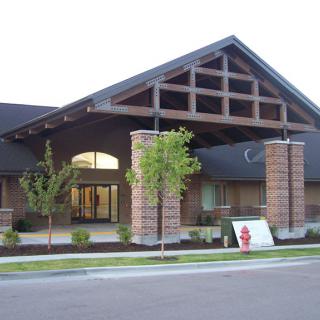
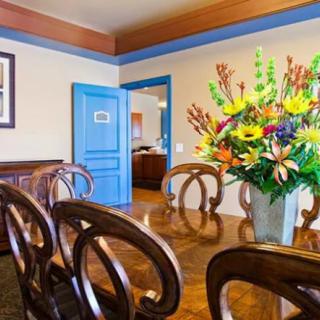
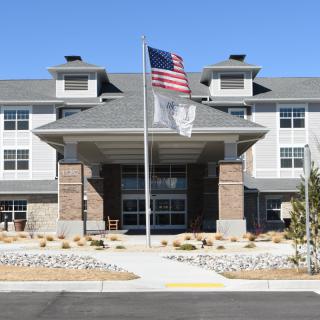
The Peaks at South Jordan on seniors.fyi includes 16 photos including images showing interior, floor plan, decor, dining, landscaping, bedroom, living room, chandelier, and more.
Nearby Communities
Pheasant Run Memory Care
South Jordan, UT
4.6 from 108 reviews
24/7 staff with specialized memory-care programming
Beehive Homes Of South Jordan
South Jordan, UT
4.5 from 25 reviews
Small, personalized community with 24/7 care, meals, and engaging activities.
Beehive Homes Of South Jordan
South Jordan, UT
4.5 from 24 reviews
24/7 supervision with ADL assistance in a fully furnished setting
Anthology of South Jordan
South Jordan, UT
4.7 from 112 reviews
Specialized memory care with 24-hour supervision and tailored programming.
Copper Creek Senior Living
South Jordan, UT
4.7 from 146 reviews
$3,599 to $4,099 / month
Friendly, welcoming staff in a clean, well-maintained community with engaging activities.
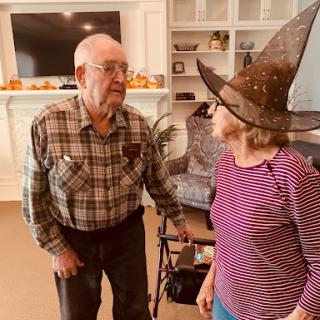
Reminiscence therapy helps individuals with dementia recall past memories through structured discussions and meaningful objects, enhancing mood, relationships, and sense of identity while celebrating their lives. It can be practiced in formal settings or at home, requiring sensitivity to personal histories and cultural backgrounds.
Reminiscence therapy is a structured method for older adults, especially those with dementia, to share life stories using prompts and sensory cues, fostering emotional well-being, social engagement, and self-identity. It aims to improve quality of life by enhancing interpersonal connections and cognitive stimulation while requiring careful facilitation to avoid distressing memories.
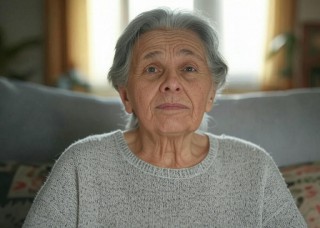
Dementia, particularly Lewy body dementia, often involves hallucinations that can significantly distress both patients and caregivers due to disruptions in sensory processing and neurotransmitter imbalances. Effective management includes compassionate communication, environmental adjustments, and a multidisciplinary approach to care while addressing the emotional needs of caregivers.
Get PricingAsk A QuestionSchedule A TourContact Senior Advisor
By clicking submit, you agree to our Partner's Terms of Use. You
also consent to receive calls and texts, which may be autodialed, from our Partner. Your consent is not a condition to
using our Partner's service. Please visit our Partner's Privacy Policy for information about their privacy practices.

 Memory Care
 Activities off-site
 Air-conditioning
 Bath tubs
 Beautician on-site
 Cable or satellite TV
 Devotional services on-site
 Garden view
 Ground floor units
 Handicap accessible
 Indoor common areas
 Outdoor common areas
 Respite or short term stays offered
 Wheelchair accessible showers
 Wi-Fi/high-speed internet available
 Salt Lake City International (17 miles away)
 Ambulatory care
 Diabetic care
 Incontinence care
 Medication management
 Gluten-free
 Art classes
 Catholic services
 Cooking classes
 Educational speakers / life long learning
 Jewish services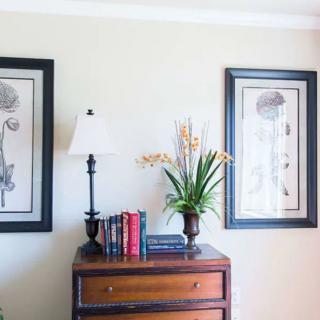
 24/7 staff with specialized memory-care programming
 Exploring the Power of Reminiscence Therapy for Individuals With Dementia
 An In-Depth Look at Reminiscence Therapy in Dementia Care
 Dementia-Related Hallucinations: Causes, Experiences, and Practical Approaches