
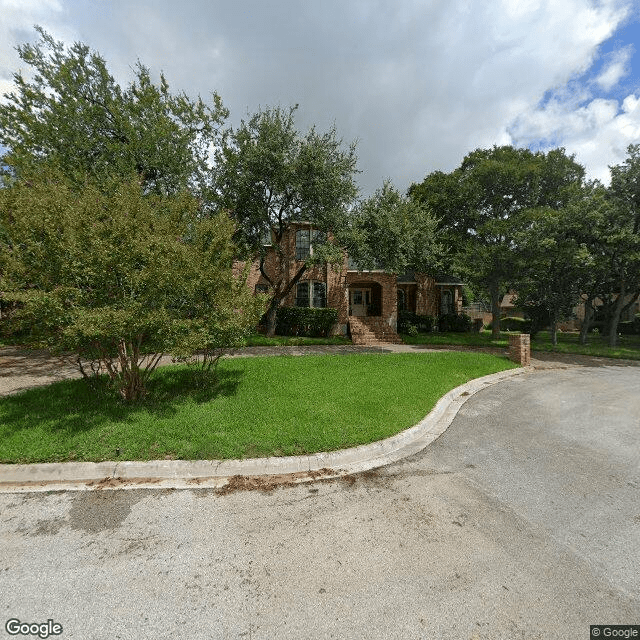
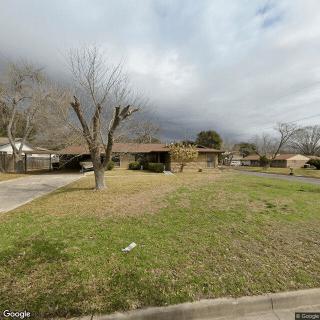
14002 Sage Bluff, San Antonio, TX 78216
For more information about senior living options: (866) 208-4318
San Antonio - Ariana Senior Care 1 Costs & Pricing
San Antonio - Ariana Senior Care 1 offers competitive pricing for senior living accommodations, with a monthly rate of $3,500 for private rooms and studios, which is notably lower than the Bexar County average of $3,627 and $3,708, respectively. The costs for one-bedroom units range from $3,500 to $3,798, providing flexibility compared to the county's average of $3,506. However, it's important to note that two-bedroom options at Ariana Senior Care are priced higher at $4,810, exceeding both the county and state averages of $3,962 and $4,215. Overall, this facility presents a mix of affordability in certain room types while also reflecting the market dynamics in larger accommodations.
| Floor plans | San Antonio - Ariana Senior Care 1 | Bexar County | Texas |
|---|---|---|---|
| Private | $3,500 | $3,627 | $4,096 |
| Studio | $3,500 | $3,708 | $3,758 |
| 1 Bedroom | $3,500 to $3,798 | $3,506 | $3,761 |
| 2 Bedrooms | $4,810 | $3,962 | $4,215 |
Memory care communities with a similar price nearby
-
About the same

Parkway Assisted Living
$3,500 to $4,500 / month8.5 miles away -
About the same
San Antonio - A-Z Senior Care 1
$3,500 / month9.1 miles away -
from +$500 / mo
Aging Gracefully Assisted Living
$4,000 to $4,500 / month7.3 miles away -
from -$500 / mo
Paam Care, LLC
$3,000 to $3,500 / month8.4 miles away -
from -$601 / mo

The Etta at Shavano Park
$2,899 to $5,199 / month4.2 miles away
Overall Review of San Antonio - Ariana Senior Care 1
Pros
 Sage Care Management offers invaluable advice, referrals, and advocacy that greatly improve care for loved ones.
- Kimberly is an indispensable source of referrals and a calming, knowledgeable support in the care process.
- The Sage Care team is excellent, showing integrity and genuine care for their clients.
- Nancy Ortiz is a trusted, empathetic advisor who provides helpful guidance through hospital stays and hospice decisions.
- Byron and the Sage team (including Kimberly, Marisol, and Holly) are fantastic at assessments, caregiving services, and providing resources.
- The staff consistently helps families coordinate medical, legal, and social needs, enabling loved ones to live with dignity and independence.
- The overall experience is life-changing for families, with strong communication and reliable eyes-and-ears for long-distance caregivers.
Cons
 They found that geriatric care in hospitals is not a given.
- There have been increasing trips to the ER and doctor challenges.
- His doctor was not giving necessary care.
Review
Ariana Senior Care 1 in San Antonio is best suited for families confronting complex geriatric needs, especially dementia, who benefit from a seasoned care-management partnership that can operate across distances and crises. When a loved one requires not just a place to live but a tightly coordinated care plan, this community shines by aligning a trusted external team with on-site services to keep medical, legal, social, and daily needs in constant view. The core strength lies in access to a proven care-manager network that can translate medical realities into practical, actionable steps for families who cannot be there in person.
Those who may want to consider alternatives include families seeking a more self-contained care experience with less reliance on third-party management. If the preference is for a facility-driven model where all coordination happens within the campus, or if budget constraints limit the feasibility of ongoing external advocacy, other communities may be a better fit. In addition, families desiring a streamlined, on-site care continuum without a long-distance communication bridge could find a more traditional arrangement preferable. The point is not to diminish Ariana’s value, but to acknowledge that the strongest benefits of this model arise when external advocacy is embraced as part of the care team.
The standout pros center on steady, proactive advocacy that lightens the caregiver’s load and frequently prevents crises from spiraling. The care-management team acts as an “eyes and ears” on the loved one’s environment, condition, and needs, offering practical support during emergencies, hospitalizations, and transitions to hospice. This depth of guidance is what keeps families from feeling overwhelmed, especially when distance complicates oversight. The consistency of a trusted advisor, someone who can be relied upon in real time, translates into calmer decision-making and fewer missed opportunities for timely interventions.
What makes the advantages even more compelling are the relationships and continuity described by families. Team members are portrayed as more than service providers; they become confident allies who understand the emotional terrain of aging parents. Reports and direct communication after visits deliver actionable insights to siblings and spouses who cannot be present, enabling better alignment with physicians and care plans. The testimonials emphasize integrity, genuine care, and a long-standing commitment to managing care across medical, legal, and daily-life domains, elements that materially reduce the risk of neglect or fragmented care.
Operationally, the value rests on a few dependable anchors: monthly check-ins, rapid responsiveness, and a comprehensive, multi-level approach to planning. The ability to secure new primary-care referrals, navigate hospice processes, and coordinate with specialists often translates into smoother trajectories for aging loved ones. These strengths offset potential drawbacks inherent in any externally coordinated model, namely, the need for ongoing engagement and the possible costs associated with extended guidance. When families commit to this ongoing collaboration, the payoff is a more stable, transparent care journey with fewer blind spots.
In practical terms, families considering Ariana should plan to integrate Sage Care Management tightly with the facility’s offerings. Establish clear communication protocols, align care plans with on-site programming, and set expectations for regular progress reports. The most effective arrangements leverage the care-manager’s capability to anticipate needs, coordinate hospital visits or transitions, and maintain a consistent narrative around the loved one’s evolving condition. That alignment, not just the facility’s amenities, defines whether the care experience remains steady or becomes reactive.
The verdict is straightforward: Ariana Senior Care 1 is a strong choice for families facing dementia- or complex-care scenarios who can capitalize on robust external advocacy to complement on-site services. The care-management model described in the reviews represents a practical, results-driven approach to aging at home within a community setting, particularly when distance complicates hands-on oversight. For families seeking a more autonomous, campus-centric model or those prioritizing lower upfront costs, alternatives may offer a cleaner fit. When distant caregiving and intricate medical navigation are the realities, this combination delivers unmatched assurance and actionable clarity.
 Board and Care Home
 Memory Care
 Activities on-site
 Devotional services off-site
 Indoor common areas
 Private
 San Antonio International (3 miles away)
 Ambulatory care
 Diabetic care
 Meals provided

 Vibrant Senior Living: A Comprehensive Guide for Active Older Adults
 Assisted Living and Memory Care: Understanding Their Core Differences
 Choosing the Right Senior Care: A Detailed Exploration of Assisted Living and Nursing Homes