
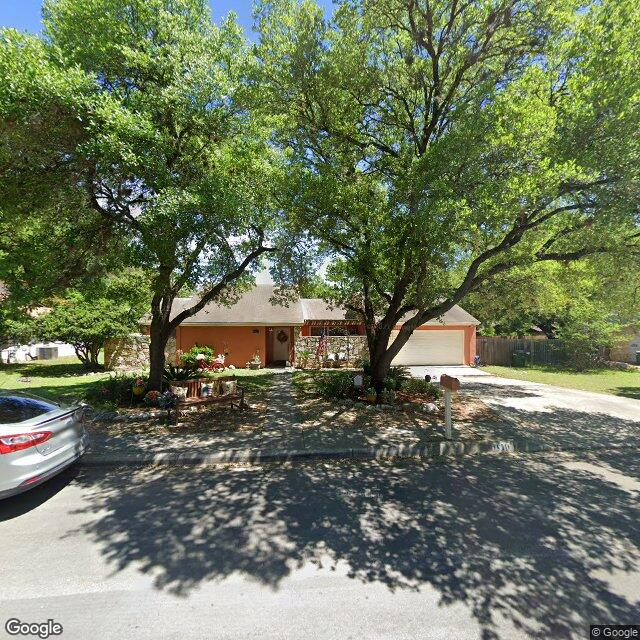
14311 Parkhurst Dr., San Antonio, TX 78232
To contact a resident: (210) 496-0299
For more information about senior living options: (866) 208-4318
Overall Review of Doves Nest Assisted Living
Pros
 The staff at Doves Nest were highly regarded for their care and the way things were run.
- The residents were regularly engaged in activities, which the reviewer appreciated.
- The staff were quick to respond when a resident had an accident.
- The reviewer never had concerns regarding the care her mother received.
- The owner is described as a loving, warm, and caring Christian woman who loved the reviewer’s mother.
Cons
 Personal and expensive items disappeared, with the reviewer alleging they were stolen by staff.
- The items were simply taken from the grandmother, with no clear explanation.
- There were zero explanations from the caregivers about where the bedridden woman’s belongings went.
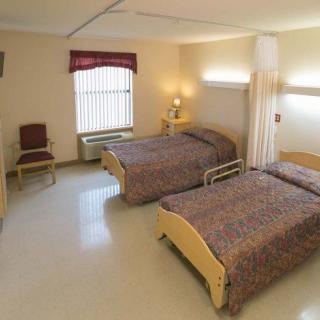
- The two-residents-per-room arrangement caused distress when a roommate on hospice died in the room, and the staff removed the deceased while the reviewer’s mother was still in bed.
- The reviewer criticized the hospice handling, noting there was no room to move the mother or to separate the residents.
- The meals offered did not provide any food choices.
- The ceiling fan was dusty, suggesting poor cleanliness and upkeep.
Review
Doves Nest Assisted Living in San Antonio is best suited for families seeking a small, hands-on, owner-driven setting where staff familiarity with residents and steady social programming take priority over campus size or clinical complexity. The community works best for seniors who don’t require intensive medical management, value a faith-informed, warm leadership style, and are comfortable with shared living arrangements in exchange for a home-like atmosphere and regular activities. The owner’s ongoing involvement and the sense that care is delivered with a personal touch are defining strengths that resonate with families looking for relationship-driven caregiving.
Those who prize won’t-tolerate gaps in privacy or crystal-clear accountability should consider alternatives. Doves Nest advantages, attentive staff, ongoing programming, and a welcoming, Christian-oriented leadership, are meaningful, but they don’t erase concerns that families should weigh carefully. The strongest caveats are not cosmetic: a reported pattern of missing personal items, questions around why valuables vanished and how they were handled, and the sense that some policies around resident privacy and autonomy could be sharper. Prospective families must decide whether the daily warmth and activity calendar outweigh the potential downsides in security and room-sharing dynamics.
On the positive side, the care culture at Doves Nest comes through in several reliable ways. Families repeatedly point to attentive staff and ongoing engagement, daily activities and visible efforts to keep residents occupied and supported. The owner is framed as a caring, hands-on leader who expresses genuine warmth toward residents, and whose personal reputation for compassion provides a quiet assurance that the community operates with heart. In addition, the emphasis on cleanliness in common areas and consistent responsiveness to accidents or incidents reinforces a sense of dependable daily management, even when larger policy questions remain unsettled.
However, the main drawbacks cannot be ignored as mere footnotes. The most troubling among them is the allegation that expensive personal items disappear with little explanation, creating a real and enduring anxiety about resident property and family trust. Outdoor privileges appear restrictions to some extent, a factor that can limit independence and visitation flexibility for residents who value mobility. Shared rooms, a two-per-unit setup, can become awkward, especially when one resident requires hospice care within the same space, leading to abrupt moves and a lack of privacy for others. Additional concerns included a lack of meal-choice flexibility and a perception that upkeep, such as periodic dust on fixtures, could be improved despite overall cleanliness. Taken together, these concerns tilt the balance away from “perfect fit” for some families toward “acceptable trade-off” for others.
The positives offset these concerns only to a point, and that dynamic matters for decision-making. For families prioritizing a warm, person-centered environment, the owner’s leadership, staff engagement, and steady activity calendar provide meaningful value that can offset some frustrations with room layout and meal planning. Yet the security of personal belongings and the comfort of private, clearly defined spaces remain unresolved enough to warrant caution. If the resident’s peace of mind hinges on transparent policies about lost items and stronger privacy safeguards, or if the care plan depends on easy, private transitions away from shared rooms, Doves Nest will demand careful scrutiny and proactive family involvement.
For families weighing options, a targeted due-diligence plan is essential. Ask for recent examples of how missing belongings were addressed, what steps protect resident valuables, and whether any changes have been made to prevent future incidents. Inquire about room options, including the possibility of private accommodations or clearly defined dividers between beds, and confirm how hospice or end-of-life transitions are managed within shared spaces. Probe meal planning, the ability to customize or choose meals, and request a walk-through of housekeeping routines, including how often dust is addressed in resident rooms. Finally, visit at different times of day to observe staff interactions, listen for resident voice in activity planning, and assess whether the environment truly supports both dignity and independence.
In short, Doves Nest is a practical fit for families seeking intimate, activity-rich caregiving delivered with personal warmth from an involved owner. It is less ideal for those who demand ironclad privacy, transparent handling of valuables, or private-room certainty, or who want a facility with seamless separation of hospice needs from general resident spaces. The decision hinges on what matters most: the comfort of a home-like culture and engaged staff, or the assurance of tight security, clear privacy norms, and room configurations that maximize independence. A deliberate site visit with pointed questions will reveal whether this community aligns with the resident’s goals and the family’s risk tolerance.
 Detached homes
 Studio apartments
 Dining room
 Housekeeping services
 Laundry
 Respite or short term stays offered
 San Antonio International (3 miles away)
 Transportation & parking
 Meal preparation and service
 Medication management
 Activities off-site
 Religious services
 English

 9 Stimulating Memory Activities for Seniors: Puzzles, Cards, and Much More
 Managing Nursing Home Expenses After Medicare Coverage Ends
 Is a Geriatric Care Manager the Right Choice for Your Family?