Hidden Hills Senior Living offers a range of accommodations with pricing that reflects its premium services and amenities. For a private room, residents can expect to pay $4,500 monthly, which is slightly above the Williamson County average of $4,482 and notably higher than the Texas state average of $4,096. The studio apartments at Hidden Hills are priced at $6,000, significantly surpassing both the county's average of $3,979 and the state's average of $3,758. Similarly, one-bedroom units also reflect this trend with a price tag of $6,000 compared to Williamson County's average of $3,654 and Texas's average of $3,761. These figures suggest that while Hidden Hills may be on the higher end of the spectrum in terms of cost, it likely provides a comprehensive living experience that justifies the investment in such an environment for senior care.
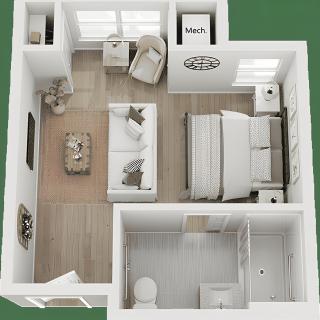
Floor plans
Hidden Hills Senior Living
Williamson County
Texas
Private
$4,500
$4,482
$4,096
Studio
$6,000
$3,979
$3,758
1 Bedroom
$6,000
$3,654
$3,761
Memory care communities with a similar price nearby
Residents and families repeatedly describe staff who are kind and responsive to needs.
Across the reviews, residents and families highlight staff who are consistently attentive, welcoming, and helpful during day-to-day moments and questions. Multiple reviews also describe memory care caregivers showing patience and taking time to engage residents in a way that feels respectful and person-centered. A few reviewers mention breakdowns—such as feeling stretched thin or difficulties reaching the right person—so responsiveness can vary depending on the situation.
common49 reviews mention this
Food quality gets praised
Dining is a frequent bright spot, with many reviews calling the food delicious.
Residents and visitors repeatedly mention the quality of meals, often describing the food as delicious and well prepared. Several reviews also connect dining to overall satisfaction, pairing it with positive comments about the dining experience and how attentive service feels. One reviewer notes that food quality declined over time in the memory care unit, which is a key caveat amid the generally positive pattern.
common44 reviews mention this
Activities keep residents engaged
A wide range of activities and events is a recurring reason people feel at home.
Many reviews describe frequent activities and events that make it easier for residents to stay social and busy, including outings and resident engagement throughout the day. Several families also mention that memory care keeps residents involved rather than isolated, with routines built around meals, activities, and social time. While the overall theme is strong, a small number of reviews raise concerns about staffing pressures affecting care consistency.
caveat20 reviews mention this
Memory care support receives both praise and concern
Memory care is valued by many reviewers, but some describe staffing and care quality concerns.
Several reviews specifically call out the memory care team as patient, supportive, and respectful, with caregivers who comfort residents and encourage safe autonomy. Others describe meaningful medical or nursing support during difficult periods and feeling well cared for. At the same time, some reviews report understaffing and declining service quality in the memory care setting, including concerns about upkeep and leadership responsiveness.
caveat5 reviews mention this
Pricing feels high to some families
Some reviewers feel the cost is high, even when they like the overall community.
A subset of reviews mentions pricing as a drawback, including one comment that the one-time membership fee is considerably higher than expected. Another reviewer revisits the topic after moving in, describing rising prices alongside reduced staffing and limited supervision concerns in memory care. Other residents describe cost as transparent or competitive when averaged, so the experience is mixed.
How we summarize
Counts show how many written reviews mention each theme; a review can touch several themes, and only frequently mentioned themes are displayed.
Hidden Hills Senior Living offers a range of accommodations with pricing that reflects its premium services and amenities. For a private room, residents can expect to pay $4,500 monthly, which is slightly above the Williamson County average of $4,482 and notably higher than the Texas state average of $4,096. The studio apartments at Hidden Hills are priced at $6,000, significantly surpassing both the county's average of $3,979 and the state's average of $3,758. Similarly, one-bedroom units also reflect this trend with a price tag of $6,000 compared to Williamson County's average of $3,654 and Texas's average of $3,761. These figures suggest that while Hidden Hills may be on the higher end of the spectrum in terms of cost, it likely provides a comprehensive living experience that justifies the investment in such an environment for senior care.
The content outlines five key early indicators of dementia, including significant memory loss and confusion about time and place, while emphasizing the need for professional evaluation and emotional support for both individuals showing symptoms and their caregivers. It encourages family members to monitor these signs closely and use online quizzes for initial awareness.
The article highlights eight indicators that a loved one with dementia may require specialized memory care, emphasizing the emotional and logistical challenges families encounter in this decision. It discusses signs such as difficulties with daily tasks, safety concerns, and caregiver burnout, suggesting that memory care facilities can provide the necessary support and structured environments for those experiencing cognitive decline.
Dementia, primarily caused by Alzheimer's disease but also linked to other conditions, leads to cognitive decline impacting memory and daily functioning, with individuals experiencing varied awareness of their impairments. Despite memory loss, emotional connections persist, enabling responses to familiar stimuli, highlighting the need for caregivers to provide compassionate support that recognizes both limitations and retained emotional depth.
Get PricingAsk A QuestionSchedule A TourContact Senior Advisor
By clicking submit, you agree to our Partner's Terms of Use. You
also consent to receive calls and texts, which may be autodialed, from our Partner. Your consent is not a condition to
using our Partner's service. Please visit our Partner's Privacy Policy for information about their privacy practices.

 Board and Care Home
 Memory Care
 Activities on-site
 Devotional services off-site
 Indoor common areas
 Private
 Ambulatory care
 Diabetic care
 Meals provided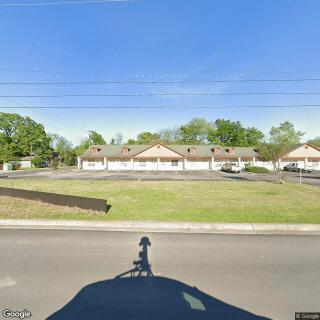
 Strong access to healthcare, dining, and parks nearby.

 5 Early Indicators of Dementia and What You Can Do
 8 Important Indicators That Memory Care May Be Necessary
 Delving into the Inner World of Dementia: Insights into Thoughts and Awareness