


109 Estrella Crossing, Georgetown, TX 78628
For more information about senior living options: (866) 208-4318
The Wesleyan At Estrella Assisted Living Costs & Pricing
The Wesleyan At Estrella Assisted Living offers a range of accommodations at competitive price points when compared to both Williamson County and the broader Texas state averages. For instance, a studio at The Wesleyan costs $4,425 per month, which is notably higher than the county's average of $3,979 and even above the state average of $3,758. Similarly, one-bedroom units are priced at $4,720 - markedly higher than the county's rate of $3,654 but slightly above Texas's average of $3,761. The two-bedroom options present an even greater disparity, with a monthly cost of $5,550 exceeding both local and state benchmarks; Williamson County averages $3,772 while Texas reflects a slightly higher rate of $4,215. While The Wesleyan At Estrella may be positioned on the higher end of the price spectrum in relation to its surrounding area and state figures, it likely offers enhanced amenities or services that justify this premium for prospective residents seeking quality assisted living solutions.
| Floor plans | The Wesleyan At Estrella Assisted Living | Williamson County | Texas |
|---|---|---|---|
| Studio | $4,425 | $3,979 | $3,758 |
| 1 Bedroom | $4,720 | $3,654 | $3,761 |
| 2 Bedrooms | $5,550 | $3,772 | $4,215 |
Assisted Living communities with a similar price nearby
-
from +$575 / mo

Arden Courts Of Austin
$5,000 to $7,180 / month17.4 miles away -
from -$730 / mo

Heritage Lakes Senior Living OPEN NOW
$3,695 to $4,595 / month17.0 miles away -
from -$320 / mo
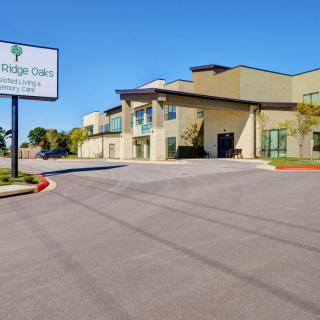
Tech Ridge Oaks N. Austin
$4,105 to $5,075 / month19.6 miles away -
from -$380 / mo

Sage Valley
$4,045 to $6,400 / month17.0 miles away -
About the same
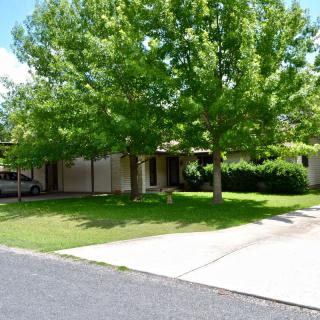
Family Tree Assisted Living
$4,500 to $5,000 / month16.7 miles away
Overall Review of The Wesleyan At Estrella Assisted Living
Pros
 The Wesleyan at Estrella offers a wide variety of activities and social events that keep residents engaged.
- The staff are friendly, caring, and knowledgeable, providing supportive, attentive care.
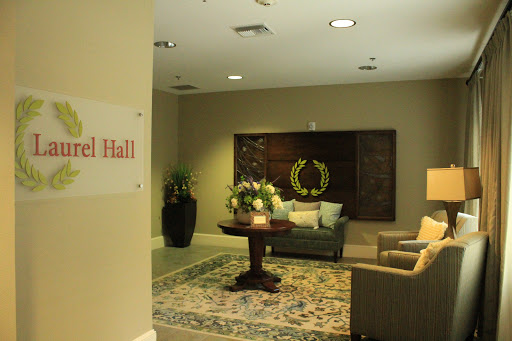
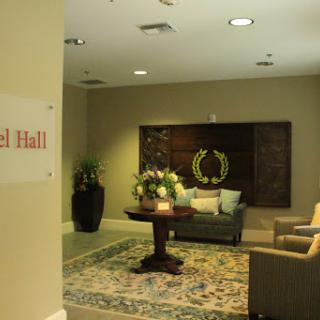
- The memory care area (Laura Hall) is a spacious, well-designed space dedicated to meaningful activities.
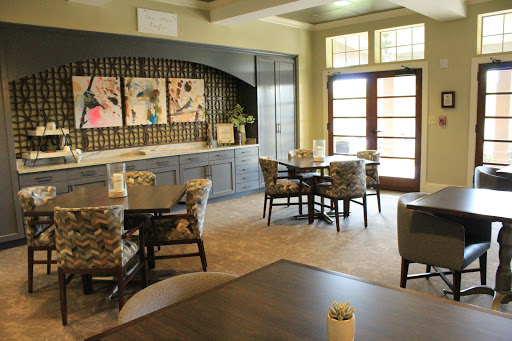
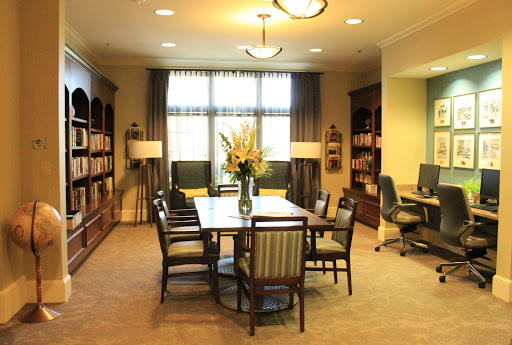
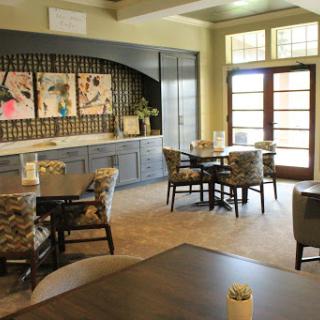
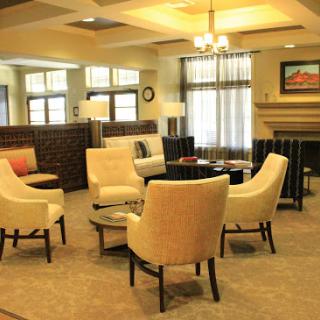
- The dining areas are roomy, well-lit, and provide a cozy, inviting atmosphere.
- The community offers multiple layouts and big rooms, including two-bedroom/two-bath options.
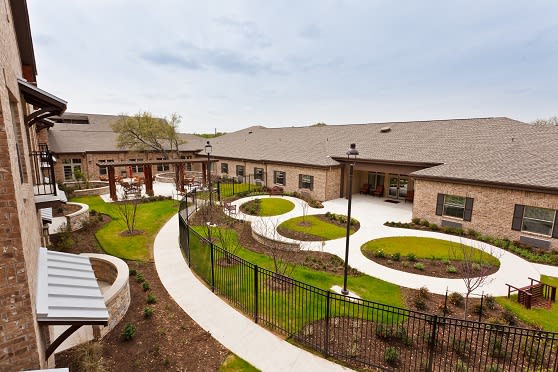
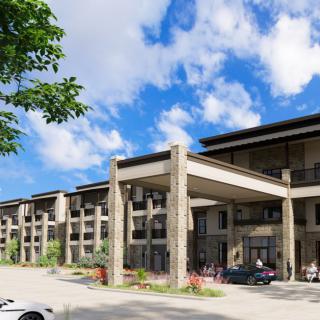
- There are several outdoor courtyards and seating areas, plus walking paths and even a lake with fishing and a golf putting green.
- On-site amenities such as a salon, workout room, theater, and regular entertainment and church services enhance daily life.
- The facility operates with resident involvement through a resident board, giving residents a voice in decisions.
- It’s a non-profit, church-affiliated community with chaplain services and no buy-in charge, plus ongoing social and spiritual activities.
Cons
 They felt memory care was being pushed on them after only three weeks, with staff saying she couldn’t do things she actually could.
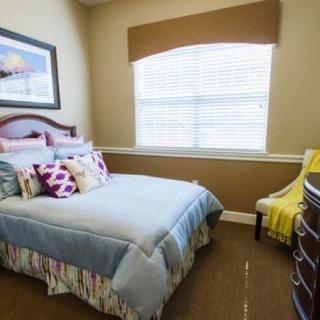
 - The rooms were small.
- The layout could be confusing and overwhelming, making it easy for a resident to get lost.
- The nursing aides’ training needed improvement.
- The meals were not all that great, especially during the chef transition.
- They noted there wasn’t a lot of outdoor space.
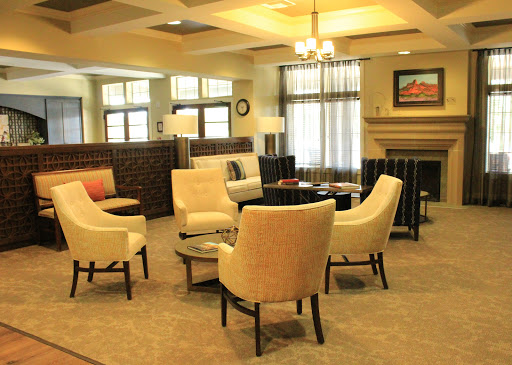
- It felt more like a hotel than a residential community.
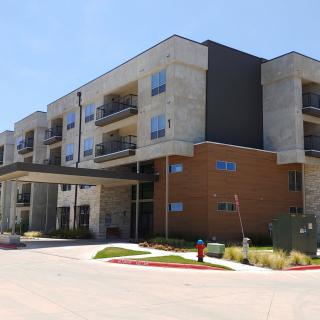
- The two-story layout could cause a resident to get lost.
- The building was open to the public, and strangers could enter.
Review
The Wesleyan at Estrella Assisted Living is best suited for seniors who want a faith-aligned, full-continuum campus experience on one campus, with an active social calendar and a clearly supportive nursing presence. It suits couples or individuals who value on-site memory care alongside assisted living, a robust activity program, chaplain services, and a governance-minded atmosphere where residents participate through a board. The community’s non-profit, church-backed identity translates into a straightforward pricing model with no buy-in and a monthly fee structure that covers broad services. For families prioritizing spiritual life, social engagement, and integrated care on a single campus, this is a strong, practical match.
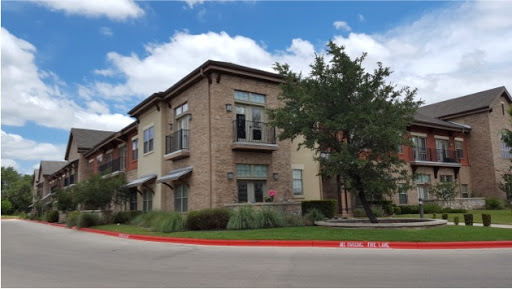
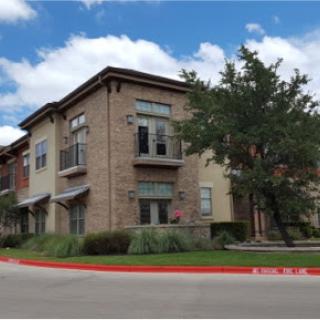
There are clear reasons to consider alternatives if certain constraints matter deeply. Some residents or families worry about a two-story layout and hall configurations that could feel labyrinth-like, especially for those who fear getting disoriented or repeatedly navigating long corridors. Several reviews flag relatively small room sizes in certain floor plans and a perception that outdoor space is less expansive than desired. Pricing can be a consideration for larger apartments, and there are occasional signals that dining quality fluctuives during shifts in chefs. If a single-level layout, expansive outdoor trails, or consistently ultra-modern interiors are a priority, it makes sense to compare other local options.
On balance, the strongest pros here offset the main drawbacks in meaningful ways. The community showcases a broad menu of activities, puzzles, reading and music rooms, films, and regular wellness and social programs, so residents can stay engaged without leaving the grounds. Staff quality emerges as a standout theme: a low resident-to-staff ratio in some reports, professional nursing leadership, and aides who know residents well. The memory-care space, Laura Hall, is purpose-built and integrated into the campus, which helps preserve familiarity for families choosing continuous care. The combination of social life, responsive care, and predictable routines creates measurable emotional and practical value for many families.
Beyond core care, the Wesleyan’s amenities and spiritual framework reinforce its practical strengths. The campus offers on-site beauty services, a salon, a gym, multiple dining options, and a theater to coordinate private showings or community events. Outdoor and passive recreation opportunities, courtyards, a walking trail, and even garden spaces, provide accessible respite for residents who crave fresh air without strenuous travel. The church connection adds a familiar rhythm of chapel services and chaplain support, which can be especially meaningful for residents seeking purpose and regular mindfulness. These elements collectively reduce the friction of daily life and strengthen perceived quality of life.
One notably important caution surfaces around care transitions. A family describing an early push toward memory-care placement in the first weeks after admission highlights a real risk: assessments can intensify quickly, and families should insist on thorough, person-centered evaluations rather than rapid category changes. That experience underlines the necessity of validating each resident’s current abilities before any move into memory care. It also suggests tours should probe the staff’s approach to readiness criteria, daily routines in Laura Hall, and how transitions are communicated to families. The same caution applies to layout concerns, the two-story footprint and hallway logistics deserve close scrutiny during tours and trial visits.
In the end, The Wesleyan at Estrella stands out for families seeking a practical, socially rich, continuum-of-care environment anchored by a faith-based mission and resident governance. Its strengths, engaged staff, meaningful activities, memory-care integration, and broad amenities, often outweigh the drawbacks, particularly for those who value a robust nursing presence and a built-in social ecosystem. For households prioritizing simple layouts, more expansive outdoor spaces, or the quiet speed of a smaller campus, it makes sense to explore alternatives with closer attention to room size, wayfinding, and a more straightforward care transition policy. Overall, this community delivers a compelling blend of care, community, and continuity for its target needs.
 75 resident community capacity
 1-bedroom apartments
 Assisted Living
 Independent Living
 Memory Care
 Respite Care
 Skilled Nursing Facility
 Activities off-site
 Air-conditioning
 Beautician on-site
 Cable or satellite TV
 Computer center
 Devotional services off-site
 Dining room
 Fitness room
 Full kitchen
 Fully furnished
 Gaming room
 Garden
 Ground floor units
 Handicap accessible
 Housekeeping services
 Indoor common areas
 Laundry
 Move-in coordination
 Outdoor common areas
 Party space
 Private bathrooms
 Resident parking
 Restaurant-style dining
 Small library
 Telephone
 Wellness center
 Wheelchair accessible showers
 Wi-Fi/high-speed internet available
 Community operated transportation
 12-16 hour nursing
 24-hour call system
 Ambulatory care
 Assistance with bathing
 Assistance with dressing
 Assistance with transfers
 Diabetes diet
 Incontinence care
 Medication management
 Mental wellness program
 Special dietary restrictions
 Catholic services
 Concierge services
 Day trips and outings
 Educational speakers / life long learning
 Live dance or theater performances
 Live musical performances
 English


 22 Remarkable Caregiver Support Groups Available Online and In-Person
 Understanding Medicaid Coverage for Assisted Living: A Comprehensive Guide
 How and When Medicaid May Cover Assisted Living Costs