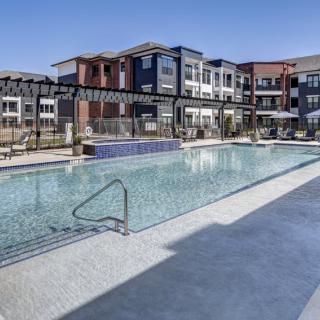
The Oscar At Georgetown (Opening Summer 2023)

Save

  • Interior

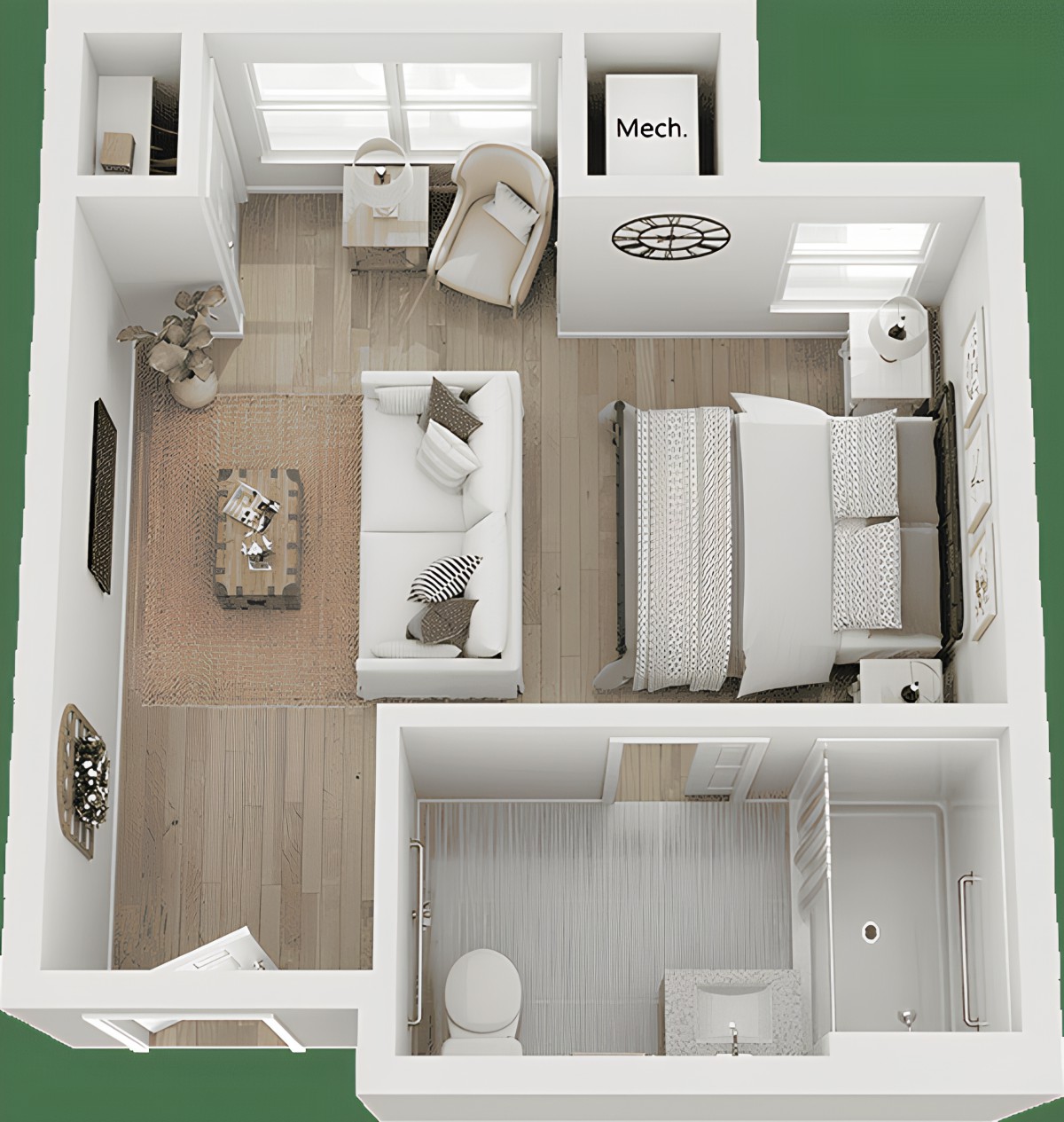
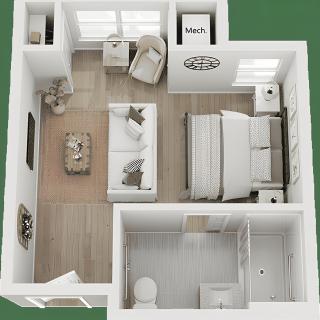
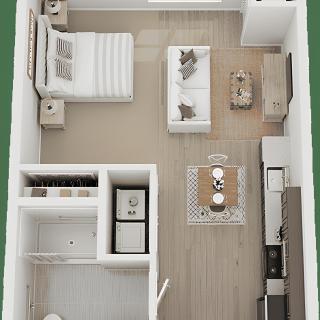
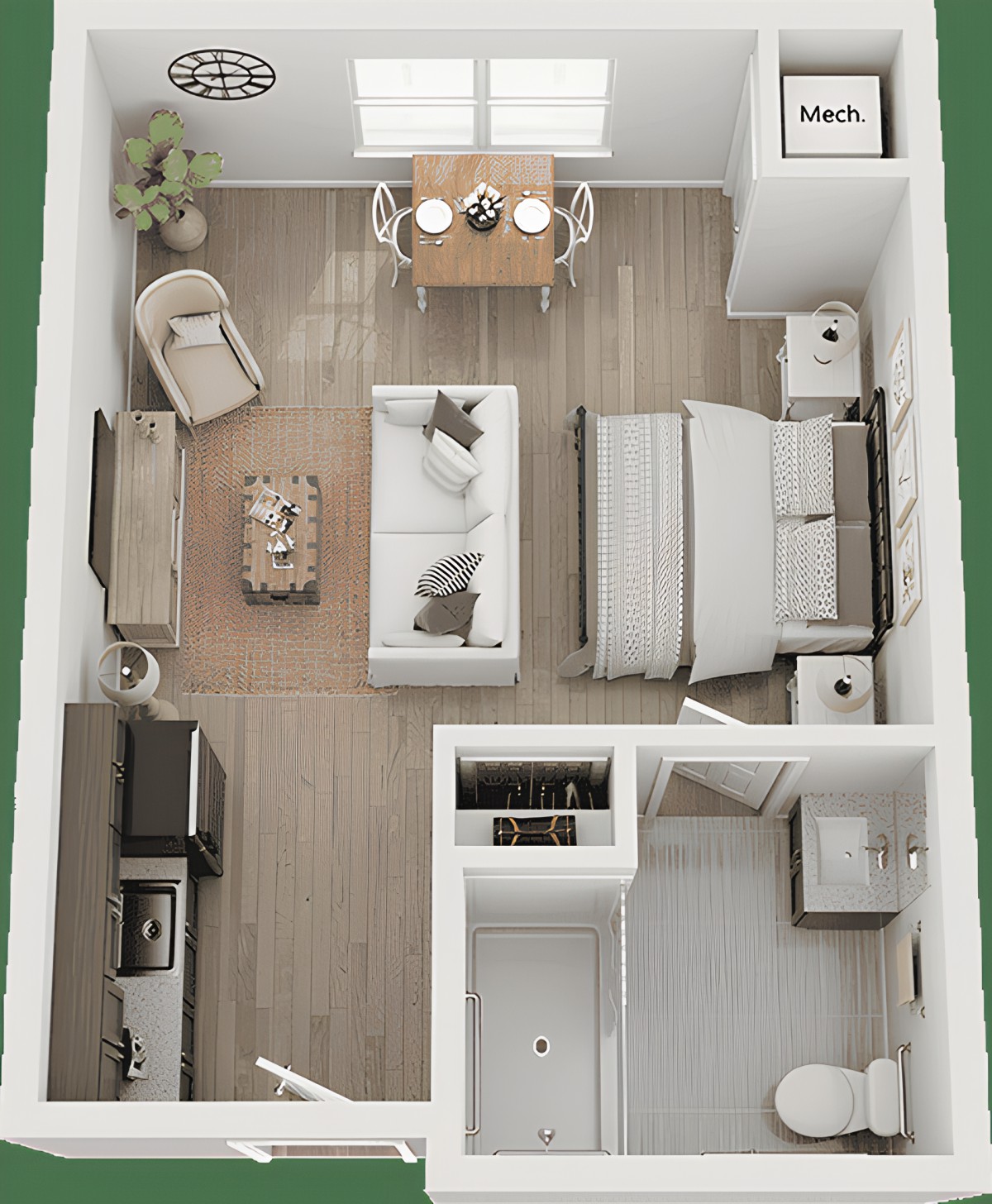
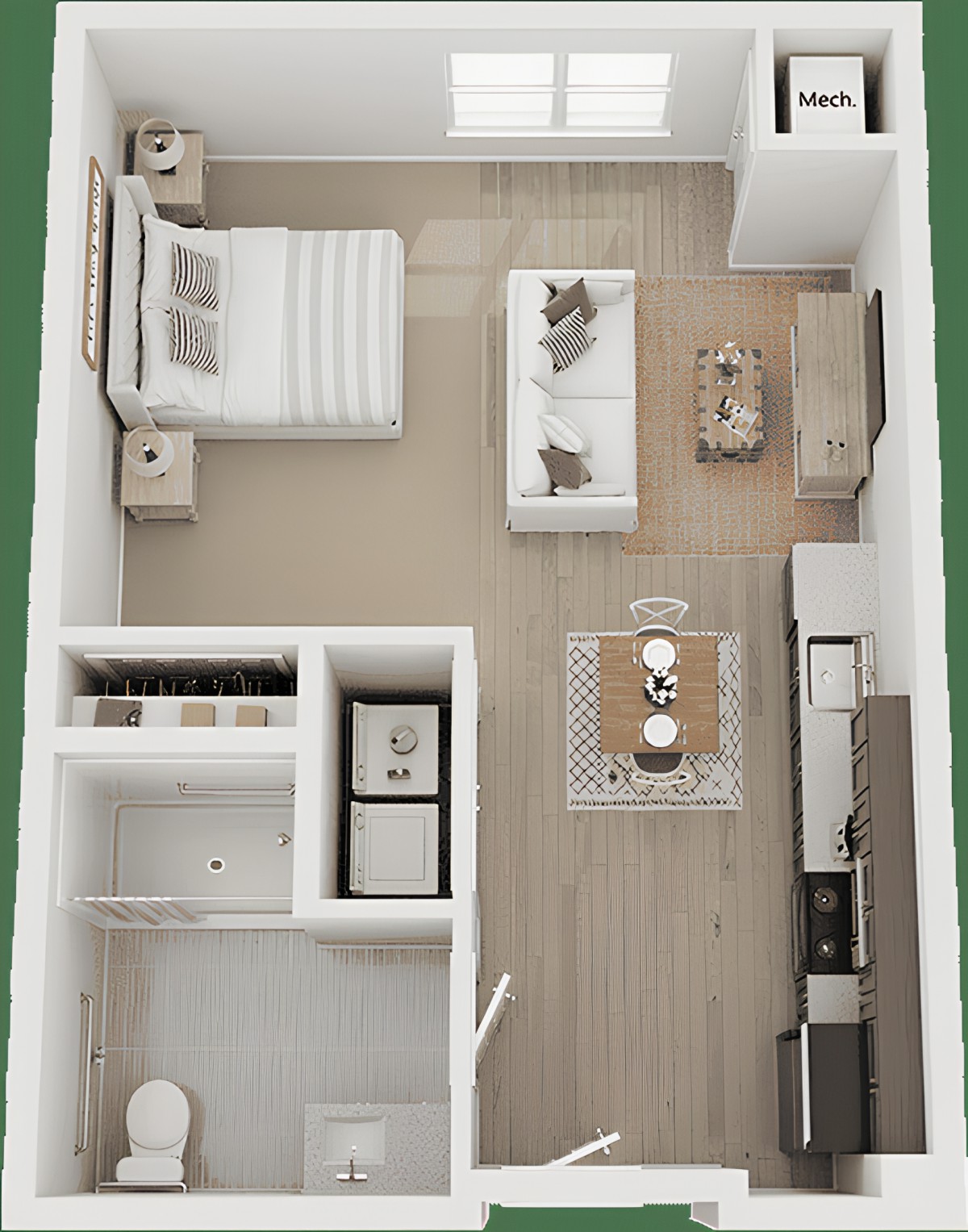
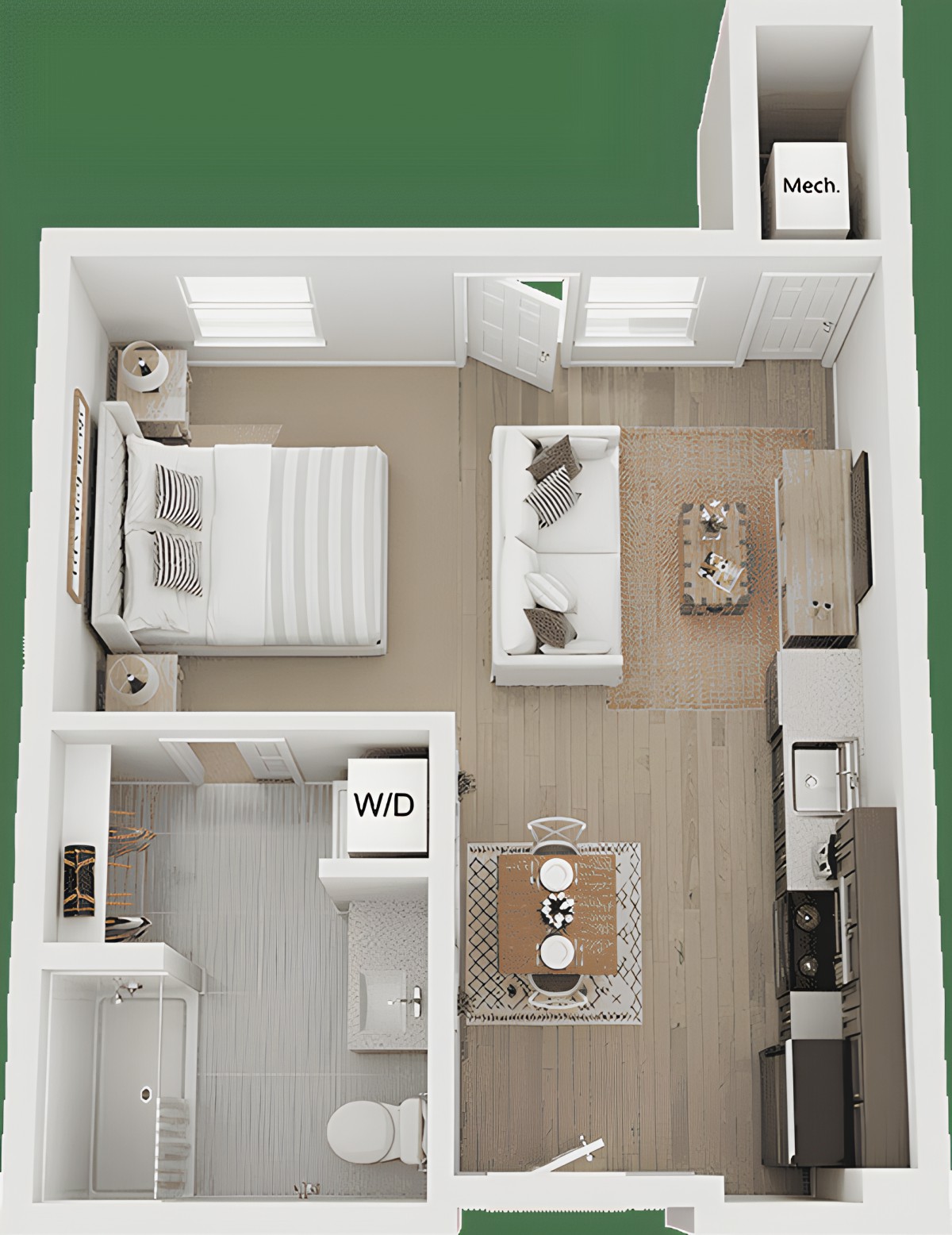
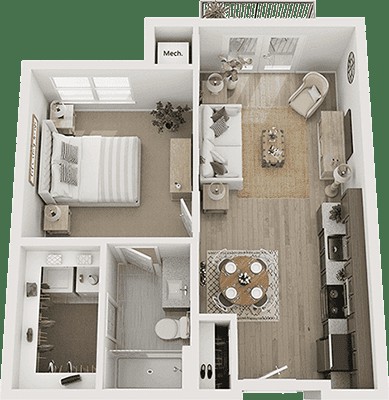
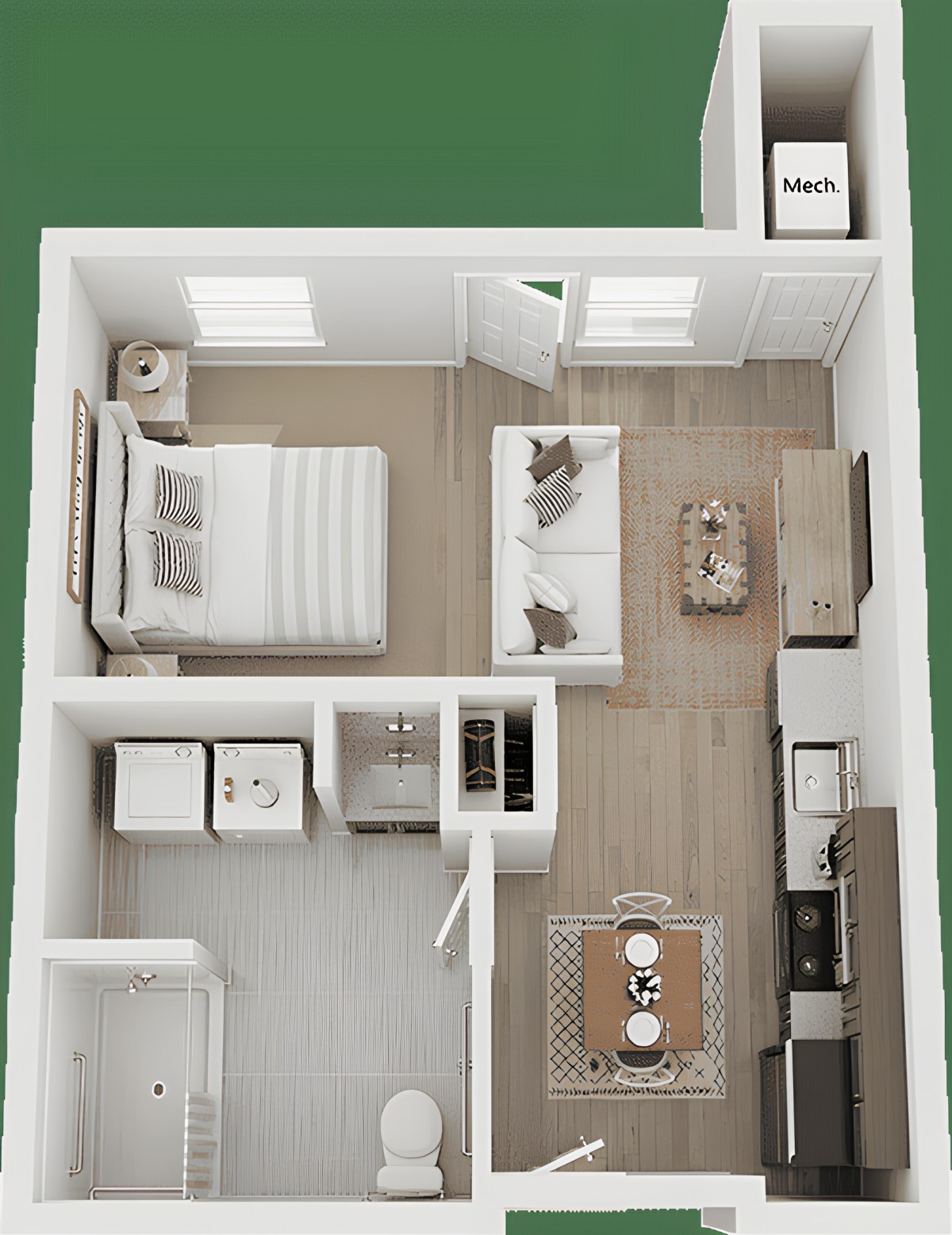
    A studio apartment floor plan featuring a combined living and sleeping area with a cozy sitting space, bed, and compact kitchen.
  • Living Room

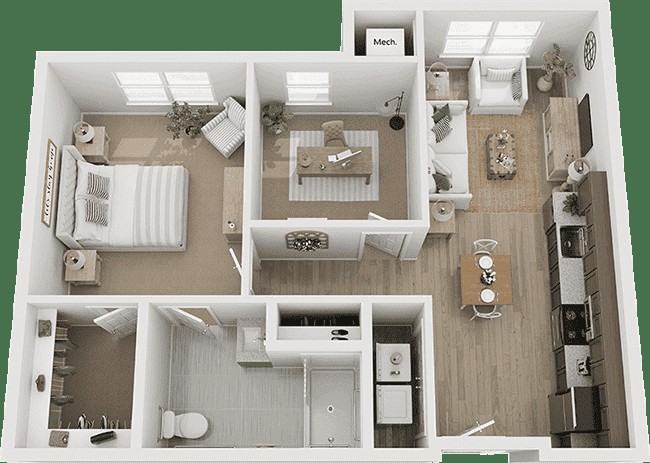
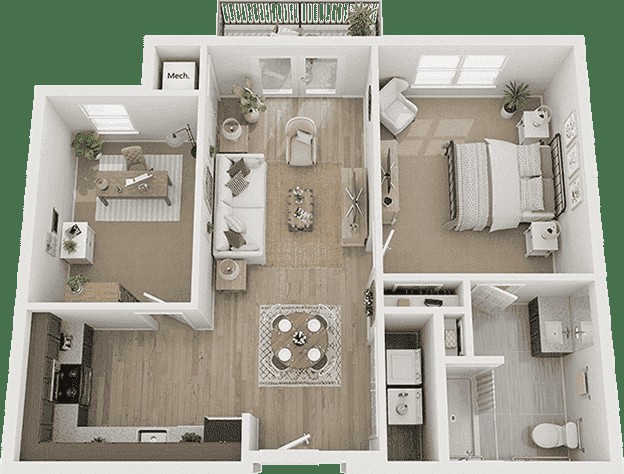
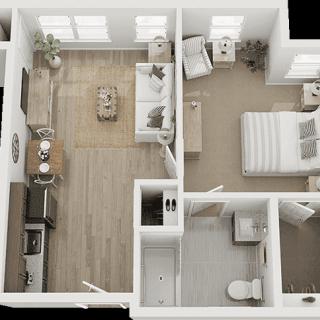
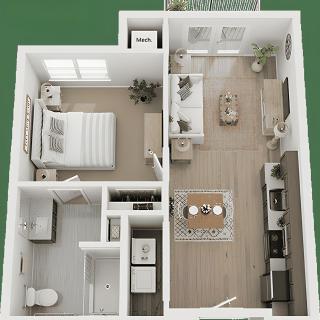
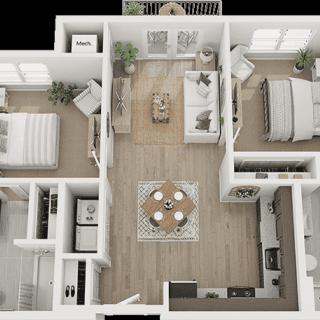
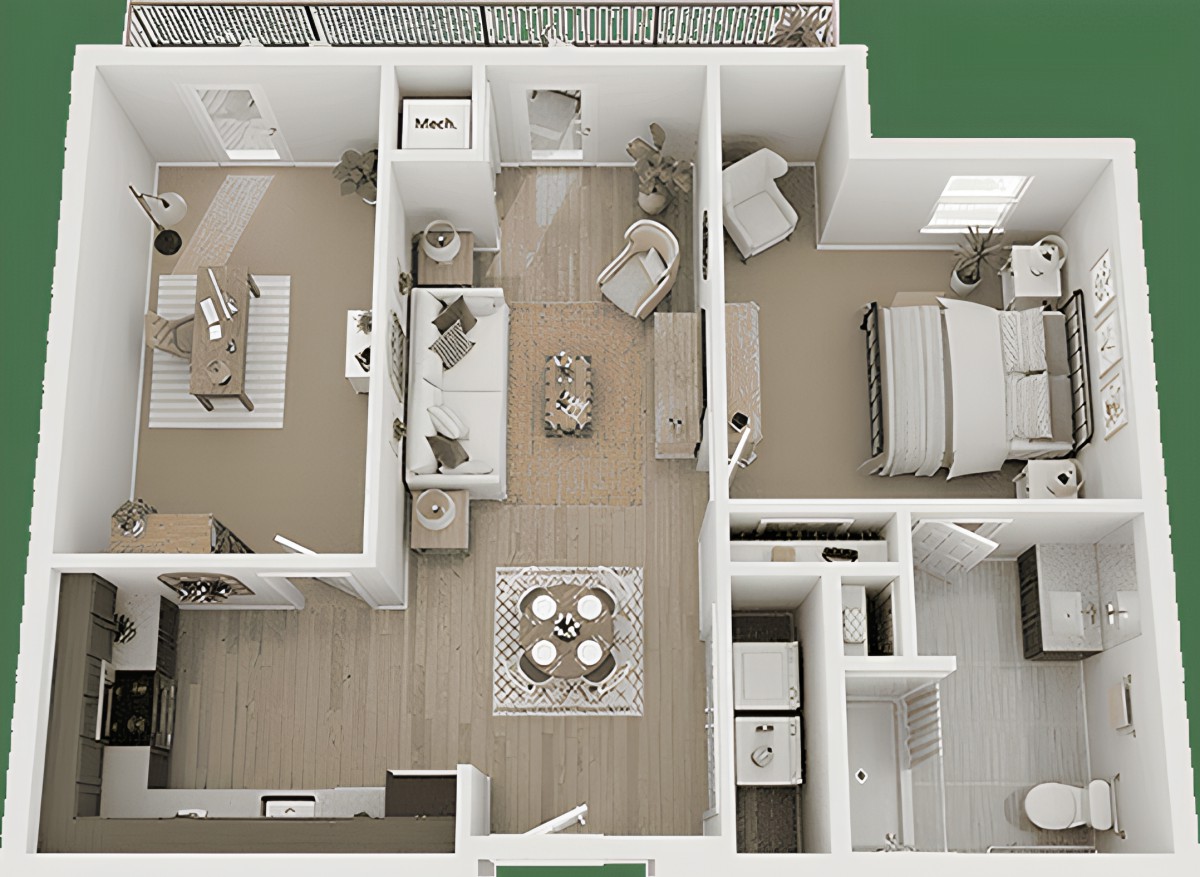
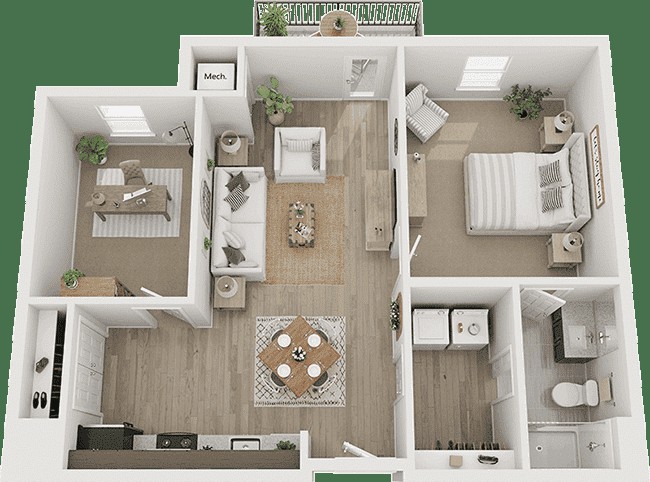
    A 3D rendered floor plan of a one-bedroom apartment featuring a living room, kitchen, and bathroom.
  • Bedroom

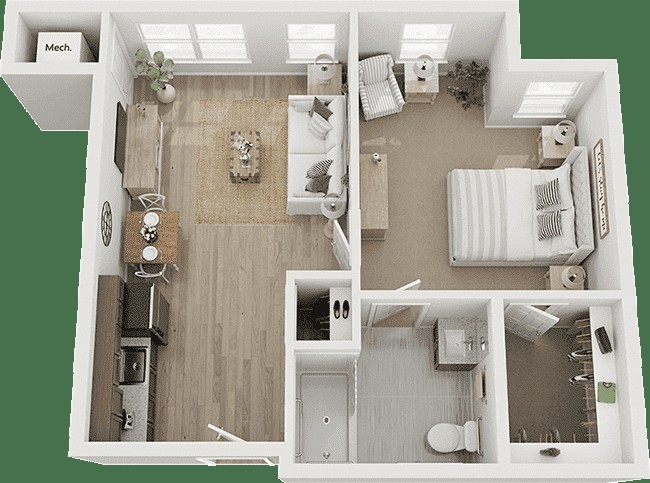
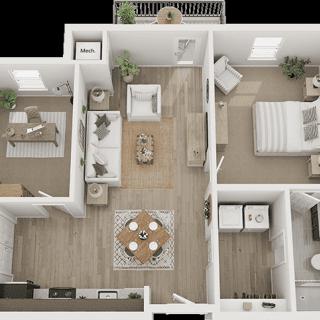
    A 3D floor plan of a one-bedroom apartment featuring a modern living area, kitchen, bathroom, and bedroom.
  • Dining

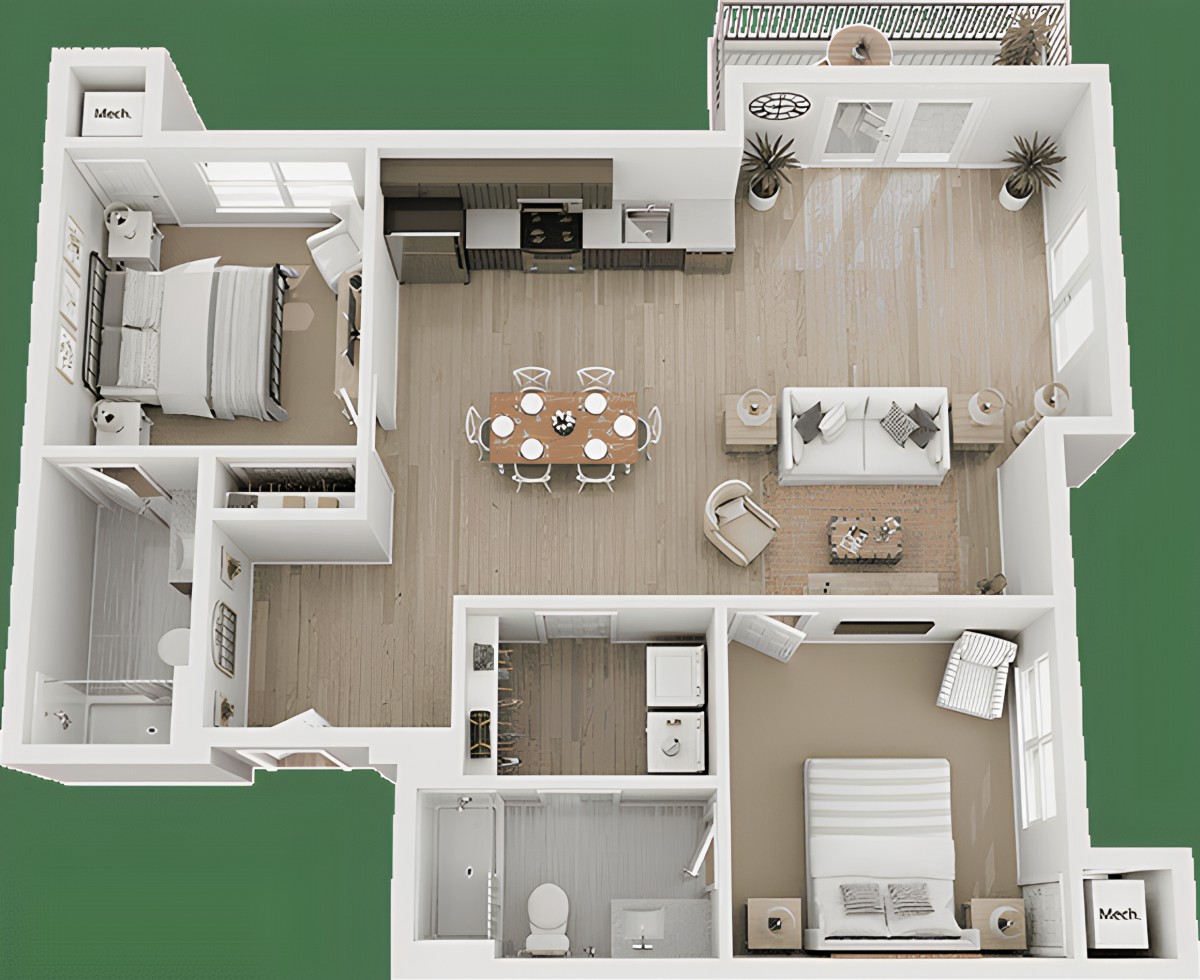
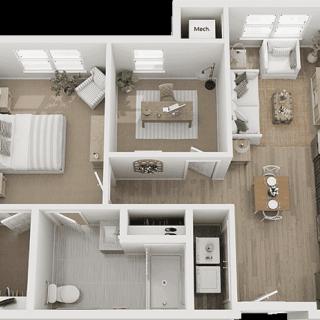
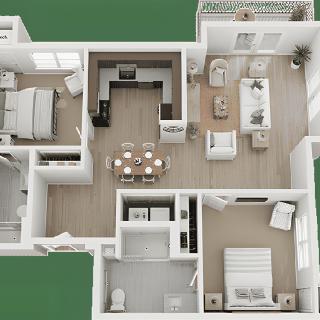
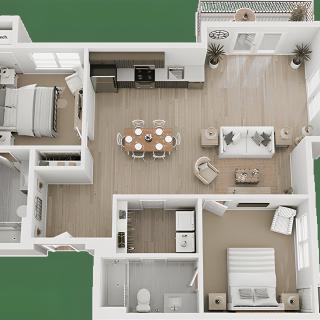
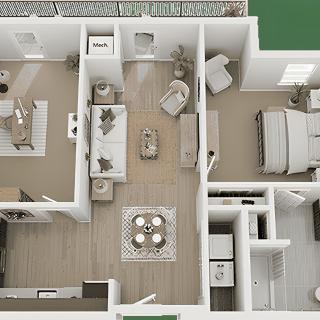
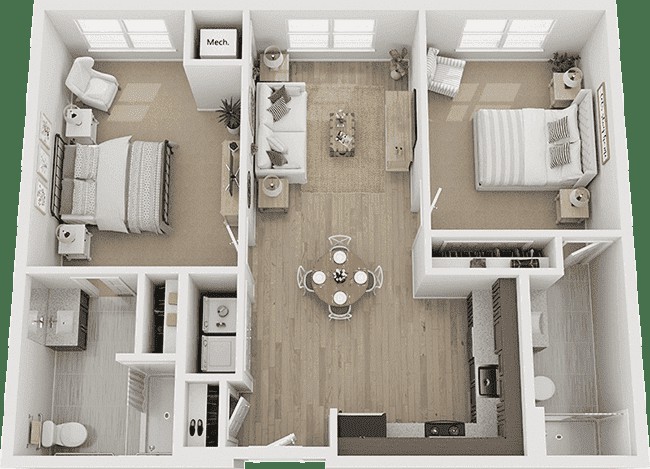
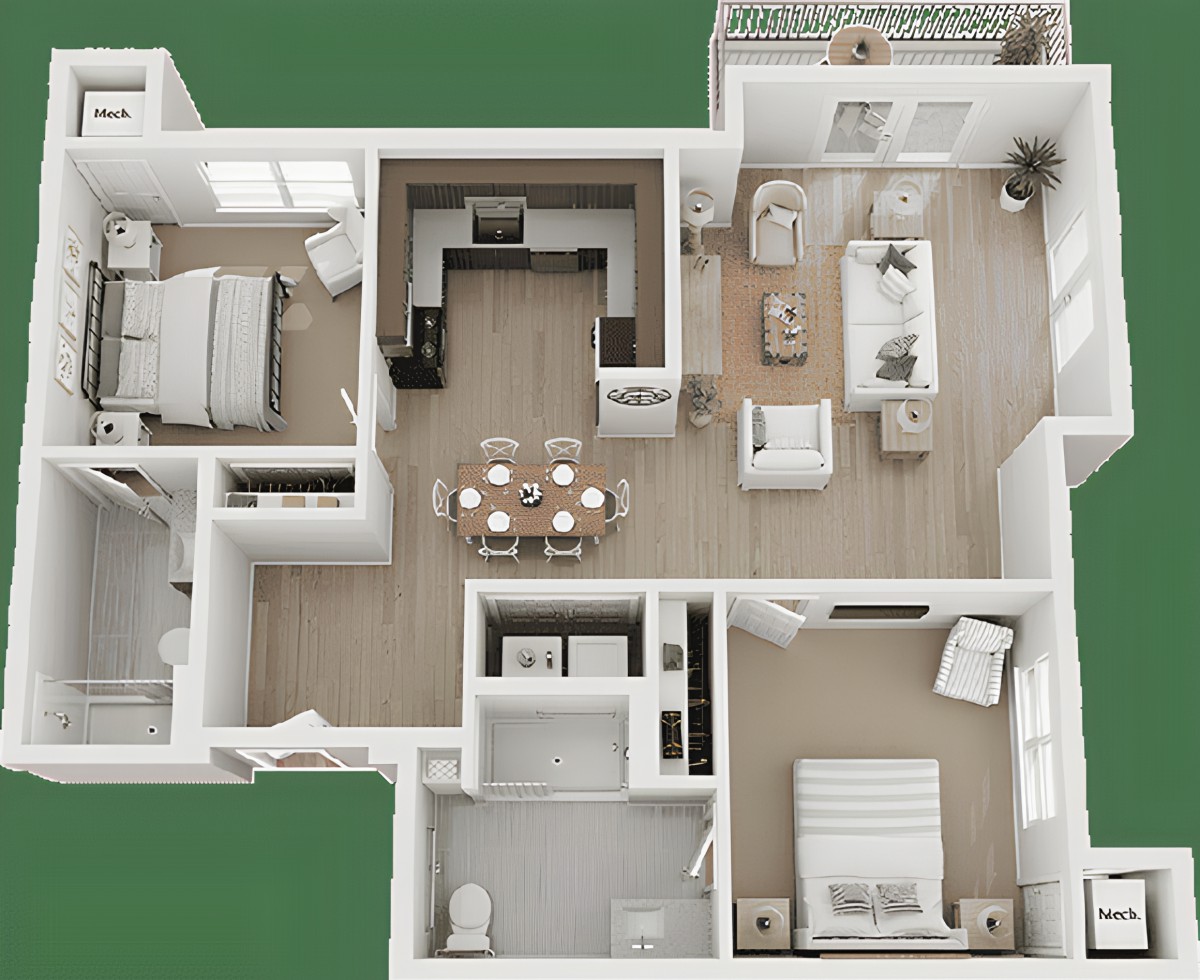
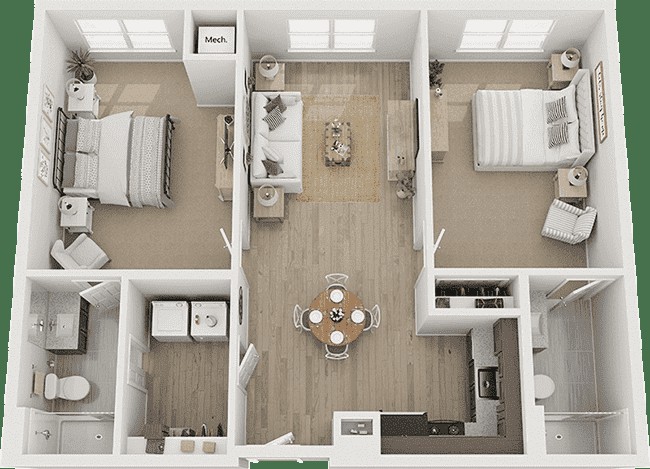
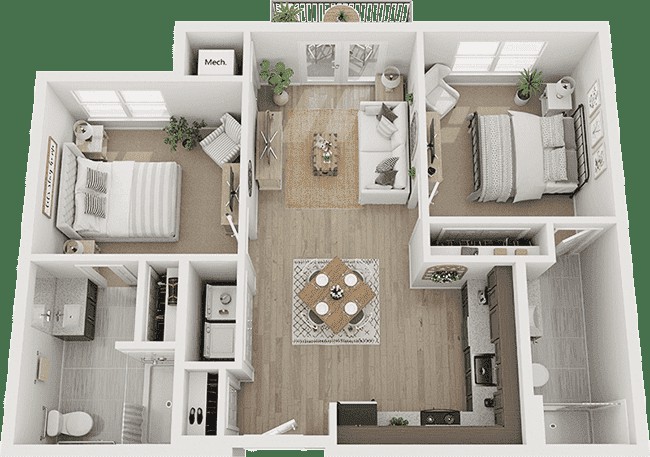
    A 3D floor plan of a modern apartment with two bedrooms, a living room, kitchen, dining area, and bathroom.
  • Kitchen

    A 3D floor plan of a modern two-bedroom apartment featuring an open living area and kitchen.
  • Floor Plan

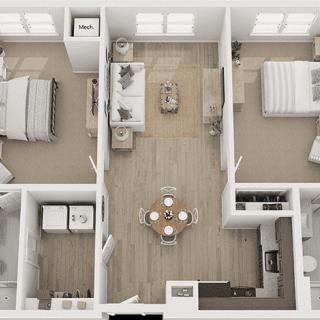
    3D floor plan of a two-bedroom apartment with modern furniture and open living space.
  • Bathroom

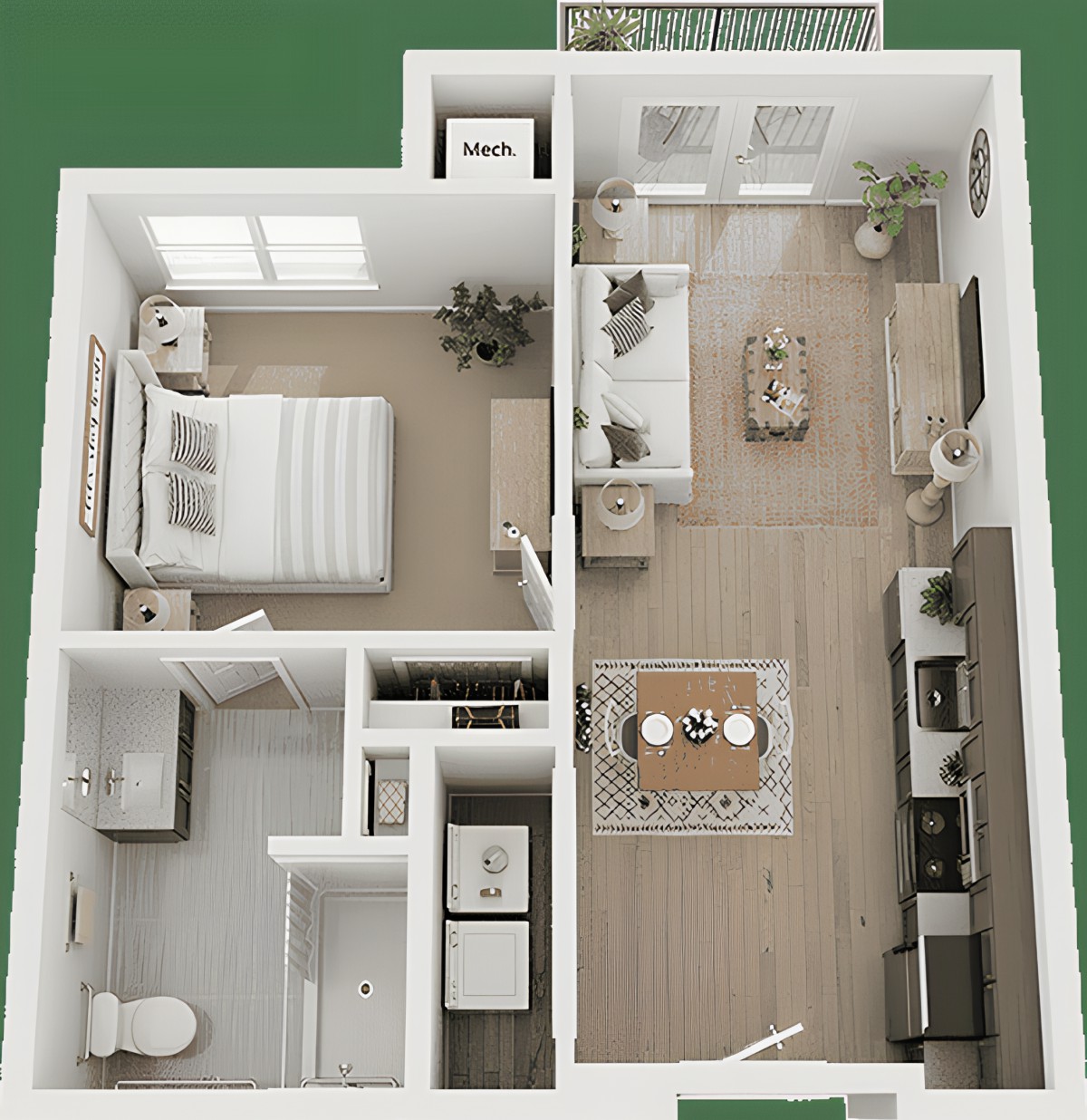
    A 3D floor plan of a modern one-bedroom apartment with an open living room and kitchen layout.
  • Living Area

    A minimalist studio apartment floor plan with an open layout featuring a bedroom, kitchen, and living area.
  • Living Space

    A top-view floor plan of a modern apartment with two bedrooms, a living room, kitchen, and dining area.
  • Home Design

    A digital floor plan showcasing a modern apartment layout with a living room, kitchen, bedroom, and bathroom.
  • Open Concept

    A detailed floor plan of a modern apartment showcasing an open living and dining area, two bedrooms, and a bathroom.

The Oscar At Georgetown (Opening Summer 2023)

Information last verified:

3810 Williams Drive, Georgetown, TX 78628

For more information about senior living options: (844) 490-3973

4.6 from 73 reviews
5 stars
65
4 stars
2
3 stars
0
2 stars
0
1 stars
6

Seniors.FYI Elite Community Awards

Top 5% Senior Living Community in 2026

Add this award to your website

Overall Review of The Oscar At Georgetown (Opening Summer 2023)

Pros

  • pro Jasmine Walker is consistently described as welcoming, knowledgeable, and genuinely dedicated to supporting families.
  • pro The Oscar at Georgetown is a stunning, beautifully maintained, warm, and modern community with top-notch amenities.
  • pro The staff are friendly, attentive, and genuinely make residents and families feel welcome.
  • pro The grounds and amenities are highlighted as beautiful, high quality, and engaging.
  • pro The residents are energetic, happy, friendly, and supportive, creating a positive community culture.
  • pro Leadership, including executive director Brian Haddock, is praised as caring, proactive, and excellence-driven.
  • pro Katlyn is praised as a bright, transparent, and kind tour guide who puts families at ease.
  • pro The activities team, including Hannah, is commended for organizing events that include all residents and make them feel included.
  • pro The chef and dining staff are described as fantastic, with delicious and varied dining options.
  • pro The Oscar is described as a game changer for seniors’ quality of life, combining joy, security, and luxury in accessible ways.
  • pro The community feels like home from day one, with a warm energy that stands out among others.
  • pro The Oscar staff and management are repeatedly described as the best, with many testimonials of supportive, professional care.

Cons

  • pro The reviewer contends that residents must walk half a mile to reach the building, which would be dangerous during life-threatening emergencies, and notes the front desk requires going through the front.
  • pro The reviewer states that the experience after moving a parent from independent to assisted living was horrible.
  • pro The reviewer describes medication mismanagement, failure to follow through with contractual services and care plan components, and refusal to provide complete medication administration records.
  • pro The reviewer claims the corporate office did not respond to complaint correspondence, despite involving licensing agencies.
  • pro The reviewer observed the transport van traveling well over the speed limit and would not want a loved one on that van.
  • pro The reviewer criticizes Atlas for continuing to employ a project supervisor who is said to be battling personal demons, contributing to delays in opening.

Review

The Oscar at Georgetown is best suited for active, socially minded seniors who want a modern, amenity-rich setting and a built-in sense of community. It works especially well for couples or pairs where one person maintains independence but both value a robust calendar of activities, frequent social contact, and excellent dining. For families prioritizing intimate, low-key environments or requiring high-level medical oversight, memory-care specialization, or ultra-tight safety protocols, alternatives deserve serious consideration. The campus-style layout and new construction make a strong impression for those who want a fresh, polished look with resort-like touches, and the willingness of staff to engage is a recurring headline in the experience. However, potential residents should weigh the realities of medical management and accessibility needs against the glossy exterior before committing.

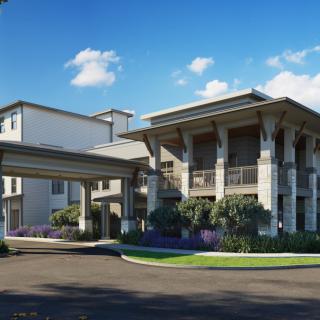
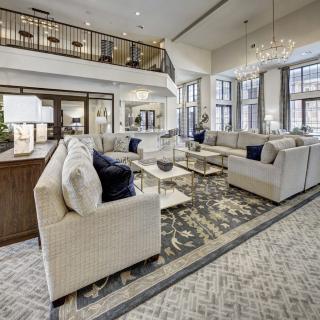
From the moment inquiries begin, the Oscar’s warmth is palpable. Prospective families consistently encounter a beautifully designed, well-maintained environment that feels inviting rather than clinical. The interior is described as modern and cozy, with a palpable energy among residents and staff alike. The sales team, especially Jasmine, are repeatedly praised for being attentive, patient, and genuinely focused on understanding what families prioritize. That level of hospitality translates into tours that feel less like a sales pitch and more like an introduction to a welcoming home. The common thread across abundant positive impressions is a campus that exudes hospitality, where staff friendliness blends with aesthetically pleasing public spaces and a thoughtful array of amenities.

The operational upside is equally persuasive. The Oscar offers a comprehensive menu of high-quality dining options, an indoor saltwater pool, a lively activity calendar, and a broad slate of social and cultural events that encourage participation and relationship-building among residents. Weekly housekeeping, dining venues ranging from formal to casual, and on-site medical transportation create a sense of seamless daily living. The leadership team, led by a proactive executive director, receives frequent praise for accessibility and involvement, and a deep bench of team members, activity directors, kitchen staff, and caregivers, consistently earns positive notes for going above and beyond. The feel of the community is one of purposeful engagement: residents appear connected, supported, and eager to participate in events crafted to suit varied interests, from crafts and games to organized outings.

Yet, not every experience aligns with the rosy picture. The most alarming downside cited involves medication management and record-keeping when moving a resident from independent living to assisted living. A small but significant cohort reports issues with medication administration records, delays, and perceived gaps in care planning that prompted families to move loved ones elsewhere. Another concern centers on safety and responsiveness: reports of a front-desk process that feels burdensome during emergencies, as well as transportation safety questions, including a driver and pace that some neighbors interpret as risky. There are also critiques of corporate-level silence in response to complaints, which can undermine confidence in the facility’s problem-solving and accountability. Taken together, these experiences establish credible red flags about medical oversight and organizational responsiveness that cannot be dismissed.

Those concerns, however, do not erase the substantial strengths on the table. The core pros, dynamic programming, a top-tier dining and culinary team, social vitality, and a visibly caring staff, frequently outweigh the negatives for families who place a premium on life enrichment and social belonging. The strong sense of community is not incidental: residents, caregivers, and activities staff collaborate to foster meaningful connections, and families consistently report that staff members treat residents with warmth and respect. When coupled with the facility’s aesthetic appeal, thought-out amenities, and the energy of a well-coached hospitality operation, the Oscar presents a compelling balance sheet for long-term happiness, provided medical oversight and care coordination issues are actively addressed and monitored.

The practical takeaway is clear. The Oscar at Georgetown is a premier option for seniors who want a vibrant, engaging environment with luxury touches and a robust social ecosystem, delivered by a team that many families describe as truly devoted. For households where the primary need is complex medical management, strict medication governance, or early memory-care specialization, it is prudent to compare alternatives that emphasize deeper clinical oversight and proven memory-care programming. On a tour, prospective residents should push for transparent demonstrations of medication administration processes, access to complete care plans, and a candid accounting of how safety and rapid-response needs are managed in real time. Also verify transportation policies and staffing ratios during peak hours to ensure the level of oversight aligns with expectations.

In sum, The Oscar at Georgetown stands out as a high-caliber, emotionally resonant option for active seniors who prize social life, excellent hospitality, and modern comforts. Its best-fit niche includes couples and individuals who seek a sunny, activity-rich home that makes daily life feel special. For families with elevated medical needs, or for those who must see ironclad medication governance and uncompromising safety rescue plans, careful due diligence is essential, and exploring alternatives with a stronger clinical footprint is advisable. When touring, prioritize conversations with Jasmine, Hannah, Katlyn, and the leadership team to map out a concrete care-pathway, request detailed medication records, and confirm that the promises of a warm, inclusive community translate into dependable, safe daily care. If those boxes can be checked, The Oscar is not merely a choice, it becomes a confident, well-supported home for the next chapter.

Features

Housing

  • 51 resident community capacity 51 resident community capacity

Types of Care

  • Assisted Living Assisted LivingAssisted living facilities provide crucial support and care for seniors who may need help with daily tasks such as medication management, bathing, and meal preparation. These communities offer a safe and comfortable environment where seniors can maintain their independence while receiving the assistance they need to thrive in their golden years.
  • Memory Care Memory CareMemory care is crucial for seniors as it provides specialized support and services for individuals with dementia or Alzheimer's disease. These programs offer a safe and secure environment where residents receive personalized care, cognitive stimulation, and help with daily activities. Memory care helps seniors maintain their independence, quality of life, and dignity while also providing peace of mind for their families.

Amenities

  • Air-conditioning Air-conditioningAir conditioning is important for seniors as they are more vulnerable to heat-related illnesses and may have underlying health conditions that make it difficult for them to regulate their body temperature. It helps to keep them comfortable, safe, and healthy in hot weather.
  • Beauty salon Beauty salonBeauty salons are important for seniors because they provide a space for them to feel pampered, socialize, and maintain their personal grooming and hygiene. Regular visits to a beauty salon can help boost seniors' self-esteem and overall well-being.
  • Cable or satellite TV Cable or satellite TVCable or satellite TV is important for seniors because it provides entertainment, news, and companionship, helping to combat loneliness and boredom. It also offers a wide range of programming options tailored to different interests and preferences.
  • Computer center Computer centerA computer center is essential for seniors as it provides access to technology, communication tools, and resources that can enhance their daily lives. It allows them to stay connected with loved ones, engage in online activities, and learn new skills, ultimately promoting socialization and mental stimulation.
  • Dining room Dining roomDining rooms are important for seniors as they provide a space for socialization, connection, and nutritious meals. They offer opportunities for residents to bond over shared meals, foster a sense of community, and promote healthy eating habits. Dining rooms also ensure that seniors have access to well-balanced meals tailored to their dietary needs and preferences.
  • Fitness room Fitness roomHaving a fitness room in a senior living community is essential for seniors to stay active, maintain their physical health, and improve their overall well-being. Regular exercise can help prevent falls, reduce the risk of chronic diseases, and promote mental sharpness. It also provides social opportunities for residents to connect with others and enjoy a sense of community.
  • Fully furnished Fully furnishedFully furnished senior living communities are important for seniors because they provide convenience, comfort, and a hassle-free moving experience. Seniors can easily settle into their new living space without the stress of having to buy and move furniture. This allows them to focus on enjoying their new home and community.
  • Gaming room Gaming roomGaming rooms are important for seniors as they provide a fun and engaging environment for socializing, cognitive stimulation, and physical activity. Games can improve memory, problem-solving skills, and overall mental well-being while fostering friendships and reducing feelings of isolation.
  • Garden GardenGardens are important for seniors as they provide a peaceful and therapeutic environment for relaxation, physical activity, and socialization. Being in nature has been shown to reduce stress, improve mood, and promote overall well-being. Gardens also offer opportunities for seniors to engage in gardening activities, which can improve mobility, flexibility, and cognitive function. Additionally, gardens create a sense of community and connection with others who share a passion for plants and outdoor spaces.
  • Housekeeping services Housekeeping servicesHousekeeping services are important for seniors because they help maintain a clean and safe living environment, promote independence, and reduce the risk of accidents or illnesses. Additionally, having assistance with household chores can alleviate physical strain and allow seniors to focus on other aspects of their well-being.
  • Kitchenette KitchenetteKitchenettes are important for seniors living in senior living communities because they provide the convenience and independence of being able to prepare simple meals and snacks in the comfort of their own living space. This can help promote a sense of autonomy and well-being for seniors, allowing them to maintain some level of control over their dietary choices and daily routines.
  • Move-in coordination Move-in coordinationMove-in coordination is important for seniors because it helps ease the transition into their new living environment. It ensures that all logistics, such as packing, organizing movers, and setting up utilities are taken care of, allowing seniors to focus on settling in and adjusting to their new home. Having a smooth move-in process can alleviate stress and anxiety, making the transition smoother and more enjoyable for seniors.
  • Outdoor space Outdoor spaceOutdoor spaces are important for seniors as they provide opportunities for physical activity, social interaction, exposure to natural light and fresh air, and a sense of connection to nature. Having access to outdoor spaces can improve overall well-being and quality of life for older adults living in senior communities.
  • Private bathrooms Private bathroomsPrivate bathrooms are important for seniors in senior living communities because they provide independence, dignity, and comfort. Having a private bathroom allows seniors to maintain their personal hygiene routines without the need for assistance, promoting a sense of autonomy and privacy. Additionally, private bathrooms help prevent the spread of infections and provide a safe and clean environment for seniors to navigate safely.
  • Restaurant-style dining Restaurant-style diningRestaurant-style dining is important for seniors because it allows them to enjoy delicious, nutritious meals in a social and upscale setting. This enhances their dining experience, promotes healthy eating habits, and fosters socialization with fellow residents, ultimately contributing to their overall well-being and quality of life.
  • Small library Small librarySmall libraries are important for seniors as they provide access to a variety of reading materials, including books, newspapers, and magazines. This can help stimulate their minds, keep them engaged, and provide a sense of community through book clubs and other social activities. Additionally, reading has been shown to improve cognitive function and overall mental well-being in older adults.
  • Telephone TelephoneTelephones are important for seniors as they provide a lifeline for communication with loved ones, emergency services, and healthcare providers. They offer a sense of security and independence, enabling seniors to stay connected and access assistance when needed.
  • Wellness center Wellness centerWellness centers are important for seniors because they offer a variety of programs and services that promote physical, mental, and emotional well-being. These centers provide opportunities for exercise, socialization, education, and relaxation, helping seniors maintain their overall health and quality of life.
  • Wi-Fi/high-speed internet available Wi-Fi/high-speed internet availableWi-Fi/high-speed internet is important for seniors to stay connected with loved ones, access online resources, and participate in virtual activities to combat feelings of loneliness and isolation. It also allows them to easily manage healthcare needs, access entertainment, and engage in lifelong learning opportunities.

Transportation

  • Community operated transportation Community operated transportationCommunity operated transportation is crucial for seniors as it provides them with the means to access essential services, social activities, and medical appointments. It allows seniors to maintain their independence and quality of life by ensuring they can participate in activities outside of their homes. Additionally, community-operated transportation services offer a safe and reliable way for seniors to travel without having to rely on family or friends for assistance.
  • Transportation arrangement Transportation arrangementTransportation arrangements are crucial for seniors as they may face challenges with driving, mobility, or access to public transportation. Having reliable transportation services ensures that seniors can easily attend appointments, social activities, and maintain their independence and quality of life.
  • Transportation arrangement (non-medical) Transportation arrangement (non-medical)Transportation arrangements are essential for seniors as they provide access to essential services, activities, and social interactions outside the home. This service helps maintain independence, mobility, and overall well-being for seniors who may have limited transportation options.

Care Services

  • 12-16 hour nursing 12-16 hour nursing12-16 hour nursing care is crucial for seniors in order to ensure around-the-clock monitoring, timely medication administration, and prompt response to any health concerns or emergencies. This level of care helps to promote the overall well-being and safety of seniors living in senior living communities.
  • 24-hour call system 24-hour call system24-hour call systems are important for seniors because they provide peace of mind and immediate assistance in case of emergencies. This technology ensures that help is always available, promoting safety and security for elderly individuals living alone or in assisted living facilities.
  • 24-hour supervision 24-hour supervision24-hour supervision is important for seniors to ensure their safety, well-being, and access to immediate assistance in case of emergencies or health issues. This constant support provides peace of mind for both seniors and their loved ones, allowing them to age in place with dignity and security.
  • Activities of daily living assistance Activities of daily living assistanceActivities of daily living assistance are important for seniors because they provide essential support with tasks such as eating, bathing, dressing, and mobility. This assistance helps seniors maintain their independence, dignity, and overall quality of life as they age.
  • Assistance with bathing Assistance with bathingAssistance with bathing is crucial for seniors as it helps maintain personal hygiene, prevents infections, and ensures their overall well-being and comfort. It also provides a sense of dignity and independence for seniors who may struggle with this task on their own.
  • Assistance with dressing Assistance with dressingAssistance with dressing is important for seniors because it helps maintain their independence, promotes personal hygiene, prevents accidents and injuries, and improves overall quality of life. This service ensures that seniors can continue to dress comfortably and confidently, despite any physical limitations they may have.
  • Assistance with transfers Assistance with transfersAssistance with transfers is crucial for seniors as it helps prevent falls and injuries, maintains their independence, and ensures they can safely navigate their living environment. It also provides peace of mind for both seniors and their loved ones.
  • Coordination with health care providers Coordination with health care providersCoordination with health care providers is crucial for seniors to ensure proper medical care, medication management, and overall well-being. This collaboration helps prevent overlapping treatments, track progress more effectively, and provide comprehensive support tailored to individual needs.
  • Dementia waiver Dementia waiverDementia waivers are essential for seniors as they provide critical protections and accommodations for those experiencing cognitive decline. These waivers ensure individuals with dementia receive appropriate care, support, and resources to maintain their quality of life and dignity as they navigate the challenges of this progressive condition.
  • Diabetes diet Diabetes dietA diabetes diet is crucial for seniors as it helps manage blood sugar levels, reduce risks of complications, and improve overall health and well-being. By following a balanced and nutritious diet tailored to their specific needs, seniors can better control their diabetes and enhance their quality of life.
  • Hospice waiver Hospice waiverHospice waivers are important for seniors because they allow individuals to receive specialized end-of-life care and support at home or in a hospice facility. This waiver ensures that seniors can access the necessary resources and services to maintain comfort and dignity during their final days.
  • Meal preparation and service Meal preparation and serviceMeal preparation and service are crucial for seniors as they may have limited mobility or energy to cook nutritious meals. Having access to healthy and convenient food options can ensure they are getting the proper nutrition needed to maintain their overall health and well-being.
  • Medication management Medication managementMedication management is crucial for seniors to ensure they are taking the right medications at the correct dosages and times. This helps prevent adverse drug interactions, reduces the risk of medication errors, and promotes overall health and well-being. Proactive management also allows for adjustments as needed based on changing health conditions or new prescriptions.
  • Mental wellness program Mental wellness programMental wellness programs are essential for seniors as they promote cognitive stimulation, emotional support, and social engagement. These programs help prevent isolation, depression, and cognitive decline, ultimately enhancing the overall quality of life for older adults.
  • Mild cognitive impairment Mild cognitive impairment"Mild cognitive impairment" is important for seniors because it is an early stage of cognitive decline that can potentially progress to more severe conditions such as dementia. Recognizing and addressing mild cognitive impairment can help seniors receive appropriate care and support to maintain their quality of life and independence for as long as possible.
  • Special dietary restrictions Special dietary restrictionsSpecial dietary restrictions are important for seniors because age-related changes in metabolism and health conditions can make it difficult for their bodies to process certain foods. By following a diet tailored to their specific needs, seniors can maintain their overall health and well-being, manage chronic conditions, and reduce the risk of complications such as malnutrition or food interactions with medications.
  • Specialized memory care programming Specialized memory care programmingSpecialized memory care programming is crucial for seniors with cognitive impairments such as dementia or Alzheimer's disease. These programs provide a safe and supportive environment tailored to the unique needs of individuals with memory loss, helping them maintain their independence, dignity, and quality of life.
  • Transportation arrangement (medical) Transportation arrangement (medical)Transportation arrangements for medical purposes are essential for seniors as they may have difficulty driving themselves to appointments or accessing public transportation. Having reliable and safe transportation options ensures that seniors can receive timely medical care and maintain their health and well-being.
  • Transportation to doctors appointments Transportation to doctors appointmentsTransportation to doctors' appointments is crucial for seniors as it ensures they have access to necessary medical care and support for their health needs. Without reliable transportation, seniors may struggle to attend important appointments, leading to potential delays in treatment and health complications. Providing transportation services helps seniors maintain their overall well-being and quality of life.

Dining

  • Diabetes diet Diabetes dietA diabetes diet is crucial for seniors as it helps manage blood sugar levels, reduce risks of complications, and improve overall health and well-being. By following a balanced and nutritious diet tailored to their specific needs, seniors can better control their diabetes and enhance their quality of life.
  • Special dietary restrictions Special dietary restrictionsSpecial dietary restrictions are important for seniors because age-related changes in metabolism and health conditions can make it difficult for their bodies to process certain foods. By following a diet tailored to their specific needs, seniors can maintain their overall health and well-being, manage chronic conditions, and reduce the risk of complications such as malnutrition or food interactions with medications.

Activities

  • Community-sponsored activities Community-sponsored activitiesCommunity-sponsored activities are important for seniors as they provide opportunities for social interaction, mental stimulation, and physical activity. These activities can help improve overall well-being, combat loneliness and isolation, and promote a sense of belonging and purpose among older adults.
  • Concierge services Concierge servicesConcierge services are essential for seniors as they provide assistance with daily tasks and errands, enhance their quality of life by offering convenience and personalized care, and promote a sense of safety and security.
  • Fitness programs Fitness programsFitness programs are crucial for seniors as they help improve strength, flexibility, balance, and overall well-being. Staying active can reduce the risk of chronic diseases, improve mental health, and enhance quality of life in older adults.
  • Planned day trips Planned day tripsPlanned day trips are important for seniors because they offer opportunities for socialization, mental stimulation, and physical activity. They provide a change of scenery and help seniors stay engaged and connected to their community, promoting overall well-being and quality of life.
  • Resident-run activities Resident-run activitiesResident-run activities are important for seniors as they encourage social interaction, creativity, and a sense of autonomy. These activities empower seniors to stay engaged and active in their community while fostering meaningful connections with their peers.
  • Scheduled daily activities Scheduled daily activitiesScheduled daily activities are important for seniors because they provide structure, socialization, mental stimulation, and physical activity. Engaging in regular activities can improve overall well-being and quality of life for seniors living in a community setting.

Description

The Oscar At Georgetown is a premier assisted living community located in the charming city of Georgetown, TX. Opening in the summer of 2023, our community specializes in providing exceptional memory care for seniors.

At The Oscar At Georgetown, we strive to create a comfortable and inviting environment for our residents. Our thoughtfully designed amenities cater to their needs and preferences. Residents can enjoy a trip to our on-site beauty salon to pamper themselves or relax in front of the TV with cable or satellite channels. Our community-operated transportation makes it easy for residents to explore the surrounding area.

We understand the importance of staying connected in today's digital world, which is why we provide a computer center with high-speed internet access for our residents' convenience. Our dining room offers restaurant-style dining where residents can savor delicious meals prepared by our talented culinary team.

Maintaining an active lifestyle is crucial for overall well-being, and at The Oscar At Georgetown, we offer various options to engage in physical activities. Our fitness room is equipped with state-of-the-art equipment so that residents can exercise according to their capabilities. For those who prefer lighter activities, they can spend time playing games in our gaming room or unwind in our beautiful garden.

Our dedicated staff ensures that each resident receives personalized care and attention round-the-clock. With 24-hour call systems and supervision, assistance with daily tasks such as bathing, dressing, and transfers is readily available. We coordinate with healthcare providers to ensure seamless medical care and offer specialized memory care programming for those with dementia or mild cognitive impairment.

Residents also have access to transportation arrangements for both medical appointments and general needs. For added convenience, there are numerous nearby pharmacies, physicians' offices, hospitals, cafes, parks, places of worship, theaters, and restaurants.

At The Oscar At Georgetown's assisted living community, we prioritize providing a safe and secure environment where seniors can thrive physically, mentally, and emotionally while enjoying an enriching and fulfilling lifestyle.

Nearby Places of Interest

Pharmacies

  • Gus's Drug (0.8 miles)
  • Walmart Pharmacy (1.8 miles)
  • Walgreens (1.9 miles)
  • Gallagher's Pharmacy (2.8 miles)
  • Walgreens (3.3 miles)
  • CVS Pharmacy (4.2 miles)
  • H-E-B Pharmacy (4.3 miles)

Physicians

  • Central Texas Surgical Associates (0.8 miles)
  • Austin Pain Associates (0.8 miles)
  • Georgetown Orthopedics (0.9 miles)
  • Schmitt Tommy (1.1 miles)
  • Family Medical Center of Georgetown (1.2 miles)
  • Mark G. Birkmann (1.6 miles)
  • Georgetown Eye Care (1.6 miles)

Places of Worship

  • Grace Episcopal Church (0.9 miles)
  • Southern Baptist Convention (6.2 miles)
  • First Baptist Church Of Weir (6.2 miles)
  • Jehovah's Witnesses (7.3 miles)
  • Saint Patrick Catholic Church (7.9 miles)
  • Hutto United Methodist Church (8.4 miles)

Restaurants

  • Dos Salsas (0.9 miles)
  • Wildfire (1.1 miles)
  • Blue Corn Harvest Bar & Grill (1.2 miles)
  • Olive Garden Italian Restaurant (1.3 miles)
  • P. Terry's Burger Stand (1.3 miles)
  • Chick-Fil-A (1.7 miles)
  • Sonic Drive-In (1.7 miles)

Hospitals

  • Georgetown Healthcare System (1.1 miles)
  • Lone Star Circle Of Care (2.9 miles)
  • Seton Medical Center Williamson (4 miles)
  • Scott & White Hospital (4.1 miles)
  • Round Rock Medical Center (8.1 miles)

Cafes

  • Monument Cafe (1.3 miles)
  • HTeaO (3.2 miles)
  • Starbucks (4.2 miles)
  • Dutch Bros Coffee (4.9 miles)
  • Kerbey Lane Cafe - Round Rock (6.4 miles)
  • Starbucks (8.4 miles)

Parks

  • San Gabriel Park (1.9 miles)
  • San Gabriel Park (2.1 miles)
  • Berry Springs Park (4.7 miles)
  • Jim Hogg Park (6.6 miles)
  • Old Settlers Park (6.9 miles)
  • Williamson County Regional Park (7 miles)

Transportation

  • Georgetown Municipal Airport (4 miles)

Theaters

  • Cinemark 14 Round Rock (4.2 miles)

Frequently Asked Questions

Where is The Oscar At Georgetown (Opening Summer 2023)?
Does The Oscar At Georgetown (Opening Summer 2023) provide care for residents with dementia or Alzheimer's disease?
What photos are available for The Oscar At Georgetown (Opening Summer 2023) in Georgetown, Texas?

Nearby Communities

  • Caring Senior Service Georgetown

    Caring Senior Service Georgetown

    Georgetown, TX

    4.4 from 13 reviews
     

    pro Strong access to healthcare, dining, and parks nearby.


  • Hidden Hills Senior Living

    Hidden Hills Senior Living

    Georgetown, TX

    4.6 from 106 reviews
    $4,500 to $6,000 / month

    pro Specialized memory care with private rooms and diabetic care.

  • The Wesleyan At Scenic

    The Wesleyan At Scenic

    Georgetown, TX

    4.2 from 47 reviews
     

    pro Caring staff and engaging activities in a clean environment.

  • Amberlin Georgetown

    Amberlin Georgetown

    Georgetown, TX

    4.7 from 50 reviews
    $1,550 to $4,562 / month

    pro Friendly staff, secure access, and well-maintained amenities for independent living.

  • NorthStar Georgetown

    NorthStar Georgetown

    Georgetown, TX

    4.5 from 70 reviews
    $1,699 to $1,975 / month

    pro Friendly staff and a welcoming atmosphere with varied apartment sizes and active community life.

  • Northstar Active Adult 55 Plus

    Northstar Active Adult 55 Plus

    Georgetown, TX

    4.6 from 55 reviews
    $1,195 to $1,995 / month

    pro Affordable 55+ living with active programs and accessible amenities.

  • Visiting Angels

    Visiting Angels

    Georgetown, TX

    5 from 103 reviews
     

    pro Responsive, professional caregivers with effective matching and attentive communication.

  • Gardens at Teravista

    Gardens at Teravista

    Round Rock, TX


    pro Small, intimate community with comprehensive care and convenient amenities.

  • Bel Air At Teravista

    Bel Air At Teravista

    Round Rock, TX

    4 from 135 reviews
     

    pro Attentive rehabilitation staff and clean, well-maintained facilities.

Related Resources

  • assisted living vs skilled nursingExploring the Contrasts Between Assisted Living and Skilled Nursing

    The article compares assisted living and skilled nursing facilities, detailing their differing levels of assistance, medical support, cost structures, and day-to-day experiences. It emphasizes that assisted living is for those needing help with daily activities while maintaining independence, whereas skilled nursing facilities provide intensive medical care with 24-hour staff supervision.

  • active senior livingVibrant Senior Living: A Comprehensive Guide for Active Older Adults

    Vibrant Senior Living emphasizes active senior living communities that promote independence and engagement through diverse amenities and activities, fostering wellness and social interaction among older adults. These communities range from independent to assisted living, with a focus on personal growth, family involvement, financial planning, and leveraging technology to enhance residents' experiences.

  • assisted living vs memory careAssisted Living and Memory Care: Understanding Their Core Differences
    Assisted living provides moderate support for seniors seeking independence, while memory care offers specialized support for individuals with dementia or cognitive impairments through structured routines and trained staff. Key differences include care approaches, environment security measures, staff training levels, activity types, and cost considerations.