For more information about senior living options: (866) 208-4318
4.3 from 38 reviews
5 stars
25
4 stars
6
3 stars
3
2 stars
1
1 stars
3
Sycamore Place Alzheimer's Special Care Center Costs & Pricing
Sycamore Place Alzheimer's Special Care Center offers specialized care for individuals with Alzheimer's at a premium cost, reflective of its focused services. The monthly charges for a semi-private room stand at $6,005, which significantly exceeds the average rates in Shelby County at $3,426 and the broader Tennessee state average of $3,162. For those opting for a studio room, the price rises to $6,555, again surpassing both local and state averages of $4,078 and $3,485 respectively. These figures indicate that while Sycamore Place provides dedicated support tailored to the unique needs of residents with Alzheimer's disease, families should carefully consider their financial options in comparison to typical caregiving facilities within the region.
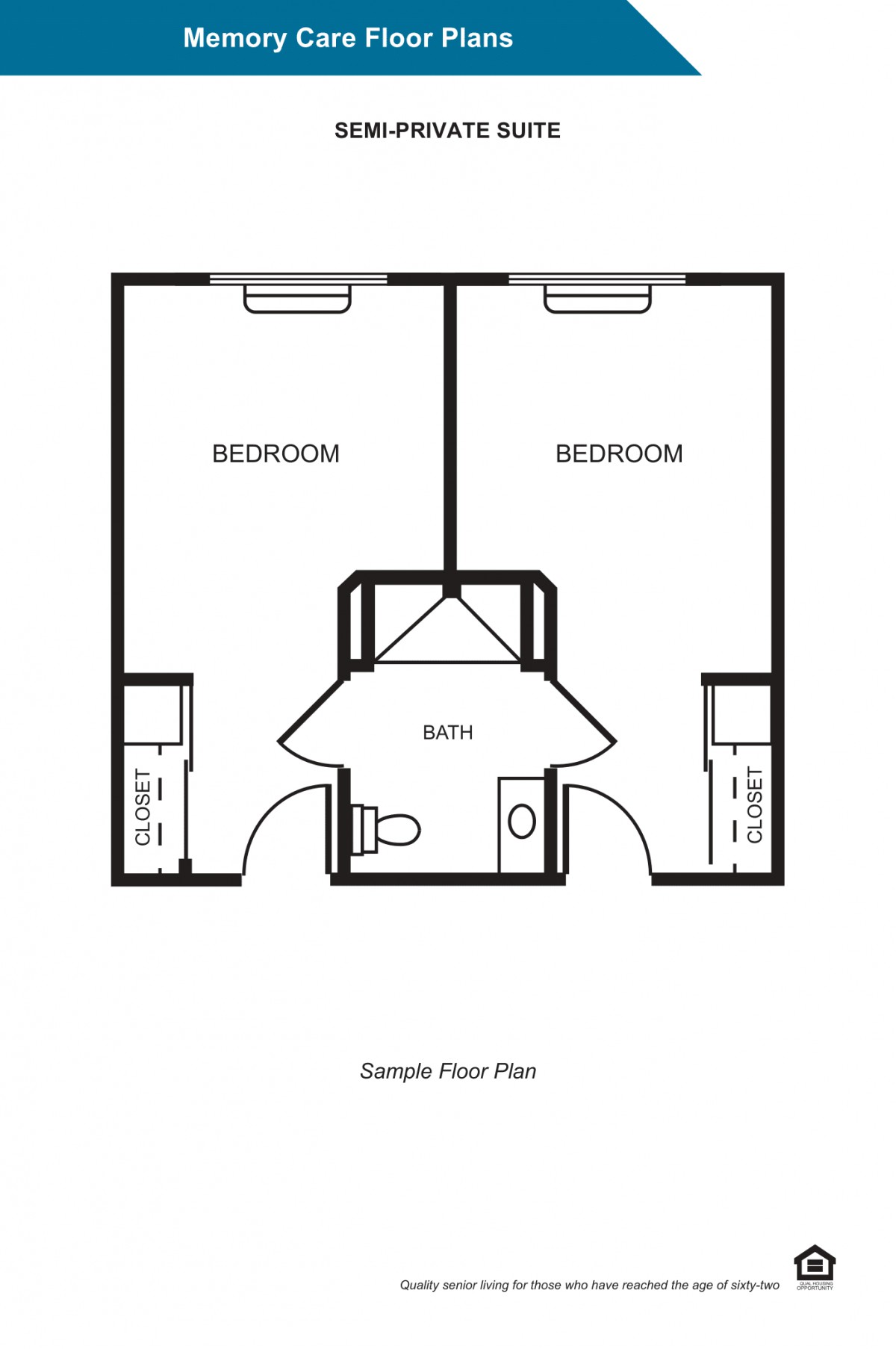
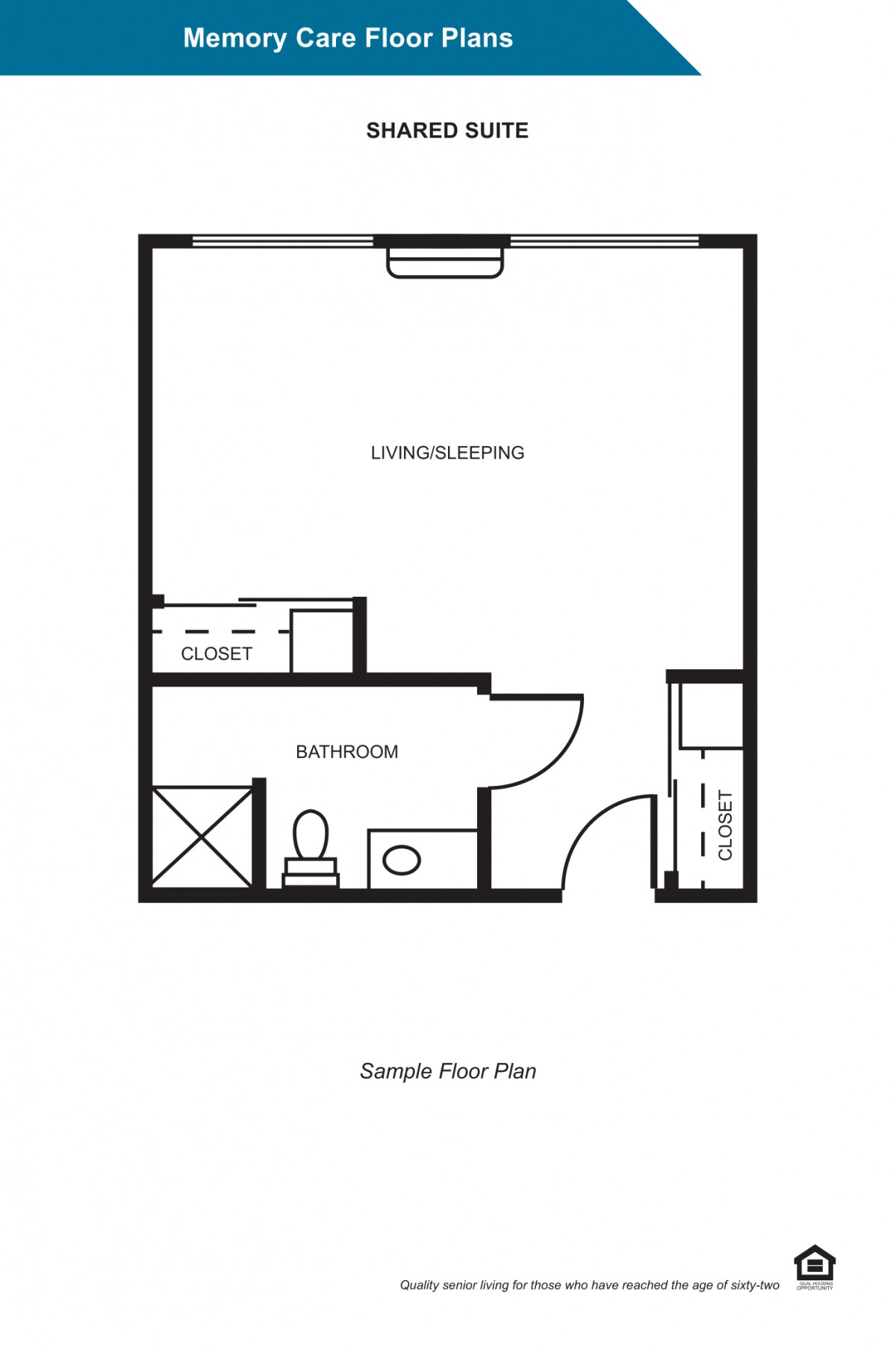
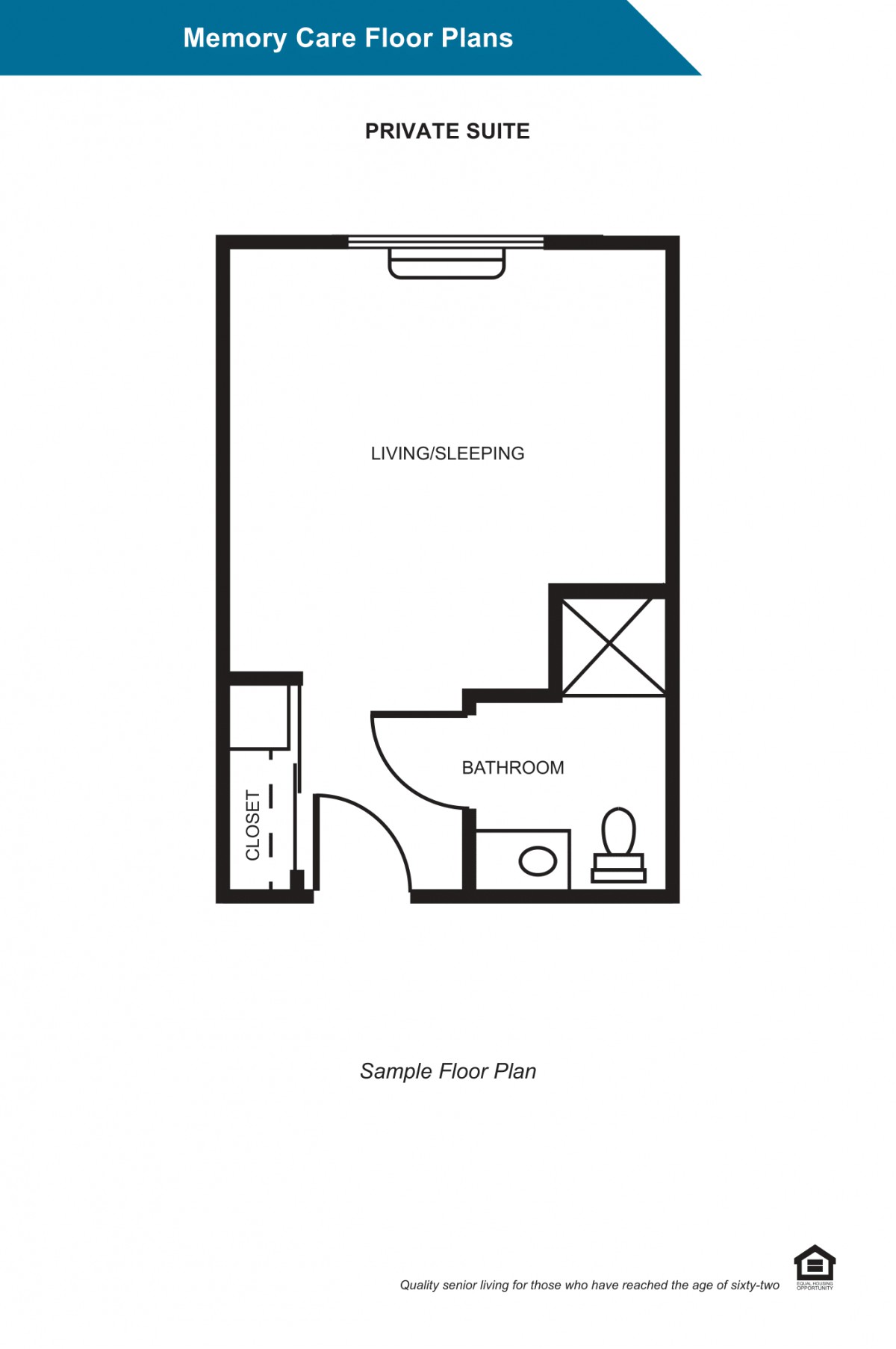
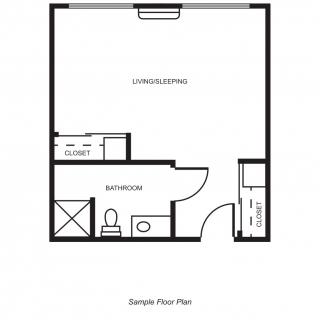
Floor plans
Sycamore Place Alzheimer's Special Care Center
Shelby County
Tennessee
Semi-Private
$6,005
$3,426
$3,162
Studio
$6,555
$4,078
$3,485
Memory care communities with a similar price nearby
Overall Review of Sycamore Place Alzheimer's Special Care Center
differentiator8 reviews mention this
Memory care focus and care plans
Residents describe memory-care expertise paired with individualized medication and care planning.
Multiple reviewers say the staff understands dementia-related behaviors and can use specific techniques with residents, rather than treating every situation the same way. Several also mention medication oversight after moves or when needs changed, with families describing follow-ups that improved day-to-day stability. Families describe structured check-ins (including care plan meetings) and communication about status changes, which seems especially important for memory care transitions.
common30 reviews mention this
Caring, attentive staffing
Reviews repeatedly describe staff members who are kind, attentive, and responsive to resident needs.
A strong theme across reviews is how often families and residents (when described) feel supported by staff. Many note friendly, upbeat caregivers who stay engaged and keep track of residents, including during difficult moments. A few reviews are negative about care quality or interaction, but even those mention an emphasis on staffing behavior as a key factor in the experience.
common7 reviews mention this
Meals and special dining programs
Meals come up often, with residents and families describing consistently good food.
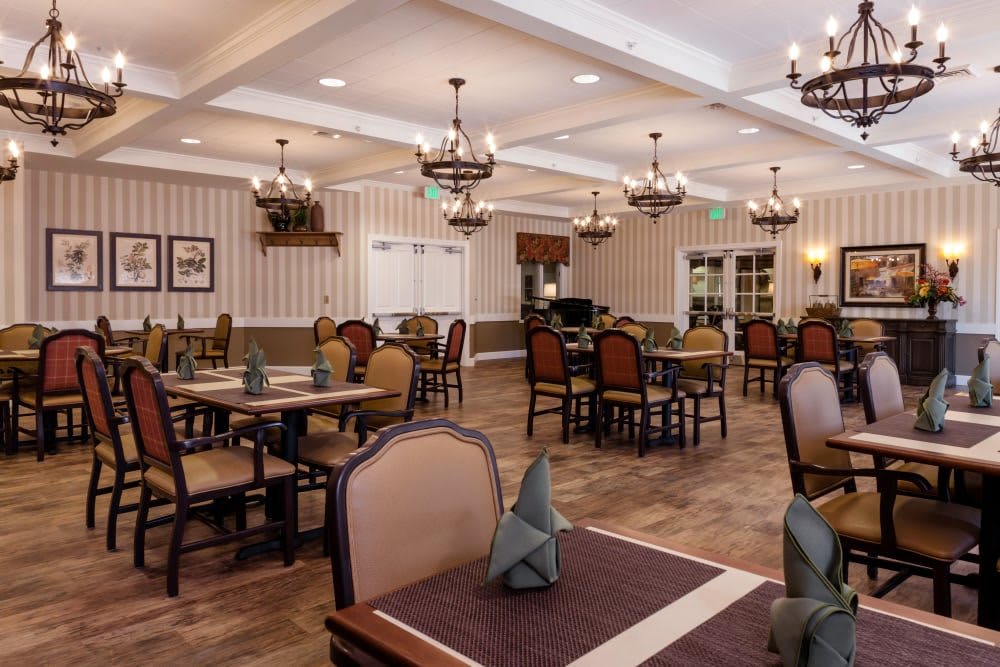
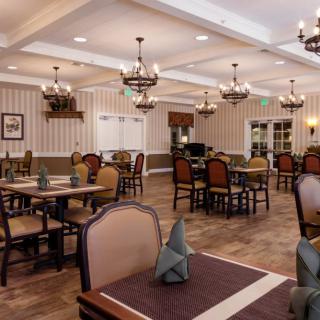
Several reviewers highlight the kitchen and dining as a positive part of day-to-day life, including variety and meals that they feel are better than expected. Others mention that the dining setup is designed to support residents who may need assistance while maintaining dignity. The community also offers special dining programs and diet-focused dining options for residents with specific restrictions.
common6 reviews mention this
Activities keep residents engaged
Reviews describe a steady mix of activities that help residents stay engaged.
Many families say there is a lot happening for residents, with organized activities that include music, classes, and group engagement. Some reviewers mention specific engagement during the day and that staff encourage residents to participate. A couple comments suggest activities vary by resident preference or that certain outdoor space wasn’t used as much during earlier periods, but overall activity programming is a frequent positive.
caveat3 reviews mention this
Pricing feels high, but predictable
Several reviews call out the cost as high, even while a few value the predictability.
Some reviewers explicitly describe the community as expensive, while others balance that by saying the services they receive feel worth it. A separate theme is that pricing is framed as all-inclusive so families know what to expect each month, and that extra needs (if they arise) are communicated upfront. The published price range for both unit types is substantially above the county and state comparisons provided.
How we summarize
Counts show how many written reviews mention each theme; a review can touch several themes, and only frequently mentioned themes are displayed.
Features
Types of Care
Memory Care
Amenities
Activities off-site
Activities on-site
Air-conditioning
Bath tubs
Beautician on-site
Devotional services on-site
Indoor common areas
Outdoor common areas
Respite or short term stays offered
Wheelchair accessible showers
Wi-Fi/high-speed internet available
Transportation
Memphis International (9 miles away)
Care Services
Ambulatory care
Diabetic care
High acuity care
Incontinence care
Medication management
Dining
Guest meals
Low / no sodium
Meals provided
No Sugar
Special dining programs
Activities
Art classes
Catholic services
Cooking classes
Day trips and outings
Devotional activities on-site
Karaoke
Live dance or theater performances
Live musical performances
Live well programs
Protestant services
Stretching classes
Tai Chi
Yoga / chair yoga
Nearby Places of Interest
Located in Memphis, Tennessee, this neighborhood offers a variety of amenities for seniors looking for convenient and accessible living. With several pharmacies such as Walgreens and CVS nearby, medication management is made easy. A selection of restaurants including Olive Garden and Chick-Fil-A provides dining options for every taste. For leisurely activities, residents can visit Cameron Brown Park or catch a movie at Malco Towne Cinema. Additionally, there are reputable medical facilities like Saint Francis Hospital and specialists like Advanced Dermatology & Skin Cancer Associates within a short distance. Overall, this area provides a balanced mix of services and recreational opportunities for seniors seeking a comfortable and well-equipped community to call home.
Pharmacies
Walgreens (1.4 miles)
Walgreens (1.5 miles)
Walgreens (1.7 miles)
CVS Pharmacy (2.3 miles)
Good Shepherd Health Pharmacy (3.2 miles)
Walgreens (3.4 miles)
Walgreens (3.9 miles)
Restaurants
Olive Garden (1.5 miles)
Sonic Drive-In (1.5 miles)
Wendy's (1.6 miles)
Chick-Fil-A (1.7 miles)
Forest Hill Grill (3.7 miles)
La Hacienda (3.8 miles)
Rock'n Dough Pizza + Brew (4.3 miles)
Cafes
Java Cafe (3.7 miles)
Starbucks (4.6 miles)
Starbucks (5 miles)
Carrington Oaks Coffeehouse (6.1 miles)
Cheffie's Cafe (6.2 miles)
Starbucks (6.8 miles)
Physicians
Rheumatology Specialty Clinc (3.8 miles)
Advanced Dermatology & Skin Cancer Associates (3.8 miles)
Gastro One (3.8 miles)
Hurley Mary Margaret MD PC (4.2 miles)
McCulley Allergy, Sinus & Asthma Center (4.2 miles)
Sycamore Place Alzheimer's Special Care Center offers specialized care for individuals with Alzheimer's at a premium cost, reflective of its focused services. The monthly charges for a semi-private room stand at $6,005, which significantly exceeds the average rates in Shelby County at $3,426 and the broader Tennessee state average of $3,162. For those opting for a studio room, the price rises to $6,555, again surpassing both local and state averages of $4,078 and $3,485 respectively. These figures indicate that while Sycamore Place provides dedicated support tailored to the unique needs of residents with Alzheimer's disease, families should carefully consider their financial options in comparison to typical caregiving facilities within the region.
The medication management services at Sycamore Place Alzheimer's Special Care Center ensure that residents receive their prescribed medications accurately and on time, which is crucial in managing symptoms and maintaining overall health for individuals with dementia or Alzheimer's disease. This structured approach minimizes the risk of missed doses or drug interactions, contributing to a more stable condition. Incontinence care, on the other hand, addresses a common challenge faced by many residents, providing dignity and comfort through personalized assistance and access to appropriate hygiene products. This thoughtful support not only enhances the quality of life for residents but also alleviates stress for families by ensuring that their loved ones are treated with compassion and respect during sensitive situations. Together, these features create a holistic care environment that fosters safety, well-being, and a sense of normalcy for individuals navigating the complexities of memory impairment.
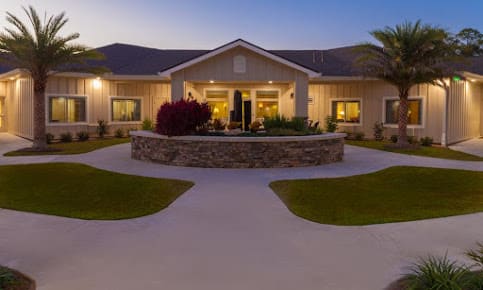
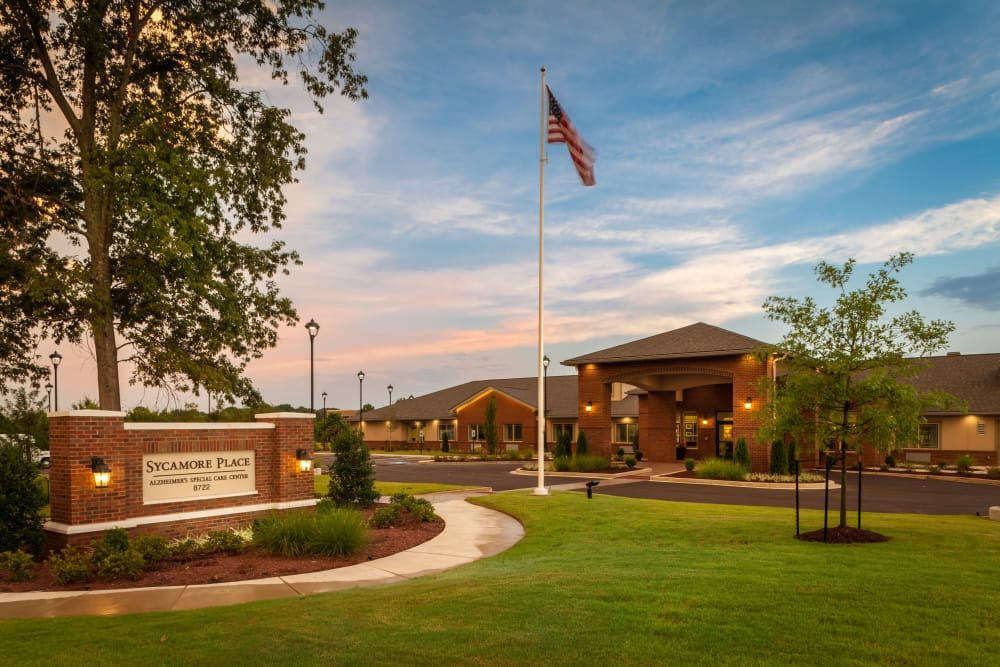
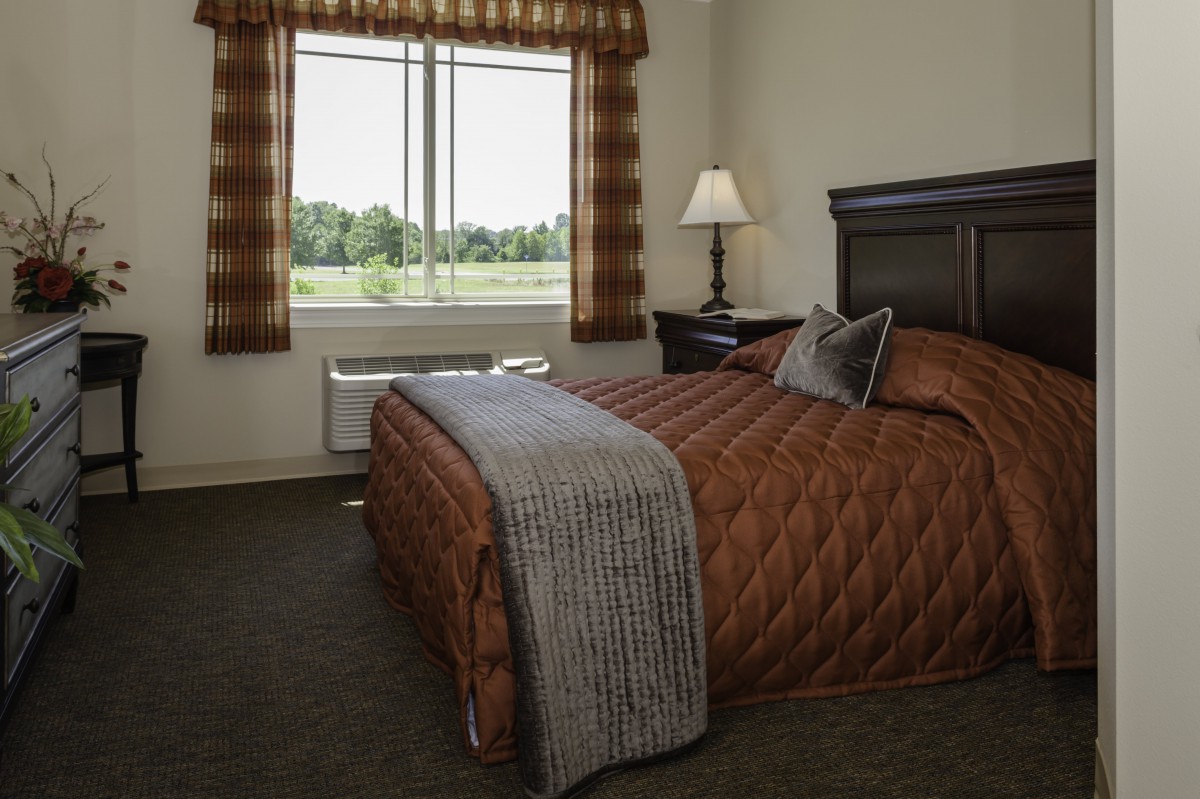
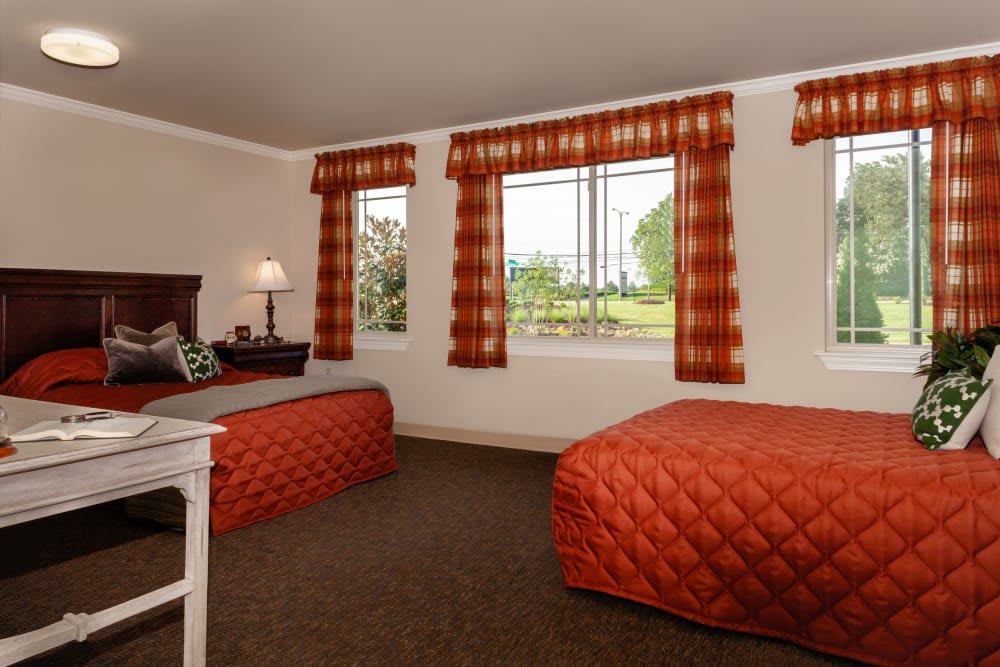
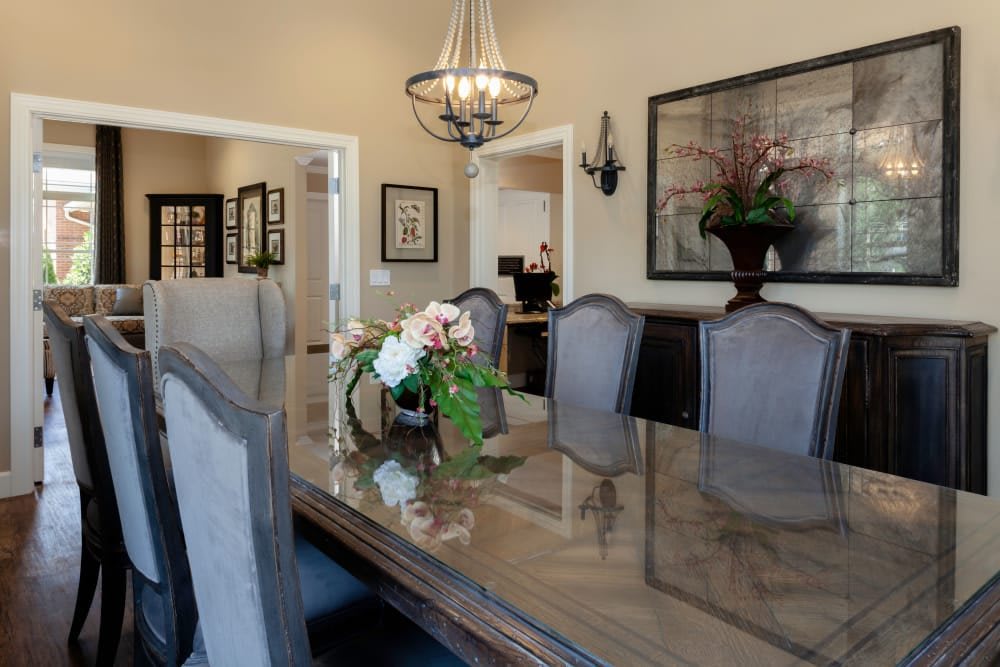
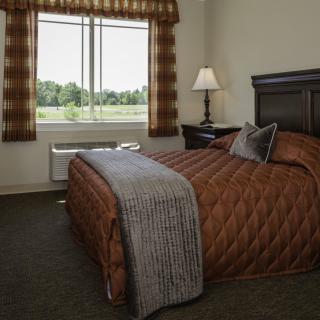
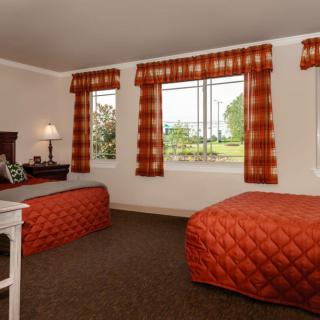
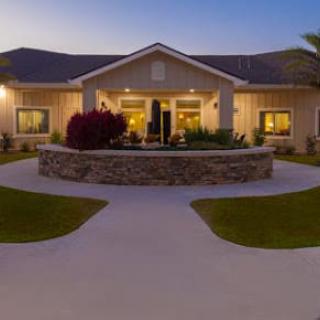
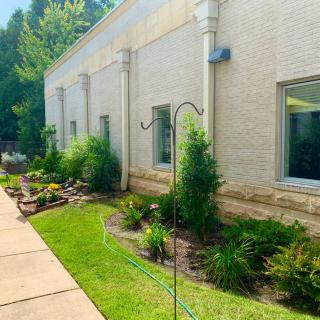
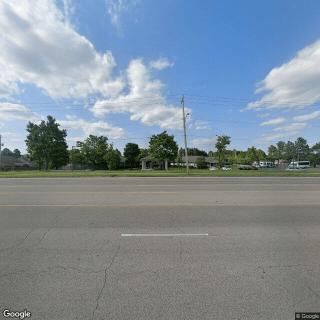
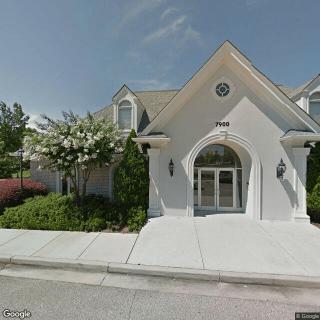
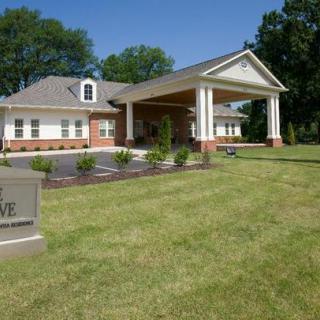
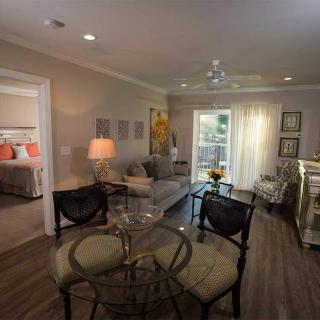
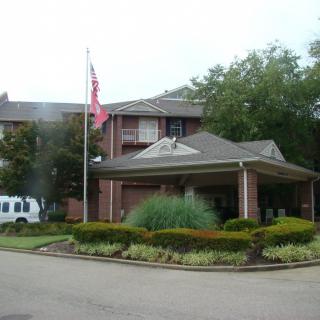
Sycamore Place Alzheimer's Special Care Center on seniors.fyi includes 9 photos including images showing floor plan, bedroom, interior, landscaping, windows, dining, chandelier, bathroom, and more.
Nearby Communities
Gentle Touch Personal Care Agency
Memphis, TN
3.9 from 7 reviews
Convenient location with abundant nearby amenities (cafes, pharmacies, doctors, restaurants) and personalized care focused on independence.
Assure Senior Partners, LLC
Memphis, TN
Excellent access to healthcare, dining, and nearby amenities.
Riverdale Assisted Living
Memphis, TN
3.9 from 58 reviews
$2,700 to $3,020 / month
Clean, welcoming atmosphere with friendly staff and good meals.
First Choice Home Care & Senior Care
Memphis, TN
4.5 from 13 reviews
Reliable, professional care with affordable, compassionate service.
First Choice Home Care Services
Memphis, TN
4 from 6 reviews
Convenient location with access to cafes, parks, pharmacies, physicians, and hospitals.
Apple Grove Alzeimer's And Dementia Residence
Memphis, TN
4.3 from 48 reviews
$4,500 to $5,500 / month
Caring staff and dementia-focused care in a home-like setting with engaging activities and pleasant surroundings.
Right At Home - East Memphis
Memphis, TN
4 from 41 reviews
Professional, friendly, and reliable caregivers
Kirby Pines
Memphis, TN
4.4 from 146 reviews
$2,271 to $7,100 / month
Beautiful grounds with engaging activities and excellent dining, plus versatile care options.
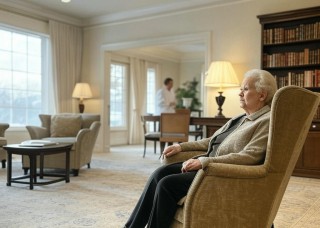
Dementia encompasses progressive neurological disorders that impair cognitive functions and can lead to paranoia due to cognitive decline and emotional changes. The article discusses the triggers of paranoia in dementia, caregiver strategies for managing it, and the importance of distinguishing between dementia-related paranoia and other psychiatric conditions.
Memory care activities are essential for improving the quality of life of seniors with cognitive impairments, as they stimulate cognitive function, promote well-being, and encourage social interaction through tailored strategies. These activities combine structured exercises with spontaneous tasks, sensory engagement, physical workouts, creative pursuits, and intergenerational interactions to enhance emotional connection and a sense of purpose.
Transitioning from assisted living to memory care is driven by an individual's cognitive decline and specific needs, requiring careful evaluation of indicators like increased confusion and wandering. The process involves consulting medical professionals, researching suitable communities, considering financial and legal aspects, and ensuring effective communication for personalized care plans.
Sycamore Place Alzheimer's Special Care Center photos
×
Interior
Decor
Building
Bedroom
Windows
Dining
Floor Plan
Interior
Decor
Bedroom
Dining and Chandelier
Landscaping
Windows
Floor Plan
Building, Trees, and Flag
Architecture
Bathroom
Pathway and Lights
Living Space
Room Design
Get PricingAsk A QuestionSchedule A TourContact Senior Advisor
By clicking submit, you agree to our Partner's Terms of Use. You
also consent to receive calls and texts, which may be autodialed, from our Partner. Your consent is not a condition to
using our Partner's service. Please visit our Partner's Privacy Policy for information about their privacy practices.



 Memory Care
 Activities off-site
 Air-conditioning
 Bath tubs
 Beautician on-site
 Devotional services on-site
 Indoor common areas
 Outdoor common areas
 Respite or short term stays offered
 Wheelchair accessible showers
 Wi-Fi/high-speed internet available
 Memphis International (9 miles away)
 Ambulatory care
 Diabetic care
 High acuity care
 Incontinence care
 Medication management
 Guest meals
 Art classes
 Catholic services
 Cooking classes
 Day trips and outings
 Karaoke
 Live dance or theater performances
 Live musical performances
 Live well programs
 Convenient location with abundant nearby amenities (cafes, pharmacies, doctors, restaurants) and personalized care focused on independence.

 Dementia, Paranoia, and Caregiver Guidance: Understanding the Connection
 Engaging Memory Care Activities That Enhance Quality of Life
 When to Transition from Assisted Living to Memory Care: Key Indicators, Steps, and Finding the Right Community