Residents describe rehab and nursing care as hands-on and attentive during recovery.
Many reviewers discuss rehab or skilled nursing stays and highlight professional, patient care—often mentioning therapists, nurses, and support staff working to meet specific needs. Several families also describe follow-through on therapies and medical routines, including wound care and medication management. A few other reviews are sharply critical about care consistency and responsiveness, including examples of missed or inadequate help, so results appear to depend heavily on the unit experience and the period being reviewed.
common12 reviews mention this
Food and dining earn praise
Food and dining service are repeatedly described as a bright spot.
Across multiple reviews, residents and families call out the quality of meals and the general dining experience, including “restaurant-style” service and meals being satisfying during stays. Some reviewers specifically mention meals being tasty and staff helping accommodate what a person will eat. A smaller number of reviews still complain about meal timing or help with basic needs, but the overall theme in the positive comments is that dining feels well handled.
common9 reviews mention this
Activities keep residents engaged
Residents and families describe an active schedule with regular events.
Several reviewers mention entertainment and group activities such as music performances, weekly events, games, and outings, and they connect those routines to how connected residents feel. Some also describe staff-driven engagement during therapy and recovery, including structured daily activities. One reviewer specifically contrasts independent and assisted experiences with respect to caregiver reliability, but even in those comments, activities are discussed as a meaningful part of life when care coverage works as expected.
caveat7 reviews mention this
Buy-in costs and refund delays
Pricing and refund timing are recurring concerns for families.
A number of reviews raise the cost level as a major issue, including concerns about large upfront buy-in amounts and whether the value feels appropriate. Several reviewers also mention frustration with reimbursement and refund timing, describing long delays and asking for clearer or more enforceable contract terms. One review acknowledges the entry fee can support the community and services, but the repeated negative stories focus on money returned later than expected and confusion about how refunds are handled.
caveat6 reviews mention this
Communication and staffing consistency vary
Some reviewers report problems getting timely help or updates.
While many reviewers praise responsiveness and keeping families informed, other reviews describe difficulties reaching someone by phone and delays in follow-up. A few comments also focus on caregiver punctuality, including no-shows or being late for scheduled help, which reviewers say created stress for residents. There are also critiques about nurse and CNA staffing stability, with some families describing confusion or insufficient attention at night. Taken together, the feedback suggests the experience can change depending on shift coverage and management follow-through.
How we summarize
Counts show how many written reviews mention each theme; a review can touch several themes, and only frequently mentioned themes are displayed.
Features
Housing
50 resident community capacity
1-bedroom apartments
2-bedroom apartments
Types of Care
Continuing Care Retirement Community (CCRC)
Memory Care
Skilled Nursing Facility
Amenities
Beauty salon
Cable or satellite TV
Dining room
Financial aid
Fully furnished
Garden
Housekeeping services
Kitchenette
Move-in coordination
Outdoor space
Resident parking
Respite or short term stays offered
Restaurant-style dining
Small library
Telephone
Wi-Fi/high-speed internet available
Transportation
Memphis International (11 miles away)
Care Services
24-hour call system
24-hour supervision
Activities of daily living assistance
Assistance with bathing
Assistance with dressing
Assistance with transfers
Diabetes diet
Meal preparation and service
Medication management
Mental wellness program
Special dietary restrictions
Dining
Diabetes diet
Special dietary restrictions
Activities
Community-sponsored activities
Fitness programs
Resident-run activities
Scheduled daily activities
Languages Spoken
English
Nearby Places of Interest
Physicians
Campbell Clinic Orthopaedics (0.5 miles)
Methodist Germantown Radiation Oncology Center (0.5 miles)
UT Medical - Surgical Oncology (0.5 miles)
Memphis Neurology (0.5 miles)
ProActive Heart & Vein Center (0.6 miles)
Gastro One (0.6 miles)
Stern Cardiovascular Center Pa: Edwards Todd D MD (0.7 miles)
Hospitals
Methodist Surgery Center (0.5 miles)
Saint Francis Hospital (3.5 miles)
Lebonheur Outpatient Center-East (3.8 miles)
Methodist Healthcare Employee Assistance Program (5.1 miles)
The Village At Germantown offers a comprehensive array of features tailored to support residents with dementia or Alzheimer's disease, ensuring their safety, comfort, and quality of life. Assistance with dressing and bathing helps maintain dignity while addressing personal care needs that become challenging for those experiencing cognitive decline. Medication management is crucial in preventing confusion over dosages and times, promoting adherence to prescribed treatment plans. Thoughtful meal preparation and service cater to nutritional needs while respecting the residents' preferences, enhancing both physical health and enjoyment of meals. Activities of daily living assistance fosters independence in meaningful ways, allowing residents to engage in familiar routines with support. The help with transfers not only reduces the risk of falls but also promotes mobility, encouraging physical activity. Around-the-clock supervision ensures that trained staff are always available to respond promptly to any needs or emergencies, providing peace of mind for both residents and their families. Lastly, a mental wellness program engages residents intellectually and emotionally, fostering social interaction and cognitive stimulation that can improve overall well-being in this delicate stage of life.
Nearby Communities
The Village At Germantown
Germantown, TN
3.9 from 69 reviews
$2,600 to $7,983 / month
Attentive staff, clean facilities, and an active, engaging environment in spacious apartments.
Brookdale Germantown
Germantown, TN
4.4 from 97 reviews
$4,060 / month
Warm, family-like staff with engaging activities and good dining.
Visiting Angels
Germantown, TN
4.8 from 21 reviews
Close to cafes, parks, pharmacies, physicians, restaurants, places of worship, and hospitals.
SYNERGY Home Care
Cordova, TN
4.6 from 5 reviews
Compassionate, knowledgeable, and responsive staff
Brookdale Dogwood Creek
Germantown, TN
4.4 from 122 reviews
$4,465 to $6,225 / month
Spacious, well-maintained apartments with strong amenities and engaging activities.
Senior Helpers - Germantown, TN
Germantown, TN
4.7 from 23 reviews
$3,504 to $4,204 / month
Hands-on owner involvement with caring, capable staff.
Belmont Village Senior Living Memphis
Memphis, TN
4.4 from 76 reviews
$3,830 to $8,945 / month
Friendly, attentive staff with a clean, engaging environment and flexible dining options.
Signature Healthcare Of Primacy
Memphis, TN
3.9 from 123 reviews
Friendly, accommodating staff with good care communication and a clean facility.
Village at Primacy Place
Memphis, TN
4.5 from 74 reviews
$3,750 to $5,200 / month
Clean, welcoming environment with attentive staff and engaging activities.
The transition from assisted living to skilled nursing care is often prompted by complex medical needs that assisted living cannot meet, with key indicators including frequent health declines, increased falls, severe memory issues, and caregiver burnout. Families should recognize these signs early to discuss options with healthcare providers and prepare for the emotional and logistical aspects of moving to a facility that offers comprehensive medical support.
Dementia is characterized by cognitive decline, with nutrition playing a vital role in brain health; while no specific diet can prevent or reverse it, a nutrient-dense diet rich in antioxidants and healthy fats may support cognitive function. The MIND diet, which emphasizes beneficial foods and limits processed items, along with proper hydration and individualized meal strategies, can enhance the well-being of dementia patients.
Dementia affects memory and cognitive function in older adults, presenting challenges for caregivers due to behavioral changes such as confusion and mood swings. Compassionate, person-centered care that considers individual history and preferences, along with effective communication and environmental modifications, is essential for supporting both patients and their caregivers.
Get PricingAsk A QuestionSchedule A TourContact Senior Advisor
By clicking submit, you agree to our Partner's Terms of Use. You
also consent to receive calls and texts, which may be autodialed, from our Partner. Your consent is not a condition to
using our Partner's service. Please visit our Partner's Privacy Policy for information about their privacy practices.

 50 resident community capacity
 1-bedroom apartments
 Continuing Care Retirement Community (CCRC)
 Memory Care
 Skilled Nursing Facility
 Beauty salon
 Cable or satellite TV
 Dining room
 Financial aid
 Fully furnished
 Garden
 Housekeeping services
 Kitchenette
 Move-in coordination
 Outdoor space
 Resident parking
 Respite or short term stays offered
 Restaurant-style dining
 Small library
 Telephone
 Wi-Fi/high-speed internet available
 Memphis International (11 miles away)
 24-hour call system
 Activities of daily living assistance
 Assistance with bathing
 Assistance with dressing
 Assistance with transfers
 Diabetes diet
 Medication management
 Mental wellness program
 Special dietary restrictions
 Fitness programs
 English
 Attentive staff, clean facilities, and an active, engaging environment in spacious apartments.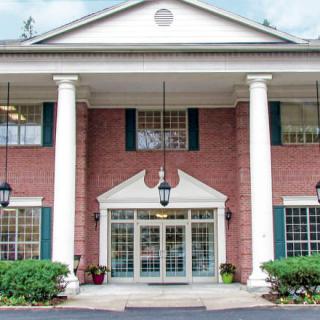





 8 Key Indicators That Suggest It May Be Time to Transition from Assisted Living to Skilled Nursing Care
 Nourishing the Mind: Essential Dietary Approaches for Dementia
 Understanding Dementia Behaviors: Practical Insights and Strategies for Caregivers