Mount Pleasant Gardens

Save

  • Interior

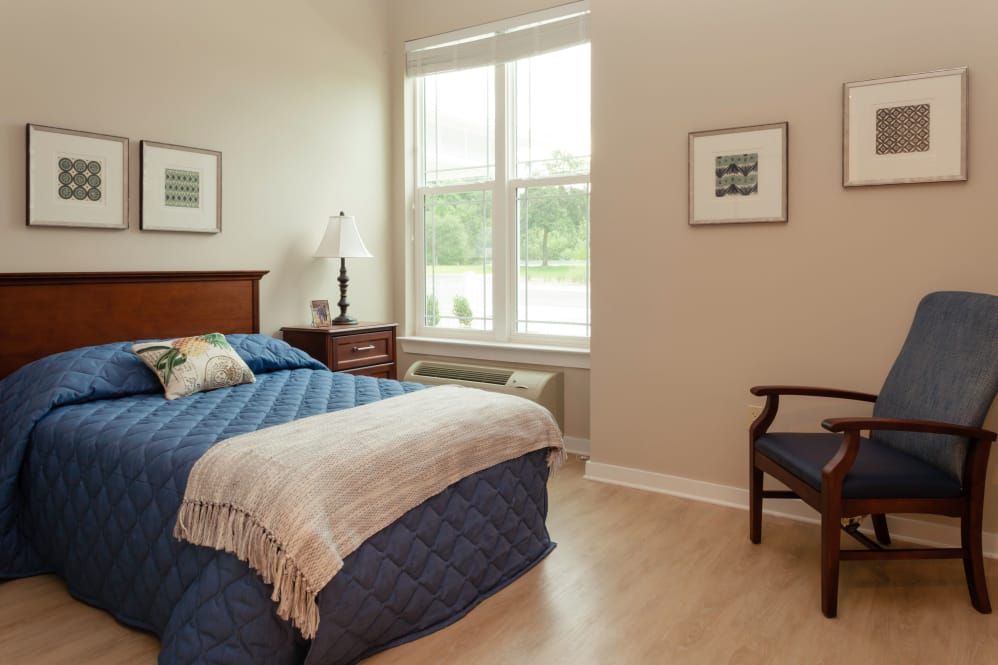
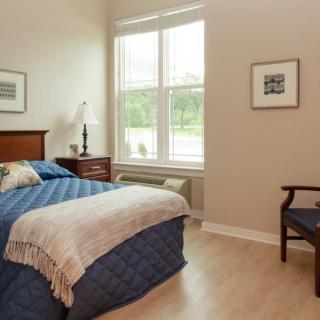
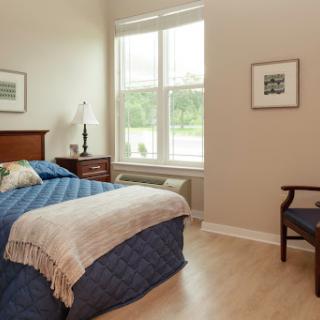
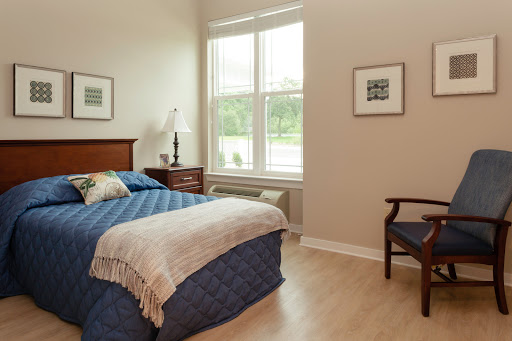
    A cozy bedroom with a blue bedspread, wooden furniture, and a large window providing natural light.
  • Decor

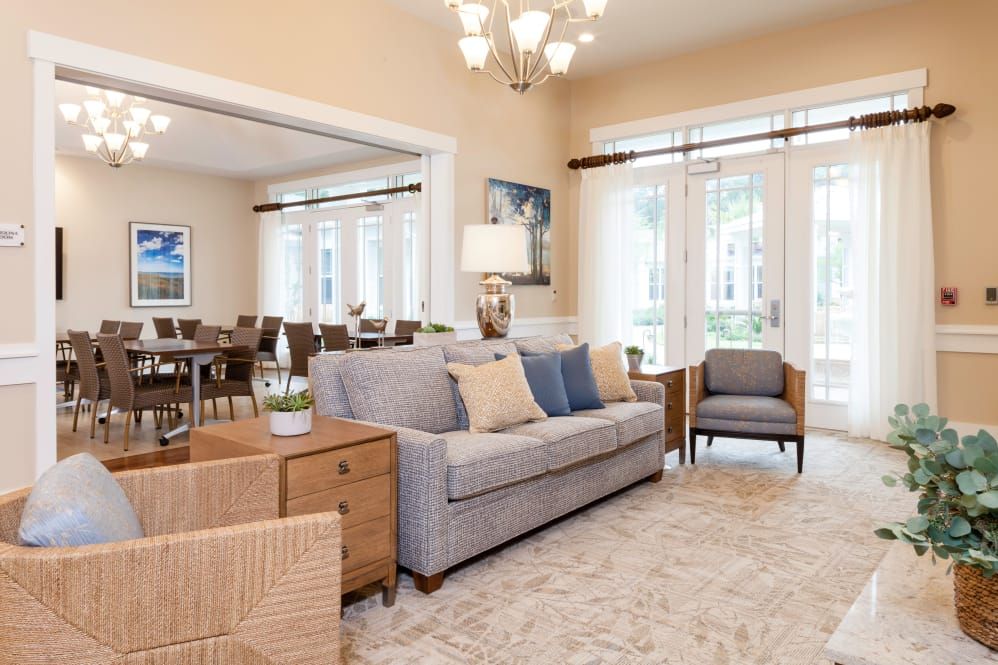
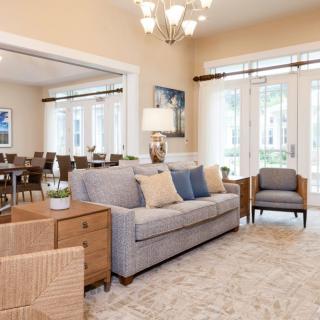
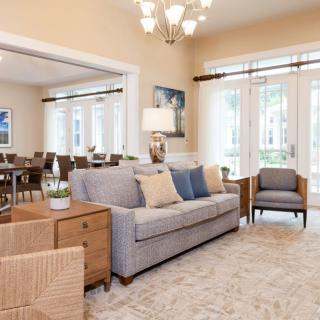
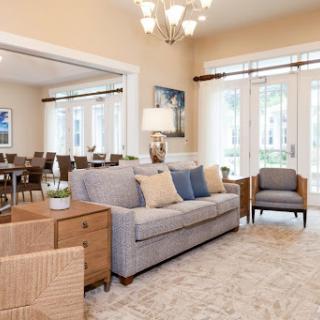
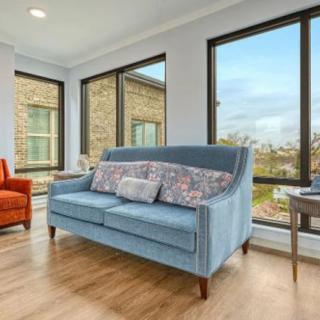
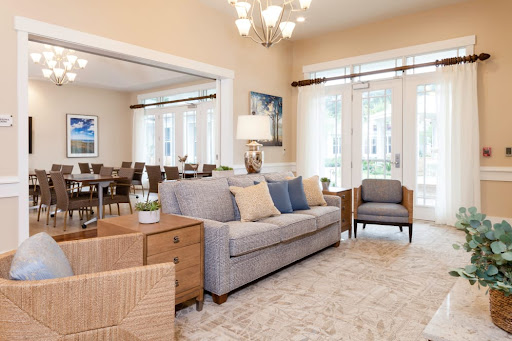
    A modern and bright living room with a gray sofa, armchair, and an adjacent dining area.
  • Living Room

    A spacious living and dining area with neutral tones and modern furniture.
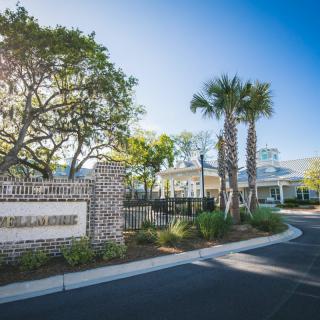
  • Architecture

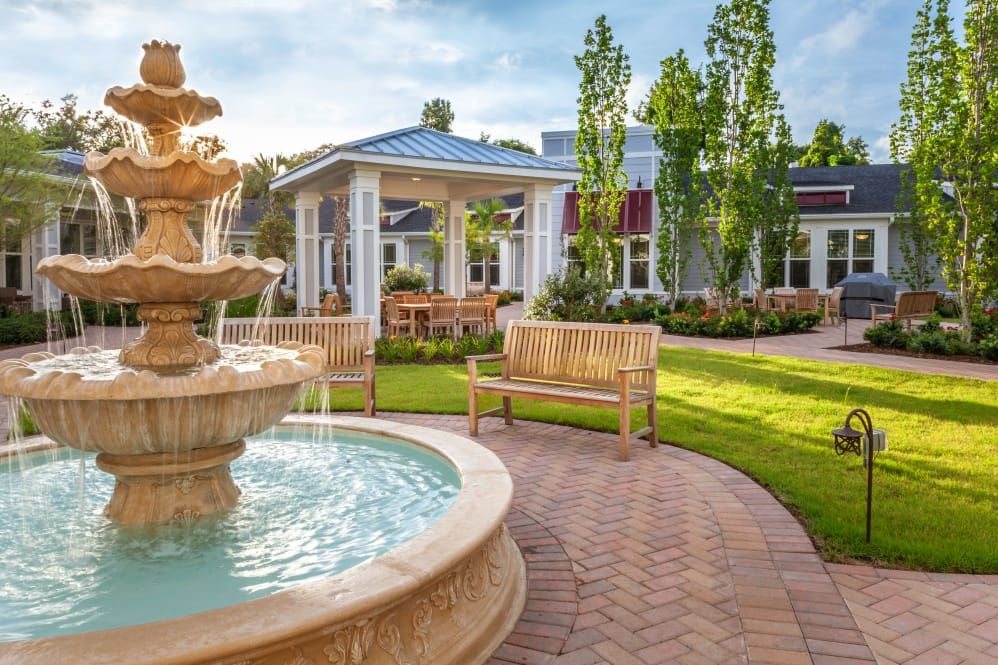
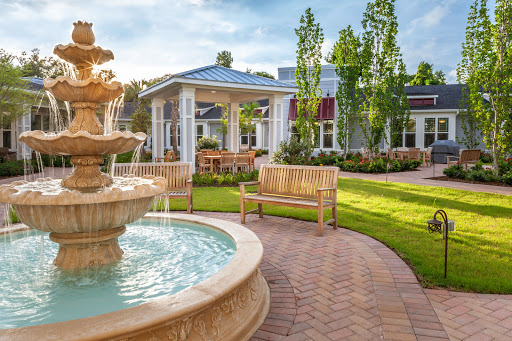
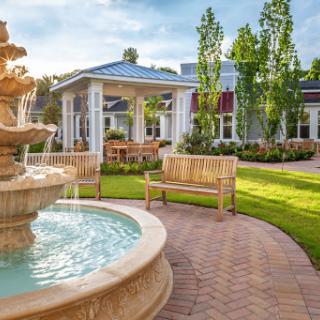
    A serene outdoor space featuring a beautifully designed fountain and inviting benches surrounded by lush greenery.
  • Bedroom

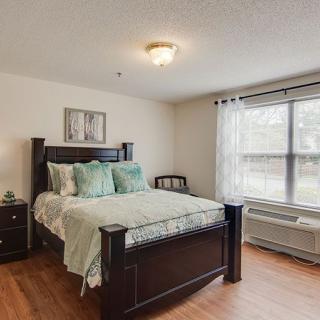
    A cozy and well-lit bedroom featuring a comfortable bed, elegant furnishings, and a serene atmosphere.
  • Dining

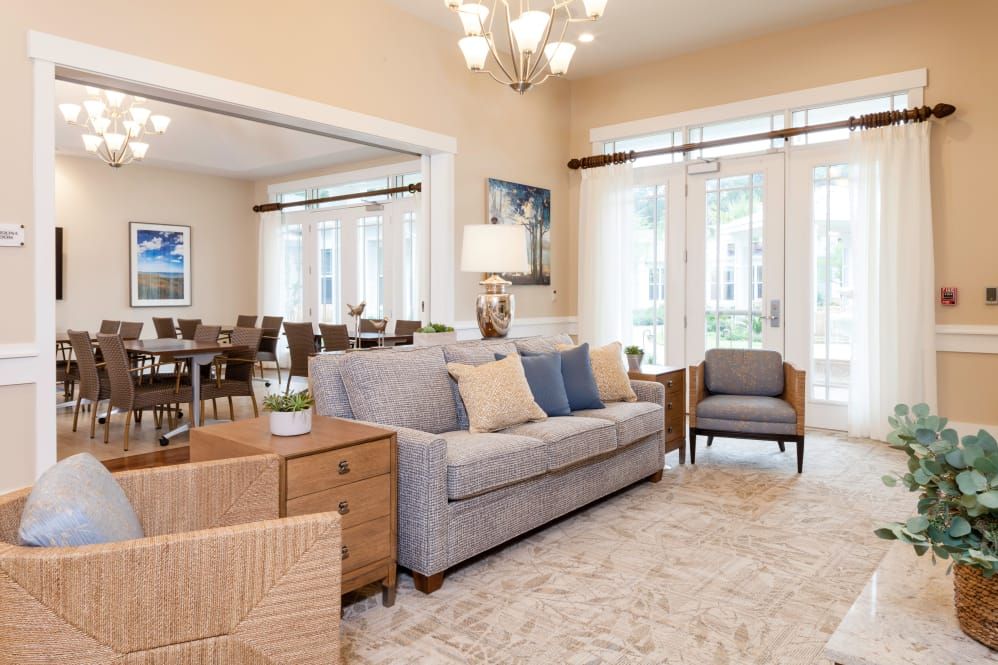
    A cozy and modern living room with stylish furniture and ample natural light.
  • Landscaping

    A serene garden with a central fountain, benches, and a gazebo surrounded by lush greenery.
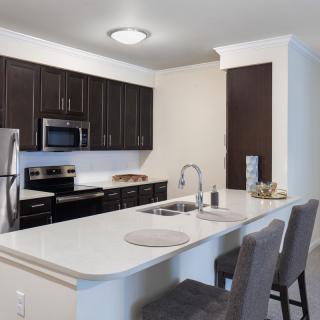
  • Kitchen

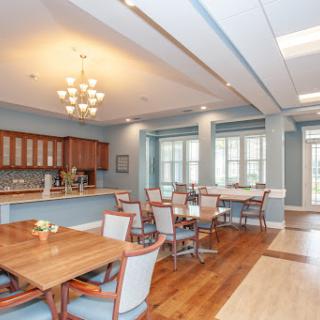
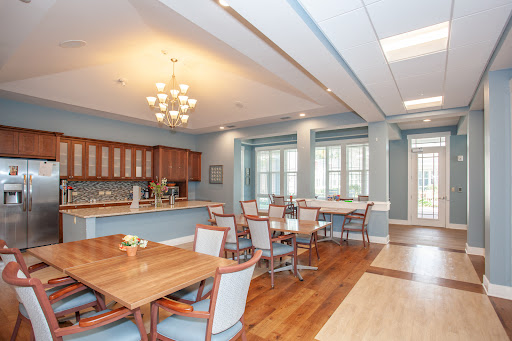
    A modern kitchen and dining area featuring wooden furniture and ample natural light.
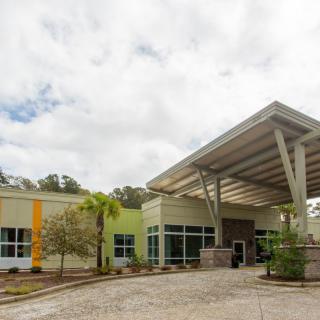
  • Garden

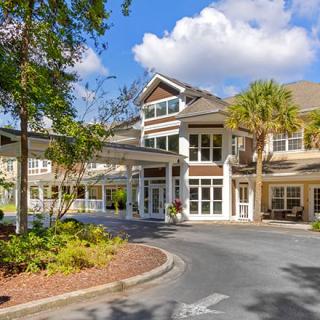
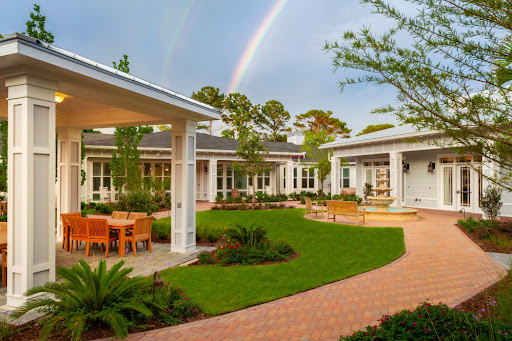
    A serene outdoor space featuring contemporary architecture, lush greenery, and a vibrant rainbow in the background.
  • Artwork

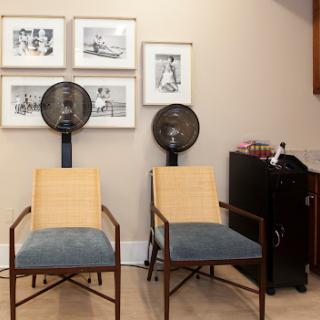
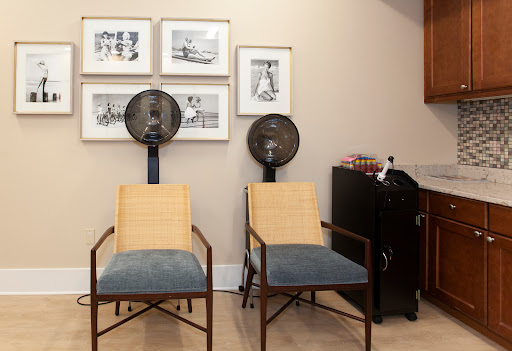
    A cozy corner featuring two stylish chairs, framed artwork on the walls, and standing fans for comfort.
  • Outdoor

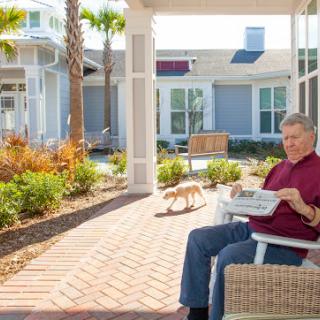
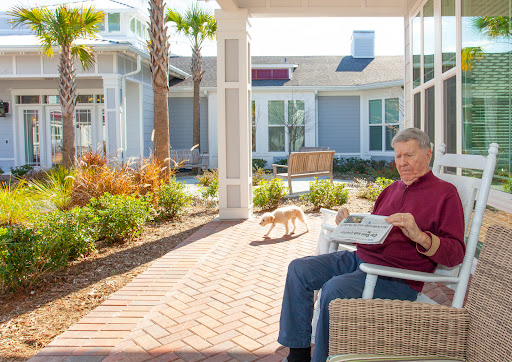
    A senior citizen enjoying a relaxing day outdoors, reading a newspaper while their pet dog strolls nearby.
  • Seating

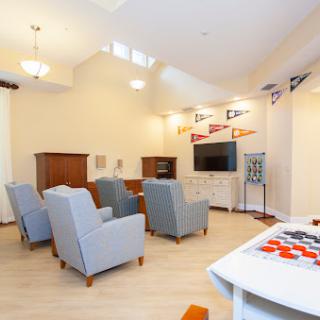
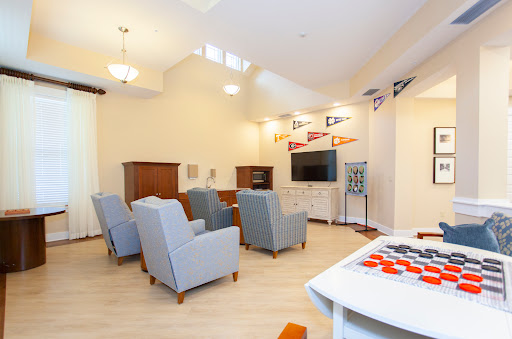
    A cozy and modern living room setup with comfortable seating and a welcoming ambiance.
  • Nature

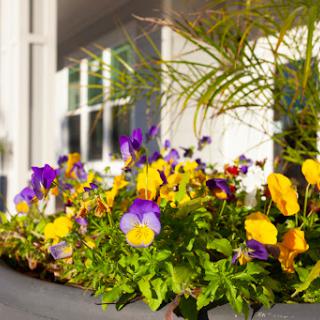
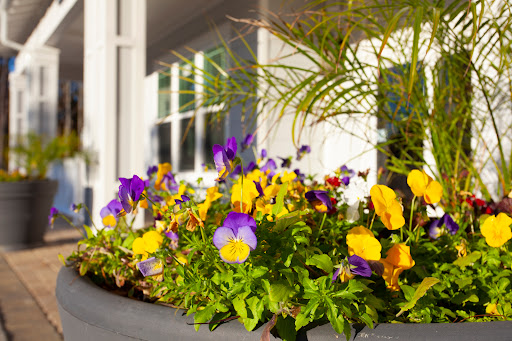
    A vibrant display of pansies in various colors blooming in a garden setting.
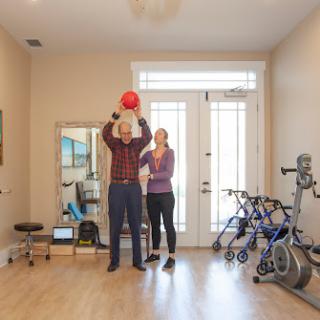
  • Fitness

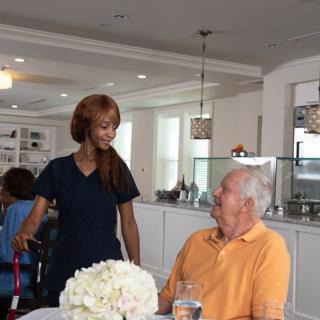
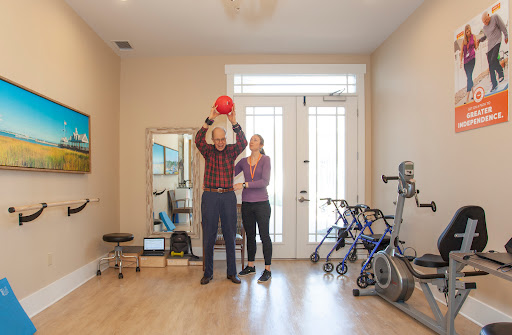
    A fitness instructor guides a senior individual in a rehabilitation exercise using a medicine ball in a bright indoor setting.

Mount Pleasant Gardens

1025 Hungry Neck Boulevard, Mount Pleasant, SC 29464

For more information about senior living options: (844) 490-3973

4.5 from 38 reviews
5 stars
33
4 stars
0
3 stars
0
2 stars
1
1 stars
4

Memory Care

Mount Pleasant Gardens Costs & Pricing

Mount Pleasant Gardens offers competitive monthly pricing for its accommodations compared to both Charleston County and the broader South Carolina market. For a studio apartment, residents can expect to pay $4,180, which is slightly higher than the county average of $4,120 but significantly above the state average of $3,649. One-bedroom units are priced at $4,550, again surpassing both local and state figures - $3,844 in Charleston County and $3,806 statewide. The two-bedroom option stands out at $5,440; while it's higher than the county's average of $4,739 and the state's average of $4,337, it reflects the premium services and features that Mount Pleasant Gardens provides. Overall, while costs are above regional averages in some categories, they align with the quality lifestyle offered by this community.

Floor plansMount Pleasant GardensCharleston CountySouth Carolina
Studio$4,180$4,120$3,649
1 Bedroom$4,550$3,844$3,806
2 Bedrooms$5,440$4,739$4,337

What level of care are you interested in?

Assisted Living

Memory Care

Independent Living

Skilled Nursing Facility

Continuing Care Retirement Community (CCRC)CCRC

Other


Request a tour at Mount Pleasant Gardens

    Overall Review of Mount Pleasant Gardens

    Pros

    • pro Mount Pleasant Gardens is described as a fantastic place with very caring staff.
    • pro MPG has excellent staff, caring caretakers, a wonderful activity schedule, and great medical management.
    • pro MPG feels like a warm hug.
    • pro MPG is the most welcoming, supportive, reliable, and professional memory care facility for residents and families.
    • pro MPG's resident-focused philosophy drives care decisions and supports resident autonomy.
    • pro There is detailed and timely communication among staff, families, and residents' doctors at MPG.
    • pro The public areas and residents' rooms are clean and well maintained.
    • pro The MPG team is seasoned, open to families, and invested in MPG as if their own family members lived there.
    • pro The events and activities at MPG are top-notch and consistently engaging.
    • pro The enclosed garden with covered terraces provides a lovely spot for residents to enjoy good weather and fresh air.
    • pro MPG offers a private dining room and sitting room for family visits and meals, a nice amenity.

    Cons

    • pro Some staff members neglect their duties, leaving residents unattended until after dinner (around 5:30 pm).
    • pro The facility's management lacks professionalism and seems to escalate conflicts rather than mitigate them.
    • pro Some staff members are asleep or engrossed in social media while residents are left unsupervised.
    • pro There are occasions when residents are left alone to care for themselves while employees run personal errands.
    • pro The level of care and respect shown to residents is unsatisfactory.
    • pro Visiting hours are perceived as strict, with visitors treated poorly if they arrive outside those times, leading to loss of confidence in management and decisions to move loved ones elsewhere.

    Review

    Mount Pleasant Gardens stands out in the Charleston area as a memory care community where residents, families, and staff seem to become part of a shared, caring story. Across many voices, the facility is described as a place that feels like a warm, welcoming home, with a strong sense of community, thoughtful programming, and staff who consistently project compassion and dedication. For families seeking Alzheimer's and related dementia care, the prevailing tone is one of gratitude and relief: finding a place that aligns with expectations for quality care and meaningful engagement can feel difficult, but Mount Pleasant Gardens is repeatedly portrayed as meeting and often exceeding those hopes.

    Several reviews emphasize the emotional and psychological improvements observed in residents after moving to MPG. One commenter notes that their mother went from being deeply depressed to engaged and happy, highlighting the impact of a structured day and attentive caregiving. Another family describes how moving their mother to MPG helped her rediscover activity, social interaction, and personal input into meals, while forming meaningful friendships. Across accounts, residents appear to benefit from a programmatic emphasis on activity, brain-stimulating exercises, and opportunities to participate in decisions about their daily lives. This sense of empowerment - an autonomy-and-dignity-centered approach - appears repeatedly as a core value guiding everyday life at MPG.

    The staff at Mount Pleasant Gardens is a recurrent source of praise. Families point to a broad, unified team - from front desk reception to leadership - whose consistent presence reassures loved ones and fosters dependable care. Specific names come up as anchors in daily operations: Leanne, the sales contact who helps families navigate transitions; Judy, the nurse whose cell phone number is shared with families for ongoing communication; and the director, Kristen, alongside the bookkeeper Jennifer and the in-house team in resident services. Families appreciate the openness of communication and the way information flows between nursing staff, caregivers, residents' physicians, and family members. The facility's philosophy - centered on dignity for all and personalized attention - resonates as staff members collaborate with outside specialists, including an on-site MUSC psychiatrist who meets with residents and supports medical management in partnership with caregivers and families. The overall sense is that MPG operates as a well-coordinated team, deeply invested in the well-being of both residents and their families.

    Environment and amenities at Mount Pleasant Gardens further reinforce the positive experiences described in reviews. The building itself is noted as clean, well-maintained, and welcoming, with private dining areas and quiet sitting rooms that families can reserve for visits. An enclosed garden with covered terraces provides a pleasant outdoor space where residents can enjoy good weather in a secure setting. The campus also offers a robust calendar of activities and outings, including in-house gatherings and trips to local restaurants, ensuring that there are daily opportunities for socialization, cognitive engagement, and recreation. The attention to detail extends to the physical spaces - the sparkling floors and tidy common areas - and to the daily routines that make the environment feel calm, orderly, and respectful.

    A distinctive strength highlighted by several families is the comprehensive and proactive programming that supports independence while ensuring safety. There is emphasis on meaningful activities and social events that encourage residents to contribute to the life of the community - whether through participating in events, sharing preferences about meals, or engaging in brain-stimulating activities. The campus's approach to events - such as charity fundraisers and open-house-style family activities - further reinforces a sense of continued purpose and connection to the broader community. And for families who need private, low-stress time with their loved ones, the private dining and sitting areas create a comfortable setting for visits and conversations about care plans and life milestones.

    Despite the many glowing evaluations, not all experiences described in the reviews are uniformly positive. One reviewer presents a strong cautionary perspective, advising against choosing Mount Pleasant Gardens due to concerns about staff attentiveness and professionalism. In that account, residents were reportedly left unattended until after dinner, with care gaps that raise serious worries for those living with dementia. The reviewer also describes management as lacking in conflict-mitigation skills and notes that some staff appeared distracted by personal devices while on duty. They recount visiting-hour constraints and a perception that their concerns were not fully addressed by management, leading to a decision to relocate a family member to another facility. This account underscores that, in any care setting, consistency in staff training, accountability, and transparent communication are critical - especially in a population with complex needs. The reviewer also emphasizes the right to 24-hour visiting, pointing to the importance of family presence in caregiving and oversight.

    Another family offers a more nuanced view, acknowledging that some staff and activities staff are outstanding while still voicing concerns about overall care levels and professionalism. They describe moments of excellent engagement from activity directors and care teams, but also report instances of staff appearing inattentive during visits, suggesting variability in day-to-day experiences. This perspective highlights that the quality of care can fluctuate and that perceptions of professionalism and consistency may differ among families, depending on interactions with individual caregivers and shifts.

    In sum, Mount Pleasant Gardens is widely recognized for its compassionate staff, strong family communications, a resident-focused philosophy, and a vibrant, engaging activity program. Families frequently praise the facility for creating a sense of community, maintaining high standards of cleanliness and safety, and offering on-site medical support that includes collaboration with external specialists. Yet, as with any memory care community, there are contrasting experiences that remind prospective families to conduct thorough on-site assessments, meet the caregiving team, inquire about staff training and supervision, and understand visiting policies and rights. For those considering MPG, the consistent message across most testimonials is one of gratitude and relief - an appreciation for a place that can feel like a warm home while providing professional, thoughtful care for a loved one navigating the challenges of dementia.

    Features

    Housing

    • 71 resident community capacity 71 resident community capacity

    Types of Care

    • Memory Care Memory CareMemory care is crucial for seniors as it provides specialized support and services for individuals with dementia or Alzheimer's disease. These programs offer a safe and secure environment where residents receive personalized care, cognitive stimulation, and help with daily activities. Memory care helps seniors maintain their independence, quality of life, and dignity while also providing peace of mind for their families.

    Amenities

    • Air-conditioning Air-conditioningAir conditioning is important for seniors as they are more vulnerable to heat-related illnesses and may have underlying health conditions that make it difficult for them to regulate their body temperature. It helps to keep them comfortable, safe, and healthy in hot weather.
    • Beauty salon Beauty salonBeauty salons are important for seniors because they provide a space for them to feel pampered, socialize, and maintain their personal grooming and hygiene. Regular visits to a beauty salon can help boost seniors' self-esteem and overall well-being.
    • Cable or satellite TV Cable or satellite TVCable or satellite TV is important for seniors because it provides entertainment, news, and companionship, helping to combat loneliness and boredom. It also offers a wide range of programming options tailored to different interests and preferences.
    • Computer center Computer centerA computer center is essential for seniors as it provides access to technology, communication tools, and resources that can enhance their daily lives. It allows them to stay connected with loved ones, engage in online activities, and learn new skills, ultimately promoting socialization and mental stimulation.
    • Dining room Dining roomDining rooms are important for seniors as they provide a space for socialization, connection, and nutritious meals. They offer opportunities for residents to bond over shared meals, foster a sense of community, and promote healthy eating habits. Dining rooms also ensure that seniors have access to well-balanced meals tailored to their dietary needs and preferences.
    • Family overnight stay rooms Family overnight stay roomsFamily overnight stay rooms are important for seniors because they provide a welcoming and comfortable space for their loved ones to spend quality time with them, support their emotional well-being, and strengthen family bonds. This accommodation option ensures that seniors can maintain connections with their families and receive the social interaction and support they need for overall health and happiness.
    • Fitness room Fitness roomHaving a fitness room in a senior living community is essential for seniors to stay active, maintain their physical health, and improve their overall well-being. Regular exercise can help prevent falls, reduce the risk of chronic diseases, and promote mental sharpness. It also provides social opportunities for residents to connect with others and enjoy a sense of community.
    • Fully furnished Fully furnishedFully furnished senior living communities are important for seniors because they provide convenience, comfort, and a hassle-free moving experience. Seniors can easily settle into their new living space without the stress of having to buy and move furniture. This allows them to focus on enjoying their new home and community.
    • Gaming room Gaming roomGaming rooms are important for seniors as they provide a fun and engaging environment for socializing, cognitive stimulation, and physical activity. Games can improve memory, problem-solving skills, and overall mental well-being while fostering friendships and reducing feelings of isolation.
    • Garden GardenGardens are important for seniors as they provide a peaceful and therapeutic environment for relaxation, physical activity, and socialization. Being in nature has been shown to reduce stress, improve mood, and promote overall well-being. Gardens also offer opportunities for seniors to engage in gardening activities, which can improve mobility, flexibility, and cognitive function. Additionally, gardens create a sense of community and connection with others who share a passion for plants and outdoor spaces.
    • Housekeeping services Housekeeping servicesHousekeeping services are important for seniors because they help maintain a clean and safe living environment, promote independence, and reduce the risk of accidents or illnesses. Additionally, having assistance with household chores can alleviate physical strain and allow seniors to focus on other aspects of their well-being.
    • Kitchenette KitchenetteKitchenettes are important for seniors living in senior living communities because they provide the convenience and independence of being able to prepare simple meals and snacks in the comfort of their own living space. This can help promote a sense of autonomy and well-being for seniors, allowing them to maintain some level of control over their dietary choices and daily routines.
    • Move-in coordination Move-in coordinationMove-in coordination is important for seniors because it helps ease the transition into their new living environment. It ensures that all logistics, such as packing, organizing movers, and setting up utilities are taken care of, allowing seniors to focus on settling in and adjusting to their new home. Having a smooth move-in process can alleviate stress and anxiety, making the transition smoother and more enjoyable for seniors.
    • Outdoor patio Outdoor patioOutdoor patios are essential for seniors as they provide a safe and peaceful space for them to enjoy the outdoors, socialize with friends and family, engage in physical activity, and soak up natural sunlight which promotes overall well-being and mental health.
    • Outdoor space Outdoor spaceOutdoor spaces are important for seniors as they provide opportunities for physical activity, social interaction, exposure to natural light and fresh air, and a sense of connection to nature. Having access to outdoor spaces can improve overall well-being and quality of life for older adults living in senior communities.
    • Private bathrooms Private bathroomsPrivate bathrooms are important for seniors in senior living communities because they provide independence, dignity, and comfort. Having a private bathroom allows seniors to maintain their personal hygiene routines without the need for assistance, promoting a sense of autonomy and privacy. Additionally, private bathrooms help prevent the spread of infections and provide a safe and clean environment for seniors to navigate safely.
    • Restaurant-style dining Restaurant-style diningRestaurant-style dining is important for seniors because it allows them to enjoy delicious, nutritious meals in a social and upscale setting. This enhances their dining experience, promotes healthy eating habits, and fosters socialization with fellow residents, ultimately contributing to their overall well-being and quality of life.
    • Small library Small librarySmall libraries are important for seniors as they provide access to a variety of reading materials, including books, newspapers, and magazines. This can help stimulate their minds, keep them engaged, and provide a sense of community through book clubs and other social activities. Additionally, reading has been shown to improve cognitive function and overall mental well-being in older adults.
    • Telephone TelephoneTelephones are important for seniors as they provide a lifeline for communication with loved ones, emergency services, and healthcare providers. They offer a sense of security and independence, enabling seniors to stay connected and access assistance when needed.
    • Wellness center Wellness centerWellness centers are important for seniors because they offer a variety of programs and services that promote physical, mental, and emotional well-being. These centers provide opportunities for exercise, socialization, education, and relaxation, helping seniors maintain their overall health and quality of life.
    • Wi-Fi/high-speed internet available Wi-Fi/high-speed internet availableWi-Fi/high-speed internet is important for seniors to stay connected with loved ones, access online resources, and participate in virtual activities to combat feelings of loneliness and isolation. It also allows them to easily manage healthcare needs, access entertainment, and engage in lifelong learning opportunities.

    Transportation

    • Charleston AFB International (13 miles away) Charleston AFB International (13 miles away)
    • Community operated transportation Community operated transportationCommunity operated transportation is crucial for seniors as it provides them with the means to access essential services, social activities, and medical appointments. It allows seniors to maintain their independence and quality of life by ensuring they can participate in activities outside of their homes. Additionally, community-operated transportation services offer a safe and reliable way for seniors to travel without having to rely on family or friends for assistance.
    • Transportation arrangement Transportation arrangementTransportation arrangements are crucial for seniors as they may face challenges with driving, mobility, or access to public transportation. Having reliable transportation services ensures that seniors can easily attend appointments, social activities, and maintain their independence and quality of life.

    Care Services

    • 24-hour call system 24-hour call system24-hour call systems are important for seniors because they provide peace of mind and immediate assistance in case of emergencies. This technology ensures that help is always available, promoting safety and security for elderly individuals living alone or in assisted living facilities.
    • 24-hour supervision 24-hour supervision24-hour supervision is important for seniors to ensure their safety, well-being, and access to immediate assistance in case of emergencies or health issues. This constant support provides peace of mind for both seniors and their loved ones, allowing them to age in place with dignity and security.
    • Activities of daily living assistance Activities of daily living assistanceActivities of daily living assistance are important for seniors because they provide essential support with tasks such as eating, bathing, dressing, and mobility. This assistance helps seniors maintain their independence, dignity, and overall quality of life as they age.
    • Assistance with bathing Assistance with bathingAssistance with bathing is crucial for seniors as it helps maintain personal hygiene, prevents infections, and ensures their overall well-being and comfort. It also provides a sense of dignity and independence for seniors who may struggle with this task on their own.
    • Assistance with dressing Assistance with dressingAssistance with dressing is important for seniors because it helps maintain their independence, promotes personal hygiene, prevents accidents and injuries, and improves overall quality of life. This service ensures that seniors can continue to dress comfortably and confidently, despite any physical limitations they may have.
    • Assistance with transfers Assistance with transfersAssistance with transfers is crucial for seniors as it helps prevent falls and injuries, maintains their independence, and ensures they can safely navigate their living environment. It also provides peace of mind for both seniors and their loved ones.
    • Care with behavioral issues Care with behavioral issuesCare with behavioral issues is important for seniors because it ensures they receive the specialized support and attention they need to manage their unique challenges and maintain their quality of life. This type of care helps address issues such as dementia, aggression, anxiety, depression or mood swings, allowing seniors to live comfortably and safely in a senior living community.
    • Diabetes diet Diabetes dietA diabetes diet is crucial for seniors as it helps manage blood sugar levels, reduce risks of complications, and improve overall health and well-being. By following a balanced and nutritious diet tailored to their specific needs, seniors can better control their diabetes and enhance their quality of life.
    • Meal preparation and service Meal preparation and serviceMeal preparation and service are crucial for seniors as they may have limited mobility or energy to cook nutritious meals. Having access to healthy and convenient food options can ensure they are getting the proper nutrition needed to maintain their overall health and well-being.
    • Medication management Medication managementMedication management is crucial for seniors to ensure they are taking the right medications at the correct dosages and times. This helps prevent adverse drug interactions, reduces the risk of medication errors, and promotes overall health and well-being. Proactive management also allows for adjustments as needed based on changing health conditions or new prescriptions.
    • Mental wellness program Mental wellness programMental wellness programs are essential for seniors as they promote cognitive stimulation, emotional support, and social engagement. These programs help prevent isolation, depression, and cognitive decline, ultimately enhancing the overall quality of life for older adults.
    • Mild cognitive impairment Mild cognitive impairment"Mild cognitive impairment" is important for seniors because it is an early stage of cognitive decline that can potentially progress to more severe conditions such as dementia. Recognizing and addressing mild cognitive impairment can help seniors receive appropriate care and support to maintain their quality of life and independence for as long as possible.
    • Respite program Respite programRespite programs provide short-term relief for family caregivers and allow seniors to receive temporary care in a safe and supportive environment. These programs help prevent burnout among caregivers, promote socialization for seniors, and offer a break from the challenges of daily caregiving responsibilities.
    • Special dietary restrictions Special dietary restrictionsSpecial dietary restrictions are important for seniors because age-related changes in metabolism and health conditions can make it difficult for their bodies to process certain foods. By following a diet tailored to their specific needs, seniors can maintain their overall health and well-being, manage chronic conditions, and reduce the risk of complications such as malnutrition or food interactions with medications.
    • Specialized memory care programming Specialized memory care programmingSpecialized memory care programming is crucial for seniors with cognitive impairments such as dementia or Alzheimer's disease. These programs provide a safe and supportive environment tailored to the unique needs of individuals with memory loss, helping them maintain their independence, dignity, and quality of life.
    • Transportation arrangement (medical) Transportation arrangement (medical)Transportation arrangements for medical purposes are essential for seniors as they may have difficulty driving themselves to appointments or accessing public transportation. Having reliable and safe transportation options ensures that seniors can receive timely medical care and maintain their health and well-being.

    Dining

    • Diabetes diet Diabetes dietA diabetes diet is crucial for seniors as it helps manage blood sugar levels, reduce risks of complications, and improve overall health and well-being. By following a balanced and nutritious diet tailored to their specific needs, seniors can better control their diabetes and enhance their quality of life.
    • Special dietary restrictions Special dietary restrictionsSpecial dietary restrictions are important for seniors because age-related changes in metabolism and health conditions can make it difficult for their bodies to process certain foods. By following a diet tailored to their specific needs, seniors can maintain their overall health and well-being, manage chronic conditions, and reduce the risk of complications such as malnutrition or food interactions with medications.

    Activities

    • Community-sponsored activities Community-sponsored activitiesCommunity-sponsored activities are important for seniors as they provide opportunities for social interaction, mental stimulation, and physical activity. These activities can help improve overall well-being, combat loneliness and isolation, and promote a sense of belonging and purpose among older adults.
    • Concierge services Concierge servicesConcierge services are essential for seniors as they provide assistance with daily tasks and errands, enhance their quality of life by offering convenience and personalized care, and promote a sense of safety and security.
    • Fitness programs Fitness programsFitness programs are crucial for seniors as they help improve strength, flexibility, balance, and overall well-being. Staying active can reduce the risk of chronic diseases, improve mental health, and enhance quality of life in older adults.
    • Planned day trips Planned day tripsPlanned day trips are important for seniors because they offer opportunities for socialization, mental stimulation, and physical activity. They provide a change of scenery and help seniors stay engaged and connected to their community, promoting overall well-being and quality of life.
    • Resident-run activities Resident-run activitiesResident-run activities are important for seniors as they encourage social interaction, creativity, and a sense of autonomy. These activities empower seniors to stay engaged and active in their community while fostering meaningful connections with their peers.
    • Scheduled daily activities Scheduled daily activitiesScheduled daily activities are important for seniors because they provide structure, socialization, mental stimulation, and physical activity. Engaging in regular activities can improve overall well-being and quality of life for seniors living in a community setting.

    Description

    The Mount Pleasant Gardens in Mount Pleasant, SC is a vibrant and luxurious assisted living community that offers a wide range of amenities and care services to enhance the quality of life for its residents.

    Residents can enjoy the convenience of an on-site beauty salon, cable or satellite TV in their fully furnished apartments, and access to community-operated transportation for outings and appointments. A computer center is available for residents to stay connected with loved ones, while the dining room provides restaurant-style meals.

    For relaxation and recreation, Mount Pleasant Gardens offers a fitness room, gaming room, small library, and outdoor patio space. Residents can also take advantage of housekeeping services to maintain a clean and comfortable living environment. Private bathrooms ensure privacy and independence.

    The wellness center provides 24-hour supervision and assistance with activities of daily living such as bathing, dressing, and transfers. The dedicated staff are trained to provide care for individuals with behavioral issues and mild cognitive impairment. Medication management services are also offered.

    Mount Pleasant Gardens recognizes the importance of individual dietary needs and offers special dietary restrictions options, including diabetes diets. Specialized memory care programming is available for residents with Alzheimer's or other forms of dementia.

    An array of activities are offered to keep residents engaged and social. Concierge services can assist with any special requests or arrangements. Fitness programs help promote physical well-being, while planned day trips provide opportunities for adventure outside the community. Resident-run activities foster a sense of community involvement, along with scheduled daily activities.

    Conveniently located near cafes, parks, pharmacies, physicians' offices, restaurants, and hospitals; Mount Pleasant Gardens ensures that residents have easy access to local amenities and medical services.

    With its comprehensive amenities, personalized care services, and convenient location in Mount Pleasant, SC; Mount Pleasant Gardens provides a warm and welcoming environment for seniors seeking an assisted living community that prioritizes their comfort and well-being.

    Videos

    Nearby Places of Interest

    Restaurants

    • Raising Cane's Chicken Fingers (0.1 miles)
    • Kairos Greek Kitchen (1.5 miles)
    • Chick-Fil-A (1.7 miles)
    • Locals Bar (2 miles)
    • Chick-Fil-A (2 miles)
    • Page S Okra Grill (3.4 miles)
    • Saltwater Cowboys (3.6 miles)

    Pharmacies

    • Walgreens (0.3 miles)
    • CVS Pharmacy (0.3 miles)
    • Bi-Lo Buy Bye by Bilo Buylow L (0.6 miles)
    • CVS Pharmacy (1.6 miles)
    • CVS Pharmacy (2.5 miles)
    • CVS Pharmacy (2.7 miles)
    • Tidewater Pharmacy, Compounding and Medical Supply (3.4 miles)

    Physicians

    • Imaging Specialists of Charleston (0.6 miles)
    • Mt. Pleasant Eye Surgeons (0.8 miles)
    • Carolina Family Care (0.8 miles)
    • MUSC Health Primary Care - Sweetgrass (0.8 miles)
    • Southern Orthopedics and Sports Medicine (1 miles)
    • St Luke's Family Practice (1.2 miles)
    • Orthopaedic Specialists of Charleston PA (1.3 miles)

    Hospitals

    • East Cooper Medical Center (1 miles)
    • Kindred Hospital Charleston (1.4 miles)
    • Hollings Cancer Center Mt. Pleasant (1.4 miles)
    • Mount Pleasant Hospital (5.3 miles)

    Parks

    • Palmetto Islands County Park (1.5 miles)
    • I'on Village (2.8 miles)
    • The Old Village Landing (3.3 miles)
    • Isle of Palms County Park (3.9 miles)
    • Mount Pleasant Memorial Waterfront Park (4.2 miles)
    • Governers Park (4.7 miles)
    • Gadsdenboro Park (5.9 miles)

    Cafes

    • Second State Coffee (2.4 miles)
    • Starbucks (4.9 miles)
    • Off Track Ice Cream (6.5 miles)
    • Babas on Cannon (6.6 miles)

    Transportation

    • Charleston Visitor Center Bus Shed (6.4 miles)

    Frequently Asked Questions

    How much does it cost to live at Mount Pleasant Gardens in Mount Pleasant, SC?
    Where is Mount Pleasant Gardens?
    Does Mount Pleasant Gardens provide care for residents with dementia or Alzheimer's disease?
    What photos are available for Mount Pleasant Gardens in Mount Pleasant, South Carolina?

    Nearby Communities

    Related Resources

    • reminiscence therapyExploring the Power of Reminiscence Therapy for Individuals With Dementia

      Reminiscence therapy helps individuals with dementia recall past memories through structured discussions and meaningful objects, enhancing mood, relationships, and sense of identity while celebrating their lives. It can be practiced in formal settings or at home, requiring sensitivity to personal histories and cultural backgrounds.

    • reminiscence therapyAn In-Depth Look at Reminiscence Therapy in Dementia Care

      Reminiscence therapy is a structured method for older adults, especially those with dementia, to share life stories using prompts and sensory cues, fostering emotional well-being, social engagement, and self-identity. It aims to improve quality of life by enhancing interpersonal connections and cognitive stimulation while requiring careful facilitation to avoid distressing memories.

    • dementia hallucinationsDementia-Related Hallucinations: Causes, Experiences, and Practical Approaches
      Dementia, particularly Lewy body dementia, often involves hallucinations that can significantly distress both patients and caregivers due to disruptions in sensory processing and neurotransmitter imbalances. Effective management includes compassionate communication, environmental adjustments, and a multidisciplinary approach to care while addressing the emotional needs of caregivers.


    Get Pricing Ask A Question Schedule A Tour Contact Senior Advisor