
878 Whipple Rd Suite 100, Mount Pleasant, SC 29464
To contact a resident: (843) 416-4000
For more information about senior living options: (866) 208-4318
BAYADA Home Health Care Costs & Pricing
BAYADA Home Health Care offers competitive pricing for its services compared to both Charleston County and the broader South Carolina market. For a one-bedroom setup, BAYADA's monthly cost is $5,000, which is notably higher than the county average of $3,844 and the state average of $3,806. When considering private rooms, BAYADA's rate is $6,000, again surpassing both local and state averages of $4,075 and $4,246 respectively. This pricing reflects BAYADA's commitment to delivering high-quality care tailored to individual needs, which can contribute to a higher cost compared to other options within the area.
| Floor plans | BAYADA Home Health Care | Charleston County | South Carolina |
|---|---|---|---|
| 1 Bedroom | $5,000 | $3,844 | $3,806 |
| Private | $6,000 | $4,075 | $4,246 |
Senior living communities with a similar price nearby
-
from -$550 / mo

Wellmore of Daniel Island
$4,450 to $6,900 / month9.7 miles away -
from +$400 / mo

Mount Pleasant Gardens Alzheimer's Special Care Center
$5,400 to $6,400 / month0.0 miles away -
from -$650 / mo

Brookdale West Ashley
$4,350 to $5,800 / month11.3 miles away -
from -$820 / mo
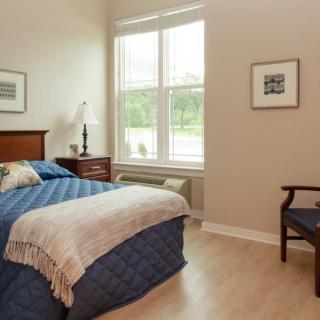
Mount Pleasant Gardens
$4,180 to $5,440 / month0.7 miles away -
About the same
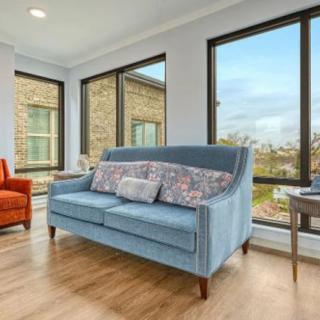
Kempton of Charleston
$5,000 to $7,800 / month6.1 miles away
Overall Review of BAYADA Home Health Care
Pros
 Bayada provides peace of mind for families, knowing loved ones are in good hands.
- Bayada's office staff communicates clearly and consistently.
- Bayada caregivers are dependable, competent, and truly compassionate.
- Bayada caregivers treat clients with dignity and go above and beyond to ensure comfort and safety.
- Bayada caregivers understand the art of caregiving and establish rapport that earns patients' trust and cooperation.
- Bayada caregivers are trustworthy, punctual, and focused on meeting clients' needs.
- Bayada management and caregivers are professional, caring, and consistently high-quality.
- Bayada Assistive Care goes above and beyond to provide families with peace of mind by clarifying what to expect from services.
- Bayada is a highly recommended option for home health care with knowledgeable staff and aides.
Review
This Bayada Home Health Care operation in Mount Pleasant is best suited for families who want their loved one to remain at home while receiving consistently high-quality, relationship-driven care. It is ideal for seniors who prioritize dignity, safety, and peace of mind, delivered through a clearly communicated plan and a care team that can be trusted to show up reliably, with compassion and professionalism. For someone who values a proactive, hands-on approach and a strong office leadership presence that keeps families informed, this service stands out as a practical and reassuring home-care partner.
Those who may want to consider alternatives are precisely the households where constant, around-the-clock supervision is non-negotiable or where the social and structured activity environment of a residential facility is a primary goal. If the need is for 24/7 intensive skilled nursing, or if family members require a setting with built-in social programs and highly supervised group activities, a traditional assisted living or nursing home may be a more fitting match. Additionally, if budget constraints or complex scheduling demands complicate ongoing in-home arrangements, exploring other care-models with different funding and service structures can be prudent.
The strongest pros, clear, consistent office communication; dependable, compassionate caregivers; and a mission-driven emphasis on dignity and safety, are meaningful counters to common home-care concerns. Caregivers are described as trustworthy, punctual, and capable, delivering not only practical help but also a level of emotional engagement that builds trust and reduces anxiety for families. The rapport between patient and caregiver emerges as a standout asset, translating into smoother cooperation, fewer disruptions, and fewer moments of stress for everyone involved. That continuity and trust are the backbone of peace of mind when a loved one is vulnerable.
These advantages translate into tangible day-to-day realities. Families can expect a team that operates with leadership oversight, professional demeanor, and a consistent presence, which minimizes the upheaval often associated with caregiver turnover. The service is framed as a white-glove experience, where staff take extra steps to anticipate needs and present clear expectations. Because caregivers are described as both knowledgeable and personable, the likelihood of miscommunication diminishes, and care plans can be followed more precisely, keeping safety and comfort at the forefront. In short, the in-home model functions at a high level when leadership, staffing, and patient rapport align.
From a decision standpoint, the fit hinges on valuing seamless home-based living with a trusted caregiver network and robust office support. The strongest endorsement rests on the ability to maintain consistent, compassionate caregivers who communicate transparently and coordinate with families to deliver proactive care. Pros offset typical home-care concerns by delivering a steady rhythm of service, predictable availability, and emotional reassurance for both the client and their loved ones. Yet, the balance tips away if needs demand 24/7 visibility, intensive medical supervision, or the social stimulation that only a residential community provides.
The practical course of action is straightforward: pursue Bayada’s intake to gauge whether the current level of in-home care aligns with medical and daily living needs, and request an opportunity to meet the care leadership and the caregiving team. Focus questions should include caregiver matching, scheduling flexibility, response times, and how the care plan adapts as health status evolves. If a home-first approach remains the priority and the emphasis is on high-quality, relationship-centered care with clear accountability, this Bayada option stands out as a prudent, mature choice. If not, alternatives that emphasize 24/7 supervision or built-in social structures may be the smarter path.
 Charleston AFB International (13 miles away)



 Engaging Brain Games and Innovative Apps to Keep Senior Minds Active
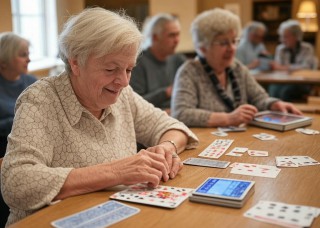 Effective Strategies for Keeping Seniors' Minds Active: A Deep Dive into Brain Games and Apps
 In-Depth Look at the VA Aid and Attendance Program