Ashley Gardens Transitional Assisted Living and Memory Care Costs & Pricing
At Ashley Gardens Transitional Assisted Living and Memory Care, the monthly costs reflect the quality of care and services provided. For a semi-private room, residents can expect to pay $4,000, which is slightly higher than the Dorchester County average of $3,913 and notably above the South Carolina state average of $3,243. In contrast, the studio option at Ashley Gardens is priced at $6,000 per month, exceeding both local and state averages - Dorchester County's average for studios is $4,053, while the overall South Carolina average stands at $3,649. These figures suggest that while Ashley Gardens offers a premium experience in assisted living and memory care, it does come with a higher price tag compared to nearby options.
Floor plans
Ashley Gardens Transitional Assisted Living and Memory Care
Dorchester County
South Carolina
Semi-Private
$4,000
$3,913
$3,243
Studio
$6,000
$4,053
$3,649
Memory care communities with a similar price nearby
Overall Review of Ashley Gardens Transitional Assisted Living and Memory Care
common24 reviews mention this
Staff care and responsiveness stand out
Residents and families consistently describe attentive, compassionate staff and strong communication.
Many reviewers say caregivers treated them with dignity and respect, learned residents’ preferences, and stayed present in day-to-day care. Several also mention good communication with families and leadership that was easy to work with during transitions. A few reviews include serious negative claims about care for a loved one, which is a reminder to ask detailed questions and confirm fit for your situation.
common18 reviews mention this
Care cleanliness is repeatedly praised
Multiple residents and families describe a very clean facility and well-kept rooms.
Cleanliness shows up often, with reviewers describing clean rooms, laundered clothing, and minimal odors during visits. One reviewer called out concerns about smell of urine and dirty incontinence items, and another noted a dining-room floor issue. Overall, the cleanliness experience appears strong for most families, but the negative odor-related feedback is important to consider.
common22 reviews mention this
Activities keep residents engaged
Reviews frequently mention a busy schedule of activities tailored for residents.
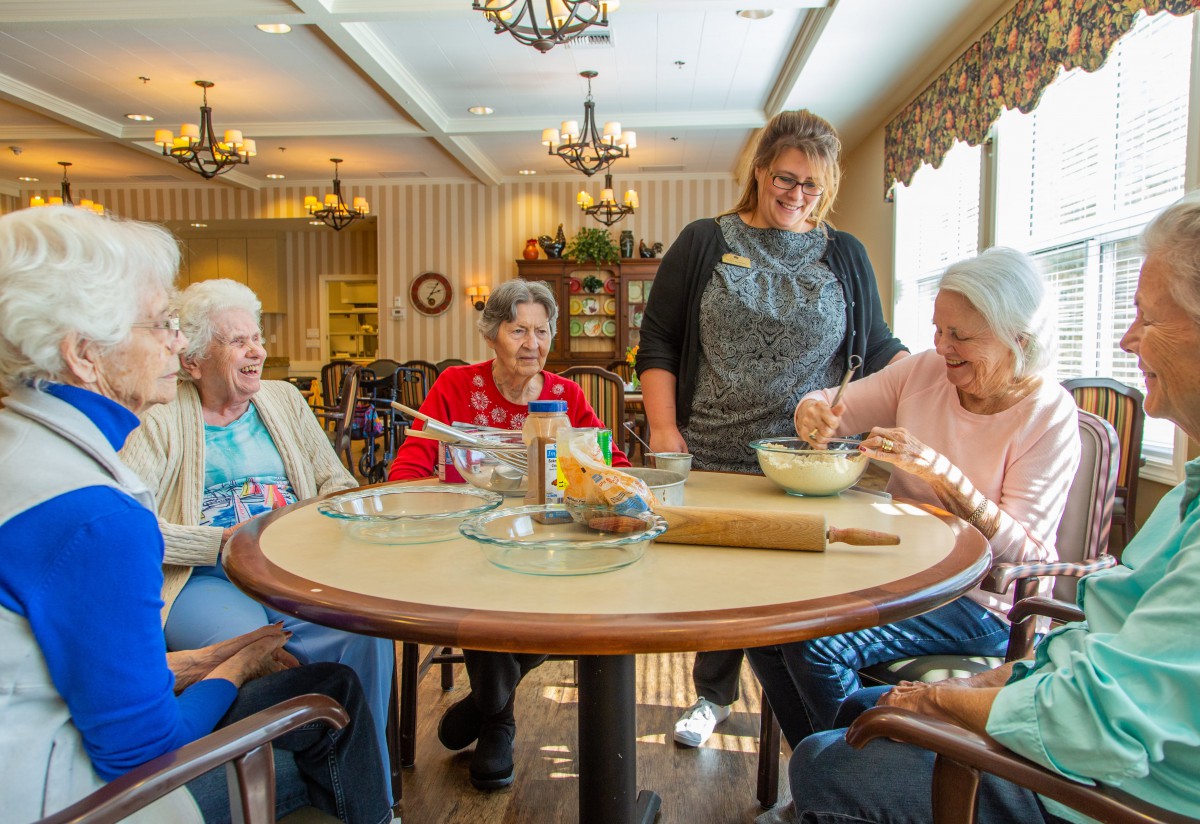
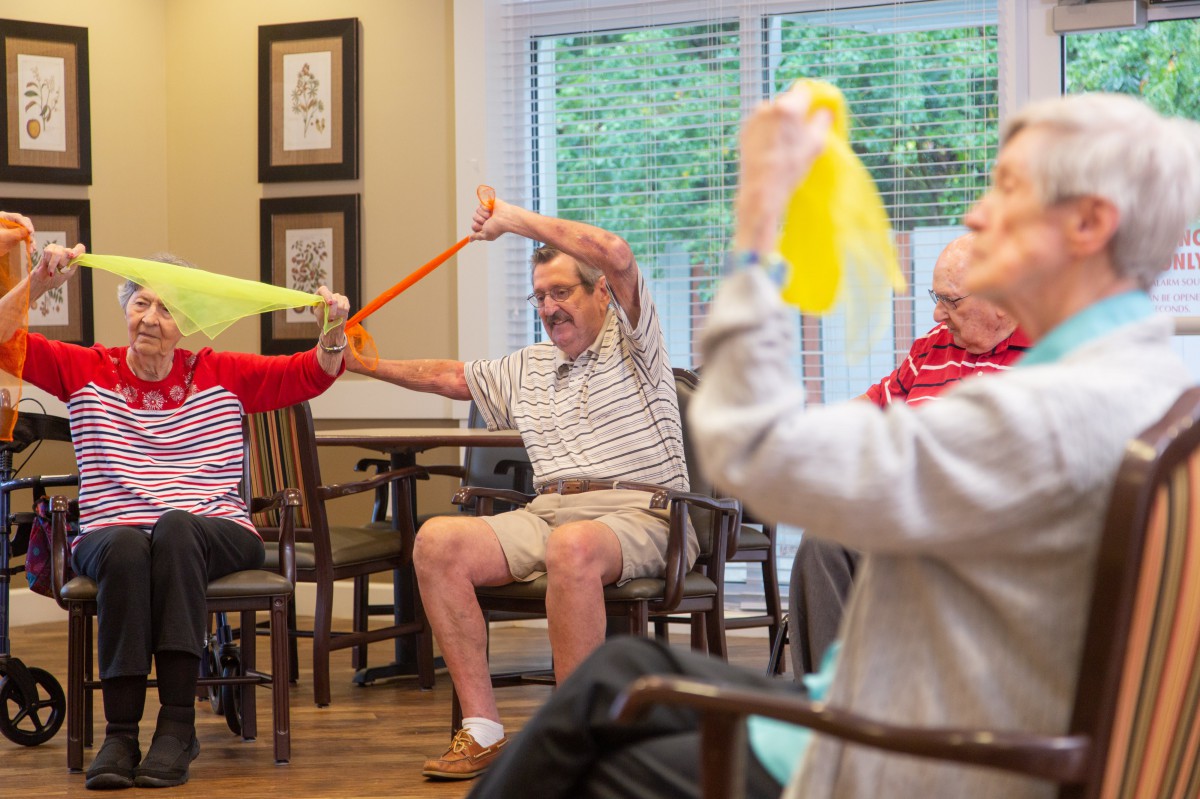
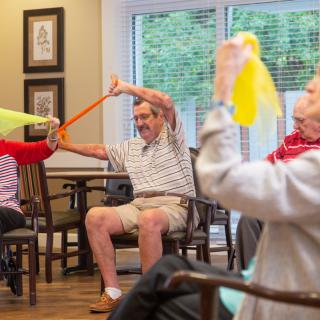
A large share of reviewers describe residents staying engaged throughout the day through crafts, music, singing, bingo, and outings. Several mention a consistent activity calendar and staff involvement that helps residents participate. There are also a few complaints that activities weren’t happening as scheduled or didn’t seem geared enough for memory-care needs, so it may help to ask how the program fits your loved one’s abilities and interests.
caveat11 reviews mention this
Food quality is a mixed signal
Dining earns strong praise for many families, but some mention uneven meals or restrictions.
Several reviews highlight the food as good to excellent, including compliments for an executive chef and meals that meet individual dietary needs. Others gave more mixed feedback, with one reviewer rating dinner lower than other meals and questioning certain restrictions and additional helpings. There’s also a note that a dining-room issue (like the floor) stood out in an otherwise high cleanliness review.
caveat5 reviews mention this
Pricing feels high to some
Some reviewers feel the community is expensive or that costs weren’t clear up front.
A few reviews describe costs as too high and say pricing details during a tour felt ambiguous. Others mention extra cost expectations for certain outings, and one reviewer compared value unfavorably for a studio situation. Still, at least one reviewer says the cost was competitive or a good value, so it looks like value perception varies by unit and expectations.
differentiator12 reviews mention this
Memory-care support and structure
Reviewers connect the facility’s memory-care focus with safer routines and better fit for dementia needs.
Many reviewers chose the community because it is set up for Alzheimer’s and dementia, and they describe residents being clean, happy, and safe with day-to-day oversight. Some also mention how the building layout and activity approach helped residents through confusion or wandering tendencies. A smaller number of reviews dispute the memory-care fit, saying the space felt limited for walking or that activities weren’t sufficient for that population.
How we summarize
Counts show how many written reviews mention each theme; a review can touch several themes, and only frequently mentioned themes are displayed.
Features
Types of Care
Memory Care
Amenities
Activities off-site
Activities on-site
Air-conditioning
Bath tubs
Beautician on-site
Cable or satellite TV
Devotional services on-site
Dining room
Handicap accessible
Indoor common areas
Laundry
Outdoor common areas
Respite or short term stays offered
Wheelchair accessible showers
Wi-Fi/high-speed internet available
Transportation
Charleston AFB International (6 miles away)
Care Services
Ambulatory care
Diabetic care
Incontinence care
Medication management
Dining
Guest meals
Low / no sodium
Meals provided
No Sugar
Professional chef
Restaurant style dining
Special dining programs
Vegetarian
Activities
Art classes
Bible study group
Catholic services
Cooking classes
Day trips and outings
Devotional activities on-site
Educational speakers / life long learning
Happy hour
Karaoke
Live musical performances
Live well programs
Other religious services
Protestant services
Videos
Nearby Places of Interest
This part of Charleston, South Carolina offers a convenient and accessible location for seniors looking to settle down. With various healthcare facilities nearby such as dermatology centers, cancer centers, and primary care clinics, residents can easily access medical care when needed. Additionally, there are plenty of dining options ranging from casual restaurants like O'Charley's to fast food chains like Chick-Fil-A. The presence of pharmacies like CVS and Walgreens also ensures easy access to medications. For recreation, there are parks like West Ashley Park for outdoor activities. Overall, this area provides a blend of amenities and services that cater to the needs of seniors looking for a comfortable and convenient living environment.
Physicians
Dermatology & Laser Center of Charleston (0.1 miles)
At Ashley Gardens Transitional Assisted Living and Memory Care, the monthly costs reflect the quality of care and services provided. For a semi-private room, residents can expect to pay $4,000, which is slightly higher than the Dorchester County average of $3,913 and notably above the South Carolina state average of $3,243. In contrast, the studio option at Ashley Gardens is priced at $6,000 per month, exceeding both local and state averages - Dorchester County's average for studios is $4,053, while the overall South Carolina average stands at $3,649. These figures suggest that while Ashley Gardens offers a premium experience in assisted living and memory care, it does come with a higher price tag compared to nearby options.
Ashley Gardens Transitional Assisted Living and Memory Care is located at 2290 Henry Tecklenburg Dr, Charleston, SC 29414 in Dorchester County, South Carolina
Medication management at Ashley Gardens ensures that residents receive their prescribed medications accurately and on schedule, which is crucial for maintaining their overall health and stability. This systematic approach helps to minimize the risk of medication errors, which can be particularly harmful for individuals with dementia or Alzheimer's disease who may struggle with memory issues related to their treatment plans. Incontinence care is also a vital aspect of the support provided, as it addresses both physical and emotional needs by promoting dignity and comfort. By offering specialized care in this area, residents can feel secure in a compassionate environment that respects their personal challenges while allowing them to focus on engagement and social interaction without the stigma associated with incontinence. Together, these features create a supportive atmosphere conducive to enhancing the quality of life for those facing cognitive decline.
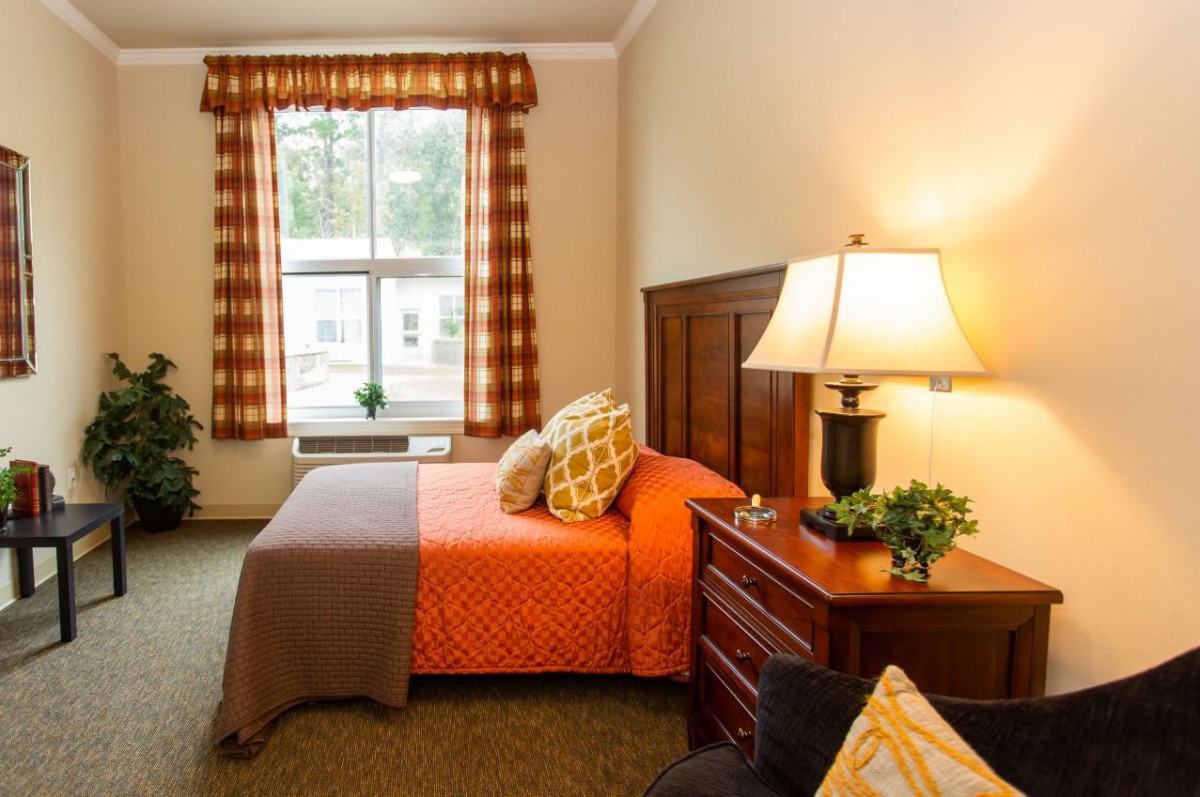
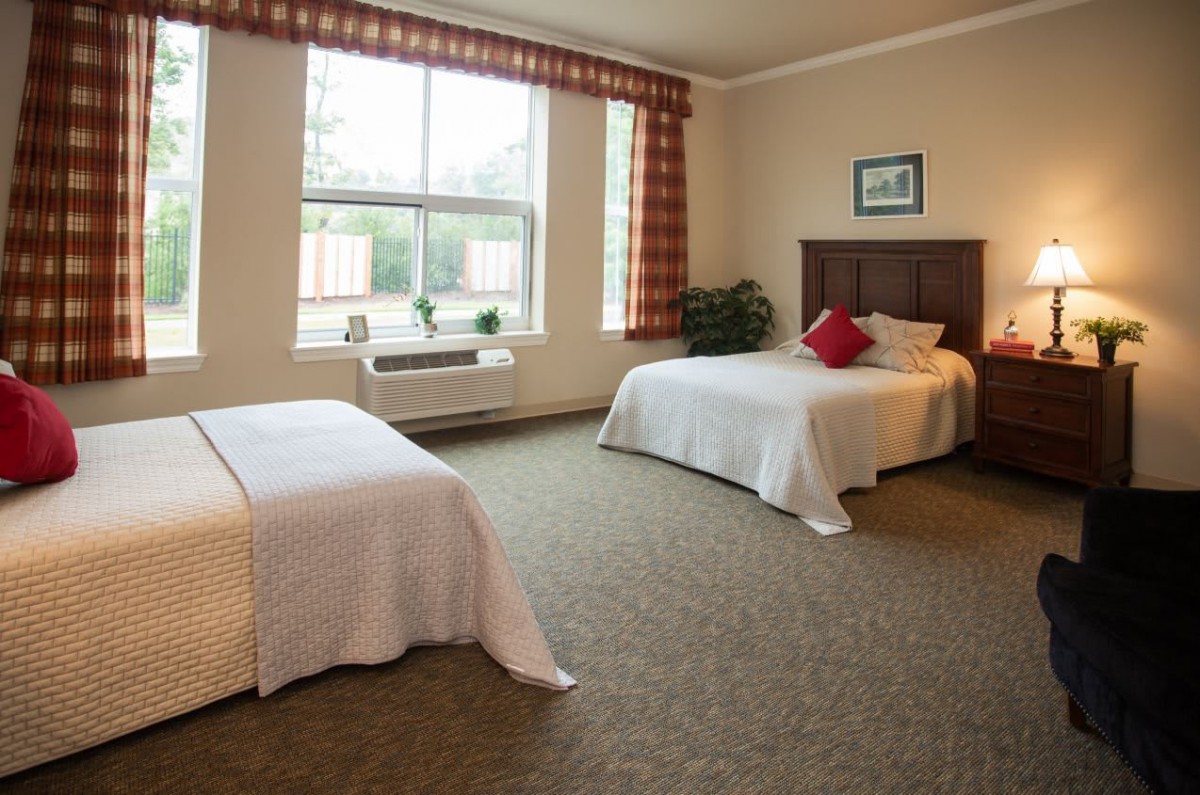
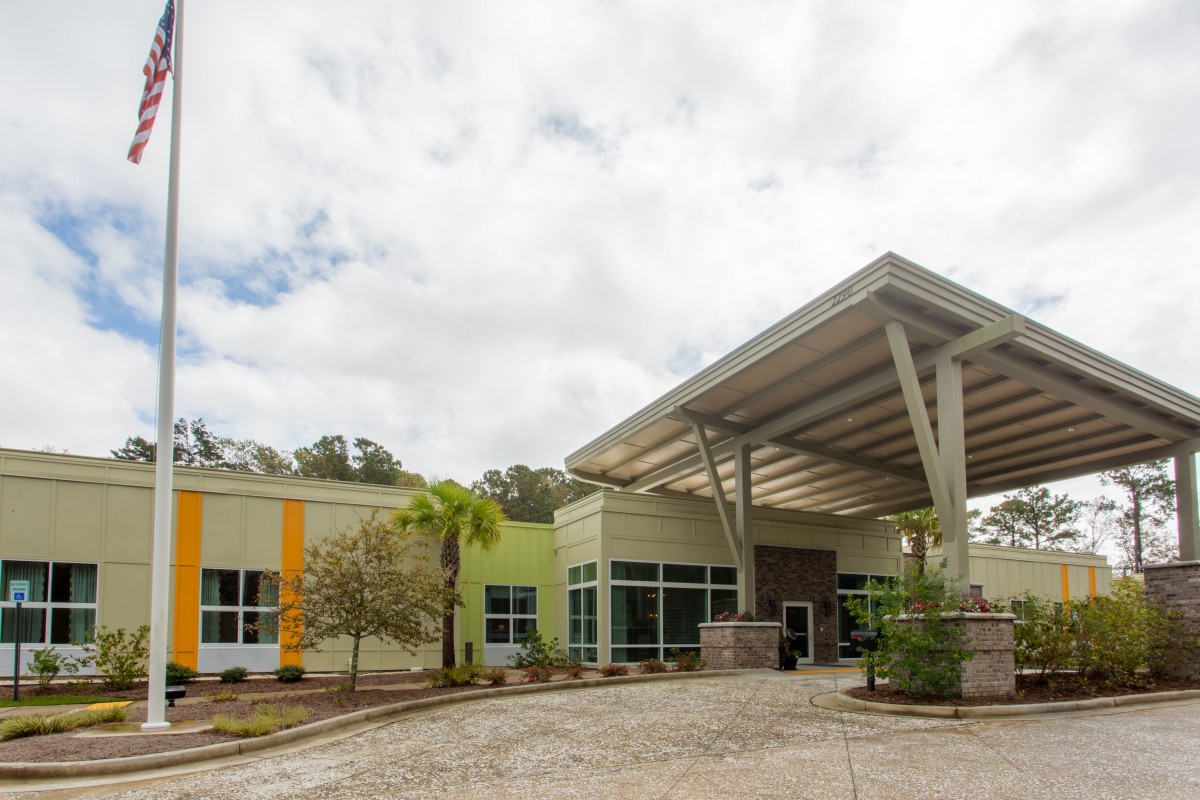
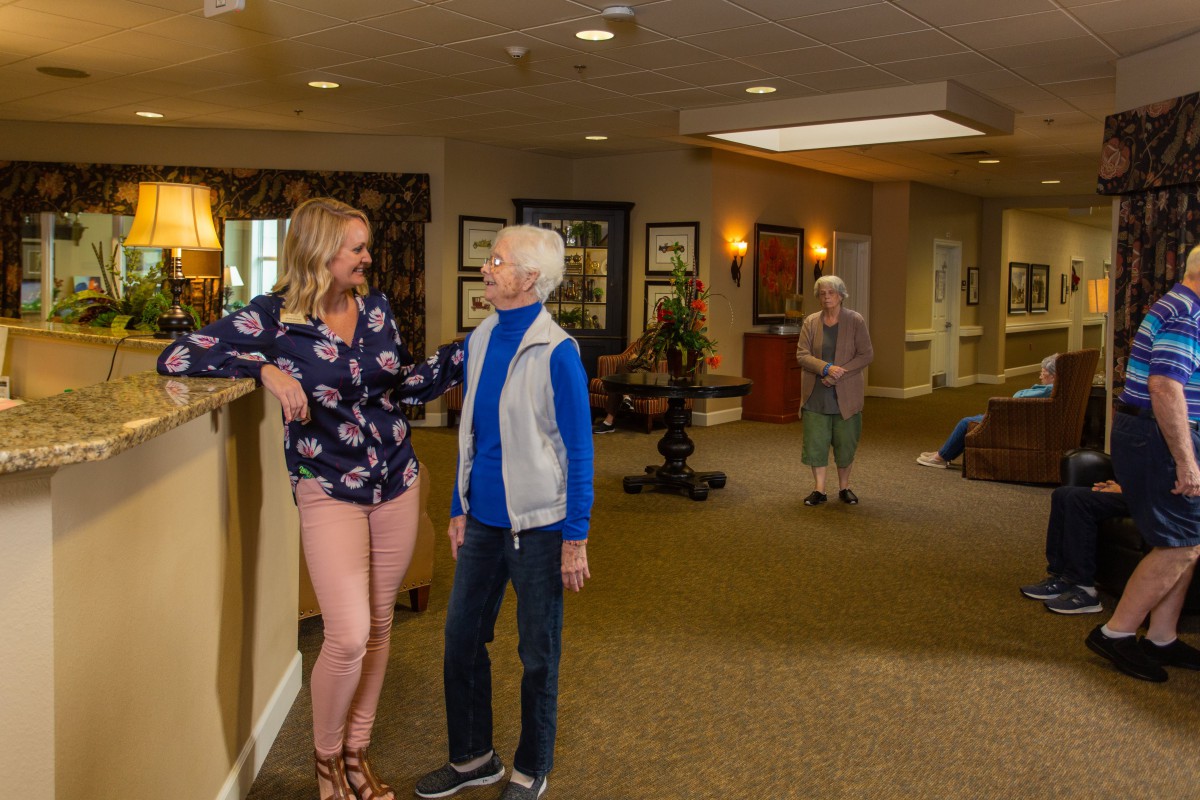
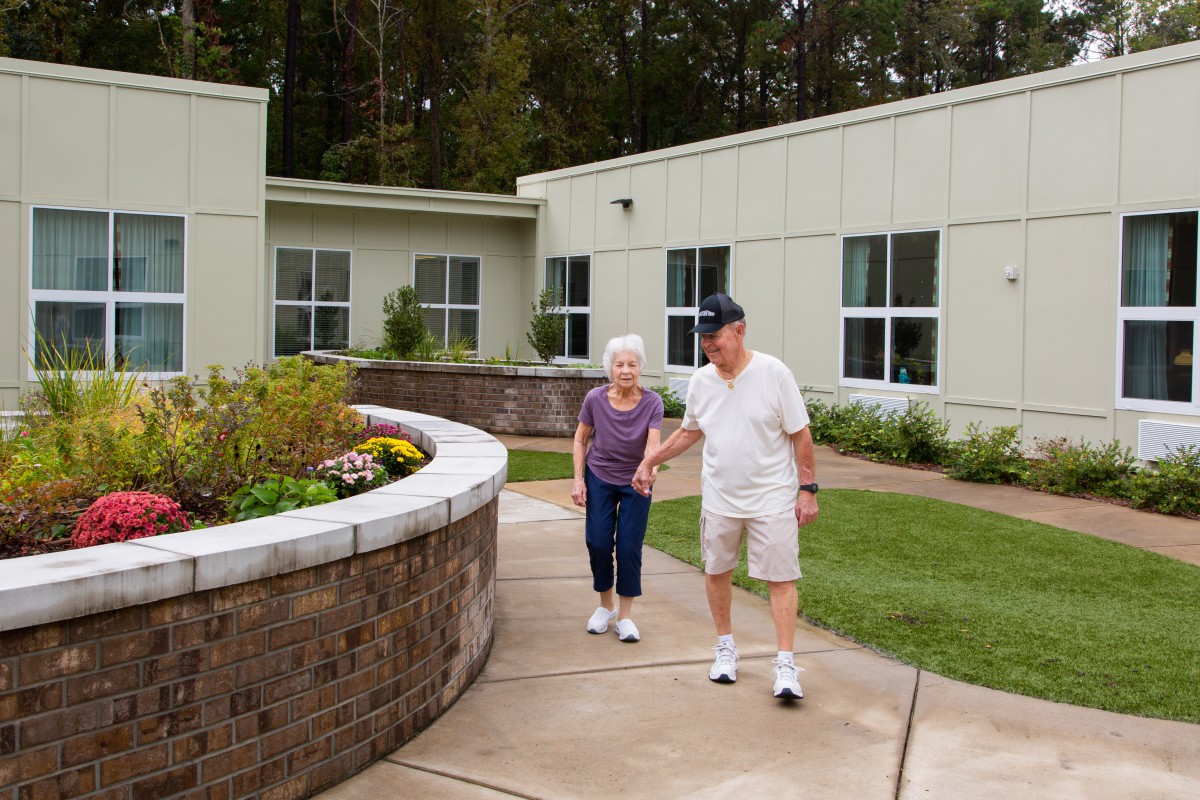
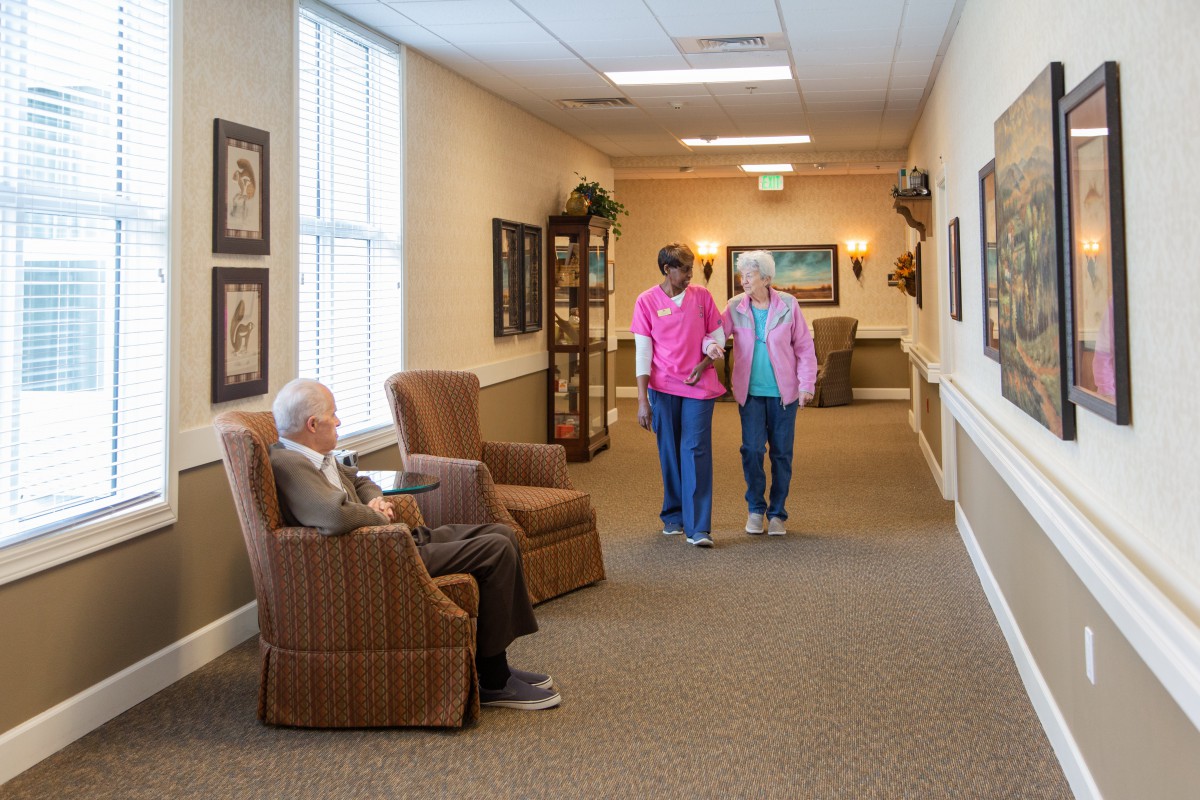
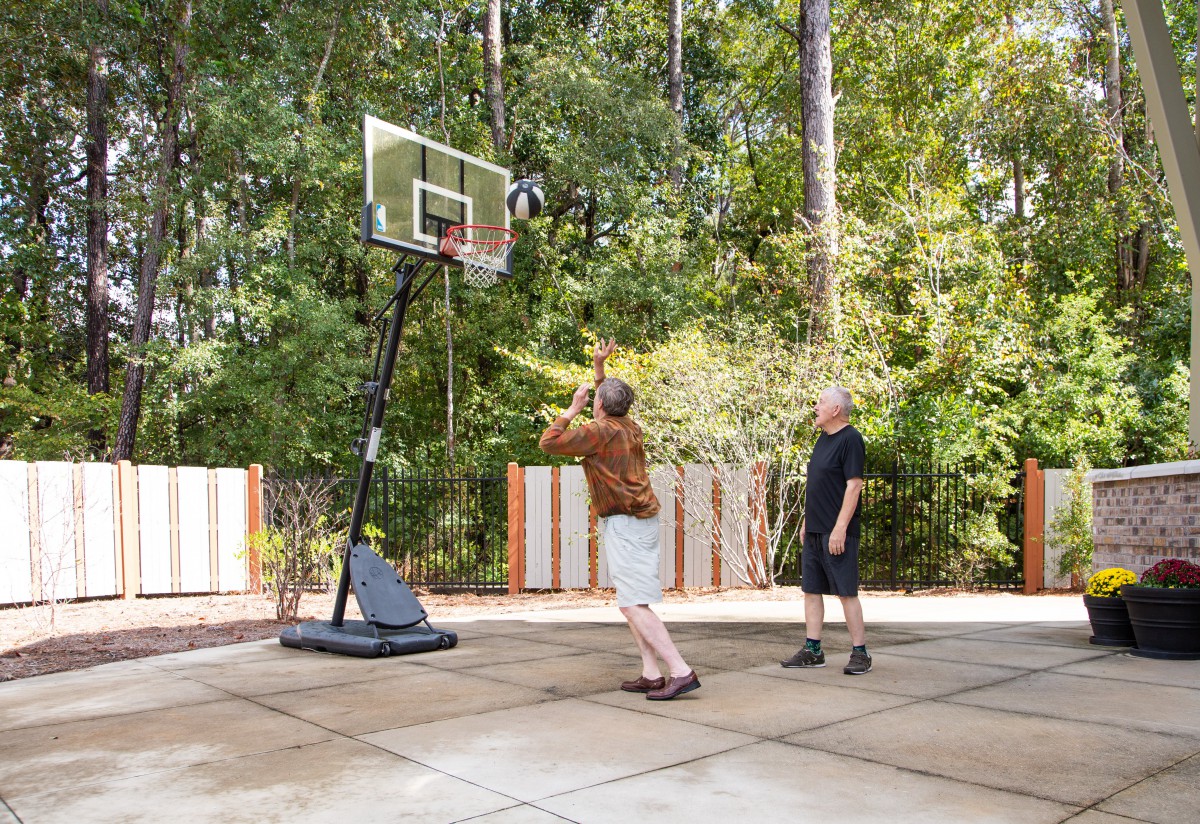
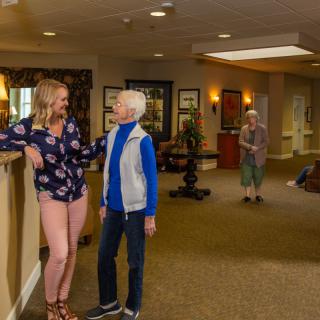
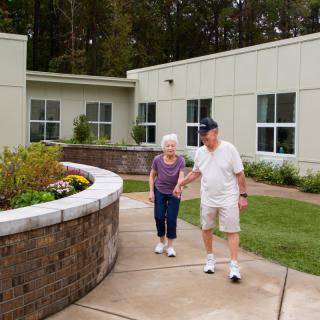
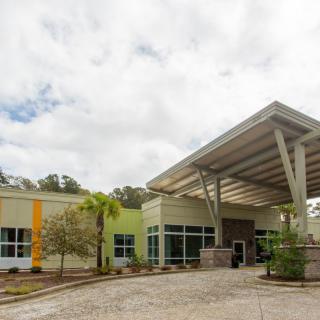
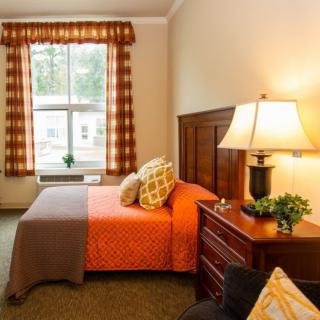
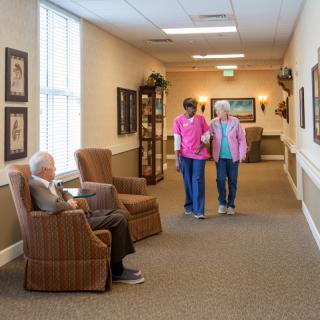
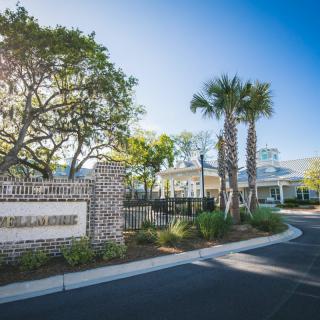
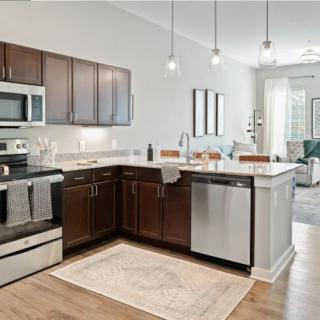
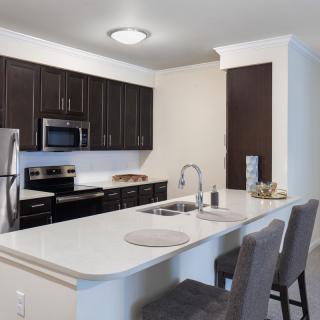
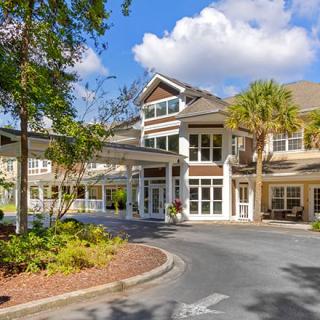
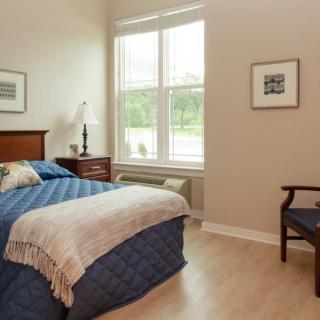
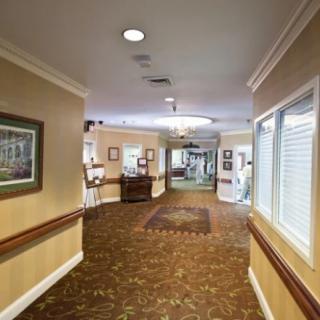
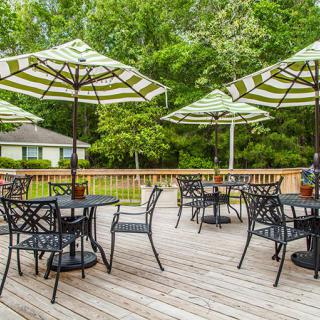
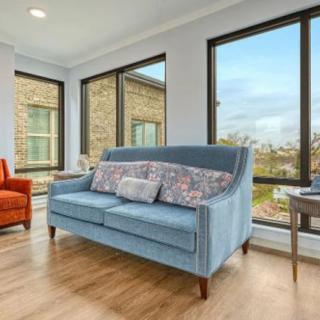
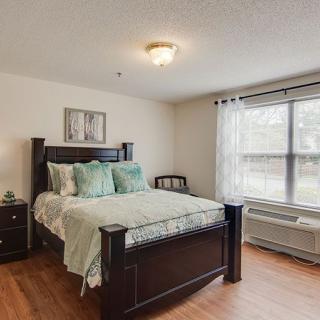
Ashley Gardens Transitional Assisted Living and Memory Care on seniors.fyi includes 10 photos including images showing interior, bedroom, outdoors, fitness, windows, building, modern architecture, outdoor, and more.
Nearby Communities
Harmony at West Ashley
Charleston, SC
4.3 from 136 reviews
$2,795 to $4,095 / month
Modern, well-appointed community with ample amenities and an active social program.
Ashley Gardens Memory Care & Transitional Assisted Living
Charleston, SC
4.5 from 18 reviews
24/7 supervision with dementia-focused programming and comprehensive care (medication management and ADL support).
Brookdale West Ashley
Charleston, SC
4.3 from 145 reviews
$4,350 to $5,800 / month
Caring, engaged staff in a warm, community-focused setting with plenty of activities.
Nhc Health Care - Charleston
Charleston, SC
4 from 125 reviews
Clean facility with friendly staff and robust rehab/amenities.
ComForcare Senior Services
Charleston, SC
4.6 from 7 reviews
Exceptional caregiver providing practical support and meaningful companionship, with helpful management and competitive pricing.
Palmettos Of Charleston
Charleston, SC
4.4 from 33 reviews
Friendly, attentive staff; clean, well-maintained environment with engaging activities.
Oaks at Charleston
Charleston, SC
4.2 from 130 reviews
$2,499 to $3,900 / month
Caring staff with engaging activities and a clean environment.
Kempton of Charleston
Charleston, SC
4.4 from 40 reviews
$5,000 to $7,800 / month
Exceptional, compassionate care with attentive staff and strong management.
Oaks at Daniel Island
Charleston, SC
4.6 from 85 reviews
$2,995 to $5,000 / month
Friendly staff and clean, comfortable apartments with engaging activities.
Dementia, particularly Lewy body dementia, often involves hallucinations that can significantly distress both patients and caregivers due to disruptions in sensory processing and neurotransmitter imbalances. Effective management includes compassionate communication, environmental adjustments, and a multidisciplinary approach to care while addressing the emotional needs of caregivers.
Alzheimer’s disease is a progressive neurological disorder that significantly impacts memory and cognitive functions, accounting for 60-80% of dementia cases, with early diagnosis being crucial yet challenging. It involves brain changes like beta-amyloid plaques and tau tangles, influenced by genetic and lifestyle factors, and while there is no cure, symptom management and support for caregivers are essential.
Dementia, influenced by aging and certain medications, may be exacerbated by drug classes such as anticholinergics, benzodiazepines, and antipsychotics, which are associated with cognitive impairment. Regular medication reviews by healthcare professionals are crucial for older adults to manage risks and optimize cognitive health.
Ashley Gardens Transitional Assisted Living and Memory Care photos
×
Interior
Outdoors
Building
Bedroom
Hallway
Fitness
Interior
Bedroom
Windows
Building, Trees, Outdoor, Entrance, and Modern Architecture
Garden
Outdoors
Lobby
Hallway and Nursing Home
Fitness and Exercise
Get PricingAsk A QuestionSchedule A TourContact Senior Advisor
By clicking submit, you agree to our Partner's Terms of Use. You
also consent to receive calls and texts, which may be autodialed, from our Partner. Your consent is not a condition to
using our Partner's service. Please visit our Partner's Privacy Policy for information about their privacy practices.

 Memory Care
 Activities off-site
 Air-conditioning
 Bath tubs
 Beautician on-site
 Cable or satellite TV
 Devotional services on-site
 Dining room
 Handicap accessible
 Indoor common areas
 Laundry
 Outdoor common areas
 Respite or short term stays offered
 Wheelchair accessible showers
 Wi-Fi/high-speed internet available
 Charleston AFB International (6 miles away)
 Ambulatory care
 Diabetic care
 Incontinence care
 Medication management
 Guest meals
 Art classes
 Bible study group
 Cooking classes
 Day trips and outings
 Educational speakers / life long learning
 Happy hour
 Karaoke
 Live musical performances
 Live well programs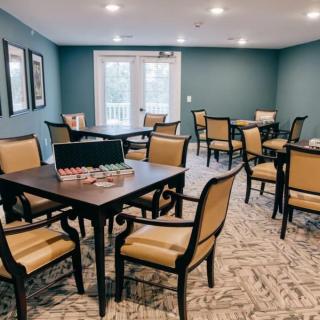
 Modern, well-appointed community with ample amenities and an active social program.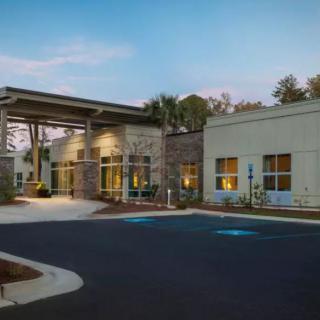

 Dementia-Related Hallucinations: Causes, Experiences, and Practical Approaches
 Illuminating Insights About Alzheimer's Disease: Ten Crucial Realities
 A Thorough Discussion of Medications Potentially Linked to Dementia Risk