
Ashley Gardens Memory Care & Transitional Assisted Living

Save
Ashley Gardens Memory Care & Transitional Assisted Living Ashley Gardens Memory Care & Transitional Assisted Living Ashley Gardens Memory Care & Transitional Assisted Living

Ashley Gardens Memory Care & Transitional Assisted Living

2290 Henry Tecklenburg Drive, Charleston, SC 29414

For more information about senior living options: (844) 490-3973

4.4 from 16 reviews
5 stars
13
4 stars
1
3 stars
0
2 stars
0
1 stars
2

Assisted Living Memory Care

What level of care are you interested in?

Assisted Living

Memory Care

Independent Living

Skilled Nursing Facility

Continuing Care Retirement Community (CCRC)CCRC

Other


Request a tour at Ashley Gardens Memory Care & Transitional Assisted Living

    Overall Review of Ashley Gardens Memory Care & Transitional Assisted Living

    Pros

    • pro The Ashley Gardens community is clean and the food is amazing.
    • pro The Ashley Gardens team goes above and beyond, showing love and compassion to residents and maintaining a clean environment.
    • pro The activities keep residents engaged and inclusive for everyone.
    • pro The caregivers at Ashley Gardens truly know how to love and provide care while preserving residents' dignity.
    • pro The staff know each resident and take time to understand their personalities and preferences.
    • pro Fox Rehab staff are present almost daily and work hard to address residents' physical, speech, and occupational needs.
    • pro The facility is open and allows residents to walk laps and socialize with friends.
    • pro The facility is fully staffed 24 hours a day, providing constant support.
    • pro The staff are caring and fully present, not glued to their phones.
    • pro The dining experience features balanced meals, real dishes, and assigned tables that help residents dine with friends.
    • pro The entire staff is wonderful and treats residents and their families like family.
    • pro Ashley Gardens greatly exceeds expectations.

    Cons

    • pro A reviewer stated that Ashley Gardens doesn't do much with the residents, which was a red flag.
    • pro The residents were described as slumped over in chairs and seemingly not engaged.
    • pro The assessment of their loved one was viewed as biased, and the remarks about the loved one were deemed inexcusable.
    • pro It was suggested that the staff seemed to have no compassion for a hard situation or for the resident as a person.
    • pro The facility was described as outdated.
    • pro There was a complaint about having to provide extra cash for field trips, seen as an improper expense.

    Review

    During a tour of Ashley Gardens, many visitors come away with a warm, confident sense of community. One encounter described meeting Sarah during the visit and being impressed by how clean the community looked and how delicious the food was. The impression across reviews is consistent: Ashley Gardens feels welcoming from the first impression, and several travelers leave with a clear urge to recommend a tour to others.

    The testimonials consistently highlight the Ashley Gardens team as a standout feature. Multiple reviewers praise the staff for going above and beyond, noting the love and compassion extended to residents and the meticulous cleanliness of the premises. The activities program is described as thorough and engaging, with opportunities for participation that accommodate a wide range of interests. From the caregivers to the kitchen staff, reviewers feel that every person contributes to a sense of being respected, valued, and well cared for. In short, the culture at Ashley Gardens is portrayed as one of genuine care, with the team making a concerted effort to create a positive daily experience for residents and their families.

    Not every account mirrors the same optimism, however. One reviewer recounted a troubling experience when touring Ashley Gardens after having had difficulties with a different facility. They observed residents slumped in chairs and perceived a lack of engagement, which they described as a red flag. This reviewer also felt that the assessment conducted at the facility they were leaving was biased and lacking in compassion, particularly in how a staff member spoke about their loved one afterward. The critique emphasizes the importance of viewing care through the lens of systemic quality rather than a single moment, and it serves as a cautious reminder that first impressions can be misleading if not paired with a broader assessment of care quality. The reviewer ultimately felt grateful that Ashley Gardens did not become the chosen home and found a facility elsewhere that better aligned with their expectations for attentive care.

    Other families share deeply personal and long-term experiences with Ashley Gardens, painting a portrait of a place that can become a true home for residents. One family moved their father to Ashley Gardens and found that he rapidly formed meaningful relationships with the staff, who treated him with dignity and respect. They describe a culture where caregivers are attentive across the board - from the front-door welcome to the kitchen staff - fostering a sense of belonging and familial warmth. The care extended beyond daily routines to end-of-life support, with staff offering steady guidance and comfort during a traumatic period, underscoring the human side of caregiving and the strength of the community around the family.

    Beyond general kindness, specific programs and services receive praise. Fox Rehab therapists are highlighted as a steady presence, addressing physical, speech, and occupational needs with diligence and expertise. The layout of the facility itself is noted as conducive to activity, with open spaces that allow for walking laps and casual interactions with friends along the way. A fully staffed environment around the clock provides reassurance to families that help is available whenever needed. The consistent message from these accounts is that the staff know each resident personally, understand their preferences, and communicate clearly with families, building a foundation of trust that families value highly.

    Families facing dementia and other complex needs also share heartening stories about daily living. A wife of fifty years with dementia is described as happy and content after seven months, with consistent attention to her cleanliness, wardrobe, and meal experience. The dining room environment - with real plates and silverware, assigned tables, and thoughtful meal planning - contrasts with previous experiences where residents sat alone or lacked companionship. The care team coordinates with medical professionals and therapists, ensuring that care is integrated and responsive. This level of organization, personal attention, and ongoing family communication is repeatedly cited as a strength of Ashley Gardens.

    Another testimonial emphasizes the vibrant, affectionate community life that Ashley Gardens fosters. Attendance at activities, from singing to crafts, is described as balanced and inclusive, with lively examples such as a guest performer Elvis providing joyful moments. The sense of fun and engagement reinforces the overall impression of a place where residents stay active, entertained, and connected to people they enjoy. The writing conveys a feeling of vitality and community spirit that many families associate with a well-run senior living environment.

    Cleanliness and presentation are underscored in several reviews, with one noting nearly luxurious upkeep and another highlighting a staff member - Kelly - whose heart for her work stands out. Families appreciate the transparent, supportive approach of the directors, who share photos and videos of their loved ones enjoying activities, reinforcing a sense of ongoing involvement and reassurance. While most remarks celebrate Ashley Gardens as a place that exceeds expectations, one note points out a practical cost-related aspect of community outings, where families may need to contribute additional funds to cover field trips. This is acknowledged as a logistical detail rather than a reflection on the overall quality of care, but it is mentioned as a consideration for those planning a future stay.

    A final, poignant reflection comes from a family caring for an aunt with Alzheimer's who relocated to Charleston, having found Ashley Gardens to be a highly attentive and genuinely caring environment in a new facility. The aunt's caregivers and the broader staff are described as attentive and compassionate, reinforcing the overall theme that Ashley Gardens is experienced as a place where residents are treated with dignity, respect, and individualized attention. Across the range of experiences - from first impressions during tours to long-term, life-affirming care - these reviews collectively paint Ashley Gardens as a community marked by compassionate care, active engagement, clean facilities, and strong family partnerships, with the occasional valid critique that helps ensure ongoing improvement.

    Features

    Housing

    • 66 resident community capacity 66 resident community capacity

    Types of Care

    • Assisted Living Assisted LivingAssisted living facilities provide crucial support and care for seniors who may need help with daily tasks such as medication management, bathing, and meal preparation. These communities offer a safe and comfortable environment where seniors can maintain their independence while receiving the assistance they need to thrive in their golden years.
    • Memory Care Memory CareMemory care is crucial for seniors as it provides specialized support and services for individuals with dementia or Alzheimer's disease. These programs offer a safe and secure environment where residents receive personalized care, cognitive stimulation, and help with daily activities. Memory care helps seniors maintain their independence, quality of life, and dignity while also providing peace of mind for their families.

    Amenities

    • Air-conditioning Air-conditioningAir conditioning is important for seniors as they are more vulnerable to heat-related illnesses and may have underlying health conditions that make it difficult for them to regulate their body temperature. It helps to keep them comfortable, safe, and healthy in hot weather.
    • Beauty salon Beauty salonBeauty salons are important for seniors because they provide a space for them to feel pampered, socialize, and maintain their personal grooming and hygiene. Regular visits to a beauty salon can help boost seniors' self-esteem and overall well-being.
    • Cable or satellite TV Cable or satellite TVCable or satellite TV is important for seniors because it provides entertainment, news, and companionship, helping to combat loneliness and boredom. It also offers a wide range of programming options tailored to different interests and preferences.
    • Computer center Computer centerA computer center is essential for seniors as it provides access to technology, communication tools, and resources that can enhance their daily lives. It allows them to stay connected with loved ones, engage in online activities, and learn new skills, ultimately promoting socialization and mental stimulation.
    • Dining room Dining roomDining rooms are important for seniors as they provide a space for socialization, connection, and nutritious meals. They offer opportunities for residents to bond over shared meals, foster a sense of community, and promote healthy eating habits. Dining rooms also ensure that seniors have access to well-balanced meals tailored to their dietary needs and preferences.
    • Fitness room Fitness roomHaving a fitness room in a senior living community is essential for seniors to stay active, maintain their physical health, and improve their overall well-being. Regular exercise can help prevent falls, reduce the risk of chronic diseases, and promote mental sharpness. It also provides social opportunities for residents to connect with others and enjoy a sense of community.
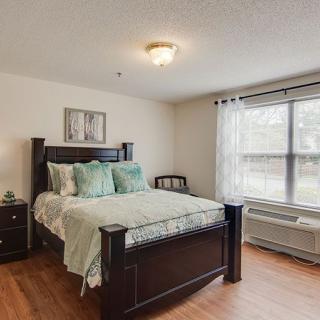
    • Fully furnished Fully furnishedFully furnished senior living communities are important for seniors because they provide convenience, comfort, and a hassle-free moving experience. Seniors can easily settle into their new living space without the stress of having to buy and move furniture. This allows them to focus on enjoying their new home and community.
    • Gaming room Gaming roomGaming rooms are important for seniors as they provide a fun and engaging environment for socializing, cognitive stimulation, and physical activity. Games can improve memory, problem-solving skills, and overall mental well-being while fostering friendships and reducing feelings of isolation.
    • Garden GardenGardens are important for seniors as they provide a peaceful and therapeutic environment for relaxation, physical activity, and socialization. Being in nature has been shown to reduce stress, improve mood, and promote overall well-being. Gardens also offer opportunities for seniors to engage in gardening activities, which can improve mobility, flexibility, and cognitive function. Additionally, gardens create a sense of community and connection with others who share a passion for plants and outdoor spaces.
    • Housekeeping services Housekeeping servicesHousekeeping services are important for seniors because they help maintain a clean and safe living environment, promote independence, and reduce the risk of accidents or illnesses. Additionally, having assistance with household chores can alleviate physical strain and allow seniors to focus on other aspects of their well-being.
    • Kitchenette KitchenetteKitchenettes are important for seniors living in senior living communities because they provide the convenience and independence of being able to prepare simple meals and snacks in the comfort of their own living space. This can help promote a sense of autonomy and well-being for seniors, allowing them to maintain some level of control over their dietary choices and daily routines.
    • Move-in coordination Move-in coordinationMove-in coordination is important for seniors because it helps ease the transition into their new living environment. It ensures that all logistics, such as packing, organizing movers, and setting up utilities are taken care of, allowing seniors to focus on settling in and adjusting to their new home. Having a smooth move-in process can alleviate stress and anxiety, making the transition smoother and more enjoyable for seniors.
    • Outdoor space Outdoor spaceOutdoor spaces are important for seniors as they provide opportunities for physical activity, social interaction, exposure to natural light and fresh air, and a sense of connection to nature. Having access to outdoor spaces can improve overall well-being and quality of life for older adults living in senior communities.
    • Private bathrooms Private bathroomsPrivate bathrooms are important for seniors in senior living communities because they provide independence, dignity, and comfort. Having a private bathroom allows seniors to maintain their personal hygiene routines without the need for assistance, promoting a sense of autonomy and privacy. Additionally, private bathrooms help prevent the spread of infections and provide a safe and clean environment for seniors to navigate safely.
    • Restaurant-style dining Restaurant-style diningRestaurant-style dining is important for seniors because it allows them to enjoy delicious, nutritious meals in a social and upscale setting. This enhances their dining experience, promotes healthy eating habits, and fosters socialization with fellow residents, ultimately contributing to their overall well-being and quality of life.
    • Small library Small librarySmall libraries are important for seniors as they provide access to a variety of reading materials, including books, newspapers, and magazines. This can help stimulate their minds, keep them engaged, and provide a sense of community through book clubs and other social activities. Additionally, reading has been shown to improve cognitive function and overall mental well-being in older adults.
    • Spa SpaSpas are important for seniors because they provide relaxation, stress relief, and therapeutic benefits which can improve their overall well-being and quality of life. Additionally, spa treatments such as massages, hydrotherapy, and aromatherapy can help alleviate common age-related ailments such as arthritis, joint pain, and circulation issues. Seniors deserve to enjoy a pampering experience that promotes physical and emotional wellness.
    • Telephone TelephoneTelephones are important for seniors as they provide a lifeline for communication with loved ones, emergency services, and healthcare providers. They offer a sense of security and independence, enabling seniors to stay connected and access assistance when needed.
    • Wellness center Wellness centerWellness centers are important for seniors because they offer a variety of programs and services that promote physical, mental, and emotional well-being. These centers provide opportunities for exercise, socialization, education, and relaxation, helping seniors maintain their overall health and quality of life.
    • Wi-Fi/high-speed internet available Wi-Fi/high-speed internet availableWi-Fi/high-speed internet is important for seniors to stay connected with loved ones, access online resources, and participate in virtual activities to combat feelings of loneliness and isolation. It also allows them to easily manage healthcare needs, access entertainment, and engage in lifelong learning opportunities.

    Transportation

    • Charleston AFB International (7 miles away) Charleston AFB International (7 miles away)
    • Community operated transportation Community operated transportationCommunity operated transportation is crucial for seniors as it provides them with the means to access essential services, social activities, and medical appointments. It allows seniors to maintain their independence and quality of life by ensuring they can participate in activities outside of their homes. Additionally, community-operated transportation services offer a safe and reliable way for seniors to travel without having to rely on family or friends for assistance.
    • Transportation arrangement Transportation arrangementTransportation arrangements are crucial for seniors as they may face challenges with driving, mobility, or access to public transportation. Having reliable transportation services ensures that seniors can easily attend appointments, social activities, and maintain their independence and quality of life.
    • Transportation arrangement (non-medical) Transportation arrangement (non-medical)Transportation arrangements are essential for seniors as they provide access to essential services, activities, and social interactions outside the home. This service helps maintain independence, mobility, and overall well-being for seniors who may have limited transportation options.
    • Transportation to doctors appointments Transportation to doctors appointmentsTransportation to doctors appointments is crucial for seniors as it ensures they have access to necessary medical care and support, promoting their health and well-being. It allows them to receive timely treatment, monitor existing conditions, and address any new health concerns efficiently. Additionally, transportation services can help seniors maintain their independence and quality of life by enabling them to stay connected with their healthcare providers.

    Care Services

    • 12-16 hour nursing 12-16 hour nursing12-16 hour nursing care is crucial for seniors in order to ensure around-the-clock monitoring, timely medication administration, and prompt response to any health concerns or emergencies. This level of care helps to promote the overall well-being and safety of seniors living in senior living communities.
    • 24-hour call system 24-hour call system24-hour call systems are important for seniors because they provide peace of mind and immediate assistance in case of emergencies. This technology ensures that help is always available, promoting safety and security for elderly individuals living alone or in assisted living facilities.
    • 24-hour supervision 24-hour supervision24-hour supervision is important for seniors to ensure their safety, well-being, and access to immediate assistance in case of emergencies or health issues. This constant support provides peace of mind for both seniors and their loved ones, allowing them to age in place with dignity and security.
    • Activities of daily living assistance Activities of daily living assistanceActivities of daily living assistance are important for seniors because they provide essential support with tasks such as eating, bathing, dressing, and mobility. This assistance helps seniors maintain their independence, dignity, and overall quality of life as they age.
    • Assistance with bathing Assistance with bathingAssistance with bathing is crucial for seniors as it helps maintain personal hygiene, prevents infections, and ensures their overall well-being and comfort. It also provides a sense of dignity and independence for seniors who may struggle with this task on their own.
    • Assistance with dressing Assistance with dressingAssistance with dressing is important for seniors because it helps maintain their independence, promotes personal hygiene, prevents accidents and injuries, and improves overall quality of life. This service ensures that seniors can continue to dress comfortably and confidently, despite any physical limitations they may have.
    • Assistance with transfers Assistance with transfersAssistance with transfers is crucial for seniors as it helps prevent falls and injuries, maintains their independence, and ensures they can safely navigate their living environment. It also provides peace of mind for both seniors and their loved ones.
    • Coordination with health care providers Coordination with health care providersCoordination with health care providers is crucial for seniors to ensure proper medical care, medication management, and overall well-being. This collaboration helps prevent overlapping treatments, track progress more effectively, and provide comprehensive support tailored to individual needs.
    • Dementia waiver Dementia waiverDementia waivers are essential for seniors as they provide critical protections and accommodations for those experiencing cognitive decline. These waivers ensure individuals with dementia receive appropriate care, support, and resources to maintain their quality of life and dignity as they navigate the challenges of this progressive condition.
    • Diabetes diet Diabetes dietA diabetes diet is crucial for seniors as it helps manage blood sugar levels, reduce risks of complications, and improve overall health and well-being. By following a balanced and nutritious diet tailored to their specific needs, seniors can better control their diabetes and enhance their quality of life.
    • Hospice waiver Hospice waiverHospice waivers are important for seniors because they allow individuals to receive specialized end-of-life care and support at home or in a hospice facility. This waiver ensures that seniors can access the necessary resources and services to maintain comfort and dignity during their final days.
    • Meal preparation and service Meal preparation and serviceMeal preparation and service are crucial for seniors as they may have limited mobility or energy to cook nutritious meals. Having access to healthy and convenient food options can ensure they are getting the proper nutrition needed to maintain their overall health and well-being.
    • Medication management Medication managementMedication management is crucial for seniors to ensure they are taking the right medications at the correct dosages and times. This helps prevent adverse drug interactions, reduces the risk of medication errors, and promotes overall health and well-being. Proactive management also allows for adjustments as needed based on changing health conditions or new prescriptions.
    • Mental wellness program Mental wellness programMental wellness programs are essential for seniors as they promote cognitive stimulation, emotional support, and social engagement. These programs help prevent isolation, depression, and cognitive decline, ultimately enhancing the overall quality of life for older adults.
    • Mild cognitive impairment Mild cognitive impairment"Mild cognitive impairment" is important for seniors because it is an early stage of cognitive decline that can potentially progress to more severe conditions such as dementia. Recognizing and addressing mild cognitive impairment can help seniors receive appropriate care and support to maintain their quality of life and independence for as long as possible.
    • Special dietary restrictions Special dietary restrictionsSpecial dietary restrictions are important for seniors because age-related changes in metabolism and health conditions can make it difficult for their bodies to process certain foods. By following a diet tailored to their specific needs, seniors can maintain their overall health and well-being, manage chronic conditions, and reduce the risk of complications such as malnutrition or food interactions with medications.
    • Specialized memory care programming Specialized memory care programmingSpecialized memory care programming is crucial for seniors with cognitive impairments such as dementia or Alzheimer's disease. These programs provide a safe and supportive environment tailored to the unique needs of individuals with memory loss, helping them maintain their independence, dignity, and quality of life.
    • Transportation arrangement (medical) Transportation arrangement (medical)Transportation arrangements for medical purposes are essential for seniors as they may have difficulty driving themselves to appointments or accessing public transportation. Having reliable and safe transportation options ensures that seniors can receive timely medical care and maintain their health and well-being.
    • Transportation to doctors appointments Transportation to doctors appointmentsTransportation to doctors appointments is crucial for seniors as it ensures they have access to necessary medical care and support, promoting their health and well-being. It allows them to receive timely treatment, monitor existing conditions, and address any new health concerns efficiently. Additionally, transportation services can help seniors maintain their independence and quality of life by enabling them to stay connected with their healthcare providers.

    Dining

    • Diabetes diet Diabetes dietA diabetes diet is crucial for seniors as it helps manage blood sugar levels, reduce risks of complications, and improve overall health and well-being. By following a balanced and nutritious diet tailored to their specific needs, seniors can better control their diabetes and enhance their quality of life.
    • Special dietary restrictions Special dietary restrictionsSpecial dietary restrictions are important for seniors because age-related changes in metabolism and health conditions can make it difficult for their bodies to process certain foods. By following a diet tailored to their specific needs, seniors can maintain their overall health and well-being, manage chronic conditions, and reduce the risk of complications such as malnutrition or food interactions with medications.

    Activities

    • Community-sponsored activities Community-sponsored activitiesCommunity-sponsored activities are important for seniors as they provide opportunities for social interaction, mental stimulation, and physical activity. These activities can help improve overall well-being, combat loneliness and isolation, and promote a sense of belonging and purpose among older adults.
    • Concierge services Concierge servicesConcierge services are essential for seniors as they provide assistance with daily tasks and errands, enhance their quality of life by offering convenience and personalized care, and promote a sense of safety and security.
    • Fitness programs Fitness programsFitness programs are crucial for seniors as they help improve strength, flexibility, balance, and overall well-being. Staying active can reduce the risk of chronic diseases, improve mental health, and enhance quality of life in older adults.
    • Planned day trips Planned day tripsPlanned day trips are important for seniors because they offer opportunities for socialization, mental stimulation, and physical activity. They provide a change of scenery and help seniors stay engaged and connected to their community, promoting overall well-being and quality of life.
    • Resident-run activities Resident-run activitiesResident-run activities are important for seniors as they encourage social interaction, creativity, and a sense of autonomy. These activities empower seniors to stay engaged and active in their community while fostering meaningful connections with their peers.
    • Scheduled daily activities Scheduled daily activitiesScheduled daily activities are important for seniors because they provide structure, socialization, mental stimulation, and physical activity. Engaging in regular activities can improve overall well-being and quality of life for seniors living in a community setting.

    Description

    Ashley Gardens Memory Care & Transitional Assisted Living in Charleston, SC offers exceptional care and support for individuals with memory care needs. Our community provides a range of services and amenities to ensure our residents' comfort, well-being, and engagement.

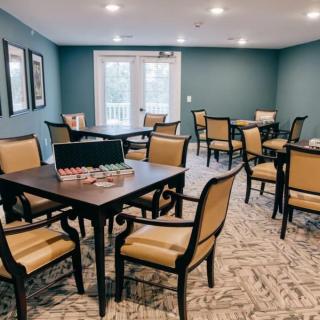
    Our residents can enjoy various amenities that include a beauty salon, cable or satellite TV, a computer center, a gaming room, and a small library. We also offer a fitness room and wellness center to encourage physical health and well-being. Our outdoor spaces and garden provide opportunities for relaxation and enjoying nature.

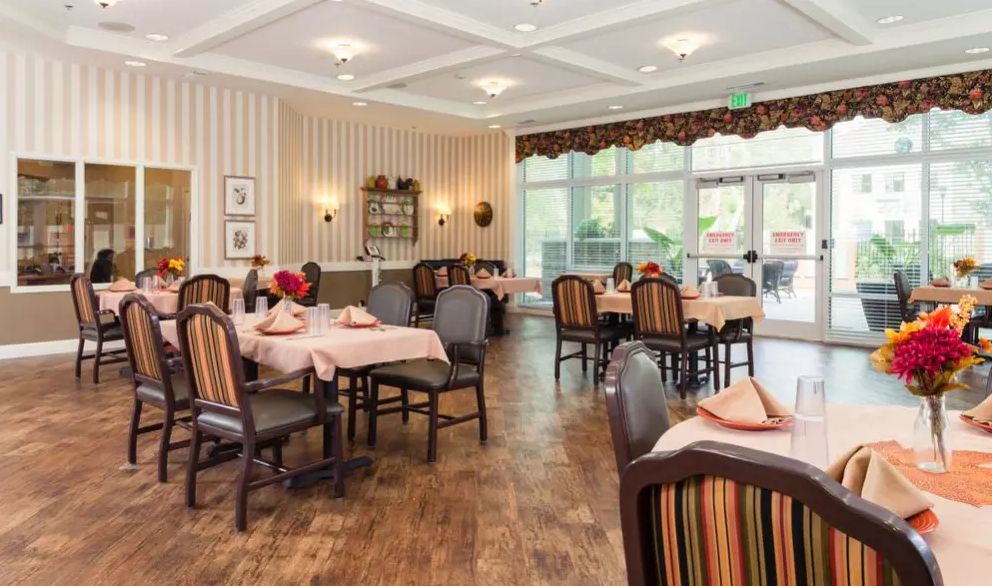
    At Ashley Gardens, we understand the importance of delicious meals to overall well-being. That's why we provide restaurant-style dining with special dietary restrictions in mind. Our kitchenette allows residents to prepare small snacks or meals as desired.

    We prioritize the safety and security of our residents by providing 24-hour call systems and supervision. Assistance with activities of daily living such as bathing, dressing, and transfers is readily available from our caring staff. Medication management is also provided to ensure proper administration.

    We value the mental wellness of our residents. Our specialized memory care programming caters specifically to those experiencing cognitive impairments or dementia-related conditions. Additionally, we offer mental wellness programs to promote emotional well-being.

    Transportation arrangement services are available for both non-medical purposes such as community outings and medical needs like doctor's appointments. Our community operated transportation ensures our residents can easily access nearby cafes, parks, pharmacies, physicians' offices, restaurants, and hospitals.

    At Ashley Gardens Memory Care & Transitional Assisted Living, we strive to create an environment where our residents feel at home while receiving personalized care tailored to their individual needs.

    Nearby Places of Interest

    Physicians

    • Charleston ENT (0.1 miles)
    • Charleston Orthopaedic Associates (0.3 miles)
    • Carolina Lung & Critical Care (0.4 miles)
    • Brian G. Cuddy, MD (0.4 miles)
    • Roper St Francis Cancer Center (0.4 miles)
    • Dermatology & Laser Center of Charleston (0.4 miles)
    • Charleston Hematology Oncology Associates (0.5 miles)

    Hospitals

    • Bon Secours St Francis Hospital (0.3 miles)
    • Center For Abandoned Cats And Tomatoes (1.5 miles)
    • Roper Hospital Ambulatory Surgery & Pain Management (5 miles)
    • MUSC Ashley River Tower (5.5 miles)
    • Musc Shawn Jenkins Children's Hospital (5.6 miles)
    • Roper St Francis Foundation (5.6 miles)
    • Emergency Department, Roper Hospital (5.7 miles)

    Restaurants

    • O'Charley's Restaurant + Bar (0.5 miles)
    • Chick-Fil-A (0.6 miles)
    • Chick-Fil-A (2 miles)
    • Gene's Haufbrau (3.7 miles)
    • Gilligan's Restaurant-John's Island (3.8 miles)
    • Southside 17 Bar & Grill (3.9 miles)
    • Maybank Public House (4.4 miles)

    Pharmacies

    • CVS Pharmacy (0.8 miles)
    • Primary Rx (1.1 miles)
    • Walgreens (1.2 miles)
    • Walgreens (2.8 miles)
    • Walgreens (3.9 miles)
    • CVS Pharmacy (4.2 miles)
    • Low Country Diagnostics Compounding Lab (4.5 miles)

    Cafes

    • Panera Bread (1.1 miles)
    • Estuary Beans & Barley (5.1 miles)
    • Sightsee (5.7 miles)
    • The Daily (5.8 miles)
    • Babas on Cannon (6 miles)

    Parks

    • West Ashley Park (1.4 miles)
    • Medway Park (4.2 miles)
    • Brittlebank Park (5 miles)
    • Hampton Park Dog Run (5.2 miles)

    Places of Worship

    • Greek Orthodox Church of the Holy Trinity (5.6 miles)

    Transportation

    • Baggage Claim (5.6 miles)
    • Charleston International Airport (CHS) (5.6 miles)

    Frequently Asked Questions

    Where is Ashley Gardens Memory Care & Transitional Assisted Living?
    Does Ashley Gardens Memory Care & Transitional Assisted Living provide care for residents with dementia or Alzheimer's disease?
    What photos are available for Ashley Gardens Memory Care & Transitional Assisted Living in Charleston, South Carolina?

    Nearby Communities

    Related Resources

    • dementia and angerWhen Dementia Sparks Anger and Aggression: Understanding the Connection and Ways to Cope

      Dementia leads to cognitive impairment and can cause emotional and behavioral changes, including aggression that arises from frustration, confusion, or fear. Effective coping strategies for caregivers include understanding dementia's nature, recognizing triggers, using empathetic communication, and employing non-pharmacological interventions like music and art therapy.

    • dementia behaviorsDementia Behaviors: In-Depth Understanding and Effective Coping Strategies

      Dementia causes cognitive decline and challenging behaviors that caregivers must manage, necessitating an understanding of the neurological basis of these issues. Effective strategies and self-care for caregivers can enhance support for those with dementia and improve their daily lives.

    • does my mom have dementia quiz5 Early Indicators of Dementia and What You Can Do


      The content outlines five key early indicators of dementia, including significant memory loss and confusion about time and place, while emphasizing the need for professional evaluation and emotional support for both individuals showing symptoms and their caregivers. It encourages family members to monitor these signs closely and use online quizzes for initial awareness.


    Get Pricing Ask A Question Schedule A Tour Contact Senior Advisor