For more information about senior living options: (866) 208-4318
3.4 from 31 reviews
5 stars
16
4 stars
3
3 stars
0
2 stars
1
1 stars
11
Overall Review of Saxony Health Center
common16 reviews mention this
Staff are caring and involved
Many residents and families describe staff who are caring, responsive, and willing to spend time with them.
Across the reviews, residents and families repeatedly mention staff who interact directly with residents, learn names, and provide hands-on help. Several people also call out nursing coverage and day-to-day support as a reason they felt safe, including help with medications on time. Even where reviews are critical overall, some still single out friendly interactions with staff members.
common9 reviews mention this
Nursing care and daily support
Residents and families mention nursing support that includes managing needs like medications, diet, and day-to-day care tasks.
Multiple reviews describe practical nursing and aide support—everything from getting help with day-to-day needs to having medications delivered on schedule. Some families also note nurses and therapy groups working with residents during rehab, along with adjustments to dietary needs. At the same time, a few reviews report serious lapses in care, so experiences are not uniformly positive.
caveat4 reviews mention this
Odor and cleanliness concerns
A recurring concern is an unpleasant urine-related odor and the need for deeper cleaning throughout the facility.
Several reviews describe strong urine/fecal odors that made the facility feel unsanitary, including accounts of what visitors noticed in hallways and overall smell across the building. A couple of these reviews also connect the smell to broader concerns about infection risk or neglect. Other reviews do mention cleanliness and a well-maintained feel, but the odor complaints show up often enough to be a consistent caveat for prospective residents.
common5 reviews mention this
Activities help residents stay engaged
Many reviews highlight daily activities and social time that help residents stay occupied.
Families often mention scheduled activities, resident-friendly engagement, and exercise or day-to-day programming. Some reviews describe specific spaces for outings or meals outside, and others mention renovations tied to improved common areas. One review stands out for describing a shift away from an activity program that the resident had previously participated in, which suggests activity quality may vary by timing.
caveat7 reviews mention this
Management and staffing draw criticism
A portion of reviewers raise serious concerns about management, staffing levels, and how concerns are handled.
While many reviews praise staff, several report problems with leadership and staffing stability, including claims of staffing being short or relying on agencies. A few reviews describe serious care-management failures—such as inadequate hospice attention or not addressing health concerns promptly—along with frustration that concerns were not resolved after being raised. There are also accounts of workplace or administrative turmoil that reviewers say affected residents’ experience.
How we summarize
Counts show how many written reviews mention each theme; a review can touch several themes, and only frequently mentioned themes are displayed.
Features
Housing
77 resident community capacity
Types of Care
Memory Care
Respite Care
Skilled Nursing Facility
Amenities
Air-conditioning
Beauty salon
Cable or satellite TV
Computer center
Dining room
Fitness room
Fully furnished
Gaming room
Garden
Housekeeping services
Kitchenette
Move-in coordination
Outdoor space
Private bathrooms
Restaurant-style dining
Small library
Telephone
Wellness center
Wi-Fi/high-speed internet available
Transportation
Community operated transportation
Transportation arrangement
Transportation arrangement (non-medical)
Transportation to doctors appointments
Care Services
12-16 hour nursing
24-hour call system
24-hour supervision
Activities of daily living assistance
Assistance with bathing
Assistance with dressing
Assistance with transfers
Diabetes diet
Meal preparation and service
Medication management
Mental wellness program
Mild cognitive impairment
Special dietary restrictions
Specialized memory care programming
Dining
Diabetes diet
Special dietary restrictions
Activities
Community-sponsored activities
Concierge services
Fitness programs
Planned day trips
Resident-run activities
Scheduled daily activities
Nearby Places of Interest
Physicians
Diamond Sleep Center (0.3 miles)
Kathryn A Ryan & Associates (0.3 miles)
Sarver Family Practice (5.7 miles)
Children's Community Pediatrics - Armstrong, Sarver Office (5.7 miles)
Automated Physician Services (6.1 miles)
Eye Care Center (8.2 miles)
Primary Care Associates (8.9 miles)
Restaurants
Mel’s Place (2.1 miles)
Peter B's Bar & Grill (2.9 miles)
Cellar Works Brewing (3.7 miles)
K's Korner (5.7 miles)
Evolution Grille (5.8 miles)
Rock-A-Fellas Sports Grille (5.8 miles)
Burger King (5.8 miles)
Pharmacies
Providence Pharmacy Services (2.1 miles)
Colonial Pharmacy (3 miles)
Rite Aid (8.7 miles)
Medicine Shoppe (9.3 miles)
Rite Aid (9.7 miles)
Hospitals
Schwalm Hall (2.4 miles)
Childrens Hospital (5.7 miles)
Butler Memorial Hospital (8.9 miles)
Bhs Womens Center Maternity (9 miles)
Butler Healthcare Providers (9 miles)
Butler Memorial Hospital (9.1 miles)
Butler Memorial Hospital - Medical Records (9.1 miles)
The features offered by Saxony Health Center are meticulously designed to enhance the quality of life for residents with dementia or Alzheimer's disease. Assistance with dressing and bathing not only promotes personal hygiene but also fosters dignity and independence during daily routines. Medication management ensures residents receive their treatments on time, which is crucial for maintaining both physical and cognitive health. Meal preparation and service cater to specific dietary needs while encouraging social interaction during mealtimes. Support with activities of daily living helps residents maintain skills that can be preserved even in advanced stages of cognitive decline. The provision of 24-hour supervision offers peace of mind to families while allowing residents the freedom to explore their environment safely. Programs focused on mental wellness and specialized memory care programming target cognitive engagement, addressing varying levels of impairment, ultimately enhancing cognitive function and emotional well-being. Collectively, these services create a holistic approach that acknowledges the unique challenges faced by individuals with memory disorders, helping them thrive in a caring environment.
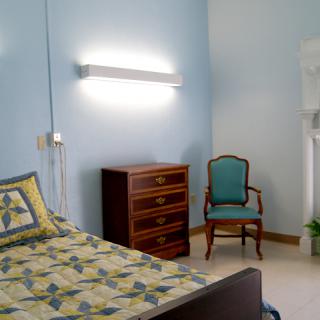
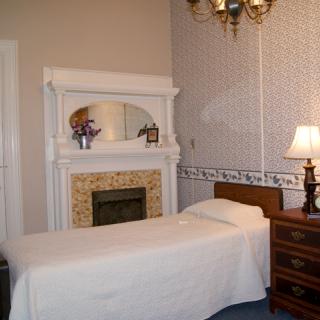
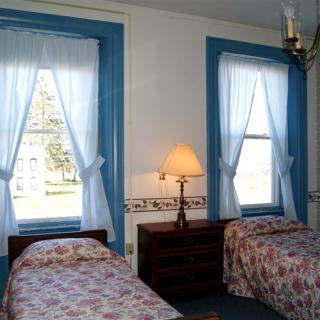
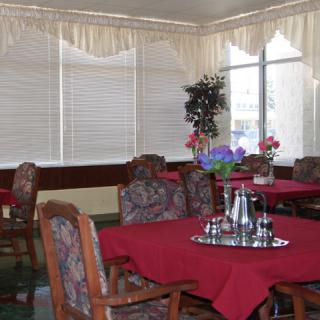
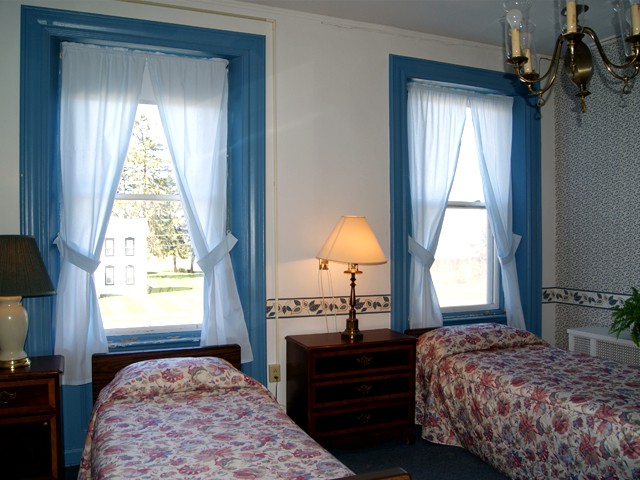
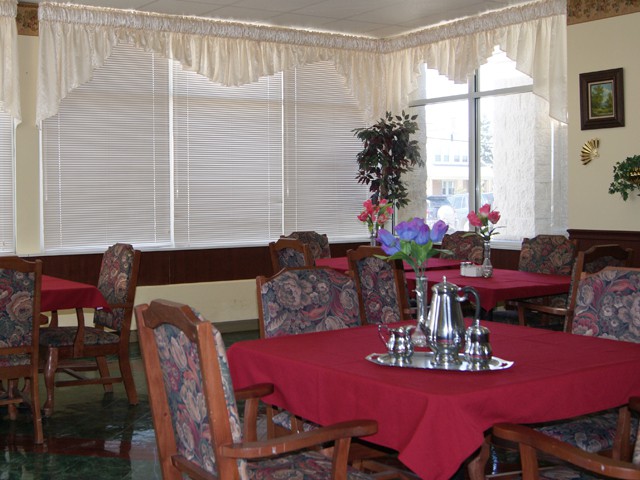
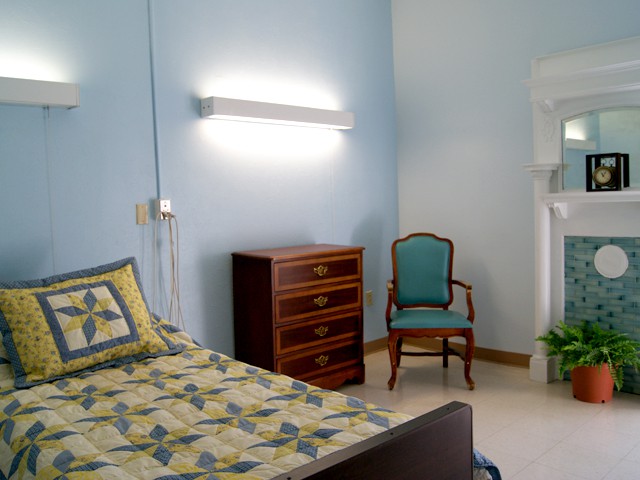
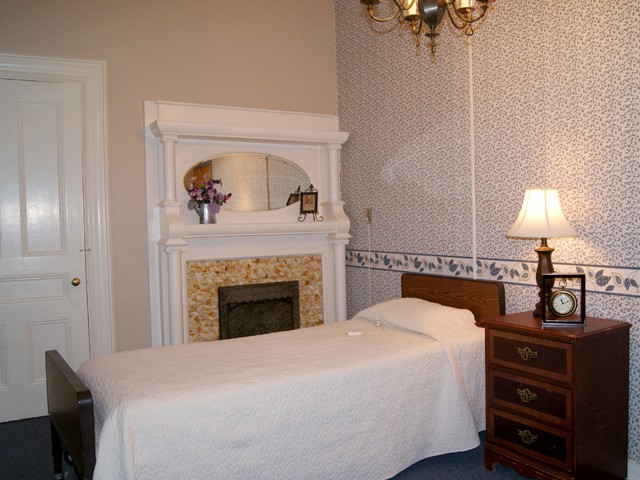
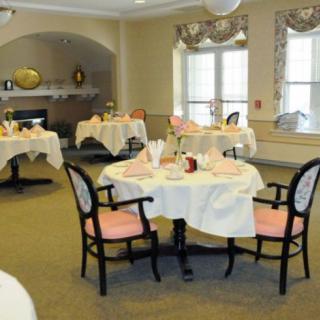
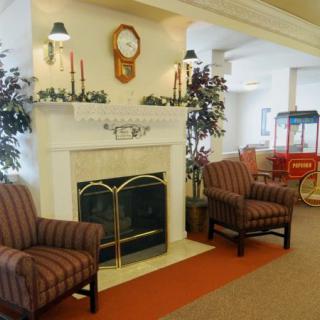
Saxony Health Center on seniors.fyi includes 4 photos including images showing bedroom, decor, dining, lighting, fireplace, windows, decorative plants, interior, and more.
Nearby Communities
The Seasons of Saxonburg
Saxonburg, PA
4.1 from 18 reviews
$3,100 to $4,500 / month
Well-maintained, bright facility with private rooms, engaging activities, and strong memory-care programming.
Magnolia Place of Saxonburg
Saxonburg, PA
4.1 from 82 reviews
$4,000 to $5,961 / month
Compassionate staff in a clean, well-maintained facility with engaging activities and a secure garden.
Presbyterian Senior Care
Saxonburg, PA
Comprehensive care with diabetic support, social activities, and easy access to medical services.
Concordia Lutheran Ministries Oertel Building
Cabot, PA
4 from 64 reviews
24-hour care with private rooms and restaurant-style dining.
Concordia Haven Apartment
Cabot, PA
4.7 from 7 reviews
$3,984 to $4,780 / month
Visually appealing, clean, and friendly staff.
Concordia Haven Apartments
Cabot, PA
5 from 4 reviews
24/7 caregiver support in a private, independent-living setting.
Fawn Personal Care Home
Tarentum, PA
4.8 from 9 reviews
$2,500 / month
Small family-style setting with attentive medication care, transportation to appointments, and on-site grooming in a peaceful rural setting.
Concordia at Rebecca Residence
Allison Park, PA
3 from 37 reviews
$1,850 to $3,100 / month
Clean, well-maintained facility with spacious rooms and effective therapy services.
Lowrie Place
Butler, PA
4.3 from 47 reviews
$3,284 to $5,624 / month
Caring staff with engaging activities in a clean, welcoming environment.
Dementia, including Alzheimer’s disease, is often mischaracterized in terms of lethality as it leads to complications that can be fatal rather than being a direct cause of death; it causes a progressive decline in cognitive and physical health, making patients vulnerable to infections and other health crises. Effective management of nutrition, hydration, and communication is crucial in patient care, with palliative care becoming vital in advanced stages to enhance comfort and quality of life while caregivers play a key role amidst the challenges posed by the disease.
Reminiscence therapy helps individuals with dementia recall past memories through structured discussions and meaningful objects, enhancing mood, relationships, and sense of identity while celebrating their lives. It can be practiced in formal settings or at home, requiring sensitivity to personal histories and cultural backgrounds.
Reminiscence therapy is a structured method for older adults, especially those with dementia, to share life stories using prompts and sensory cues, fostering emotional well-being, social engagement, and self-identity. It aims to improve quality of life by enhancing interpersonal connections and cognitive stimulation while requiring careful facilitation to avoid distressing memories.
Get PricingAsk A QuestionSchedule A TourContact Senior Advisor
By clicking submit, you agree to our Partner's Terms of Use. You
also consent to receive calls and texts, which may be autodialed, from our Partner. Your consent is not a condition to
using our Partner's service. Please visit our Partner's Privacy Policy for information about their privacy practices.

 77 resident community capacity
 Memory Care
 Respite Care
 Skilled Nursing Facility
 Air-conditioning
 Beauty salon
 Cable or satellite TV
 Computer center
 Dining room
 Fitness room
 Fully furnished
 Gaming room
 Garden
 Housekeeping services
 Kitchenette
 Move-in coordination
 Outdoor space
 Private bathrooms
 Restaurant-style dining
 Small library
 Telephone
 Wellness center
 Wi-Fi/high-speed internet available
 Community operated transportation
 12-16 hour nursing
 24-hour call system
 Activities of daily living assistance
 Assistance with bathing
 Assistance with dressing
 Assistance with transfers
 Diabetes diet
 Medication management
 Mental wellness program
 Special dietary restrictions
 Concierge services
 Planned day trips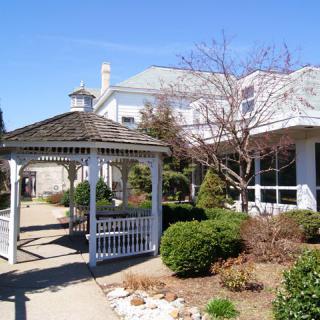
 Well-maintained, bright facility with private rooms, engaging activities, and strong memory-care programming.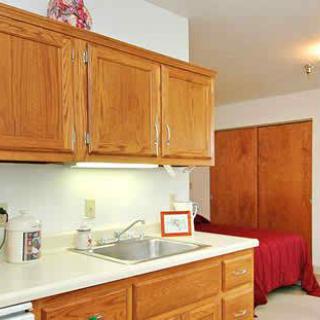


 Are Dementia and Alzheimer's Disease Lethal? A Comprehensive Exploration
 Exploring the Power of Reminiscence Therapy for Individuals With Dementia
 An In-Depth Look at Reminiscence Therapy in Dementia Care