

223 Pittsburgh St, Saxonburg, PA 16056
For more information about senior living options: (866) 208-4318
The Seasons of Saxonburg Costs & Pricing
The Seasons of Saxonburg offers competitive pricing for its accommodations when compared to both Butler County and the broader Pennsylvania region. For a semi-private room, residents can expect a monthly cost of $3,100, which is slightly above the county average of $2,993 but below the state average of $3,542. Studio apartments at The Seasons are priced at $4,100; while this figure surpasses the county rate of $3,475, it remains lower than the state's average of $3,737. Meanwhile, the one-bedroom option is available for $4,500 - substantially lower than Butler County's exorbitant average of $8,990 and comfortably above Pennsylvania's average price of $4,006. Overall, The Seasons provides a balanced approach to affordability and comfort within its offerings in Saxonburg.
| Floor plans | The Seasons of Saxonburg | Butler County | Pennsylvania |
|---|---|---|---|
| Semi-Private | $3,100 | $2,993 | $3,542 |
| Studio | $4,100 | $3,475 | $3,737 |
| 1 Bedroom | $4,500 | $8,990 | $4,006 |
Memory care communities with a similar price nearby
-
from +$310 / mo

Holy Family Manor
$3,410 to $4,619 / month20.3 miles away -
from +$155 / mo
Newhaven Court at Clearview
$3,255 to $4,580 / month11.4 miles away -
from +$605 / mo
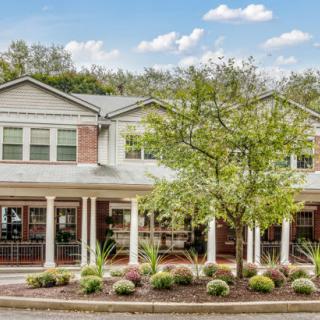
Juniper Village at Forest Hills
$3,705 to $7,360 / month21.9 miles away -
from -$150 / mo

Northland Heights
$2,950 to $4,200 / month18.0 miles away -
from +$300 / mo
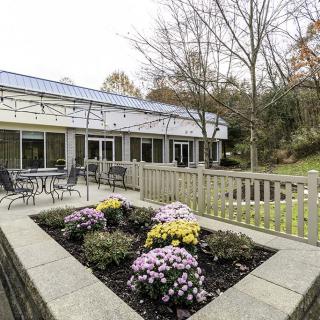
The Haven at North Hills Senior Residence
$3,400 to $4,300 / month19.0 miles away
Overall Review of The Seasons of Saxonburg
Pros
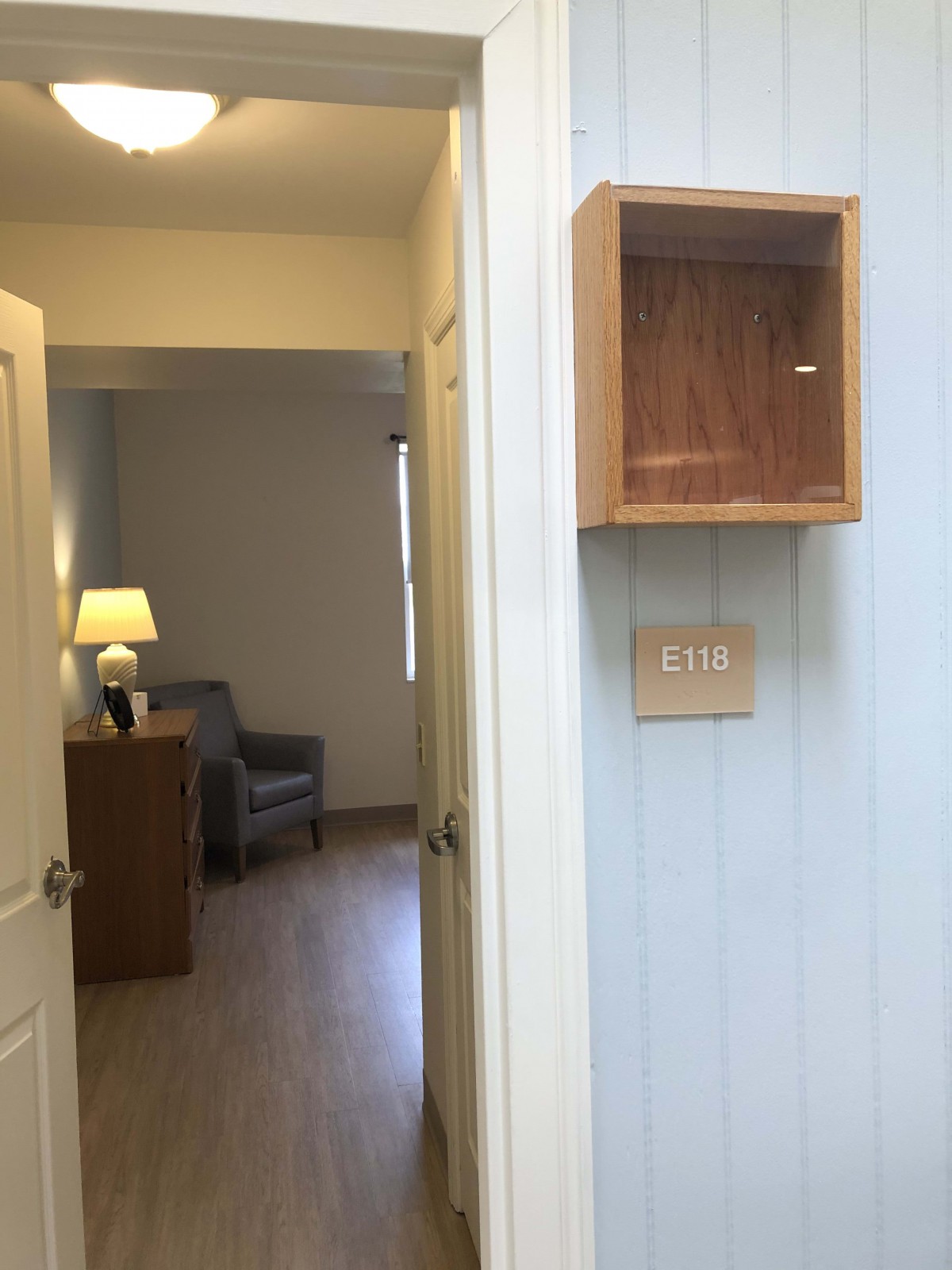
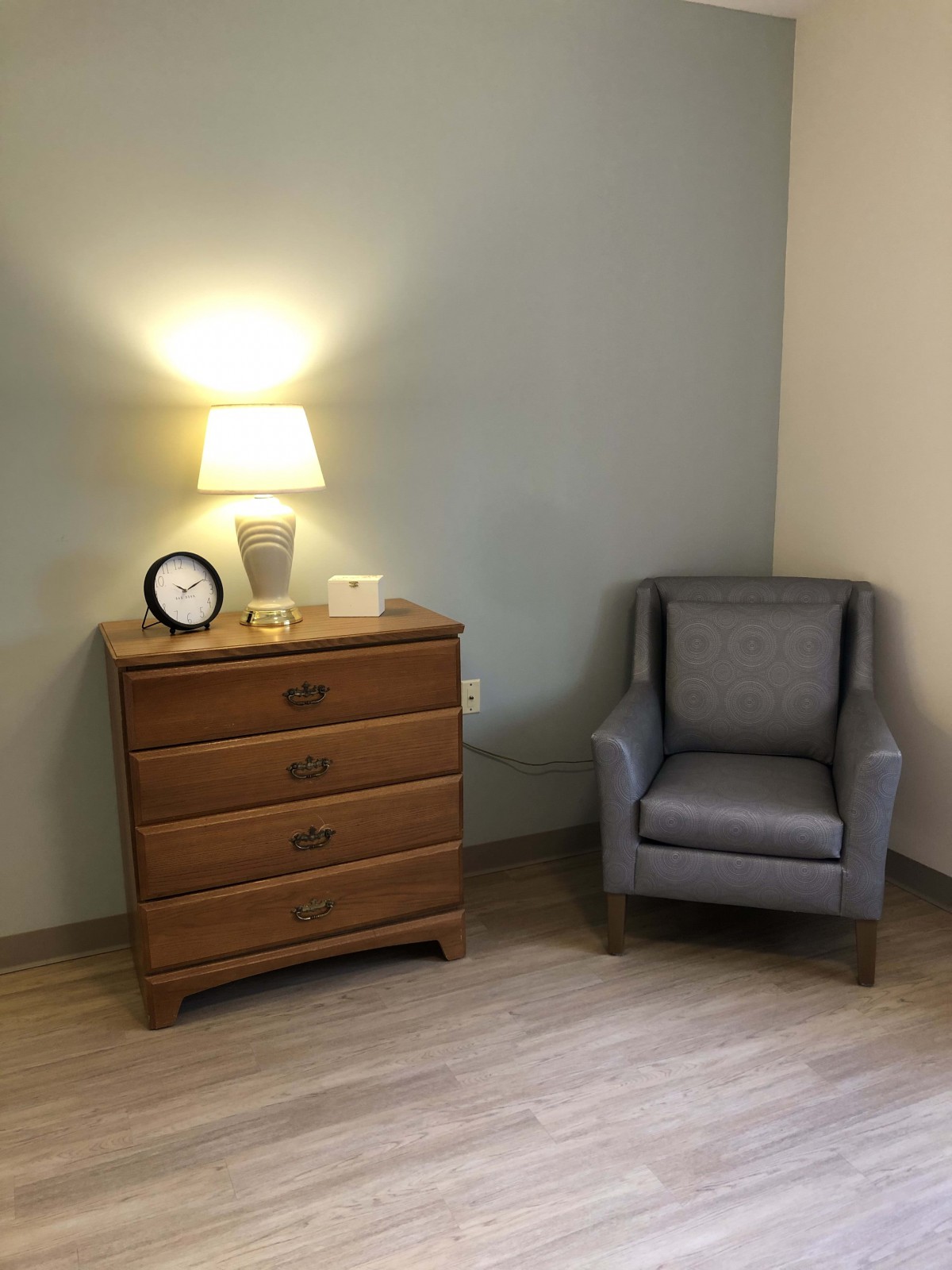
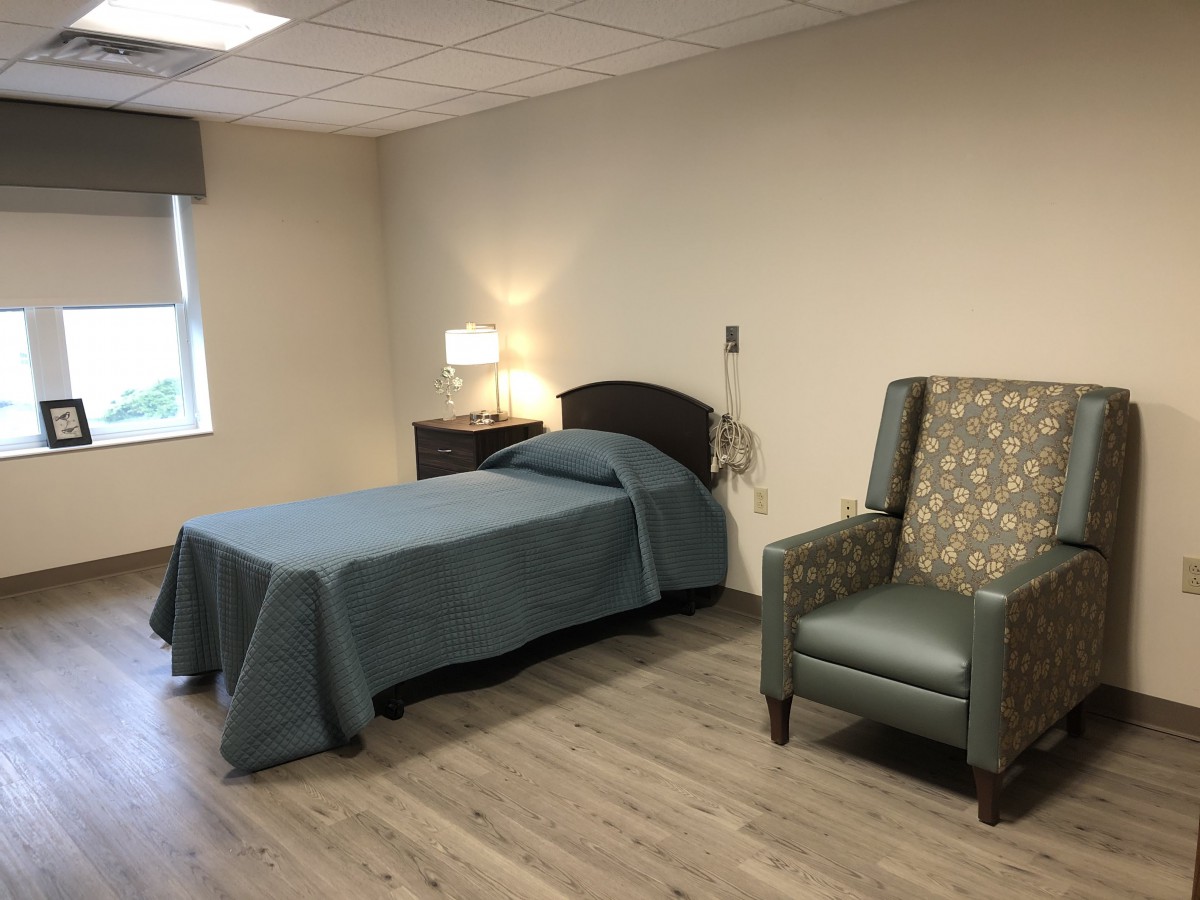
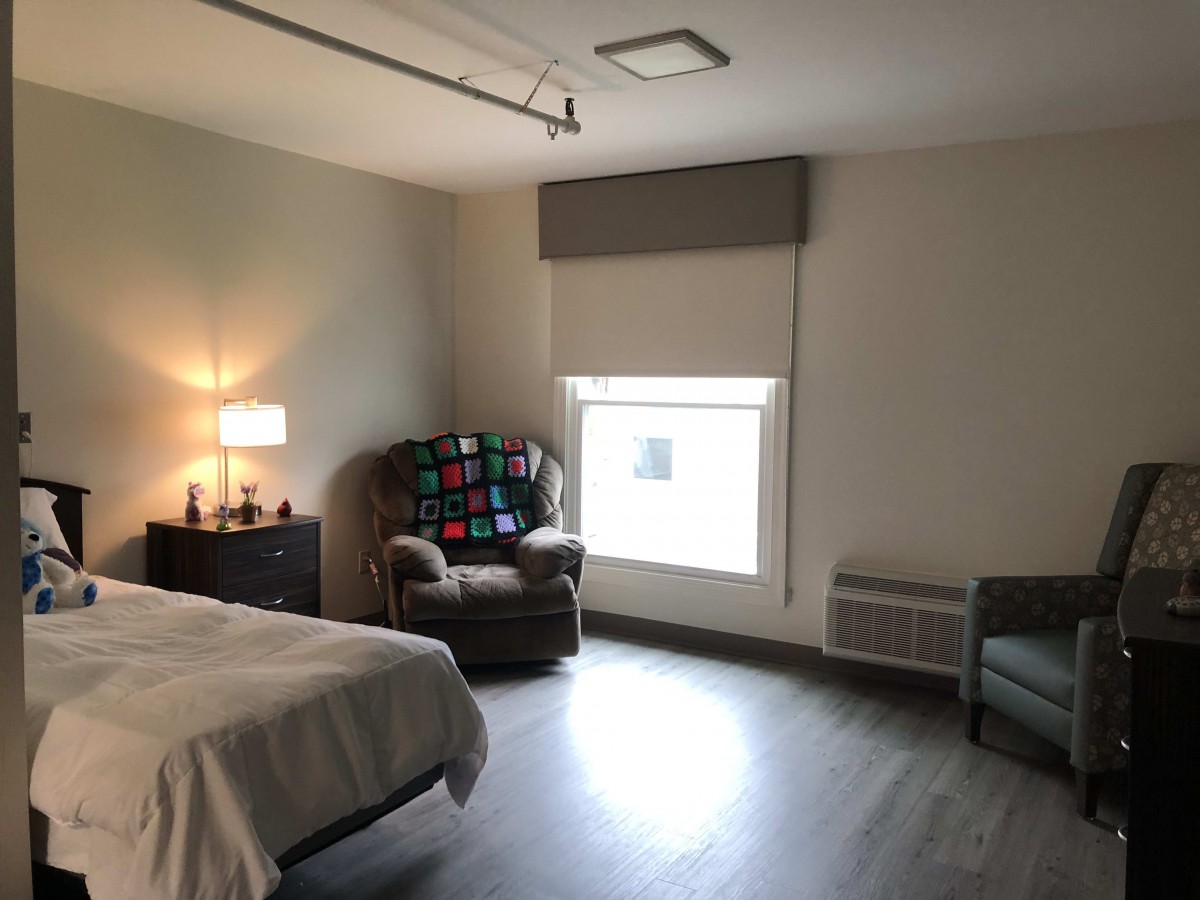
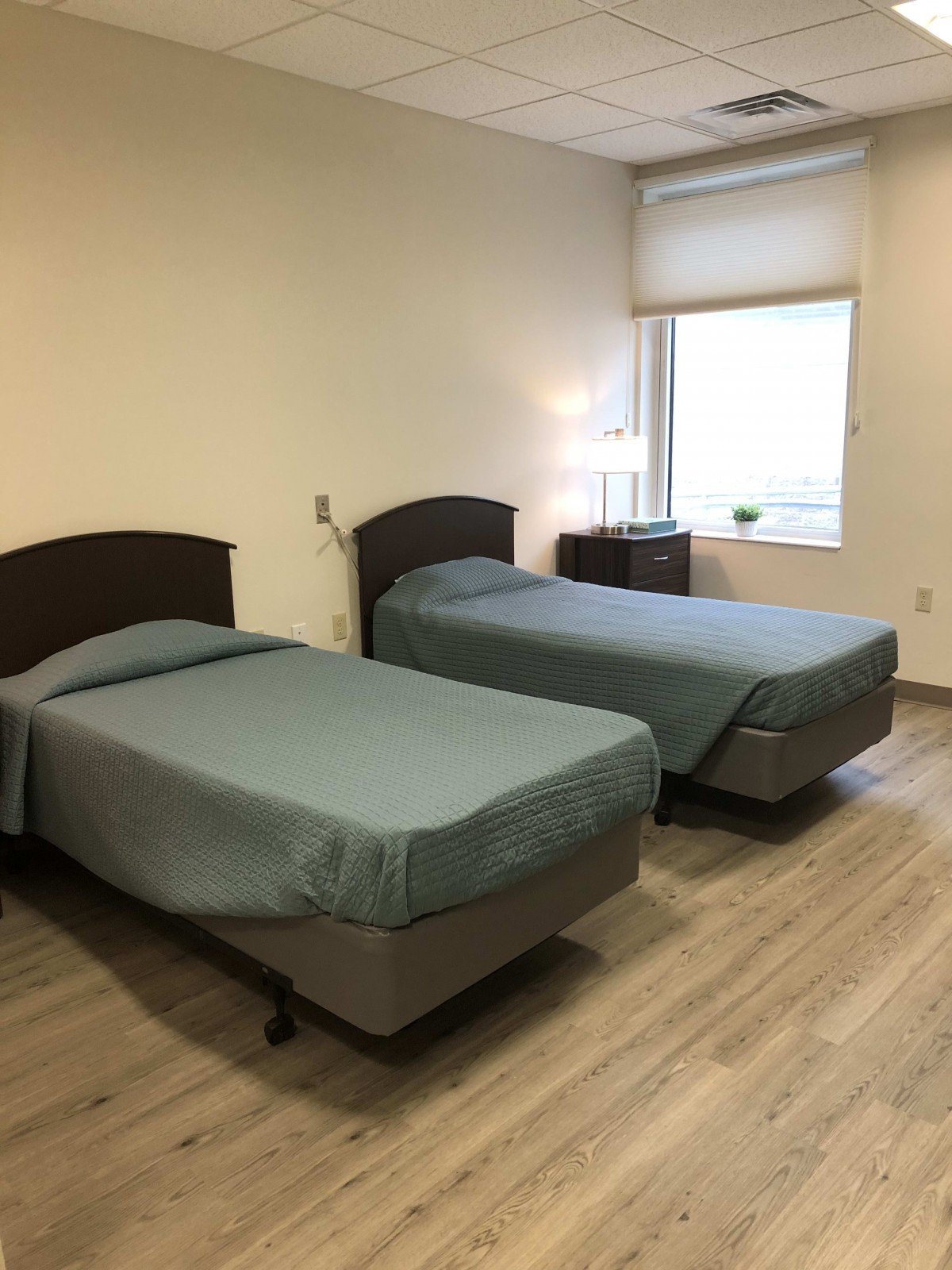
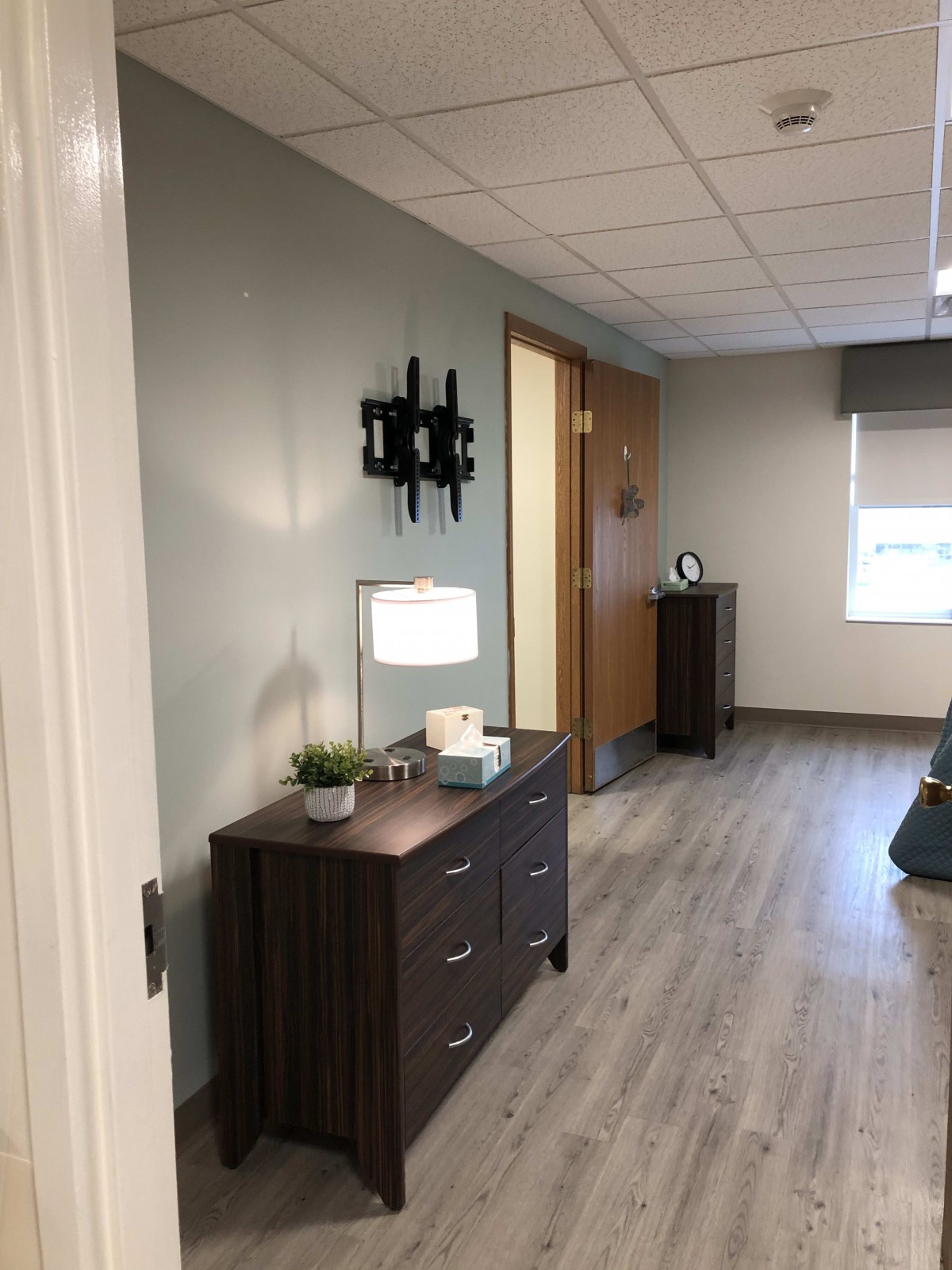
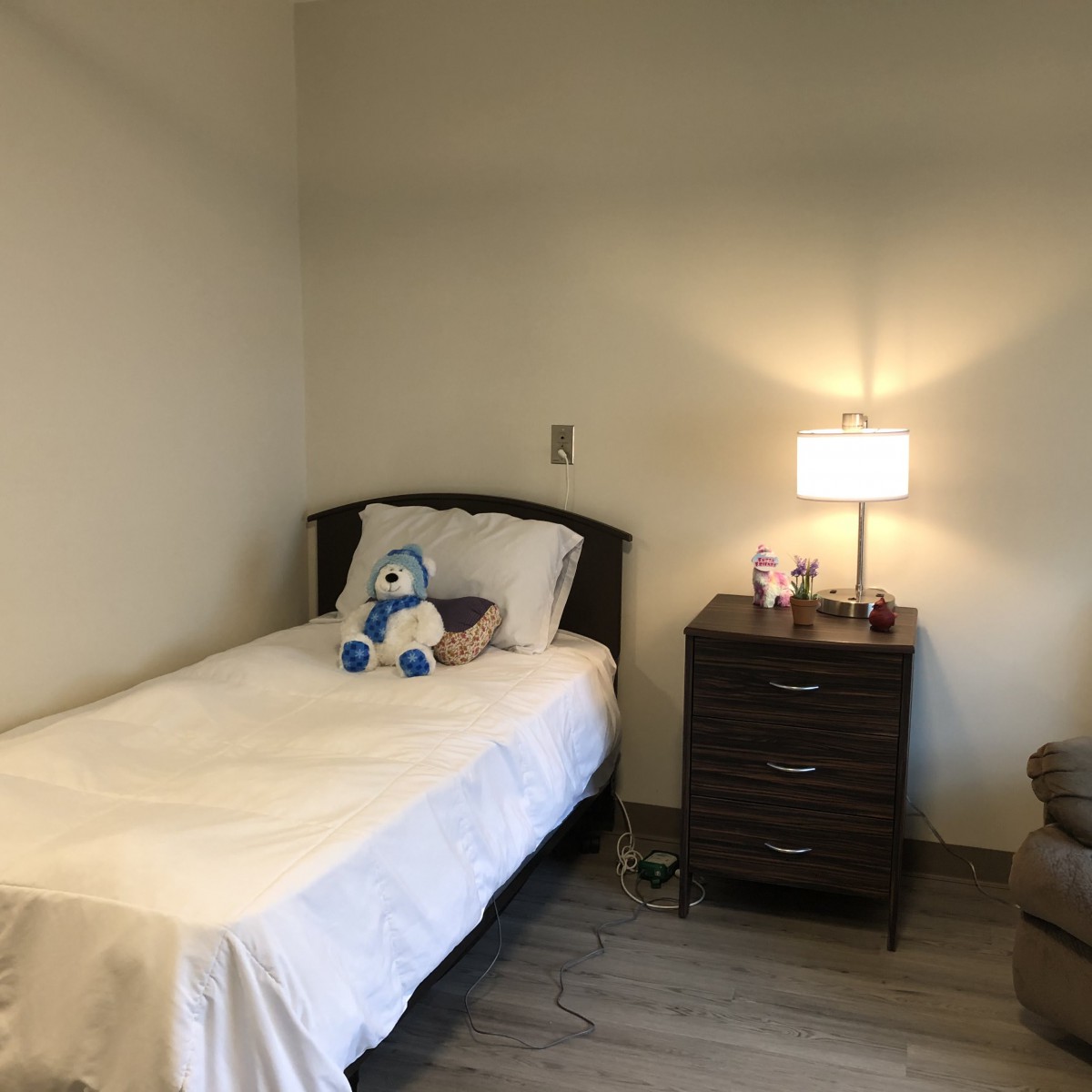
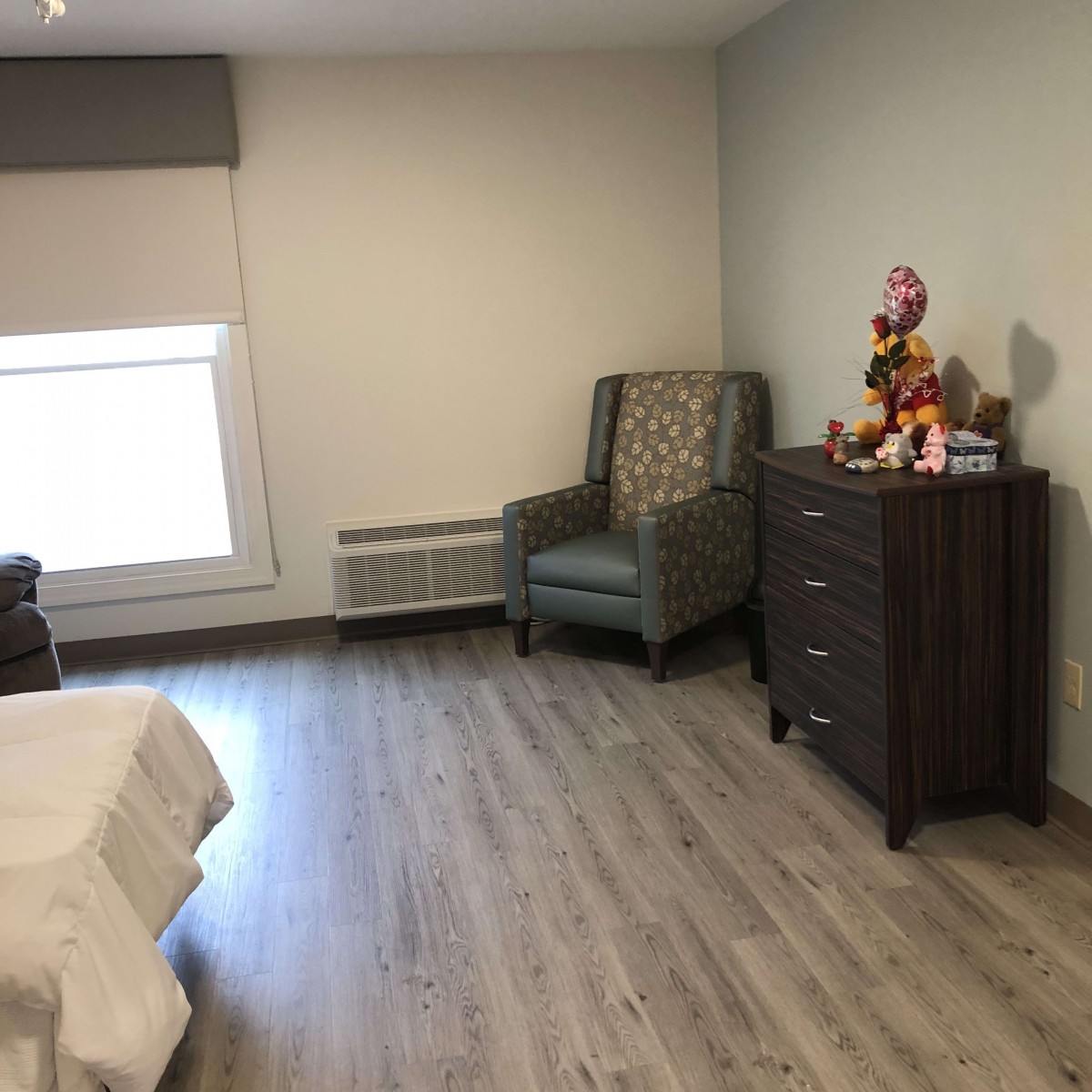
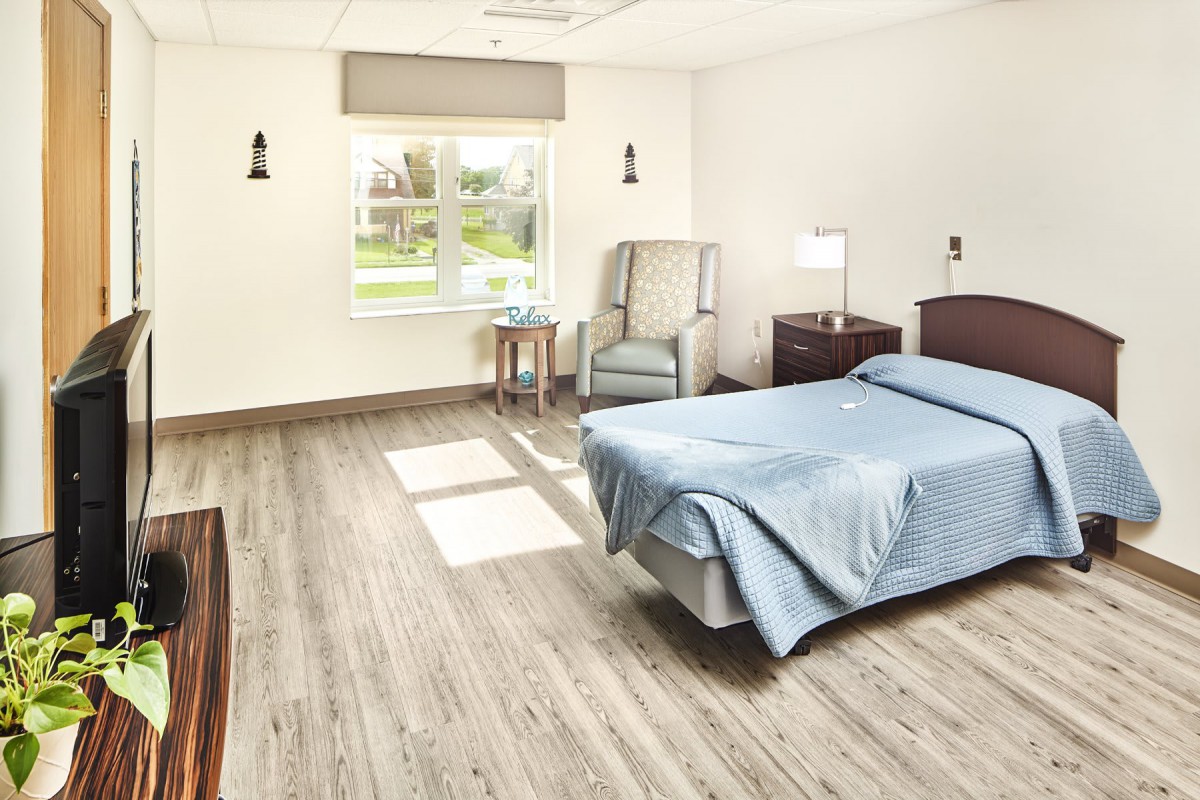
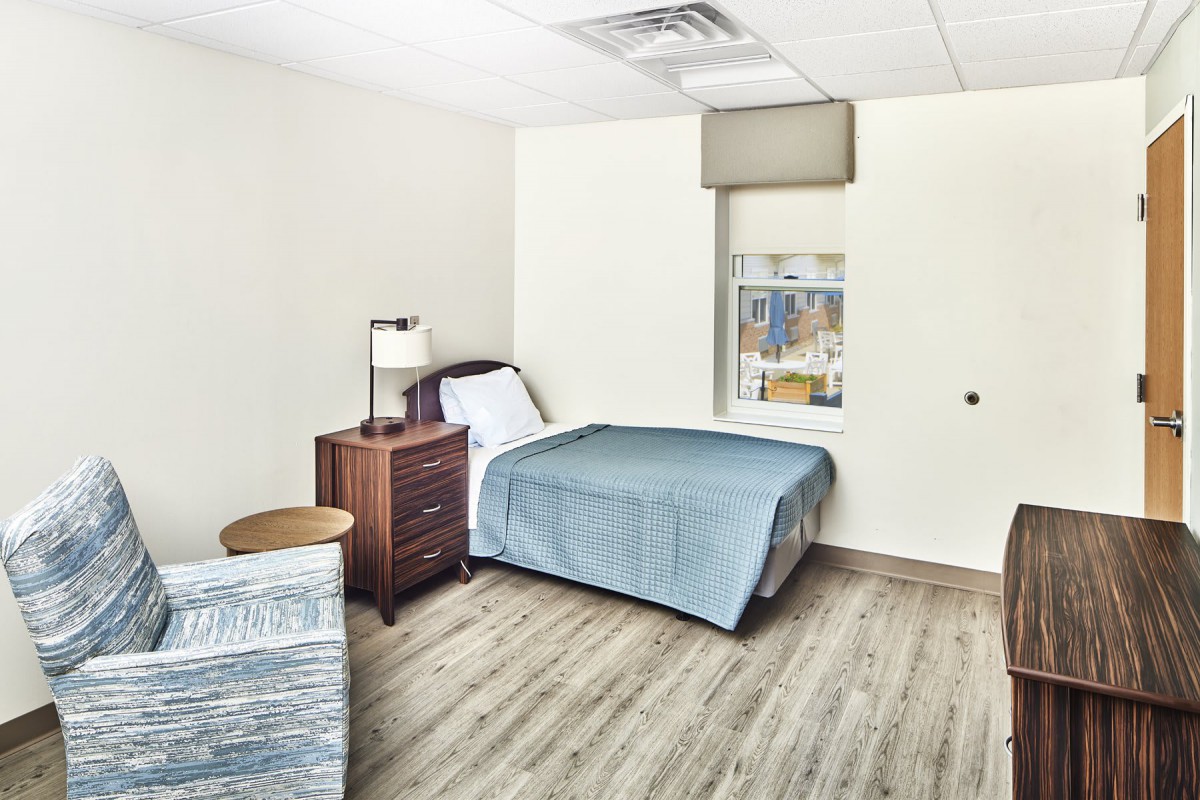
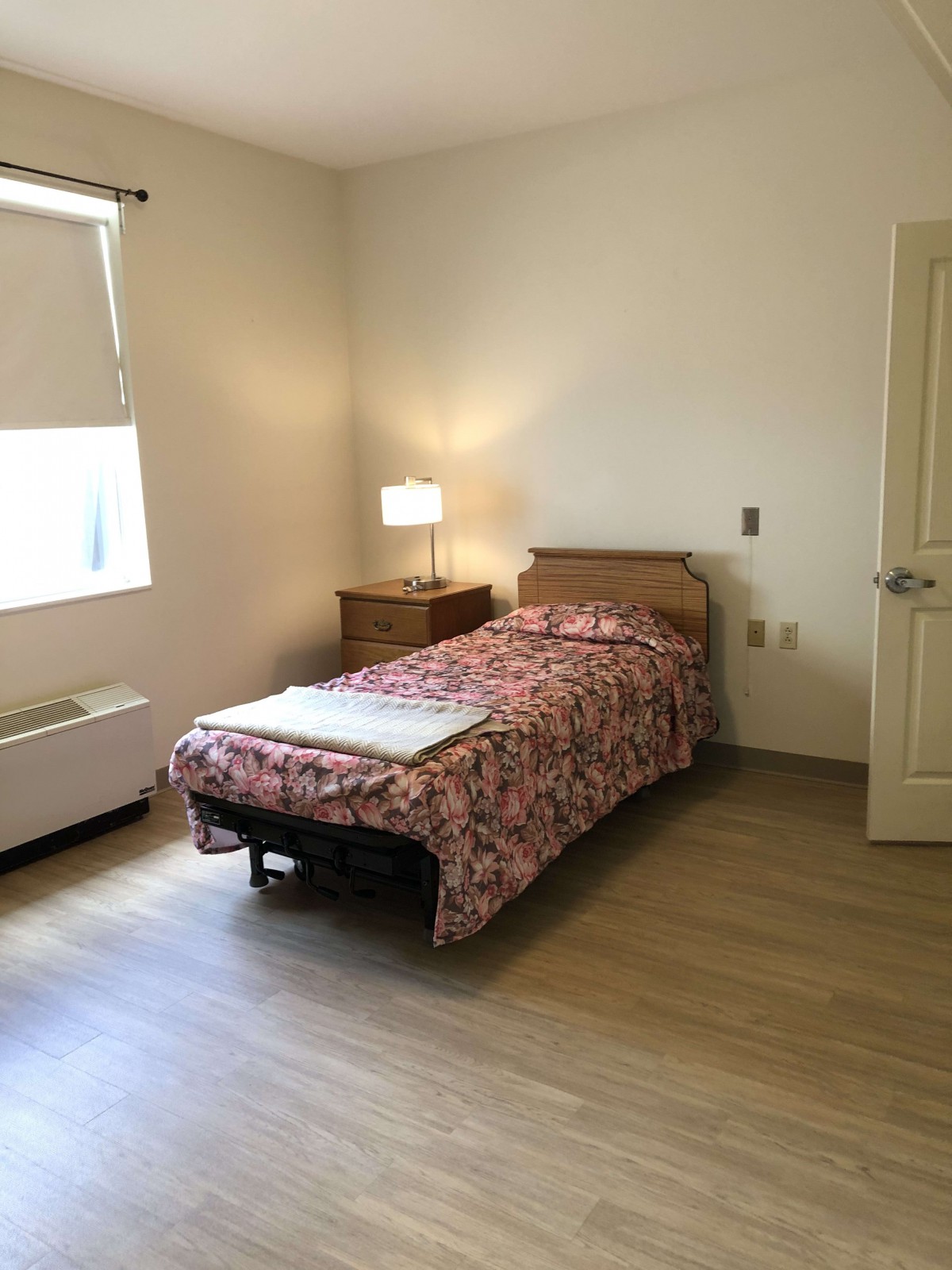
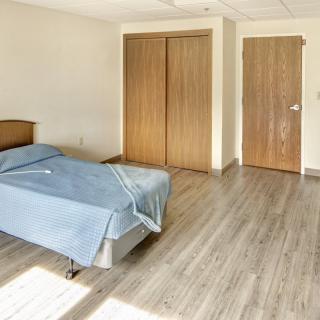
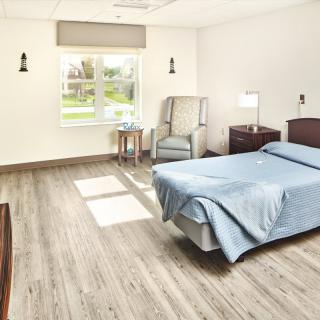
 The facility offers all private rooms in memory care.
- The unit layout is well-suited for residents.
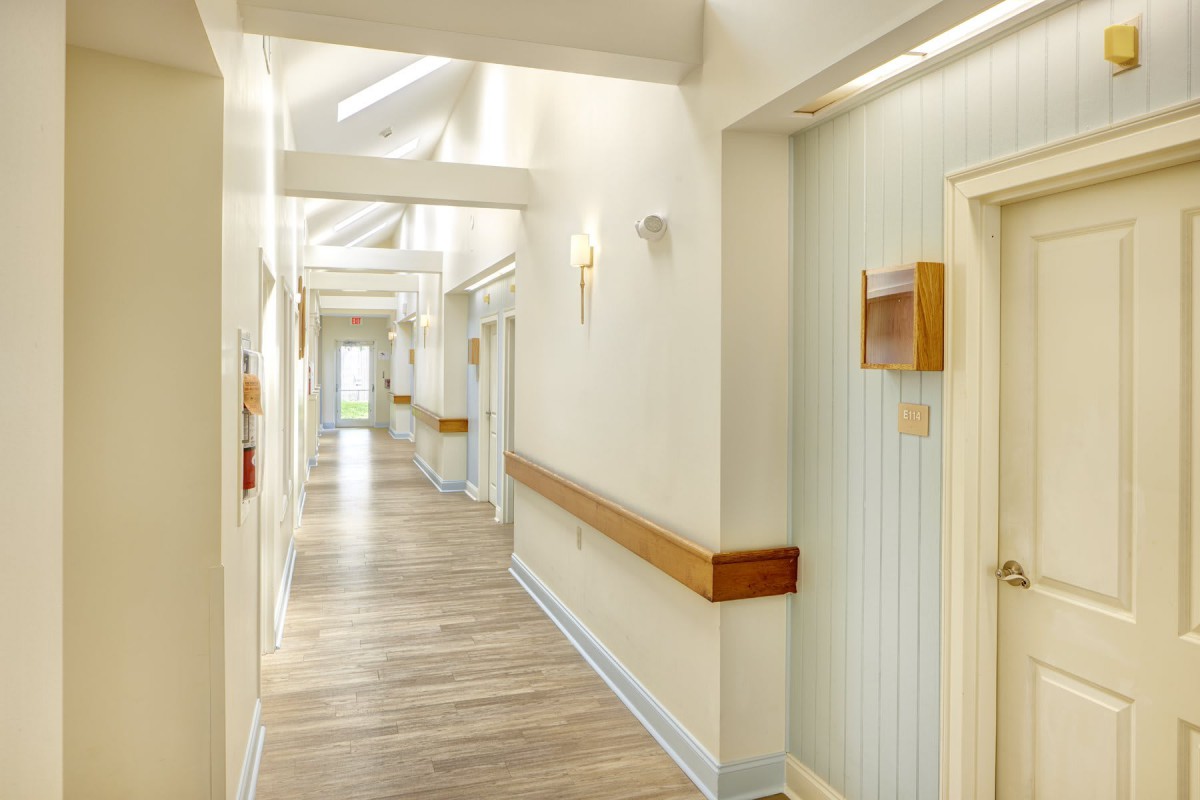
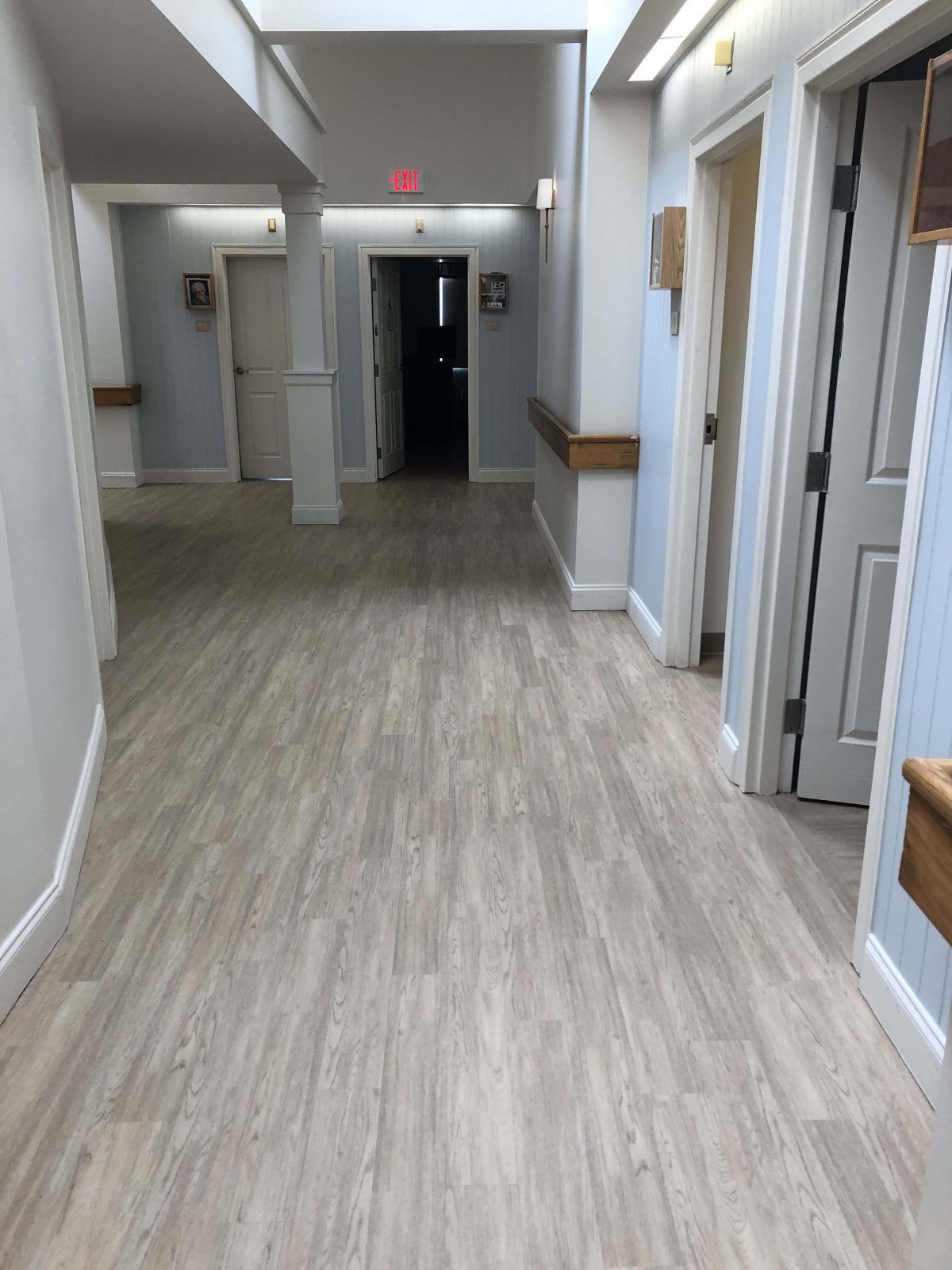
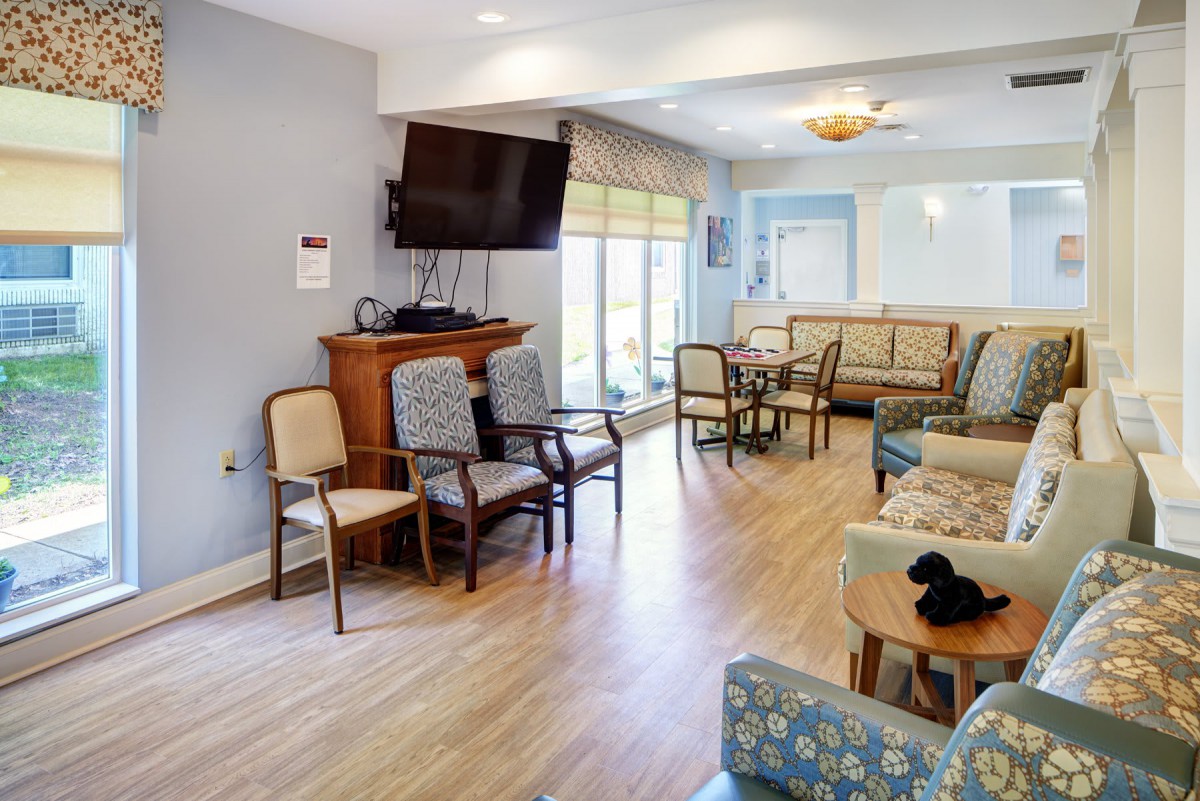
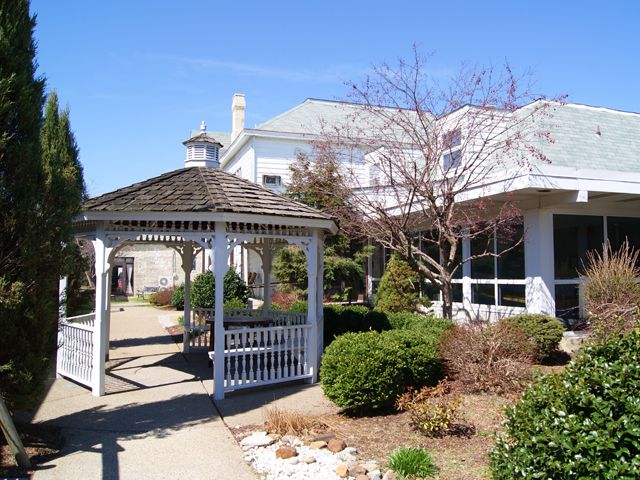
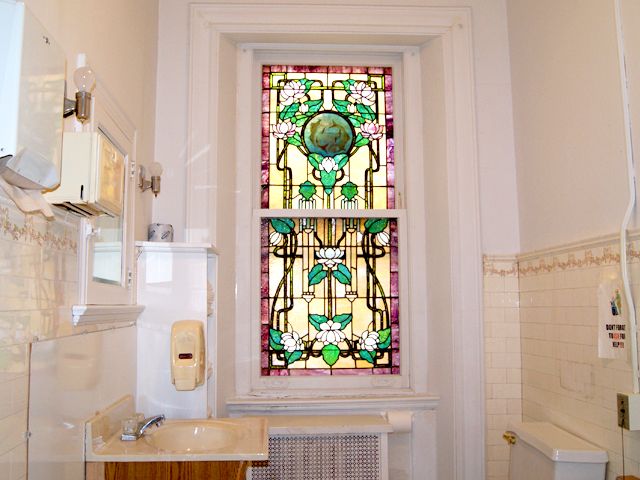
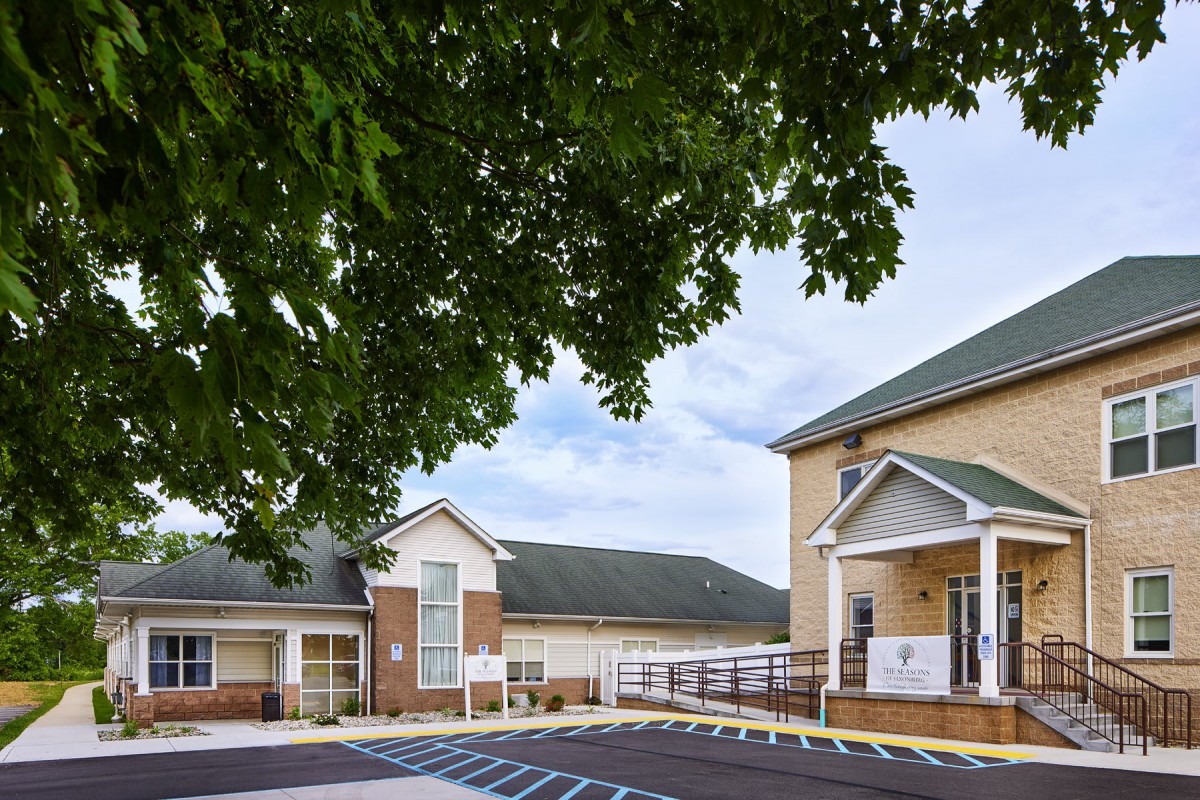
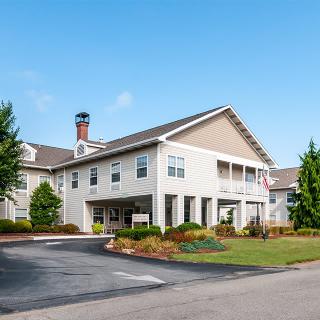
- The Seasons of Saxonburg is a large, well-maintained, attractive mansion with bright rooms.
- The staff is extremely helpful and clearly explains costs.
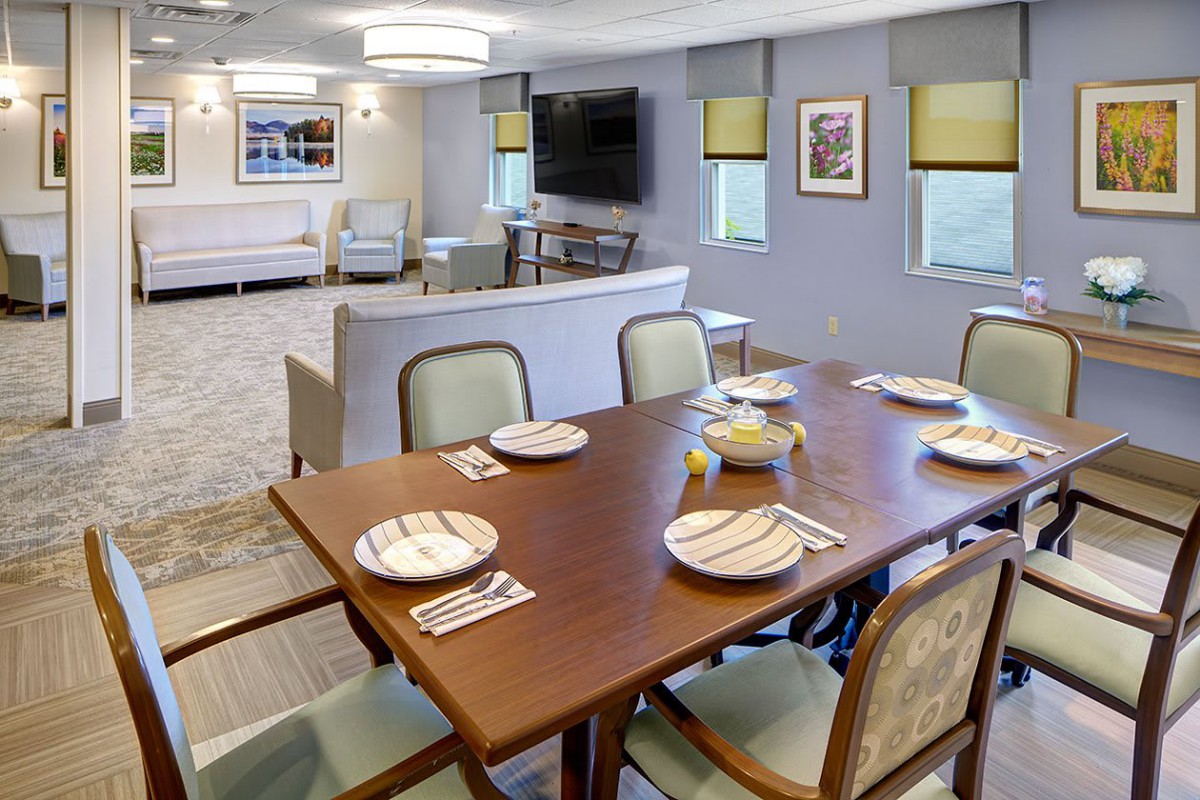
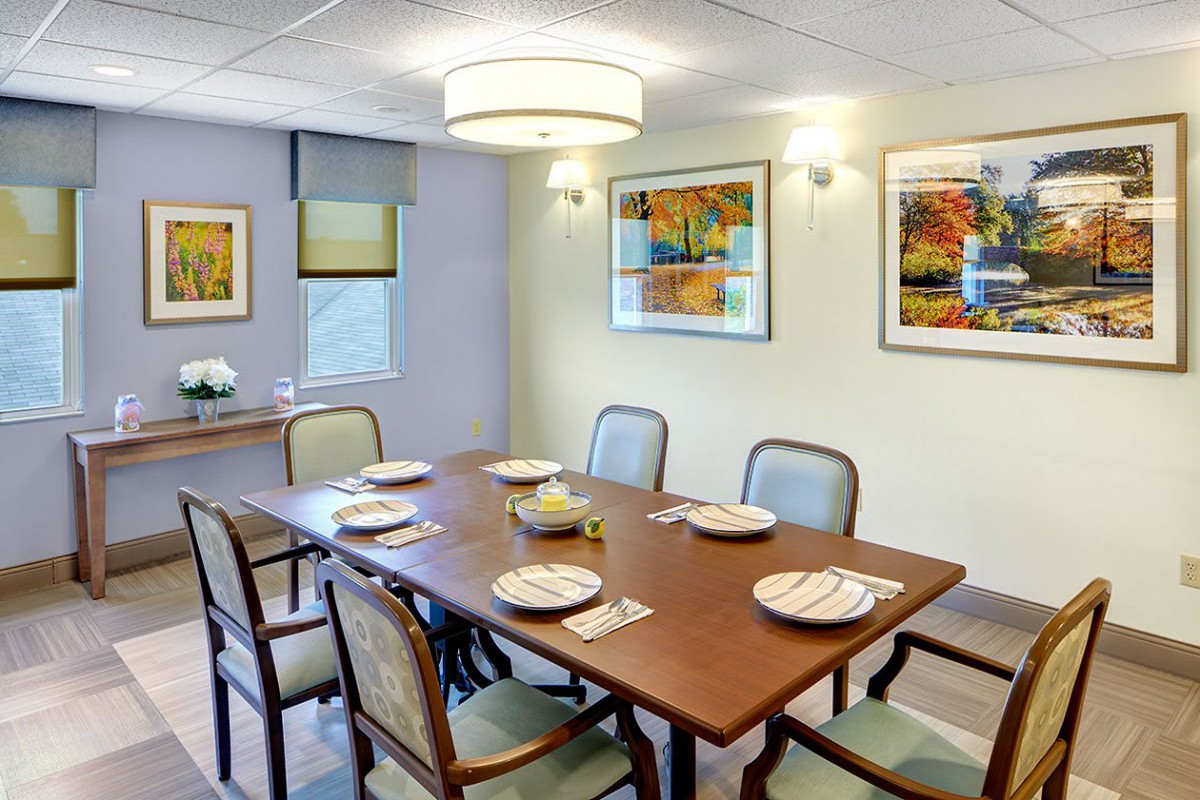
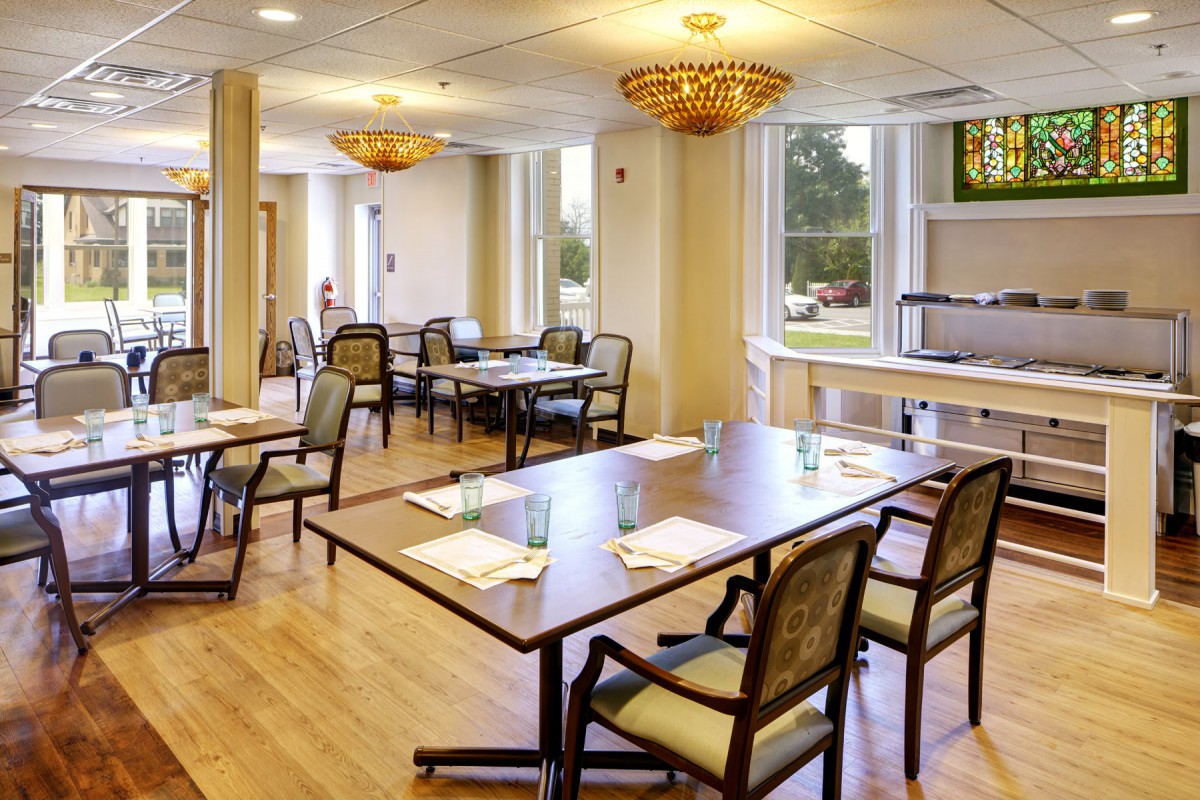
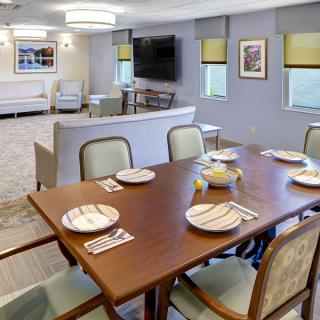
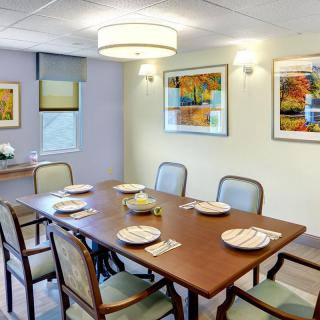
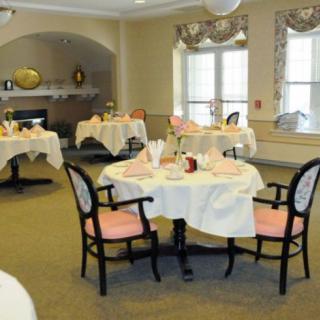
- The dining area is nice and the facility is clean.
- The community is great and loved ones are happy there, with private rooms and good food.
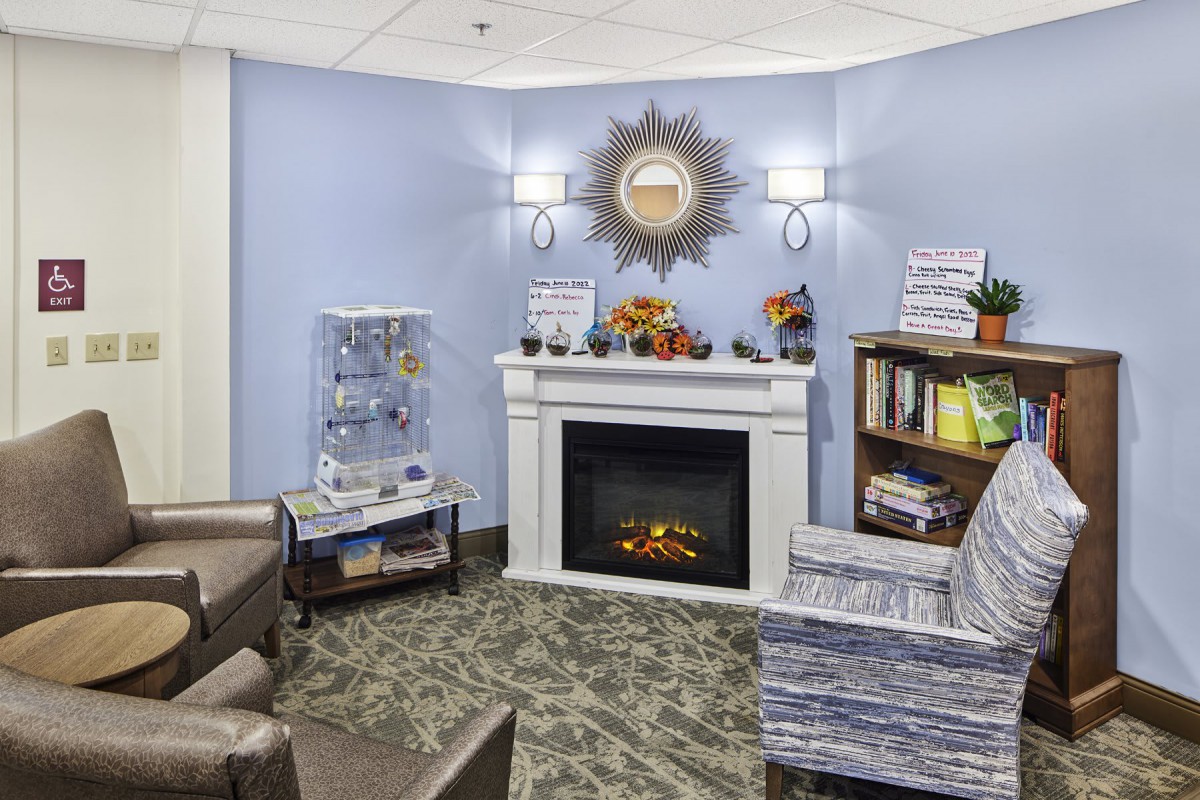
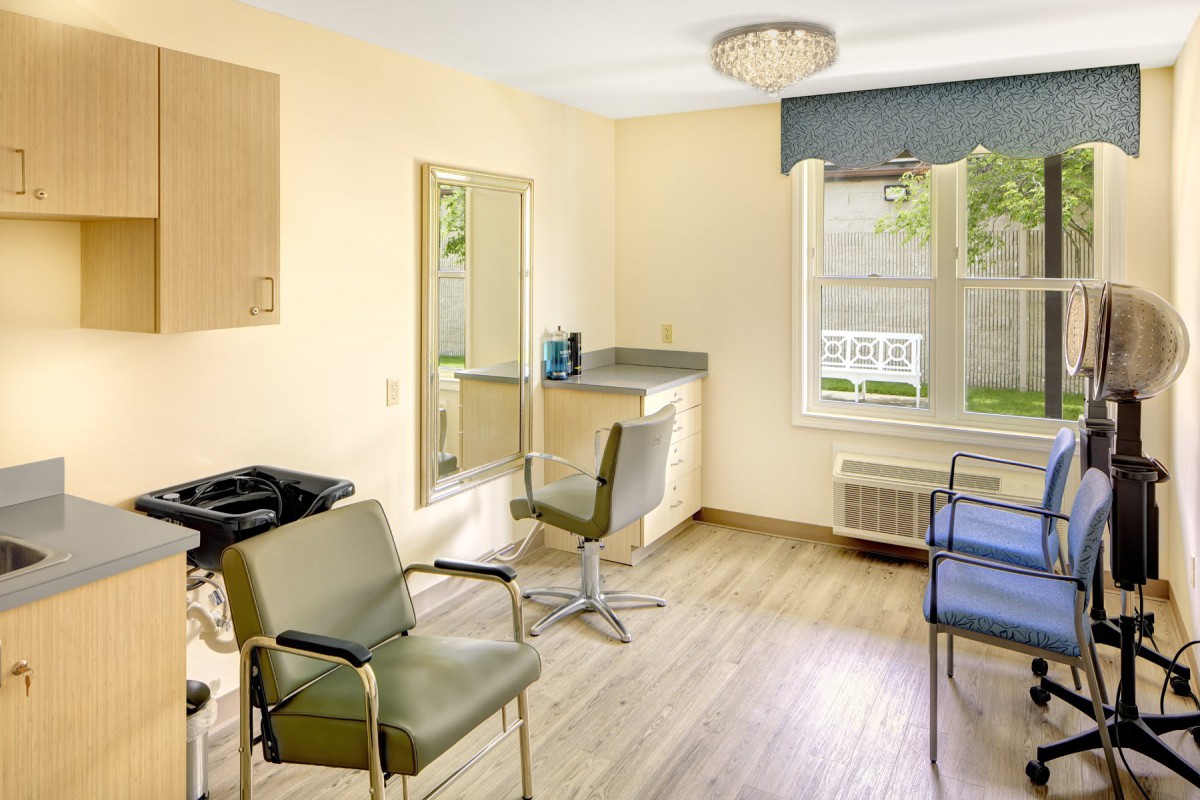
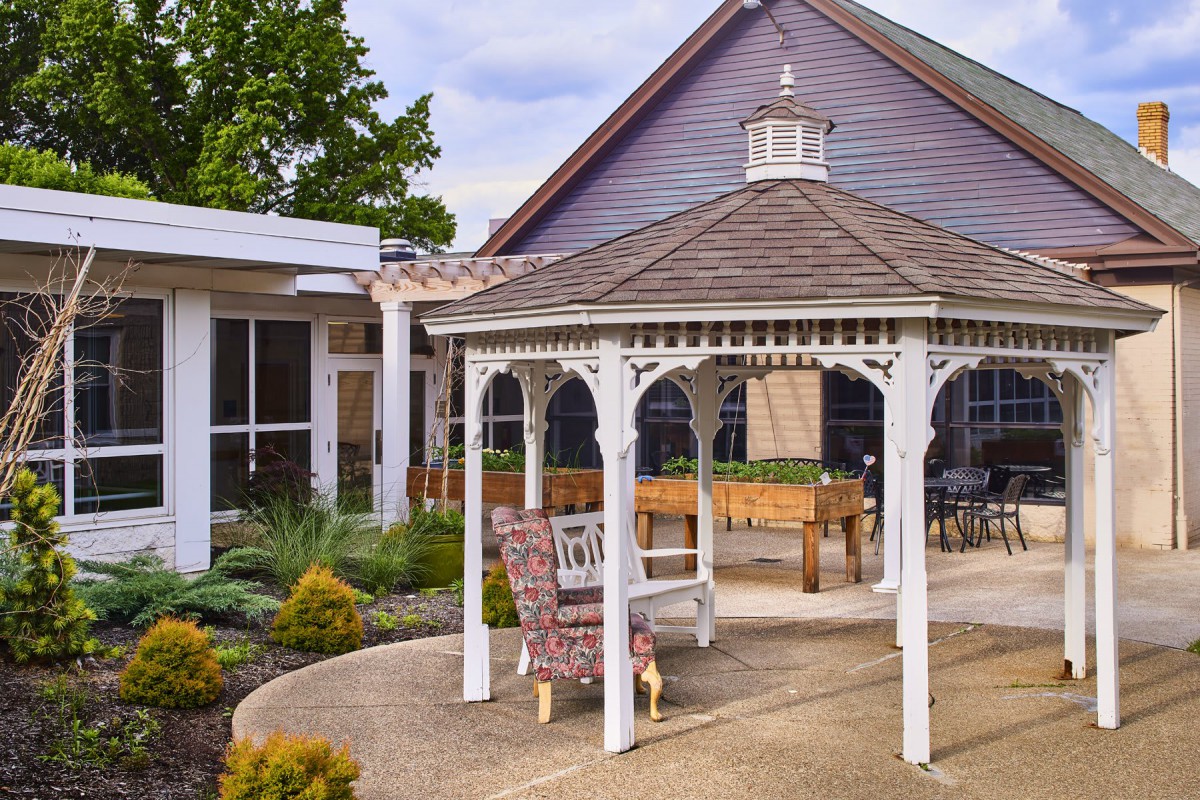
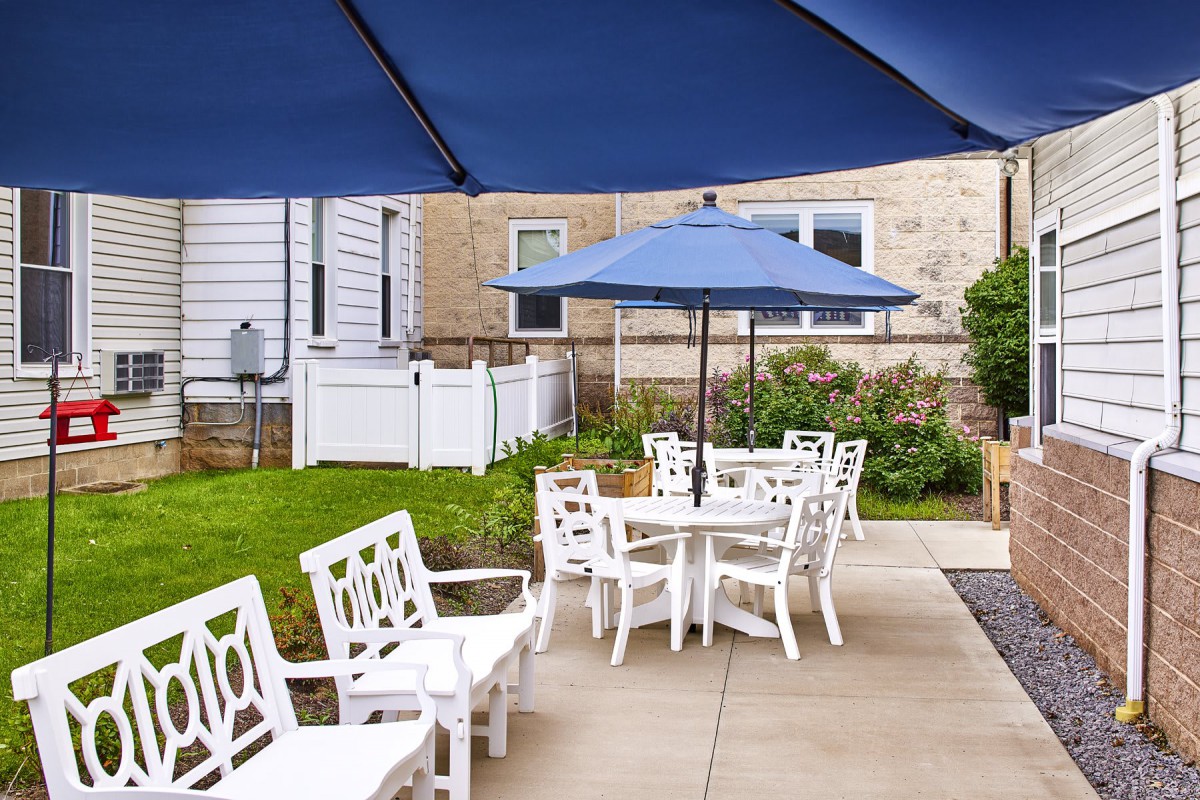
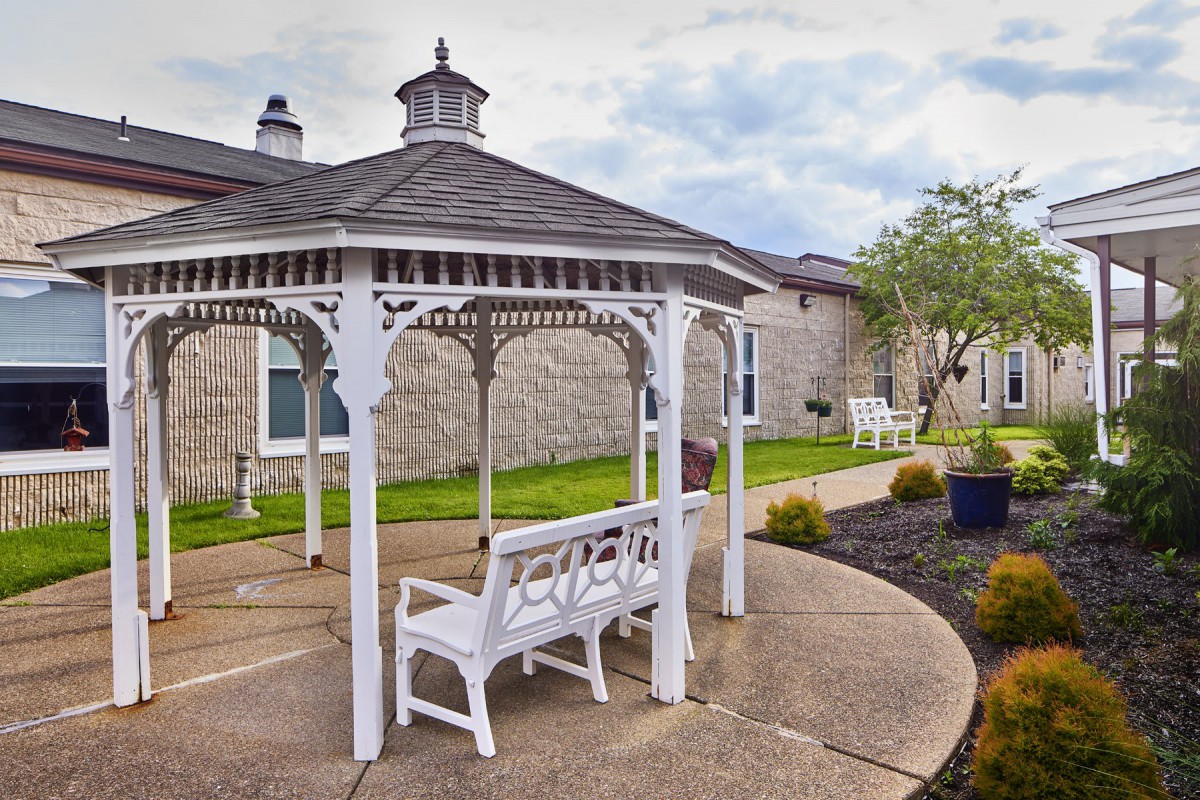
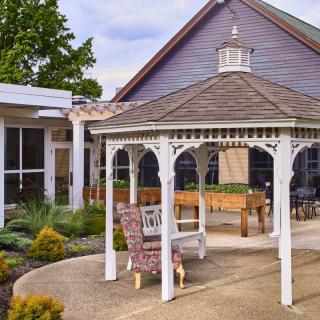
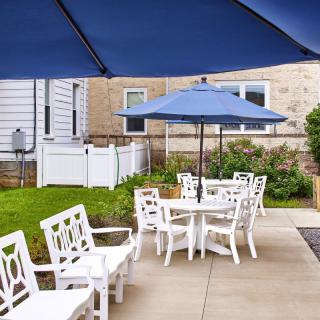
- The beautician is wonderful, and there are plenty of activities and a courtyard.
- The staff goes above and beyond to support independence and communicates well with families.
Cons
 There was a strong odor throughout the entire facility, which turned the reviewer off.
- The administrator was described as unprofessional and degrading, talking down to people.
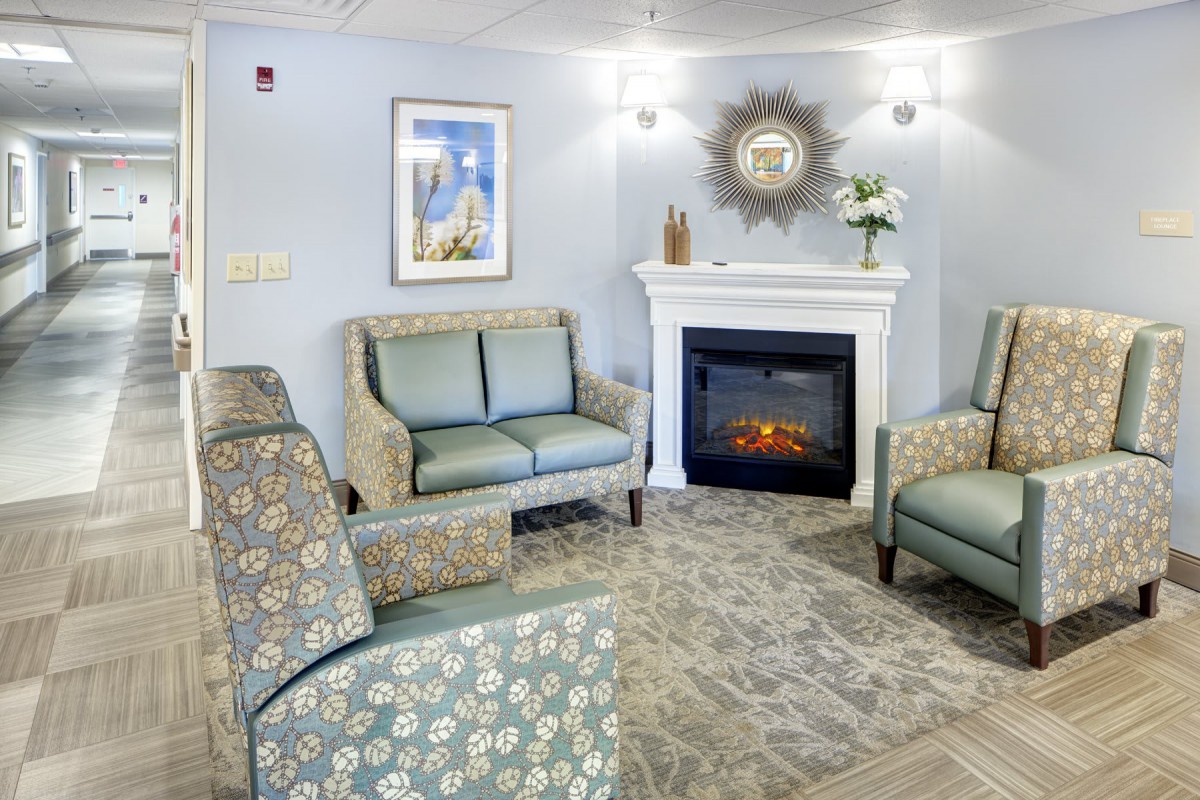
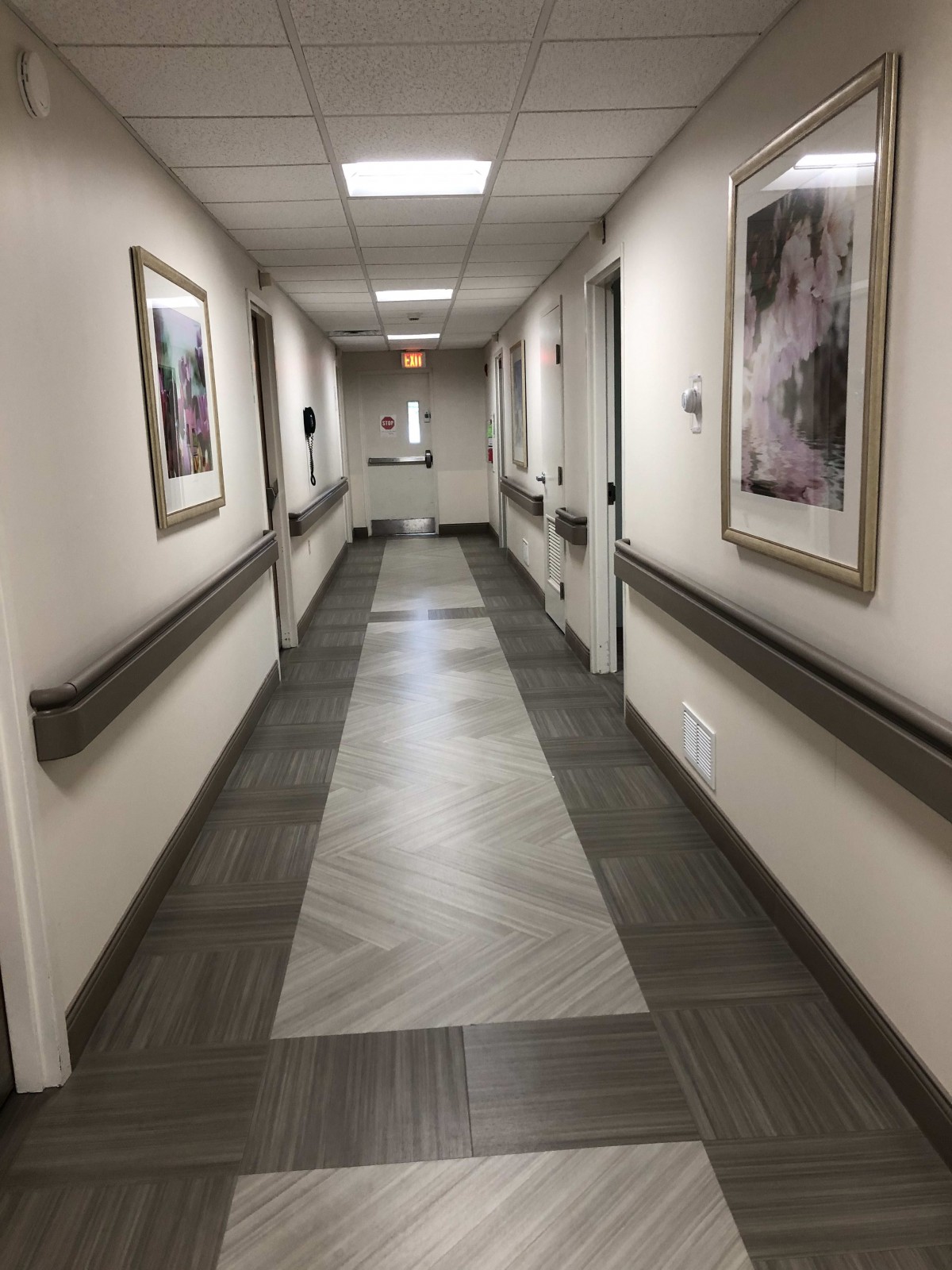
- The facility seemed to have a hospital-type atmosphere, not a homey one.
- They were uncomfortable about the plan to place their loved one with a 100-year-old, hard-of-hearing roommate.
- Short-staffing led to inconsistent meals, with some meals good and others bad.
- The tour left the reviewer unimpressed, partly due to the facility being too far away.
Review
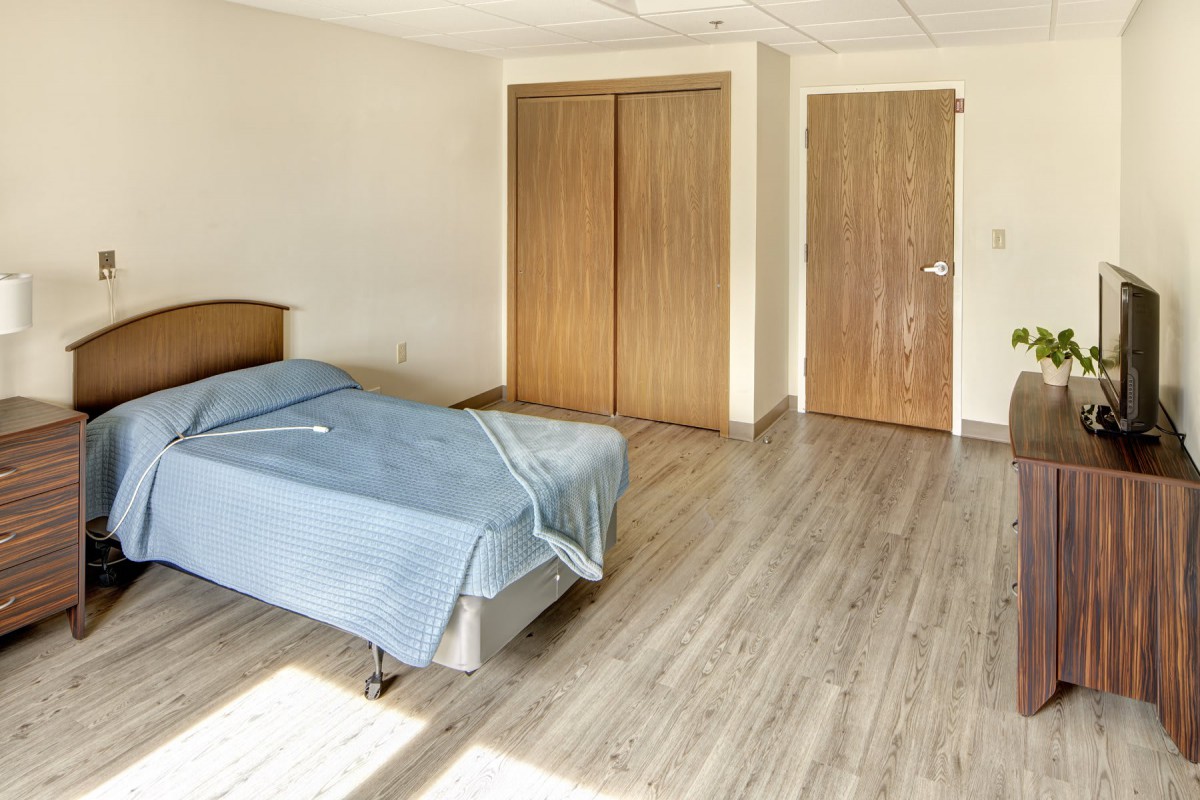
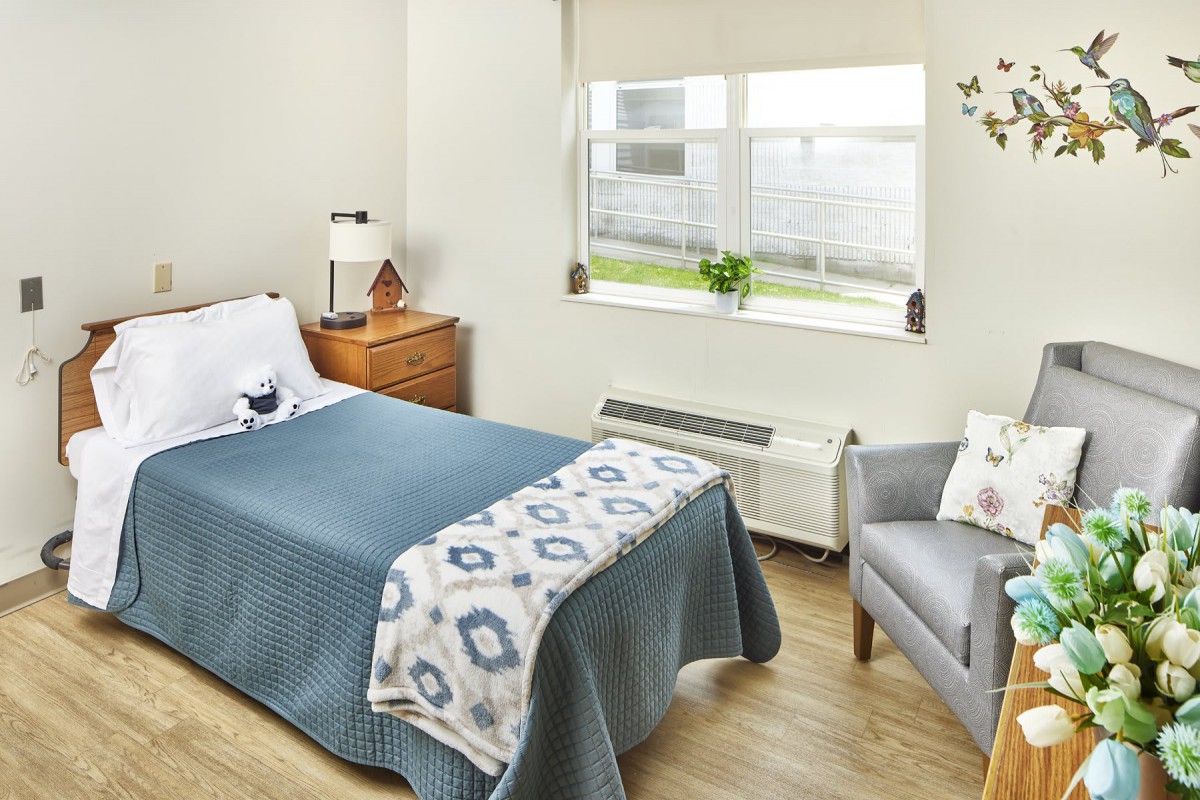
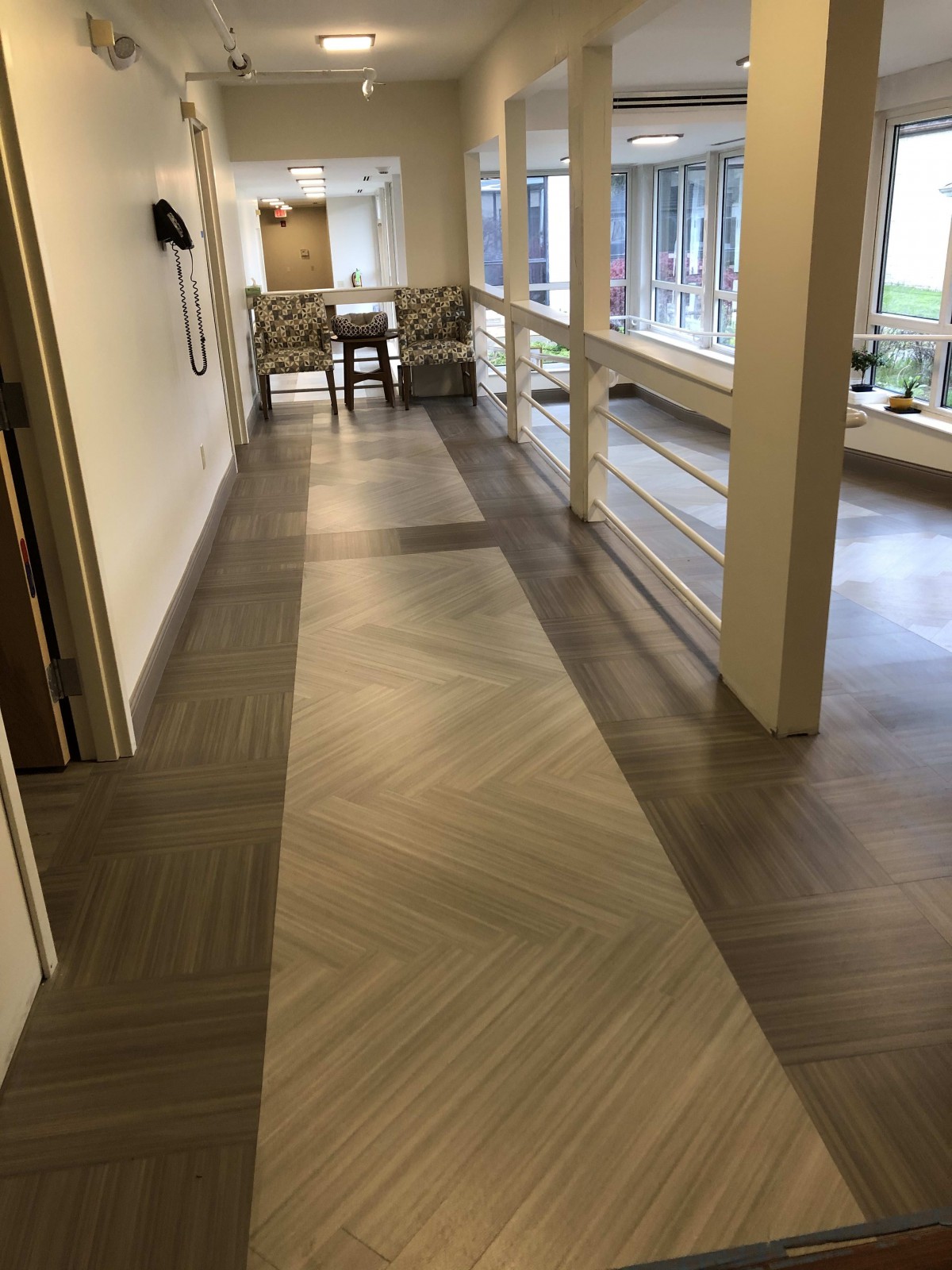
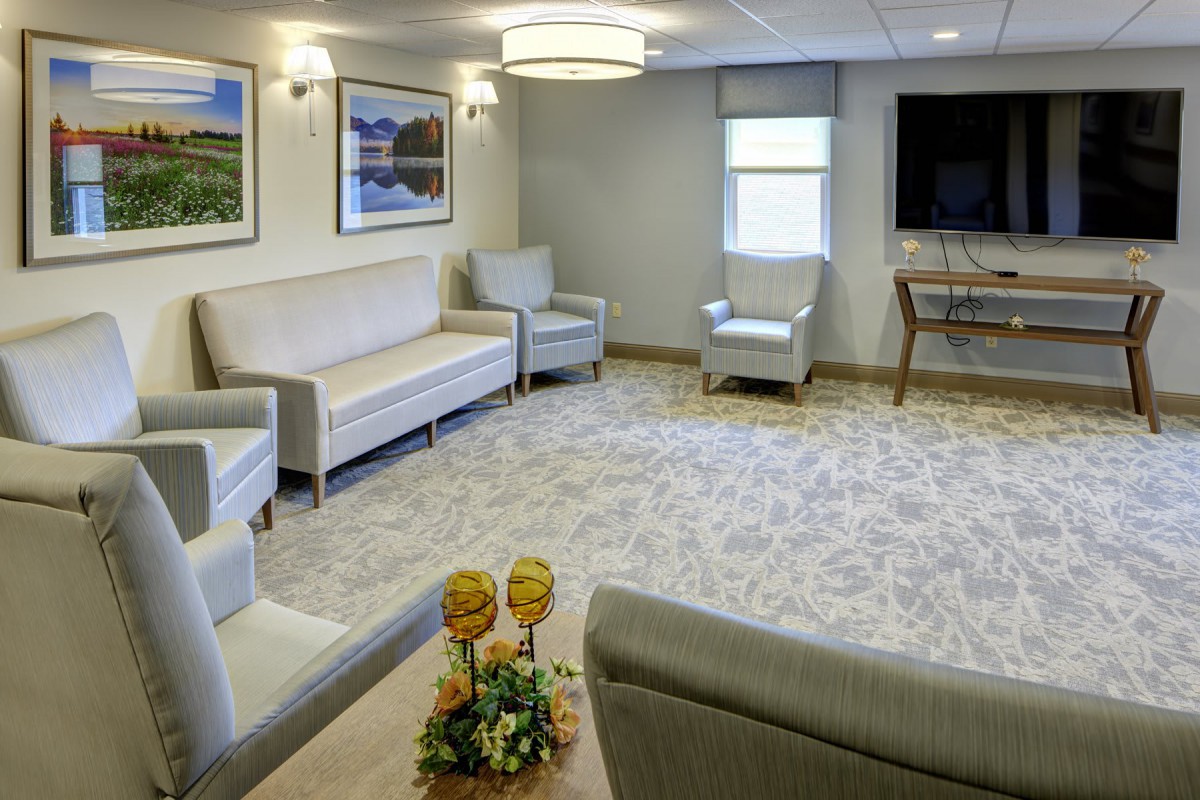
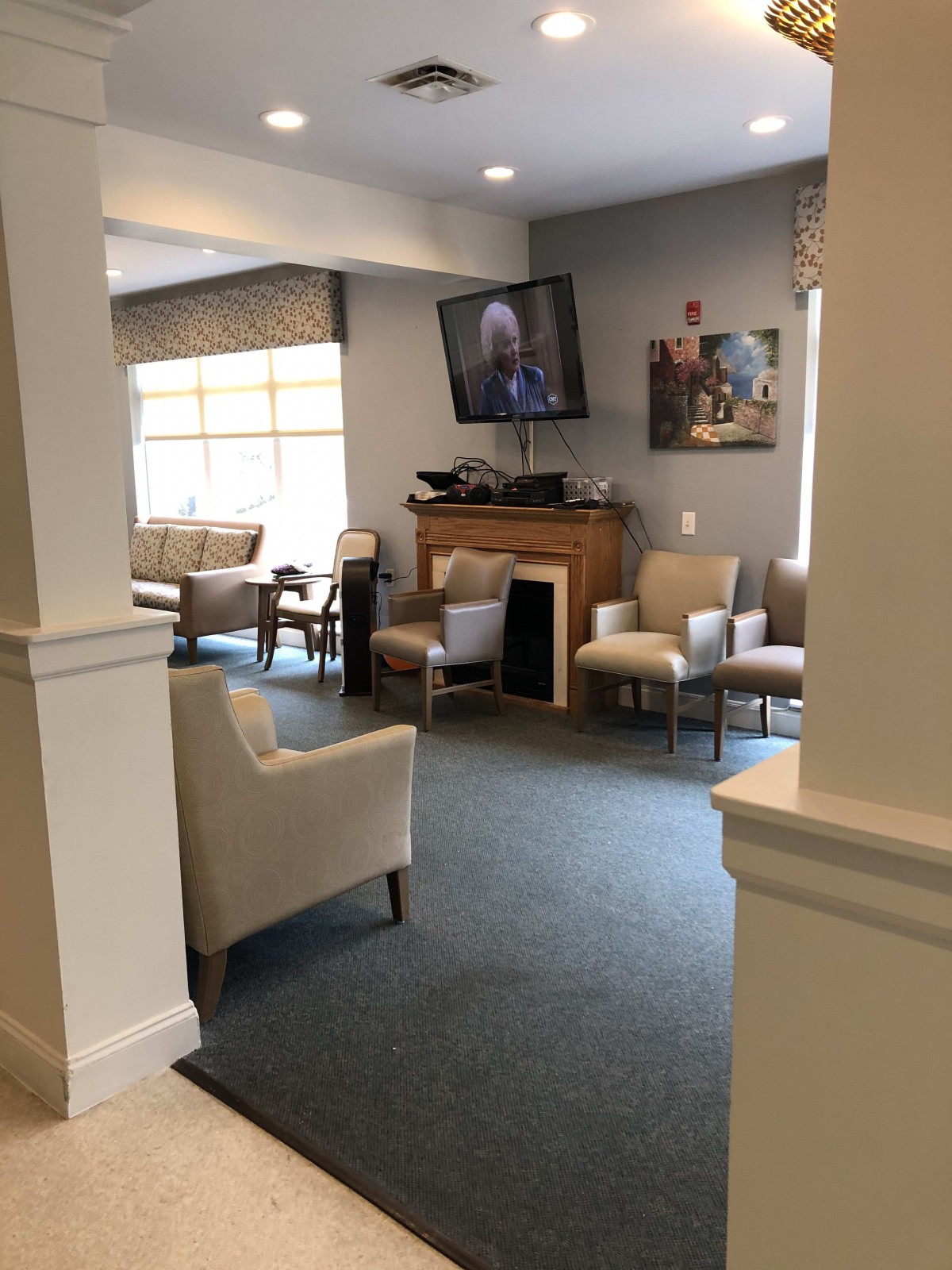
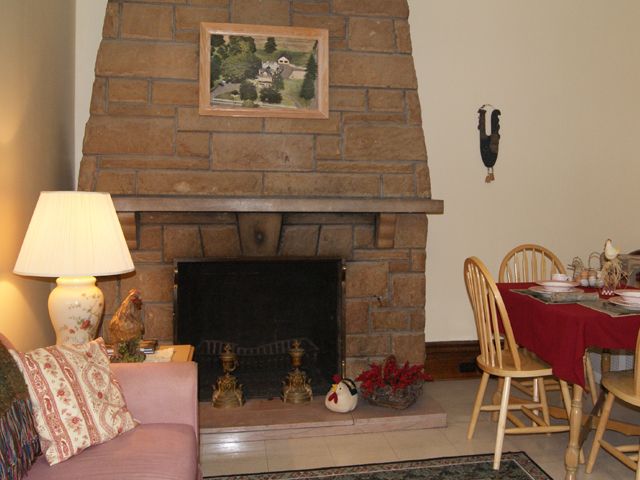
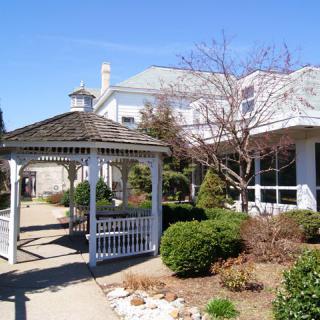
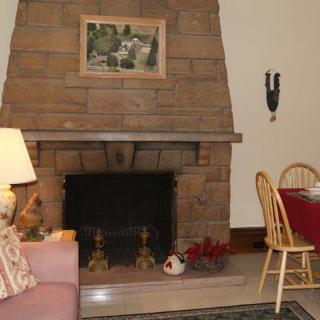
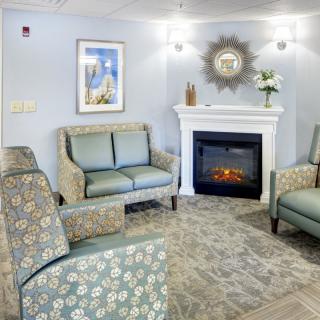
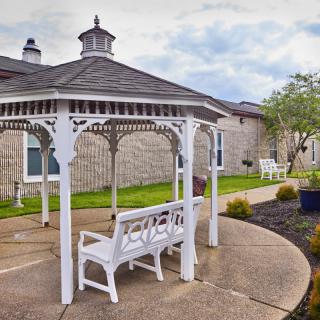
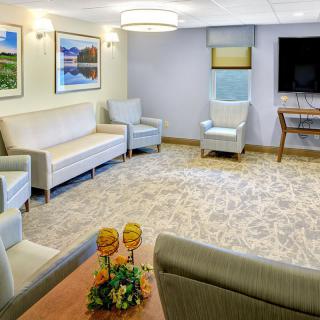
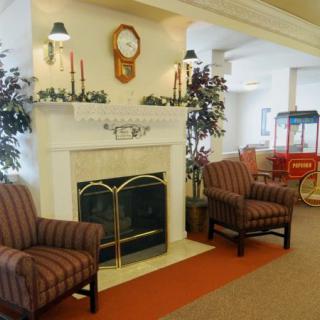
The Seasons of Saxonburg is best suited for memory-care residents who prize private rooms, a home-like mansion feel, and straightforward, predictable pricing. Families that want real privacy with own bathrooms, a clear path for daily routines, and ready access to staff when help is needed will find this community especially appealing. The setting, an older, well-kept mansion with bright, roomy private rooms, a defined dining area, and a courtyard, supports daily independence while offering familiar comfort. The emphasis on memory-support-friendly design is evident in the layout and the ease with which residents can navigate shared spaces. For families seeking a practical balance of dignity, safety, and social engagement at a manageable scale, this community delivers.
Those who may want to consider alternatives include families prioritizing a consistently pristine, uniformly modern aesthetic, a more hospital-like level of clinical amenities, or a location closer to home. Some reviewers flagged the property as older and undergoing remodeling, which can impact ambiance and routine. Others noted a stronger, hospital-forward atmosphere and a few concerns around leadership or staff consistency during staffing shortages. Distance can also be a factor for out-of-town families, with tours citing travel times of 30 to 45 minutes. If location, modern polish, or an uninterrupted dining/amenities experience are non-negotiable, exploring other options is prudent.
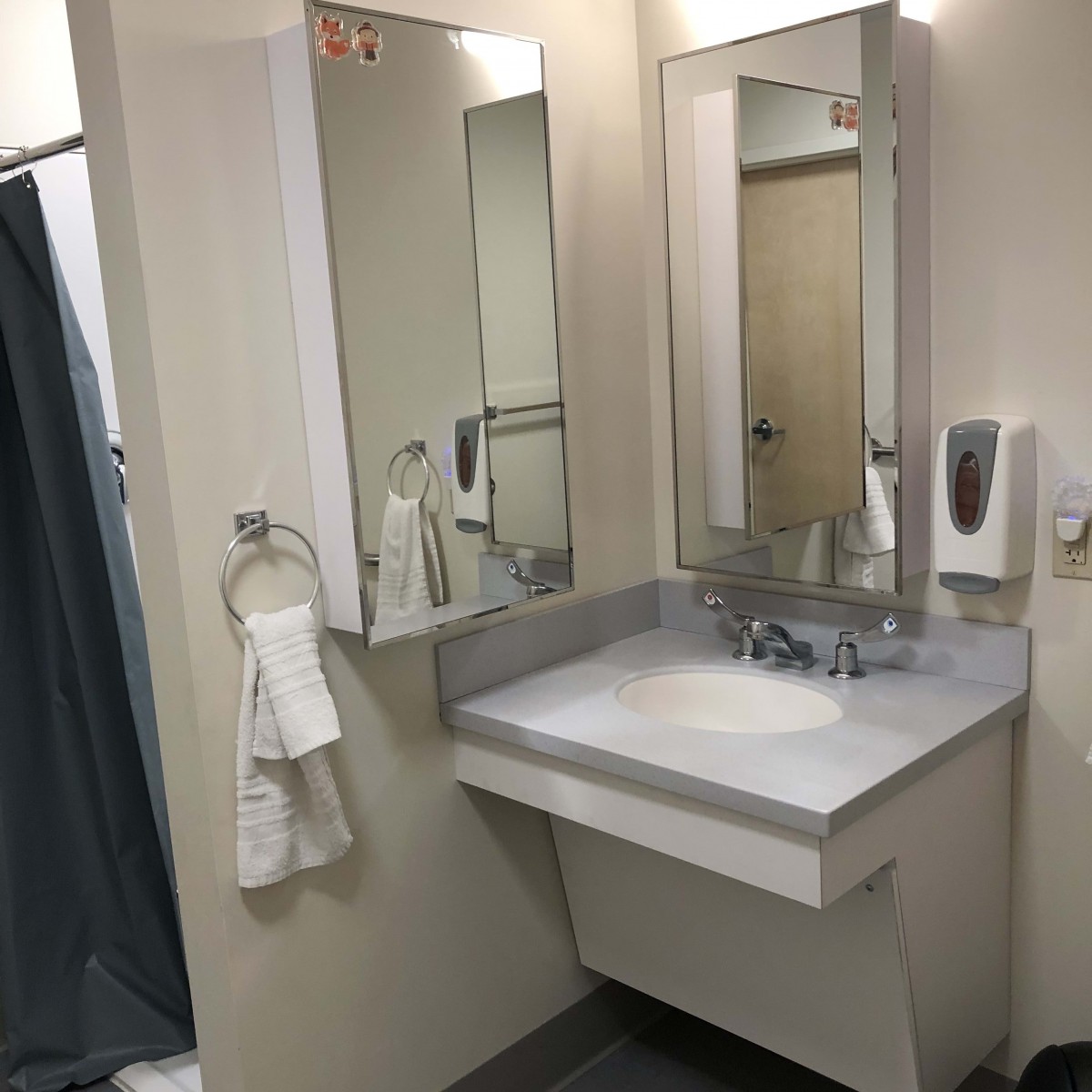
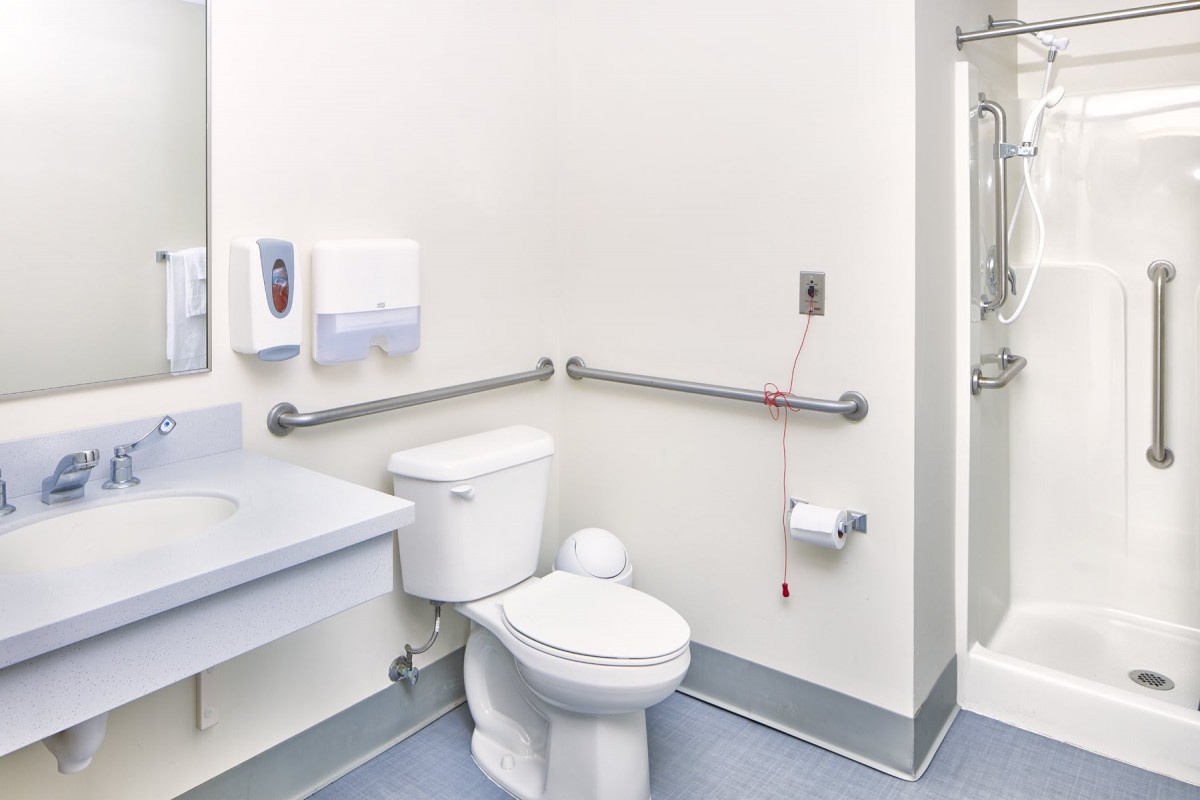
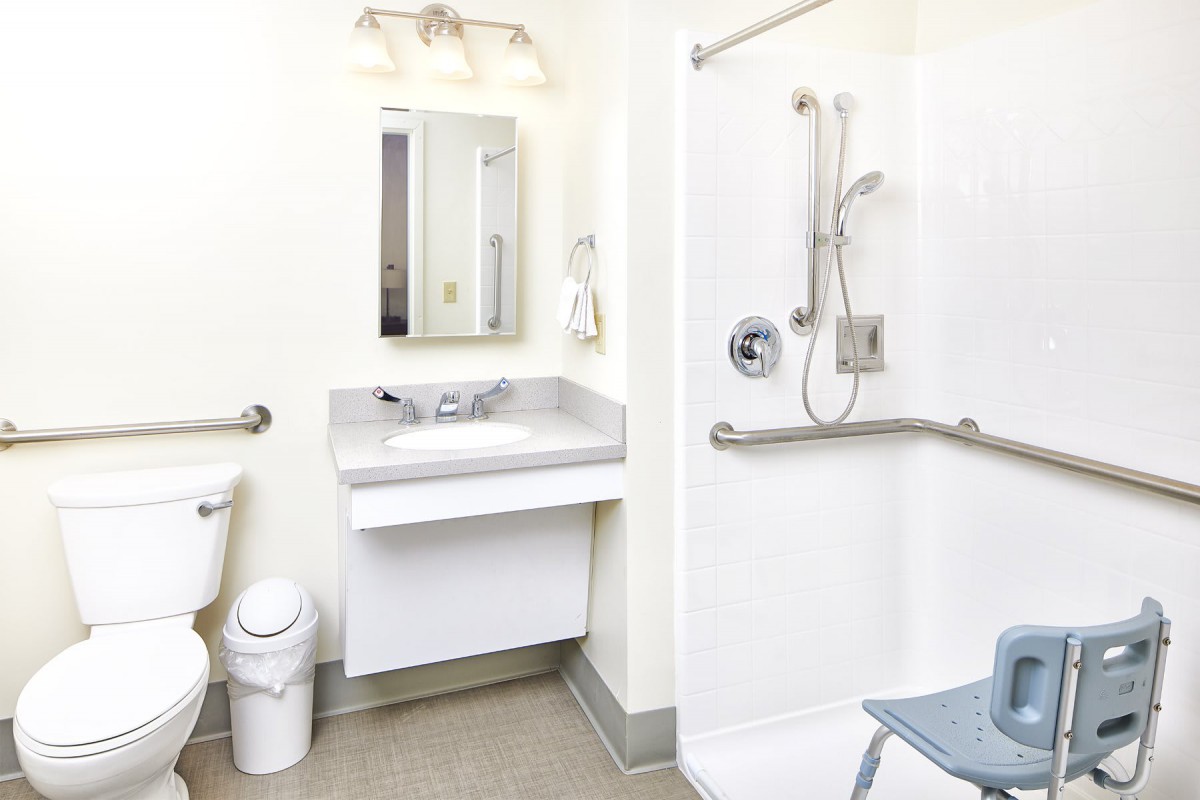
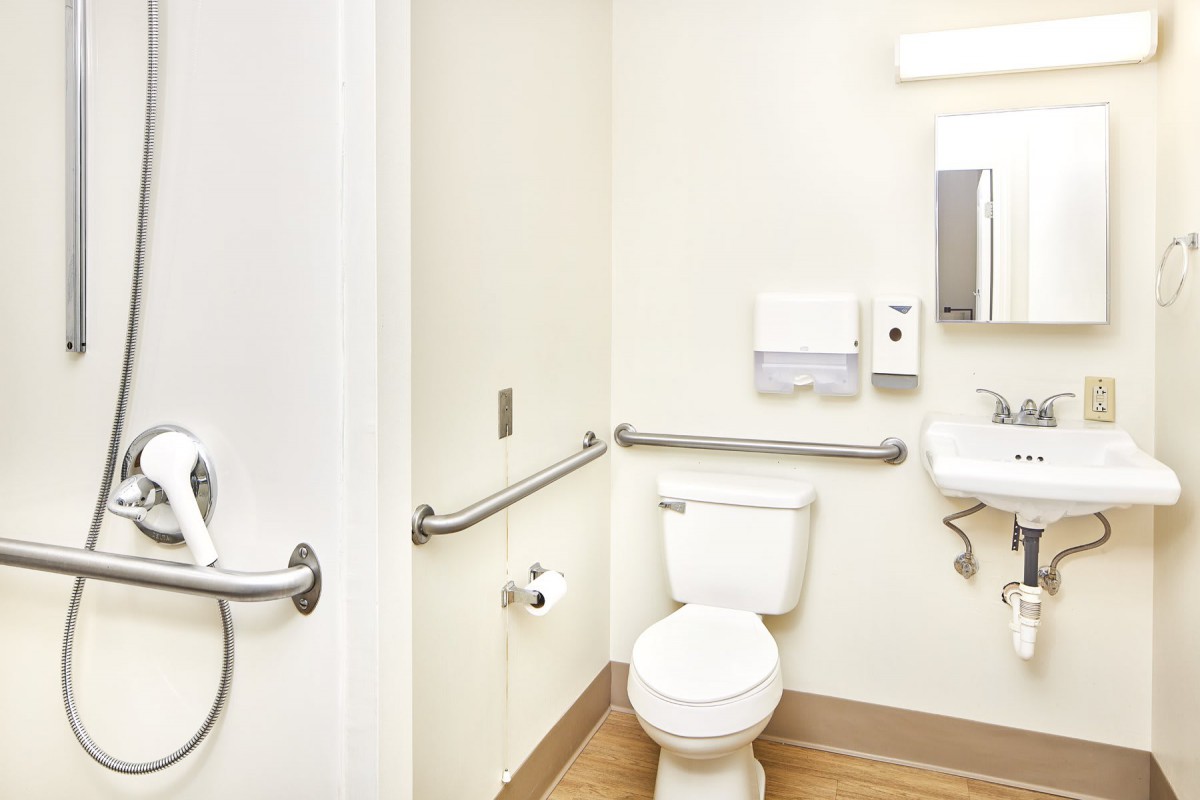
The most compelling pros, private rooms, clear and honest cost discussions, and responsive staff, clearly offset several drawbacks. Private accommodations with private baths and a bright, spacious feel support dignity and independence, and families repeatedly report clean facilities and a welcoming dining area. A flat-fee pricing structure, paired with proactive communication about costs, helps families budget without sudden sticker shocks, even if ancillary charges may apply as care needs evolve. The community’s strengths extend beyond rooms to a practical ecosystem: a beauty salon, regular activities, a courtyard for supervised outings, and embedded safety features like pendants that invite timely staff support. When the focus is on reliable routine and visible staff availability, these positives carry significant weight.
However, certain cons deserve serious consideration. A strong odor noted during one visit will understandably concern families seeking a consistently fresh environment. A hospital-like ambiance in some perceptions can dampen the sense of a warm, homey residence. Short-staffing has led to occasional meal variability and service inconsistencies, which can undermine daily satisfaction even in a facility with solid core care. Administrative interactions have also been described by at least one reviewer as unpolished, underscoring that leadership style can meaningfully affect family trust. Ongoing renovations, while potentially improving ambience, can disrupt normal routines and limit the immediacy of certain experiences. These factors collectively temper the otherwise solid offering.
Care quality and family communication emerge as a genuine strength when the need is for coordinated, compassionate support. Hospice and hospital partners have been described as working well with the community, and staff responsiveness appears consistently valued by families who interact regularly with caregivers and coordinators. The ability to visit or have meals together in a courtyard setting, and the availability of a dedicated dining room, reinforce social connectedness and meaningful engagement for residents. For families seeking clear lines of communication, dependable daily structure, and a facility that treats staff and residents with courtesy, these elements act as meaningful compensations for the more fluctuating aspects of staffing and décor.
Bottom-line guidance centers on aligning priorities with the core identity of The Seasons of Saxonburg. If memory-care residents require private rooms, uncomplicated monthly budgeting, and direct access to caring staff in a home-like setting, this community stands up well and deserves careful consideration. It is less suited for those chasing a uniformly pristine newer facility, an ultra-modern hospital-like environment, or a location with minimal travel time from home. Prospective families should plan a thorough, multi-visit inquiry: assess odor, confirm current staffing levels, speak candidly with administration about turnover and care plans, and request a detailed, itemized cost sheet to understand what is included and what may be billed separately as needs evolve. In short, for families prioritizing privacy, practicality, and reliable daily care within a warm, active environment, The Seasons of Saxonburg remains a solid, workable choice.
 Assisted Living
 Memory Care
 Activities off-site
 Air-conditioning
 Beautician on-site
 Cable or satellite TV
 Devotional services on-site
 Dining room
 Fully furnished
 Garden
 Ground floor units
 Handicap accessible
 Housekeeping services
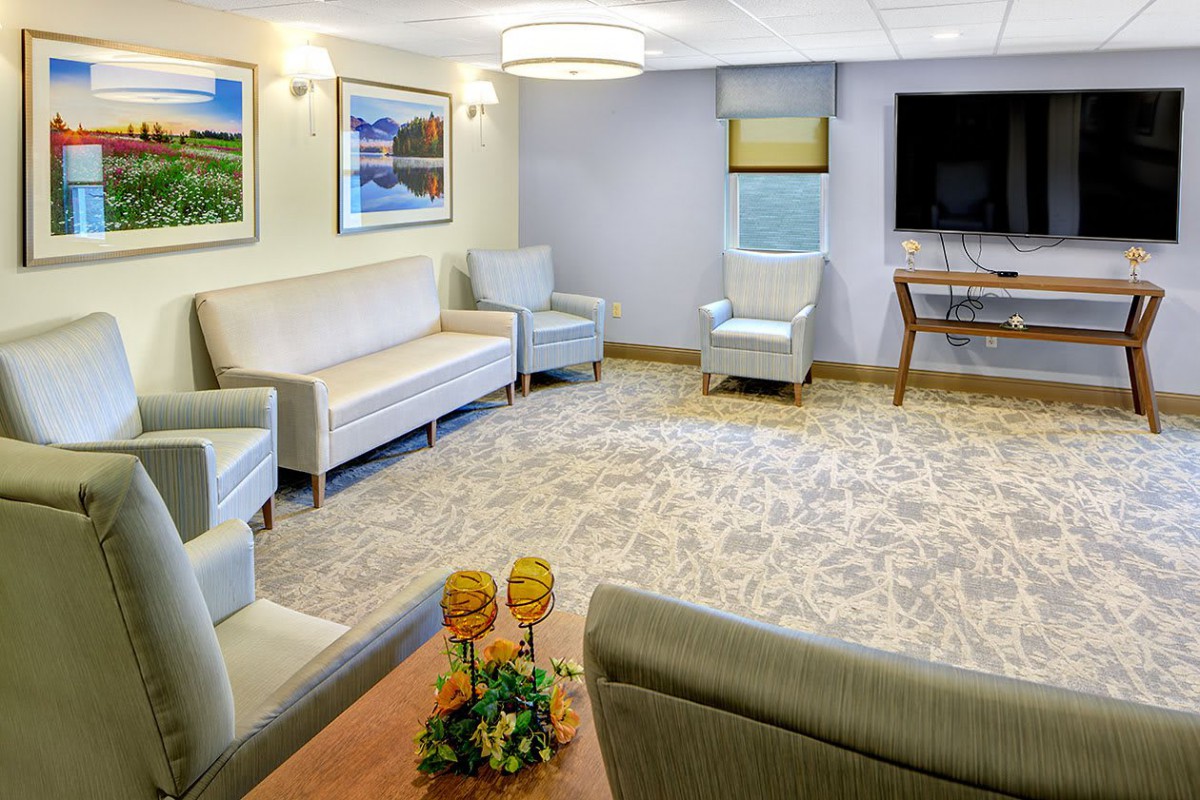
 Indoor common areas
 Move-in coordination
 Outdoor common areas
 Private bathrooms
 Respite or short term stays offered
 Telephone
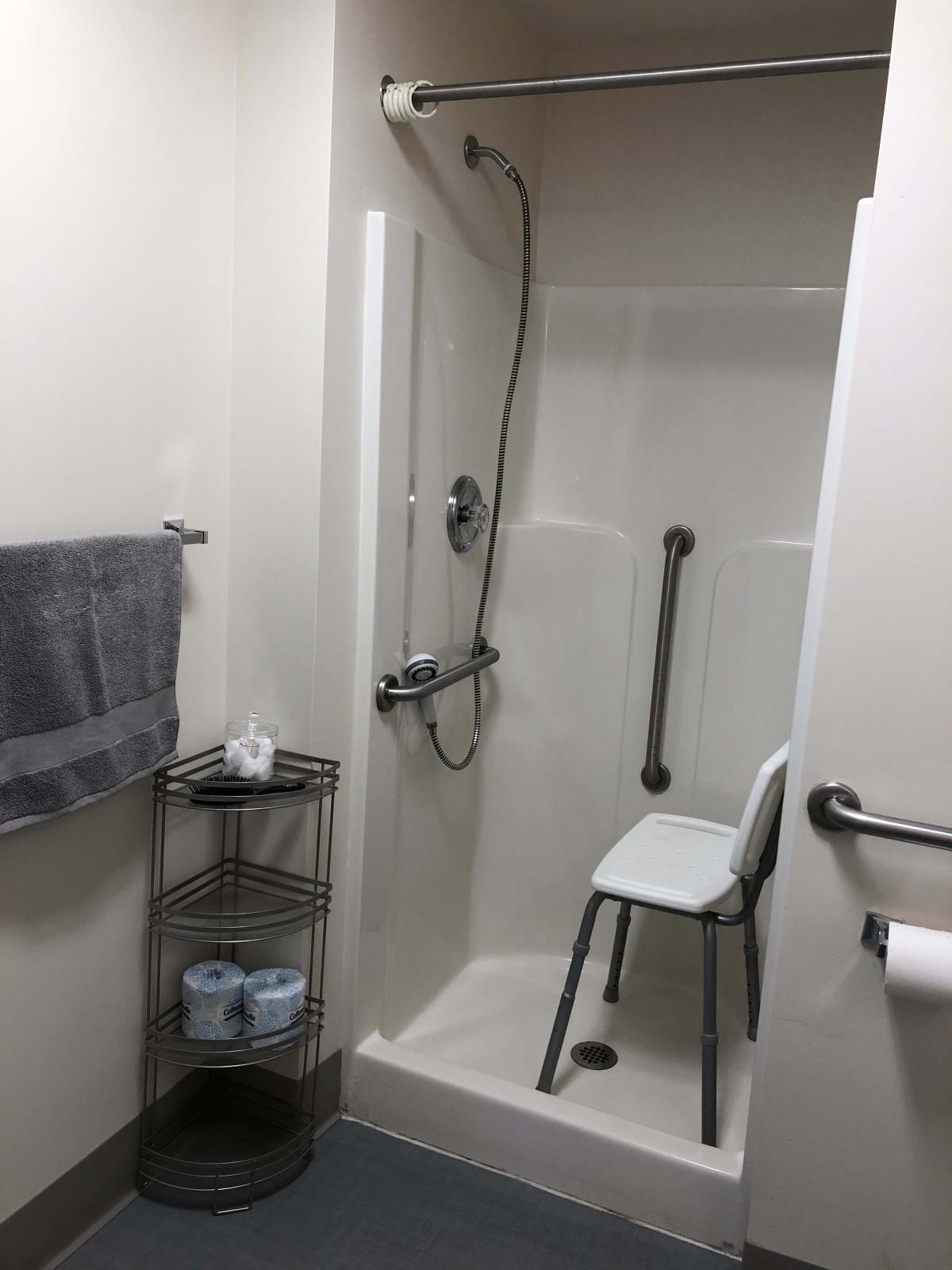
 Wheelchair accessible showers
 Wi-Fi/high-speed internet available
 24-hour supervision
 Ambulatory care
 Assistance with bathing
 Assistance with dressing
 Assistance with transfers
 Diabetes diet
 Diabetic care
 High acuity care
 Hospice waiver
 Incontinence care
 Meal preparation and service
 Medication management
 Mental wellness program
 Special dietary restrictions
 Transportation arrangement (medical)
 Transportation to doctors appointments
 Art classes
 BBQs or picnics
 Birthday parties
 Day trips and outings
 Pet-focused programs
 Sensory-based programs
 Trivia games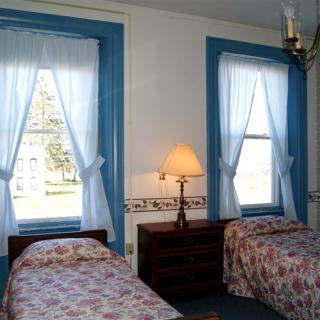
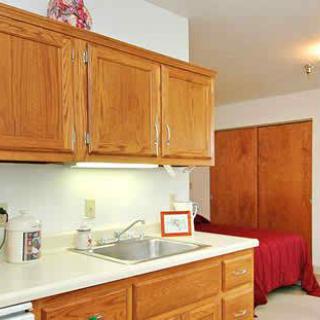


 Understanding Dementia Through Its Seven Stages: A Comprehensive Look at Progression and Expectations
 Safeguarding Your Memory Through the Golden Years: Eight Ways to Preserve Cognitive Health
 Comprehensive Insights into Activities of Daily Living (ADLs) and Their Assessment