Magnolias of Lancaster

Save

  • Interior

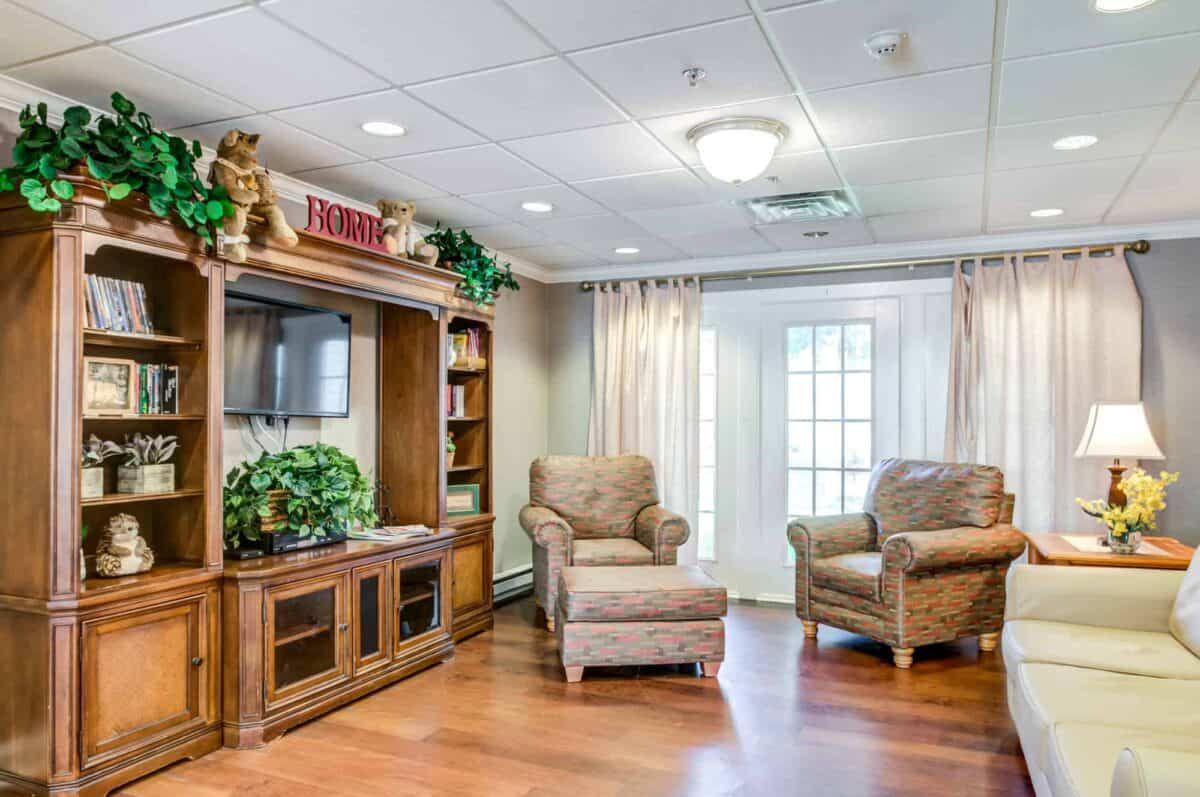
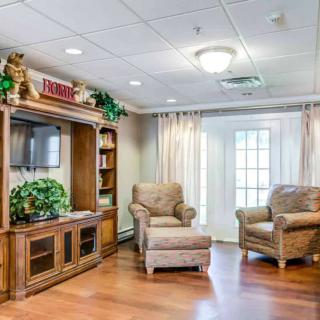
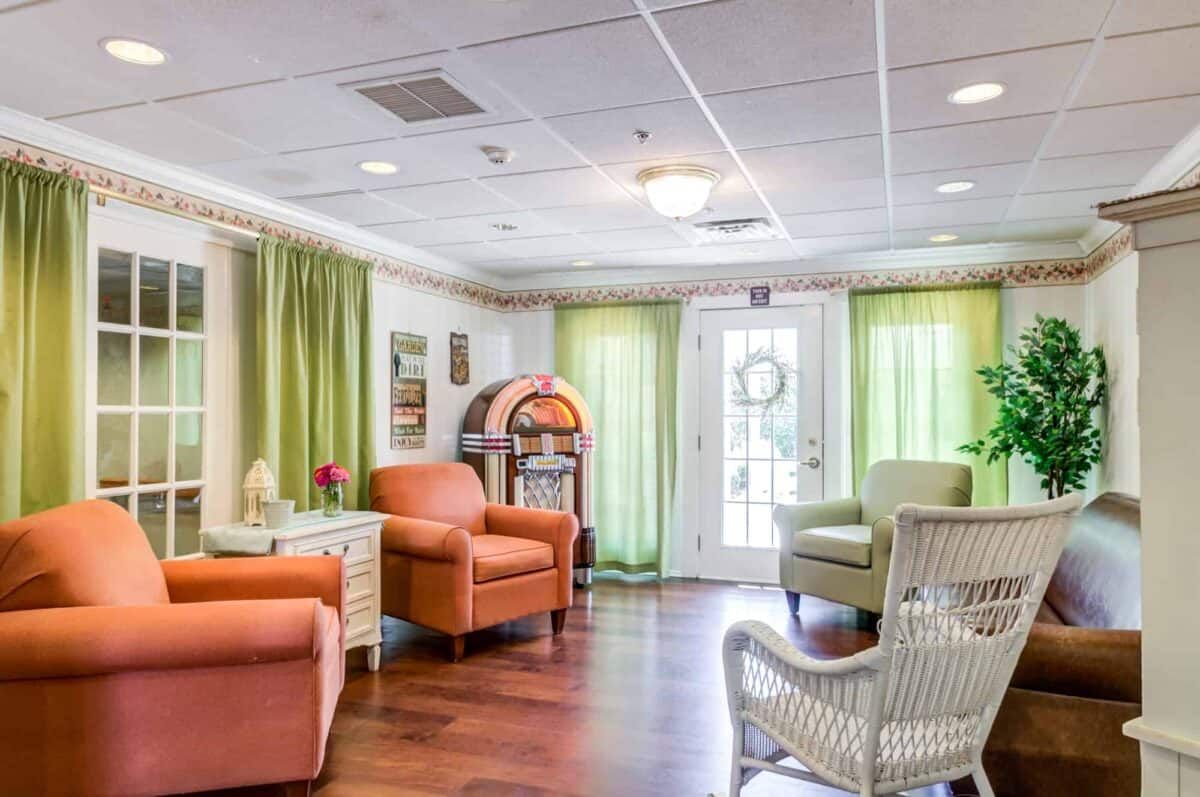
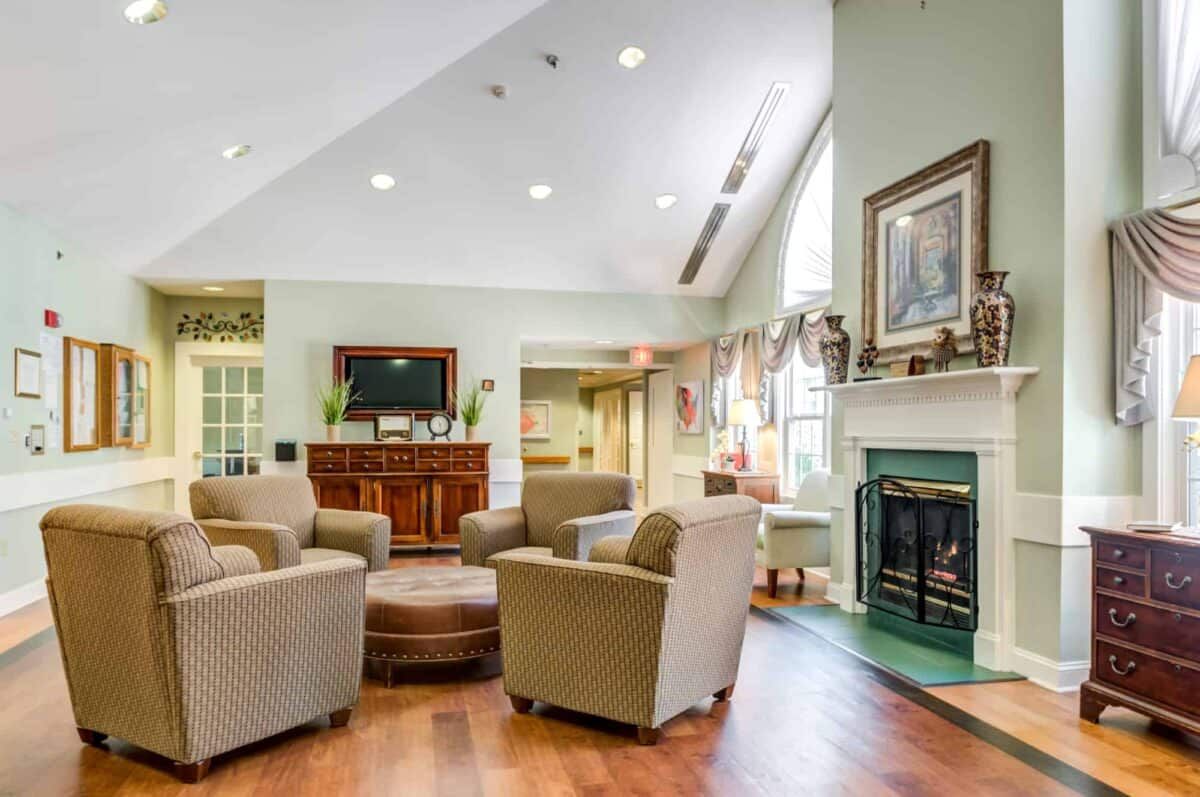
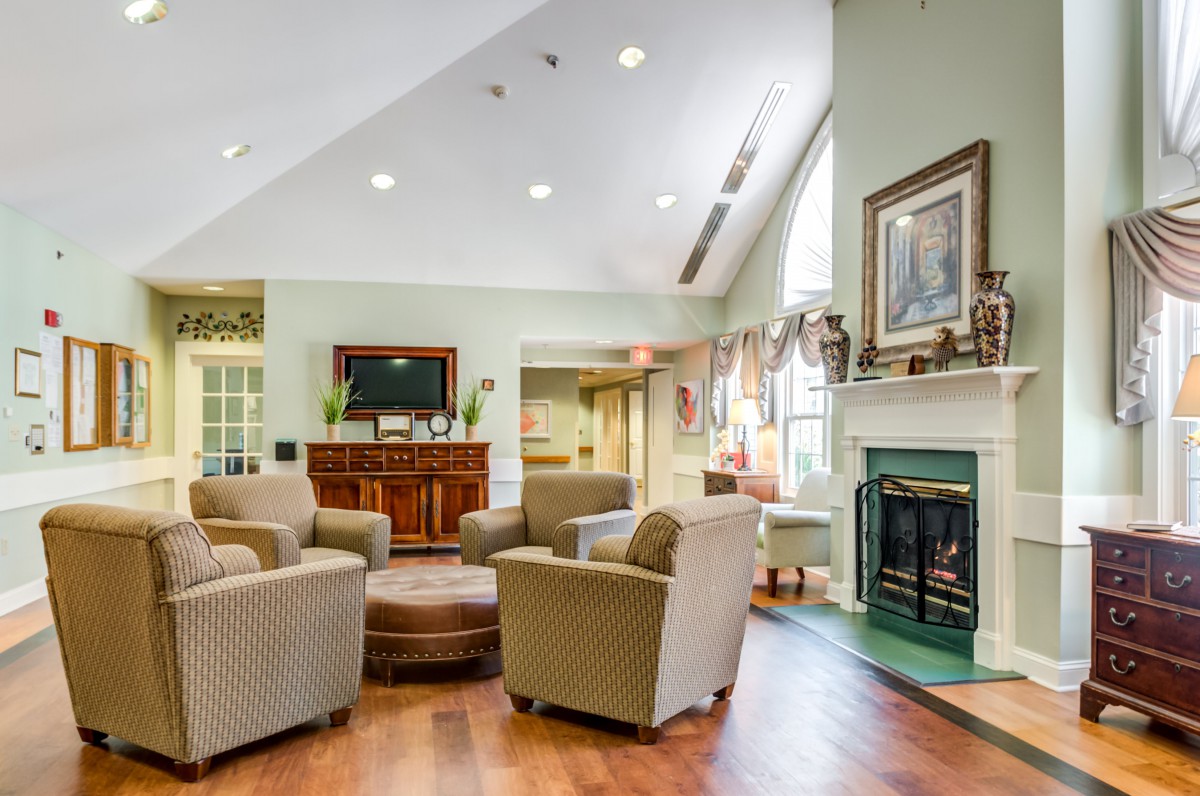
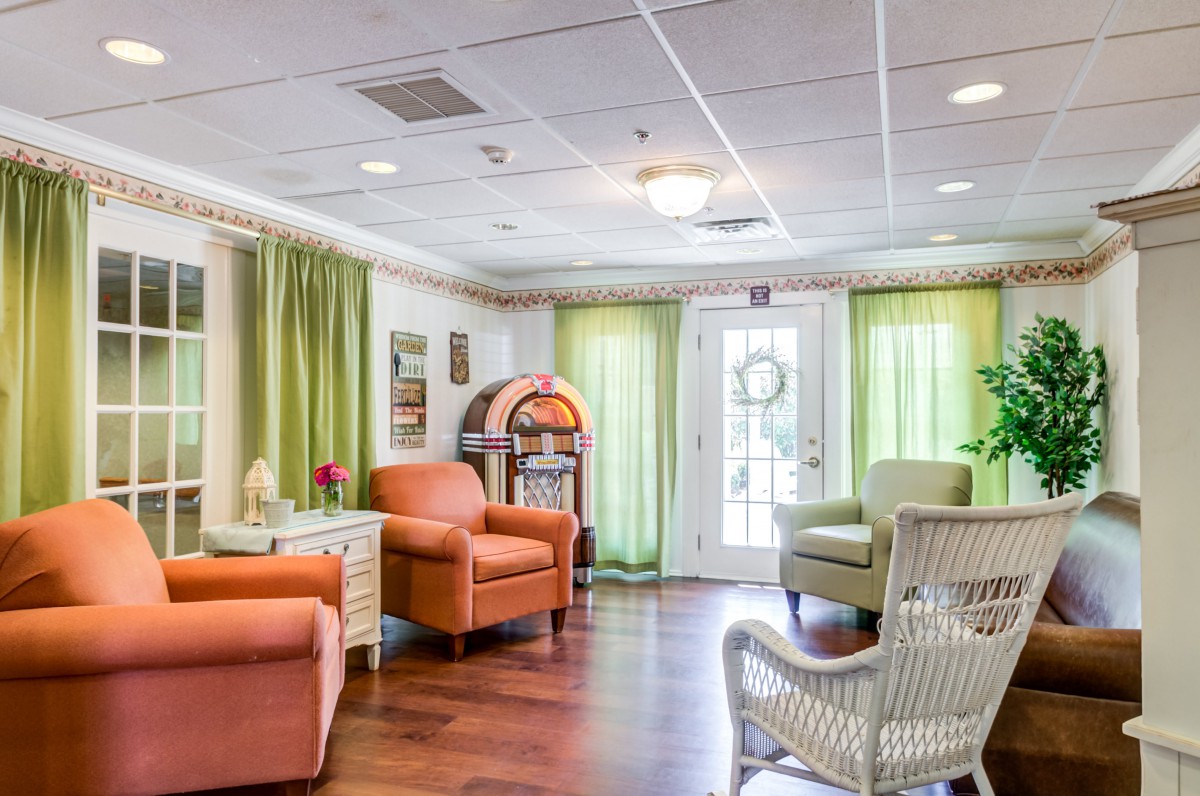
    A cozy living room with armchairs, a television, and wooden decor.
  • Decor

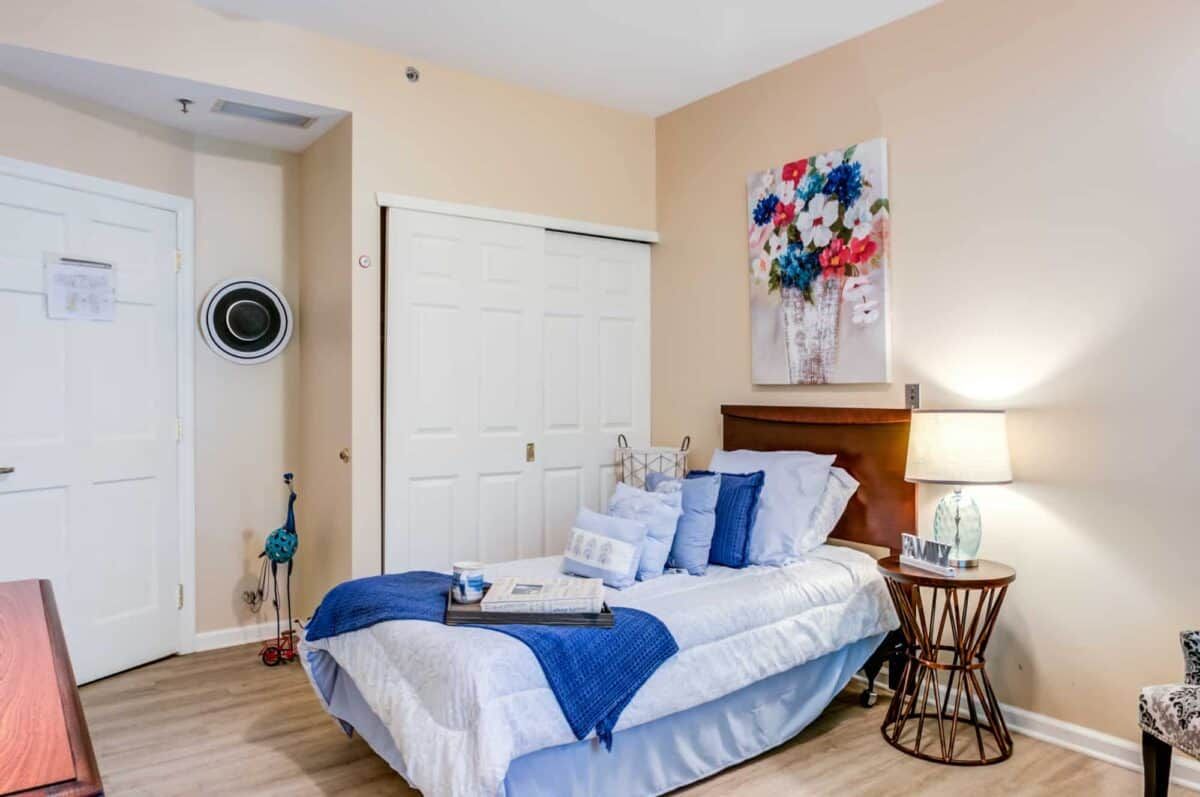
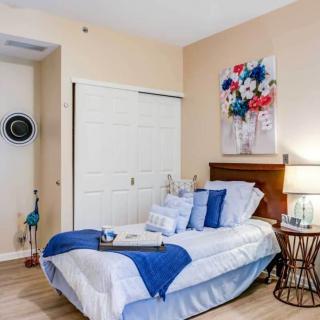
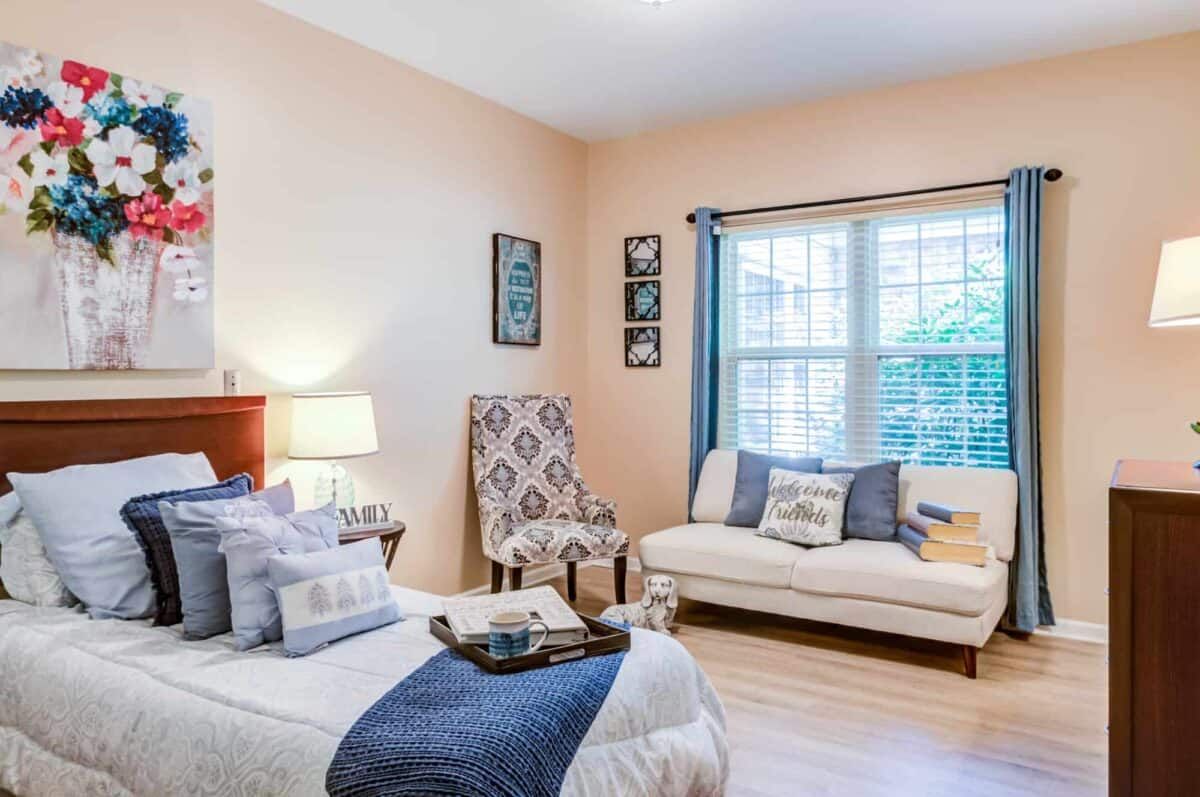
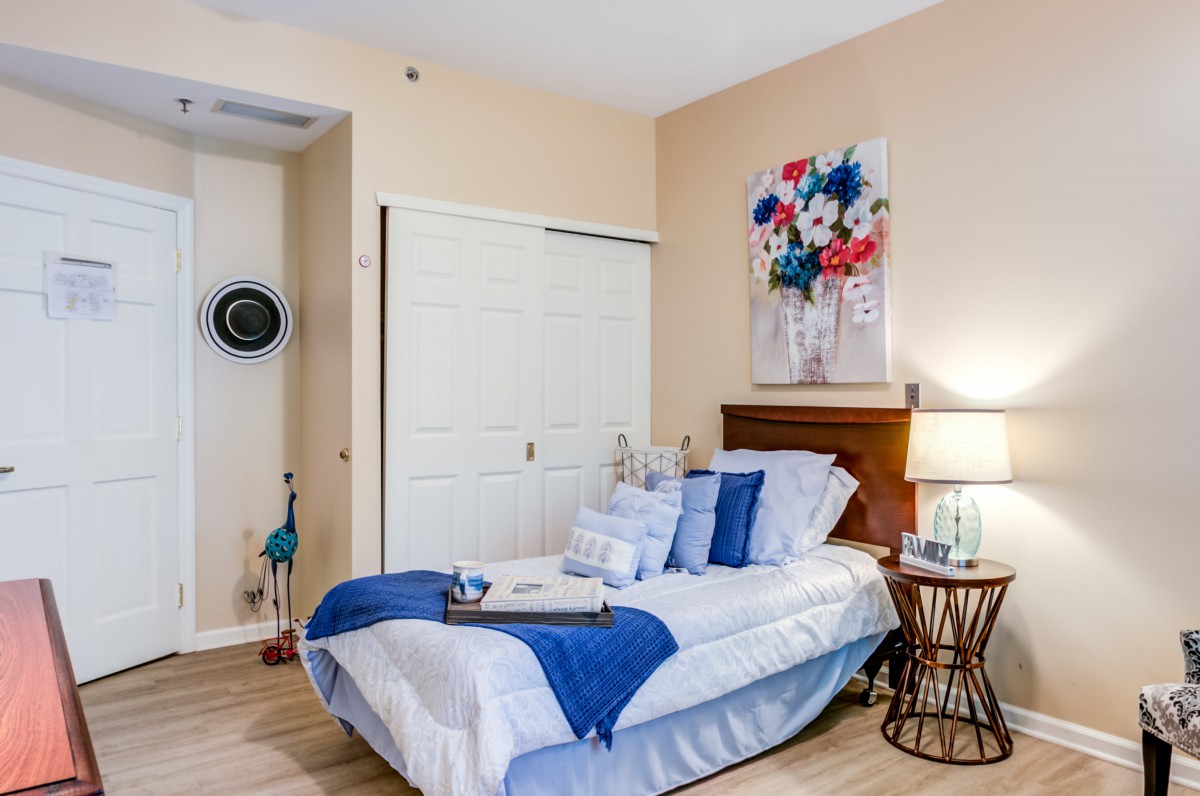
    A cozy bedroom featuring a neatly made bed with blue and white bedding, complemented by wall art and a bedside lamp.
  • Living Room

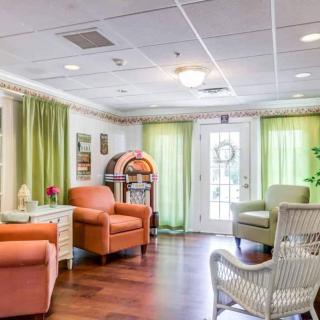
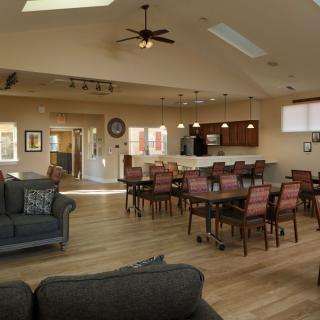
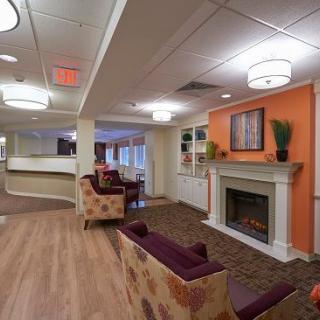
    A cozy living area with colorful chairs and natural lighting.
  • Building

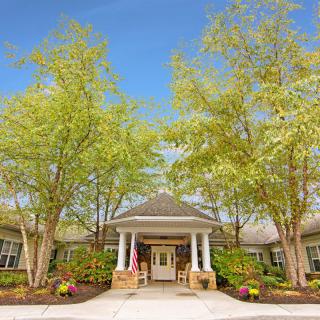
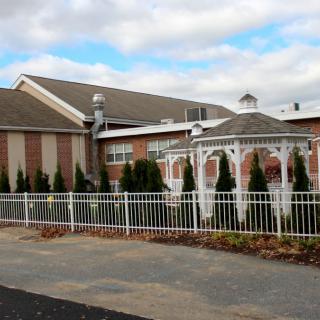
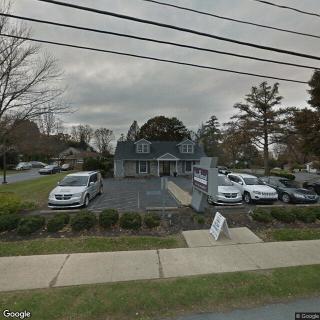
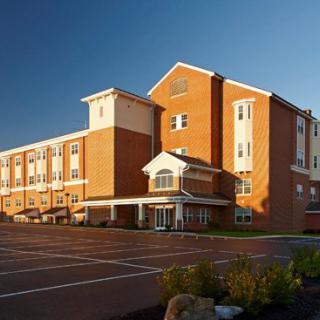
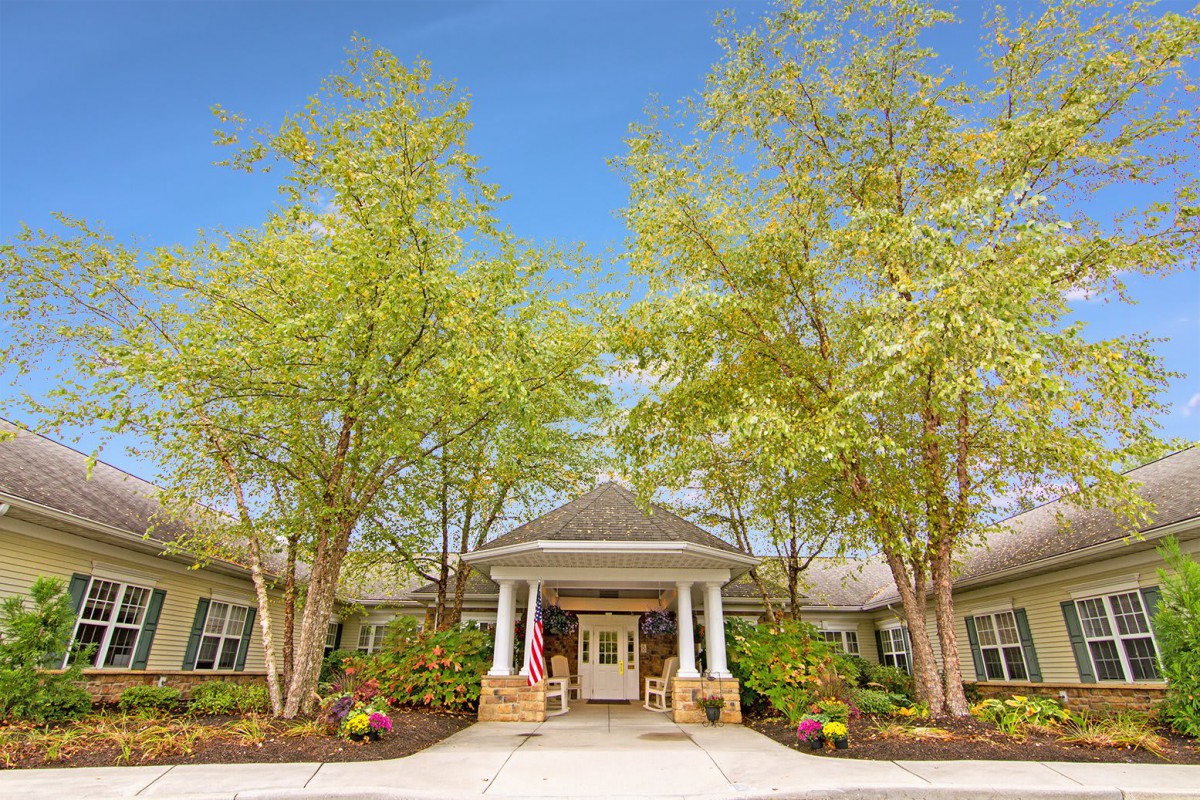
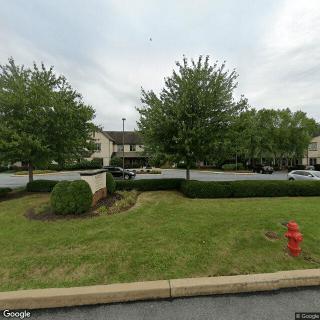
    A welcoming entrance to a building surrounded by trees and landscaping on a clear day.
  • Architecture

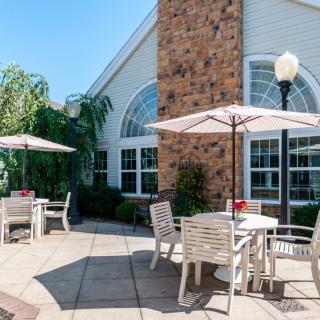
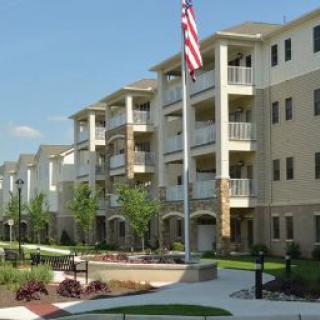
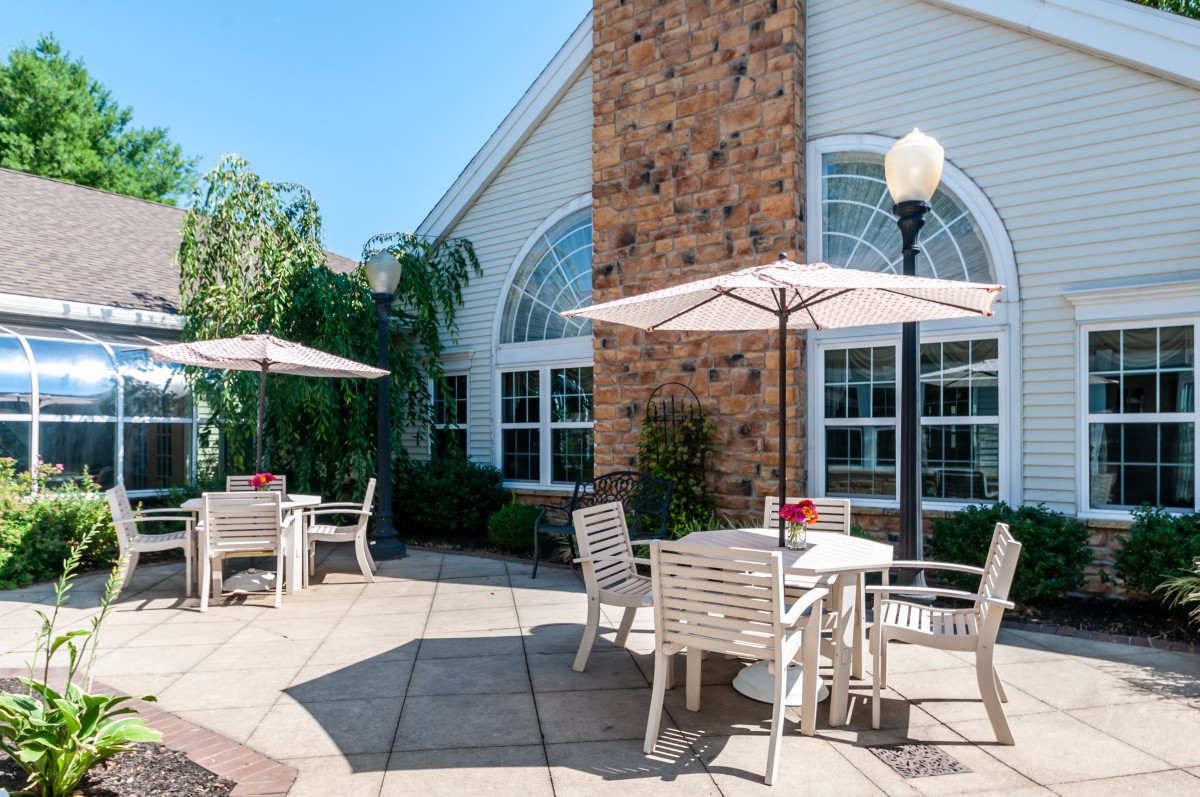
    A sunny outdoor patio area with tables, chairs, and umbrellas adjacent to a building.
  • Bedroom

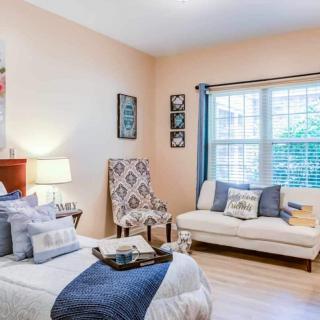
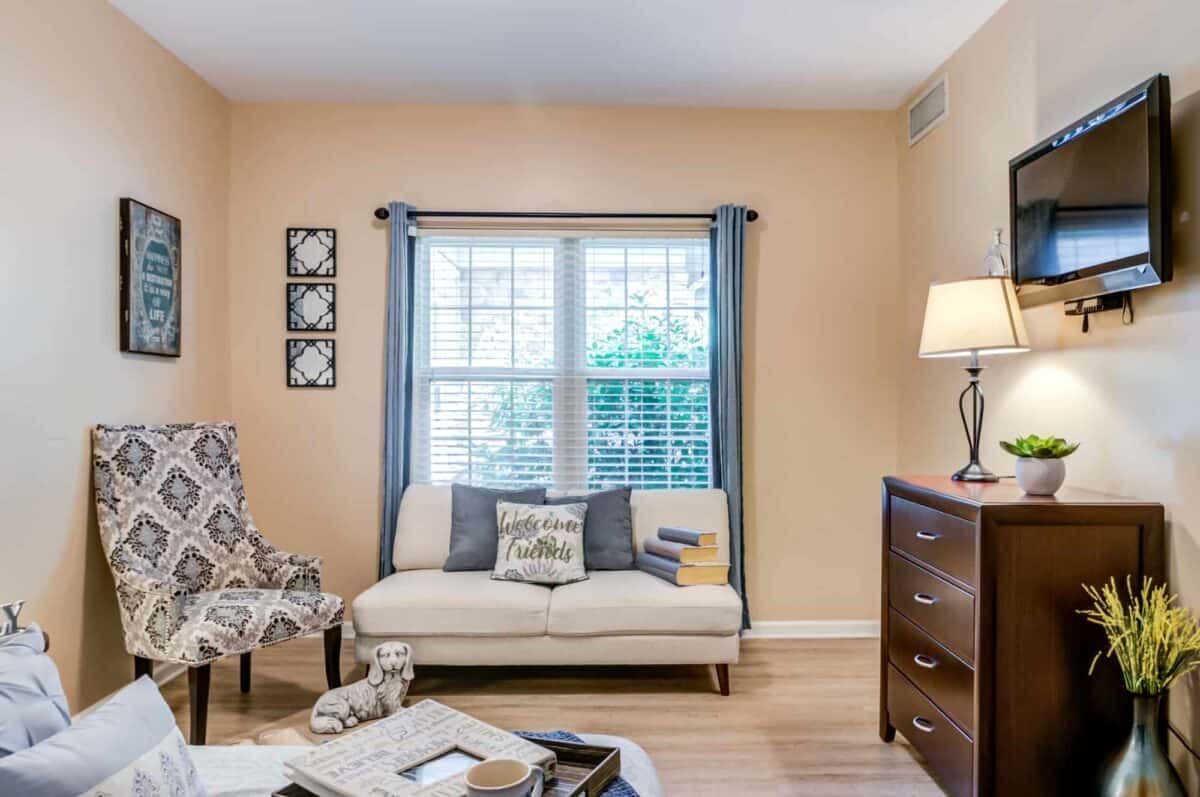
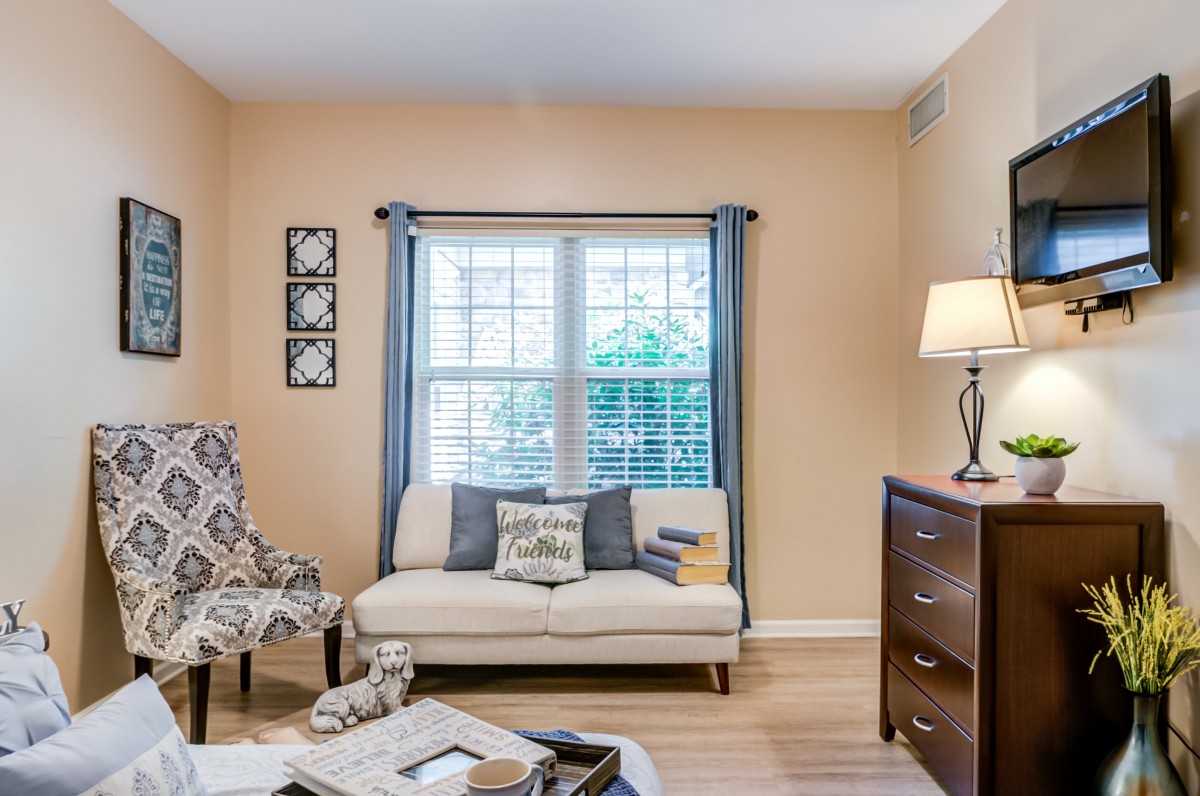
    A cozy bedroom with a bed, armchair, and sofa, featuring light colors and elegant decor.
  • Windows

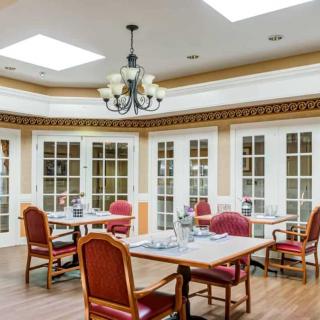
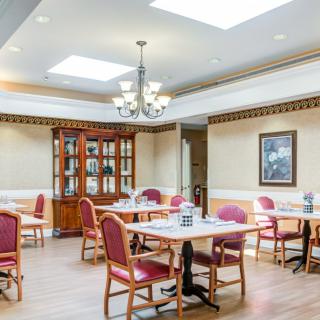
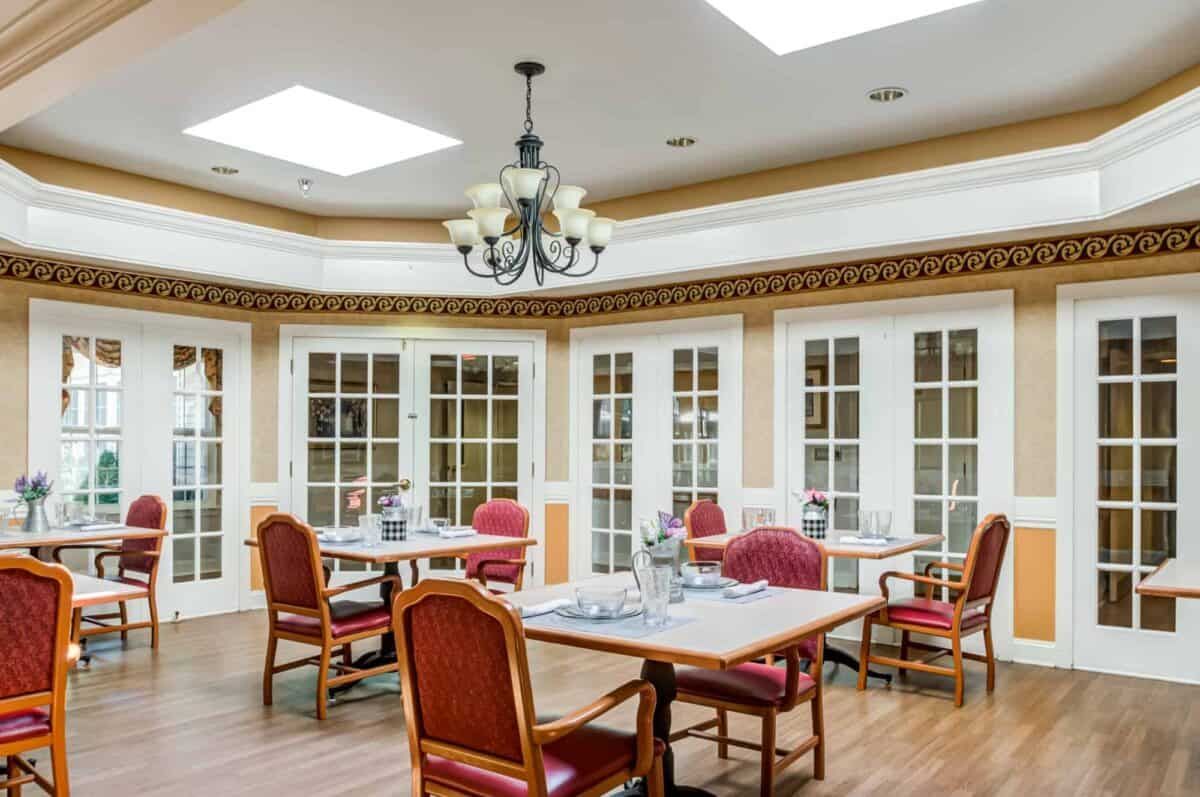
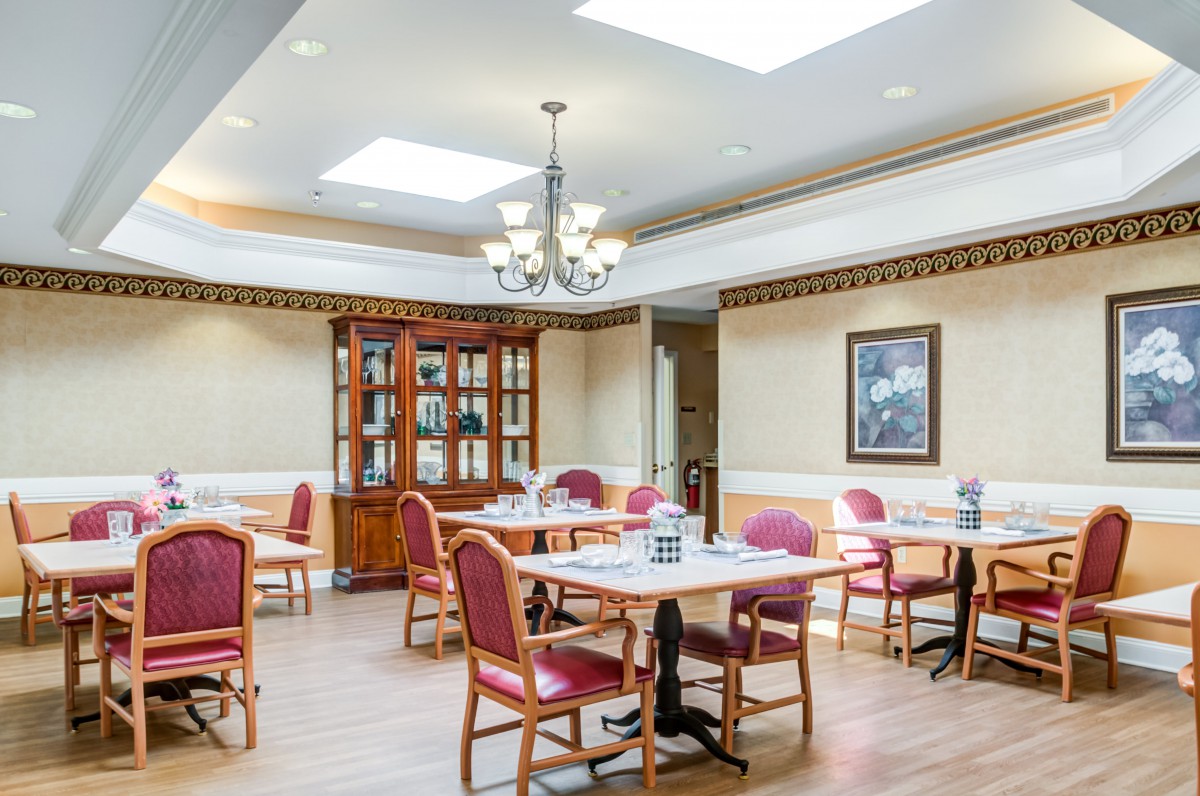
    A spacious dining room with elegant furnishings and plenty of natural light.
  • Dining

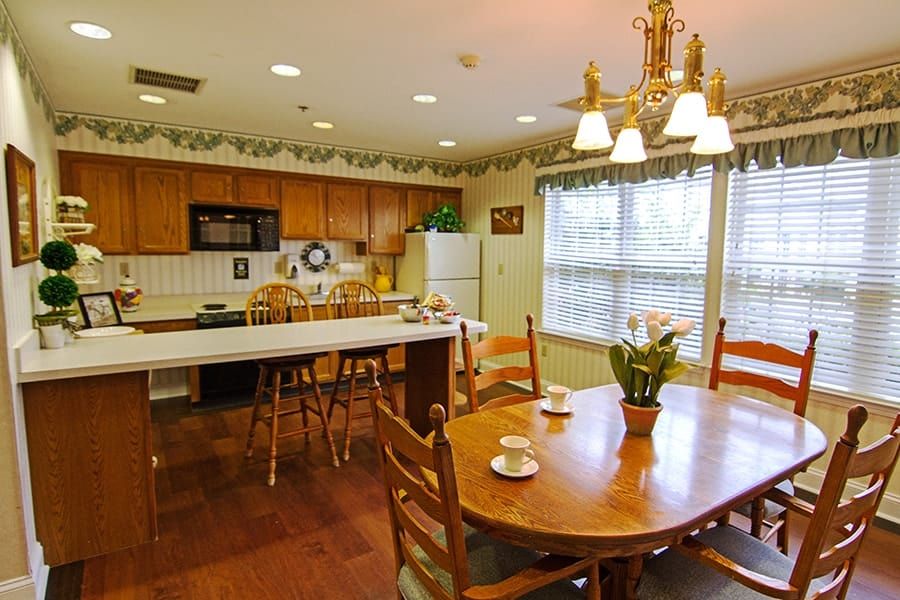
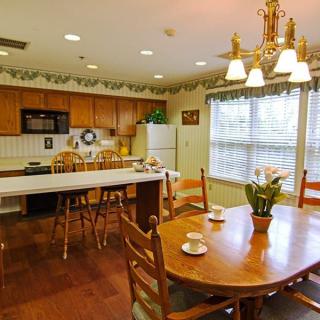
    A cozy kitchen and dining area with wooden furniture, featuring a chandelier, decorative plants, and various kitchen appliances.
  • Landscaping

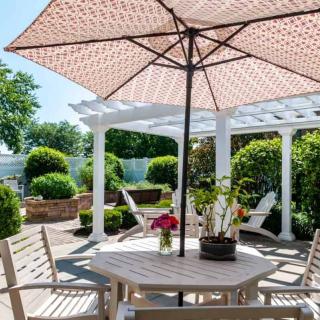
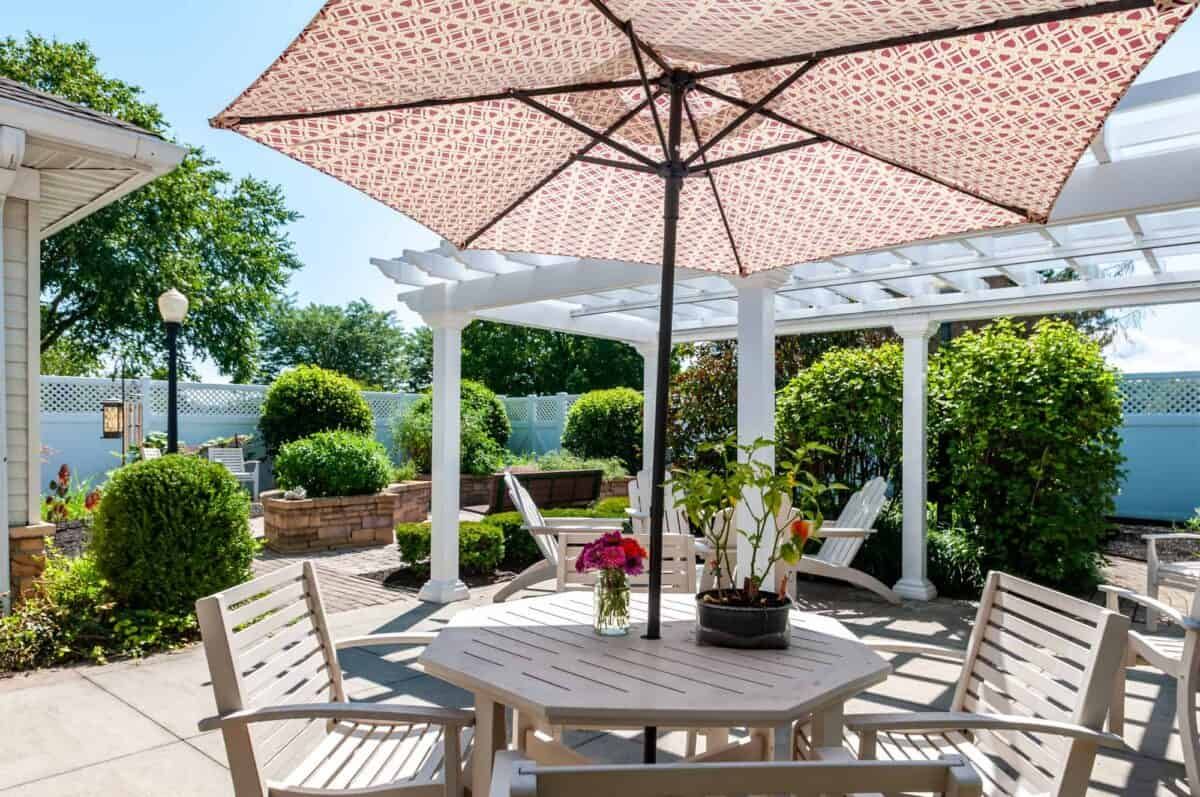
    A sunny patio with a wooden table and chairs under a large umbrella, surrounded by lush green landscaping.
  • Kitchen

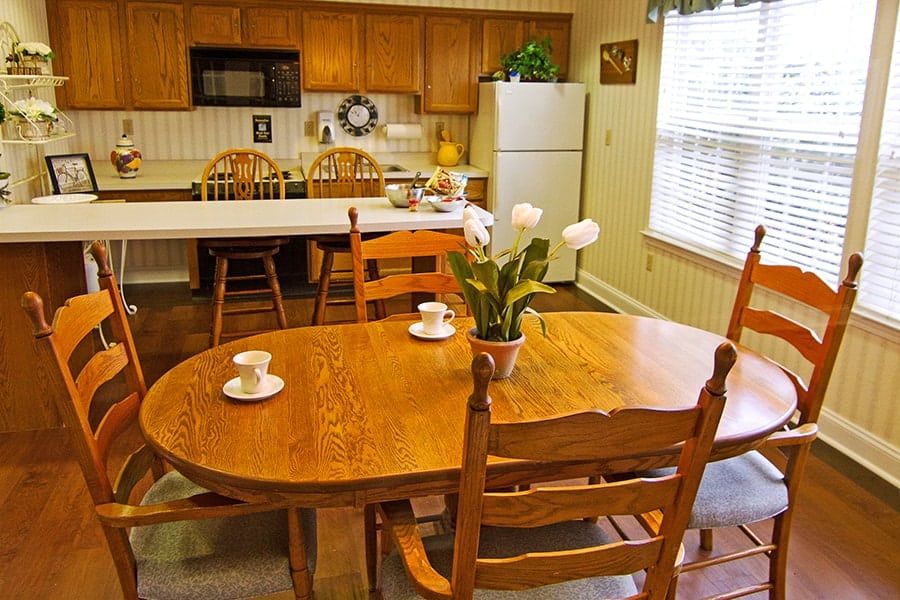
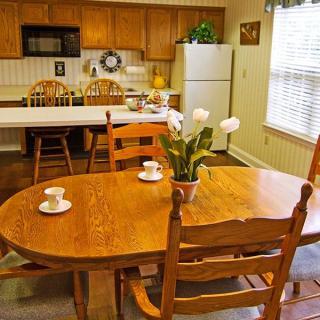
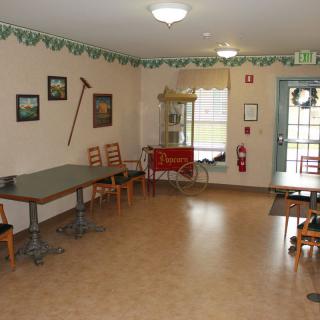
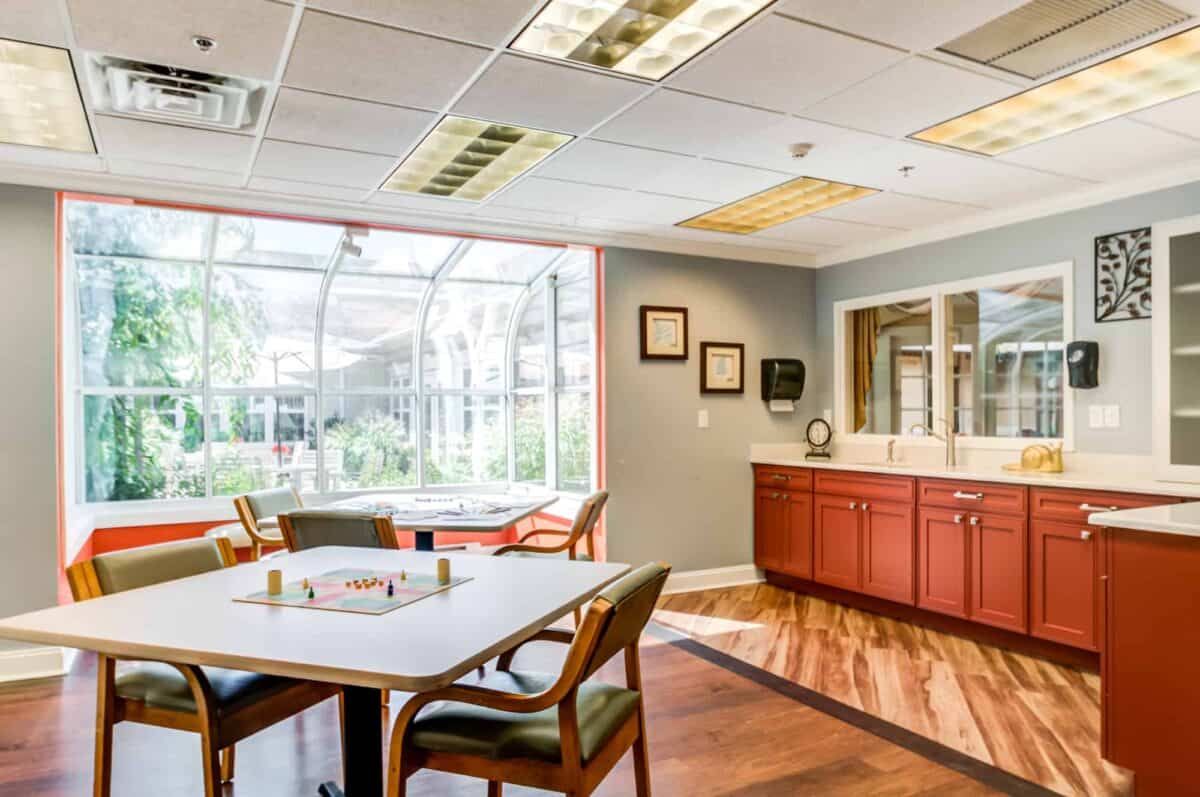
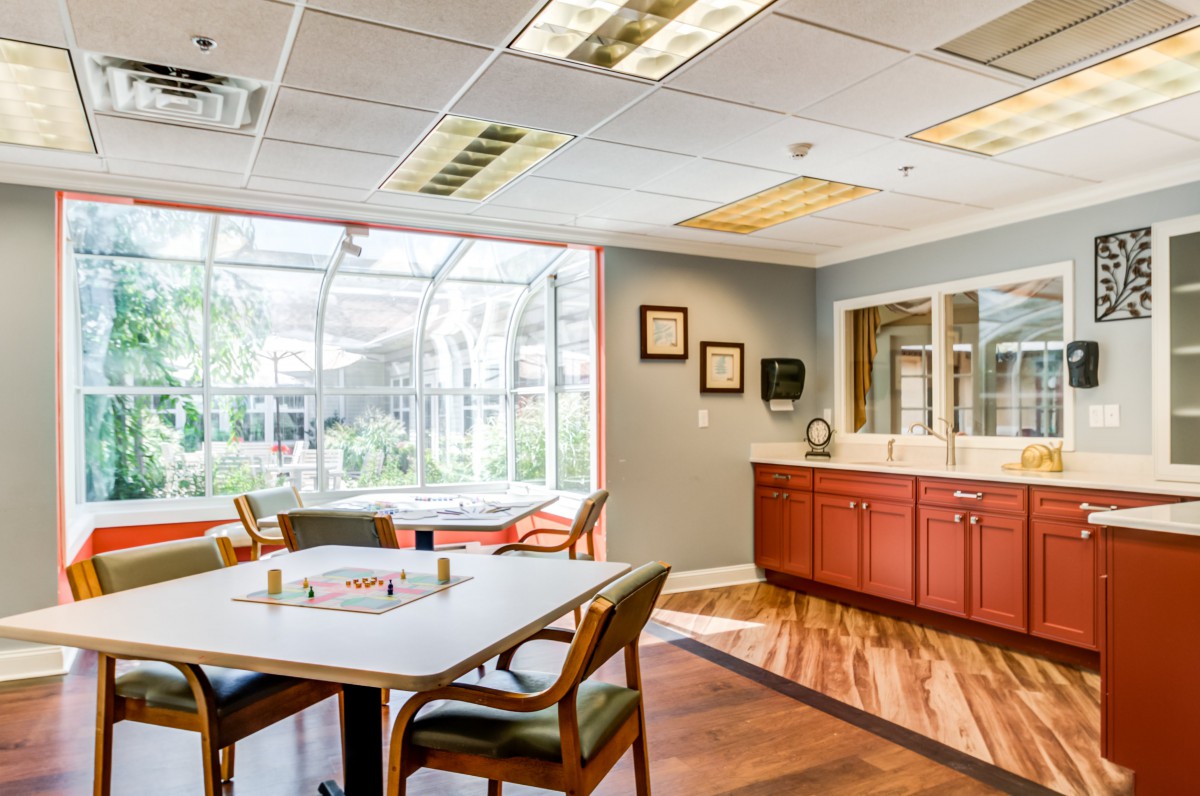
    A cozy kitchen with a wooden dining table and chairs, featuring a refrigerator, microwave, and decorative flowers on the table.
  • Garden

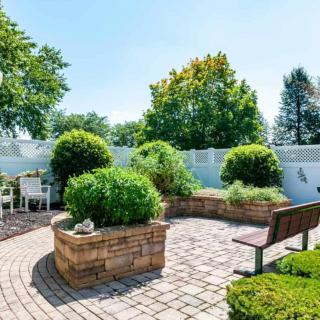
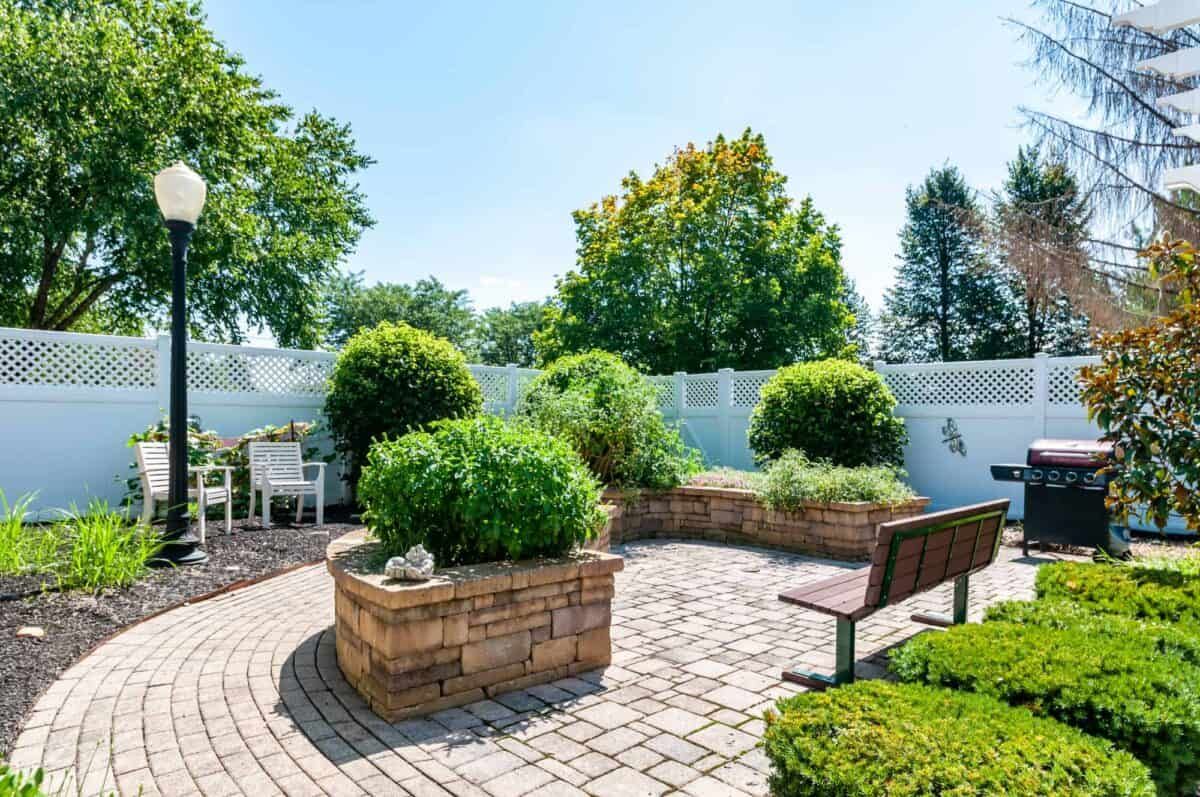
    A beautifully landscaped garden with brick planters, lush greenery, and a wooden bench, enclosed by a white fence.
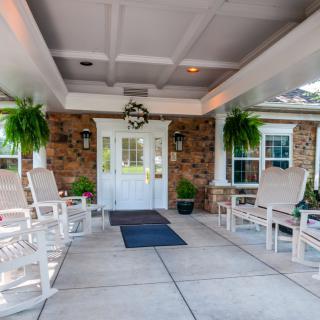
  • Entrance

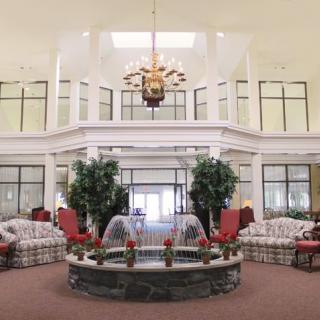
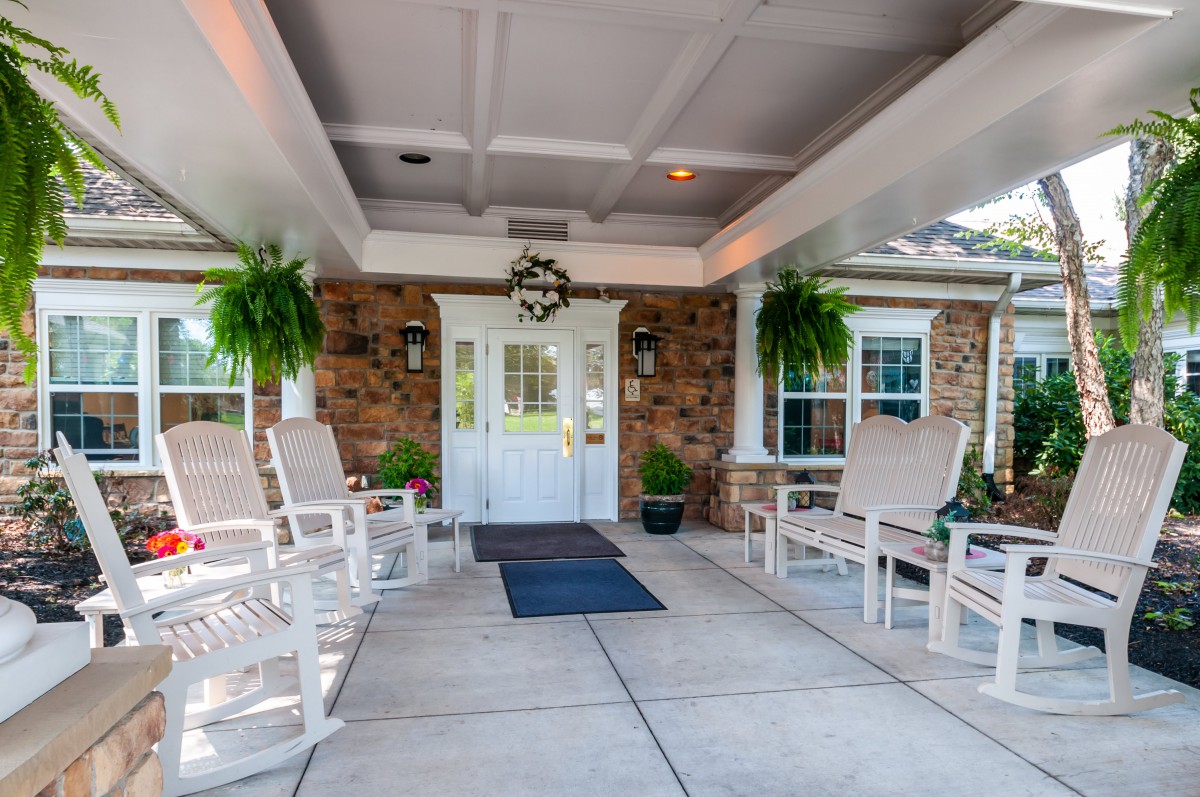
    A welcoming entrance with seating area and decorative plants.
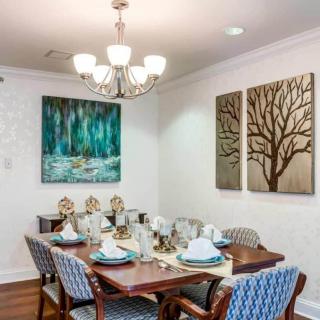
  • Artwork

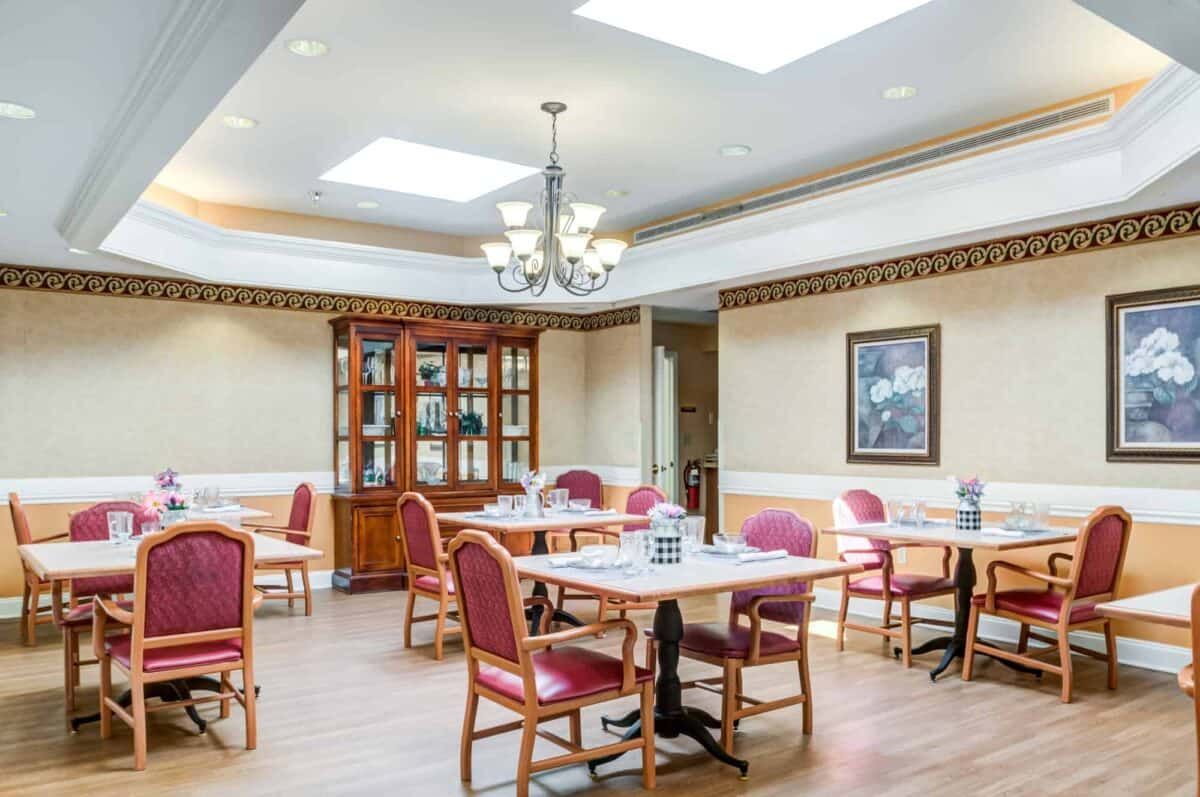
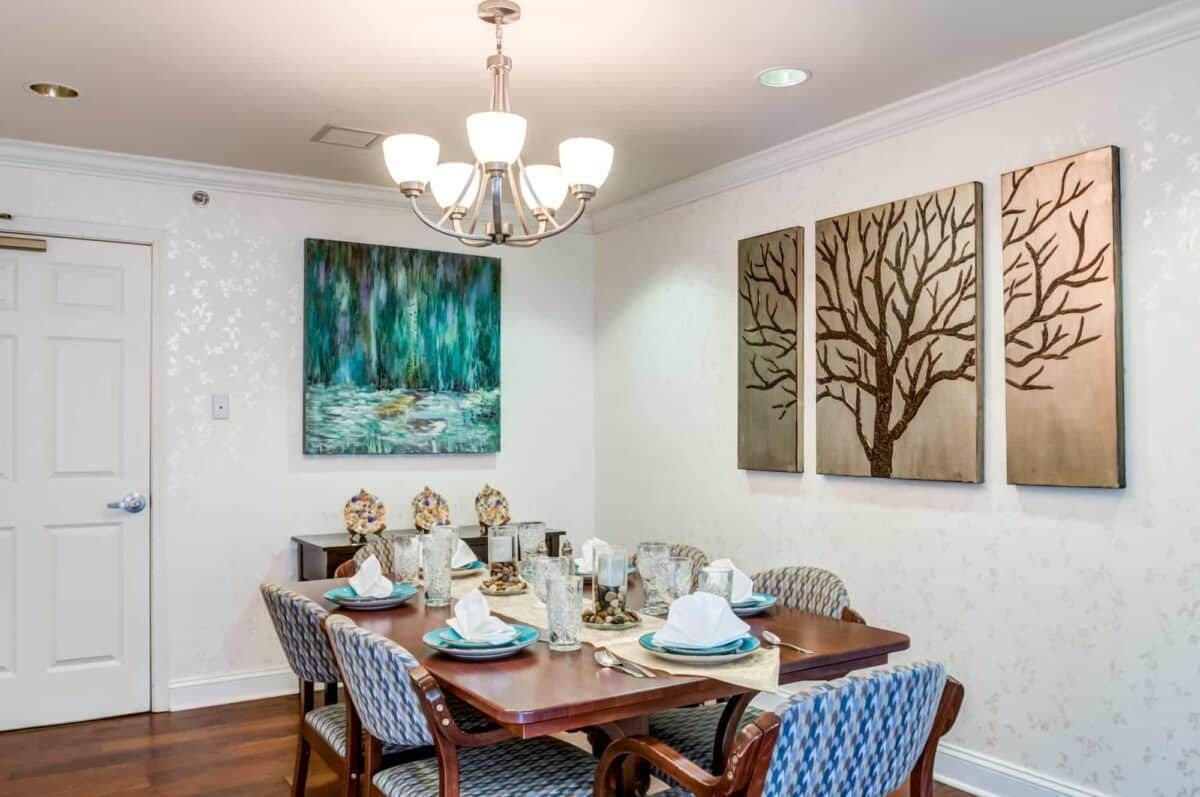
    A beautifully decorated dining room with elegant artwork and a well-set table.
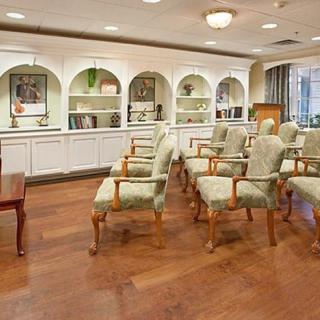
  • Seating Area

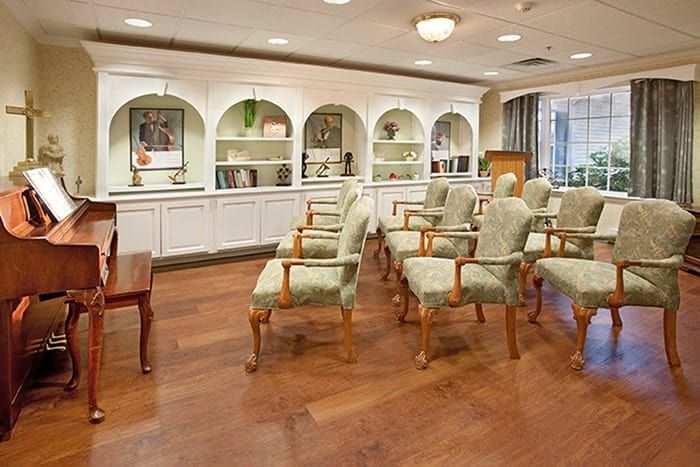
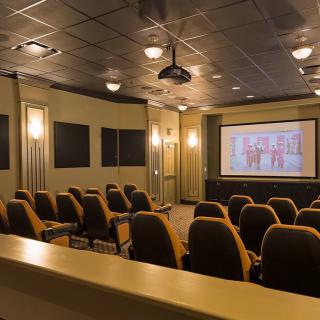
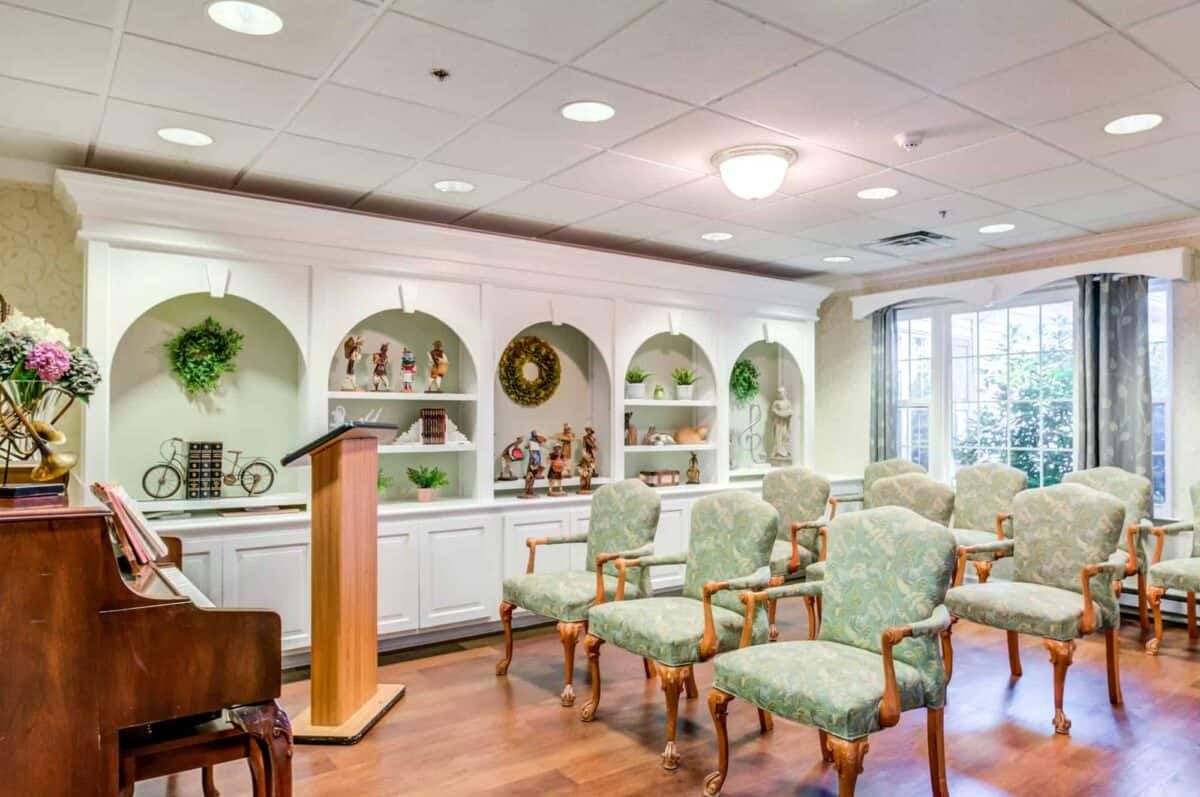
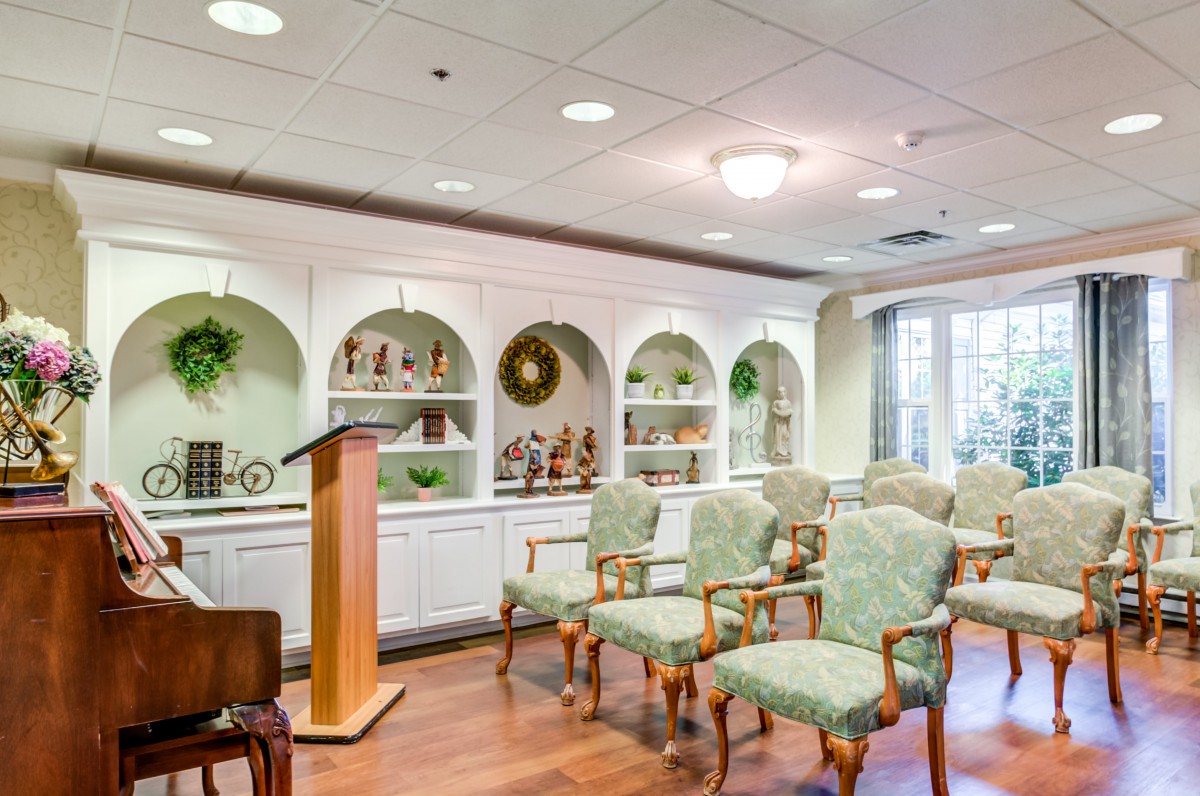
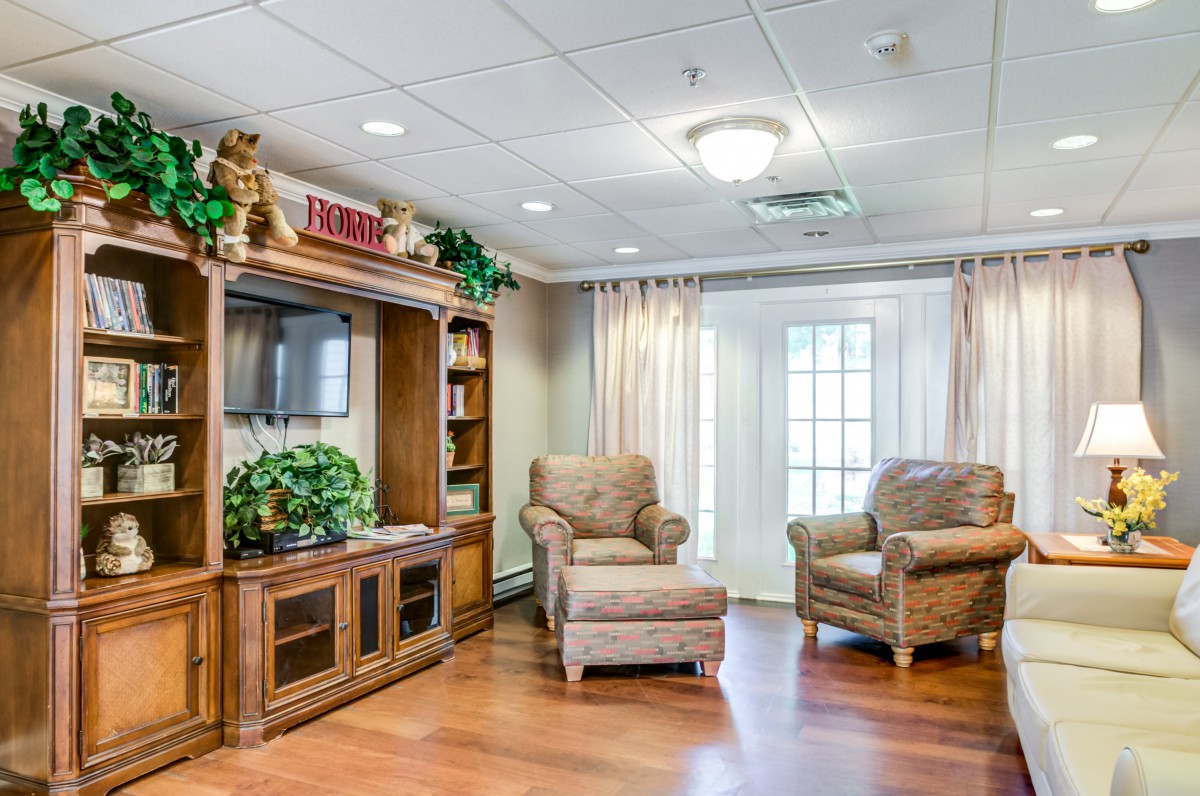
    A well-arranged seating area with armchairs and bookshelves in a warmly lit room.

Magnolias of Lancaster

1870 Rohrerstown Road, Lancaster, PA 17601

For more information about senior living options: (844) 490-3973

4.4 from 82 reviews
5 stars
57
4 stars
11
3 stars
9
2 stars
0
1 stars
5

Memory Care

Magnolias of Lancaster Costs & Pricing

Magnolias of Lancaster offers competitive pricing for its services, reflecting a commitment to quality and care in its residential options. For a semi-private room, the cost is $5,375 per month, which is notably higher than the average fee of $3,844 in Lancaster County and significantly exceeds the Pennsylvania state average of $3,542. Similarly, the studio option is priced at $6,420, again surpassing both county and state averages of $4,419 and $3,737 respectively. This price differential suggests that Magnolias of Lancaster may provide enhanced amenities or specialized services that justify the higher investment for residents seeking a supportive living environment.

Floor plansMagnolias of LancasterLancaster CountyPennsylvania
Semi-Private$5,375$3,844$3,542
Studio$6,420$4,419$3,737

What level of care are you interested in?

Assisted Living

Memory Care

Independent Living

Skilled Nursing Facility

Continuing Care Retirement Community (CCRC)CCRC

Other


Request a tour at Magnolias of Lancaster

    Overall Review of Magnolias of Lancaster

    Pros

    • pro Magnolias is a blessing for families needing enhanced dementia care.
    • pro The staff, from leadership to frontline, are caring, friendly, and responsive.
    • pro Magnolias consistently organizes engaging activities and outings for residents.
    • pro The nursing and resident care teams provide responsive care, keeping residents safe and well cared for.
    • pro Magnolias is dedicated to memory care throughout the entire journey.
    • pro The environment feels like a cozy, home-like space with a compassionate, family-oriented staff.
    • pro The staff-to-resident ratio and lack of contract workers allow highly personalized care.
    • pro Leaders like Leslie and Lizz are informative and effective problem-solvers for families.
    • pro Residents thrive with well-conceived activities and staff who know them well.
    • pro Families receive clear updates and compassionate communication from the Magnolias team.

    Cons

    • pro One reviewer described Magnolias as "hell" for their dad, noting the staff were often not in the building and unable to attend to him.
    • pro A reviewer said leadership turnover led to diminished quality of care, with resident distress and staff losing patience.
    • pro A reviewer warned others not to place a loved one there, claiming residents were left dirty and abused and the managers were terrible.
    • pro Several accounts cited chronic short-staffing and a revolving door of employees, resulting in compromised care and unanswered concerns.
    • pro There were reports of unsafe incidents, including residents hitting others, with staff failing to address the behavior adequately.
    • pro A reviewer described neglect during a fall, with no staff checking on the resident for hours and no timely family notification.
    • pro Some reviews mentioned areas of the building being dirty or uncomfortable (floors dirty, inconsistent climate) and poor maintenance in places.
    • pro A reviewer attributed ongoing problems to a lack of stable management, harming overall care quality.

    Review

    Magnolias of Lancaster is best suited for families seeking a dedicated memory-care setting that feels like a small, home-like community. The makeshift "family" atmosphere, the focused dementia expertise, and the emphasis on consistent staff-resident relationships make it a strong choice for residents in later stages who need daily structure, meaningful activities, and attentive monitoring. This is not a generic senior living campus; it is a memory-care specialty where staff know residents' histories, preferences, and triggers, and where family communication is a central care lever. Those who want a larger, more impersonal facility with broader care levels or who demand unwavering leadership continuity may want to consider alternatives.

    The strongest certainties here are the specialized dementia approach and the staff-driven engagement. Families repeatedly note a high staff-to-resident ratio, genuine warmth, and a culture of caring from the top down. The activity slate - from outings to crafts to music and themed events - helps residents stay socially connected and mentally engaged, while the on-site kitchen, courtyard, and country-like dining room contribute to a comforting, non-institutional feel. Importantly, many reviews emphasize that staff take time to know individual residents, tailor activities, and maintain open lines of communication with families through updates and meetings. This combination creates a rhythm that often reduces stress for both residents and their families.

    Yet the picture is not uniformly pristine. The most persistent cautions center on leadership stability and staffing consistency. Several families recount leadership turnover and its ripple effect on overall care quality, with some reporting noticeable declines in the resident environment after changes in management. There are also credible concerns about staffing gaps or slow responses during critical moments, occasional safety issues, and even episodes where a fall or injury prompted delayed communication. A few reviews describe cleanliness and maintenance inconsistencies in common areas, and there are mentions of uneven climate control in different wings. Taken together, these factors raise legitimate questions about day-to-day reliability, especially for the most vulnerable residents.

    These tensions between strong, person-centered care and episodic management or staffing gaps matter most when deciding whether Magnolias is the right home. The pros - impeccable dementia care focus, deeply engaged staff, intimate setting, and robust family communication - can dramatically offset the downsides when leadership is stable and staffing coverage is predictable. Families who observe continuity in leadership, who tour multiple wings to assess staffing presence, and who engage with the activities team tend to find Magnolias aligns with their care philosophy. The care plan, the small-house feel, and the willingness of caregivers to adapt to changing needs are not theoretical advantages here; they translate into tangible daily experiences for residents.

    For families weighing options, practical steps matter. If memory care is the priority, insist on meeting the leadership team and requesting a clear explanation of staffing schedules, emergency protocols, and how concerns are tracked and resolved. Ask for current resident-to-staff ratios across shifts, and request examples of individualized care plans. Compare Magnolias to other memory-care-focused communities that offer longer-tenured leadership or combine memory care with broader care levels for easier transitions if needs escalate. Consider nearby alternatives like Legend of Lancaster or other campuses that provide steadier management and broader care options, particularly if accessibility, safety oversight, or long-term continuity weigh heavily in the decision.

    In the end, Magnolias of Lancaster delivers a compassionate, dementia-focused environment with a genuine sense of family and purpose. It remains a compelling choice for families who prioritize intimate, activity-rich memory care and who can actively monitor leadership stability and staffing patterns. For those whose top priority is uninterrupted leadership and consistently seamless care, or for residents who require broader daily-living support beyond memory care, alternatives may offer greater peace of mind. A well-structured tour, candid conversations with the director, and a clear, written care plan will illuminate how Magnolias fits into any specific care trajectory and help families decide with confidence.

    Features

    Housing

    • 38 resident community capacity 38 resident community capacity
    • Studio apartments Studio apartmentsStudio apartments are important for seniors because they offer a smaller, more manageable living space that is easier to navigate and maintain as physical abilities decline. Additionally, studio apartments provide seniors with independence and privacy while still being part of a community that offers support and social opportunities.

    Types of Care

    • Memory Care Memory CareMemory care is crucial for seniors as it provides specialized support and services for individuals with dementia or Alzheimer's disease. These programs offer a safe and secure environment where residents receive personalized care, cognitive stimulation, and help with daily activities. Memory care helps seniors maintain their independence, quality of life, and dignity while also providing peace of mind for their families.

    Amenities

    • Activities off-site Activities off-siteEngaging in off-site activities is crucial for seniors to maintain social connections, stay active, and stimulate their minds. It promotes overall well-being and helps combat feelings of isolation and loneliness.
    • Activities on-site Activities on-siteActivities on-site are important for seniors because they provide opportunities for socialization, mental stimulation, physical activity, and overall well-being. Engaging in activities can help seniors stay active, maintain their independence, and improve their quality of life.
    • Bath tubs Bath tubsBath tubs are important for seniors because they provide a safe and relaxing way to bathe, helping to prevent slips and falls while promoting independence and overall well-being.
    • Beautician on-site Beautician on-siteHaving a beautician on-site at a senior living community is important for seniors as it allows them to easily access grooming and personal care services, boosting their self-esteem and overall well-being. It also provides convenience and helps seniors maintain their sense of independence and personal style.
    • Beauty salon Beauty salonBeauty salons are important for seniors because they provide a space for them to feel pampered, socialize, and maintain their personal grooming and hygiene. Regular visits to a beauty salon can help boost seniors' self-esteem and overall well-being.
    • Cable or satellite TV Cable or satellite TVCable or satellite TV is important for seniors because it provides entertainment, news, and companionship, helping to combat loneliness and boredom. It also offers a wide range of programming options tailored to different interests and preferences.
    • Devotional services on-site Devotional services on-siteDevotional services on-site provide seniors with spiritual support and a sense of community, as well as an opportunity for reflection and guidance during their senior living experience. This can promote emotional well-being and connection to others, leading to a more fulfilling and enriching lifestyle in their later years.
    • Dining room Dining roomDining rooms are important for seniors as they provide a space for socialization, connection, and nutritious meals. They offer opportunities for residents to bond over shared meals, foster a sense of community, and promote healthy eating habits. Dining rooms also ensure that seniors have access to well-balanced meals tailored to their dietary needs and preferences.
    • Fully furnished Fully furnishedFully furnished senior living communities are important for seniors because they provide convenience, comfort, and a hassle-free moving experience. Seniors can easily settle into their new living space without the stress of having to buy and move furniture. This allows them to focus on enjoying their new home and community.
    • Garden GardenGardens are important for seniors as they provide a peaceful and therapeutic environment for relaxation, physical activity, and socialization. Being in nature has been shown to reduce stress, improve mood, and promote overall well-being. Gardens also offer opportunities for seniors to engage in gardening activities, which can improve mobility, flexibility, and cognitive function. Additionally, gardens create a sense of community and connection with others who share a passion for plants and outdoor spaces.
    • Ground floor units Ground floor unitsGround floor units are important for seniors because they provide easy accessibility, reduced risk of falls and injuries, and convenience for those with mobility issues. Seniors can avoid climbing stairs or using elevators, making daily tasks and activities more manageable and enjoyable.
    • Housekeeping services Housekeeping servicesHousekeeping services are important for seniors because they help maintain a clean and safe living environment, promote independence, and reduce the risk of accidents or illnesses. Additionally, having assistance with household chores can alleviate physical strain and allow seniors to focus on other aspects of their well-being.
    • Indoor common areas Indoor common areasIndoor common areas are crucial for seniors as they provide a space for socialization, recreation, and community engagement, promoting overall well-being and reducing feelings of isolation and loneliness.
    • Kitchenette KitchenetteKitchenettes are important for seniors living in senior living communities because they provide the convenience and independence of being able to prepare simple meals and snacks in the comfort of their own living space. This can help promote a sense of autonomy and well-being for seniors, allowing them to maintain some level of control over their dietary choices and daily routines.
    • Move-in coordination Move-in coordinationMove-in coordination is important for seniors because it helps ease the transition into their new living environment. It ensures that all logistics, such as packing, organizing movers, and setting up utilities are taken care of, allowing seniors to focus on settling in and adjusting to their new home. Having a smooth move-in process can alleviate stress and anxiety, making the transition smoother and more enjoyable for seniors.
    • Outdoor common areas Outdoor common areasOutdoor common areas are important for seniors as they provide a space for socialization, physical activity, and relaxation. Being outside in nature can improve mood and overall well-being, while also encouraging movement and engagement with others. These spaces can help combat feelings of isolation and promote a sense of community among residents.
    • Outdoor space Outdoor spaceOutdoor spaces are important for seniors as they provide opportunities for physical activity, social interaction, exposure to natural light and fresh air, and a sense of connection to nature. Having access to outdoor spaces can improve overall well-being and quality of life for older adults living in senior communities.
    • Respite or short term stays offered Respite or short term stays offeredRespite or short term stays provide seniors with a temporary solution when their regular caregiver is unavailable, offering them the opportunity to receive additional care and support during times of need, while also giving caregivers a chance to rest and recharge.
    • Restaurant-style dining Restaurant-style diningRestaurant-style dining is important for seniors because it allows them to enjoy delicious, nutritious meals in a social and upscale setting. This enhances their dining experience, promotes healthy eating habits, and fosters socialization with fellow residents, ultimately contributing to their overall well-being and quality of life.
    • Small library Small librarySmall libraries are important for seniors as they provide access to a variety of reading materials, including books, newspapers, and magazines. This can help stimulate their minds, keep them engaged, and provide a sense of community through book clubs and other social activities. Additionally, reading has been shown to improve cognitive function and overall mental well-being in older adults.
    • Telephone TelephoneTelephones are important for seniors as they provide a lifeline for communication with loved ones, emergency services, and healthcare providers. They offer a sense of security and independence, enabling seniors to stay connected and access assistance when needed.
    • Wheelchair accessible showers Wheelchair accessible showersWheelchair accessible showers are crucial for seniors as they provide a safe and independent bathing option for those with mobility challenges. These showers help prevent falls and allow seniors to maintain their dignity and autonomy while ensuring they can bathe comfortably.
    • Wi-Fi/high-speed internet available Wi-Fi/high-speed internet availableWi-Fi/high-speed internet is important for seniors to stay connected with loved ones, access online resources, and participate in virtual activities to combat feelings of loneliness and isolation. It also allows them to easily manage healthcare needs, access entertainment, and engage in lifelong learning opportunities.

    Transportation

    • Harrisburg International (23 miles away) Harrisburg International (23 miles away)

    Care Services

    • 24-hour call system 24-hour call system24-hour call systems are important for seniors because they provide peace of mind and immediate assistance in case of emergencies. This technology ensures that help is always available, promoting safety and security for elderly individuals living alone or in assisted living facilities.
    • 24-hour supervision 24-hour supervision24-hour supervision is important for seniors to ensure their safety, well-being, and access to immediate assistance in case of emergencies or health issues. This constant support provides peace of mind for both seniors and their loved ones, allowing them to age in place with dignity and security.
    • Activities of daily living assistance Activities of daily living assistanceActivities of daily living assistance are important for seniors because they provide essential support with tasks such as eating, bathing, dressing, and mobility. This assistance helps seniors maintain their independence, dignity, and overall quality of life as they age.
    • Assistance with bathing Assistance with bathingAssistance with bathing is crucial for seniors as it helps maintain personal hygiene, prevents infections, and ensures their overall well-being and comfort. It also provides a sense of dignity and independence for seniors who may struggle with this task on their own.
    • Assistance with dressing Assistance with dressingAssistance with dressing is important for seniors because it helps maintain their independence, promotes personal hygiene, prevents accidents and injuries, and improves overall quality of life. This service ensures that seniors can continue to dress comfortably and confidently, despite any physical limitations they may have.
    • Assistance with transfers Assistance with transfersAssistance with transfers is crucial for seniors as it helps prevent falls and injuries, maintains their independence, and ensures they can safely navigate their living environment. It also provides peace of mind for both seniors and their loved ones.
    • Diabetes diet Diabetes dietA diabetes diet is crucial for seniors as it helps manage blood sugar levels, reduce risks of complications, and improve overall health and well-being. By following a balanced and nutritious diet tailored to their specific needs, seniors can better control their diabetes and enhance their quality of life.
    • Diabetic care Diabetic careDiabetic care is crucial for seniors as they are more susceptible to developing diabetes due to aging and other health conditions. Proper management of diabetes can help prevent complications such as heart disease, vision loss, and nerve damage, improving the overall quality of life for seniors in senior living communities.
    • High acuity care High acuity careHigh acuity care is important for seniors because it provides specialized medical attention and support for individuals with complex medical needs. This level of care ensures that seniors receive the appropriate treatment and assistance to maintain their health and quality of life as they age.
    • Incontinence care Incontinence careIncontinence care is essential for seniors to maintain their dignity, hygiene, and overall quality of life. By addressing incontinence issues promptly and effectively, seniors can enjoy a sense of independence and comfort in their daily activities.
    • Meal preparation and service Meal preparation and serviceMeal preparation and service are crucial for seniors as they may have limited mobility or energy to cook nutritious meals. Having access to healthy and convenient food options can ensure they are getting the proper nutrition needed to maintain their overall health and well-being.
    • Medication management Medication managementMedication management is crucial for seniors to ensure they are taking the right medications at the correct dosages and times. This helps prevent adverse drug interactions, reduces the risk of medication errors, and promotes overall health and well-being. Proactive management also allows for adjustments as needed based on changing health conditions or new prescriptions.
    • Mental wellness program Mental wellness programMental wellness programs are essential for seniors as they promote cognitive stimulation, emotional support, and social engagement. These programs help prevent isolation, depression, and cognitive decline, ultimately enhancing the overall quality of life for older adults.
    • Mild cognitive impairment Mild cognitive impairment"Mild cognitive impairment" is important for seniors because it is an early stage of cognitive decline that can potentially progress to more severe conditions such as dementia. Recognizing and addressing mild cognitive impairment can help seniors receive appropriate care and support to maintain their quality of life and independence for as long as possible.
    • Special dietary restrictions Special dietary restrictionsSpecial dietary restrictions are important for seniors because age-related changes in metabolism and health conditions can make it difficult for their bodies to process certain foods. By following a diet tailored to their specific needs, seniors can maintain their overall health and well-being, manage chronic conditions, and reduce the risk of complications such as malnutrition or food interactions with medications.
    • Specialized memory care programming Specialized memory care programmingSpecialized memory care programming is crucial for seniors with cognitive impairments such as dementia or Alzheimer's disease. These programs provide a safe and supportive environment tailored to the unique needs of individuals with memory loss, helping them maintain their independence, dignity, and quality of life.

    Dining

    • Diabetes diet Diabetes dietA diabetes diet is crucial for seniors as it helps manage blood sugar levels, reduce risks of complications, and improve overall health and well-being. By following a balanced and nutritious diet tailored to their specific needs, seniors can better control their diabetes and enhance their quality of life.
    • Gluten-free Gluten-freeGluten-free options are important for seniors as they are more prone to digestive issues and dietary sensitivities. Offering gluten-free meal choices in senior living communities can help improve their overall health and well-being.
    • Guest meals Guest mealsGuest meals are important for seniors living in senior living communities because they provide an opportunity for socialization and companionship. Sharing a meal with friends, family, or new acquaintances can help combat feelings of loneliness and isolation, promote a sense of community, and enhance overall well-being. Additionally, guest meals allow seniors to enjoy delicious food in a comfortable setting without the hassle of cooking or cleaning up, making dining a pleasurable and stress-free experience.
    • Kosher KosherKosher options are important for seniors because they adhere to dietary laws that are significant to many Jewish individuals, providing them with peace of mind and an opportunity to maintain their cultural traditions and beliefs while living in a senior living community.
    • Low / no sodium Low / no sodiumLow/no sodium options are important for seniors because excessive sodium intake can lead to high blood pressure, heart disease, and other health issues commonly experienced by older adults. By choosing low/no sodium foods, seniors can better manage their health and reduce their risk of developing these conditions.
    • Meals provided Meals provided"Meals provided" are crucial for seniors in assisted living communities as it ensures they have access to nutritious, balanced meals without the stress of meal planning and preparation. This can help promote overall health and well-being for seniors who may have limited mobility or cognitive abilities.
    • No Sugar No SugarNo sugar diets are important for seniors because they can help prevent or manage chronic conditions such as diabetes, heart disease, and obesity. Sugar can also contribute to cognitive decline and inflammation in the body, so reducing sugar intake can lead to overall improved health and well-being in older adults.
    • Professional chef Professional chefProfessional chefs are important for seniors living in senior living communities because they provide nutritious and delicious meals that cater to their dietary needs and preferences. A professional chef can ensure that seniors are receiving balanced, flavorful meals that support their overall health and well-being.
    • Restaurant style dining Restaurant style diningRestaurant style dining is important for seniors as it offers them a social and enjoyable dining experience, promotes healthy eating habits, and provides personalized menu options to cater to their dietary needs and preferences. This type of dining setting can enhance their overall quality of life and create a sense of community within the senior living facility.
    • Special dietary restrictions Special dietary restrictionsSpecial dietary restrictions are important for seniors because age-related changes in metabolism and health conditions can make it difficult for their bodies to process certain foods. By following a diet tailored to their specific needs, seniors can maintain their overall health and well-being, manage chronic conditions, and reduce the risk of complications such as malnutrition or food interactions with medications.
    • Special dining programs Special dining programsSpecial dining programs are important for seniors because they provide nutritious meals tailored to their dietary needs and preferences. These programs also offer socialization opportunities, promote overall health and well-being, and can help prevent malnutrition.
    • Vegan VeganVegan diets can provide numerous health benefits for seniors, including lower risk of chronic diseases, improved digestion, and increased energy levels. Additionally, plant-based diets are often rich in essential nutrients that can support overall well-being and longevity in older adults.
    • Vegetarian VegetarianA vegetarian diet is important for seniors because it can help lower the risk of chronic diseases, maintain a healthy weight, and provide essential nutrients needed for aging bodies. Additionally, plant-based diets are often easier on digestive systems and can contribute to overall well-being in older adults.

    Activities

    • Art classes Art classesArt classes are important for seniors because they provide a creative outlet, improve cognitive function, reduce stress and anxiety, promote socialization, and enhance overall well-being and quality of life.
    • Community-sponsored activities Community-sponsored activitiesCommunity-sponsored activities are important for seniors as they provide opportunities for social interaction, mental stimulation, and physical activity. These activities can help improve overall well-being, combat loneliness and isolation, and promote a sense of belonging and purpose among older adults.
    • Cooking classes Cooking classesCooking classes are important for seniors as they provide opportunities for social interaction, enhance cognitive skills, promote healthy eating habits, and boost confidence in the kitchen.
    • Day trips and outings Day trips and outingsDay trips and outings are important for seniors as they provide opportunities for socialization, mental stimulation, physical activity, and a break from daily routines. These experiences can enhance overall well-being and quality of life for older adults living in senior communities.
    • Devotional activities on-site Devotional activities on-siteDevotional activities on-site provide seniors with a sense of community, spiritual fulfillment, and emotional support, promoting overall well-being and a positive sense of purpose in their lives.
    • Educational speakers / life long learning Educational speakers / life long learningEducational speakers and lifelong learning opportunities are crucial for seniors as they provide mental stimulation, promote social engagement, and contribute to overall well-being. Continuous learning helps seniors stay mentally sharp, build new skills, and maintain a sense of purpose and fulfillment in their lives. It also allows them to stay connected to the world around them and fosters a sense of community within senior living facilities.
    • Karaoke KaraokeKaraoke provides seniors with a fun and social activity that can boost mood, confidence, and cognitive function. It encourages social interaction, physical movement, and creative expression, making it an important form of entertainment for senior living communities.
    • Live dance or theater performances Live dance or theater performancesLive dance or theater performances are important for seniors because they provide opportunities for socialization, mental stimulation, and emotional engagement. These performances can help combat feelings of isolation and loneliness, while also offering a sense of connection to the arts and culture. Additionally, watching live performances can bring joy and create lasting memories for seniors in their later years.
    • Live musical performances Live musical performancesLive musical performances can provide seniors with a sense of joy, nostalgia, and connection. Music has the power to evoke emotions and memories, improve mood and cognitive function, and foster social interaction among seniors. It can also serve as a form of therapy and stress relief for older adults, making it an important activity to include in senior living communities.
    • Live well programs Live well programs"Live well programs are essential for seniors as they provide opportunities for physical activity, social engagement, and mental stimulation, ultimately promoting overall health and well-being in later years."
    • Resident-run activities Resident-run activitiesResident-run activities are important for seniors as they encourage social interaction, creativity, and a sense of autonomy. These activities empower seniors to stay engaged and active in their community while fostering meaningful connections with their peers.
    • Scheduled daily activities Scheduled daily activitiesScheduled daily activities are important for seniors because they provide structure, socialization, mental stimulation, and physical activity. Engaging in regular activities can improve overall well-being and quality of life for seniors living in a community setting.
    • Stretching classes Stretching classesStretching classes are important for seniors because they help improve flexibility, reduce the risk of injury, and promote overall health and well-being. Regular stretching can also help alleviate joint pain and stiffness, enhance balance and coordination, and increase range of motion.
    • Visiting chaplain or priest Visiting chaplain or priestHaving a visiting chaplain or priest at a senior living community is important for seniors because it provides spiritual support, comfort, and guidance during a time of life that can be challenging and uncertain. Their presence can help seniors feel connected to their faith, find peace of mind, and cope with the emotional and mental struggles they may face in their later years.
    Description

    Magnolias of Lancaster is a premier assisted living community located in Lancaster, PA. Our community offers a wide range of amenities and care services to ensure that our residents live a comfortable and fulfilling lifestyle.

    Our amenities include various activities on-site to keep our residents engaged and entertained, such as cooking classes, live dance or theater performances, and educational speakers. We also have beautiful outdoor spaces and gardens for our residents to enjoy.

    We prioritize the well-being of our residents by providing 24-hour supervision and assistance with activities of daily living. Our highly trained staff is always available to help with bathing, dressing, transfers, and medication management. We offer specialized memory care programming for those with cognitive impairments and mental wellness programs for all residents.

    At Magnolias of Lancaster, we understand that dietary preferences and restrictions are important considerations for our residents. That's why we offer a variety of dining options including gluten-free, kosher, low/no sodium, vegan, vegetarian meals, among others. Our professional chef ensures that all meals are delicious and cater to individual needs.

    Our community is conveniently located near several cafes, parks, pharmacies, physicians' offices, restaurants, transportation options, theaters, and hospitals. This allows easy access to various services and amenities for both residents and their visiting friends or family members.

    Come join our warm and welcoming community at Magnolias of Lancaster where we provide personalized care in a vibrant setting.

    Nearby Places of Interest

    This part of Lancaster, Pennsylvania offers a convenient and diverse array of amenities for seniors considering living in the area. With several physician offices and hospitals nearby, residents have easy access to healthcare services. There are also various dining options ranging from fast-food chains like Burger King to upscale restaurants like BJ's Restaurant & Brewhouse. Pharmacies such as Weis Pharmacy and CVS provide convenient medication services. For leisure activities, there are cafes like Panera Bread and Starbucks for socializing, as well as parks such as A Herr Park and Long's Park for outdoor enjoyment. Additionally, transportation options including Lancaster Airport and Amtrak offer easy travel opportunities for seniors looking to explore beyond the area.

    Physicians

    • LG Health Physicians Family Medicine East Petersburg (0.3 miles)
    • Boas Surgical (0.4 miles)
    • Lancaster Retina Speclsts PC (1.6 miles)
    • Carson James H Md (1.6 miles)
    • Bariatric Physician Specialists (1.6 miles)
    • WellSpan Family Medicine (1.7 miles)
    • Lancaster Orthopedic Group (1.7 miles)

    Restaurants

    • Mad Chef Craft Brewing (0.4 miles)
    • Burger King (0.6 miles)
    • S. Clyde Weaver (0.6 miles)
    • Maize Mexican Cantina (1.5 miles)
    • BJ's Restaurant & Brewhouse (2 miles)
    • Shogun Japanese Steakhouse and Sushi (2.1 miles)
    • Popeyes Louisiana Kitchen (2.1 miles)

    Hospitals

    • Lancaster-Lebanon Intermediate (0.5 miles)
    • Physicians Surgery Center (2 miles)
    • Lancaster Rehabilitation Hospital (2.1 miles)
    • UPMC Heart and Vascular Institute (3.5 miles)
    • UPMC Pinnacle Lititz (3.6 miles)
    • Pediatrics at Heart of Lancaster (3.6 miles)
    • The Women's Place at Heart of Lancaster (3.6 miles)

    Pharmacies

    • Weis Pharmacy (1.1 miles)
    • CVS Pharmacy (2.1 miles)
    • Lifecare Pharmacy (2.1 miles)
    • Wegmans (2.3 miles)
    • CVS Pharmacy (2.8 miles)
    • Stauffers of Kissel Hill Fresh Foods (3.2 miles)
    • CVS Pharmacy (3.3 miles)

    Cafes

    • Panera Bread (2 miles)
    • Starbucks (2.2 miles)
    • Starbucks (2.4 miles)
    • Piccadilly Coffee & Tea House (3.6 miles)

    Parks

    • A Herr Park (2.3 miles)
    • Long's Park (2.4 miles)
    • Manheim Township Community Park (2.7 miles)

    Theaters

    • Reel Cinemas Lancaster (2.3 miles)
    • Penn Cinema (3.7 miles)

    Transportation

    • Lancaster Airport (LNS) (3.3 miles)
    • Amtrak (3.7 miles)

    Frequently Asked Questions

    How much does it cost to live at Magnolias of Lancaster in Lancaster, PA?
    What floor plans and room types does Magnolias of Lancaster offer?
    Where is Magnolias of Lancaster?
    Does Magnolias of Lancaster provide care for residents with dementia or Alzheimer's disease?
    What photos are available for Magnolias of Lancaster in Lancaster, Pennsylvania?

    Nearby Communities

    • Woodcrest Villa Residential Campus

      Woodcrest Villa Residential Campus

      Lancaster, PA

      4.5 from 101 reviews
       

      pro Modern, well-maintained facilities with a wide range of amenities and a highly convenient hospital-adjacent location.

    • Oak Leaf Manor North

      Oak Leaf Manor North

      Landisville, PA

      4.8 from 149 reviews
      $4,900 to $5,600 / month

      pro Friendly, caring staff in a clean, welcoming setting with engaging activities and memory-care programming.

    • Village Grande at Millers Run

      Village Grande at Millers Run

      Lancaster, PA


      pro Strong on-site care (meal prep, medication management) with extensive nearby healthcare resources.

    • Mennonite Home Care Campus

      Mennonite Home Care Campus

      Lancaster, PA

      4 from 35 reviews
       

      pro Continuum of care (CCRC) with extensive on-site amenities.

    • Brereton Manor

      Brereton Manor

      Lancaster, PA

      2.9 from 15 reviews
      $3,000 to $3,900 / month

      pro Competitive pricing relative to Lancaster County and PA averages, plus extensive on-site/off-site activities and amenities.

    • Central Penn Nursing Care Inc

      Central Penn Nursing Care Inc

      Lancaster, PA

      4.3 from 11 reviews
       

      pro Strong access to healthcare and local amenities nearby.

    • Home Instead - Lancaster,  PA

      Home Instead - Lancaster, PA

      Lancaster, PA

      4.8 from 51 reviews
       

      pro Compassionate caregivers who build meaningful relationships and offer flexible scheduling.

    • Brethren Village

      Brethren Village

      Lititz, PA

      4.1 from 36 reviews
       

      pro Responsive staff; modern, well-maintained facilities; diverse activities and on-site dining.

    • The Long Community At Highland

      The Long Community At Highland

      Lancaster, PA

      4.9 from 9 reviews
       

      pro Spacious apartments, friendly staff, and a convenient location with engaging activities.

    Related Resources

    • dementia behaviorsDementia Behaviors: In-Depth Understanding and Effective Coping Strategies

      Dementia causes cognitive decline and challenging behaviors that caregivers must manage, necessitating an understanding of the neurological basis of these issues. Effective strategies and self-care for caregivers can enhance support for those with dementia and improve their daily lives.

    • does my mom have dementia quiz5 Early Indicators of Dementia and What You Can Do

      The content outlines five key early indicators of dementia, including significant memory loss and confusion about time and place, while emphasizing the need for professional evaluation and emotional support for both individuals showing symptoms and their caregivers. It encourages family members to monitor these signs closely and use online quizzes for initial awareness.

    • when should someone with dementia go into a care home8 Important Indicators That Memory Care May Be Necessary
      The article highlights eight indicators that a loved one with dementia may require specialized memory care, emphasizing the emotional and logistical challenges families encounter in this decision. It discusses signs such as difficulties with daily tasks, safety concerns, and caregiver burnout, suggesting that memory care facilities can provide the necessary support and structured environments for those experiencing cognitive decline.


    Get Pricing Ask A Question Schedule A Tour Contact Senior Advisor