
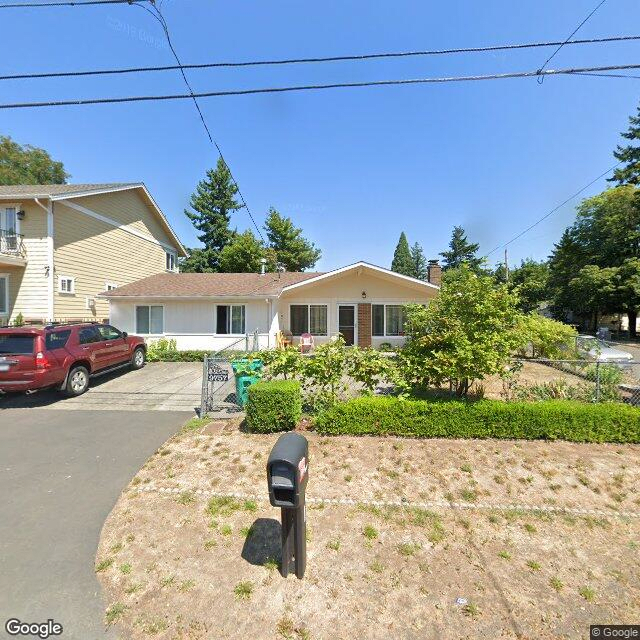
9757 SE Boise St., Portland, OR 97266
To contact a resident: (503) 760-6511
For more information about senior living options: (866) 208-4318
George’s Adult Care Home Costs & Pricing
At George's Adult Care Home, the monthly cost for a private room is notably more affordable at $1,600 compared to the averages in Multnomah County and the state of Oregon, where private room rates are $3,227 and $3,424 respectively. This significant difference in pricing highlights George's commitment to providing accessible care without compromising quality. By choosing George's, families can find a supportive environment for their loved ones at a fraction of the cost typically associated with adult care facilities in the region.
| Floor plans | George’s Adult Care Home | Multnomah County | Oregon |
|---|---|---|---|
| Private | $1,600 | $3,227 | $3,424 |
Memory care communities with a similar price nearby
-
from +$100 / mo

Sunrise Living LLC
$1,700 / month2.3 miles away
Overall Review of George’s Adult Care Home
Pros
 The staff are very caring.
- The home is immaculate.
- The facility exceeds all expectations.
- The owners and family provide genuine sincerity.
- The location is great, with housekeeping, food, attention to residents, and a five-star atmosphere.
- Residents feel at home thanks to the welcoming environment.
- The caregivers are amazing and treat residents like family.
Cons
 The reviewer found that other care options were poor.
- It was an eye-opener to the poor level of care options available elsewhere.
Review
George’s Adult Care Home in Portland is best suited for families seeking a small, home‑like setting where residents receive exceptionally personal care from a devoted team. It excels for seniors who prize everyday warmth, meticulous cleanliness, and a culture of family‑like attention over industrial scale or institutional formality. The environment is intimate enough that caregivers know residents’ preferences, routines, and histories, translating into reliable consistency and genuine connections. Those who want a “home away from home” rather than a clinical vibe will find this community naturally fits their priorities, especially when a loved one values dignity and steady, compassionate engagement.
Alternatives are worth considering for residents with specialized medical needs requiring robust skilled‑nursing services, frequent clinical interventions, or a demand for a larger campus with abundant programming and transportation options. If a family needs formal oversight, structured activity schedules, or access to a wide array of on‑site professionals, a bigger facility may deliver more of those logistical assurances. In short, when clinical complexity outpaces what a small, family‑run home typically handles, shopping other options is prudent while recognizing the extraordinary care delivered in this setting.
The standout pros are clear and persuasive: staff who are described as caring, top‑notch, and genuinely invested in residents’ well‑being; a home that is immaculate and orderly; and a culture where residents feel seen, respected, and treated like family. The reviews repeatedly highlight attentive, consistent care, plus a welcoming atmosphere that makes life feel relaxed and dignified, almost like living with an extended family. This combination often translates into meaningful improvements in mood and daily comfort, with anecdotes of cherished routines restored and a sense of security that infuses daily life with calm.
One potential limitation that naturally arises in a small, intimate operation is logistical friction for some families. The location being off the beaten path can be less convenient for appointments, and the scale means fewer formal amenities than larger campuses. Yet these factors are precisely what allow the environment to stay pristine, calm, and intimately supervised, with caregivers who know every resident’s needs and preferences. For families prioritizing safety, quiet surroundings, and highly personalized attention, these trade-offs are more than outweighed by the consistency of care and the strong sense of belonging.
Supportive outcomes in the testimonials are striking. Families report the staff’s warmth, the noticeable improvement in the resident’s quality of life, and the peace of mind that comes with knowing care is thorough and continuous. There are stories of a dad who felt truly at home despite being in a “home,” of an extended family member who thrived after the move, and of a patient who lived months longer than prognosis suggested thanks to diligent daily attention. While individual results vary, the thread across reviews is unmistakable: the caregivers’ commitment translates into tangible well‑being and dignity for residents.
For families weighing options, George’s Adult Care Home stands out as an excellent match for those who want a nurturing, home‑like environment and are prepared to trade some institutional scale for remarkable, personalized care. Those needing high‑level clinical staffing or a large, activity‑rich campus may want to explore alternatives, but for long‑term peace of mind and daily reassurance, this community deserves close consideration. Prospective residents and families should visit, meet the caregivers, and tour the home, asking about daily routines, staffing levels, and how care plans are tailored to individual histories. The fit is compelling where warmth, consistency, and respect drive daily life.
 Board and Care Home
 Memory Care
 Private
 Portland International (7 miles away)




 Comprehensive Guide to VA Nursing Homes: A Crucial Long-Term Care Resource for Veterans
 Estimating the Expenses of At-Home Dementia Care: A Detailed Exploration
 Comprehensive Insights on the Late Stages of Dementia: What to Expect and How to Provide Care