
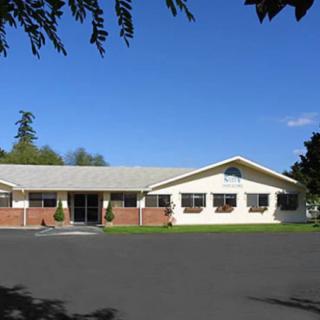
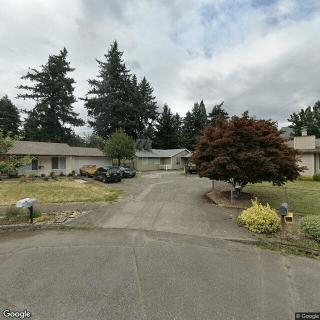
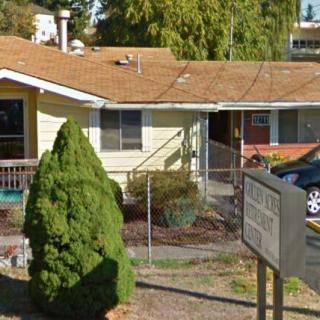
10948 S.E. Boise, Portland, OR 97266
To contact a resident: (503) 760-1727
For more information about senior living options: (866) 208-4318
Overall Review of Gracelen Terrace Nursing Facility
Pros
 Gracelen Terrace and its employees are professional, friendly, accommodating, and very helpful.
- They handle Alzheimer's-related issues effectively, addressing challenges that other facilities do poorly.
- The staff members are respectful to residents and gentle in their interactions.
- The care provided keeps residents well-supported under careful supervision.
- The setting is quiet with pleasant grounds to walk around in.
- Providence Eldercare advised this placement, indicating a trusted recommendation.
Cons
 The facility has an awful living situation.
 - Residents are neglected and lack dignity and privacy.
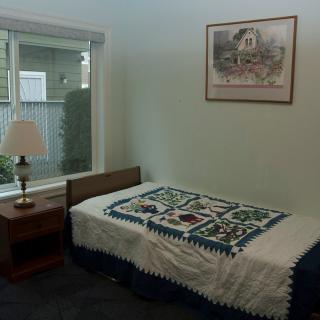
- They are crammed into small four-person rooms, leaving no personal space.
- The staff is rude and assumes that residents with neuropathy can walk around.
- Full-care residents are the most neglected.
- The food is terrible and portions are not enough to feed everyone.
- Most residents are left sitting in their own urine for long periods, with only infrequent changes.
- The facility released a patient in poor condition, with pneumonia and RSV, indicating severe neglect.
- The place is disgusting and should be shut down; it is known for being the worst.
- The center feels like a prison due to cramped spaces and lack of quiet.
- Residents are left waiting for help for extended periods, especially in extreme heat.
- The facility is not recommended for loved ones and should be avoided.
Review
Gracelen Terrace Nursing Facility in Portland is best suited for families navigating Alzheimer's or other advanced memory disorders where staff experience and specialized supervision are highly valued. The strongest argument for this community is its demonstrated capacity to handle late-stage dementia challenges, with reviewers noting staff who are professional, respectful, and capable of managing difficult behaviors. Yet for seniors who require consistently high-quality daily care, reliable privacy, and robust basic amenities, the facility often falls short. The care quality appears uneven, and the reports of overcrowding, dignity concerns, and inconsistent attention demand careful oversight before choosing this option.
Those weighing alternatives should consider facilities that prioritize steady daily care, private rooms, and transparent care protocols, especially when dignity and personal space are non-negotiable. Prospective residents who do not have memory impairment or who need reliable, uniform care across all activities may find the cons here prohibitive. The repeated concerns about neglect, residents sitting in their own urine, bedsores, and medication handling mishaps point to systemic red flags. If privacy and consistent, timely assistance are essential, exploring other communities is a prudent move, even if memory-care capabilities appeal on paper.
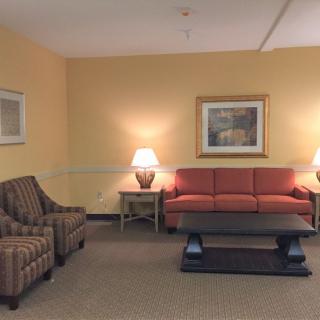
The positive notes about Gracelen Terrace are legitimate but operate within a narrow context. On the upside, a professional, accommodating staff presence and a quiet setting with well-kept grounds can contribute to a calmer day-to-day atmosphere for some residents. There is also a credible claim that the facility manages Alzheimer's issues better than many peers, suggesting a specialized strength in supervision and behavior management. However, these strengths do not erase the broader problems raised by multiple accounts of neglect, delayed responses, and a living environment that several reviewers found degrading. The reality is that targeted strengths in dementia care may not compensate for persistent, fundamental care gaps.
The core drawbacks are difficult to overlook: widespread neglect rumors, including residents left in their own urine for long periods and pressure injuries that were not promptly addressed. Room overcrowding compounds the problem, with four residents sharing a single room and a shared bathroom setup that undermines privacy and heightens infection risk. Food quality and portion sizes appear insufficient to meet basic nutritional needs, and interactions with staff are described as rude or dismissive by some families. The ambiance has also been criticized as punitive or unwelcoming, with at least one reviewer labeling the environment as prison-like. Taken together, these issues threaten both safety and dignity on a daily basis.
From a decision-making standpoint, these divergent experiences demand decisive due diligence. Prospective visitors should verify the facility’s current staffing ratios, room configurations, and recent performance on wound care and infection control. Direct conversations with the administrator, frontline staff, and current residents or families can illuminate whether the positive memory-care capabilities are consistent and well-supported by staffing and policies. If privacy, reliable daily care, and transparent care plans are priorities, this facility will need compelling, verifiable assurances before it warrants a top recommendation. For families specifically seeking memory-care expertise with calm surroundings, it remains a possible option only if safeguards are explicit and consistently applied.
Bottom line: Gracelen Terrace presents a highly conditional choice. It can serve a niche where late-stage memory care requires seasoned staff and a quiet, low-stimulus environment. However, the persistent reports of neglect, overcrowding, and inconsistent attentiveness seriously limit its appeal for most families seeking steady, dignified daily care. Alternatives with stronger, demonstrable records for safety, privacy, and reliable outcomes should be explored first, especially when memory-care needs are not the only consideration. If Gracelen Terrace is pursued, insist on a concrete, written care plan, up-to-date state survey results, clear room-by-room occupancy details, and a transparent escalation process for concerns, with regular, verifiable follow-up. Only with rigorous oversight can this facility be a trustworthy option rather than a risky gamble.
 80 resident community capacity
 Skilled Nursing Facility
 Air-conditioning
 Beauty salon
 Cable or satellite TV
 Computer center
 Dining room
 Fitness room
 Fully furnished
 Gaming room
 Garden
 Housekeeping services
 Kitchenette
 Move-in coordination
 Outdoor space
 Private bathrooms
 Restaurant-style dining
 Small library
 Telephone
 Wellness center
 Wi-Fi/high-speed internet available
 Portland International (7 miles away)
 Community operated transportation
 12-16 hour nursing
 24-hour call system
 Activities of daily living assistance
 Assistance with bathing
 Assistance with dressing
 Assistance with transfers
 Diabetes diet
 Medication management
 Mental wellness program
 Special dietary restrictions
 Concierge services
 Planned day trips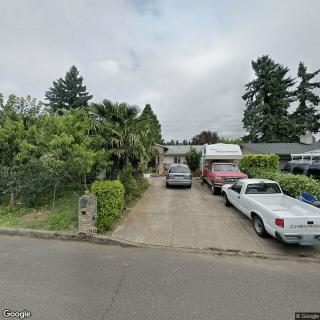


 Navigating Medicare Coverage for In-Home Care Services
 In-Home Care Costs in 2025: A Detailed State-by-State Exploration
 Understanding Home Health Care: A Comprehensive Guide