
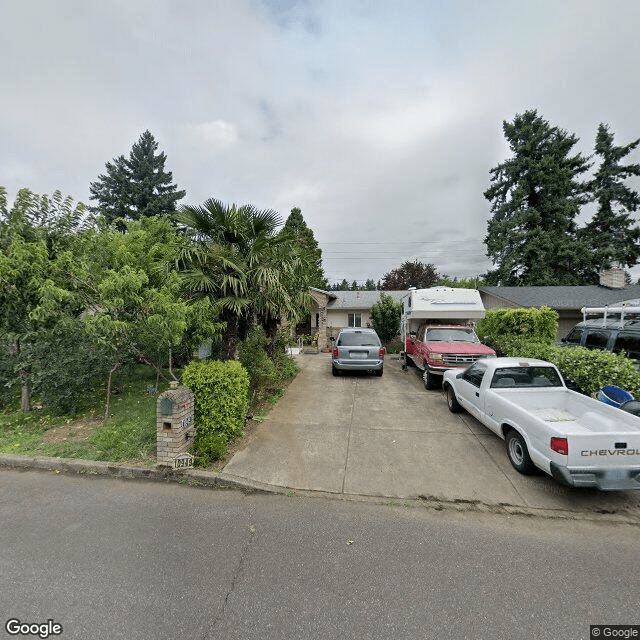
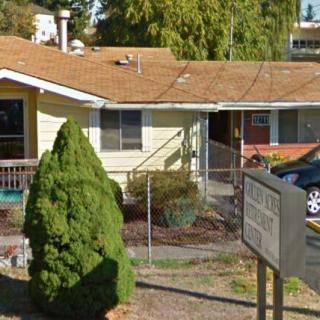
10949 Southeast Pardee Street, Portland, OR 97266
To contact a resident: (503) 760-6675
For more information about senior living options: (866) 208-4318
Silver and Golden Years ACH Costs & Pricing
Silver and Golden Years ACH offers a competitive pricing structure for their services, particularly when considering the costs in comparison to Multnomah County and the broader state of Oregon. For both private and studio room types, Silver and Golden Years ACH maintains a monthly cost of $2,500, significantly lower than the average rates of $3,227 for a private room and $3,455 for a studio in Multnomah County. When looking at the state level, these costs remain favorable as well, with Oregon's averages at $3,424 for private rooms and $3,815 for studios. This positions Silver and Golden Years ACH as an appealing option for individuals seeking affordable assisted living solutions without compromising on quality care.
| Floor plans | Silver and Golden Years ACH | Multnomah County | Oregon |
|---|---|---|---|
| Private | $2,500 | $3,227 | $3,424 |
| Studio | $2,500 | $3,455 | $3,815 |
Memory care communities with a similar price nearby
-
About the same
A Gentle Care Home
$2,500 / month2.5 miles away -
from +$300 / mo
Aging Gracefully Family Home
$2,800 to $3,500 / month9.0 miles away -
from +$150 / mo
Cedar Lodge Care Home
$2,650 to $3,000 / month10.2 miles away -
from +$100 / mo
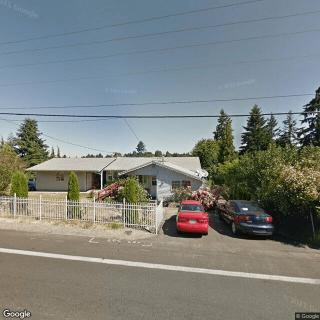
Golden Lane Adult Care Home
$2,600 / month11.9 miles away -
from +$95 / mo

Highgate Senior Living
$2,595 to $3,095 / month15.2 miles away
Overall Review of Silver and Golden Years ACH
Pros
 They were very kind, friendly, and cordial to work with and willing to consider the situation.
- They stood out for their kindness to Dad and to others who visited.
- The location was great because it was close to the family.
- Deanna runs the place and provides good, personal care.
- He gets shaved and the rooms are clean.
- He seems less angry now, indicating improved well-being.
Cons
 The facility smelled awful.
- The parents' needs were too difficult for the home to meet, so they had to decline.
- The two dementia residents had a considerable fall history, making it a lot to ask of anyone.
- The father was not in any condition to do much else.
Review
This community is best suited for families seeking an intimate, home-like setting where seniors receive hands-on, personal attention and proximity to relatives is a meaningful advantage. Reviews point to a staff culture that is consistently kind, patient, and flexible, with the leadership of Deanna highlighted as a steady, approachable presence. Rooms come across as clean, and practical care , such as shaving and daily grooming , is reliably delivered. For families who prize a warm, low-key atmosphere and value a setting that feels like a small, live-in arrangement rather than a large institutional home, Silver and Golden Years ACH offers tangible, day-to-day reassurance.
However, several realities push families to consider alternatives, especially when care needs are complex. One review underscores that two dementia residents with a substantial fall history can outstrip the home’s capacity, making it hard to meet expectations without significant risk. Odor concerns surface as a notable irritant for at least one family, suggesting that environmental upkeep is an area for close scrutiny. Additionally, the activities program remains murky; while staff can bring in puzzle books and arrange outings, there is uncertainty about sustained engagement for residents who cannot participate meaningfully. Those with high acuity dementia, severe mobility challenges, or demanding medical supervision may find this setting insufficient.
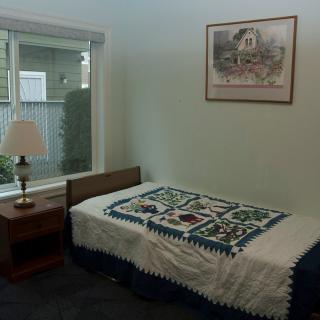
The strongest pros , genuine kindness, personalized care, and a calmer, more individualized living environment , can offset many drawbacks for the right resident. Families repeatedly note that care feels more attentive here than at more expensive facilities, with a clear emphasis on approaching each day with respect and patience. The personal touch is reinforced by practical routines: a clean, well-kept living space, regular grooming, and a schedule that allows for one-on-one interactions. The proximity to family also matters, enabling frequent visits and easier involvement in daily routines, which often translates into a more peaceful mood for the resident.
Activity and engagement fronts present a mixed picture. On the positive side, residents are seen being taken out for walks and offered simple cognitive stimulation through books and activities when possible. The goodwill of the staff is evident in how they accommodate residents and try to keep them connected to familiar routines or interests. Yet the lack of clarity about a structured activity program means that those needing consistent, purposeful engagement may encounter gaps. For families weighing options, this is a meaningful distinction: the environment supports companionship and light engagement, but it may not substitute for robust programming or specialized stimulation for dementia-related needs.
Environment-wise, the odor concern cannot be dismissed. An unpleasant smell can color the overall perception of care, even when other aspects are solid. While one reviewer’s experience was notably negative on this point, others did not highlight it as an issue. The variability suggests that odor control and cleanliness may hinge on individual shifts and maintenance status at any given time. For families highly sensitive to environmental conditions, this is a concrete factor to assess in person rather than rely on impression from secondhand reports.
In the end, Silver and Golden Years ACH presents a practical, compassionate option for seniors who prioritize dignity, personal attention, and convenient access to family over a highly structured, highly resourced care plan. It is best for residents with moderate care needs, where daily supervision is manageable, and where a home-like atmosphere can meaningfully reduce agitation and promote contentment. Families considering alternatives should target higher-acuity dementia care, pronounced fall risk, or the need for formal, comprehensive activity programming and medical oversight. Prospective residents are advised to visit with questions about care plans, staffing ratios, and environmental maintenance, and to place particular emphasis on whether the team can sustain a consistent level of engagement and safety aligned with the resident’s exact needs.
 Board and Care Home
 Memory Care
 Cats allowed
 Dogs allowed
 Beautician on-site
 Private
 Private bathrooms
 Respite or short term stays offered
 Portland International (7 miles away)
 Diabetic care
 High acuity care
 Incontinence care
 Medication management


 How to Communicate with a Loved One Living with Dementia: 10 Supportive Strategies
 Comprehensive Guide to VA Nursing Homes: A Crucial Long-Term Care Resource for Veterans
 Estimating the Expenses of At-Home Dementia Care: A Detailed Exploration