
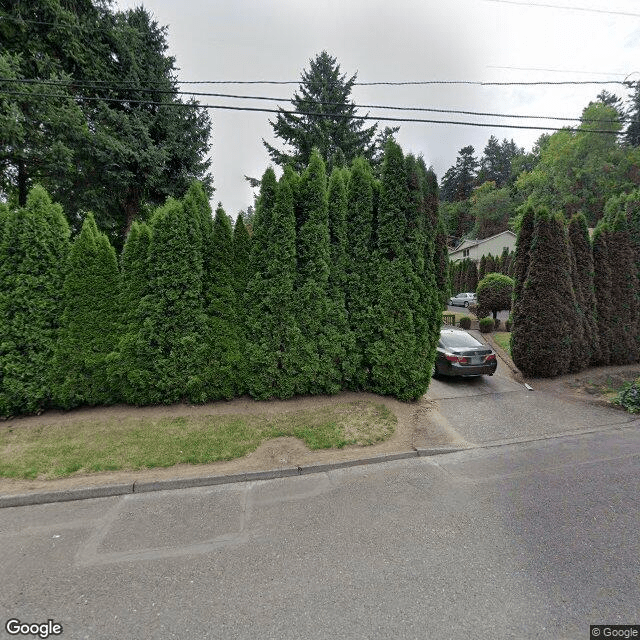
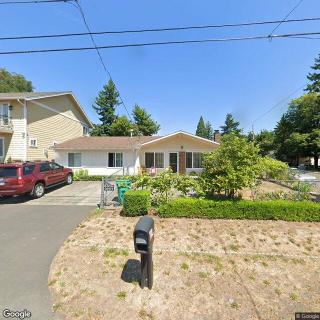
2912 SE 101st Ave, Portland, OR 97266
To contact a resident: (503) 762-0152
For more information about senior living options: (866) 208-4318
Hillside Adult Care Home Costs & Pricing
Hillside Adult Care Home offers competitive pricing for its private rooms at $3,000 per month, which is notably lower than the average costs in Multnomah County and across the state of Oregon. In comparison, the monthly cost for similar accommodations in Multnomah County stands at approximately $3,227, while statewide averages reach around $3,424. This positioning not only reflects Hillside's commitment to accessibility but also underscores its value proposition within the adult care market, making it an attractive option for those seeking quality care without exceeding their budget.
| Floor plans | Hillside Adult Care Home | Multnomah County | Oregon |
|---|---|---|---|
| Private | $3,000 | $3,227 | $3,424 |
Senior living communities with a similar price nearby
-
About the same
A Piece of Heaven
$3,000 / month5.6 miles away -
from -$500 / mo
Mapleview Manor, LLC
$2,500 / month5.6 miles away -
About the same
Yamhill Senior Care Home
$3,000 / month2.9 miles away -
About the same
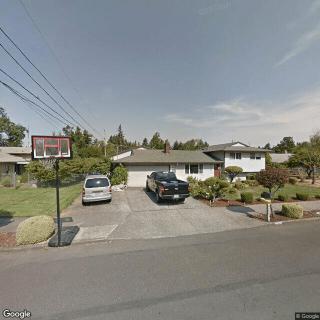
Peaceful Lighthouse Adult Care Home
$3,000 / month5.4 miles away -
from +$500 / mo
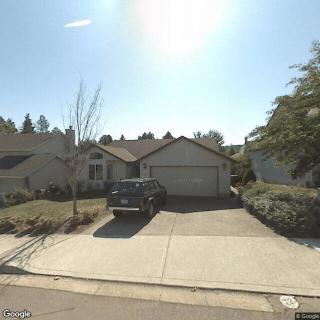
Fulga's ACH
$3,500 / month14.2 miles away
Overall Review of Hillside Adult Care Home
Pros
 The facility provides residents with the utmost dignity, respect, and care.
- Alexandra and her staff consistently go above and beyond to meet residents' needs, including for challenging diseases like Parkinson's.
- Sunnyside adapts to changing aging needs with flexible exercise, medications, and dietary options.
- The care team maintains residents' physical well-being, even when they are in the hospital.
- The home offers a nice, cozy environment with a small number of residents.
- Families are kept well informed and welcomed to visit at any time.
- Meals are freshly prepared, and the home is clean and well kept.
- Alexandra is described as a phenomenal, caring caregiver, and Sunnyside is regarded as a blessing to families.
Review
This Hillside Adult Care Home in Portland is best suited for families seeking a small, intimate, family-style setting where a single caregiver team forms deep, day-to-day relationships with residents. The reviews celebrate a home atmosphere with 3–4 residents, where dignity, warmth, and personalized attention define daily life. This is not a sprawling campus with regimented schedules; it is a hands-on environment led by Alexandra and her staff, where meals are prepared fresh, rooms are kept spotless, and residents are treated with a level of care that families can observe and trust. It is especially well-matched for seniors facing complex, chronic conditions, such as Parkinson’s or advanced frailty, where consistent monitoring, gentle exercise, tailored diets, and flexible support routines make a real practical difference. Families who want meaningful, ongoing communication about their loved one’s status will find this setup conducive to peace of mind, with updates and accessibility that feel both responsive and personal.
Those who may want to consider alternatives are typically drawn to larger communities with more formal medical staffing, broader social programming, and more extensive on-site services. If a loved one requires 24/7 registered nurse coverage, a wide array of structured activities, or specialized memory-care programming inside a campus with defined tiers of care, Hillside’s small-scale model may feel limiting. Prospective residents who crave a robust transportation schedule, formal clinical oversight, or a wide network of on-site specialists might be better served by larger assisted-living communities or dedicated memory-care facilities. In short, this option is ideal for intimacy and speed of care; it is less aligned with those prioritizing institutional scale and breadth of on-site medical resources.
The strongest pros are clear and compelling. First, the intimate caregiver ratio translates into highly responsive, individualized attention. Families repeatedly note the caregivers’ steadiness, patience, and ability to adapt to evolving needs, including difficult disease trajectories. Alexandra emerges as a central strength, described as exceptionally caring, loving, and communicative, consistently keeping families informed and involved. The home-like environment, clean, cozy, and welcoming, complements the high-touch care, while meals are described as fresh and thoughtfully prepared. The flexibility to adjust exercise, medication routines, and dietary plans to accommodate late-life changes is a standout feature that directly supports quality of life. And the atmosphere of being welcomed by staff-and-family alike, often with spontaneous visits and open lines of communication, gives families confidence that their loved one is known and cherished daily.
Where the care model tests limits, the reviews suggest the gaps are manageable and offset by the human-centered strengths. The most tangible constraint is inherent in a small, home-based setting: fewer formal services, fewer on-site professionals, and a tighter boundary around specialized medical programming. Yet this limitation is precisely what yields the benefits of closeness, steady routines, and genuine responsiveness. When medical questions arise or a new need emerges, the care team’s intimate knowledge of the resident’s history helps coordinate timely hospital or clinical follow-up; families frequently report feeling “in the loop” and trusted by the owner to navigate complex care moments. In this dynamic, the absence of a large, impersonal staff is dwarfed by the consistency of care, the emotional support offered, and the dependable updates families receive.
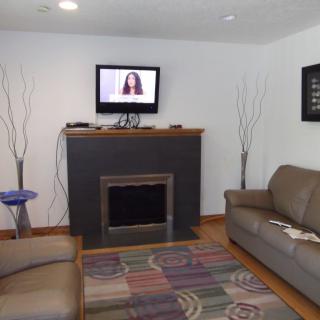
What to expect day-to-day is practical and predictable, with a strong emphasis on comfort, dignity, and family involvement. Residents live in a home setting where cleanliness and comfort are non-negotiable, meals are prepared fresh, and small-scale living allows for genuine, ongoing social and emotional connections. Exercise routines, medication management, and diet can be tailored to fluctuating needs, which is a major advantage for late-life health management. Families are welcome and frequently involved, with staff readily available for visits and updates; the owner’s responsiveness, often via phone or text, is highlighted as a rare, comforting feature in elder care. The overall experience is one of steady, compassionate care that prioritizes the resident’s daily well-being and emotional security over institutional efficiency.
The bottom-line recommendation is clear: Hillside Adult Care Home is a strong, practical match for families prioritizing intimate, high-touch care in a home-like setting. If the priority is to maximize personal relationships, maintain dignity during fragile health episodes, and rely on a caregiver-led model with transparent, frequent communication, this community delivers with distinction. However, for families whose loved one requires robust on-site medical staffing, a wide spectrum of formal memory-care services, or a large, activity-rich campus, alternatives with greater scale may offer better alignment. Prospective families should pursue a focused visit that probes staff-to-resident ratios, observe interactions during mealtime and care moments, meet Alexandra directly, and confirm how emergencies are managed and communicated. In weighing options, the decisive question is whether intimate, personalized attention and a family-centered atmosphere trump the appeal of a broader, more resource-intensive setting. For the right priorities, Hillside presents a compelling, dependable choice.
 Board and Care Home
 Cats allowed
 Dogs allowed
 Private
 Portland International (6 miles away)
 Diabetic care

 In-Home Care Costs in 2025: A Detailed State-by-State Exploration
 Understanding Home Health Care: A Comprehensive Guide
 Home Health Care Demystified: A Comprehensive Guide for Families and Caregivers