

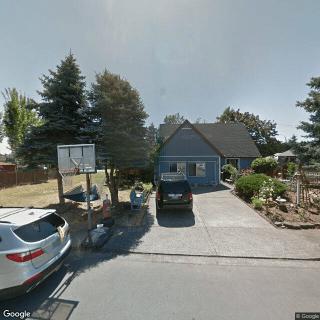
19536 SW Stacey St, Aloha, OR 97006
To contact a resident: (503) 430-1581
For more information about senior living options: (866) 208-4318
Overall Review of Companion Care AFH
Pros
 The care and staff are unbelievable.
- Interactions with the entire team are nothing short of delightful.
- The reviewer would highly recommend the team to everyone.
Review
Companion Care AFH in Aloha, OR is best suited for seniors who prize a warm, intimate care environment where a stable, highly attentive team makes daily life feel safe, comfortable, and personally valued. This community excels when residents benefit from daily hands-on support, consistent check-ins, and meaningful, warm interactions with caregivers who become familiar with individual routines and preferences. It is especially well suited for those who want a home-like setting, where staff know faces, remember preferences, and respond quickly to needs, delivering a sense of security that can be hard to find in larger facilities.
Those evaluating options for heavier medical needs or expansive programming should consider alternatives. A larger assisted living campus with on-site nurses, dedicated memory care wings, or a full slate of structured activities may better serve residents requiring frequent clinical oversight, complex therapies, or highly varied group programming. Families seeking a high degree of independence, more robust on-site medical resources, or a wider array of social options across a larger community may find a different setting a better fit for long-term needs.
The standout pros here are straightforward but powerful: unbelievable care and attentive staff, with every interaction described as delightful. Such a level of attentiveness translates into tangible benefits, quick response times to requests, thoughtful assistance with activities of daily living, and a sense that the resident’s dignity and safety are prioritized every day. In practice, this kind of team consistency reduces the stress of caregiving for families and creates a reliable nerve center for coordinating routines, meals, medications, and safety measures. The result is not just comfort; it is peace of mind that the person is in watchful, compassionate hands.
Where this model can run into practical limits, the strong care culture helps offset them. A smaller home-like setting naturally carries tradeoffs in scope, fewer on-site specialists, a more limited activity calendar, and potentially less access to advanced medical services than a larger campus. Yet the unified, hands-on team described in the feedback tends to close gaps that such limits might create: caregivers who know the resident’s history, can anticipate needs before they arise, and coordinate closely with family members. When staff turnover is low and morale is high, the intimate environment can deliver continuity that outstrips the rigid schedules of bigger facilities.
Families should use a visits-based lens to verify fit. Inquiries about staff-to-resident ratios, how caregiving duties are distributed across shifts, and the process for medical coordination are essential. Ask who would handle medication management, emergency procedures, and coordination with outside clinicians, and observe how staff communicate with residents during a tour, eyes, tone, and responsiveness convey a great deal about daily life. Clarify meal options, activity availability, house rules, and the procedures for inviting family involvement. These checks reveal whether the care ethos promised by the praise is sustainable day-to-day.
For decision-making, the message is clear: if the top priority is exceptionally caring, personable staff and a homey, reassuring environment, Companion Care AFH stands out as a compelling option in Aloha. It delivers a level of attentiveness that transforms routine care into a meaningful daily experience, backed by a team that is described as consistently delightful. If, however, the resident’s needs tilt toward intensive medical oversight, more formal programming, or a broader community life, alternatives with larger clinical resources may ultimately serve better. The choice hinges on balancing cherished, individualized care against the specific clinical or social breadth demanded by the loved one.
 Board and Care Home
 Memory Care
 Portland International (15 miles away)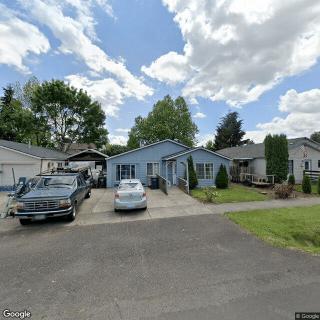

 Understanding Medicaid Coverage for Assisted Living: A Comprehensive Guide
 How and When Medicaid May Cover Assisted Living Costs
 A Detailed Exploration of Assisted Living Medicaid Waivers Across the United States