
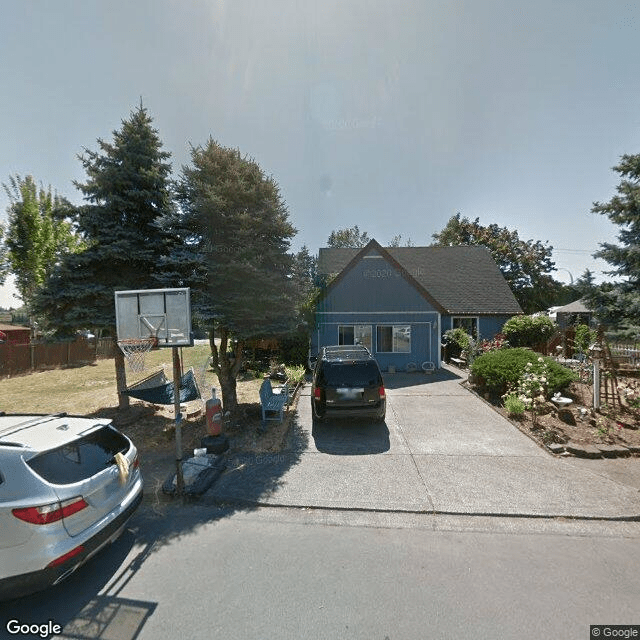
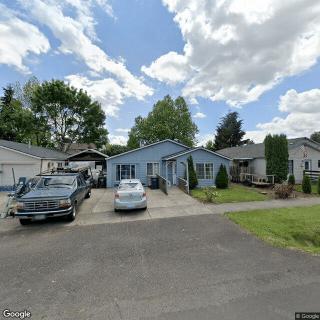
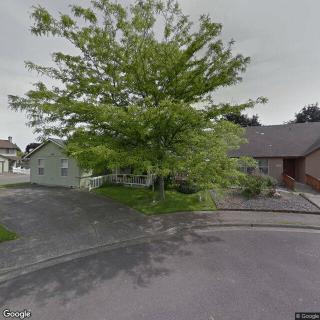
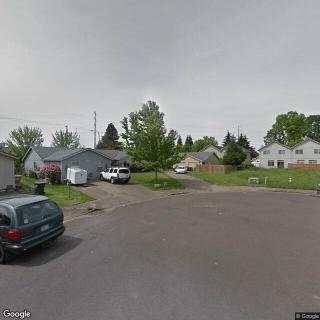
18740 SW Lisa Ct, Beaverton, OR 97006
To contact a resident: (503) 439-9775
For more information about senior living options: (866) 208-4318
Homelife AFH Costs & Pricing
Homelife AFH offers competitive pricing for its private rooms, with a monthly cost of $2,500. This rate is significantly lower than the average costs in Washington County, which stands at approximately $3,261 per month, and even more so compared to the state average of $3,424. By choosing Homelife AFH, residents benefit from a cost-effective option without sacrificing quality care and comfort. This makes it an attractive choice for individuals seeking affordable assisted living solutions within the region.
| Floor plans | Homelife AFH | Washington County | Oregon |
|---|---|---|---|
| Private | $2,500 | $3,261 | $3,424 |
Senior living communities with a similar price nearby
-
About the same
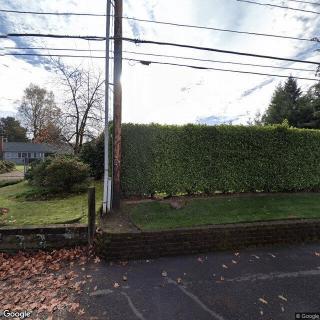
Mapleview Manor, LLC
$2,500 / month15.0 miles away -
from -$300 / mo
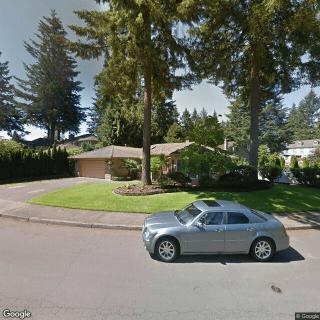
The Peace and Joy Garden
$2,200 / month19.5 miles away -
About the same
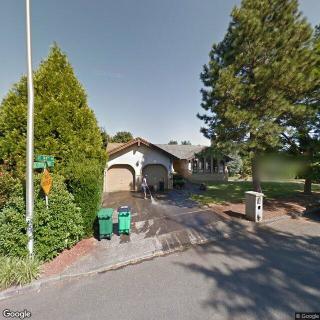
A Gentle Care Home
$2,500 / month17.6 miles away -
About the same
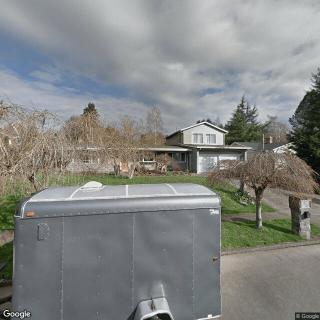
Sacred Heart Adult Foster Care
$2,500 / month4.2 miles away -
from +$300 / mo
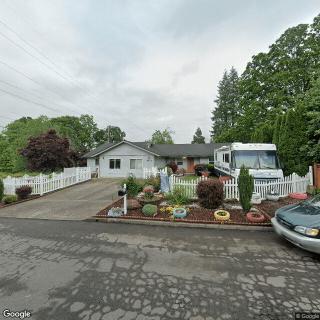
Lund AFH
$2,800 / month18.2 miles away
Overall Review of Homelife AFH
Pros
 Trinity is the kindest and most trustworthy caregiver.
- The grandpa has gained back about 30 pounds.
- He is happy when they call.
- She is a godsend.
Review
Homelife AFH in Beaverton, Oregon, is best suited for seniors who thrive in a true home-like environment with deeply personalized, hands-on care delivered by an owner-operator who treats residents as family. The community's standout strength is the proprietor, Trinity, described as the kindest and most trustworthy caregiver by families. One reviewer notes that her grandpa has regained about 30 pounds and is happy when the family calls, a striking early indicator of both nutritional adequacy and emotional well-being. This setting appeals to families willing to lean into a small, intimate operation where accessibility, direct communication, and a stable caregiving relationship take precedence over a larger roster of staff and formal programming.
Families choosing Homelife AFH should expect a care dynamic defined by personal connection and continuity. The owner’s warmth translates into consistent day-to-day routines, reliable meals, and a pace that feels attentive rather than transactional. The positive anecdote about weight gain signals more than appetite; it signals renewed engagement, comfort, and a caregiver who notices changes and responds quickly. In a setting where steps, meals, and calls can be tailored to individual rhythms, residents often appear calmer, more engaged, and easier for relatives to communicate with. For someone who values straight talk and quick access to the person delivering most of the care, this arrangement delivers.
However, this model is not a fit for everyone. Families with residents who require robust medical oversight, around-the-clock nursing, or highly structured memory-care protocols may find the small, owner-led format lacks the required infrastructure. Those seeking a wide slate of on-site therapies, extensive activity programming, or secured dementia units should consider alternatives with larger teams and formal accreditation. Additionally, if the resident needs frequent clinical interventions, multiple specialty visits, or complex medication regimens that demand 24/7 monitoring, a more resourced facility could be essential.
That said, the strengths of a home-like operation can significantly offset these potential gaps. The intimate setting enables rapid adjustment to dietary needs, sleep schedules, and personal preferences, with few layers of administrative approval slowing decisions. Direct access to the caregiver who knows the resident’s history is a meaningful edge when changes occur, and families frequently appreciate transparent communication and responsiveness. The fact that a resident appears healthier and happier, as evidenced by significant weight gain and an engaged demeanor when visited or called, underscores the practical benefits of such one-on-one attention. The trade-off is a deliberate, manageable one for many households.
For families evaluating a move, concrete questions matter: Who provides daytime coverage if Trinity is out of the home? What is the plan for nights, weekends, or emergencies? How are medications stored and administered, and who handles medical appointments or on-call nursing support? What is included in the monthly cost, meals, utilities, transportation, and care coordination, and what would trigger a move to a higher level of care? Are there opportunities to trial the setting before committing? Understanding these details helps ensure the fit aligns with current needs and anticipated changes.
In sum, Homelife AFH stands out for families seeking sincere, continuous care delivered in a genuine home environment, where trust in the caregiver and personal warmth translate into tangible improvements in a resident’s appetite, mood, and overall happiness. It is an especially strong choice for someone who values a stable, family-like relationship with the person delivering most care and who is comfortable with a small operation rather than a large community. Those needing rigorous medical oversight, extensive programming, or specialized dementia care should explore alternatives to ensure all clinical and social needs are met.
 Board and Care Home
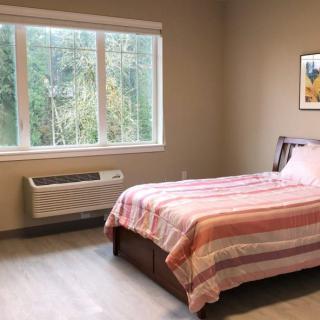
 Private
 Private bathrooms
 Portland International (14 miles away)
 Diabetic care
 High acuity care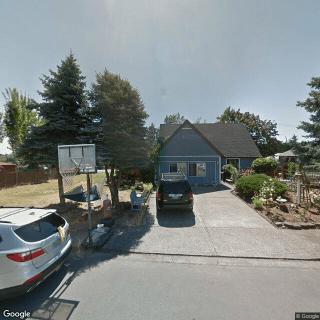


 Comprehensive Approaches for Arthritis: A Detailed Guide to Symptoms, Causes, and Care
 Comprehensive Insights and Practical Strategies to Help Older Adults Avoid Falls
 6 Crucial Ways an Elder Law Attorney Assists Families