
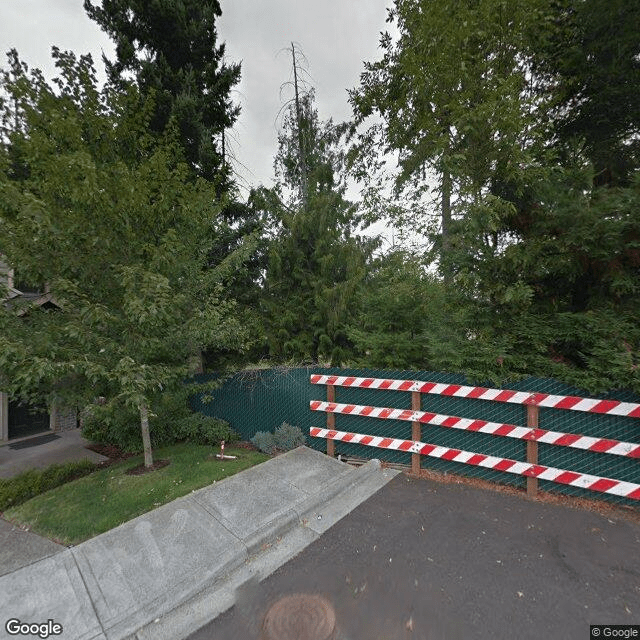
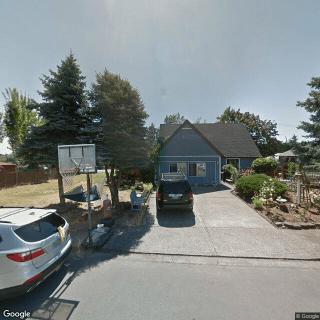
1095 SW 197th Avenue, Aloha, OR 97006
To contact a resident: (503) 591-1353
For more information about senior living options: (866) 208-4318
Stillwater Senior Care Costs & Pricing
At Stillwater Senior Care, the monthly cost for a private room is set at $3,500. When we compare this to the averages within Washington County, where the typical charge is around $3,261, Stillwater's pricing is slightly higher. Similarly, in the broader context of Oregon, which sees an average rate of $3,424 for private rooms, Stillwater remains competitively priced while offering a range of amenities and personalized care options. This small premium reflects our commitment to providing exceptional service and ensuring a nurturing environment that supports our residents' well-being.
| Floor plans | Stillwater Senior Care | Washington County | Oregon |
|---|---|---|---|
| Private | $3,500 | $3,261 | $3,424 |
Senior living communities with a similar price nearby
-
from +$300 / mo

The Inn at University Village
$3,800 to $7,500 / month18.2 miles away -
from -$500 / mo
A Piece of Heaven
$3,000 / month14.7 miles away -
from +$500 / mo
Oaktree Adult Care Home
$4,000 / month17.4 miles away -
from -$500 / mo
Yamhill Senior Care Home
$3,000 / month18.2 miles away -
from -$500 / mo
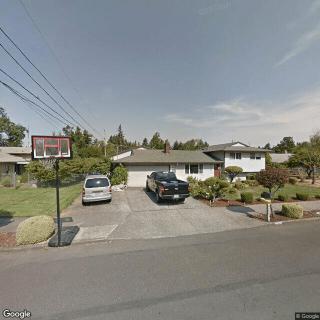
Peaceful Lighthouse Adult Care Home
$3,000 / month20.5 miles away
Overall Review of Stillwater Senior Care
Pros
 Edna is a caring and dedicated caregiver and an experienced, knowledgeable nurse who can handle the full range of senior care needs.
- The home is immaculate, beautiful, and well organized, with three home-cooked meals daily using fresh produce for nourishing meals.
- Edna creates special occasion meals and snacks to celebrate birthdays and holidays, making the home feel like family.
- The comfort of knowing a senior loved one is in Edna's care is reassuring.
- Touching Lives is highly recommended as a top option for aging parents needing care.
- The facility is very clean, the staff are friendly and helpful, and the overall care experience is smooth and well-run.
- The home allows residents to function as they would in their own home, with caregivers who truly care.
Cons
 The facility does not offer Medicaid transition, which disappointed prospective families.
- There are not many activities for residents to participate in.
- There is no separate room for activities.
Review
Stillwater Senior Care in Aloha, OR is best suited for families seeking intimate, home-like senior care where a dedicated team provides hands-on, nurse-level oversight, consistent daily routines, and high-touch attention for residents with dementia or serious health needs who don’t require a large campus. This setting thrives when the priority is personalized care within a small, organized environment, where meals, medication management, and daily supervision are central. Families relying on Medicaid funding or looking for broad, formal memory-care programming or a wide array of on-site activities should consider alternatives that are structured to accommodate those needs.
The strongest positive thread in the nearby care landscape is the sense of a clean, beautiful, well-maintained home that treats residents like family. The reviews repeatedly describe immaculate spaces, an atmosphere of warmth, and a walkable daily rhythm centered on home-cooked meals. Three meals a day with fresh produce and thoughtfully prepared foods are highlighted as core nourishment, with special-occasion meals serving as social glue that helps residents feel connected and celebrated. The implication for Stillwater is clear: if a community can match this level of culinary care and environmental polish, it creates a powerful foundation for trust and daily comfort.
Another standout is the depth of medical attentiveness. In the experiences cited, the caregivers are described as attentive, capable of handling the full spectrum of senior care needs, and organized to coordinate medications, appointments, and personal tasks. The presence of trained nursing oversight within a small-home setting is a recurring theme, along with caregivers who operate with a genuine sense of responsibility and long-term commitment. For Stillwater, this underscores a critical expectation: families will want transparent medication management, predictable staffing, and a care plan that can adapt to evolving health requirements without sacrificing continuity of care.
An equally important strength is the family-centered, inclusive approach to care. Visitors could engage with the care team, participate in care decisions, and enjoy a level of access that many larger facilities struggle to provide. The sense that staff “care” deeply, and that the home environment supports residents’ autonomy within their abilities, matters greatly for families navigating dementia or complex health needs. Stillwater should be evaluated on policies that enable family involvement, flexible visiting, and opportunities for residents to maintain meaningful routines and social connections in a homelike setting.
Yet the reviews don’t overlook meaningful trade-offs. A recurring concern is the relative scarcity of structured activities and a dedicated space for activities in some intimate homes. For families seeking robust programming, regular outings, or a bustling calendar of group events, this could feel insufficient. Additionally, Medicaid transition services may not be available at every small, home-like setting, which can be a deal-breaker for families relying on those funds. Stillwater should be assessed for its approach to activity programming and its policies on Medicaid acceptance or guidance to connect families with appropriate funding pathways.
In weighing these factors, the practical conclusion is straightforward. The benefits of Stillwater’s intimate, clean, nutritionally focused, and medically attentive approach can offset the lack of formal programming for many families, particularly when the loved one thrives on a steady routine, familiar surroundings, and hands-on supervision. The decisive question becomes whether the resident’s needs align with a home-like model that prioritizes daily nourishment, meticulous medication management, and compassionate care over a varied activity schedule or campus amenities. If alignment exists, Stillwater represents a compelling choice.
To make a well-informed decision, focus on concrete, provider-specific questions before committing. Verify the level of medical oversight (is a licensed nurse on site, and what are the care planning processes?), the exact meal program and opportunities for dietary customization, and the flexibility of visiting and family participation in daily routines. Probe activity programming: is there a calendar, staff-led enrichment, group outings, or space dedicated to social engagement? Confirm Medicaid eligibility and any transition assistance, along with staffing ratios, turnover rates, and how emergencies are handled. If Stillwater can deliver the depth of care, warmth of a home environment, and transparent, family-inclusive policies that align with these priorities, it stands as a strong option for families prioritizing intimate, attentive care, while recognizing that alternatives may better serve those needing extensive daily programming or Medicaid-funded memory care.
 Board and Care Home
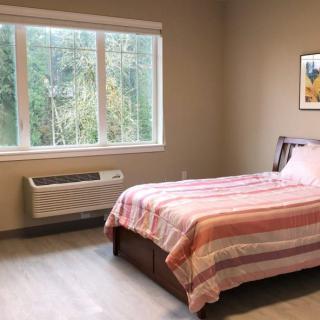
 Private
 Private bathrooms
 Wheelchair accessible showers
 Portland International (15 miles away)
 Ambulatory care
 Diabetic care
 Senior Move Management: Understanding the Role, Value, and Associated Costs
 Weight Training for Seniors: Building Strength and Vitality
 Understanding the Sandwich Generation: Stress and Responsibilities for Multigenerational Caregivers