
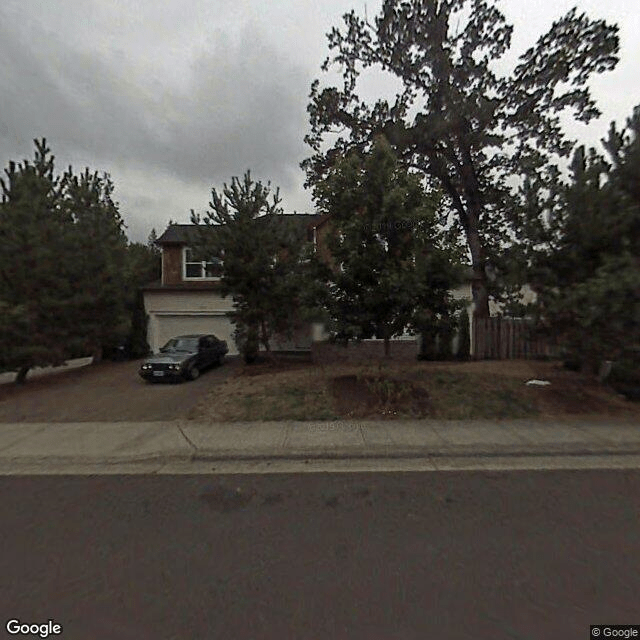
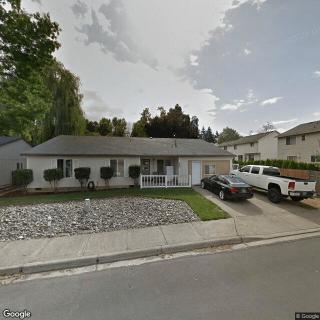
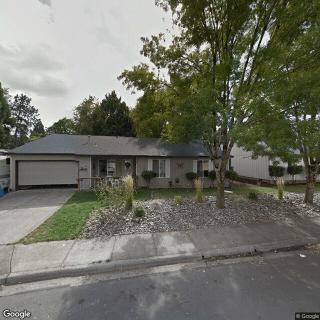
20150 SW Jette Lane, Beaverton, OR 97006
To contact a resident: (503) 649-7206
For more information about senior living options: (866) 208-4318
New Life Care Home Costs & Pricing
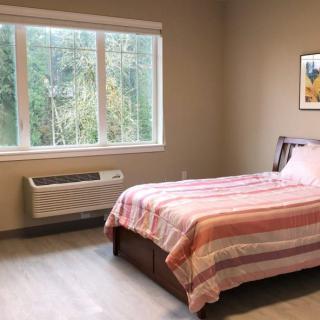
New Life Care Home offers a private room at a monthly cost of $3,500, which positions it slightly above both the county and state averages. In Washington County, the average cost for a private room is approximately $3,261, while in Oregon overall, it stands at around $3,424. This pricing reflects New Life Care Home's commitment to providing high-quality care and personalized services tailored to meet the needs of its residents, while still remaining competitive within the regional market. Ultimately, potential residents and their families may find that the additional investment at New Life Care Home corresponds with enhanced service offerings and care standards.
| Floor plans | New Life Care Home | Washington County | Oregon |
|---|---|---|---|
| Private | $3,500 | $3,261 | $3,424 |
Senior living communities with a similar price nearby
-
from +$300 / mo

The Inn at University Village
$3,800 to $7,500 / month18.4 miles away -
from -$500 / mo
A Piece of Heaven
$3,000 / month14.9 miles away -
from +$500 / mo
Oaktree Adult Care Home
$4,000 / month17.5 miles away -
from -$500 / mo
Yamhill Senior Care Home
$3,000 / month18.5 miles away -
from -$500 / mo
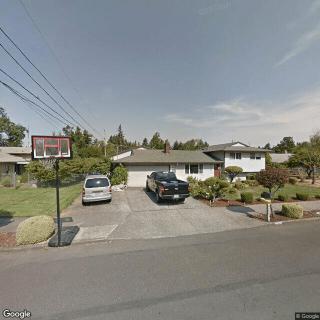
Peaceful Lighthouse Adult Care Home
$3,000 / month20.7 miles away
Overall Review of New Life Care Home
Pros
 Adriana and the staff provided care in a loving way that greatly pleased the family.
- The staff went out of their way to meet every need.
- The family appreciated the staff's kindness throughout the last stages of life.
- The three weeks spent there were loving and comfortable for the resident.
- Adriana is wonderful, and the staff took very good care of him.
- The staff maintained regular contact with the family.
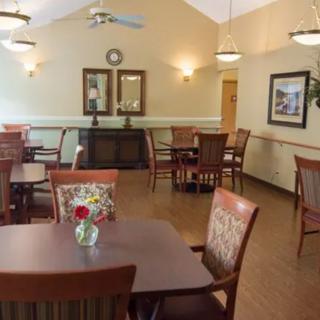
- The facility offers a loving, home-like environment.
- The community is clean, well-maintained, and highly recommended for great care.
Cons
 They felt it was not the right fit for their loved one in the end.
Review
New Life Care Home in Beaverton, Oregon is best suited for families seeking a warm, home-like setting where a loved one can receive highly attentive, compassionate care in a small-community environment. The reviews repeatedly highlight a caregiving staff that feels personal and deeply invested, with Adriana and Michelle singled out for consistently loving, attentive service. This is not a clinical, impersonal facility; it is a place where staff strive to anticipate needs, respond promptly to requests, and treat residents as family members. For families navigating end-of-life scenarios or the later stages of life, the emphasis on comfort, dignity, and daily kindness makes this community a compelling fit.
The key advantages are immediately evident in the tone of the experiences shared. Families report that staff go “out of their way” to accommodate requests, maintain regular communication, and create a sense of safety and belonging. The environment is described as clean, welcoming, and quietly well-run, with an emphasis on meaningful activities and a steady rhythm of care. For residents who thrive on personal attention and predictable routines, these strengths translate into fewer troubling care gaps and more consistent, reassuring oversight. The combination of visible staff accessibility and genuine warmth creates a reassuring backdrop for families seeking peace of mind.
Yet, the narrative also signals an important caveat: this setting may not be the right match for every situation. The only concrete critique is not about the facility itself but about fit, some families encountered a mismatch between their loved one’s needs or preferences and what the home is designed to provide. That reality points to one clear guidance: consider alternatives if the priority is intensive medical oversight, complex skilled nursing needs, or a highly formalized, clinical care continuum. For those requiring 24/7 hospital-grade nursing or specialized therapies, other communities with larger medical teams may be more appropriate.
Still, the strengths do align well with offsetting potential drawbacks. The intensely personal care model, combined with frequent, transparent updates to family members, helps bridge any gaps a more clinical setting might fill. When a resident’s needs are modest to moderate and the focus is on comfort, meaningfully engaging activities, and a family-centric care plan, the pros far outweigh the possible downsides. Families who value emotional warmth, continuity of relationships with caregivers, and a home-like atmosphere will likely feel substantial relief knowing care staff are consistently responsive and invested in each resident’s well-being.
From a decision-making standpoint, the facility’s most persuasive signals are the consistent caregiver sentiment and the emphasis on a “home environment.” Prospective residents should verify how well the level of medical supervision matches current needs, and whether the care team can accommodate any specialized considerations specific to memory care, mobility, or end-of-life wishes. The abundance of activities, cleanliness, and the reputation for reliable communication should be weighed against any anticipation of a more structured, facility-wide clinical program. For many families, these trade-offs are precisely what makes New Life Care Home a strong candidate.
In sum, New Life Care Home stands out as a compassionate, family-oriented option for seniors who prize a loving, home-like setting and clear, ongoing family communication. It is particularly well-suited for end-of-life or late-life care where comfort, dignity, and personal attention are the priorities. Those who require heavy medical oversight, complex skilled-nursing services, or a more formal care framework should consider alternatives with a stronger clinical footprint. For families seeking reassurance that their loved one will be treated with kindness, respect, and a steady, engaging daily life, this Beaverton community is a practical, trusted choice.
 Board and Care Home
 Private
 Portland International (15 miles away)
 Diabetic care
 High acuity care
 Incontinence care
 Nurturing Our Loved Ones: A Daughter's Journey in Caring for Her Mother
 Nurturing Our Elders: Linda's Journey of Supporting Her Mother
 A Comprehensive Exploration of Common Misunderstandings about Powers of Attorney