
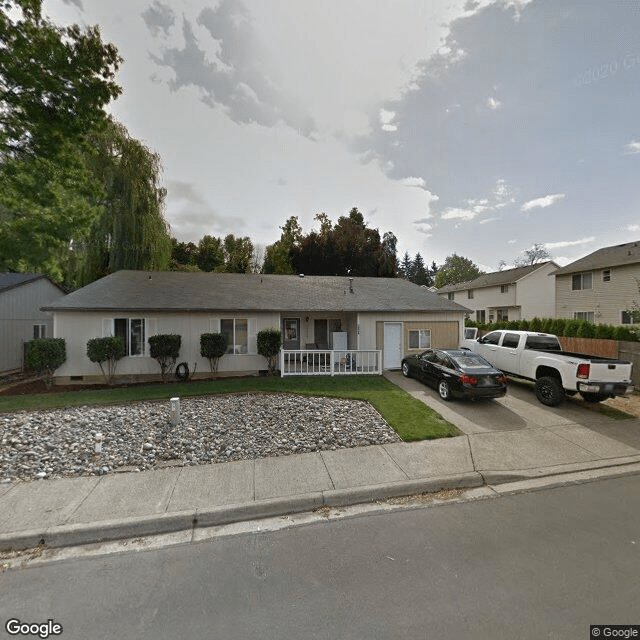
20080 SW Jann Place, Aloha, OR 97006
To contact a resident: (503) 259-9035
For more information about senior living options: (866) 208-4318
Garden Grove Foster Home 3 Costs & Pricing
Garden Grove Foster Home 3 offers competitive pricing for its private rooms, with a monthly cost of $2,300. This rate is notably more affordable compared to the average costs in Washington County and the broader state of Oregon, where private room fees reach approximately $3,261 and $3,424, respectively. By choosing Garden Grove Foster Home 3, families can benefit from substantial savings while accessing quality care for their loved ones. The facility's pricing structure reflects its commitment to providing accessible options without compromising on the essential services needed for residents' well-being.
| Floor plans | Garden Grove Foster Home 3 | Washington County | Oregon |
|---|---|---|---|
| Private | $2,300 | $3,261 | $3,424 |
Senior living communities with a similar price nearby
-
from +$200 / mo

Mapleview Manor, LLC
$2,500 / month15.2 miles away -
from -$100 / mo
The Peace and Joy Garden
$2,200 / month20.6 miles away -
from -$300 / mo

Alliance Home Health
$2,000 / month15.6 miles away -
from +$200 / mo

A Gentle Care Home
$2,500 / month18.1 miles away -
from +$200 / mo

Sacred Heart Adult Foster Care
$2,500 / month5.0 miles away
Overall Review of Garden Grove Foster Home 3
Pros
 The owners and caregivers are wonderful and truly make guests feel at home.
- They took great care of him, and of the family as well.
- They allowed the dog to join each visit, which was a lift for him.
- He died peacefully with his wife by his side.
- This home is a fantastic choice for caring for parents or spouses.
Review
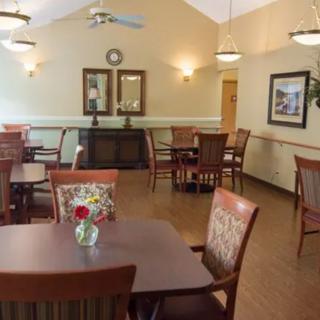
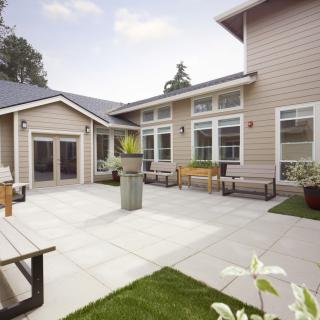
Garden Grove Foster Home 3 in Aloha, OR is best suited for families seeking a small, home-like environment where a loved one can receive truly personalized, compassionate care in the final chapters of life. It excels for end-of-life or comfort-focused stays, where a caregiver-owned setting can provide steady warmth, steady routines, and the sense that someone truly treats every day as a meaningful, domestic experience. The arrangement is particularly appealing to households that value intimate interactions, frequent family involvement, and the reassurance that a pet can be part of visits and daily life.
The strongest, most actionable pro is the human touch. The sole review paints a picture of owners and caregivers who feel like extensions of family, making residents and visiting family members feel at home. The ability to bring a beloved dog to visits elevates emotional well-being and reduces stress for both patient and family. The setting appears designed to honor dignity and companionship, offering a peaceful alternative to institutional care when the goal is meaningful, low-key days with trusted caregivers. In moments of loss or transition, knowing that caretakers are attentive and present can be a decisive factor for families weighing options.
Yet there are clear reasons families may want to consider alternatives. For residents with complex medical needs requiring around-the-clock nursing supervision, rapid implementation of skilled interventions, or highly structured memory-care programming, a larger assisted living or dedicated nursing facility may deliver the kind of clinical oversight that a small foster home cannot guarantee. Those seeking extensive social programming, transportation services, or specialized services (beyond basic daily care) may find the scale and breadth of offerings at bigger communities more fitting. Even in a highly rated, single-family setting, the absence of visible, formalized programming can feel limiting for some residents.
The key pros do offset the main potential drawbacks when the family’s priorities align with the setting. The intimate, home-like atmosphere reduces the clinical distance many residents feel in larger facilities, which can ease anxiety for both patient and family. The peace of mind that comes with dedicated caregivers who know personal histories, preferences, and routines adds emotional value that is hard to quantify but easy to recognize in day-to-day interactions. Pet-friendly policies further separate this option from more sterile environments, providing comfort and enrichment for residents who enjoy animal companionship. When the priority is a dignified, gentle transition with a family-centered vibe, these strengths can far outweigh the lack of on-site medical complexity.
Still, practical due diligence is essential. Prospective families should verify the staffing model, including who handles medical needs, how emergencies are managed, and whether there is round-the-clock licensed nursing coverage or on-call support. It’s wise to confirm a clear care plan that outlines daily schedules, dietary considerations, mobility assistance, and visitation policies. Families should also explore what happens if care needs intensify: is there a transition path to a facility with more comprehensive medical services, and how seamless is that process? These concrete checks help ensure the home’s strengths, its warmth, its family-focus, and its pet-friendly environment, stay aligned with ongoing care requirements.
In sum, Garden Grove Foster Home 3 represents a compelling choice for families prioritizing intimacy, warmth, and a home atmosphere during end-of-life or comfort-focused care. It stands out for its caring ownership, consistent caregiver presence, and the ability to keep a beloved pet close during visits and daily life. For households with modest medical needs, a preference for a small, reassuring setting, and a desire to keep caregiving deeply personal, this is a standout option. For those whose priority is robust clinical oversight, memory-care specialization, or a wide array of structured programming, alternatives at larger campuses or dedicated nursing facilities should be considered and compared against the felt gift of home-like care that this foster home clearly delivers.
 Board and Care Home
 Private
 Portland International (15 miles away)

 Senior Move Management: Understanding the Role, Value, and Associated Costs
 Weight Training for Seniors: Building Strength and Vitality
 Understanding the Sandwich Generation: Stress and Responsibilities for Multigenerational Caregivers