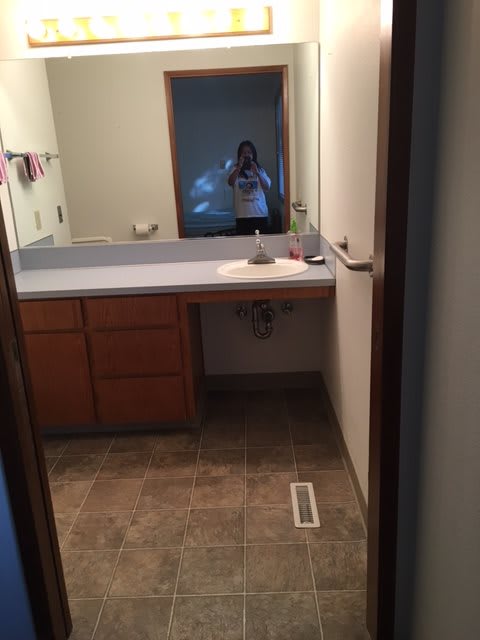
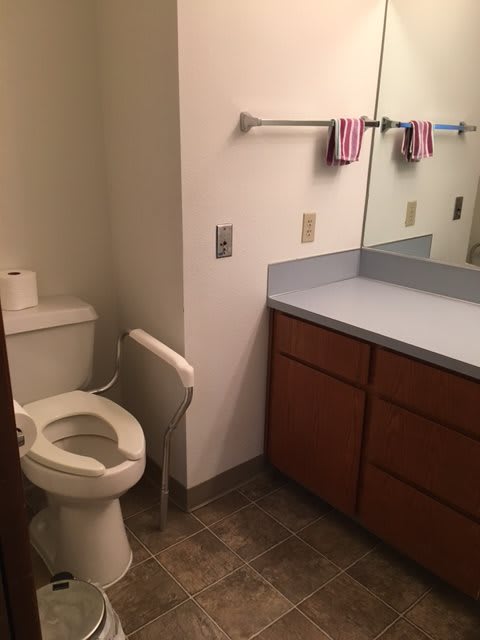
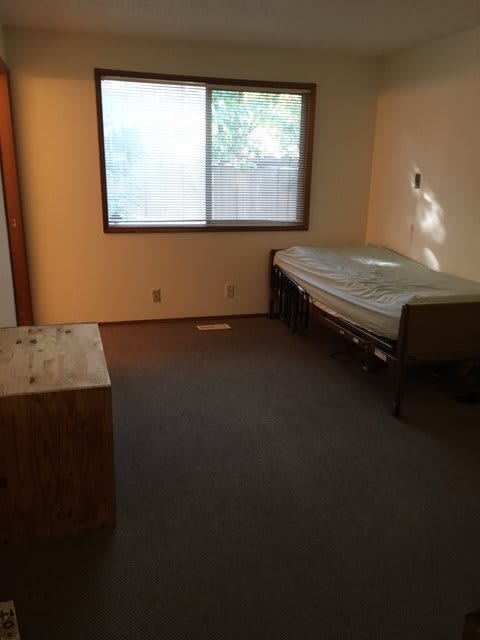
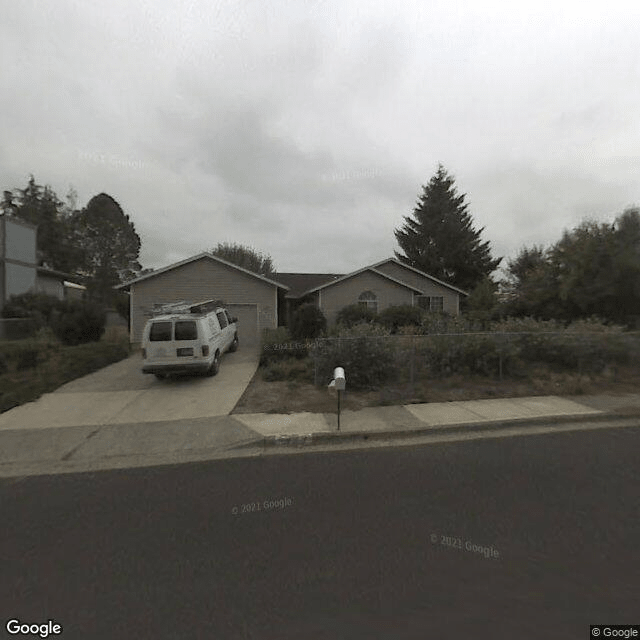
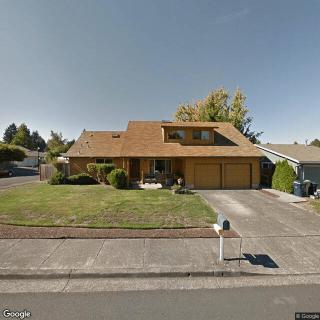
19720 SW Trelane Street, Beaverton, OR 97006
To contact a resident: (503) 747-0146
For more information about senior living options: (866) 208-4318
Psalm 91 Care Home, LLC Costs & Pricing
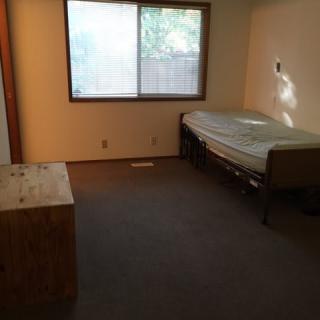
At Psalm 91 Care Home, LLC, the monthly cost for a private room is set at $3,500. This rate reflects a commitment to providing quality care and a comfortable living environment for residents. In comparison, the average monthly cost for private rooms in Washington County is slightly lower at $3,261, while the statewide average across Oregon stands at $3,424. Although Psalm 91's pricing is above both county and state averages, it underscores the home's dedication to exceptional service and personalized care tailored to the needs of each resident.
| Floor plans | Psalm 91 Care Home, LLC | Washington County | Oregon |
|---|---|---|---|
| Private | $3,500 | $3,261 | $3,424 |
Senior living communities with a similar price nearby
-
from +$300 / mo
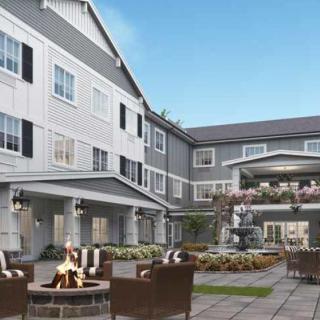
The Inn at University Village
$3,800 to $7,500 / month19.0 miles away -
from -$500 / mo
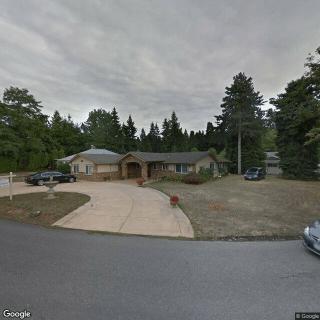
A Piece of Heaven
$3,000 / month14.4 miles away -
from +$500 / mo
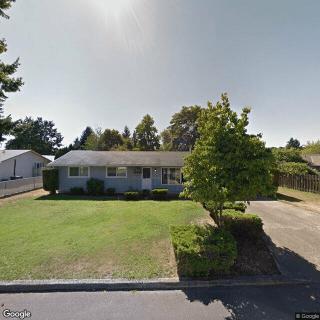
Oaktree Adult Care Home
$4,000 / month16.7 miles away -
from -$500 / mo
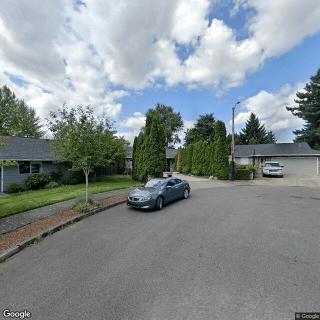
Yamhill Senior Care Home
$3,000 / month18.3 miles away -
from -$500 / mo
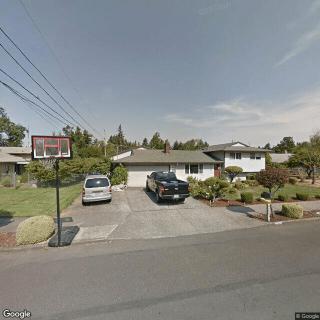
Peaceful Lighthouse Adult Care Home
$3,000 / month20.6 miles away
Overall Review of Psalm 91 Care Home, LLC
Pros
 Westside Nurse Care Home is described as a wonderful place where visitors leave with smiles.
- Residents are happy and well cared for, with attention to feeding and overall well-being.
- The staff provide expert care and surround residents with genuine love from staff and fellow residents.
- The team treats residents like family and goes above and beyond to meet their needs.
- The owner is knowledgeable and compassionate, with caregivers who respond to patients with care, honor, and dignity.
- Stella and the care team are spectacular, keeping residents safe, clean, and happy.
- The home feels like home from the moment of arrival and creates a warm, family-like environment.
- The facility is a gem offering companionship, love, and dignity.
Cons
 The son had been neglected by several care homes prior to arriving at Westside.
- A previous care home neglected him, leading to his leg amputation due to pressure wounds.
- He had been neglected for many years by other care facilities.
Review
This Beaverton community is best suited for seniors who want a true home-like atmosphere where care comes with warmth, continuity, and deeply personal attention. The reviews depict a small, family-style setting in which residents can remain connected to familiar routines while receiving round-the-clock support. It is especially strong for individuals who benefit from companionship, dignity, and a caregiver-led environment, one where staff know the resident’s preferences, meals are thoughtfully prepared, and daily interactions feel more like a cherished family dynamic than a distant institution. For families prioritizing emotional comfort and a sense of belonging alongside practical care, this model is a powerful fit.
Those who may want to consider alternatives are those seeking highly formal clinical benchmarks or expansive, campus-style offerings. A larger facility with dedicated memory-care wings, on-site therapists, or a structured, calendar-driven activity program across multiple levels may feel more suitable for residents with complex medical needs or a preference for a more regimented routine. Individuals requiring intensive medical management, frequent physician oversight, or advanced therapies may ultimately outgrow the capacity of a small home-like setting. In short, clinical intensity and breadth of services at scale are the clear reasons to explore other options.
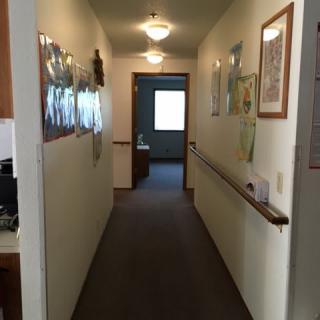
On the plus side, the strongest pros center on people. The staff are repeatedly described as family-like, genuine, and invested far beyond ordinary expectations. The owner’s leadership is highlighted as a stabilizing, hands-on force that ensures needs are anticipated and met. 24-hour care is not a bureaucratic promise here but a lived reality, with residents remaining independent where possible yet receiving escalating support as needs evolve. Residents are fed thoughtfully, dressed with care, and nurtured physically, mentally, and emotionally. The environment is consistently clean and safe, and moments of personalized celebration, like a birthday party that includes staff and residents, underscore the level of community and belonging that boosts quality of life.
The flipside of the intimate, home-centered model is the potential for limitations that come with a small-scale operation. There may be fewer formal programs, fewer on-site resources for high-acuity medical issues, and less privacy in communal spaces than in larger facilities. However, these potential drawbacks are substantially offset by two pillars: extraordinary caregiver relationships and the owner’s active involvement. The ability to tailor care day by day, to address individual snack preferences, to ensure residents have preferred sports channels, and to respond quickly to shifting needs demonstrates a depth of attentiveness that larger, more bureaucratic settings often struggle to match.
For families evaluating this option, a practical approach should be to observe and verify. During visits, assess the warmth and responsiveness of caregivers, the ease of communication with the owner, and how well staff anticipate needs rather than merely react. Inquire about staff-to-resident ratios, how memory care and end-of-life needs are managed, and what the process looks like for medical emergencies or hospice involvement. Tasteful meals, flexibility around personal routines, and evidence of meaningful social moments are equally telling. A candid conversation about bed availability, transition plans, and transportation for appointments will illuminate how seamlessly this home can adapt to evolving circumstances.
Ultimately, this Beaverton home stands out for families prioritizing genuine, compassionate caregiving delivered in a small, cohesive setting. The reviews collectively convey a consistent commitment: residents are treated with dignity, staff treat families as partners, and care evolves with the person, sometimes through hospice, always with respect. The main trade-off is scale and formal medical infrastructure; for many seniors, the reward, deeply personal attention, reliability, and a sense of being truly “at home”, far outweighs the downsides. For those whose loved ones thrive in a familial, attentive, and flexible care model, this community is a compelling, decision-ready option.
 Board and Care Home
 Activities off-site
 Bath tubs
 Beautician on-site
 Devotional services off-site
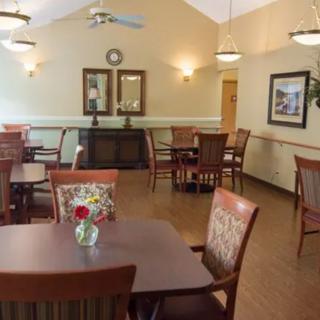
 Indoor common areas
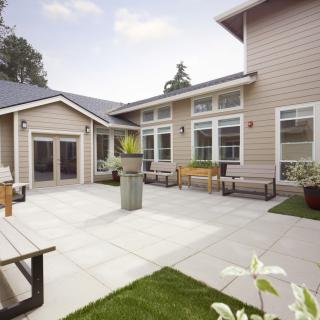
 Outdoor common areas
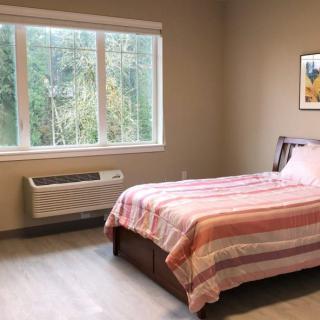
 Private
 Private bathrooms
 Respite or short term stays offered
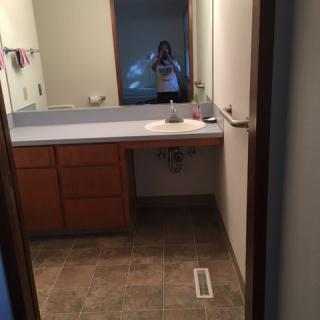
 Wheelchair accessible showers
 Portland International (15 miles away)
 Diabetic care
 High acuity care
 Incontinence care
 Kosher
 Adventist services
 Buddhist services
 Islamic services
 Is a Geriatric Care Manager the Right Choice for Your Family?
 Compassionate Conversations: How to Comfort Someone Who Is Grieving
 Home Health Care Aides: Understanding Their Role and Supporting Your Family