
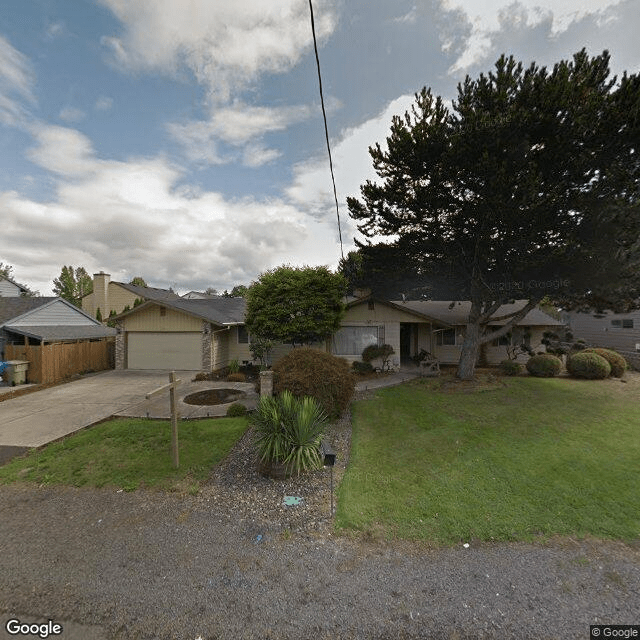
3920 SW 188th Ave., Beaverton, OR 97007
To contact a resident: (503) 848-2971
For more information about senior living options: (866) 208-4318
Simply the Best Costs & Pricing
Simply the Best offers a competitive pricing structure for its private room accommodations, with a monthly rate of $2,500. This cost is notably lower than the average rates in Washington County, which stands at $3,261, and even more so compared to the broader state average in Oregon of $3,424. By providing quality care and comfortable living arrangements at a more accessible price point, Simply the Best positions itself as an appealing option for those seeking affordable yet premium services in a region where costs can be prohibitive. This pricing strategy not only underscores their commitment to value but also highlights their understanding of the financial concerns faced by potential residents and their families.
| Floor plans | Simply the Best | Washington County | Oregon |
|---|---|---|---|
| Private | $2,500 | $3,261 | $3,424 |
Senior living communities with a similar price nearby
-
About the same
Mapleview Manor, LLC
$2,500 / month14.4 miles away -
from -$300 / mo
The Peace and Joy Garden
$2,200 / month20.3 miles away -
About the same
A Gentle Care Home
$2,500 / month17.3 miles away -
About the same
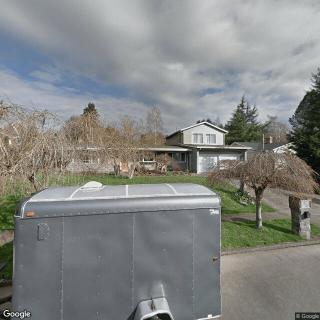
Sacred Heart Adult Foster Care
$2,500 / month4.7 miles away -
from +$300 / mo
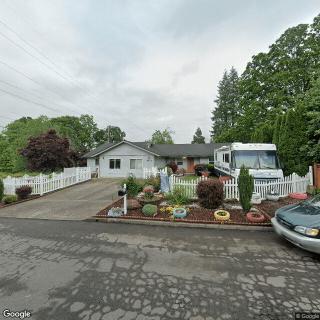
Lund AFH
$2,800 / month19.4 miles away
Overall Review of Simply the Best
Pros
 The staff were great.
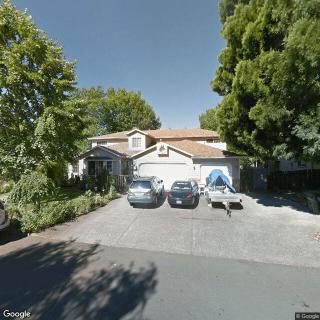
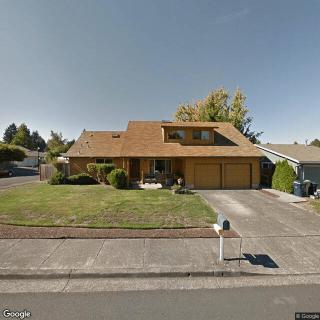
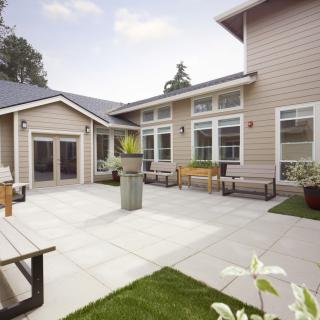
- The property is very attractive.
- The owner is great.
- The place is nice and clean.
- The people were informative and helpful.
- The room includes a private bath.
Cons
 The interior is just too small.
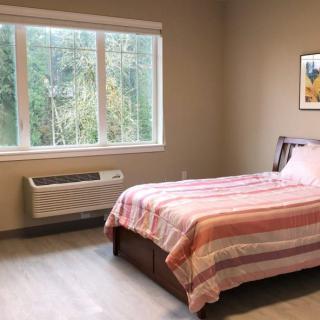
- The bedroom is very small.
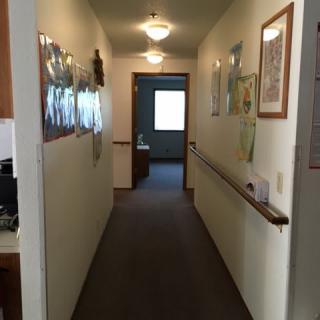
- The bathroom is too small for a powerchair.
- The bathroom mirror and vanity are not wheelchair accessible or even the right height.
- The neighborhood is a little bit rundown.
- The room is small.
Review
Simply the Best in Beaverton is best suited for seniors who prize a warm, well-staffed environment, attractive outdoor spaces, and the privacy of a private bath, even when living quarters are compact. This community delivers on personal service and a tidy, appealing exterior, making daily life feel manageable for residents who do not require expansive rooms or fully wheelchair-accessible design. It functions as a reassuring, home-like option for individuals who can adapt to smaller footprints and are comfortable in a setting where attentive staff, cleanliness, and a pleasant outdoor ambiance are the dominant selling points.
Those who may want to consider alternatives are mainly residents whose mobility needs translate into larger, more accessible living spaces. Powerchairs or scooters demand wider hallways, larger bedrooms, and bathrooms that accommodate roll-in access and maneuverability. The current layout here stalls in that regard, with bedrooms and baths described as notably small, and critical fixtures not arranged for height or reach. Additionally, the neighborhood’s feel may matter to families prioritizing security, curb appeal, and ease of access to nearby services; a rundown ambience can be a red flag for long-term comfort and peace of mind.
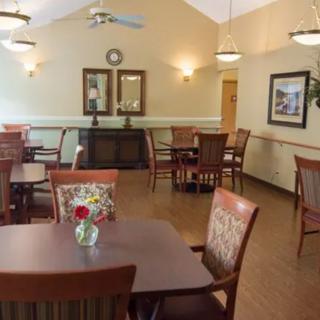
The strongest positives are hard to overlook: staff excellence, cleanliness, and a setting that supports social interaction and outdoor enjoyment. When care teams are described as great, and residents find the facility tidy and their questions answered promptly, those factors translate into consistent daily reliability and a sense of being looked after. A private bathroom in the room provides privacy and dignity for personal routines, and well-kept common and exterior spaces encourage safe, low-stress activities outside the door. These aspects can offset some emotional strain and help maintain a sense of normalcy, especially for residents who value human connection and a well-managed environment over expansive square footage.
However, the interior design presents a consequential friction that cannot be ignored. The bedroom size is repeatedly flagged as restrictive, and the bathroom is not equipped to accommodate a powerchair, with mirrors and vanities not reaching wheelchair-accessible heights. For someone who relies on mobility devices, these shortcomings complicate transfers, hygiene routines, and overall independence. The mismatch between needs and the space available can erode the daily quality of life over time. The external neighborhood description, slightly rundown, adds another layer of concern for families weighing long-term stability and street-level safety, particularly for residents who enjoy frequent walks or strolls outside.
For families exploring options, the key decision hinges on prioritizing accessibility versus ambience, and on whether the space can ever be reconfigured to suit constant independence. Prospective residents should push for a live tour focused on room dimensions, doorway widths, and bathroom layouts that would accommodate assistive devices. Ask for examples of ADA-compliant features, possible bathroom renovations, and whether any units offer larger footprints. In parallel, compare other communities that provide more generous spatial design, better mobility-friendly bathrooms, and safer neighborhood environments, while still delivering strong staffing and cleanliness.
In the end, Simply the Best offers a solid, empathetic staffing foundation, a clean environment, and attractive outdoor areas that can sustain a comfortable day-to-day life for residents who do not require expansive accommodations. It is a practical fit for those prioritizing dependable care and social warmth over size and universal accessibility. For anyone whose long-term needs include easy wheelchair access, larger private living spaces, or stronger neighborhood safeguards, alternatives deserve serious consideration. A careful site visit that tests real-life mobility needs will reveal whether this community can feel like home, or if another option will deliver the steadier fit.
 Board and Care Home
 Dogs allowed
 Activities on-site
 Beautician on-site
 Devotional services on-site
 Indoor common areas
 Outdoor common areas
 Private
 Private bathrooms
 Respite or short term stays offered
 Wheelchair accessible showers
 Portland International (15 miles away)
 Diabetic care
 High acuity care
 Incontinence care
 Meals provided
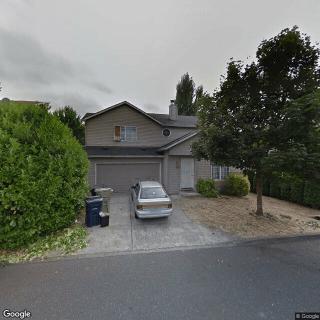
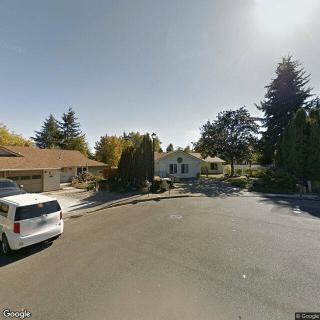
 Understanding the Nuances of Palliative Care and Hospice: A Comprehensive Exploration
 Is In-Home Healthcare Tax Deductible? Your Comprehensive Guide
 Nurturing Well-Being Through Gardening: A Detailed Guide for Senior Enthusiasts