
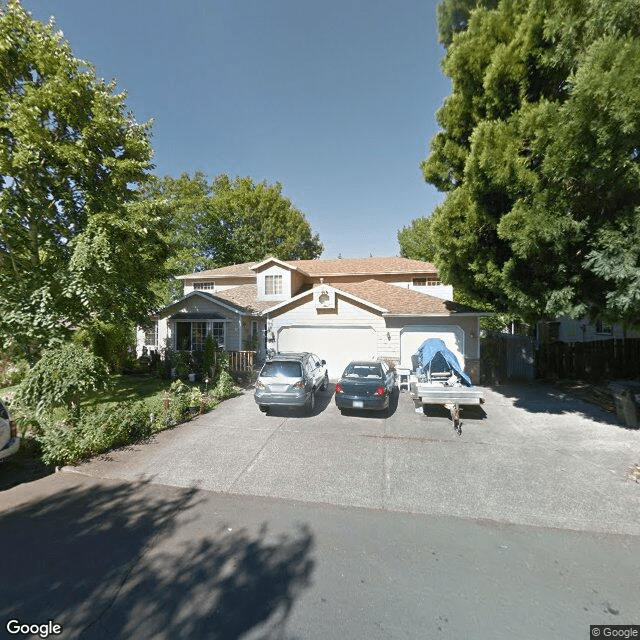
5095 SW 184th Avenue, Aloha, OR 97078
To contact a resident: (503) 649-2259
For more information about senior living options: (866) 208-4318
C & J Shining Home Costs & Pricing
C & J Shining Home offers competitive pricing for its accommodations, with a monthly rate of $3,500 for both private rooms and one-bedroom units. In comparison, Washington County's private room rates average around $3,261, while the state of Oregon shows an average of $3,424. For one-bedroom units, C & J Shining Home is priced at $3,500, which is notably lower than the Washington County average of $4,082 and slightly above Oregon's statewide average of $3,904. Overall, C & J Shining Home provides a compelling option within the region's market, balancing quality with affordability in a way that can appeal to potential residents and their families.
| Floor plans | C & J Shining Home | Washington County | Oregon |
|---|---|---|---|
| Private | $3,500 | $3,261 | $3,424 |
| 1 Bedroom | $3,500 | $4,082 | $3,904 |
Memory care communities with a similar price nearby
-
About the same

American Living Adult Family Home LLC
$3,500 / month21.6 miles away -
from -$500 / mo
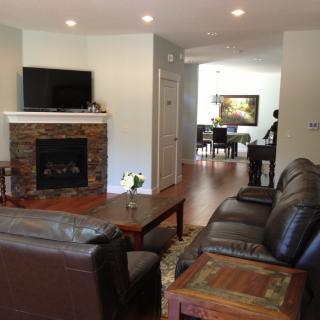
Elder Garden Care Home, LLC
$3,000 / month20.1 miles away -
About the same
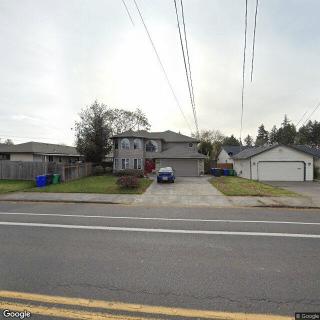
Northwest Home Health
$3,500 to $3,700 / month12.7 miles away -
from -$500 / mo
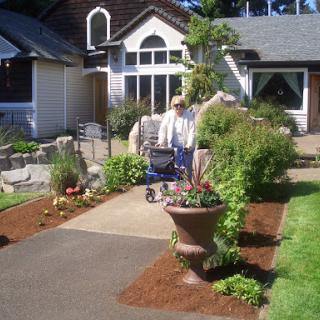
Rivercrest Adult Care
$3,000 to $3,700 / month16.6 miles away -
from +$500 / mo
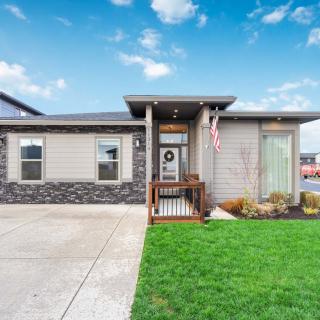
The Finest Care AFH, LLC
$4,000 to $5,500 / month20.2 miles away
Overall Review of C & J Shining Home
Pros
 Cecilia seems like just the right caregiver for Mom.
- Dad is relieved to have found that place.
- They believe Mom will settle in there better than any of the other places they checked out.
- They are pleased with the care their grandmother is receiving at C & J Shining Home.
Cons
 They are not looking forward to explaining and moving Mom.
Review
C & J Shining Home in Aloha, OR is best suited for families seeking a small, intimate assisted living setting where a single caregiver relationship can anchor daily life. The two positive notes center on Cecilia, described as the right caregiver for Mom and a source of relief for Dad who believes this is the place that will help their loved one settle in best, among the options they checked. In this environment, routine and personal attention carry as much weight as basic care, and the presence of a named, trusted caregiver becomes a practical assurance for families facing a meaningful transition. For residents who respond well to individualized attention and a steady, familiar presence, this home offers a reassuring path forward.
However, this community may not be the right fit for every situation. The available feedback is scant, only two reviews, and both are favorable, which leaves considerable room for unanswered questions about consistency across more residents, staff turnover, and day-to-day operations. Families weighing multiple options should consider whether they need more robust medical oversight, a formal memory-care program, or a broader slate of activities and services that typically come with larger communities. The small-scale model can offer quiet, personalized care, but it may also come with fewer on-site resources and fewer redundancies if a caregiver is temporarily unavailable.
The strongest pro is clearly caregiver compatibility. Cecilia’s presence appears to translate into tangible benefits: smoother transitions for new residents, adherence to routines, and a level of comfort that alleviates family anxiety. That kind of rapport can drive better daily outcomes, from timely medication reminders to responsive problem-solving in real time. In practice, the lived experience described in the reviews suggests residents get more consistent monitoring and warmer, more attentive interaction than might be found in a larger, more impersonal setting. For families prioritizing a meaningful personal connection, this is not a minor detail but a decisive factor.
Nevertheless, the potential cons must be weighed. The limited number of reviews makes it hard to gauge how well the home handles diverse care needs, medical complexity, or caregiver turnover over time. A caregiver-centric model often hinges on the availability and steadiness of a single primary caregiver; if that dynamic shifts, the quality of daily life can be affected quickly. Prospective residents should probe how care plans are maintained when the primary caregiver is off-duty, what backup staffing looks like, and whether there are arrangements with extra clinicians or trained aides to preserve continuity of care during absences or busy periods.
Still, the positives offer a compelling case for families who prize intimate, resident-centered care. The quiet footprint of a smaller home tends to yield faster communication, heightened responsiveness, and a greater sense of safety for someone who relies on stable routines. The testimonials imply that a well-matched caregiver can transform the experience of moving into assisted living, delivering not only physical support but emotional reassurance for both resident and family members. When the objective is genuine warmth and steadiness in daily life, the benefits of this setup can outweigh the trade-offs inherent in a smaller operation.
Practical next steps sharpen the decision. Families should arrange a visit or short-term stay to observe daily rhythms, caregiver interactions, and how medical needs are addressed in practice. Clear questions should cover staffing ratios, whether the same caregivers rotate with residents, the level of on-site medical oversight, and the process for handling changes in a resident’s condition. If the goal is to secure high-quality, personalized attention and a sense of familial warmth, C & J Shining Home presents a very solid option worth pursuing. If the priority is robust clinical programming, expansive amenities, or broad-based social programming, it is prudent to compare this community against larger options before finalizing a choice.
 Board and Care Home
 Day Program
 Memory Care
 Devotional services off-site
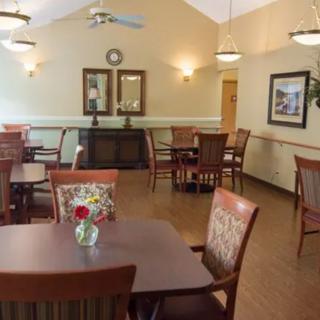
 Indoor common areas
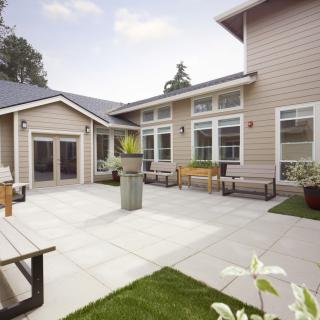
 Outdoor common areas
 Private
 Private bathrooms
 Respite or short term stays offered
 Wheelchair accessible showers
 Portland International (15 miles away)
 Diabetic care
 High acuity care
 Incontinence care
 Medication management
 Kosher

 An In-Depth Look at Reminiscence Therapy in Dementia Care
 Dementia-Related Hallucinations: Causes, Experiences, and Practical Approaches
 Illuminating Insights About Alzheimer's Disease: Ten Crucial Realities