
3245 SW 182nd, Aloha, OR 97006
To contact a resident: (503) 356-8530
For more information about senior living options: (866) 208-4318
Brentwood Oaks Costs & Pricing
At Brentwood Oaks, the monthly cost for a two-bedroom unit is an attractive $533, significantly lower than the averages observed in both Washington County and the broader state of Oregon. In comparison, residents in Washington County face average costs of approximately $4,801 per month, while those across the entire state encounter figures around $4,436. This stark contrast highlights Brentwood Oaks as a compelling option for individuals seeking affordable housing without compromising on quality or comfort.
| Floor plans | Brentwood Oaks | Washington County | Oregon |
|---|---|---|---|
| 2 Bedrooms | $533 | $4,801 | $4,436 |
Senior living communities with a similar price nearby
-
from -$19 / mo
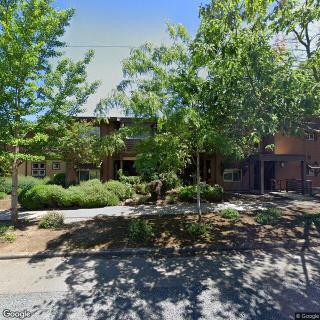
Bridge Meadows
$514 to $591 / month9.6 miles away -
from +$32 / mo

Village Retirement Center
$565 to $782 / month18.8 miles away -
from +$32 / mo
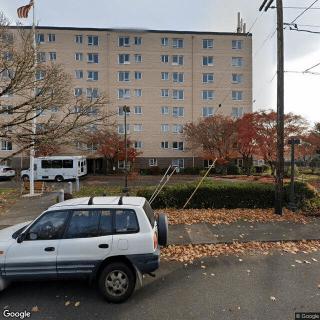
Kirkland Union Manors
$565 to $712 / month14.0 miles away -
from +$62 / mo
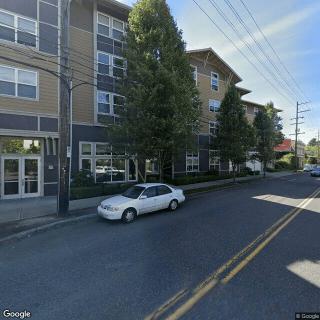
Sacred Heart Villa
$595 to $1,075 / month10.3 miles away -
About the same
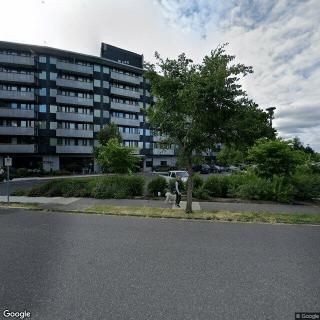
Westmorelands Union Manor
$546 / month10.9 miles away
Overall Review of Brentwood Oaks
Pros
 The apartment was pristine when the reviewer left.
- The community is described as lovely.
- The reviewer would recommend the community to others.
Cons
 The management kept the entire deposit and sent the tenant to collections for an extra $200, claiming it was for cleaning fees.
- The actions are described as lies and exploitation of a disabled person, knowing there weren’t funds or mental capacity to fight, affecting the tenant’s credit score.
- The reviewer warns others not to move there and to read the other reviews.
- Residents are being abused by the manager Hira C. and the Pinehurst Property Management company.
- They are sneaky and are being sued.
Review
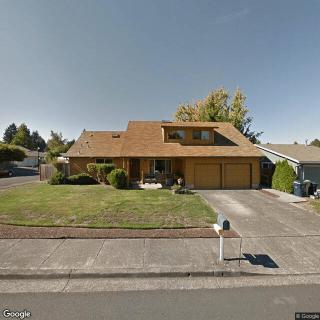
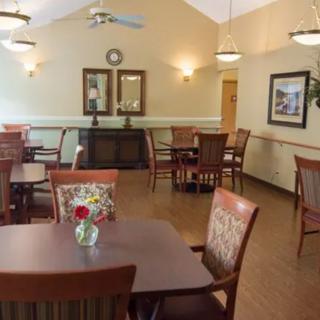
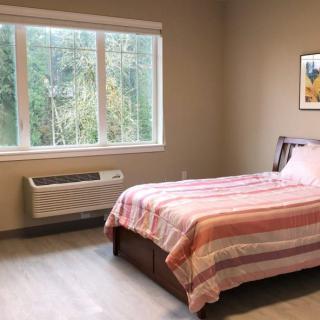
Brentwood Oaks in Aloha, Oregon is best suited for seniors who prize a clean, aesthetically pleasing living space and a friendly, neighborly atmosphere, while being able to advocate effectively when financial details arise. The community presents well-kept common areas and attractively presented apartments, delivering an immediate sense of home. For residents who value independence alongside light social engagement, the environment can feel comfortable and manageable, at least on the surface. The strongest appeal lies in the visual and logistical ease of living there, the kind of setting that supports daily routines without demanding constant supervision. Those who can set boundaries and monitor charges will likely appreciate the baseline quality.
However, cautions in the record are not trivial. Alternatives should be considered by families where consistent billing practices, respectful resident relations, and predictable governance are non-negotiable. If a resident requires careful protection from aggressive debt collection or from leadership behavior that feels coercive, Brentwood Oaks may prove too risky. Reports of abuse by management and the involvement of the Pinehurst Property Management company raise serious concerns about day-to-day safety and long-term trust. In short, this is not a universal fit; it demands resilience and a readiness to challenge authority when conflicts emerge.
On the upside, the physical environment delivers real, tangible benefits. A pristine apartment on move-in and ongoing well-maintained spaces contribute to daily comfort and reduce the burden of upkeep. The community atmosphere, when residents feel sociable and content, can ease transitions and sustain independent living. Those advantages, though real, struggle to compensate for the most significant drawbacks documented, unreconciled move-out charges, unclear fee structures, and the potential harassment implied by the allegations against leadership. In other words, the beauty of the setting is not a guarantee against financial or governance risks.
The core red flags center on money and management. One resident notes leaving after only a few months with a deposit kept and $200 in so-called cleaning fees levied, followed by a collections demand and damage to credit. The claim is that the debt was pursued in ways that exploit financial vulnerability, particularly for a disabled person. A separate review paints a broader pattern of resident abuse by the manager and the Pinehurst PM firm, describing sneaky practices and ongoing litigation. Taken together, these reports suggest a pattern rather than isolated incidents, and they materially affect the community’s credibility and safety.
For families evaluating Brentwood Oaks, practical steps matter. Request an itemized ledger of all charges tied to move-out and deposits, and ask for copies of any related disclosures or contracts. Verify state and local protections on security deposits and look into the management company’s litigation history. Ideally, tour with an eye toward how staff respond to questions and how issues are resolved. If these risk signals are unacceptable, prioritize communities with transparent fee policies, assertive resident advocacy, and documented positive outcomes in dispute resolution.
In the end, Brentwood Oaks offers undeniable aesthetics and a certain social ease, but the combination of disputed deposits, aggressive collection actions, and credible allegations about leadership undermines its reliability for most families. The site can work for residents who can tolerate ongoing tension with management and who have strong self-advocacy skills, yet for those seeking predictability, safety, and a respectful resident environment, alternatives with clearer governance and firmer protections are the prudent choice. The decision should hinge on whether the appeal of a well-kept, neighborly setting outweighs the risk of financial and governance instability.
 Active Adult Communities (55+)
 Portland International (14 miles away)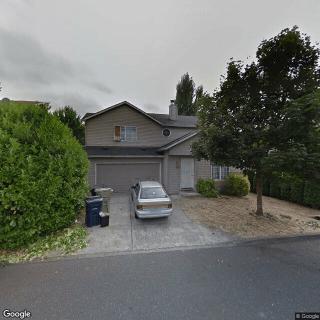


 Exploring Palliative Care in the Home: A Comprehensive Overview
 Comprehensive Insights into Palliative Home Care: What It Is and What to Expect
 Skilled Nursing Facilities vs. Nursing Homes: Making Sense of the Differences