
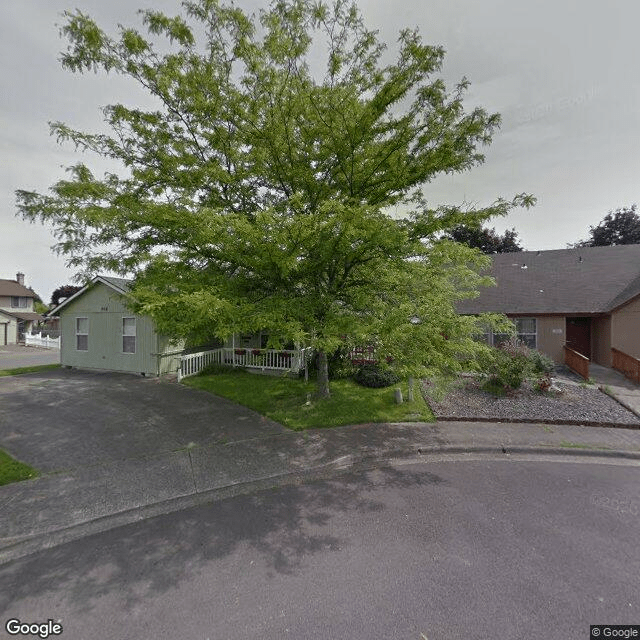
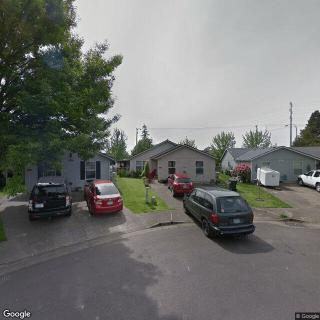
906 SW 174th Pl, Beaverton, OR 97006
To contact a resident: (971) 344-5260
For more information about senior living options: (866) 208-4318
Victoria's AFH Costs & Pricing
Victoria's Adult Family Home (AFH) offers a competitive pricing structure for its private rooms, set at $2,500 per month. This rate is significantly lower than the average costs in Washington County, which stand at approximately $3,261, and the state average for Oregon, where prices rise to around $3,424. By providing quality care at this more accessible price point, Victoria's AFH positions itself as an appealing option for families seeking affordable alternatives without compromising on the standard of care provided to residents. The cost difference reflects not only a strategic approach to affordability but also a commitment to delivering an enriching living experience for its residents.
| Floor plans | Victoria's AFH | Washington County | Oregon |
|---|---|---|---|
| Private | $2,500 | $3,261 | $3,424 |
Senior living communities with a similar price nearby
-
About the same

Mapleview Manor, LLC
$2,500 / month14.3 miles away -
from -$300 / mo
The Peace and Joy Garden
$2,200 / month19.0 miles away -
About the same

A Gentle Care Home
$2,500 / month16.9 miles away -
About the same

Sacred Heart Adult Foster Care
$2,500 / month3.5 miles away -
from +$300 / mo
Lund AFH
$2,800 / month17.8 miles away
Overall Review of Victoria's AFH
Pros
 Loredana has taken impeccable care of the reviewer’s friend.
 - Loredana has been kind, compassionate, and caring.
- Loredana truly is an angel.
- Loredana did everything possible to make the transition seamless.
- Family members agree that Loredana is special and that their loved ones are blessed to be living at Guardian Angel ACH.
- Guardian Angel ACH is highly recommended for adult care.
- Loredana is a competent, caring, and hardworking professional who shows compassion and kindness.
- Loved ones will be in the best of hands with Loredana.
Cons
 They felt discouraged after looking at many homes before finding Guardian Angel ACH.
- There were very serious concerns about the loved one's financial safety that were not handled properly, including another resident stealing from her; an investigation is underway.
Review
Victoria’s AFH in Beaverton is best suited for families seeking a small, home-like assisted living where a devoted, owner-operator style of care delivers highly personalized attention, daily living support, nutritious meals, and a warm, intimate environment. This community shines for residents who are transitioning from independent living to dependence but still want meaningful relationships with caregivers and a sense of autonomy within a tightly knit setting. The standout is the caregiver leadership, particularly Loredana, whose hands-on approach and genuine care frame every day for residents and reassure families that their loved ones are known and protected.
Those who should consider alternatives are families needing more formal medical oversight, specialized memory care, or robust, documented safeguards around finances. A few reviewers flag the limits of a small, intimate home when it comes to comprehensive clinical supervision, and one serious incident raised concerns about financial safety across residents. For families prioritizing a larger campus with broader clinical staffing, established memory care programs, or explicit, audited protections for residents’ assets, exploring other options may be prudent.
The strongest pros here center on exceptional, consistent caregiving and a clearly compassionate administrator. Day-to-day staff receive enthusiastic praise for their kindness and attentiveness, while Loredana is described as competent, caring, and genuinely engaged with residents and their families. This leadership creates a reliable, supportive atmosphere where residents feel seen, meals are thoughtfully provided, and transitions from independence to assisted living are managed with sensitivity. The result is a homelike rhythm that helps residents maintain dignity, routine, and a sense of belonging, factors that families often cite as the most valuable in a care setting.
The principal downside centers on a real concern about financial safety in a small community. One review notes a theft by a fellow resident and indicates an investigation is underway, with the impression that the issue was not handled as promptly or transparently as hoped. In a small AFH, such incidents can be more acute because resources are more limited and oversight relies heavily on the administrator’s processes. That reality means prospective residents must demand clear questions about finances, monitoring, incident response, and third-party oversight to prevent repetition and reassure families that assets are safeguarded.
Yet those cons do not erase the advantages. The intimate size of Victoria’s AFH means fewer anonymous staff transitions, more predictable routines, and faster, more personalized problem-solving when needs change. Loredana’s hands-on leadership and the staff’s evident dedication create a foundation of trust that makes daily life smoother for residents who crave stability and meaningful engagement. For families weighing options, this combination often offsets the risk of limited formal infrastructure with the benefit of a caregiving team that prioritizes relationship-building, responsive care, and ongoing communication.
For families considering a move to Victoria’s AFH, the practical path is clear: visit and meet the team, especially Loredana, to assess chemistry and the home’s daily rhythms; probe the house rules around finances and how incidents are investigated and communicated; request a concrete care plan that demonstrates how independence is supported and how safety safeguards function in practice. Compare with larger communities that offer broader medical staffing, stricter financial controls, and specialized memory care programs. If the core values align, personalized, compassionate, stable care within a familylike setting, Victoria’s AFH can be a strong, trustworthy choice. If those safeguards and breadth of clinical support are non-negotiable, alternatives should be pursued.
 Board and Care Home
 Cats allowed
 Private
 Portland International (14 miles away)
 Diabetic care



 Top Cars for Senior Drivers and Essential Safety Innovations
 A Closer Look at Private Pay Home Care
 Comprehensive Approaches for Arthritis: A Detailed Guide to Symptoms, Causes, and Care