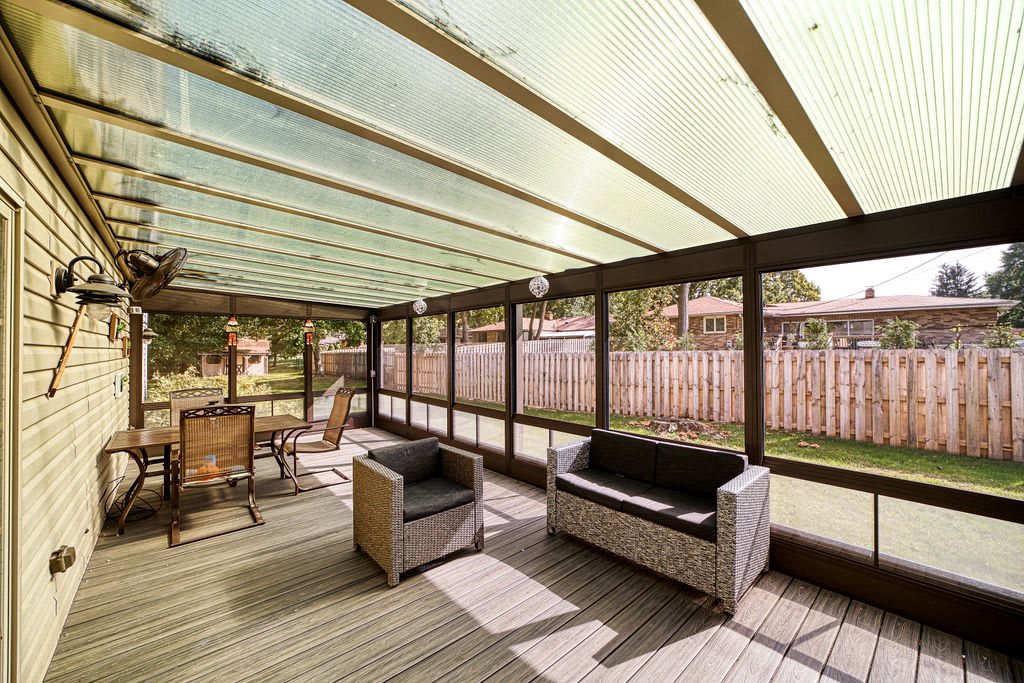
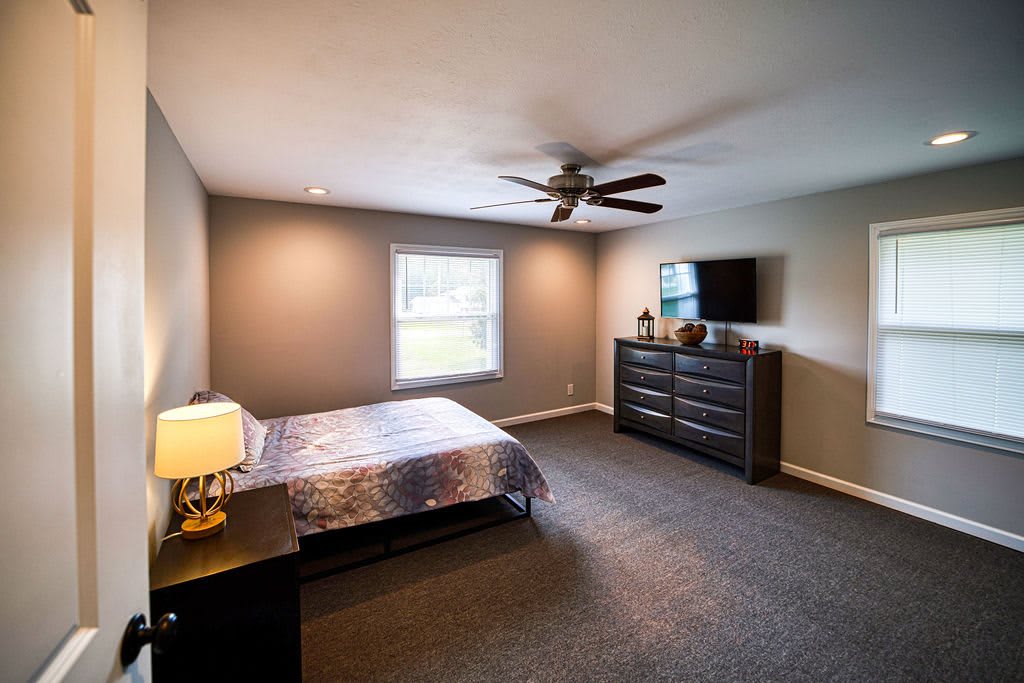
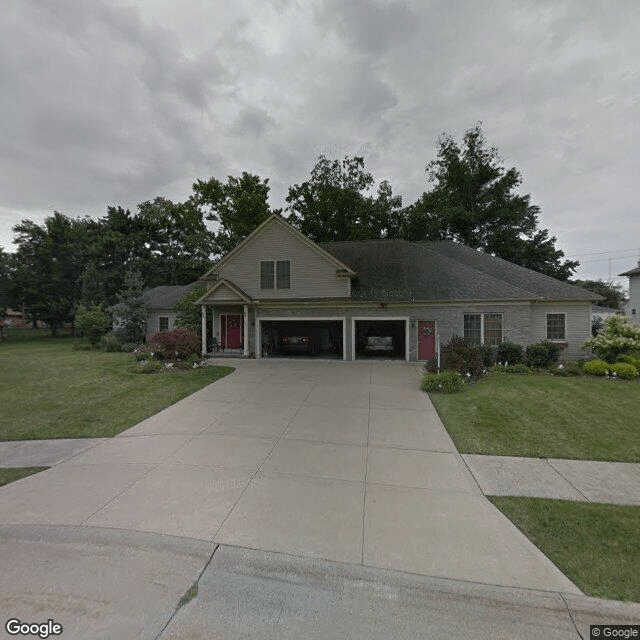
820 E Dawnwood Dr, Seven Hills, OH 44131
For more information about senior living options: (866) 208-4318
Heritage at Seven Hills Costs & Pricing
Heritage at Seven Hills offers a competitive pricing structure for its accommodations, with monthly costs set at $5,000 for both studio and private rooms. When compared to average expenses in Cuyahoga County, which stand at $3,632 for a studio and $4,004 for a private room, Heritage positions itself as a premium option within the local market. Furthermore, these rates are significantly higher than the statewide averages of $3,727 and $4,771 for studios and private rooms respectively. This suggests that residents of Heritage at Seven Hills may benefit from enhanced services or amenities that justify the additional costs. Overall, while the community's pricing is above regional and state averages, it reflects their commitment to quality care and an enriching living experience.
| Floor plans | Heritage at Seven Hills | Cuyahoga County | Ohio |
|---|---|---|---|
| Private | $5,000 | $4,004 | $4,771 |
| Studio | $5,000 | $3,632 | $3,727 |
Memory care communities with a similar price nearby
-
About the same
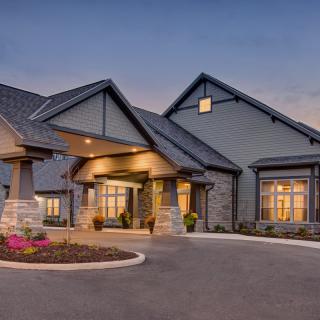
Aria at Gates Mills
$4,950 to $6,950 / month14.7 miles away -
from -$800 / mo
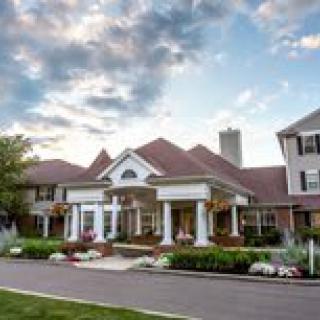
Maplewood At Cuyahoga Falls
$4,200 to $5,500 / month18.9 miles away -
from +$299 / mo
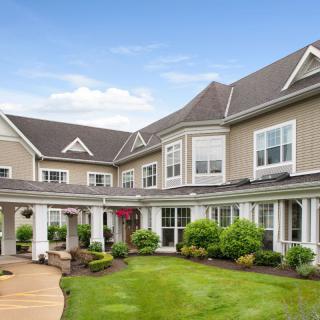
Independence Village Memory Care of Avon Lake
$5,299 to $5,699 / month17.2 miles away -
from -$920 / mo
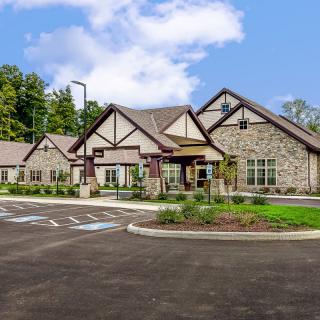
Sunrise of Cuyahoga Falls
$4,080 to $5,610 / month21.2 miles away -
from +$950 / mo
Maplewood At Twinsburg
$5,950 / month15.1 miles away
Overall Review of Heritage at Seven Hills
Cons
 The applicant has been talking to admissions for several weeks and still has no application.
- The applicant explained they needed a place by September, but there was no response.
Review
Heritage at Seven Hills is best suited for families that can live with a slow, uncertain admissions process and do not have a firm move-in deadline. In practical terms, this community serves those who can and will wait for concrete guidance, scheduling certainty, and a documented commitment before moving forward. The lone public feedback indicates a pattern of hesitation or delay in the admissions office, so the best-fit profile is a family that can manage timelines on their own terms rather than expecting proactive, timely outreach or guaranteed next steps from the sales path. For households racing against a calendar, this is a choice that demands patience rather than urgency.
Anyone facing a hard deadline, such as needing a bed secured by a specific month or date, should consider alternatives. The review presents a clear red flag: weeks of conversations with admissions yielded no application and no definitive plan. In such circumstances, other communities with a track record of prompt responses, transparent deadlines, and concrete enrollment steps offer a markedly lower risk of last-minute disruption. Families should prioritize institutions known for disciplined intake processes to avoid the stress of chasing a move-in rather than preparing for one.
The main takeaway from the available feedback is the admissions bottleneck, and that single datapoint overshadows any unspoken strengths. There are no clearly stated advantages in the review, no highlighted care philosophy, amenities, or programming to offset the lag in communication. Without dependable, timely admissions, even solid in-community features lose their traction in the decision calculus. This is not a nuance; it is a fundamental risk signal. Pros from a resident-and-family perspective are not demonstrated here, and the absence of proven, responsive process leaves considerable doubt about the overall experience.
Given the situation, families evaluating Heritage at Seven Hills should adopt a pragmatic, do-this-now due-diligence approach. First, demand an explicit, written admissions timeline and a committed move-in date before engaging any further. Request a direct contact with a manager in admissions to set expectations and establish accountability. Ask for a tour scheduled within a tight window and insist on a detailed breakdown of what happens between inquiry, application, and approval. Compare these commitments with competing communities that publish set timelines, deposit policies, and guaranteed responses. If possible, obtain a trial commitment or a provisional hold while awaiting formal approval to test the system’s reliability without risking a slot elsewhere.
The risk of continuing with uncertain admissions is real and practical. A family relying on an exact move-in date risks losing leverage as timelines slip, which can create cascading stress, care arrangements, housing logistics, and financing all hinge on timely placement. Waiting on a process that offers little visibility invites a reactive posture rather than proactive planning. In short, the potential benefits of any undisclosed strengths do not justify the evident weakness in intake efficiency. The prudent course is to align expectations with evidentiary timelines and to preserve flexibility to pivot to communities with proven, dependable admissions workflows.
verdict: Heritage at Seven Hills is not a strong recommendation for anyone with urgent placement needs or tight calendars. It may still be a consideration for those who can tolerate significant delays and who have the luxury of time to navigate an admissions process that does not appear to be time-bound or highly responsive. For families requiring reliable commitments and clear, proactive communication from the first contact, alternatives with demonstrated urgency and structure should be chosen. In the end, make the decision with a clock you trust, one that ticks in favor of prompt action and definitive next steps, not watches that stall at the starting line.
 Board and Care Home
 Memory Care
 Dogs allowed
 Air-conditioning
 Bath tubs
 Cable or satellite TV
 Ground floor units
 Handicap accessible
 Private
 Private patio, deck, or balcony
 Respite or short term stays offered
 Wi-Fi/high-speed internet available
 Cleveland-Hopkins International (9 miles away)
 Ambulatory care
 Diabetic care
 High acuity care
 Incontinence care
 Medication management
 Anytime dining
 Activities on-site
 BBQs or picnics
 Live musical performances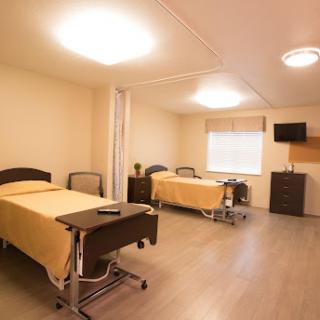
 Accessible coordinator and friendly, responsive staff with engaging activities.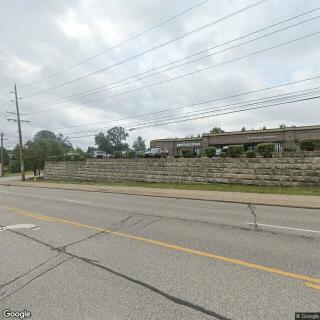

 Dementia-Related Hallucinations: Causes, Experiences, and Practical Approaches
 Illuminating Insights About Alzheimer's Disease: Ten Crucial Realities
 A Thorough Discussion of Medications Potentially Linked to Dementia Risk