Jennings Assisted Living

Save

  • Interior

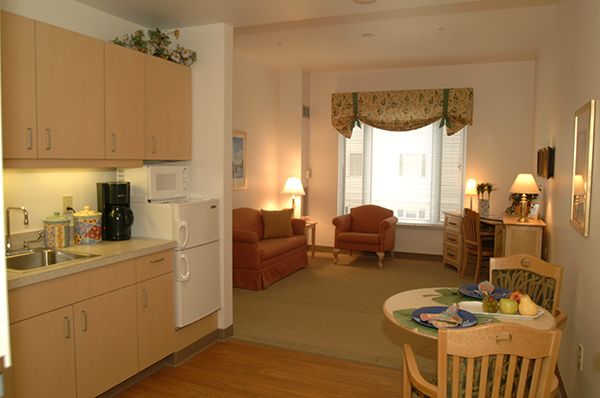
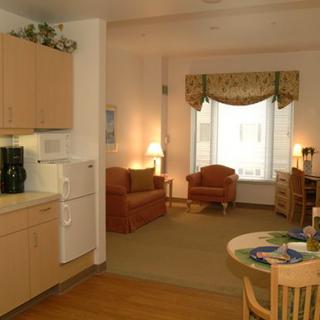
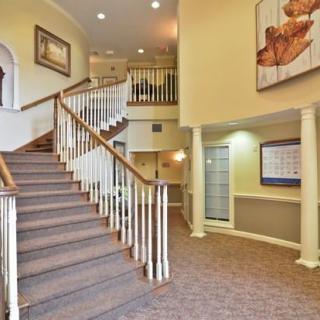
    A cozy apartment interior featuring a small kitchen and living area with warm lighting.
  • Decor

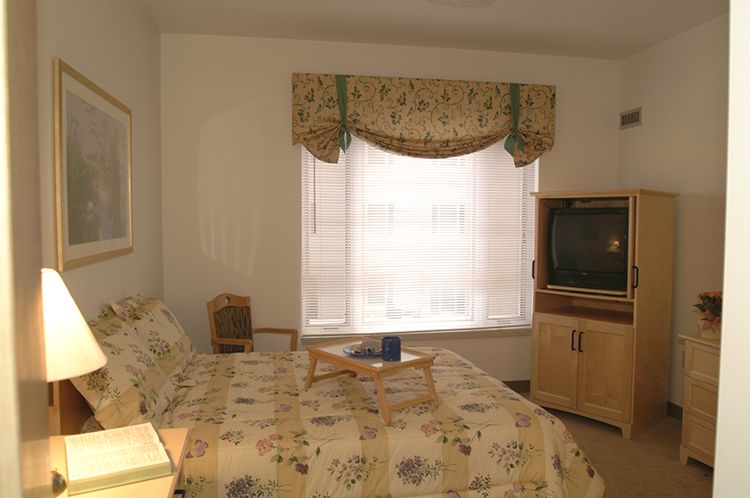
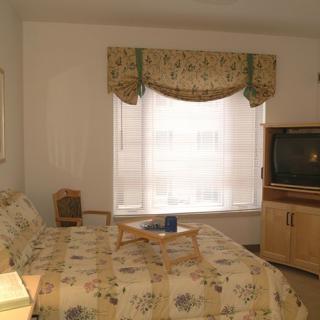
    A cozy bedroom with floral decor, featuring a bed, a television, and a window with curtains.
  • Living Room

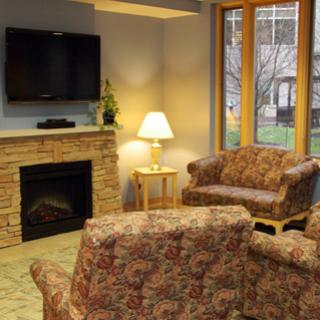
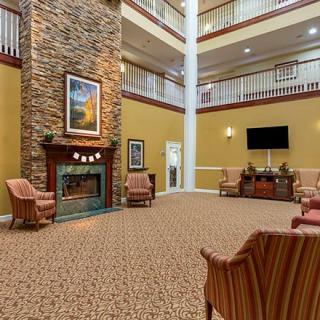
    A cozy living room setup featuring comfortable seating, a warm fireplace, and natural light from large windows.
  • Building

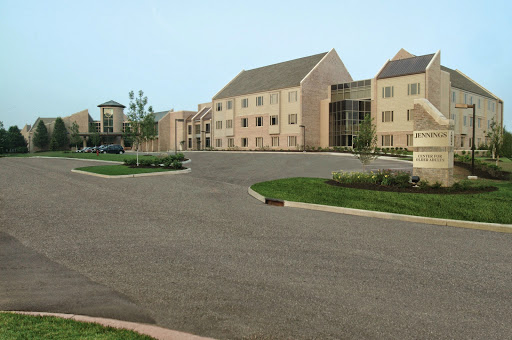
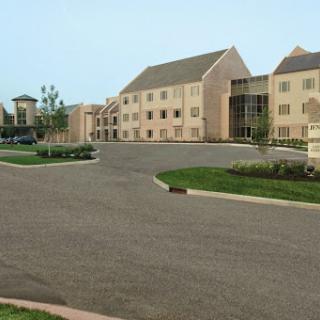
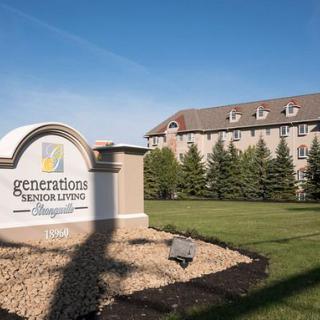
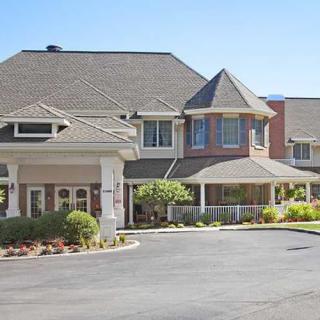
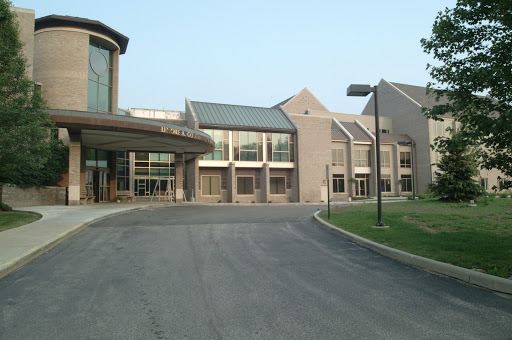
    A view of a modern building complex with surrounding green spaces and a paved road.
  • Architecture

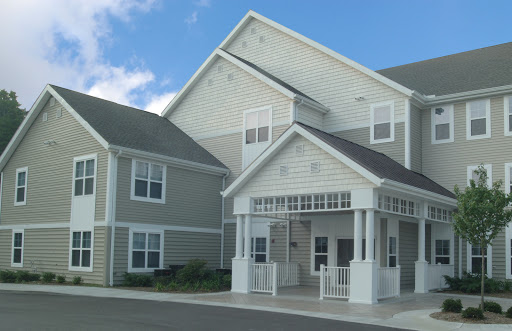
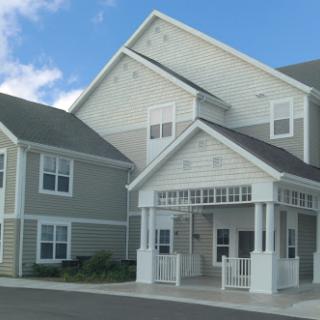
    A welcoming building with a distinct entrance area and modern architectural design.
  • Kitchen

    A modern kitchen featuring light wood cabinets, a countertop, and essential appliances.
  • Entrance

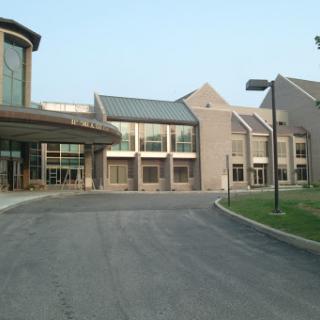
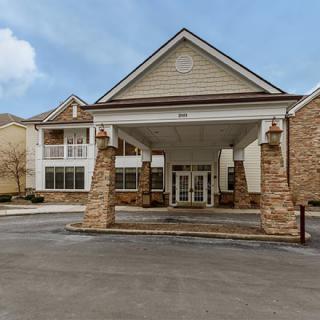
    A view of a modern building with a welcoming entrance and driveway.
  • Rehabilitation

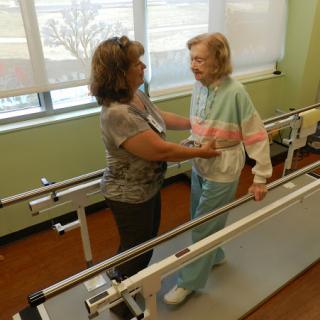
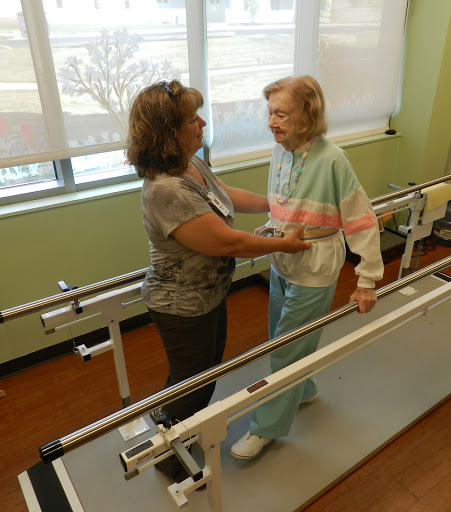
    A healthcare professional assists an elderly patient during a physical therapy session.
  • Physical Therapy

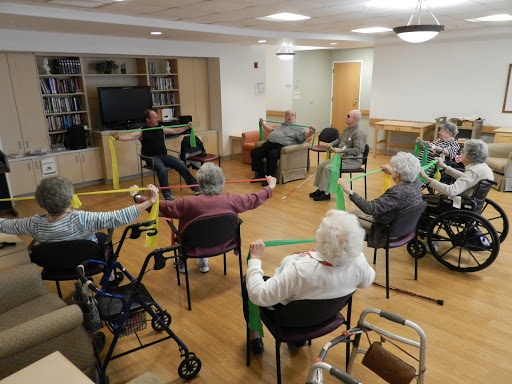
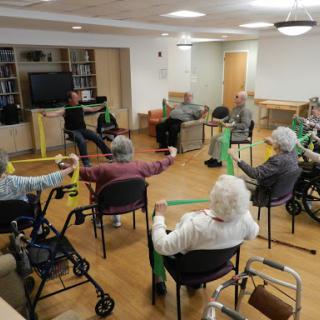
    Elderly individuals participating in a group exercise session using resistance bands for physical therapy.
  • Interior Decor

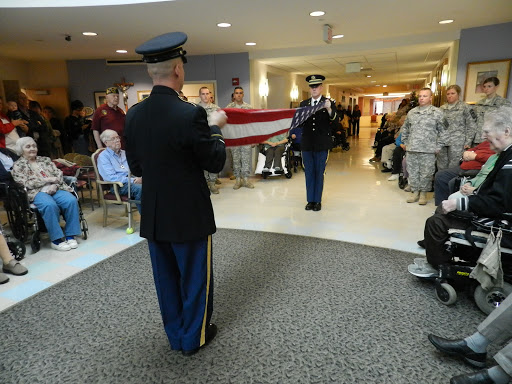
    A community gathering during a religious ceremony, with members of the audience attentive to the speaker.

Jennings Assisted Living

10204 Granger Road, Garfield Heights, OH 44125

For more information about senior living options: (844) 490-3973

3.3 from 47 reviews
5 stars
18
4 stars
7
3 stars
5
2 stars
3
1 stars
14

Assisted Living Continuing Care Retirement Community (CCRC) Day Program Memory Care Respite Care Skilled Nursing Facility

Jennings Assisted Living Costs & Pricing

Jennings Assisted Living offers competitive pricing compared to both Cuyahoga County and the broader Ohio market, making it an appealing choice for potential residents. For instance, a studio room at Jennings is priced at $2,738 per month, significantly lower than the county average of $3,632 and the state average of $3,727. The one-bedroom option also presents value, costing $3,650 at Jennings, which is slightly above the county's $3,410 but still within reach compared to the state's average of $3,712. However, it's noteworthy that Jennings' two-bedroom accommodations are priced at $5,790 - considerably higher than both Cuyahoga County and Ohio averages of $3,458 and $3,501 respectively. Overall, Jennings Assisted Living provides a mix of affordability and quality care in its studio and one-bedroom offerings while presenting a premium for larger living spaces.

Floor plansJennings Assisted LivingCuyahoga CountyOhio
Studio$2,738$3,632$3,727
1 Bedroom$3,650$3,410$3,712
2 Bedrooms$5,790$3,458$3,501

Overall Review of Jennings Assisted Living

Pros

  • pro The Rehab floor staff, including Danielle, Darby, Brandon, Christian, Kula, Dee, Dominic, the RN nursing supervisor, Dorothy, Arlin, and others, are described as kind, caring, and attentive, making a difficult time easier for the family.
  • pro The hospice team is praised as being great.
  • pro Ms. Yolanda Walker is described as amazing, always greeting the family with compassion and treating the mother very well.
  • pro The facility is described as beautiful with great options for patients.
  • pro Ms. Page is called a wonderful person in her role as assisted living coordinator, with residents speaking highly of her.
  • pro The overall care and kindness from staff on the Rehab floor are remembered with appreciation and gratitude.

Cons

  • pro The facility is unsafe for memory care residents, with at least one worker accused of assault.
  • pro The Hoyer lift in the room was broken during the last week of life, forcing staff to lift the resident manually and causing her pain.
  • pro A resident was found in a common room with no staff present and no call button to summon help.
  • pro Staff were alleged to have stolen residents' personal items and valuables.
  • pro Chronic understaffing led to long waits for care and staff telling families it wasn't their job.
  • pro Service lights were turned off or not promptly addressed, leaving residents waiting for assistance.
  • pro Critical events and deaths were not properly communicated, including a death being relayed over the phone.
  • pro Heating was inadequate, causing residents to rely on stove burners for warmth.
  • pro Hospice care was not properly staffed or trained for hospice needs.
  • pro Supervisors and management were described as rude or unprofessional and unresponsive to concerns.

Review

This collection of experiences paints a portrait of a facility that elicits a wide range of emotions from the families who rely on it. On one hand, there are heartfelt, unequivocal thanks to the rehabilitation team on the rehab floor. Specific names stand out for the care and kindness shown during a difficult time: Danielle, Darby, Brandon, Christian, Kula, Dee, Dominic, the RN nursing supervisor, Dorothy, Arlin, and others who may have been missed. The writer emphasizes that these staff members' warmth, attentiveness, and genuine concern made a tough situation a little easier to bear for the patient's family as well as for the patient on the rehab floor. The gratitude is deeply personal and enduring, with a wish for blessings on all who provided care and compassion.

Beyond the rehab floor, the hospital-like realities of long-term care in the same system come into sharper, more mixed relief. A mother under hospice care spent seven months in skilled nursing, a period during which the hospice team was described as generally good, even if not every Jennings employee matched that standard. The sentiment is emotionally complicated: some staff gave thoughtful, high-quality care, while other encounters left lasting, negative impressions. One family member recounts a frightening moment when their wife could not locate the mother and eventually found her alone in a common TV room with no other residents and no staff nearby, a situation exacerbated by the absence of a call button. An attempt to improve the mother's comfort with a purchased pad for the Broda chair was never fulfilled, with aides reportedly absorbed in their own tasks and not moving to assist as promised.

There are other critical, specific episodes that echo through multiple narratives: a fall that was not promptly communicated to the family, with an eight-hour delay before notification and an explanation that leaned on a concern about being called at night rather than an accurate timeline. The fall occurred early in the morning, and the reporting delay is framed as a serious breach of prompt care. The final weeks also featured equipment failures, such as a broken Hoyer-style lift in the patient's room that lasted for days, forcing staff to lift the mother manually - an experience described as painful and distressing for the patient, who cried during the procedure. In one telling moment, a nurse reportedly referred to the mother as "the nicest of the crazies," a remark that underscores a perception of dismissive or disrespectful attitudes among some staff.

The decline in confidence extends to safety and maintenance with troubling anecdotes about theft and neglect. One reviewer warned about not leaving money in the room due to the risk of disappearance, while another recounted bluntly that the facility did not feel safe or well-managed. There are serious allegations about the memory care unit, including claims of assault by a worker and a sense that security measures were insufficient, including a lack of cameras or inadequate camera coverage. The sense of unease is reinforced by the belief that signs on doors when cameras exist may signal to staff to avoid the cameras, and by a general sense that vigilance and accountability were insufficient. Some families report that when concerns were raised, they were met with dismissive or defensive responses from management, and there is a recurring sentiment that patience with slow service or understaffing was treated as a virtue rather than a problem.

Within this mosaic of care experiences, a few voices stand out as bright spots. Yolanda Walker is singled out as amazing, consistently greeting and showing compassion in her interactions with the mother. Another positive reference centers on an individual named Ms. Page, described as wonderful in her role as Assisted Living Coordinator, with residents speaking highly of her care. These endorsements provide a counterweight to the more negative impressions and illustrate that, even within a single facility, care can vary dramatically from person to person and shift to shift.

Several reviews speak to a broader culture of understaffing and strained resources that color every interaction. Families recount stories of service lights being turned off by certified nursing assistants who then promise to return, followed by long waits that leave residents waiting for essential assistance. There are repeated claims about miscommunication at the upper levels of management and a refrain of being told to be patient or to move if they did not like the situation - an approach that can erode trust and degrade the experience for residents and families alike. The sense conveyed is that the facility once had a stellar reputation, at least in the past, but that the current environment fails to live up to the legacy, especially in terms of consistent, timely care, compassionate bedside manner, and reliable communication.

The emotional weight of these narratives also includes practical, day-to-day concerns: inconsistent heating during winter, with Christmas Eve reportedly bringing a lack of heat and non-responsive maintenance. Residents and families describe relying on space heaters or the stove's burners to stay warm, a situation that underscores how basic comfort and safety can become compromised when maintenance systems are overtaxed or unresponsive. Other guest experiences include suggestions to remove a loved one from the facility if anything feels off, with warnings that a lack of oversight or corrective action could endanger residents. The overall message is one of vigilance: trust your instincts, and advocate actively for each loved one, because not all days will reflect the best intentions or the highest standards.

Taken together, the reviews present a facility with a stark dual reality. On the one hand, a core group of rehabilitative staff deliver genuine kindness, professional competence, and memorable empathy that leaves lasting gratitude. On the other hand, the broader experience of hospice, memory care, and general nursing home operations reveals persistent concerns about safety, communication, staffing, equipment maintenance, and accountability. The recurring themes of delayed responses, inadequate supervision, and mixed-quality experiences across shifts suggest a facility that struggles with consistency and resource allocation. The coexistence of heartfelt appreciation for several individuals and vehement disappointment with other aspects of care speaks to a complex, highly variable portrait of Jennings - one that invites families to weigh the redeeming care they may encounter against the potential risks and gaps that repeatedly surface in these testimonies.

Features

Housing

  • 107 resident community capacity 107 resident community capacity
  • 1-bedroom apartments 1-bedroom apartments1-bedroom apartments are important for seniors because they provide a sense of independence, privacy, and autonomy while still offering the necessary space for comfortable living. These apartments allow seniors to maintain their own personal space and lifestyle preferences in a supportive community setting.
  • 2-bedroom apartments 2-bedroom apartments2-bedroom apartments are important for seniors because they provide extra space for guests, hobbies, and caregivers, as well as potential for additional income through roommates or rental.
  • 3-bedroom apartments 3-bedroom apartments3-bedroom apartments are important for seniors as they provide ample space for visiting family, caregivers, or live-in assistance. This extra room can also be utilized for hobbies, storage, or a home office, allowing seniors to maintain independence and flexibility in their living arrangements.
  • Studio apartments Studio apartmentsStudio apartments are important for seniors because they offer a smaller, more manageable living space that is easier to navigate and maintain as physical abilities decline. Additionally, studio apartments provide seniors with independence and privacy while still being part of a community that offers support and social opportunities.

Types of Care

  • Assisted Living Assisted LivingAssisted living facilities provide crucial support and care for seniors who may need help with daily tasks such as medication management, bathing, and meal preparation. These communities offer a safe and comfortable environment where seniors can maintain their independence while receiving the assistance they need to thrive in their golden years.
  • Continuing Care Retirement Community (CCRC) Continuing Care Retirement Community (CCRC)Continuing Care Retirement Communities (CCRCs) are important for seniors because they provide a range of housing options and care services all in one location. This allows seniors to age in place and receive the level of care they need as their health changes, without having to move to a new facility. CCRCs provide a sense of security and peace of mind for seniors and their families, knowing that they will be taken care of no matter what the future holds.
  • Day Program Day ProgramDay programs are important for seniors because they provide a safe and supportive environment where older adults can socialize, engage in activities, receive assistance with daily tasks, and access valuable resources and services. These programs help prevent isolation and loneliness, promote mental and physical well-being, and offer a sense of purpose and community for seniors.
  • Memory Care Memory CareMemory care is crucial for seniors as it provides specialized support and services for individuals with dementia or Alzheimer's disease. These programs offer a safe and secure environment where residents receive personalized care, cognitive stimulation, and help with daily activities. Memory care helps seniors maintain their independence, quality of life, and dignity while also providing peace of mind for their families.
  • Respite Care Respite CareRespite care provides temporary relief for caregivers, allowing them to recharge and attend to their own needs. It also gives seniors the opportunity to socialize, receive professional care, and experience a change of scenery, promoting overall well-being and reducing feelings of isolation.
  • Skilled Nursing Facility Skilled Nursing FacilitySkilled Nursing Facilities are crucial for seniors as they provide round-the-clock medical care, rehabilitation services, and assistance with daily activities. These facilities ensure that seniors receive the specialized care they need to maintain their health and well-being as they age.

Amenities

  • Activities off-site Activities off-siteEngaging in off-site activities is crucial for seniors to maintain social connections, stay active, and stimulate their minds. It promotes overall well-being and helps combat feelings of isolation and loneliness.
  • Activities on-site Activities on-siteActivities on-site are important for seniors because they provide opportunities for socialization, mental stimulation, physical activity, and overall well-being. Engaging in activities can help seniors stay active, maintain their independence, and improve their quality of life.
  • Air-conditioning Air-conditioningAir conditioning is important for seniors as they are more vulnerable to heat-related illnesses and may have underlying health conditions that make it difficult for them to regulate their body temperature. It helps to keep them comfortable, safe, and healthy in hot weather.
  • Beautician on-site Beautician on-siteHaving a beautician on-site at a senior living community is important for seniors as it allows them to easily access grooming and personal care services, boosting their self-esteem and overall well-being. It also provides convenience and helps seniors maintain their sense of independence and personal style.
  • Beauty salon Beauty salonBeauty salons are important for seniors because they provide a space for them to feel pampered, socialize, and maintain their personal grooming and hygiene. Regular visits to a beauty salon can help boost seniors' self-esteem and overall well-being.
  • Cable or satellite TV Cable or satellite TVCable or satellite TV is important for seniors because it provides entertainment, news, and companionship, helping to combat loneliness and boredom. It also offers a wide range of programming options tailored to different interests and preferences.
  • Computer center Computer centerA computer center is essential for seniors as it provides access to technology, communication tools, and resources that can enhance their daily lives. It allows them to stay connected with loved ones, engage in online activities, and learn new skills, ultimately promoting socialization and mental stimulation.
  • Devotional services off-site Devotional services off-siteDevotional services off-site are important for seniors as they provide spiritual nourishment, social engagement, and a sense of community outside of the senior living facility. This can enhance overall well-being and help combat feelings of isolation and loneliness often experienced by older adults.
  • Devotional services on-site Devotional services on-siteDevotional services on-site provide seniors with spiritual support and a sense of community, as well as an opportunity for reflection and guidance during their senior living experience. This can promote emotional well-being and connection to others, leading to a more fulfilling and enriching lifestyle in their later years.
  • Dining room Dining roomDining rooms are important for seniors as they provide a space for socialization, connection, and nutritious meals. They offer opportunities for residents to bond over shared meals, foster a sense of community, and promote healthy eating habits. Dining rooms also ensure that seniors have access to well-balanced meals tailored to their dietary needs and preferences.
  • Financial aid Financial aidFinancial aid is crucial for seniors as it can help them cover the costs of essential living expenses such as housing, food, and healthcare. Many seniors have limited incomes and savings, so financial assistance programs can provide them with the necessary support to maintain a decent quality of life in their retirement years.
  • Financing advice Financing adviceFinancing advice is crucial for seniors as they navigate the complexities of retirement planning, including managing fixed incomes, healthcare costs, and potential long-term care needs. Proper financial guidance can help ensure seniors maintain financial stability and security in their golden years.
  • Fitness room Fitness roomHaving a fitness room in a senior living community is essential for seniors to stay active, maintain their physical health, and improve their overall well-being. Regular exercise can help prevent falls, reduce the risk of chronic diseases, and promote mental sharpness. It also provides social opportunities for residents to connect with others and enjoy a sense of community.
  • Full kitchen Full kitchenHaving a full kitchen in a senior living facility is important for seniors because it allows them to maintain their independence and prepare their own meals. This promotes healthy eating habits, saves money on dining out, and provides a sense of familiarity and comfort for residents.
  • Fully furnished Fully furnishedFully furnished senior living communities are important for seniors because they provide convenience, comfort, and a hassle-free moving experience. Seniors can easily settle into their new living space without the stress of having to buy and move furniture. This allows them to focus on enjoying their new home and community.
  • Gaming room Gaming roomGaming rooms are important for seniors as they provide a fun and engaging environment for socializing, cognitive stimulation, and physical activity. Games can improve memory, problem-solving skills, and overall mental well-being while fostering friendships and reducing feelings of isolation.
  • Garden GardenGardens are important for seniors as they provide a peaceful and therapeutic environment for relaxation, physical activity, and socialization. Being in nature has been shown to reduce stress, improve mood, and promote overall well-being. Gardens also offer opportunities for seniors to engage in gardening activities, which can improve mobility, flexibility, and cognitive function. Additionally, gardens create a sense of community and connection with others who share a passion for plants and outdoor spaces.
  • Handicap accessible Handicap accessible"Handicap accessible" amenities are crucial for seniors to ensure they can easily navigate and access facilities, services, and activities without barriers or limitations due to physical impairments. This promotes independence, safety, and inclusivity for seniors in senior living communities.
  • Home sale assistance Home sale assistanceHome sale assistance is important for seniors because it can help alleviate the stress and complexities of selling their home. This service can provide guidance, support, and practical assistance throughout the entire selling process, allowing seniors to transition to a new living situation with ease and peace of mind.
  • Housekeeping services Housekeeping servicesHousekeeping services are important for seniors because they help maintain a clean and safe living environment, promote independence, and reduce the risk of accidents or illnesses. Additionally, having assistance with household chores can alleviate physical strain and allow seniors to focus on other aspects of their well-being.
  • Indoor common areas Indoor common areasIndoor common areas are crucial for seniors as they provide a space for socialization, recreation, and community engagement, promoting overall well-being and reducing feelings of isolation and loneliness.
  • Kitchenette KitchenetteKitchenettes are important for seniors living in senior living communities because they provide the convenience and independence of being able to prepare simple meals and snacks in the comfort of their own living space. This can help promote a sense of autonomy and well-being for seniors, allowing them to maintain some level of control over their dietary choices and daily routines.
  • Move-in coordination Move-in coordinationMove-in coordination is important for seniors because it helps ease the transition into their new living environment. It ensures that all logistics, such as packing, organizing movers, and setting up utilities are taken care of, allowing seniors to focus on settling in and adjusting to their new home. Having a smooth move-in process can alleviate stress and anxiety, making the transition smoother and more enjoyable for seniors.
  • Outdoor common areas Outdoor common areasOutdoor common areas are important for seniors as they provide a space for socialization, physical activity, and relaxation. Being outside in nature can improve mood and overall well-being, while also encouraging movement and engagement with others. These spaces can help combat feelings of isolation and promote a sense of community among residents.
  • Outdoor space Outdoor spaceOutdoor spaces are important for seniors as they provide opportunities for physical activity, social interaction, exposure to natural light and fresh air, and a sense of connection to nature. Having access to outdoor spaces can improve overall well-being and quality of life for older adults living in senior communities.
  • Overnight guests Overnight guestsOvernight guests provide companionship, social engagement, and emotional support for seniors in senior living communities. They can help reduce feelings of loneliness, isolation, and boredom, while also promoting mental well-being and overall quality of life. Additionally, overnight guests can offer a sense of familiarity and comfort for seniors who may be transitioning into a new living environment.
  • Private bathrooms Private bathroomsPrivate bathrooms are important for seniors in senior living communities because they provide independence, dignity, and comfort. Having a private bathroom allows seniors to maintain their personal hygiene routines without the need for assistance, promoting a sense of autonomy and privacy. Additionally, private bathrooms help prevent the spread of infections and provide a safe and clean environment for seniors to navigate safely.
  • Resident parking Resident parkingResident parking is crucial for seniors in a senior living community as it provides convenience, accessibility, and safety for residents who may have limited mobility or rely on personal vehicles for transportation. Having designated parking spaces ensures that seniors can easily access their homes without having to walk long distances or navigate crowded parking lots, ultimately enhancing their overall quality of life and sense of independence.
  • Respite or short term stays offered Respite or short term stays offeredRespite or short term stays provide seniors with a temporary solution when their regular caregiver is unavailable, offering them the opportunity to receive additional care and support during times of need, while also giving caregivers a chance to rest and recharge.
  • Restaurant-style dining Restaurant-style diningRestaurant-style dining is important for seniors because it allows them to enjoy delicious, nutritious meals in a social and upscale setting. This enhances their dining experience, promotes healthy eating habits, and fosters socialization with fellow residents, ultimately contributing to their overall well-being and quality of life.
  • Small library Small librarySmall libraries are important for seniors as they provide access to a variety of reading materials, including books, newspapers, and magazines. This can help stimulate their minds, keep them engaged, and provide a sense of community through book clubs and other social activities. Additionally, reading has been shown to improve cognitive function and overall mental well-being in older adults.
  • TV room TV roomTV rooms are important for seniors in senior living communities because they provide a space for social interaction, entertainment, and relaxation. Watching TV can help reduce feelings of loneliness and boredom, and create a sense of community among residents. Additionally, TV rooms offer a break from daily routines and can be a source of comfort and familiarity for seniors.
  • Telephone TelephoneTelephones are important for seniors as they provide a lifeline for communication with loved ones, emergency services, and healthcare providers. They offer a sense of security and independence, enabling seniors to stay connected and access assistance when needed.
  • VA Benefits Consultation VA Benefits ConsultationVA Benefits Consultations are important for seniors because they provide valuable information on the benefits and resources available to them as veterans. These consultations can help seniors access financial assistance, healthcare services, and other support that can greatly improve their quality of life in their later years.
  • Wellness center Wellness centerWellness centers are important for seniors because they offer a variety of programs and services that promote physical, mental, and emotional well-being. These centers provide opportunities for exercise, socialization, education, and relaxation, helping seniors maintain their overall health and quality of life.
  • Wheelchair accessible showers Wheelchair accessible showersWheelchair accessible showers are crucial for seniors as they provide a safe and independent bathing option for those with mobility challenges. These showers help prevent falls and allow seniors to maintain their dignity and autonomy while ensuring they can bathe comfortably.
  • Wi-Fi/high-speed internet available Wi-Fi/high-speed internet availableWi-Fi/high-speed internet is important for seniors to stay connected with loved ones, access online resources, and participate in virtual activities to combat feelings of loneliness and isolation. It also allows them to easily manage healthcare needs, access entertainment, and engage in lifelong learning opportunities.

Transportation

  • Cleveland-Hopkins International (12 miles away) Cleveland-Hopkins International (12 miles away)
  • Community operated transportation Community operated transportationCommunity operated transportation is crucial for seniors as it provides them with the means to access essential services, social activities, and medical appointments. It allows seniors to maintain their independence and quality of life by ensuring they can participate in activities outside of their homes. Additionally, community-operated transportation services offer a safe and reliable way for seniors to travel without having to rely on family or friends for assistance.
  • Transportation & parking Transportation & parkingTransportation and parking are vital for seniors as they offer access to essential services, activities, and social interactions. Reliable transportation options can help seniors maintain independence, stay connected within their community, and enjoy a higher quality of life. Additionally, convenient parking facilities ensure that seniors can easily access necessary resources and amenities without added stress or difficulty.
  • Transportation arrangement Transportation arrangementTransportation arrangements are crucial for seniors as they may face challenges with driving, mobility, or access to public transportation. Having reliable transportation services ensures that seniors can easily attend appointments, social activities, and maintain their independence and quality of life.
  • Transportation arrangement (non-medical) Transportation arrangement (non-medical)Transportation arrangements are essential for seniors as they provide access to essential services, activities, and social interactions outside the home. This service helps maintain independence, mobility, and overall well-being for seniors who may have limited transportation options.
  • Transportation to doctors appointments Transportation to doctors appointmentsTransportation to doctors appointments is crucial for seniors as it ensures they have access to necessary medical care and support, promoting their health and well-being. It allows them to receive timely treatment, monitor existing conditions, and address any new health concerns efficiently. Additionally, transportation services can help seniors maintain their independence and quality of life by enabling them to stay connected with their healthcare providers.

Care Services

  • 12-16 hour nursing 12-16 hour nursing12-16 hour nursing care is crucial for seniors in order to ensure around-the-clock monitoring, timely medication administration, and prompt response to any health concerns or emergencies. This level of care helps to promote the overall well-being and safety of seniors living in senior living communities.
  • 24-hour call system 24-hour call system24-hour call systems are important for seniors because they provide peace of mind and immediate assistance in case of emergencies. This technology ensures that help is always available, promoting safety and security for elderly individuals living alone or in assisted living facilities.
  • 24-hour supervision 24-hour supervision24-hour supervision is important for seniors to ensure their safety, well-being, and access to immediate assistance in case of emergencies or health issues. This constant support provides peace of mind for both seniors and their loved ones, allowing them to age in place with dignity and security.
  • Activities of daily living assistance Activities of daily living assistanceActivities of daily living assistance are important for seniors because they provide essential support with tasks such as eating, bathing, dressing, and mobility. This assistance helps seniors maintain their independence, dignity, and overall quality of life as they age.
  • Ambulatory care Ambulatory care"Ambulatory care services provide essential medical support and treatment to seniors without requiring hospitalization, allowing them to maintain their independence and quality of life while managing chronic conditions or receiving routine medical care."
  • Assistance with bathing Assistance with bathingAssistance with bathing is crucial for seniors as it helps maintain personal hygiene, prevents infections, and ensures their overall well-being and comfort. It also provides a sense of dignity and independence for seniors who may struggle with this task on their own.
  • Assistance with dressing Assistance with dressingAssistance with dressing is important for seniors because it helps maintain their independence, promotes personal hygiene, prevents accidents and injuries, and improves overall quality of life. This service ensures that seniors can continue to dress comfortably and confidently, despite any physical limitations they may have.
  • Assistance with transfers Assistance with transfersAssistance with transfers is crucial for seniors as it helps prevent falls and injuries, maintains their independence, and ensures they can safely navigate their living environment. It also provides peace of mind for both seniors and their loved ones.
  • Diabetes diet Diabetes dietA diabetes diet is crucial for seniors as it helps manage blood sugar levels, reduce risks of complications, and improve overall health and well-being. By following a balanced and nutritious diet tailored to their specific needs, seniors can better control their diabetes and enhance their quality of life.
  • Diabetic care Diabetic careDiabetic care is crucial for seniors as they are more susceptible to developing diabetes due to aging and other health conditions. Proper management of diabetes can help prevent complications such as heart disease, vision loss, and nerve damage, improving the overall quality of life for seniors in senior living communities.
  • Incontinence care Incontinence careIncontinence care is essential for seniors to maintain their dignity, hygiene, and overall quality of life. By addressing incontinence issues promptly and effectively, seniors can enjoy a sense of independence and comfort in their daily activities.
  • Meal preparation and service Meal preparation and serviceMeal preparation and service are crucial for seniors as they may have limited mobility or energy to cook nutritious meals. Having access to healthy and convenient food options can ensure they are getting the proper nutrition needed to maintain their overall health and well-being.
  • Medication management Medication managementMedication management is crucial for seniors to ensure they are taking the right medications at the correct dosages and times. This helps prevent adverse drug interactions, reduces the risk of medication errors, and promotes overall health and well-being. Proactive management also allows for adjustments as needed based on changing health conditions or new prescriptions.
  • Mental wellness program Mental wellness programMental wellness programs are essential for seniors as they promote cognitive stimulation, emotional support, and social engagement. These programs help prevent isolation, depression, and cognitive decline, ultimately enhancing the overall quality of life for older adults.
  • Physical therapy Physical therapyPhysical therapy is essential for seniors to maintain and improve their mobility, strength, and overall quality of life. It helps reduce pain, prevent falls, and enhance independence in daily activities. By promoting movement and function, physical therapy can help seniors stay active, healthy, and engaged in their communities.
  • Special dietary restrictions Special dietary restrictionsSpecial dietary restrictions are important for seniors because age-related changes in metabolism and health conditions can make it difficult for their bodies to process certain foods. By following a diet tailored to their specific needs, seniors can maintain their overall health and well-being, manage chronic conditions, and reduce the risk of complications such as malnutrition or food interactions with medications.

Dining

  • Anytime dining Anytime diningAnytime dining is important for seniors because it allows them the flexibility to eat when they are hungry, rather than being restricted to set meal times. This can be especially beneficial for those with medical conditions or medications that affect their appetite, as well as those who may have difficulty adhering to a strict dining schedule. Overall, anytime dining promotes independence and overall well-being for seniors in senior living communities.
  • Diabetes diet Diabetes dietA diabetes diet is crucial for seniors as it helps manage blood sugar levels, reduce risks of complications, and improve overall health and well-being. By following a balanced and nutritious diet tailored to their specific needs, seniors can better control their diabetes and enhance their quality of life.
  • Guest meals Guest mealsGuest meals are important for seniors living in senior living communities because they provide an opportunity for socialization and companionship. Sharing a meal with friends, family, or new acquaintances can help combat feelings of loneliness and isolation, promote a sense of community, and enhance overall well-being. Additionally, guest meals allow seniors to enjoy delicious food in a comfortable setting without the hassle of cooking or cleaning up, making dining a pleasurable and stress-free experience.
  • Low / no sodium Low / no sodiumLow/no sodium options are important for seniors because excessive sodium intake can lead to high blood pressure, heart disease, and other health issues commonly experienced by older adults. By choosing low/no sodium foods, seniors can better manage their health and reduce their risk of developing these conditions.
  • Meals provided Meals provided"Meals provided" are crucial for seniors in assisted living communities as it ensures they have access to nutritious, balanced meals without the stress of meal planning and preparation. This can help promote overall health and well-being for seniors who may have limited mobility or cognitive abilities.
  • No Sugar No SugarNo sugar diets are important for seniors because they can help prevent or manage chronic conditions such as diabetes, heart disease, and obesity. Sugar can also contribute to cognitive decline and inflammation in the body, so reducing sugar intake can lead to overall improved health and well-being in older adults.
  • Professional chef Professional chefProfessional chefs are important for seniors living in senior living communities because they provide nutritious and delicious meals that cater to their dietary needs and preferences. A professional chef can ensure that seniors are receiving balanced, flavorful meals that support their overall health and well-being.
  • Restaurant style dining Restaurant style diningRestaurant style dining is important for seniors as it offers them a social and enjoyable dining experience, promotes healthy eating habits, and provides personalized menu options to cater to their dietary needs and preferences. This type of dining setting can enhance their overall quality of life and create a sense of community within the senior living facility.
  • Room service Room serviceRoom service is important for seniors in a senior living community because it provides convenience and allows them to have their meals delivered directly to their room. This can be especially beneficial for seniors who may have mobility issues or difficulty accessing the dining area. Room service ensures that seniors are able to receive nutritious meals without having to navigate through the facility, allowing them to maintain their independence and overall well-being.
  • Special dietary restrictions Special dietary restrictionsSpecial dietary restrictions are important for seniors because age-related changes in metabolism and health conditions can make it difficult for their bodies to process certain foods. By following a diet tailored to their specific needs, seniors can maintain their overall health and well-being, manage chronic conditions, and reduce the risk of complications such as malnutrition or food interactions with medications.

Activities

  • Activities off-site Activities off-siteEngaging in off-site activities is crucial for seniors to maintain social connections, stay active, and stimulate their minds. It promotes overall well-being and helps combat feelings of isolation and loneliness.
  • Art classes Art classesArt classes are important for seniors because they provide a creative outlet, improve cognitive function, reduce stress and anxiety, promote socialization, and enhance overall well-being and quality of life.
  • Arts and crafts Arts and craftsEngaging in arts and crafts activities provides seniors with a creative outlet, promotes cognitive function, enhances dexterity and fine motor skills, fosters social interaction, and boosts overall well-being and mental health.
  • Catholic services Catholic servicesCatholic services are important for seniors because they provide spiritual support, a sense of community, and opportunities for social interaction that can enhance overall well-being and quality of life in their later years.
  • Community-sponsored activities Community-sponsored activitiesCommunity-sponsored activities are important for seniors as they provide opportunities for social interaction, mental stimulation, and physical activity. These activities can help improve overall well-being, combat loneliness and isolation, and promote a sense of belonging and purpose among older adults.
  • Concierge services Concierge servicesConcierge services are essential for seniors as they provide assistance with daily tasks and errands, enhance their quality of life by offering convenience and personalized care, and promote a sense of safety and security.
  • Day trips and outings Day trips and outingsDay trips and outings are important for seniors as they provide opportunities for socialization, mental stimulation, physical activity, and a break from daily routines. These experiences can enhance overall well-being and quality of life for older adults living in senior communities.
  • Devotional activities offsite Devotional activities offsiteDevotional activities offsite are important for seniors because they provide social engagement, spiritual growth, and a sense of community outside of their living environment. This can improve overall well-being, mental health, and combat feelings of isolation or loneliness.
  • Devotional activities on-site Devotional activities on-siteDevotional activities on-site provide seniors with a sense of community, spiritual fulfillment, and emotional support, promoting overall well-being and a positive sense of purpose in their lives.
  • Educational speakers / life long learning Educational speakers / life long learningEducational speakers and lifelong learning opportunities are crucial for seniors as they provide mental stimulation, promote social engagement, and contribute to overall well-being. Continuous learning helps seniors stay mentally sharp, build new skills, and maintain a sense of purpose and fulfillment in their lives. It also allows them to stay connected to the world around them and fosters a sense of community within senior living facilities.
  • Fitness programs Fitness programsFitness programs are crucial for seniors as they help improve strength, flexibility, balance, and overall well-being. Staying active can reduce the risk of chronic diseases, improve mental health, and enhance quality of life in older adults.
  • Games GamesGames are an essential part of senior living as they help promote cognitive function, social interaction, and overall well-being. Playing games can improve memory, concentration, and decision-making skills while also providing a fun and engaging way to connect with others. Seniors who participate in games regularly tend to experience higher levels of satisfaction and happiness in their daily lives.
  • Happy hour Happy hourHappy hour is important for seniors as it provides a social activity that promotes camaraderie and reduces feelings of loneliness or isolation. It also offers an opportunity for older adults to relax, unwind, and enjoy some drinks or snacks in a fun and welcoming atmosphere.
  • Live dance or theater performances Live dance or theater performancesLive dance or theater performances are important for seniors because they provide opportunities for socialization, mental stimulation, and emotional engagement. These performances can help combat feelings of isolation and loneliness, while also offering a sense of connection to the arts and culture. Additionally, watching live performances can bring joy and create lasting memories for seniors in their later years.
  • Live musical performances Live musical performancesLive musical performances can provide seniors with a sense of joy, nostalgia, and connection. Music has the power to evoke emotions and memories, improve mood and cognitive function, and foster social interaction among seniors. It can also serve as a form of therapy and stress relief for older adults, making it an important activity to include in senior living communities.
  • Live well programs Live well programs"Live well programs are essential for seniors as they provide opportunities for physical activity, social engagement, and mental stimulation, ultimately promoting overall health and well-being in later years."
  • Planned day trips Planned day tripsPlanned day trips are important for seniors because they offer opportunities for socialization, mental stimulation, and physical activity. They provide a change of scenery and help seniors stay engaged and connected to their community, promoting overall well-being and quality of life.
  • Religious services Religious servicesReligious services provide seniors with a sense of community, support, and spiritual fulfillment, which can improve their overall well-being and mental health. It also offers them opportunities for socialization and connection with others who share their beliefs.
  • Resident-run activities Resident-run activitiesResident-run activities are important for seniors as they encourage social interaction, creativity, and a sense of autonomy. These activities empower seniors to stay engaged and active in their community while fostering meaningful connections with their peers.
  • Scheduled daily activities Scheduled daily activitiesScheduled daily activities are important for seniors because they provide structure, socialization, mental stimulation, and physical activity. Engaging in regular activities can improve overall well-being and quality of life for seniors living in a community setting.
  • Visiting chaplain or priest Visiting chaplain or priestHaving a visiting chaplain or priest at a senior living community is important for seniors because it provides spiritual support, comfort, and guidance during a time of life that can be challenging and uncertain. Their presence can help seniors feel connected to their faith, find peace of mind, and cope with the emotional and mental struggles they may face in their later years.

Languages Spoken

  • English EnglishEnglish is important for seniors as it allows them to communicate effectively with healthcare providers, understand important information related to their health and medications, stay connected with loved ones, and engage in social activities within their communities. It also opens up opportunities for lifelong learning and intellectual stimulation.

Description

Jennings Assisted Living in Garfield Heights, OH is a vibrant senior living community offering a range of housing options to cater to individual needs. Residents can choose from 2-bedroom apartments, 3-bedroom apartments, and studio apartments.

The community provides various types of care including Continuing Care Retirement Community (CCRC), Day Program, Memory Care, Respite Care, and Skilled Nursing Facility. This ensures that residents receive the level of care they require as their needs change over time.

At Jennings Assisted Living, residents enjoy a wide array of amenities and services designed to enhance their quality of life. There are plenty of on-site activities to keep residents engaged and entertained, as well as a fully-equipped fitness room for those who want to stay active. The community also features beautiful gardens and outdoor spaces for residents to relax and enjoy nature.

For added convenience, there is an on-site beautician and beauty salon available for residents' grooming needs. A computer center allows them to stay connected with loved ones or pursue personal interests online. Devotional services are both offered on-site and off-site for spiritual nourishment.

The dining experience at Jennings Assisted Living is exceptional, with restaurant-style dining providing delicious meals tailored to specific dietary restrictions such as diabetes diet or low/no sodium. A professional chef ensures that the food is prepared with the highest standards while accommodating individual preferences. Room service is available for added convenience.

Residents benefit from various care services provided by highly trained staff members. Assistance with activities of daily living such as bathing, dressing, and transfers is readily available round-the-clock. Medication management ensures that medications are taken timely and correctly.

A wide range of social activities cater to diverse interests, including art classes, fitness programs, live performances by dancers and musicians, educational speakers/life-long learning opportunities, religious services, day trips/outings, games, and more. Resident-run activities empower residents to take an active role in shaping the community's social calendar.

Jennings Assisted Living is conveniently located near cafes, parks, pharmacies, restaurants, theaters, and hospitals. This provides residents easy access to various amenities and services in the surrounding area.

Overall, Jennings Assisted Living offers a warm and welcoming environment where seniors can receive personalized care, engage in meaningful activities, and enjoy a fulfilling retirement lifestyle.

Videos

Nearby Places of Interest

Located in Garfield Heights, Ohio, this neighborhood offers a variety of amenities for seniors looking to enjoy a comfortable and convenient lifestyle. With theaters like Cinemark At Valley View And Xd and Silverspot Cinema nearby, residents can easily catch the latest movies. Dining options range from casual fare at Winking Lizard Tavern and Gyro Guys to fast food chains like McDonald's and Burger King. For healthcare needs, there are several pharmacies such as Walgreens and CVS Pharmacy within a short distance, as well as hospitals like Cleveland Clinic Children's Hospital Rehabilitation Center and University Hospitals Ahuja Medical Center close by. Additionally, there are plenty of parks for leisurely walks or outdoor activities, including Cleveland Metroparks Bedford reservation and Primate Playground. Residents can also find places of worship like St. Rocco's Church for spiritual support. Overall, this neighborhood provides a mix of entertainment, dining, healthcare facilities, and recreational opportunities for seniors to enjoy their golden years in comfort.

Theaters

  • Cinemark At Valley View And Xd (1.3 miles)
  • Silverspot Cinema (7.1 miles)

Restaurants

  • Restaurant Depot (1.7 miles)
  • Winking Lizard Tavern (2.4 miles)
  • Academy Tavern (5 miles)
  • Gyro Guys (5.2 miles)
  • McDonald's (6.1 miles)
  • Burger King (6.1 miles)
  • New Heights Grill (6.3 miles)

Pharmacies

  • Discount Drug Mart (2 miles)
  • Cleveland Clinic - Independence Family Health Center (2.5 miles)
  • Walgreens (3.4 miles)
  • Dave's Supermarket (3.4 miles)
  • Walgreens (4 miles)
  • CVS Pharmacy (4.2 miles)
  • Marc's Stores (4.2 miles)

Parks

  • Cleveland Metroparks, Bedford reservation (3.9 miles)
  • Primate Playground (5.8 miles)
  • Bedford Heights Reed Park (5.9 miles)
  • Sagamore Hills Park (6 miles)
  • Coventry PEACE Park (6.6 miles)

Cafes

  • Metropolitan Coffee (4.5 miles)
  • Starbucks (4.9 miles)
  • Starbucks (5.1 miles)
  • Starbucks (6 miles)
  • Starbucks (6.4 miles)
  • Starbucks (6.9 miles)
  • Starbucks (7.1 miles)

Hospitals

  • Cleveland Clinic Children's Hospital Rehabilitation Center (4.6 miles)
  • Trauma ICU (5.4 miles)
  • Cleveland Clinic - W.O. Walker Center (6 miles)
  • St Vincent Charity Medical Center (6.4 miles)
  • University Hospitals Ahuja Medical Center (6.6 miles)
  • Louis Stokes Cleveland VA Medical Center (6.7 miles)
  • Cleveland Clinic - Lutheran Hospital (6.9 miles)

Physicians

  • University Premier Pediatricians (5.9 miles)
  • Cleveland Clinic - Taussig Cancer Center (5.9 miles)
  • Cleveland Clinic - Cole Eye Institute (6 miles)
  • Cleveland Clinic R Building - Cleveland Clinic Children's Outpatient Center (6 miles)
  • Cleveland Clinic - Mellen Center (6.1 miles)
  • Rapid Medical Research (7 miles)

Places of Worship

  • St. Rocco's Church (6 miles)

Transportation

  • Greyhound Station (7 miles)

Frequently Asked Questions

How much does it cost to live at Jennings Assisted Living in Garfield Heights, OH?
What floor plans and room types does Jennings Assisted Living offer?
Where is Jennings Assisted Living?
Does Jennings Assisted Living provide care for residents with dementia or Alzheimer's disease?
What photos are available for Jennings Assisted Living in Garfield Heights, Ohio?

Nearby Communities

  • Holy Spirit Ridge

    Holy Spirit Ridge

    Garfield Heights, OH


    pro Small, supportive assisted living with 24/7 supervision, personalized care, and diabetes?friendly dining.

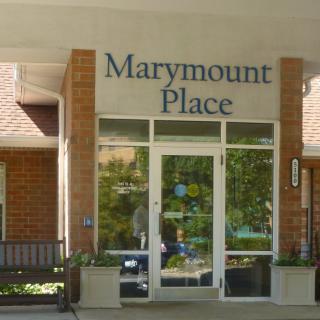
  • The Village at Marymount

    The Village at Marymount

    Garfield Heights, OH

    3.5 from 55 reviews
     

    pro Engaged activity staff with rehab/therapy support.

  • Villa St Joseph

    Villa St Joseph

    Cleveland, OH

    1.7 from 7 reviews
     

    pro Active, caring therapy and activities staff; well-maintained rooms and timely meals.

  • Marymount Place

    Marymount Place

    Garfield Heights, OH

    4.4 from 7 reviews
    $2,421 / month

    pro Attentive staff, clean environment, and engaging activities.

  • Smart Choice Home Healthcare Services

    Smart Choice Home Healthcare Services

    Garfield Heights, OH

    2.5 from 19 reviews
     

    pro Personalized, comprehensive care with convenient access to nearby amenities.

  • Alpine Home Health Care

    Alpine Home Health Care

    Independence, OH


    pro Close access to amenities and healthcare with a focus on independence.

  • Vitalia Rockside

    Vitalia Rockside

    Seven Hills, OH

    4.3 from 96 reviews
    $2,470 to $4,145 / month

    pro Friendly staff, engaging activities, clean facilities, and good dining/value.

  • The Woodlands of Shaker Heights

    The Woodlands of Shaker Heights

    Shaker Heights, OH

    4.1 from 63 reviews
    $2,860 to $4,560 / month

    pro Caring staff in a clean, welcoming community with spacious private rooms and engaging activities.

  • HarborChase of Shaker Heights

    HarborChase of Shaker Heights

    Shaker Heights, OH

    4.1 from 50 reviews
    $5,000 to $7,000 / month

    pro Brand-new facility with friendly staff and restaurant-quality meals.

Related Resources

  • assisted living waiver programA Detailed Exploration of Assisted Living Medicaid Waivers Across the United States

    Medicaid waivers for assisted living services provide vital support for seniors and individuals with disabilities in need of long-term care, with varying state-specific eligibility criteria and benefits. These waivers cover personal care and case management but often do not fully cover room and board, leading to waiting lists for many applicants.

  • assisted living vs skilled nursingExploring the Contrasts Between Assisted Living and Skilled Nursing

    The article compares assisted living and skilled nursing facilities, detailing their differing levels of assistance, medical support, cost structures, and day-to-day experiences. It emphasizes that assisted living is for those needing help with daily activities while maintaining independence, whereas skilled nursing facilities provide intensive medical care with 24-hour staff supervision.

  • active senior livingVibrant Senior Living: A Comprehensive Guide for Active Older Adults
    Vibrant Senior Living emphasizes active senior living communities that promote independence and engagement through diverse amenities and activities, fostering wellness and social interaction among older adults. These communities range from independent to assisted living, with a focus on personal growth, family involvement, financial planning, and leveraging technology to enhance residents' experiences.